
How Aluminium Extrusion Presses Are Used in Construction Materials Manufacturing: A Comprehensive Guide

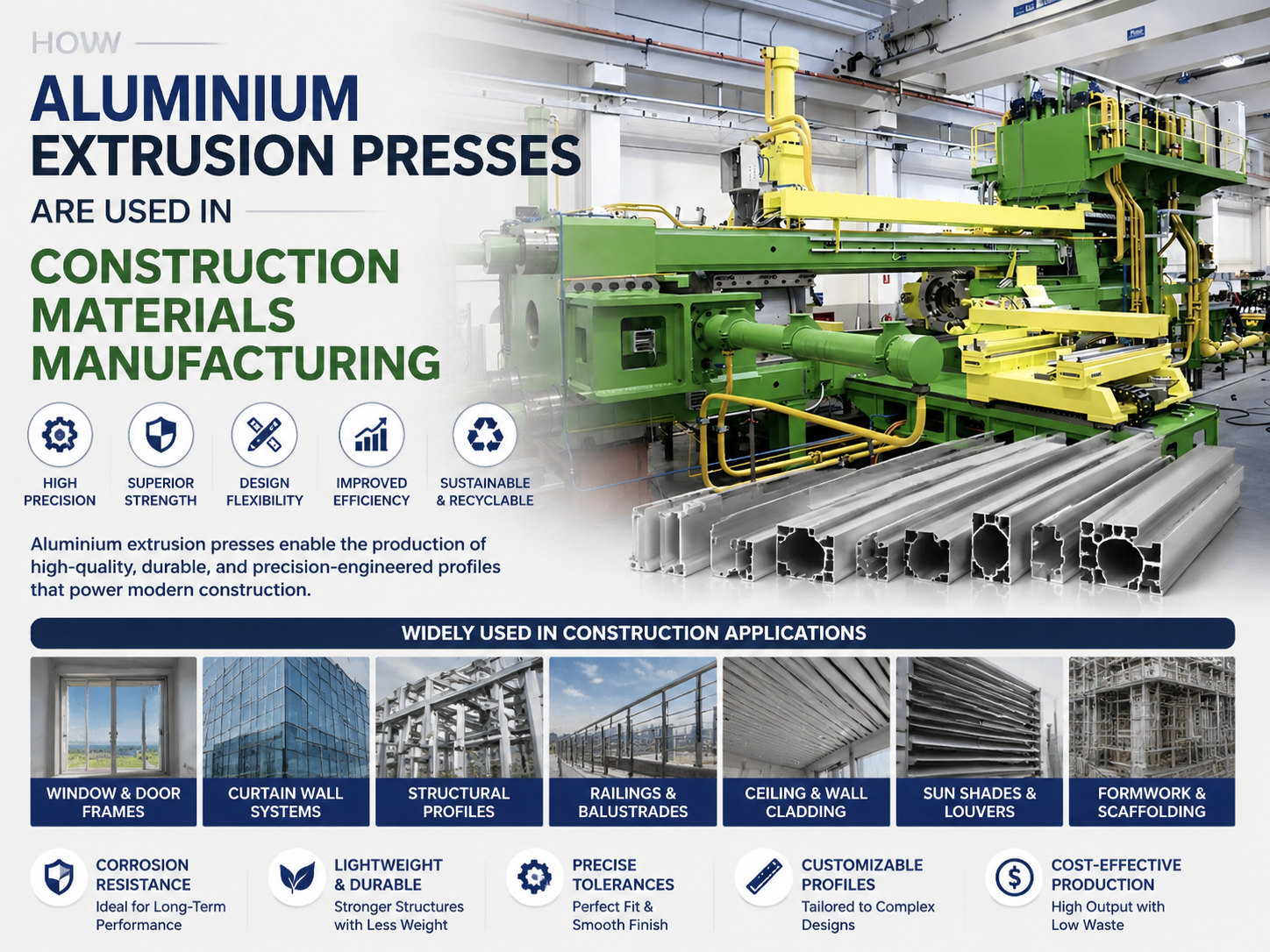
Introduction to Aluminium Extrusion in Modern Construction
The global construction industry has undergone a massive transformation over the last few decades, shifting from heavy, corrosive materials like iron and steel to lightweight, durable, and sustainable alternatives. At the heart of this revolution is the aluminium extrusion process. Understanding how aluminium extrusion presses are used in construction materials manufacturing is essential for any fabricator looking to meet the demands of modern architecture. Aluminium’s unique properties—high strength-to-weight ratio, natural corrosion resistance, and infinite recyclability—make it the material of choice for everything from skyscraper curtain walls to residential window frames.
HARSLE, a leader in metal fabrication machinery, provides high-precision aluminium extrusion presses designed to handle the rigorous demands of the construction sector. These machines are not merely tools; they are the backbone of a production line that converts raw aluminium billets into complex, functional profiles that define the skylines of our cities. In this guide, we will delve deep into the technicalities, applications, and benefits of using extrusion technology in the building materials industry.
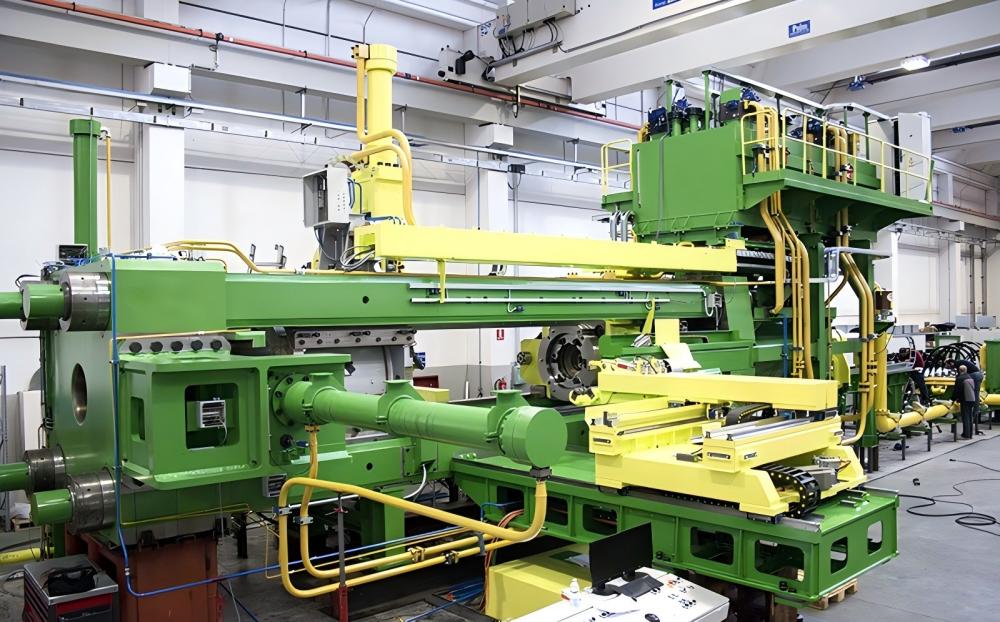
Application Scenarios: Where Extruded Aluminium Meets Architecture
When we ask how aluminium extrusion presses are used in construction materials manufacturing, the answer lies in the sheer variety of components they produce. The versatility of the extrusion process allows for the creation of intricate cross-sections that would be impossible or prohibitively expensive to manufacture through machining or casting.
1. Window and Door Systems
Perhaps the most common application is the production of window and door frames. Modern thermal-break aluminium windows require precise internal cavities to house insulating materials. Extrusion presses allow manufacturers to create these complex geometries with tight tolerances, ensuring airtight seals and energy efficiency in residential and commercial buildings.
2. Curtain Walls and Facades
For high-rise buildings, curtain walls are essential. These are non-structural outer coverings that keep the weather out and the occupants in. Aluminium extrusions provide the structural framework for these glass panels. Because aluminium is lightweight, it reduces the overall load on the building’s foundation while providing the necessary strength to withstand wind loads at high altitudes.
3. Roofing and Siding
Extruded aluminium is increasingly used in roofing systems, particularly for industrial warehouses and modern residential designs. The ability to extrude long, continuous panels reduces the number of joints, which in turn minimizes the risk of leaks. Additionally, the natural oxide layer of aluminium protects these materials from harsh environmental conditions, including salt spray in coastal regions.
4. Solar Panel Mounting Systems
As green building becomes a standard, the demand for solar energy infrastructure has skyrocketed. Aluminium extrusion presses are used to create the rails, clamps, and frames that hold solar panels in place. These components must be lightweight for roof mounting but strong enough to endure decades of outdoor exposure.
Material and Process Requirements
To understand how aluminium extrusion presses are used in construction materials manufacturing, one must understand the metallurgical and thermal requirements of the process. Not all aluminium is the same, and the construction industry has specific standards for structural integrity and surface finish.
Alloy Selection
The 6000 series alloys, particularly 6063 and 6061, are the workhorses of the construction industry. 6063 is favored for its excellent extrudability and superior surface finish, making it ideal for visible architectural applications like window frames. 6061, while slightly harder to extrude, offers higher structural strength, making it suitable for load-bearing components like scaffolding and bridge decks.
Thermal Management
The extrusion process is a thermal-mechanical event. The aluminium billet must be preheated to a specific temperature—usually between 450°C and 500°C (842°F to 932°F). At this temperature, the metal becomes plastic enough to flow through the die but remains solid enough to retain its shape upon exiting. Precise temperature control is vital; if the billet is too cold, it can damage the die or the press; if it is too hot, the surface of the profile may suffer from “pick-up” or tearing.
Die Design and Maintenance
The die is the heart of the extrusion process. In construction, where profiles often feature hollow chambers, bridge dies or porthole dies are used. These dies split the metal flow and then weld it back together around a mandrel. The quality of the die determines the dimensional accuracy of the final construction material. Regular nitriding of the die surface is required to maintain hardness and prevent wear during high-volume production runs.
Recommended Machine Configuration for Construction Profiles
Choosing the right machinery is critical for efficiency. For construction materials, the press must offer a balance of power, precision, and speed. HARSLE recommends specific configurations based on the intended output.
| Feature | Recommended Specification | Reasoning for Construction Use |
|---|---|---|
| Press Tonnage | 1000T – 2500T | Covers most window, door, and curtain wall profiles. |
| Control System | Siemens PLC / Touch Screen | Ensures repeatable accuracy for complex architectural shapes. |
| Hydraulic System | Rexroth or Vickers Valves | Provides smooth pressure transitions to avoid profile deformation. |
| Billet Heating | Induction or Gas Furnace | Rapid, uniform heating is essential for high-speed production. |
| Cooling System | Air and Water Quench | Critical for achieving the T5 or T6 temper required for structural strength. |
For large-scale structural components, such as those used in bridge building or heavy-duty scaffolding, presses exceeding 3500T may be required. However, for the majority of architectural applications, a 1450T or 1800T press provides the most versatile ROI. HARSLE machines integrate energy-saving servo motors, which can reduce power consumption by up to 30% compared to traditional constant-delivery pump systems—a major factor in modern sustainable manufacturing.
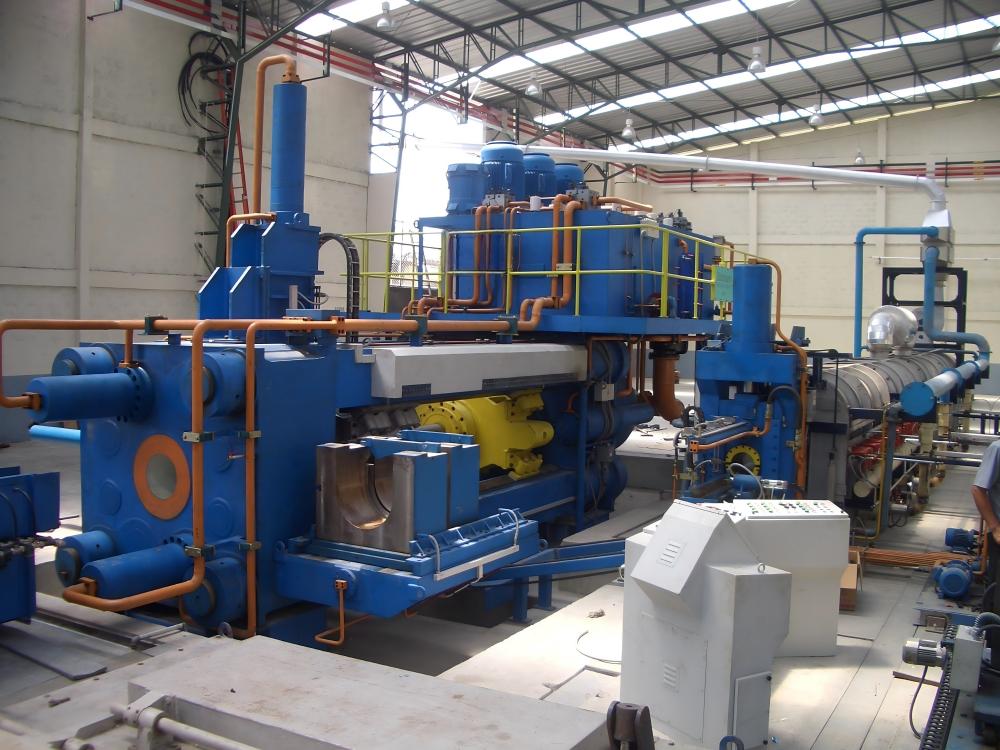
The Workflow: From Billet to Building Component
The journey of an aluminium profile through a HARSLE extrusion line involves several highly synchronized steps. Understanding this workflow clarifies how aluminium extrusion presses are used in construction materials manufacturing at an industrial scale.
Step 1: Billet Preparation and Heating
Raw aluminium logs are cut into billets of specific lengths. These billets are then fed into a furnace. Modern lines often use a log shear, which cuts the heated log to the exact size needed for the next push, minimizing waste.
Step 2: The Extrusion Cycle
The heated billet is placed into the container of the press. A hydraulic ram pushes a dummy block against the billet, forcing the metal through the die. As the profile emerges, it is guided by a “puller” that maintains slight tension to prevent twisting or warping.
Step 3: Quenching (Cooling)
As the profile leaves the die, it must be cooled rapidly to lock in its metallurgical properties. For construction-grade 6063 alloy, air quenching is often sufficient, but thicker structural profiles may require a water spray or bath to reach the desired hardness.
Step 4: Stretching and Straightening
Extruded profiles can have slight longitudinal bows or twists. Once cooled, the profiles are moved to a stretching table. A hydraulic stretcher pulls the profile from both ends, straightening it and slightly increasing its yield strength through work hardening.
Step 5: Cutting and Aging
The straightened profiles are cut to the finished lengths required by the construction project. Finally, they are placed in an aging oven for several hours at a controlled temperature (around 170°C-190°C). This process, known as artificial aging, allows precipitates to form within the metal, significantly increasing its hardness and strength (achieving T5 or T6 temper).
Productivity Benefits of Using Extrusion Presses
Why is this method preferred over others? The benefits of how aluminium extrusion presses are used in construction materials manufacturing extend beyond just the shape of the product.
- Material Efficiency: Extrusion is a “near-net-shape” process. This means the final product is very close to the desired form, significantly reducing the amount of scrap metal compared to subtractive manufacturing (machining).
- Design Flexibility: Architects can design custom profiles that integrate multiple functions—such as screw bosses, snap-fit joints, and thermal breaks—into a single piece of metal. This reduces assembly time on the construction site.
- Surface Finishing: Extruded aluminium is perfectly suited for secondary finishes like anodizing or powder coating. These finishes provide the aesthetic variety required for modern buildings while adding an extra layer of protection against the elements.
- Sustainability: Aluminium is 100% recyclable. Many construction profiles are made from “green aluminium” (recycled billets), which requires only 5% of the energy needed to produce primary aluminium.
Case Example: High-Rise Curtain Wall Production
A prominent facade manufacturer in Southeast Asia recently upgraded their facility with a HARSLE 2000T extrusion press to handle a contract for a 50-story commercial tower. The project required custom-designed mullions and transoms that could support heavy triple-glazed glass units while maintaining a slim profile.
By utilizing the HARSLE press, the manufacturer was able to produce 12-meter long profiles with a wall thickness tolerance of +/- 0.1mm. The integrated automated puller system ensured that even the most delicate fins on the profile remained perfectly straight. This precision reduced the onsite installation time by 15%, as the components fit together perfectly without the need for manual adjustment. This case illustrates perfectly how aluminium extrusion presses are used in construction materials manufacturing to solve complex engineering challenges while maintaining profitability.
Frequently Asked Questions (FAQ)
What is the most common alloy used in construction extrusion?
The 6063 alloy is the most common due to its excellent finish and moderate strength. For higher structural requirements, 6061 or 6082 alloys are used.
How long does an extrusion die last?
A well-maintained, nitrided die can typically produce between 2,000 to 5,000 kilograms of aluminium before requiring refurbishment, depending on the complexity of the profile shape.
Can extrusion presses handle recycled aluminium?
Yes, modern extrusion presses are perfectly capable of processing billets made from recycled scrap, provided the alloy chemistry is correctly balanced during the smelting process.
What is the difference between T5 and T6 temper?
T5 temper is achieved by cooling the metal directly from the extrusion press and then artificially aging it. T6 temper involves a more rigorous solution heat treatment and quenching process, resulting in higher strength but often at a higher cost.
How does HARSLE ensure the energy efficiency of its presses?
HARSLE utilizes variable frequency drives (VFD) and high-efficiency servo-hydraulic systems that only draw power when the press is actively moving, significantly reducing idle energy consumption.
Conclusion: Elevate Your Production with HARSLE
Understanding how aluminium extrusion presses are used in construction materials manufacturing is the first step toward optimizing your production line. As the construction industry continues to prioritize sustainability, speed, and architectural beauty, the role of high-quality extrusion machinery will only grow. HARSLE is committed to providing the technology and support necessary for manufacturers to thrive in this competitive landscape.
Whether you are producing simple angles or complex curtain wall systems, our range of extrusion presses offers the reliability and precision your projects demand. Contact HARSLE today to discuss your specific requirements and let us help you build the future of construction, one profile at a time.


