Alligator Shear Buying Tips for Metal Fabrication and Recycling Businesses

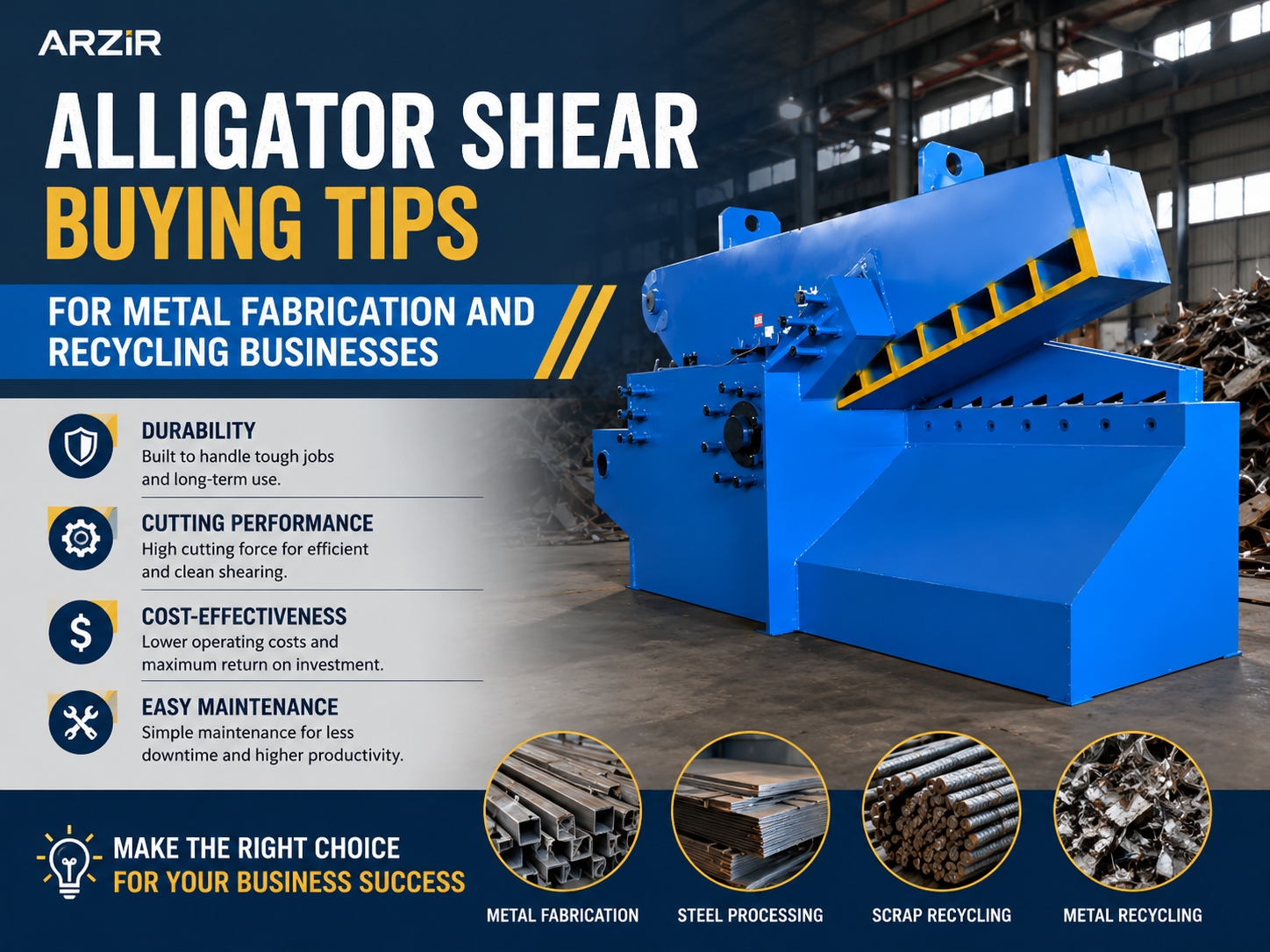
Introduction to Alligator Shears in Modern Industry
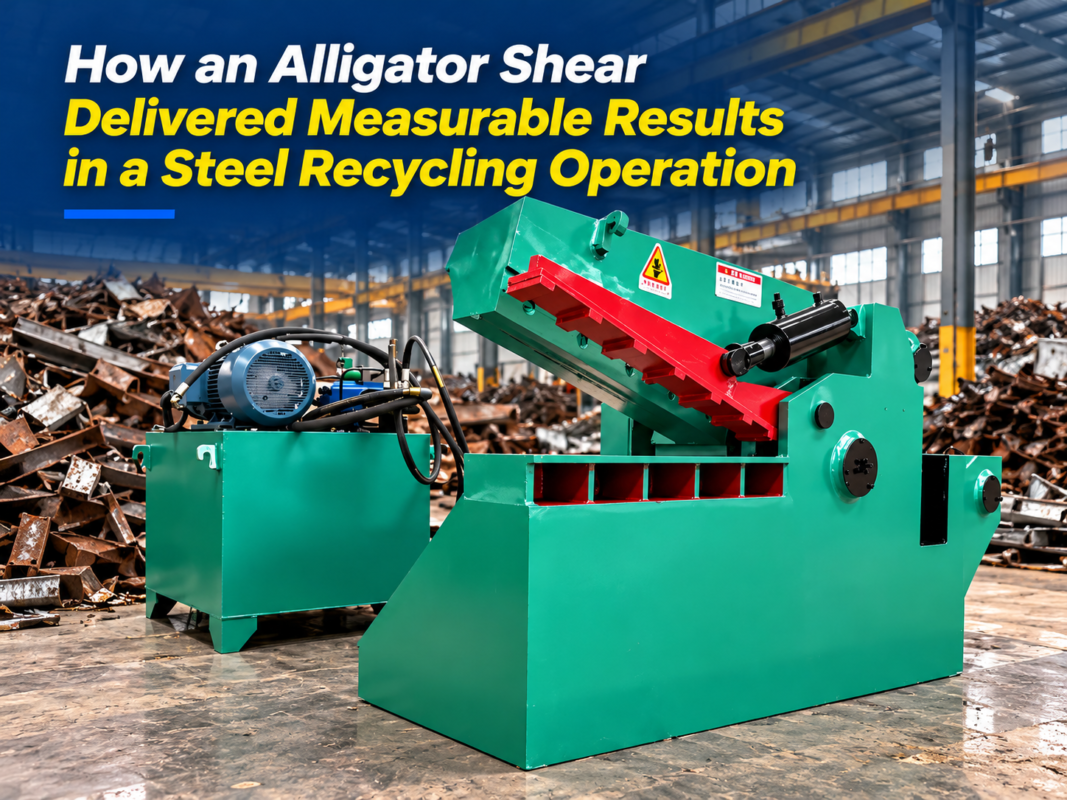
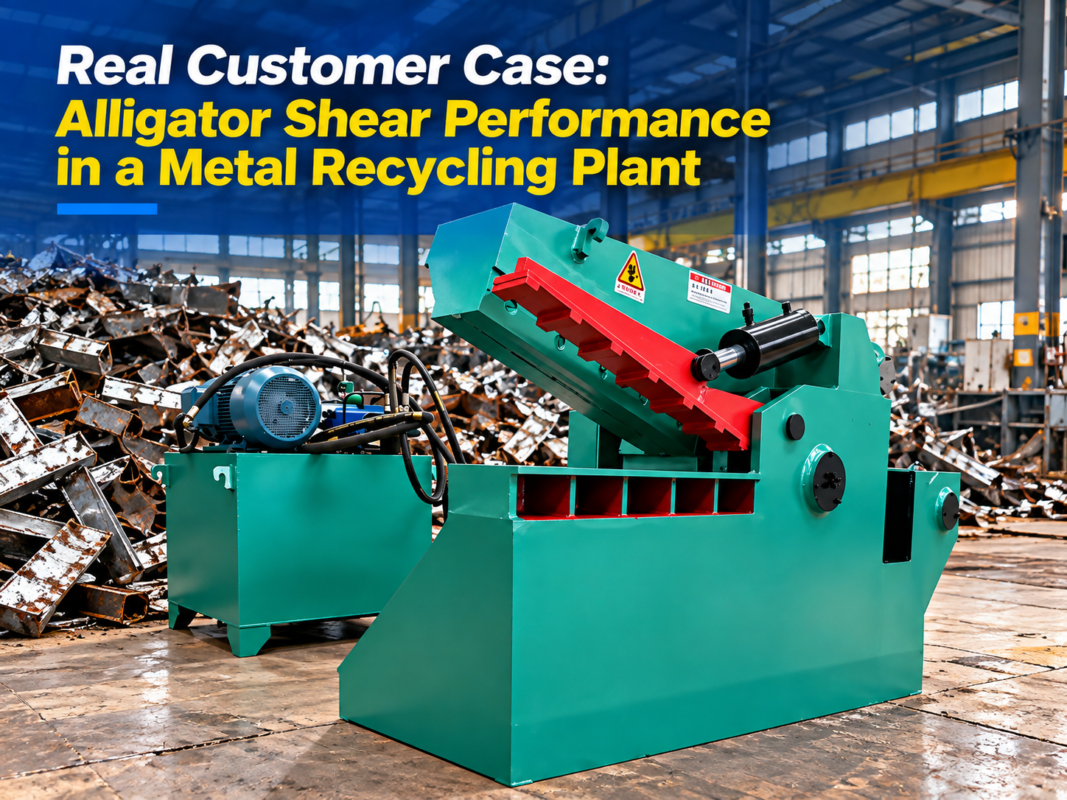
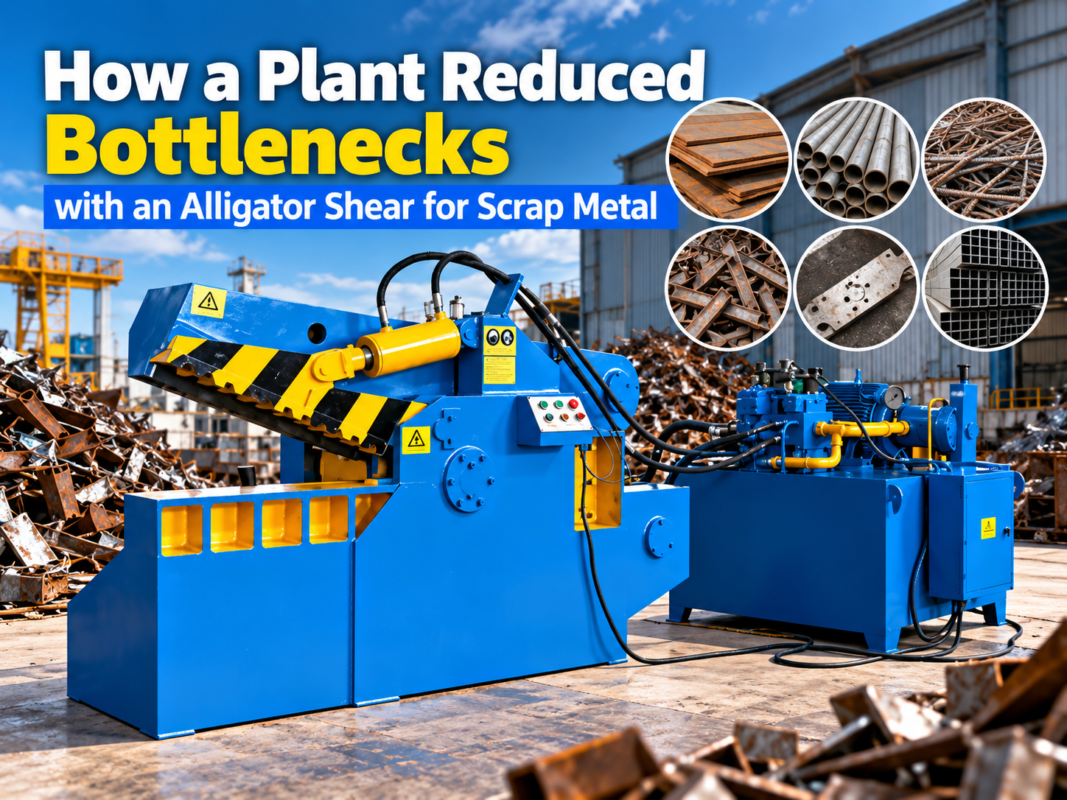
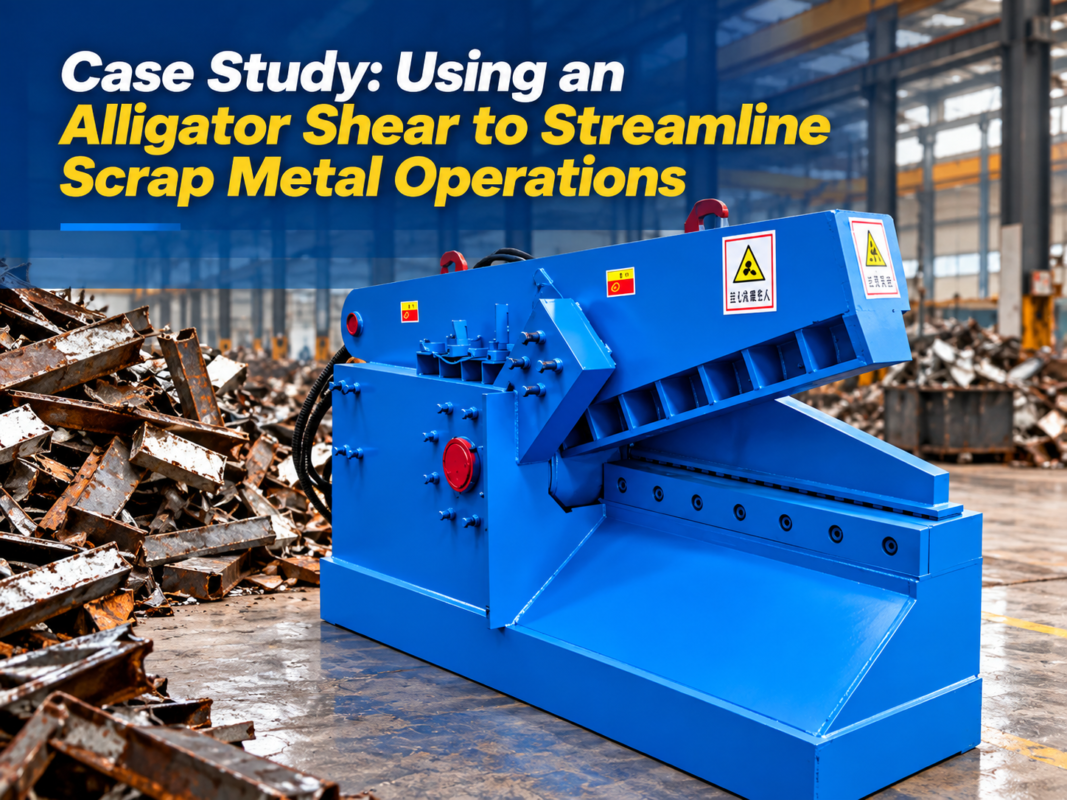
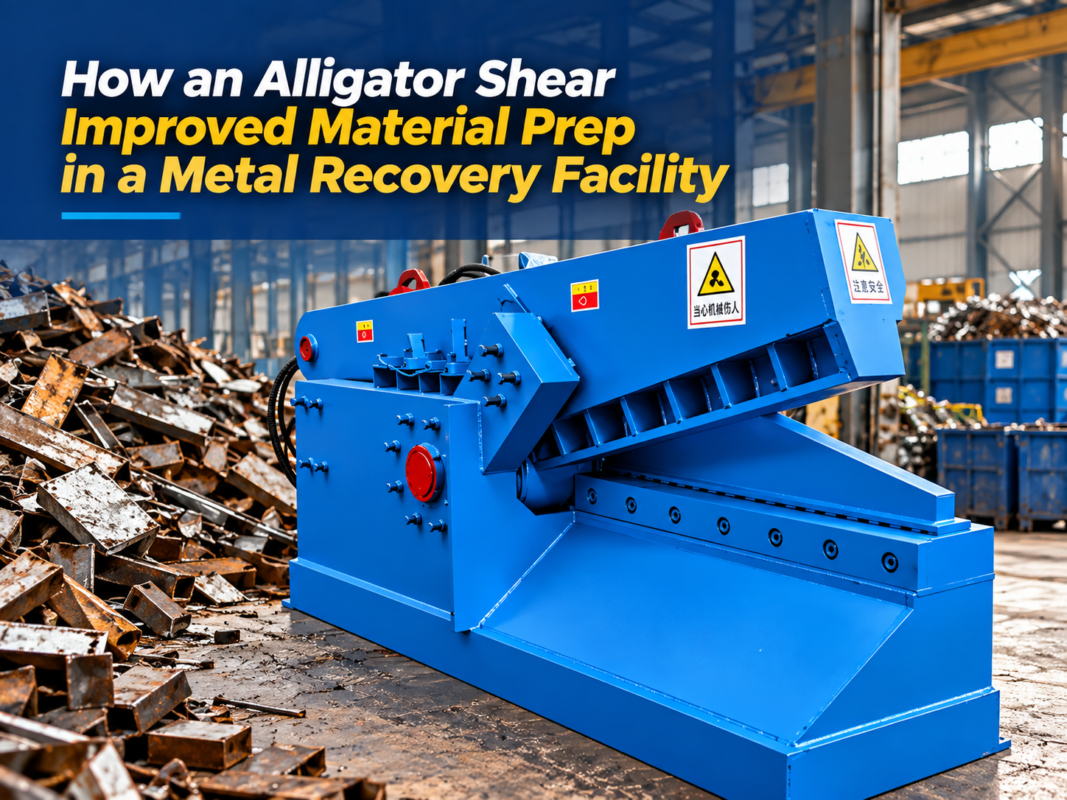
In the fast-paced world of metal fabrication and scrap recycling, efficiency is the cornerstone of profitability. The alligator shear, named for its characteristic jaw-like movement, remains one of the most vital tools for processing oversized metal scrap into manageable, high-value pieces. Whether you are running a dedicated recycling yard or a metal fabrication shop that generates significant offcuts, choosing the right alligator shear is a decision that impacts your operational flow for years to come.
As global demand for recycled metals like aluminum, copper, and steel continues to rise, the need for robust, reliable cutting equipment has never been greater. However, the market is flooded with various models, ranging from small manual units to massive, automated hydraulic systems. Navigating these options requires a deep understanding of technical specifications, material capacities, and long-term maintenance requirements. This guide provides comprehensive alligator shear buying tips for metal fabrication and recycling businesses to ensure you invest in a machine that delivers maximum ROI.
Price Range Overview: What to Expect
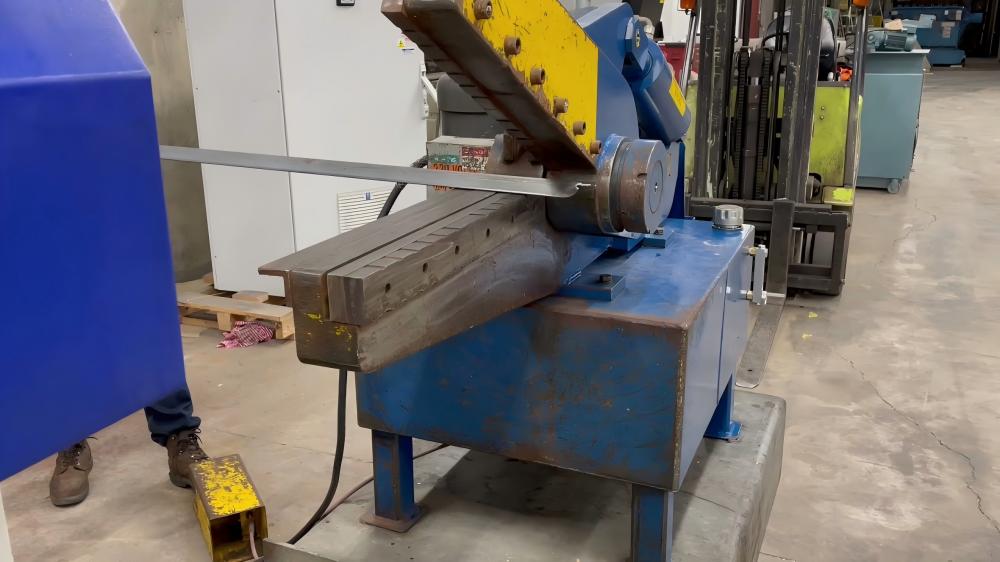
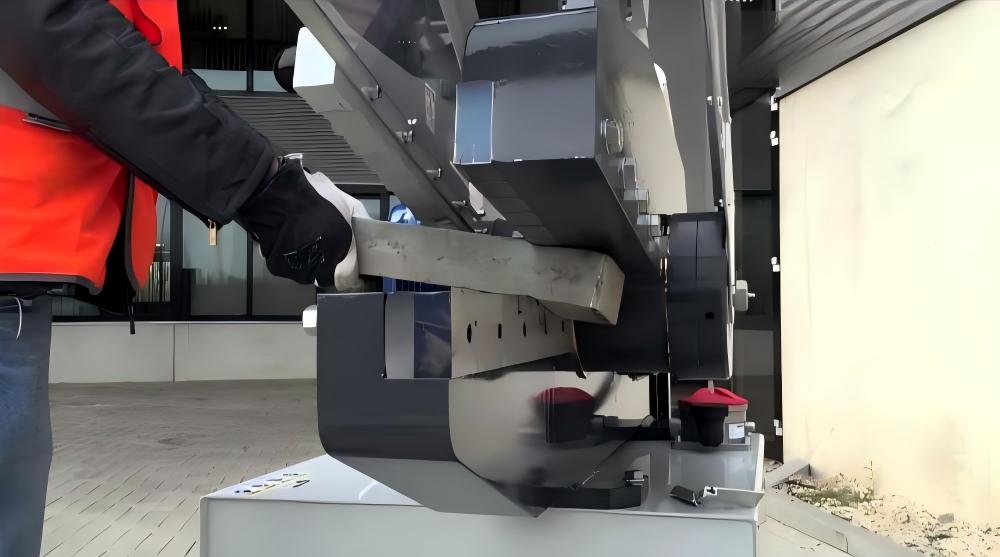
The price of an alligator shear is primarily determined by its cutting force (tonnage) and blade length. For small-scale operations or businesses focusing on non-ferrous metals like copper tubing and thin aluminum extrusions, entry-level shears typically range from $3,000 to $8,000. These machines usually offer a cutting force between 60 and 100 tons and are designed for intermittent use rather than 24/7 industrial cycles.
Mid-range alligator shears, which are the workhorses of most medium-sized recycling centers, fall into the $10,000 to $25,000 bracket. These units provide cutting forces of 120 to 250 tons and feature longer blades (up to 600mm or 800mm). They are built with more robust hydraulic systems and are capable of handling thicker steel plates, rebar, and larger automotive components. At this price point, you begin to see features like integrated cooling systems and more advanced safety enclosures.
Heavy-duty industrial alligator shears designed for high-volume scrap processing can exceed $40,000. These machines offer 315 to 500+ tons of pressure and are often integrated into automated production lines. They feature high-speed hydraulic valves, premium motor brands like Siemens, and specialized alloy blades designed to withstand the rigors of cutting heavy structural steel and thick-walled pipes. When evaluating these prices, it is essential to consider the machine’s throughput capacity, as a more expensive machine that processes double the material per hour will pay for itself much faster.
Main Cost Drivers: Why Prices Vary
Understanding what drives the cost of an alligator shear helps buyers distinguish between a high-quality investment and a low-cost liability. The most significant cost driver is the hydraulic system. High-end machines utilize premium pumps (such as Rexroth or Vickers) and valves that provide smoother operation and higher pressure stability. A cheap hydraulic system may save money upfront but often leads to overheating, fluid leaks, and inconsistent cutting force under load.
Blade material and quality also play a massive role in pricing. Standard blades might be made of basic tool steel, which requires frequent sharpening and replacement. Premium shears, such as those offered by HARSLE, utilize high-strength alloys like H13 or D2 steel, which are vacuum-heat-treated for maximum hardness and toughness. While these blades increase the initial cost, they significantly reduce downtime and the cost per cut over the machine’s lifespan.
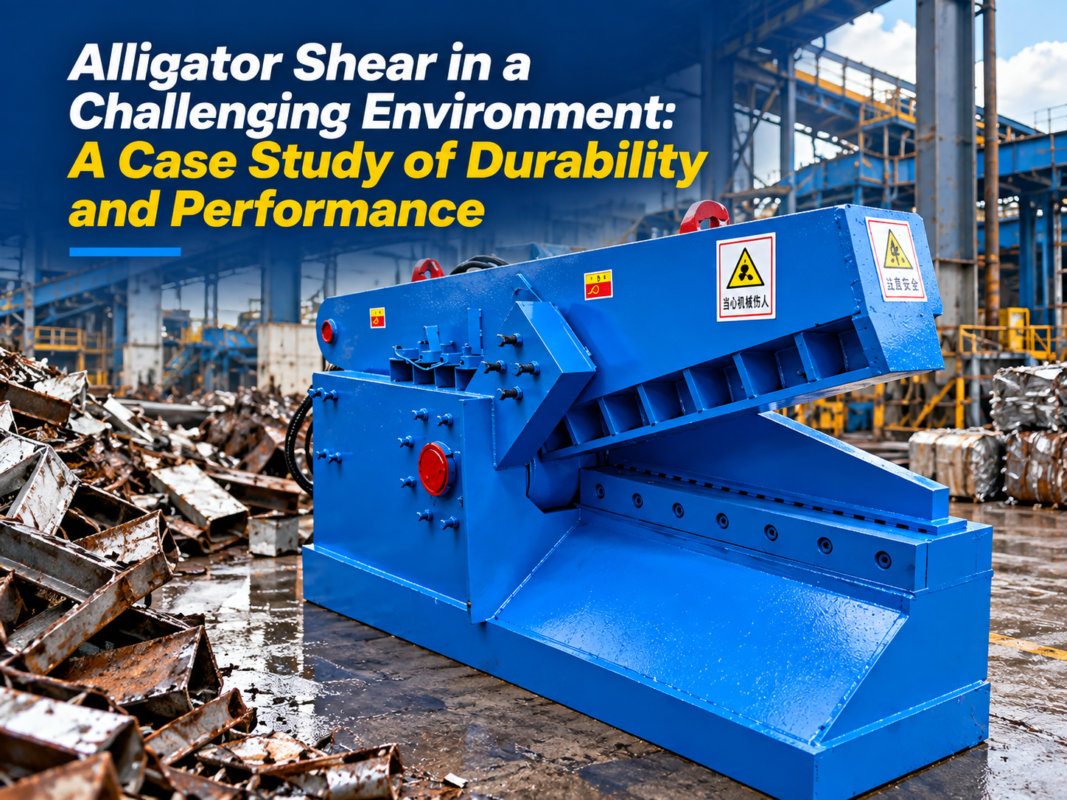
The structural frame and jaw design are the third major cost driver. A shear subjected to hundreds of tons of force needs a heavy, reinforced steel frame to prevent warping or cracking. Cheaper models often use thinner plates and lighter welds, which can lead to structural failure when cutting at the machine’s maximum capacity. Furthermore, the inclusion of advanced control systems, such as PLC (Programmable Logic Controllers) for automated cycles, adds to the cost but enhances safety and precision.
Configuration Impact: Customizing for Your Needs
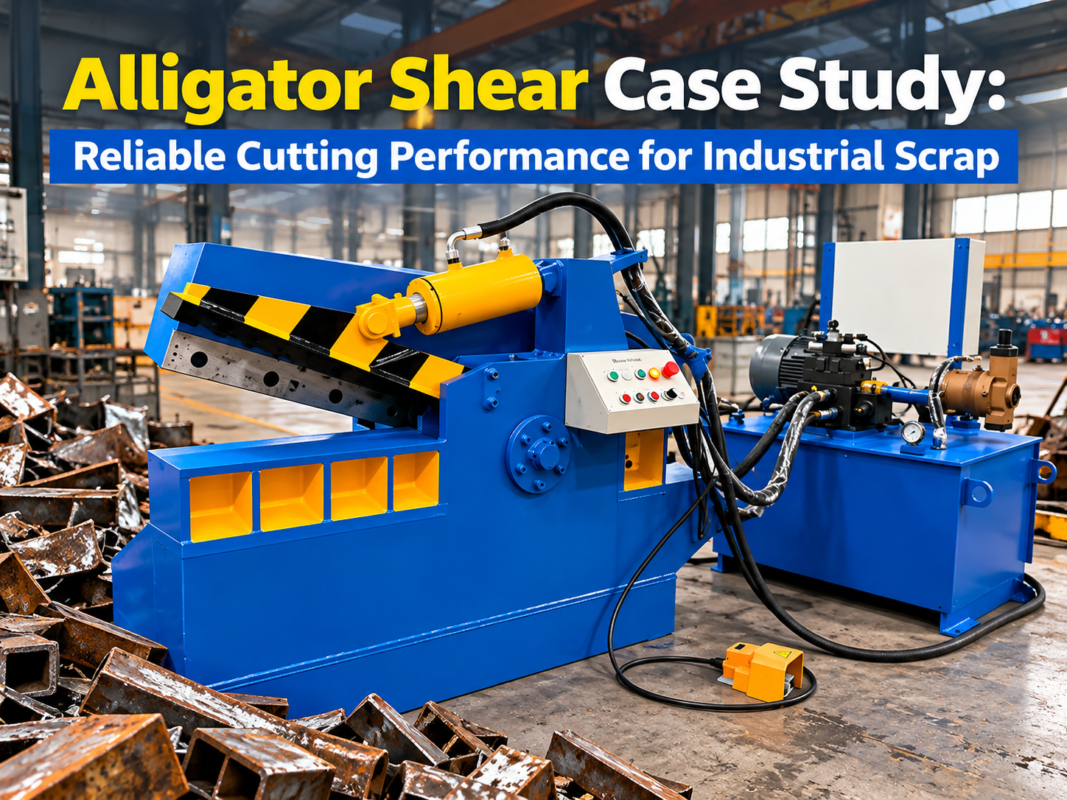
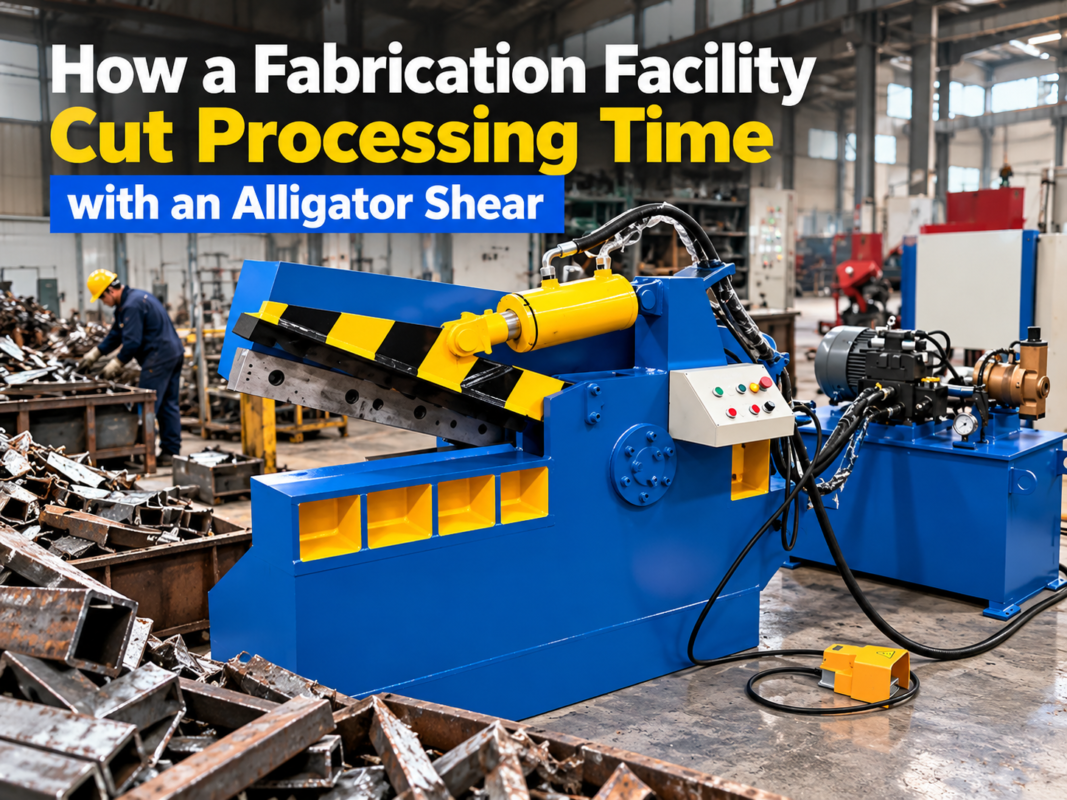
When reviewing alligator shear buying tips for metal fabrication and recycling businesses, configuration is where you tailor the machine to your specific workflow. One of the first choices is the drive system. While most modern shears are hydraulic, some smaller units are mechanical. Hydraulic shears are generally preferred for their ability to stop or reverse the stroke at any point, providing a much higher level of safety and control when dealing with unpredictable scrap shapes.
Blade length is another critical configuration factor. A shorter blade (e.g., 400mm) provides higher concentrated pressure, making it ideal for thick, dense materials like rebar or heavy bolts. A longer blade (e.g., 1000mm or 1200mm) allows for the processing of wider materials like sheet metal or large-diameter pipes in a single stroke, but it requires a much larger hydraulic cylinder to maintain effective cutting pressure across the entire length.
Automation features can also be configured based on your volume. Basic models are operated via a foot pedal, requiring the operator to trigger every stroke. For high-volume environments, a continuous cutting mode allows the jaw to cycle automatically at a set frequency. Additionally, some businesses opt for specialized feeding tables or conveyor systems that move scrap into the jaw, reducing manual labor and increasing safety by keeping operators further away from the cutting zone.
Hidden Costs of Ownership
The purchase price is only the beginning of the financial commitment. One often overlooked hidden cost is the electrical infrastructure. Large alligator shears require significant three-phase power. If your facility is not currently wired for high-amperage industrial equipment, the cost of upgrading your electrical panel and running new lines can run into thousands of dollars. Always check the motor’s kilowatt (kW) rating and ensure your facility can handle the peak load.
Maintenance and consumables are another ongoing expense. Hydraulic oil is a major consumable; a large shear might require 200 to 500 liters of high-grade anti-wear hydraulic fluid (such as ISO 46). This oil needs to be filtered and replaced periodically to protect the pump and valves. Furthermore, blades are not permanent. Depending on the material being cut, blades will need to be rotated (most have four usable edges) and eventually reground or replaced. Factor in the cost of a spare set of blades to ensure zero downtime during maintenance.
Shipping and installation are the final hidden costs. These machines are incredibly heavy, often weighing between 2,000kg and 10,000kg. Shipping from a manufacturer like HARSLE involves specialized freight and rigging. Once on-site, the machine must be leveled and often bolted to a reinforced concrete pad to prevent vibration and movement during operation. Neglecting a proper foundation can lead to premature wear on the hydraulic seals and structural frame.
ROI Calculation: Making the Business Case
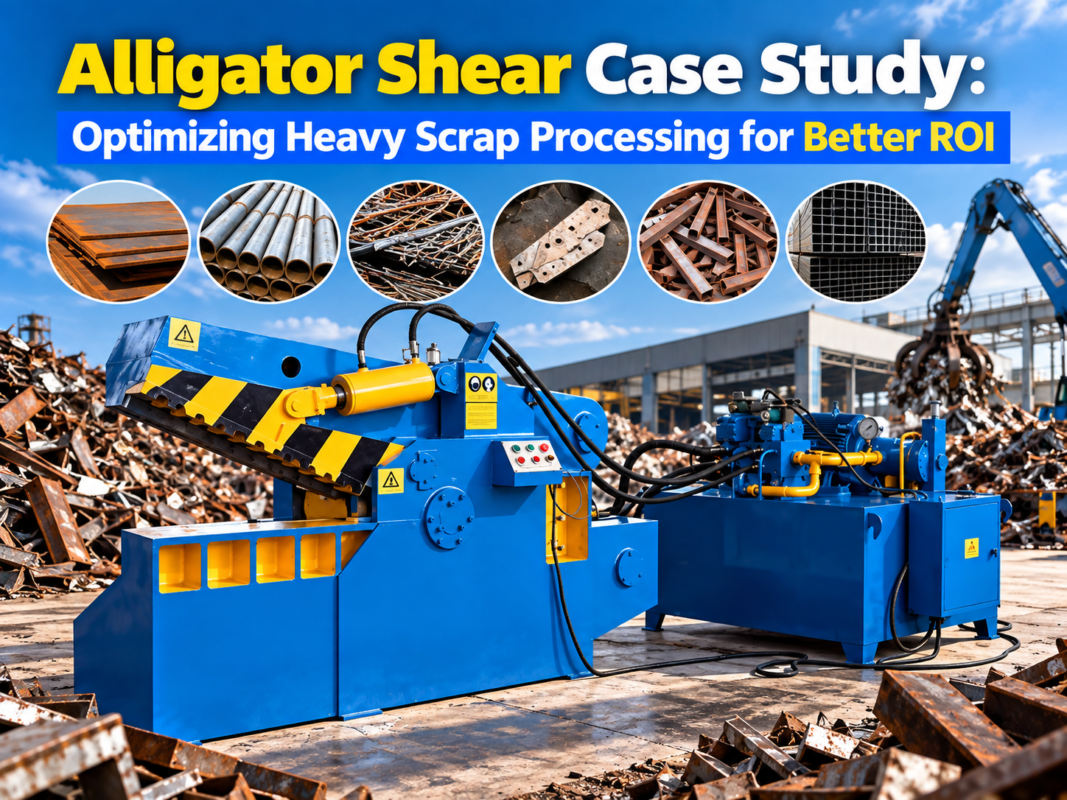
To justify the investment, businesses must calculate the Return on Investment (ROI). The primary driver of ROI in scrap recycling is the “grade upgrade.” For example, mixed scrap metal has a lower market value than clean, sized scrap. By using an alligator shear to remove attachments (like brass fittings from copper pipe) or to cut long steel beams into “prepared” lengths (usually under 3 feet or 5 feet depending on the mill), you can increase the value of your material by 20% to 50%.
Consider this example: If a recycling center processes 50 tons of steel per month and can increase the value of that steel by $40 per ton through proper shearing and sorting, the machine generates an additional $2,000 in monthly revenue. If the machine costs $15,000 and has monthly operating costs (electricity, labor, maintenance) of $500, the net gain is $1,500 per month. In this scenario, the machine pays for itself in just 10 months. In a metal fabrication setting, the ROI comes from reduced waste disposal fees and the ability to reuse offcuts for smaller projects, saving on raw material purchases.
Buying Advice: A Step-by-Step Checklist
Before finalizing your purchase, follow this checklist to ensure the machine meets your operational needs:
- Material Assessment: Identify the thickest and hardest material you intend to cut. Always choose a machine with a rated capacity at least 20% higher than your maximum requirement to avoid straining the hydraulics.
- Blade Length vs. Force: Remember that longer blades spread the force out. If you are cutting thick rebar, a shorter, high-tonnage jaw is more effective than a long, lower-tonnage jaw.
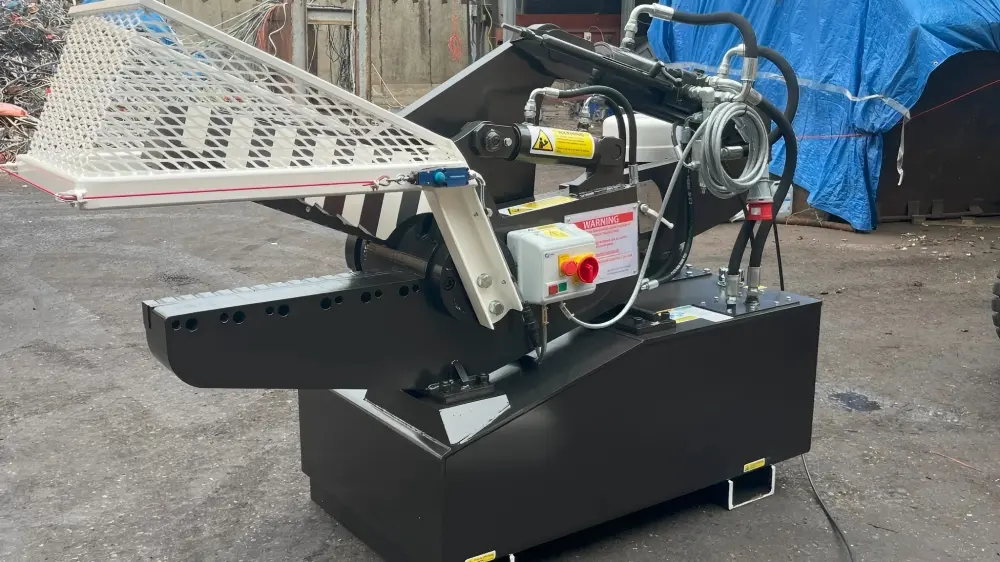
- Safety Features: Ensure the machine includes a safety cage or guard. The “alligator” motion is inherently dangerous; modern machines should have guards that prevent hands from entering the cutting zone while allowing material to pass through.
- Vendor Reputation: Buy from established manufacturers like HARSLE who provide detailed technical manuals, readily available spare parts, and warranty support. A cheap machine with no available replacement seals or blades becomes scrap itself the moment it breaks.
- Cycle Time: If you have high volumes, check the “strokes per minute” (SPM). A machine that does 10 SPM will process significantly more material than one that does 5 SPM, directly impacting your daily throughput.
Frequently Asked Questions (FAQ)
1. Can an alligator shear cut stainless steel?
Yes, but with caveats. Stainless steel is much harder than mild steel and will dull standard blades quickly. If you plan to cut stainless steel regularly, you must specify high-grade alloy blades (like H13) and ensure the machine has sufficient tonnage to handle the material’s higher shear strength.
2. How often do the blades need to be sharpened?
This depends entirely on the material. Cutting clean aluminum extrusions might allow blades to last for months, while cutting sandy, rusty, or hardened steel might require rotating the blades every few weeks. Most alligator shear blades are four-sided, meaning you can flip them three times before needing a professional regrind.
3. Is a foot pedal or automatic cycle better?
A foot pedal offers the most control and is safer for irregular scrap where the operator needs to position the piece carefully for each cut. Automatic cycles are better for uniform materials, like bundles of rebar or long pipes, where the operator can simply feed the material in at a steady pace.
4. What kind of hydraulic oil should I use?
Most industrial alligator shears use ISO 46 or ISO 68 anti-wear hydraulic oil. In colder climates, a thinner oil (ISO 32) may be necessary for winter operation, while hotter environments may require a thicker oil or an integrated oil cooler to maintain viscosity.
5. Can I use an alligator shear to cut cables?
Yes, alligator shears are excellent for cutting thick copper and aluminum cables. However, be aware that the fine wires in some cables can sometimes get wedged between the blades if the blade gap is not properly adjusted. Regular adjustment of the blade clearance is necessary for clean cable cutting.
6. What is the difference between an alligator shear and a guillotine shear?
An alligator shear has a hinged jaw and is designed for scrap processing and irregular shapes. A guillotine shear moves in a straight vertical motion and is typically used in fabrication for making long, precise straight cuts on sheet metal. Alligator shears are generally more robust for heavy scrap, while guillotines are for precision sizing.