Choosing the Right Gantry Shear Machine: A Buyer’s Guide for Plate Shearing Applications

Introduction to Gantry Shear Technology in Plate Shearing
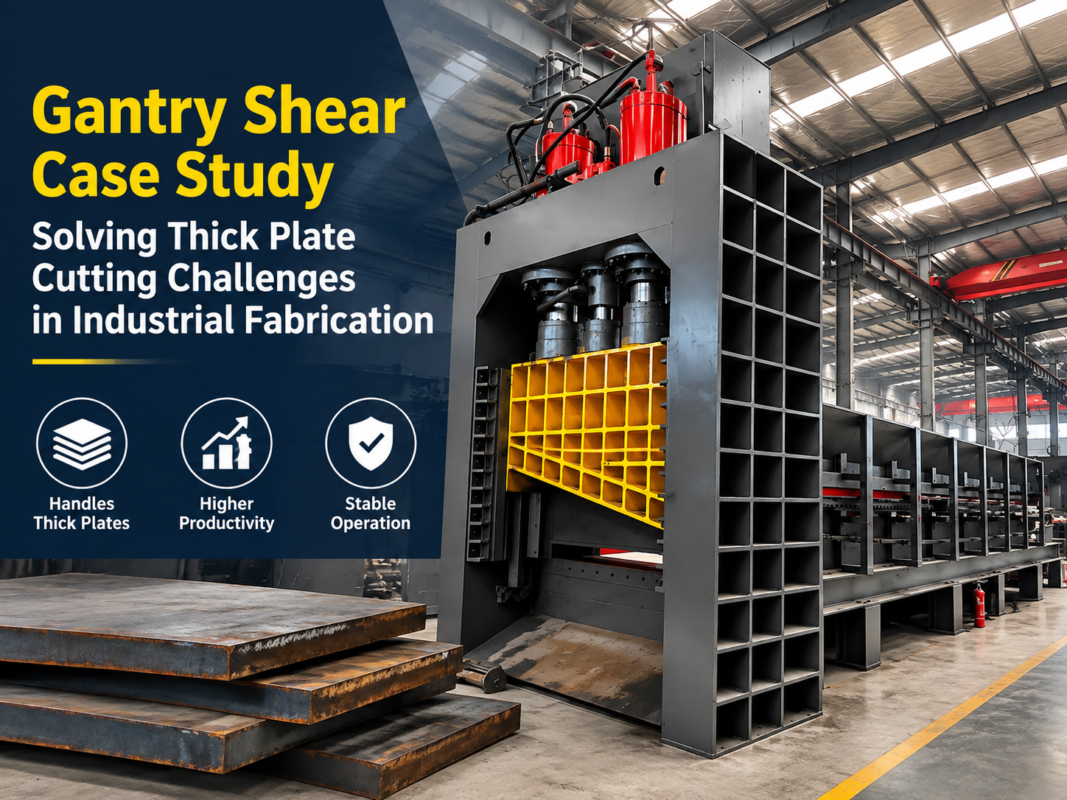
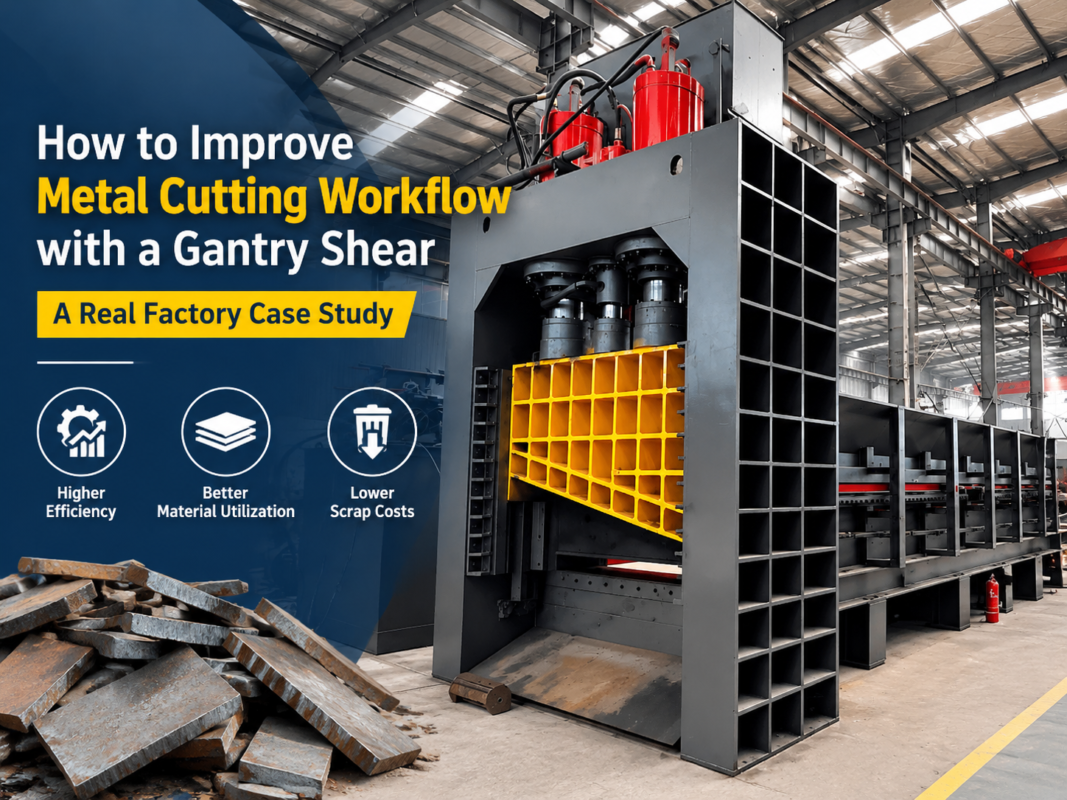
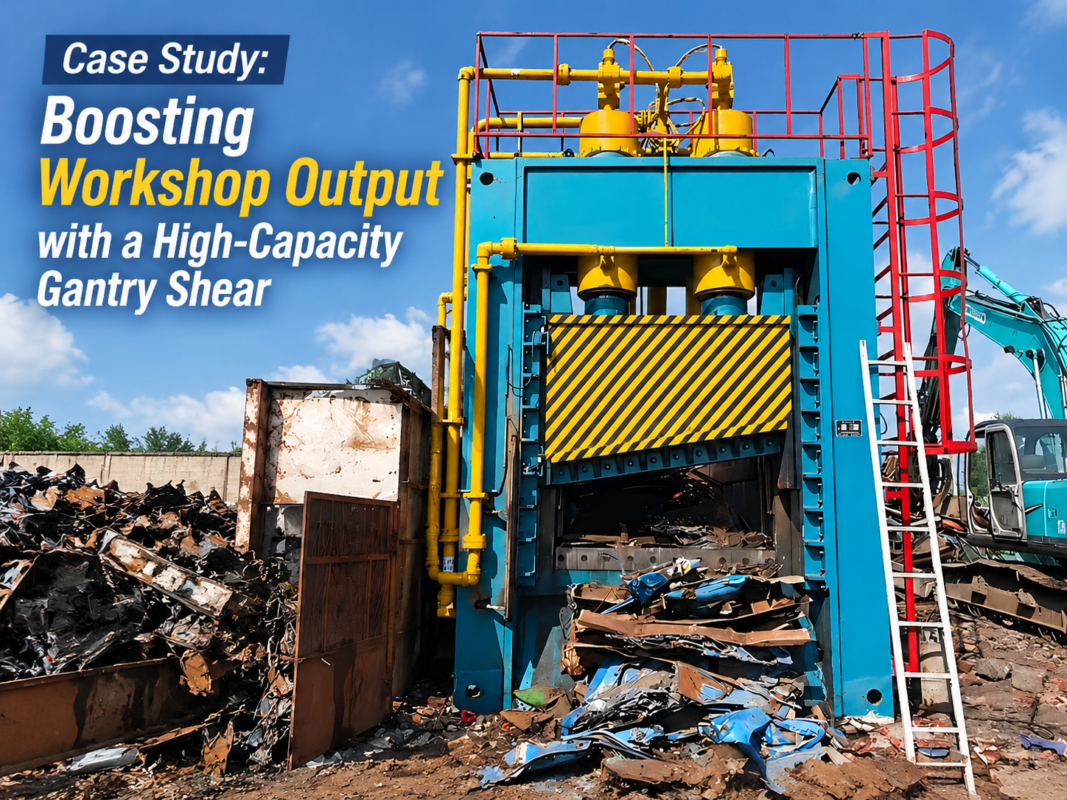
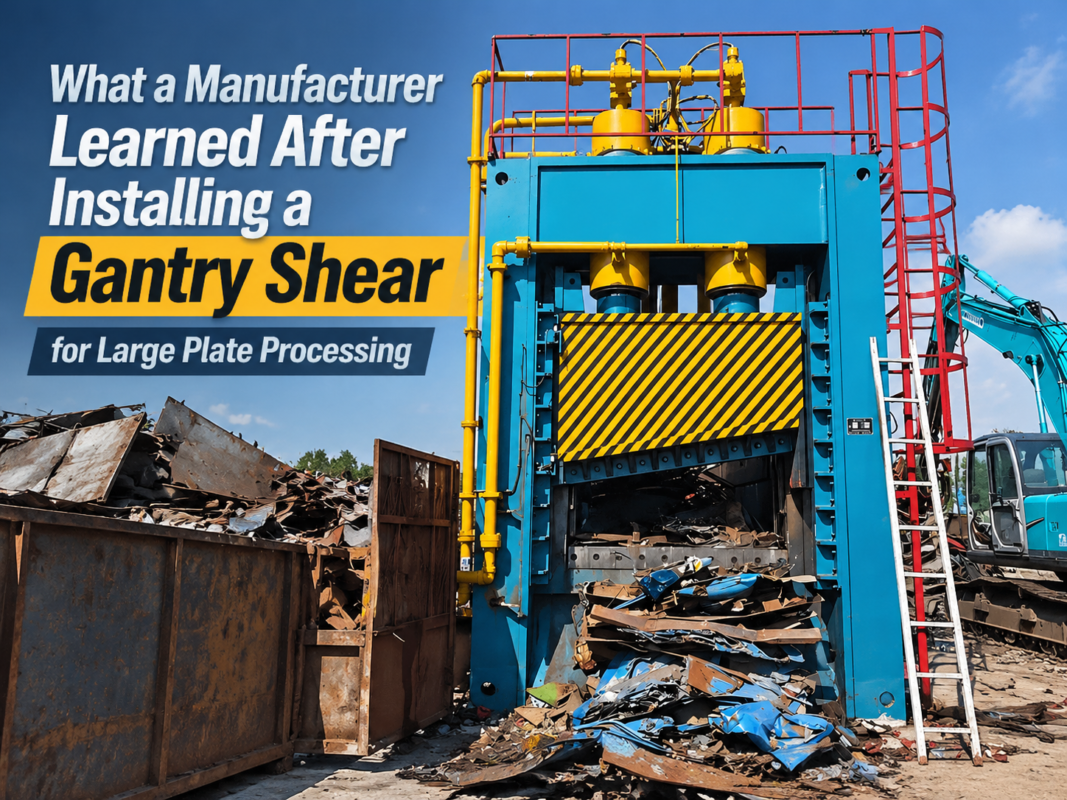
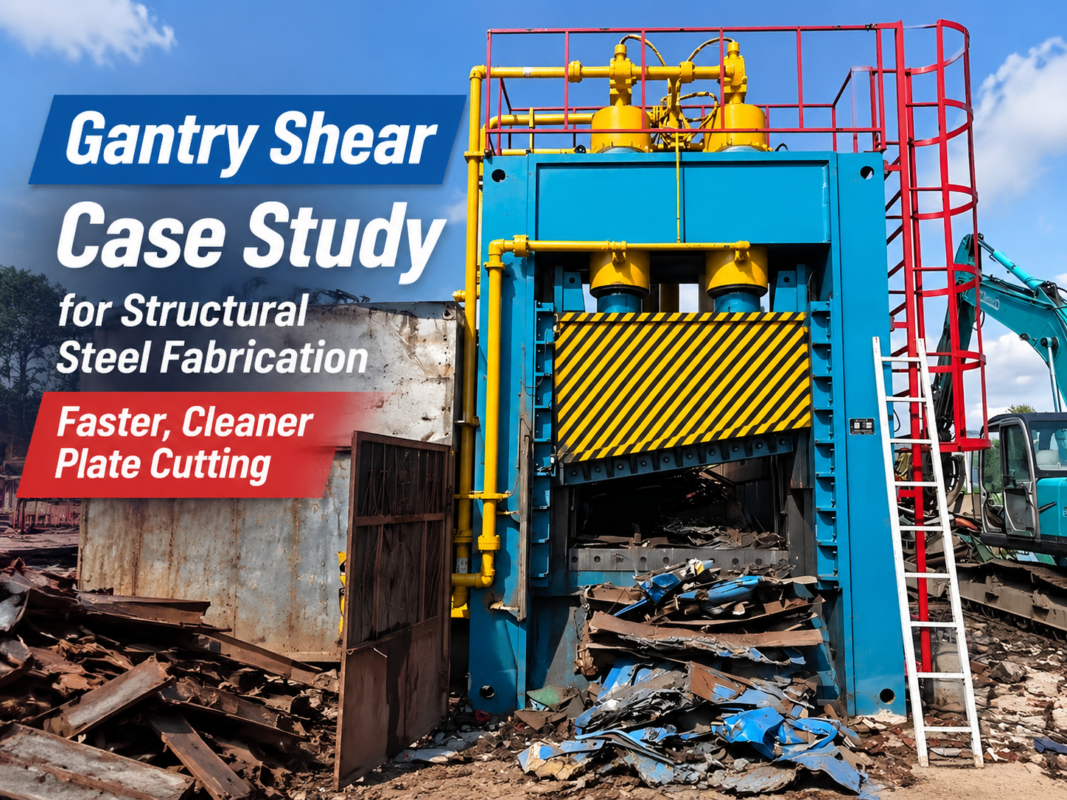
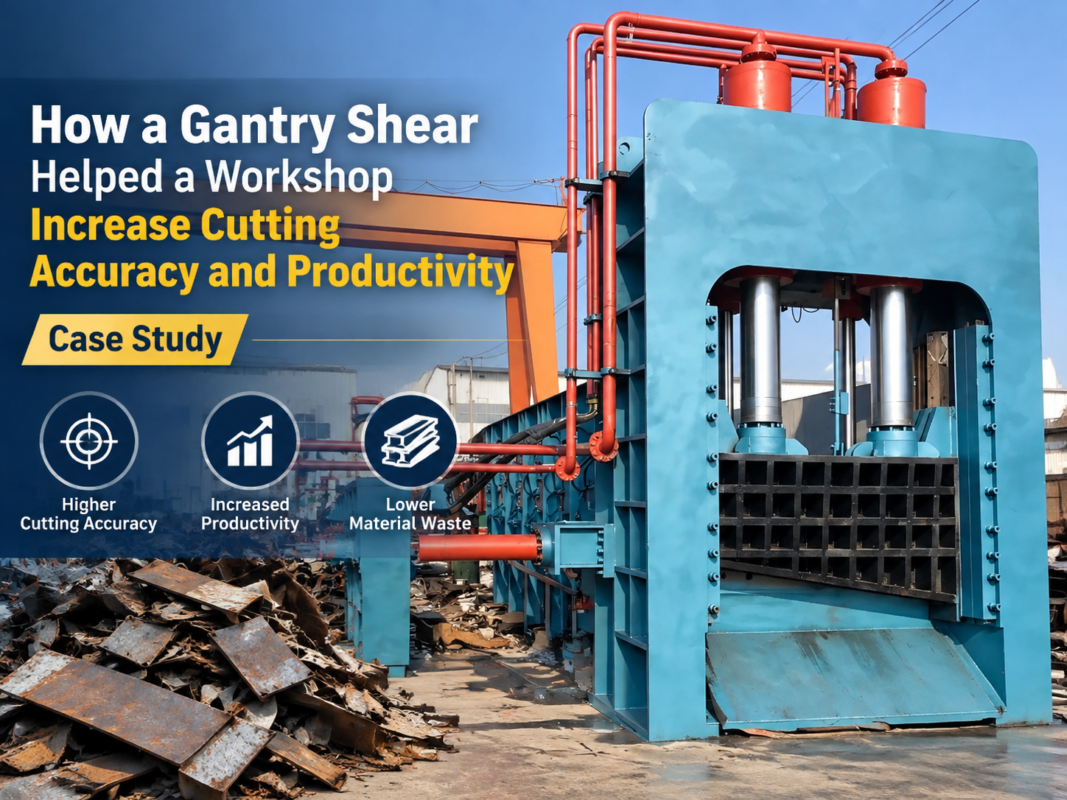
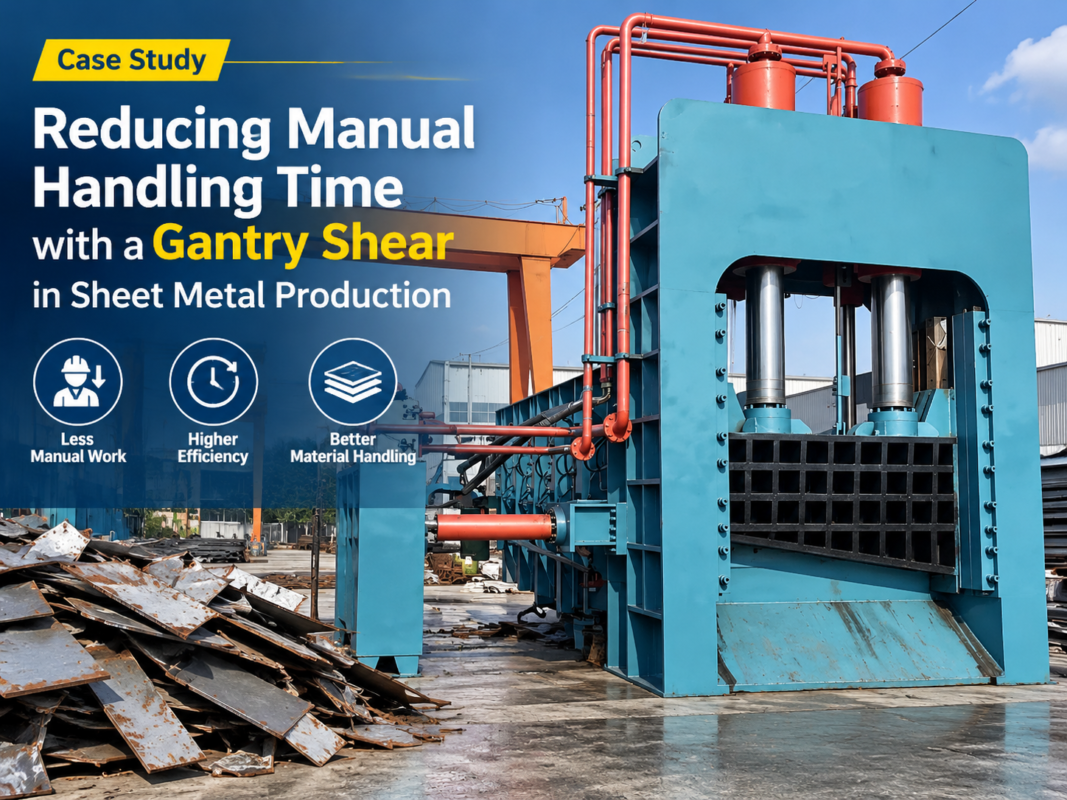
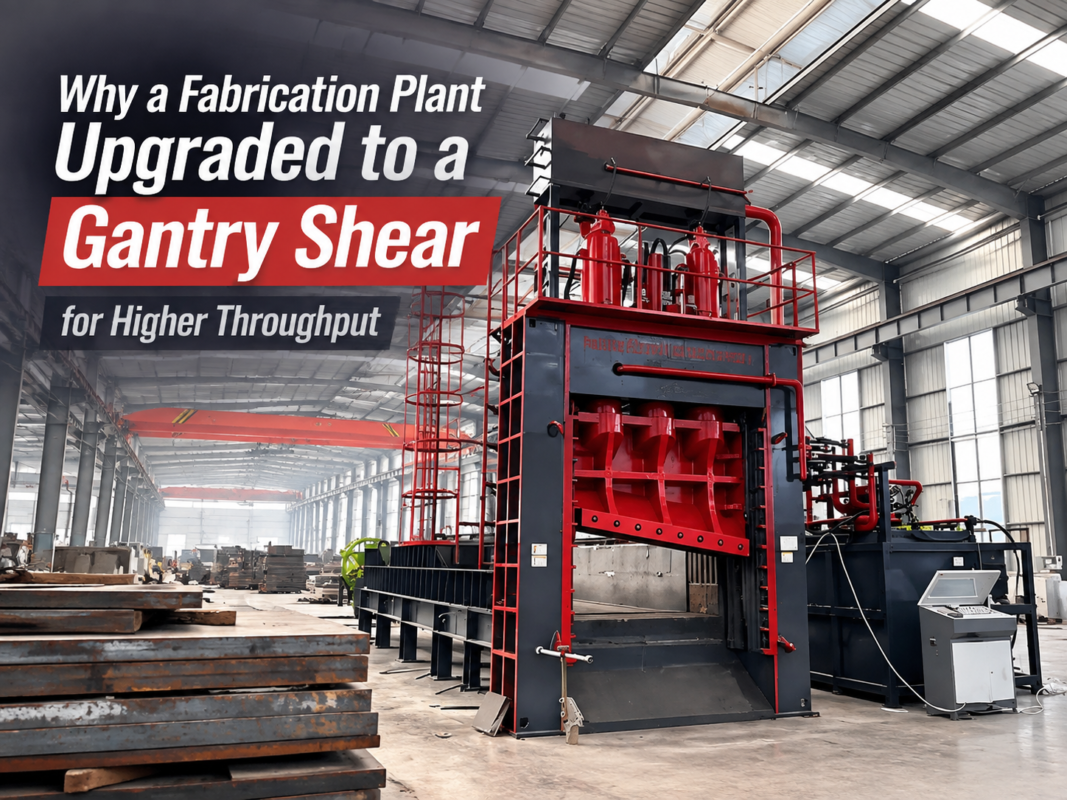
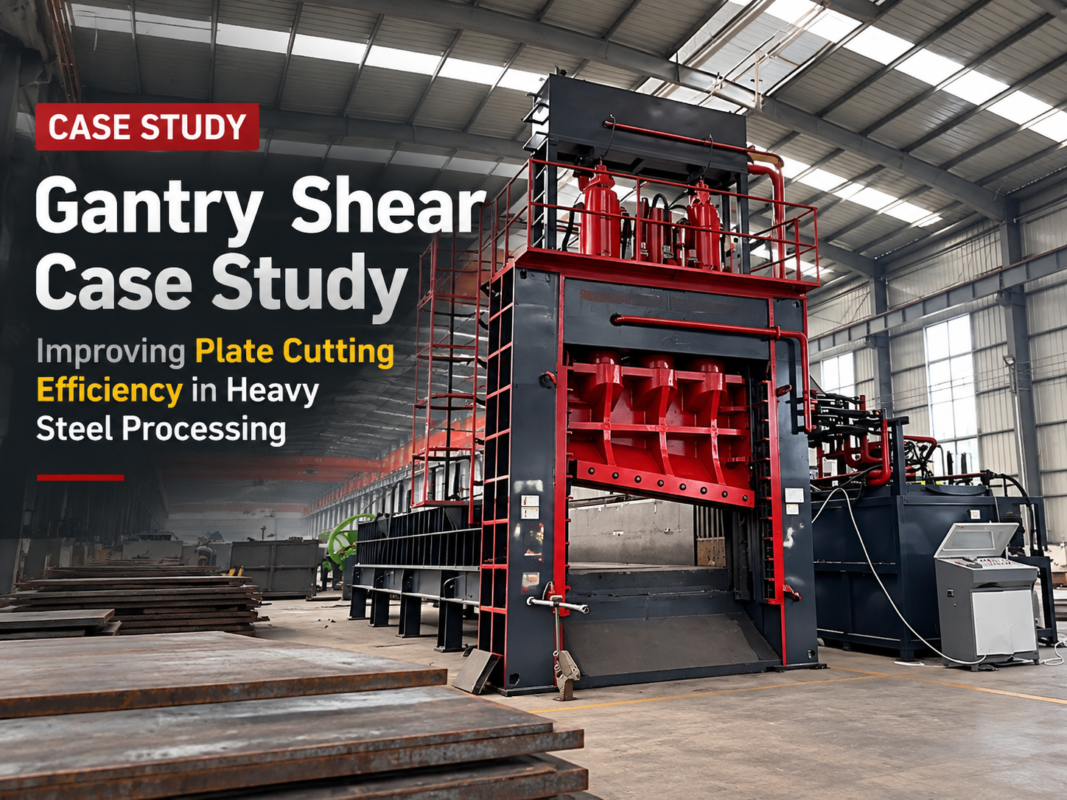
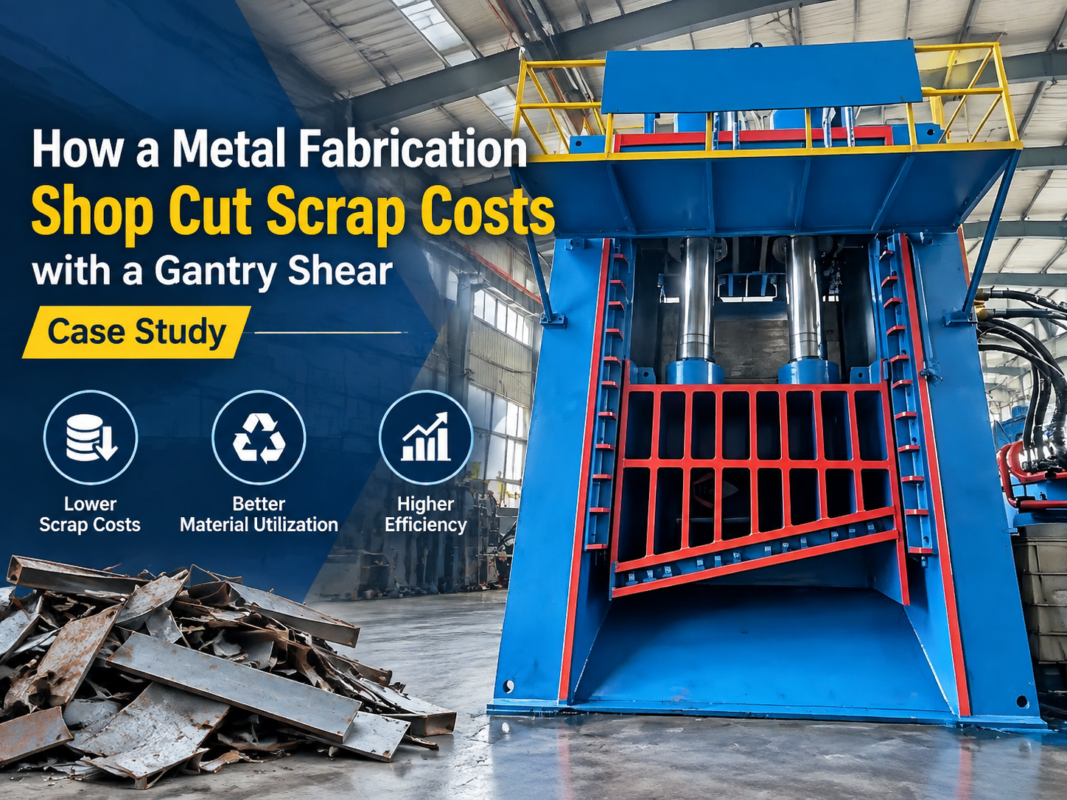
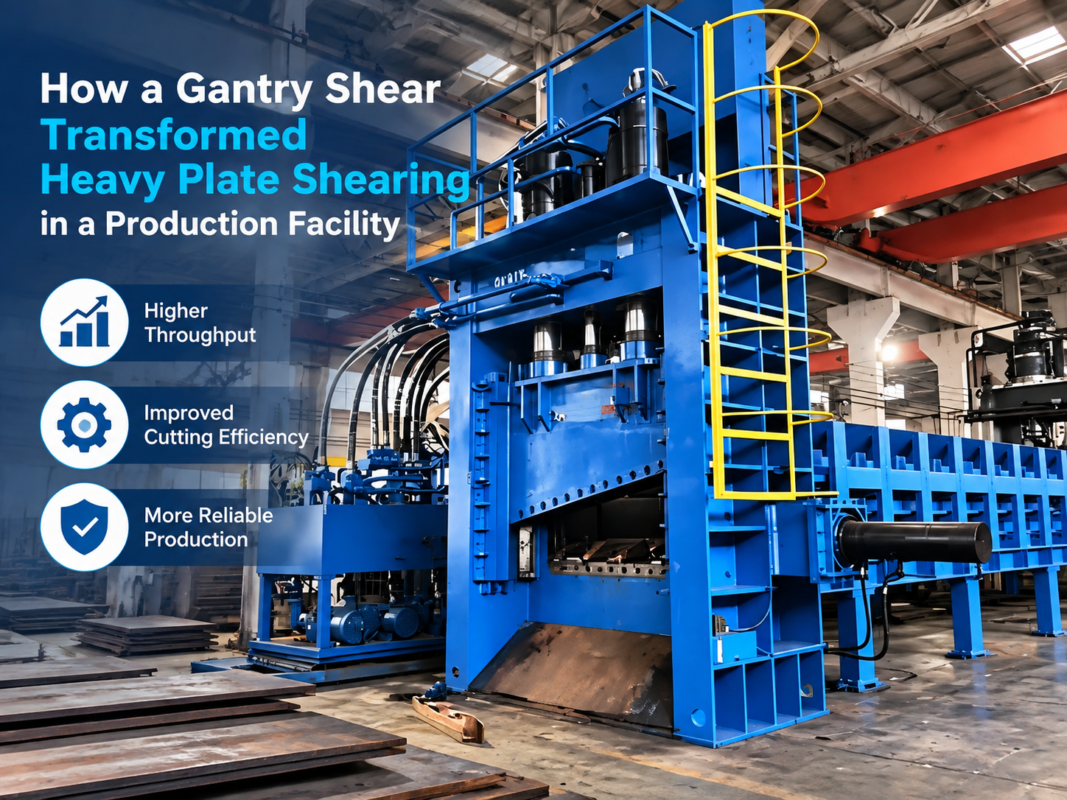
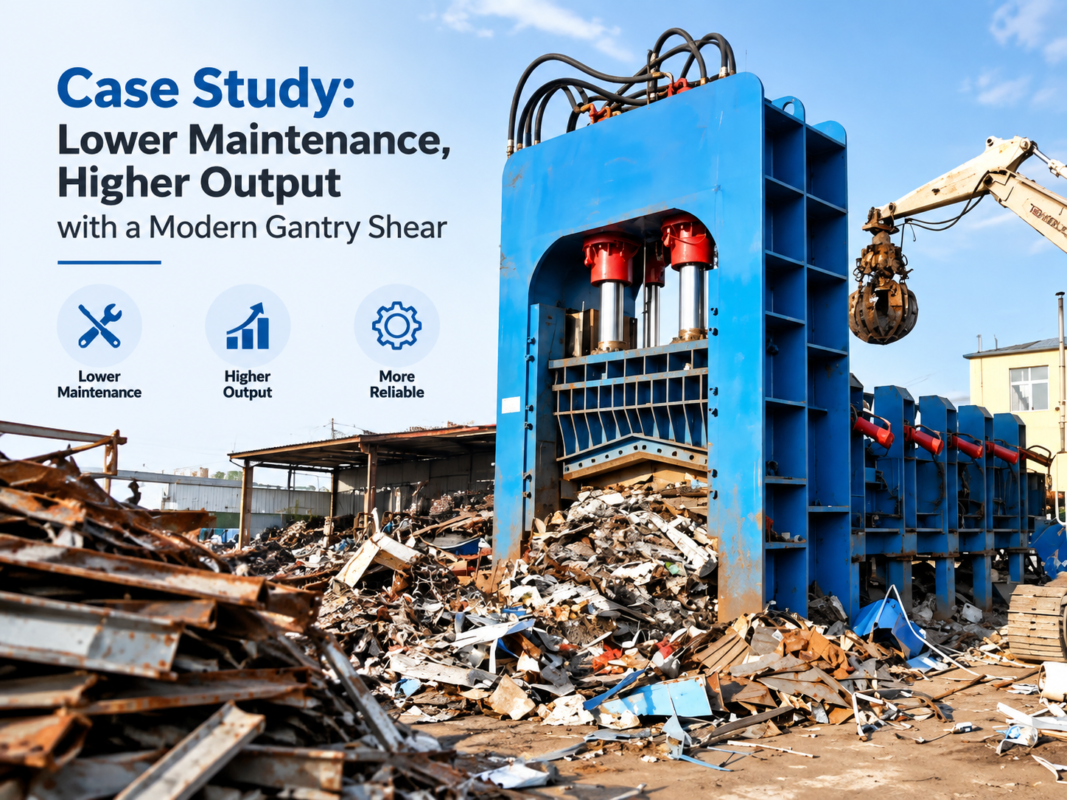
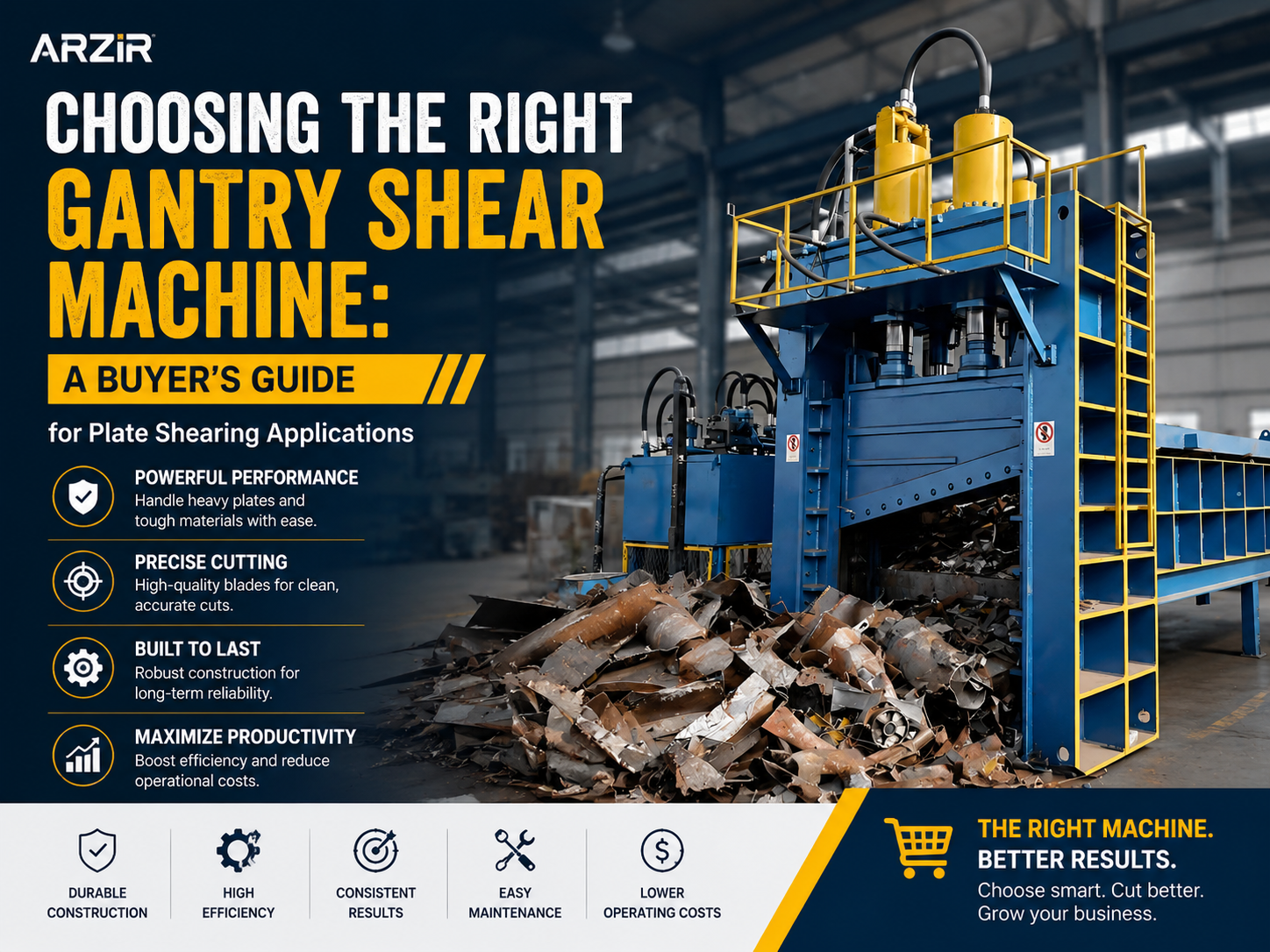
In the heavy-duty metal fabrication and scrap recycling industries, the gantry shear stands as a titan of efficiency. Unlike smaller alligator shears or standard guillotine shears, the gantry shear is designed for high-volume, continuous processing of thick steel plates, structural beams, and bulky scrap. Choosing the right gantry shear machine for your buyer’s plate shearing applications requires a deep understanding of hydraulic force, structural integrity, and operational throughput. As industries move toward more automated and sustainable practices, the demand for precision-engineered machinery like those offered by HARSLE has never been higher.
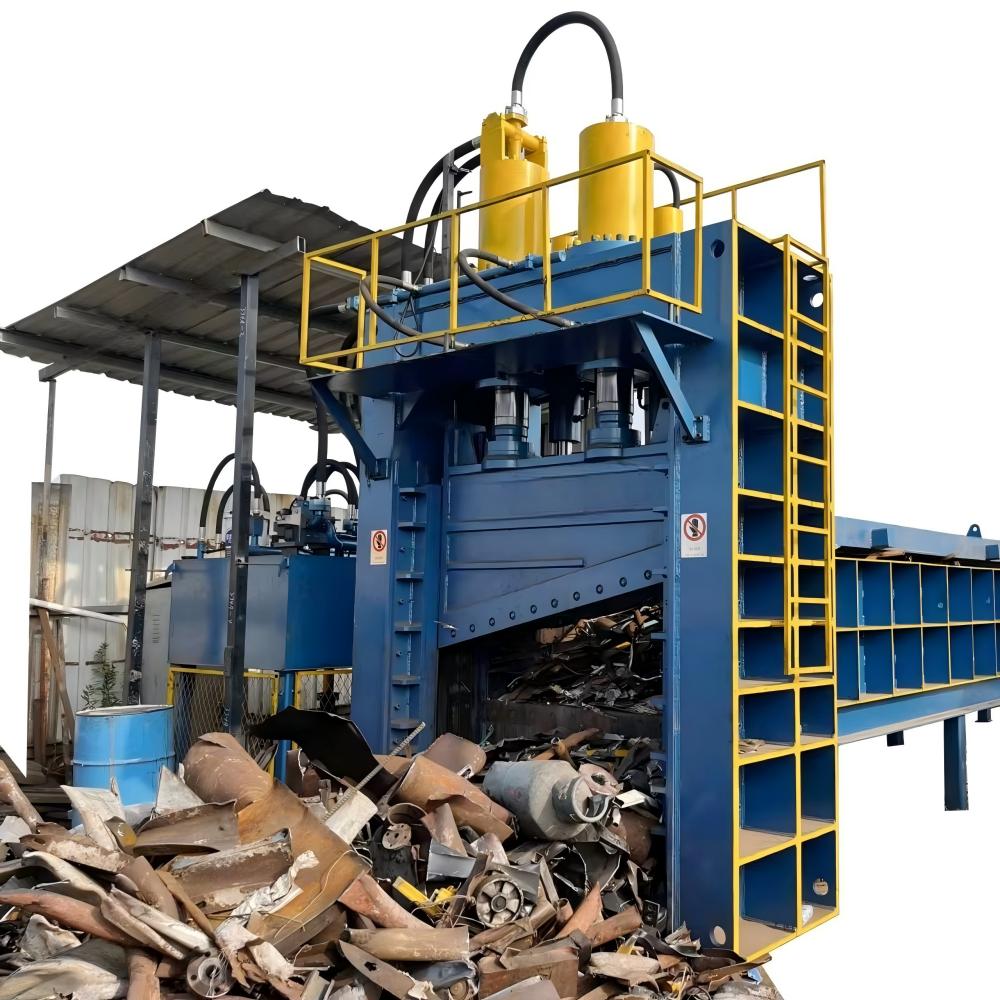
A gantry shear operates on a vertical cutting principle, where a massive blade slide moves within a rigid frame (the gantry) to exert thousands of tons of pressure. This design allows for the processing of materials that would otherwise stall lighter equipment. For a business, this machine is not just a tool; it is a long-term capital investment that dictates the speed of production and the quality of the final output. This guide aims to navigate the complexities of the market, helping you identify the specific configurations that align with your operational goals and budget constraints.
Price Range Overview: What to Expect in the Current Market
The financial commitment required for a gantry shear machine is significant, reflecting its complexity and scale. Generally, the market is divided into three primary tiers based on shearing force and automation levels. Entry-level gantry shears, typically offering between 400 to 600 tons of shearing force, are priced between $45,000 and $85,000. These machines are ideal for smaller scrap yards or fabrication shops that process medium-thickness plates and standard structural steel. They often feature manual or semi-automatic feeding systems and are valued for their relatively compact footprint compared to their larger counterparts.
Mid-range machines, which are the most common in industrial plate shearing applications, offer 800 to 1,200 tons of force. These units typically range from $90,000 to $180,000. At this level, buyers expect advanced PLC (Programmable Logic Controller) systems, high-efficiency hydraulic pumps, and integrated cooling systems. These machines are capable of 24/7 operation and can handle heavy plate thicknesses exceeding 30mm with ease. The price variation in this bracket often depends on the inclusion of automatic conveyor systems and the quality of the hydraulic components (e.g., Rexroth or Vickers valves).
Heavy-duty and custom-engineered gantry shears, providing 1,600 to over 2,500 tons of force, represent the top tier of the market. These machines can cost anywhere from $250,000 to over $600,000. They are massive installations designed for the largest recycling facilities and ship-breaking yards. These systems are almost entirely automated, featuring sophisticated material detection sensors, remote diagnostics, and high-speed hydraulic circuits that minimize cycle times. When choosing a gantry shear machine for a buyer’s plate shearing applications at this scale, the focus shifts from initial cost to maximum throughput and long-term durability.
Main Cost Drivers: Why Prices Vary
Understanding the cost drivers is essential for making an informed purchase. The most significant factor is the Shearing Force (Tonnage). Higher tonnage requires larger hydraulic cylinders, a more robust frame, and more powerful motors. Each additional 100 tons of force adds a measurable increment to the manufacturing cost because the entire structure must be reinforced to withstand the resulting stresses without deforming. HARSLE utilizes high-strength Q345B steel for its frames to ensure that even under maximum load, the machine maintains its geometric precision.
The Hydraulic System is the heart of the gantry shear. Machines equipped with premium international brands for pumps and valves carry a higher price tag but offer significantly better reliability and easier sourcing of spare parts. Furthermore, the complexity of the hydraulic circuit—such as the inclusion of regenerative high-speed valves—affects the price. These valves allow the blade to retract faster, shortening the cycle time and increasing the number of cuts per hour, which directly impacts the machine’s productivity.
Blade Material and Design also play a critical role. Standard blades are suitable for mild steel, but if the application involves high-carbon steel or specialized alloys, high-chrome or tungsten-carbide tipped blades may be necessary. These specialized blades are more expensive but offer a much longer service life between sharpenings. Additionally, the length of the blade (the throat width) dictates the maximum width of the plate that can be processed in a single stroke. A wider throat requires a wider gantry, which increases the overall material cost of the machine.
Configuration Impact: Tailoring the Machine to Your Needs
Configuration is where a buyer can truly optimize the machine for their specific workflow. One of the most critical choices is the Feeding System. Manual feeding is cost-effective but slow and labor-intensive. For high-volume plate shearing, an automatic chain conveyor or a hydraulic pusher system is recommended. These systems ensure a steady flow of material into the shearing zone, maximizing the machine’s uptime. The integration of a weighing system within the feed hopper can also provide real-time data on production volumes, which is invaluable for management and logistics.
The Control System configuration is another area of impact. While basic models use push-button manual controls, modern gantry shears utilize touch-screen HMI (Human-Machine Interface) panels connected to a PLC. This allows operators to set specific cut lengths, monitor hydraulic pressure in real-time, and receive alerts for maintenance tasks. Advanced configurations might include remote control capabilities, allowing a single operator to manage both the loading crane and the shear from a safe distance, significantly improving site safety and labor efficiency.
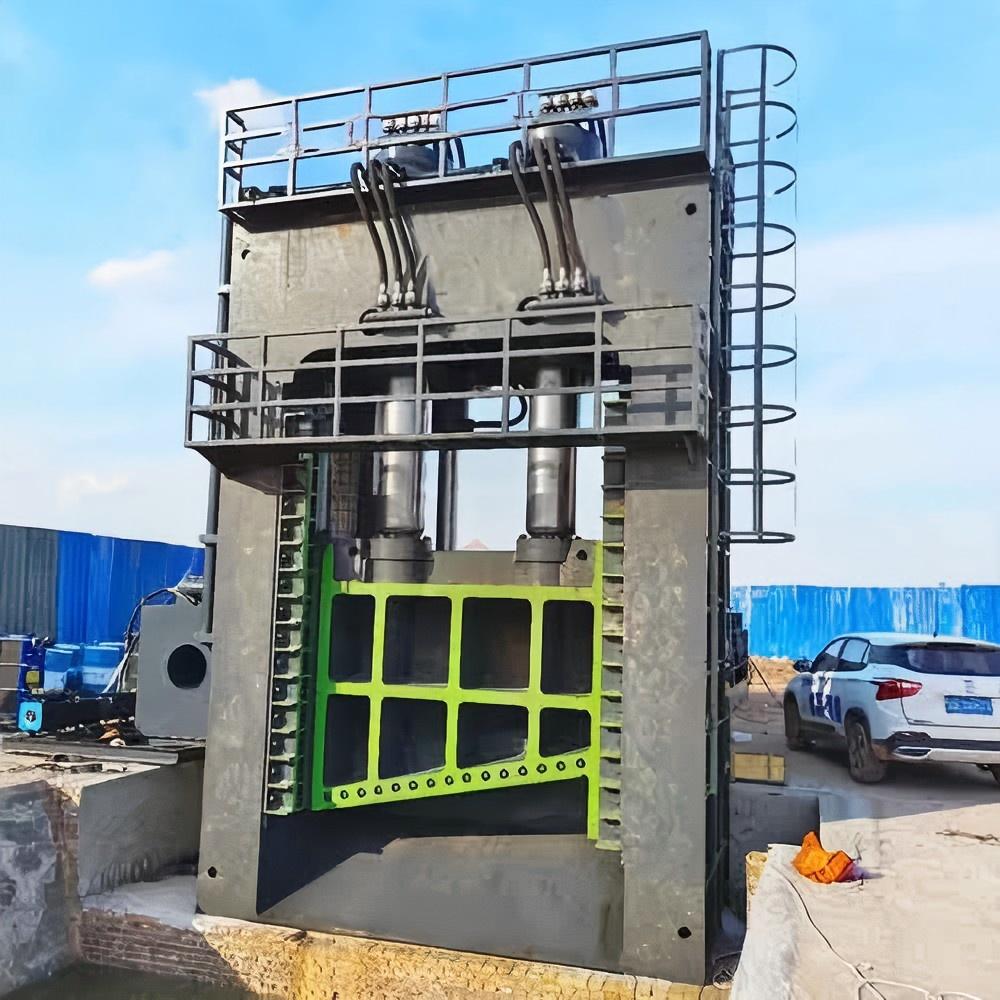
Furthermore, the Cooling and Filtration Systems should not be overlooked. In hot climates or high-intensity environments, the hydraulic oil can overheat, leading to seal failure and reduced pump life. Upgrading to an industrial-grade air or water cooling system is a configuration choice that pays for itself by preventing downtime. Similarly, high-precision oil filters ensure that the hydraulic fluid remains free of contaminants, protecting the expensive valves and cylinders from internal wear.
Hidden Costs: Beyond the Initial Purchase Price
When choosing a gantry shear machine for a buyer’s plate shearing applications, the “sticker price” is only part of the equation. Logistics and Shipping can be substantial, especially for machines weighing 20 to 100 tons. These machines often require specialized heavy-lift transport and may need to be partially disassembled for shipping, necessitating professional reassembly at the destination. Buyers must also account for customs duties and local taxes, which vary significantly by region.
Foundation and Installation are often underestimated. A gantry shear exerts massive dynamic forces during the cutting stroke. A standard factory floor is rarely sufficient; a reinforced concrete foundation, often several feet deep and isolated from the rest of the building’s slab, is required to prevent vibration damage to the facility. The cost of excavating, pouring reinforced concrete, and the subsequent curing time must be factored into the project timeline and budget. Additionally, the electrical infrastructure may need an upgrade to handle the high peak current required by the large hydraulic motors.
Maintenance and Consumables represent the ongoing hidden costs. Blades must be rotated and sharpened regularly. Hydraulic oil, which can amount to hundreds of gallons, needs periodic replacement. Seals, filters, and wear plates are all consumable items that require a stocked inventory to avoid prolonged downtime. HARSLE recommends a proactive maintenance schedule, but the labor and parts for this must be budgeted for annually. Finally, consider the cost of Operator Training. A highly skilled operator can maximize the machine’s life and output, whereas an untrained one can cause expensive damage in a matter of seconds.
ROI Calculation: Justifying the Investment
Calculating the Return on Investment (ROI) for a gantry shear involves comparing the total cost of ownership against the increased revenue and cost savings. The primary revenue driver is Throughput Capacity. If a gantry shear allows a facility to process 50 tons of scrap per day compared to 10 tons with older methods, the additional 40 tons of processed material (which commands a higher market price than unprocessed scrap) represents a direct increase in gross margin.
Labor savings are another major factor. A fully automated gantry shear can often be operated by one person, whereas manual shearing or torch cutting of the same volume might require a team of four or five. By calculating the annual salary and benefits of the displaced labor, a company can determine how many years it will take for the machine to pay for itself. In many high-volume environments, the payback period for a HARSLE gantry shear is often between 18 and 30 months.
Additionally, consider Material Optimization. Precision shearing reduces waste and ensures that the cut plates meet the exact specifications of the end-user, reducing the need for secondary processing. The ability to process a wider variety of materials—such as stainless steel or heavy aluminum—also opens up new market opportunities. When these factors are combined with the machine’s high resale value, the long-term financial case for a high-quality gantry shear becomes very compelling.
Buying Advice: Making the Right Choice
Before finalizing a purchase, conduct a thorough Material Audit. What is the maximum thickness and tensile strength of the plates you intend to shear? Do not buy a machine that will constantly operate at 100% capacity; it is better to have a 20% buffer in tonnage to ensure longevity. Check the Cycle Time specifications carefully. A machine that is 10% faster might cost 15% more, but over five years, that 10% increase in production can result in hundreds of thousands of dollars in additional revenue.
Evaluate the Manufacturer’s Reputation and Support. HARSLE has built a global reputation for providing robust machinery with excellent after-sales service. Ensure that the supplier provides comprehensive manuals, a clear warranty policy, and has a track record of supplying spare parts quickly. If possible, visit a site where the machine is already in operation to see its performance in a real-world environment. Ask about the ease of blade changes and the responsiveness of the hydraulic system.
Finally, consider the Future-Proofing of your investment. Is the machine’s PLC system compatible with Industry 4.0 standards? Can it be integrated into a larger automated line later? As environmental regulations tighten, look for machines with energy-efficient motors and noise-reduction features. Choosing a gantry shear machine for a buyer’s plate shearing applications is about more than today’s needs; it’s about positioning your business for the challenges of the next decade.
Frequently Asked Questions (FAQ)
1. How often do the blades on a gantry shear need to be sharpened?
The frequency depends entirely on the material being cut. For standard mild steel, blades may last for 500 to 1,000 hours of operation before needing a rotation or sharpening. Most gantry shear blades have four cutting edges, meaning they can be rotated three times before requiring professional grinding. Cutting harder alloys or contaminated scrap will significantly reduce this interval.
2. What is the difference between a gantry shear and a container shear?
A gantry shear is a stationary machine where the material is fed into a fixed cutting zone. A container shear is often more compact and can sometimes be mobile; it uses a folding box mechanism to compress scrap before shearing it. Gantry shears are generally preferred for heavy plate shearing due to their superior vertical force and structural rigidity, whereas container shears are better for loose, bulky scrap.
3. Can a gantry shear be used for precision fabrication?
While gantry shears are incredibly powerful, they are primarily designed for high-volume processing and scrap reduction rather than high-precision fabrication (like a CNC guillotine shear). However, modern HARSLE gantry shears offer excellent repeatability and can hold tolerances sufficient for most structural steel and heavy plate applications where a fraction of a millimeter is not critical.
4. What kind of hydraulic oil is recommended?
Most gantry shears require high-quality anti-wear hydraulic oil, typically ISO VG 46 or 68, depending on the ambient operating temperature. It is crucial to use oil that meets the manufacturer’s specifications to protect the high-pressure pumps and valves. Regular oil analysis is recommended to monitor for contamination and degradation.
5. How much space is required for installation?
Beyond the physical dimensions of the machine, you must account for the feeding conveyor (which can be 6-10 meters long) and the discharge area for the sheared material. You also need at least 2-3 meters of clearance around the hydraulic power unit and control cabinet for maintenance access. A total footprint of 100 to 200 square meters is common for mid-sized installations.
6. Is it difficult to find replacement parts for HARSLE machines?
No. HARSLE utilizes many standardized international components for hydraulics and electronics, such as Schneider electrics and Rexroth-style valves. This ensures that even in the unlikely event of a component failure, parts can be sourced globally or directly from HARSLE’s extensive parts inventory, minimizing potential downtime for the buyer.