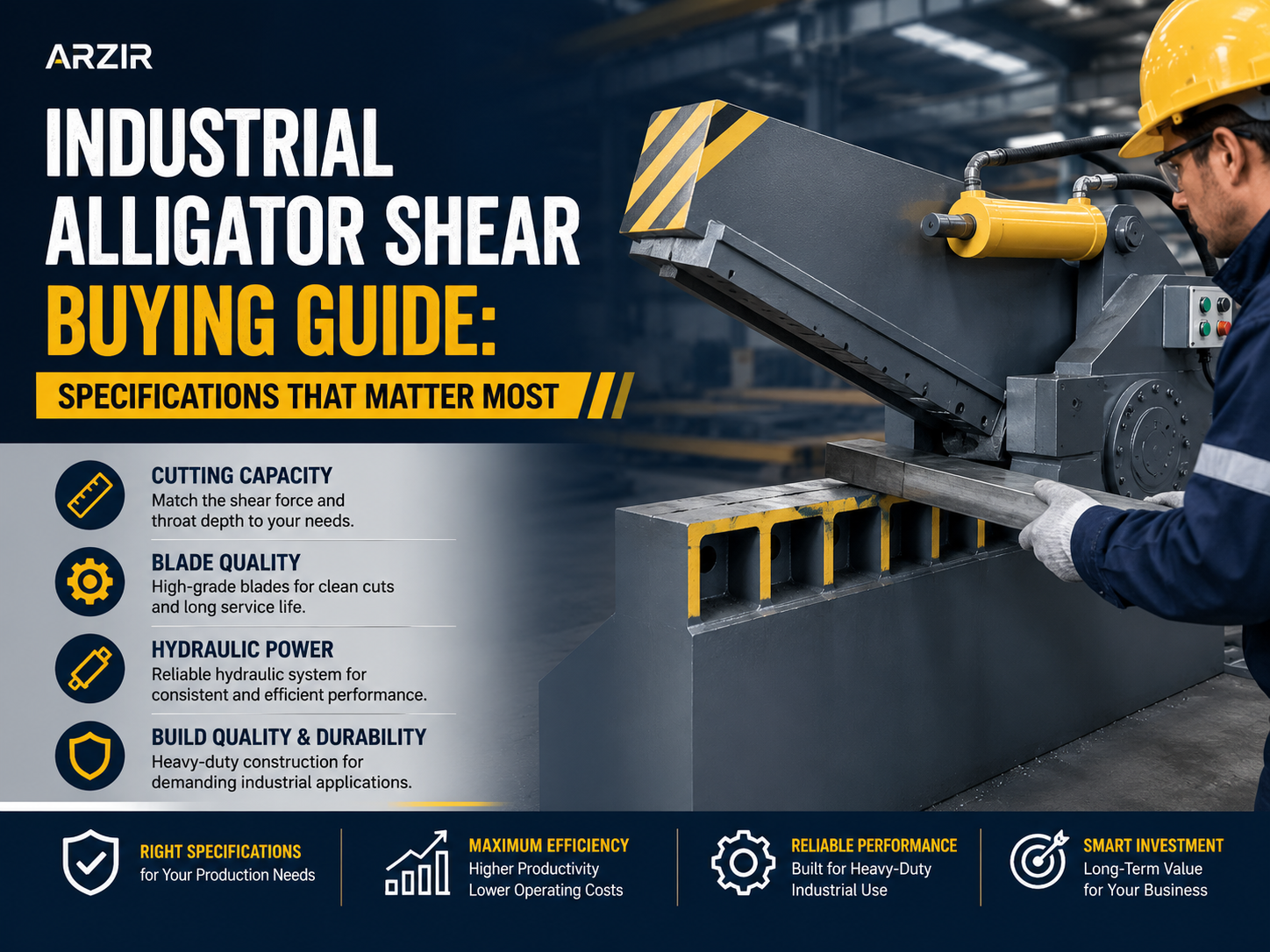
Industrial Alligator Shear Buying Guide: Specifications That Matter Most

Introduction to Industrial Alligator Shear Procurement
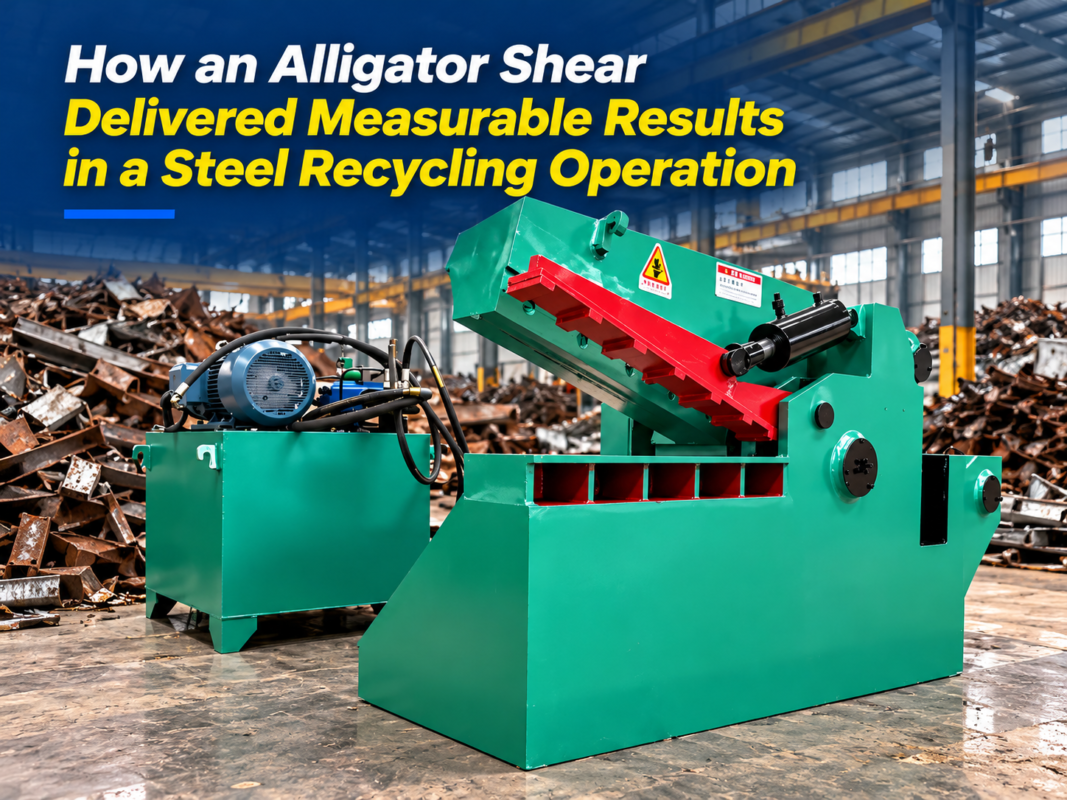
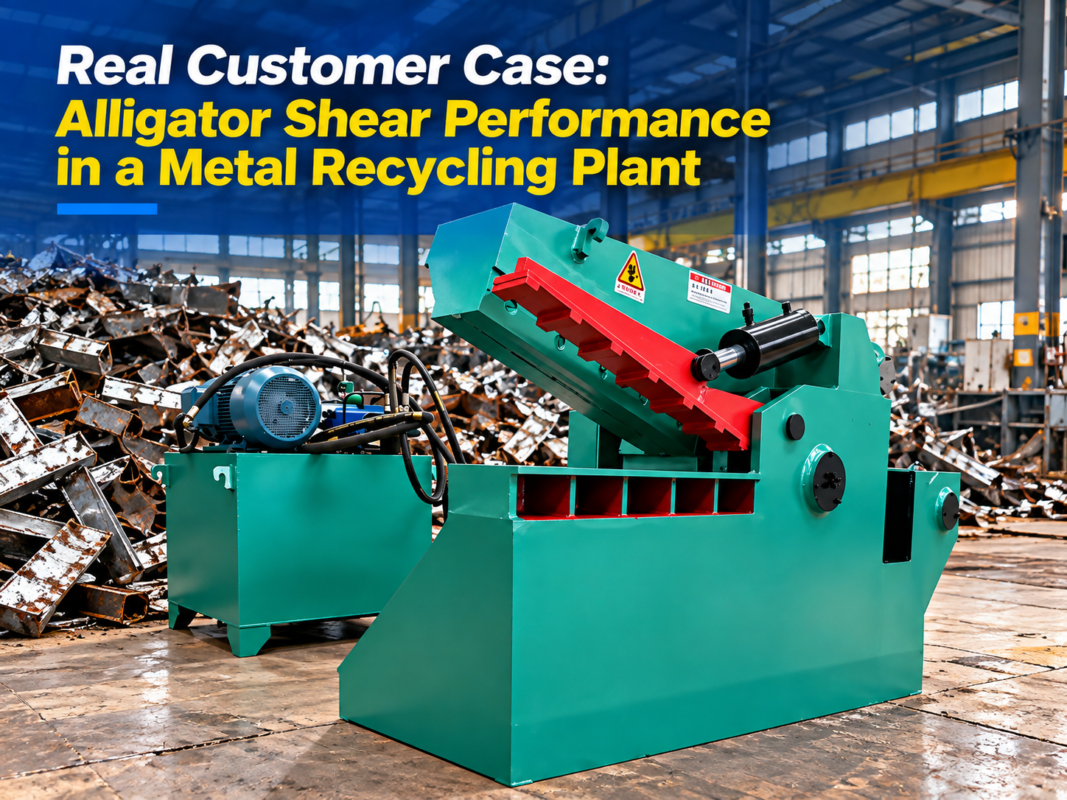
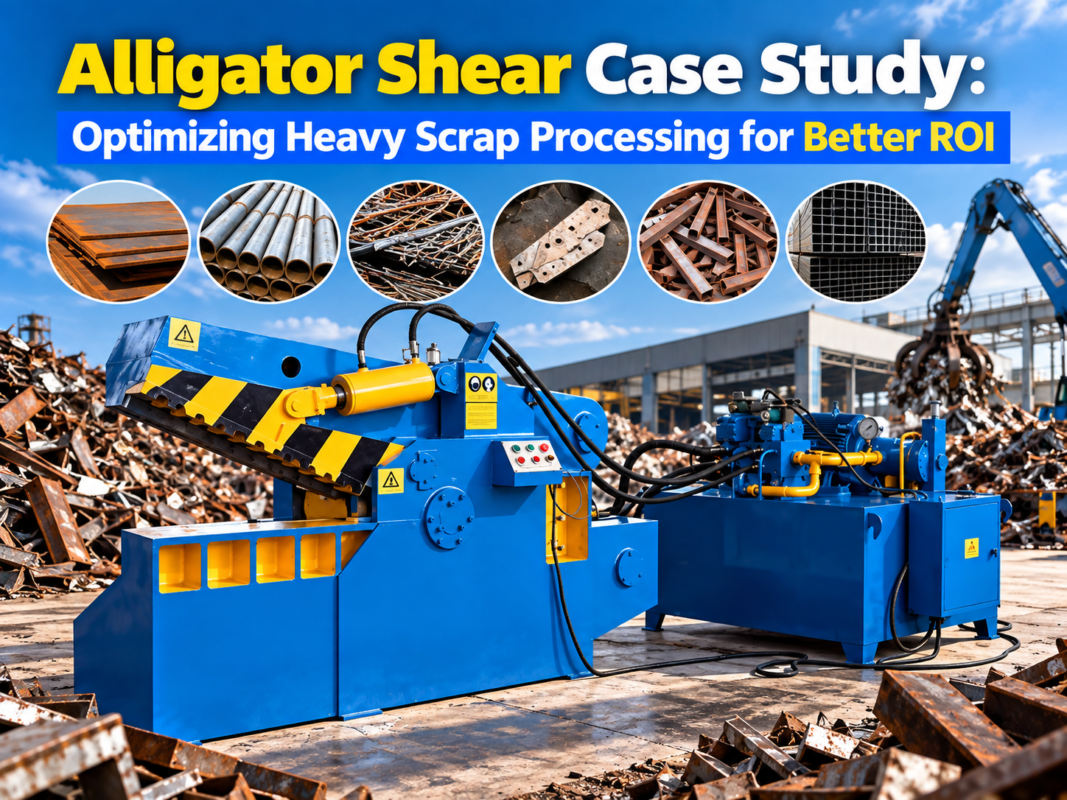
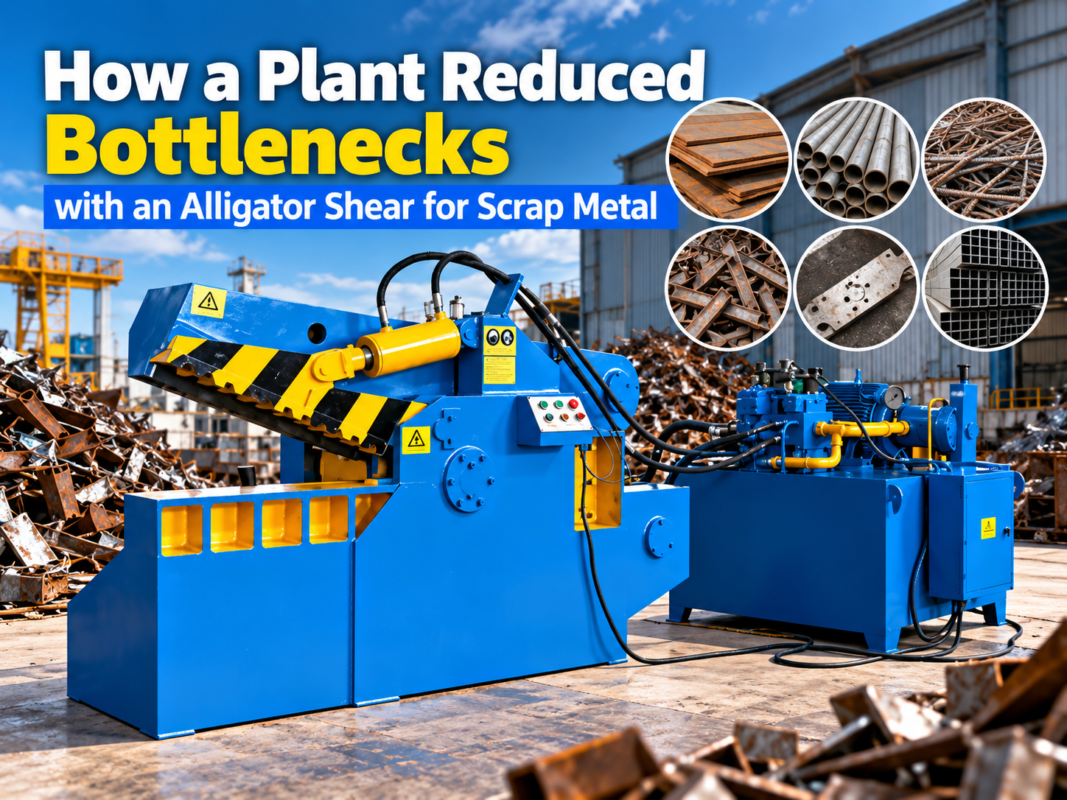
In the world of scrap metal recycling and metal fabrication, the alligator shear remains an indispensable workhorse. Named for its characteristic jaw-like movement, this machine is the primary tool for cold-cutting various metal shapes, pipes, and profiles into manageable sizes for smelting or further processing. However, as the industry evolves with more complex alloys and higher volume demands, selecting the right equipment is no longer just about the price tag. It is about understanding the technical specifications that dictate long-term profitability and operational efficiency.
When embarking on the journey of Industrial Alligator Shear Buying : Specifications That Matter Most, buyers often find themselves overwhelmed by a sea of technical data. From shear force measured in tons to the nuances of hydraulic pump configurations, every detail plays a role in how the machine will perform under the grueling conditions of a scrap yard. This guide is designed to demystify these specifications, providing a clear roadmap for procurement officers, facility managers, and business owners looking to optimize their metal processing capabilities.
Price Range Overview: Understanding the Market Tiers
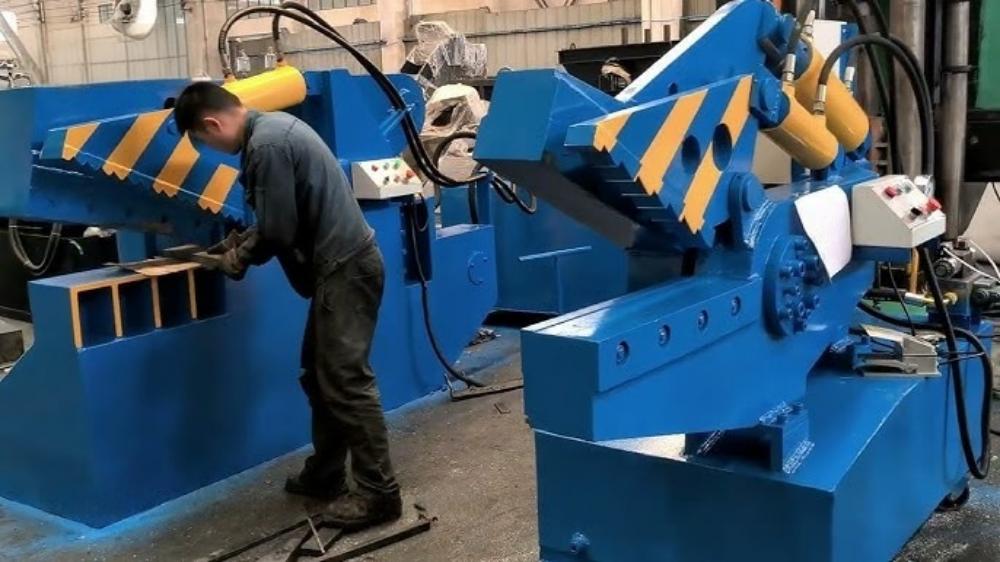
The market for industrial alligator shears is diverse, ranging from small, manually operated units to massive, automated systems integrated into recycling lines. Understanding the price tiers is the first step in narrowing down your options. Generally, the price of an alligator shear is directly proportional to its cutting force and blade length, which in turn determines the thickness and type of material it can handle.
Entry-level industrial shears, often used for light non-ferrous metals like aluminum extrusions or copper tubing, typically fall in the $3,000 to $8,000 range. These machines usually offer a shear force of 60 to 100 tons and are ideal for small-scale recycling centers or specialized fabrication shops. While they lack the speed of larger units, they provide a low-cost entry point for businesses that do not require continuous, heavy-duty operation.
Mid-range alligator shears, priced between $10,000 and $25,000, are the most common choice for professional scrap yards. These machines offer shear forces ranging from 120 to 250 tons and blade lengths between 600mm and 800mm. At this level, you begin to see more robust hydraulic systems, better cooling mechanisms, and higher-grade blade materials. These units are designed for 8-hour shifts and can handle a variety of ferrous materials, including steel bars and smaller I-beams.
High-end, heavy-duty alligator shears can exceed $35,000 and reach upwards of $60,000 for specialized configurations. These machines are monsters of the industry, boasting shear forces of 315 tons to 500 tons or more. They feature advanced PLC controls, high-speed hydraulic circuits, and massive blade lengths (up to 1200mm) capable of shearing large truck axles, heavy structural steel, and thick plate. For high-volume operations where downtime is not an option, these machines offer the durability and speed necessary to maintain a high ROI.
Main Cost Drivers: What Are You Really Paying For?
When analyzing a quote for an alligator shear, it is essential to identify the primary factors driving the cost. The most significant driver is the Shear Force. The hydraulic cylinder’s capacity to generate pressure determines the machine’s ability to cut through tough materials. A higher tonnage requires a larger cylinder, a more robust frame to withstand the reactive forces, and a more powerful motor to drive the hydraulic pump. Each jump in tonnage significantly increases the raw material and engineering costs of the machine.
The second major cost driver is the Blade Length and Quality. While a longer blade allows for cutting wider pieces of scrap, it also requires a more rigid jaw structure to prevent deflection. Furthermore, the material of the blade itself—whether it is standard Cr12MoV or high-performance H13 tool steel—impacts the price. High-quality blades stay sharp longer and resist chipping, but they come at a premium. In the context of Industrial Alligator Shear Buying : Specifications That Matter Most, the blade is the primary wear part, and investing in quality here pays dividends in reduced maintenance.
Motor power and hydraulic pump efficiency also play a role. A machine equipped with a high-efficiency Siemens or ABB motor and a premium Rexroth or Vickers hydraulic pump will cost more upfront than one with generic components. However, these brand-name components offer better energy efficiency, lower noise levels, and easier access to spare parts globally. The integration of a cooling system (air or water) is another cost factor, essential for machines operating in hot climates or under continuous duty cycles.
Configuration Impact: Tailoring the Machine to Your Needs
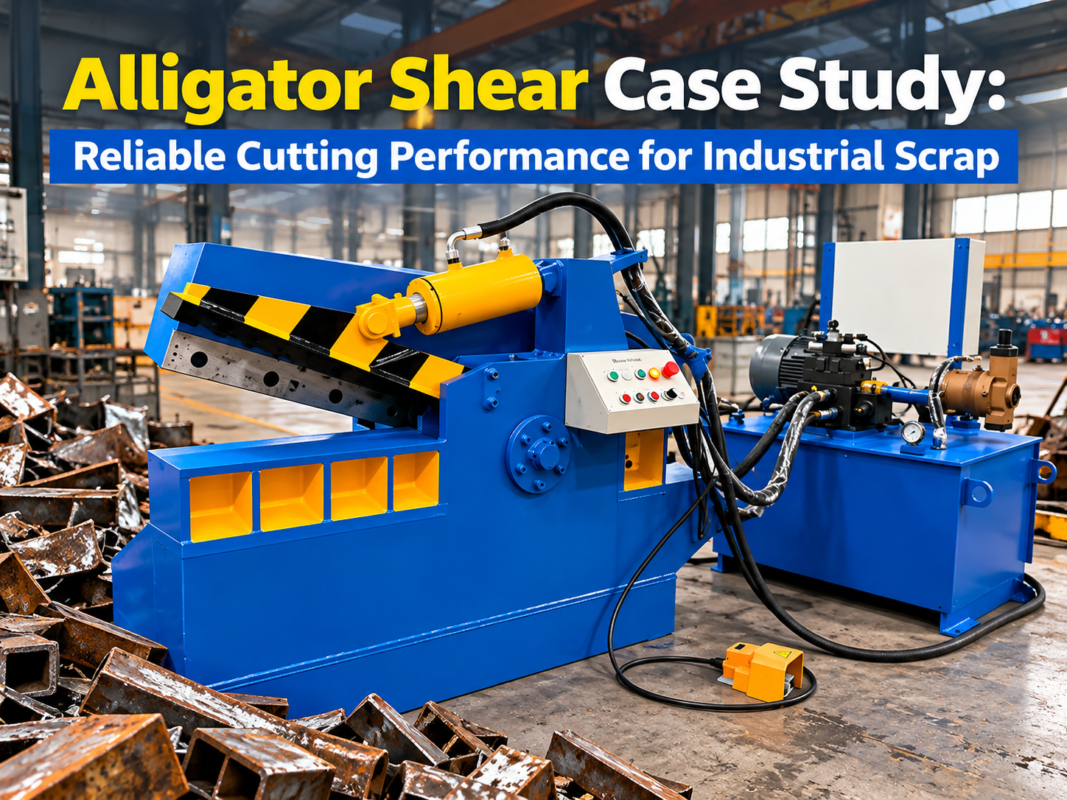
The configuration of an alligator shear determines its versatility and ease of use. One of the most critical configuration choices is the Control System. Basic models use a foot pedal or a simple manual lever to actuate the shear. While effective, this requires the operator to be constantly engaged. Advanced configurations offer automatic cycling, where the jaw opens and closes at a set frequency, allowing the operator to simply feed the material. This can significantly increase throughput in high-volume environments.
Another vital configuration aspect is the Hold-down Mechanism. Without a proper hold-down (or press-foot), material can kick up during the cut, posing a safety risk to the operator and potentially damaging the machine. Hydraulic hold-downs that synchronize with the cutting stroke provide the best stability. Some budget models use a manual screw-type hold-down, which is slower and less effective for varied scrap sizes.
| Specification | Standard Configuration | High-Performance Configuration |
|---|---|---|
| Shear Force | 60 – 120 Tons | 250 – 500+ Tons |
| Blade Material | 9CrSi / Cr12 | H13 / Cr12MoV (Heat Treated) |
| Hydraulic Pump | Gear Pump | Axial Piston Pump (Variable) |
| Cooling System | Optional / None | Integrated Air/Oil Cooler |
| Operation Mode | Manual Lever / Foot Pedal | PLC Automatic / Remote Control |
Hidden Costs: What to Look for Beyond the Invoice
When calculating the total cost of ownership, the purchase price is just the beginning. One of the most overlooked hidden costs is Shipping and Logistics. Alligator shears are heavy, dense pieces of machinery. Depending on the distance from the manufacturer (e.g., HARSLE’s factory in China) to your facility, freight costs can be substantial. Furthermore, you must account for the cost of a crane or heavy-duty forklift to offload and position the machine upon arrival.
Installation and Commissioning are also critical factors. While many alligator shears are “plug-and-play,” larger units may require professional hydraulic calibration and electrical wiring to meet local codes. If the manufacturer does not provide on-site support, you may need to hire a local technician. Additionally, the initial fill of hydraulic oil can be surprisingly expensive; a large shear might require 400 to 800 liters of high-quality anti-wear hydraulic oil.
Ongoing maintenance is the most significant long-term hidden cost. Blades are consumables. Depending on the material being cut, they will need to be rotated (most blades have four cutting edges) and eventually reground or replaced. The cost of downtime during blade changes should be factored into your operational plan. Furthermore, electricity consumption can vary wildly between a machine with a standard motor and one with an energy-efficient inverter-driven system. Over five years, the energy savings of a high-efficiency model can often offset a higher initial purchase price.
ROI Calculation: Making the Business Case
To justify the investment in a new alligator shear, a clear Return on Investment (ROI) calculation is necessary. The primary value proposition of an alligator shear is the Value Add it provides to scrap metal. Unprocessed, oversized scrap (like long pipes or structural beams) is often bought at a lower “mixed scrap” price. Once sheared into standard lengths (e.g., 500mm pieces), it qualifies as “HMS 1” or “HMS 2” (Heavy Melting Scrap), which commands a significantly higher market price.
The ROI formula can be simplified as follows: ROI = (Monthly Volume of Processed Scrap × Price Premium per Ton) – (Monthly Operating Costs + Monthly Depreciation). For example, if a machine allows you to process 100 tons of scrap per month, and the price difference between unprocessed and sheared scrap is $50 per ton, you generate $5,000 in additional monthly revenue. If your labor, electricity, and maintenance costs are $1,500, and the machine’s monthly depreciation (over 5 years) is $500, your net monthly gain is $3,000. In this scenario, a $30,000 machine pays for itself in just 10 months.
Beyond the direct financial gain, consider the Labor Savings. A hydraulic alligator shear is much faster and safer than using a torch or a handheld saw. It reduces the physical strain on workers and minimizes the risk of fire or toxic fumes associated with thermal cutting. These “soft” benefits contribute to lower insurance premiums and better employee retention, which are vital for long-term business health.
Buying Advice: How to Choose the Right Partner
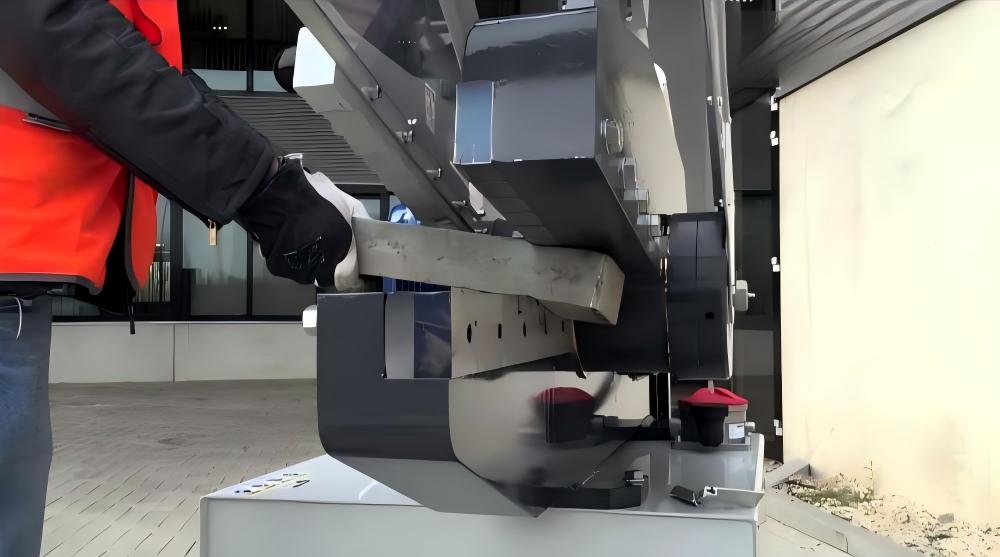
Choosing the right manufacturer is as important as choosing the right specifications. When evaluating suppliers like HARSLE, look for a track record of durability and after-sales support. A reputable manufacturer should be able to provide detailed material testing reports and videos of the machine processing materials similar to what you intend to cut. If possible, request a “dry run” video where the machine’s cycle time and hydraulic pressure are clearly visible.
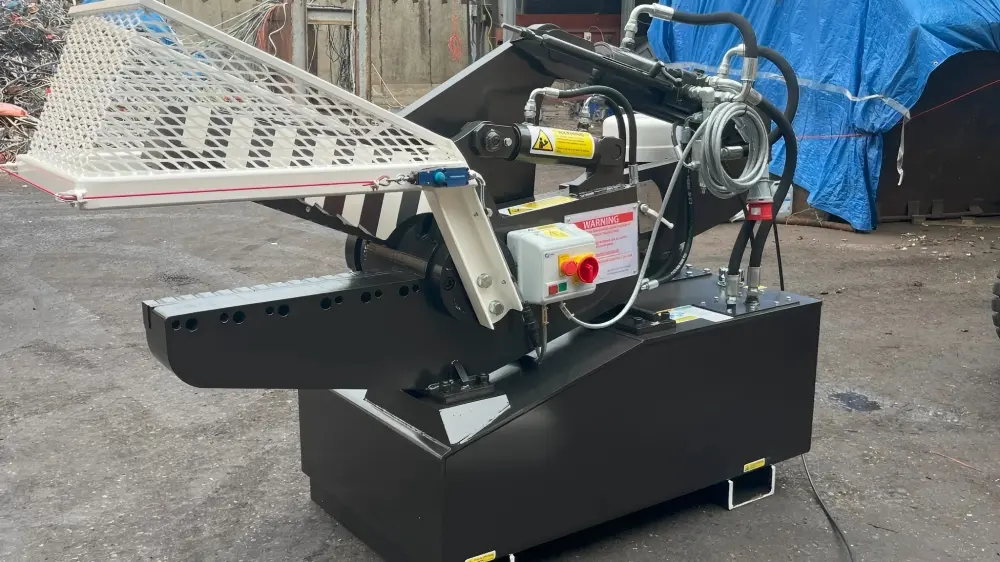
Always verify the Safety Features. In many jurisdictions, industrial machinery must meet specific safety standards (such as CE in Europe or OSHA-related standards in the US). Ensure the machine has an easily accessible emergency stop button, protective guards around the moving jaw, and a stable base that can be bolted to the floor. A machine that lacks these basic safety features is a liability, regardless of its cutting power.
Finally, consider the Availability of Spare Parts. Before purchasing, ask for a list of common wear parts (seals, filters, blades) and their lead times. A machine that sits idle for three weeks waiting for a $50 seal kit from overseas is a major drain on productivity. Choosing a manufacturer that uses standardized, globally available components for the electrical and hydraulic systems is a wise strategy for minimizing long-term risk.
Frequently Asked Questions (FAQ)
1. What is the difference between an alligator shear and a container shear?
An alligator shear is a smaller, more versatile machine used for manual feeding and cutting of individual pieces of scrap. A container shear (or box shear) is a much larger, automated system where scrap is loaded into a large hopper, compressed, and then sheared automatically. Alligator shears are better for sorting and cleaning scrap, while container shears are designed for massive volume processing.
2. How often do the blades need to be sharpened?
Blade life depends entirely on the material being cut. If you are cutting soft aluminum, blades can last for months. If you are cutting hardened steel or rebar, they may need rotation every few weeks. Most alligator shear blades are four-sided; when one edge becomes dull, you can rotate the blade to use a fresh edge. Once all four edges are dull, the blades can be professionally reground.
3. Can an alligator shear cut stainless steel?
Yes, but stainless steel is much harder and more abrasive than mild steel. If you plan to cut stainless steel regularly, you must specify a machine with a higher shear force and upgraded blade material (like H13 tool steel). Cutting stainless steel with a machine designed for mild steel will lead to rapid blade wear and potential hydraulic strain.
4. Does the machine require a special foundation?
Smaller alligator shears (under 120 tons) can usually be placed on a standard reinforced concrete floor. However, larger, heavy-duty shears generate significant vibration and reactive force. These machines often require a dedicated concrete pad with anchor bolts to ensure stability and prevent the frame from cracking over time.
5. Is it better to choose a mechanical or hydraulic alligator shear?
Modern industrial applications almost exclusively use hydraulic shears. Hydraulic systems offer much greater force, better control over the cutting speed, and built-in overload protection (the relief valve). Mechanical shears, which use a flywheel and clutch, are faster but much more dangerous and prone to catastrophic failure if they encounter an uncuttable object.
6. What kind of hydraulic oil should I use?
Most manufacturers recommend a high-quality anti-wear hydraulic oil, typically ISO VG 46 or 68, depending on your local climate. In very cold environments, a lower viscosity oil (VG 32) may be necessary for startup, while in very hot climates, a thicker oil (VG 100) or an integrated oil cooler is required to maintain system pressure.
7. Can the machine be used outdoors?
While many alligator shears are used in outdoor scrap yards, they must be protected from direct rain and extreme moisture to prevent electrical shorts and rust on the piston rods. A simple lean-to roof or a heavy-duty waterproof cover when not in use is highly recommended to extend the life of the machine’s components.