
High-Efficiency Aluminium Extrusion Press Applications for Solar Panel Frame Production

Introduction to Solar Frame Manufacturing
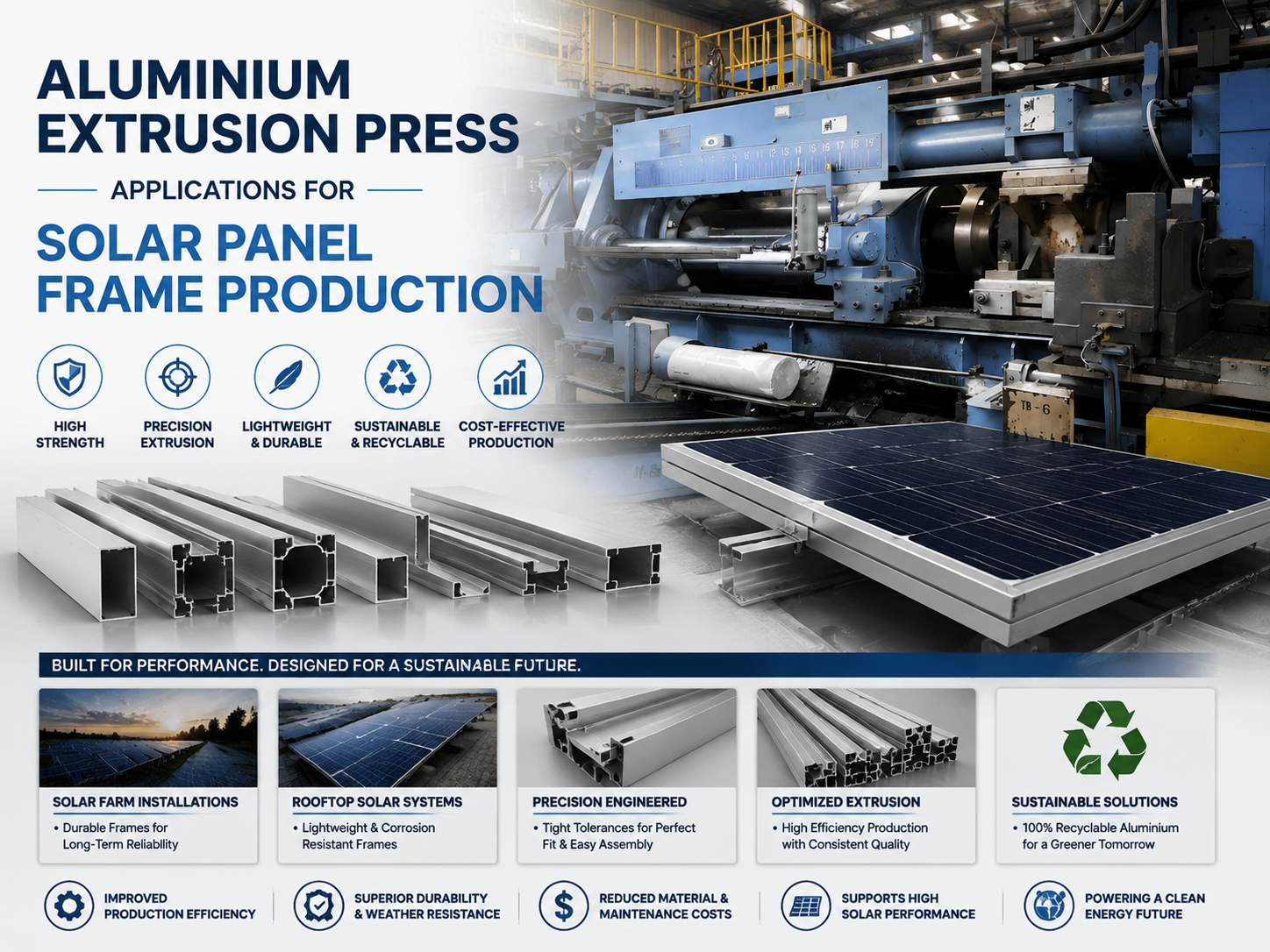
The global transition toward renewable energy has triggered an unprecedented surge in the demand for photovoltaic (PV) systems. At the heart of every solar panel installation is its structural backbone: the aluminum frame. These frames protect the delicate silicon wafers, solar glass, and internal circuitry from severe environmental stresses, including high wind loads, heavy snow accumulation, and thermal expansion. To meet the massive volume requirements of the solar industry while maintaining razor-sharp dimensional tolerances, manufacturers rely heavily on advanced industrial machinery. Specifically, the implementation of high-capacity Aluminium Extrusion Press Applications for Solar Panel Frame Production has become the industry standard for producing durable, lightweight, and corrosion-resistant profiles.
HARSLE, a pioneer in metal fabrication equipment, engineers state-of-the-art hydraulic aluminum extrusion presses tailored precisely for the photovoltaic sector. This comprehensive guide explores the application scenarios, material demands, machine configurations, and automated workflows that define modern solar panel frame manufacturing, demonstrating how optimized extrusion technology drives down per-watt production costs globally.
Application Scenario: The Photovoltaic Infrastructure Boom
Solar panel frames are not merely cosmetic borders; they are critical structural components engineered to last upwards of 25 to 30 years in harsh outdoor environments. Whether deployed in vast utility-scale desert solar farms, highly corrosive offshore floating PV arrays, or residential rooftop installations, these frames must provide unyielding structural integrity. The profiles feature intricate cross-sectional designs, including specialized mounting grooves, screw holes, and interlocking channels that facilitate rapid field installation.
The primary challenge in this application scenario is the sheer scale of production required. A single megawatt (MW) of solar capacity requires thousands of individual frame segments. Consequently, manufacturing facilities must operate continuous, high-speed production lines where raw aluminum billets are transformed into finished, ready-to-assemble frame profiles with zero structural defects. Any deviation in straightness, wall thickness, or angular tolerance can cause assembly line stoppages or premature field failures, making the precision of the extrusion press the single most critical factor in the supply chain.
Material and Process Requirements
To achieve the optimal balance between structural strength, lightweight design, and cost-efficiency, the solar industry universally utilizes 6000-series aluminum alloys, with 6063 and 6005A being the most prominent. These magnesium-silicon alloys offer excellent extrudability, superior surface finish characteristics for subsequent anodizing, and highly responsive heat-treatment capabilities.
The extrusion process must satisfy stringent mechanical and dimensional criteria:
- Dimensional Tolerances: Wall thickness variations must be kept within ±0.15mm to ensure seamless integration with automated solar module assembly lines.
- Mechanical Properties: Post-aging treatment, the profiles must achieve a minimum tensile strength of 215 MPa and a yield strength of 170 MPa (typically conforming to the T5 or T6 temper designations).
- Surface Quality: The extruded surface must be entirely free of die lines, tears, structural streaks, or atmospheric oxidation, as these defects compromise the integrity of the subsequent protective anodizing layer.
- Straightness and Twist Limits: Given the long lengths of the frame profiles, twist must not exceed 0.5° per meter, and straightness deviation must be restricted to less than 1mm per meter to prevent structural twisting under wind loads.
Recommended Machine Configuration
For dedicated solar panel frame production, HARSLE recommends a heavy-duty, short-stroke, direct-drive hydraulic aluminum extrusion press with a capacity ranging from 1650 Metric Tons (16.5 MN) to 2500 Metric Tons (25 MN). This tonnage range provides the optimal specific pressure required to extrude multi-cavity, thin-walled solar profiles at high linear speeds.

The ideal machine configuration comprises several integrated subsystems designed for continuous operation:
| Subsystem Component | Technical Specifications & Features | Operational Benefit for Solar Frames |
|---|---|---|
| Main Hydraulic Drive | Rexroth variable displacement pumps with servo-motor control systems. | Reduces energy consumption by up to 35% during idle cycles and maintains precise ram speed. |
| Control System | Siemens S7-1500 PLC paired with a high-definition industrial touch screen. | Allows real-time monitoring of extrusion speed, pressure curves, and container temperatures. |
| Billet Heating System | Multi-zone gas rapid-heating furnace with an integrated hot shear. | Ensures a precise thermal gradient across the billet, optimizing material flow through the die. |
| Quenching System | Combined intensive air and water mist online quenching system. | Rapidly cools the profile directly after the die exit to lock in mechanical properties without warping. |
Furthermore, the press features a rigid, pre-stressed four-column frame design that minimizes structural deflection under maximum load. The container heating system utilizes multi-zone intelligent electrical heating elements, ensuring that the temperature differential between the aluminum billet and the container liner is kept within a tight ±5°C window, eliminating structural inconsistencies in the extruded profile.
Workflow of Solar Panel Frame Extrusion
The production workflow on a HARSLE extrusion line is highly automated, transforming raw aluminum logs into precision-cut frame components through a synchronized series of thermal and mechanical operations:
1. Billet Preparation and Heating
Raw 6063 aluminum logs are loaded onto the charging table of the rapid-heating furnace. The logs are heated to an extrusion temperature between 460°C and 500°C. Once the target temperature is reached, an integrated hot shear cuts the log to the precise billet length required for the specific die volume, minimizing scrap ends.
2. Extrusion Phase
The heated billet is automatically transferred to the press center line via a mechanical loader. The container closes, and the extrusion stem advances. Under immense hydraulic pressure, the aluminum is forced through the precision-engineered steel die matrix. The die defines the complex cross-sectional geometry of the solar frame, including the internal hollow chambers and external mounting tracks.
3. Online Quenching
As the hot profile emerges from the die at speeds often exceeding 30 to 50 meters per minute, it immediately passes through an online quenching box. For 6063 alloys, a high-velocity air quench or a precise water-mist spray drops the profile temperature below 250°C within a critical timeframe. This rapid cooling retains the magnesium and silicon in a solid solution state, which is vital for achieving the required hardness during subsequent aging.
4. Pulling and Stretching
An automated linear puller grips the leading edge of the extruded profile, maintaining a constant, controlled tension as it travels down the run-out table. This prevents the profile from twisting or snaking. Once the full length of the profile is extruded, it is transferred laterally to a cooling bed. After cooling to ambient temperature, a hydraulic stretcher grips both ends of the profile bundle and applies a controlled tensile force (typically 1% to 3% elongation) to eliminate residual internal stresses and ensure absolute straightness.
5. Precision Cutting and Artificial Aging
The straightened profiles are moved to the saw table, where high-speed carbide-tipped circular saws cut them into commercial lengths (typically 4 to 6 meters, or directly into exact frame component lengths). These cut profiles are then stacked into specialized racks and transferred to an artificial aging oven. The profiles are baked at approximately 180°C to 200°C for 4 to 6 hours. This process precipitates the Mg2Si phases within the aluminum matrix, elevating the material to its final T5 or T6 temper hardness.
Productivity Benefits of HARSLE Extrusion Presses
Implementing a HARSLE Aluminium Extrusion Press within a solar frame production line yields substantial operational and financial advantages for manufacturing enterprises:
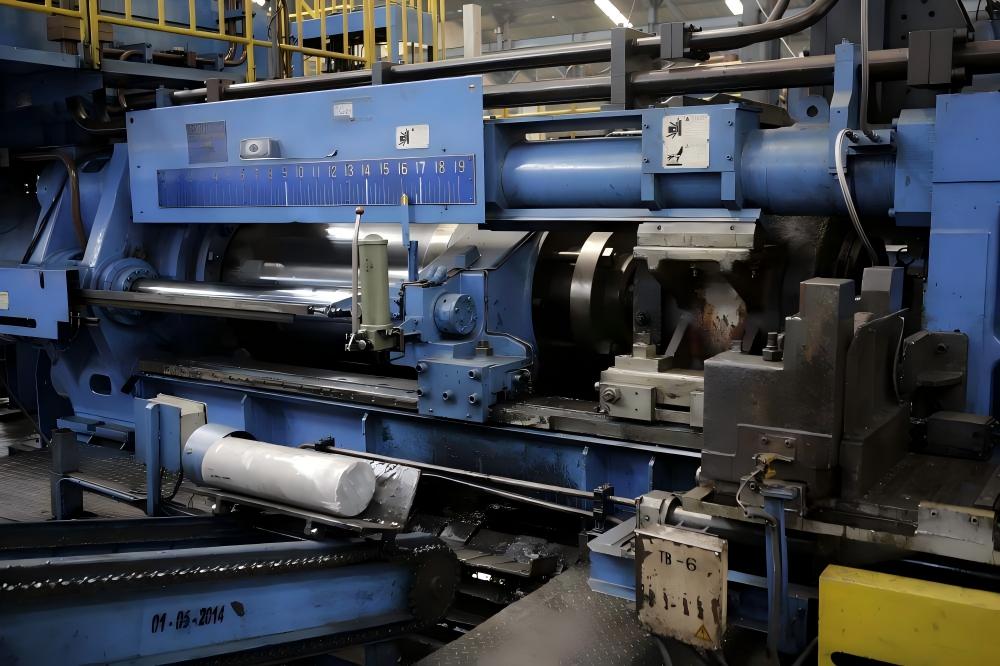
- Minimized Dead Cycle Time: HARSLE presses utilize high-speed hydraulic valves and optimized mechanical movements to reduce the “dead cycle time” (the time required to load a new billet and reset the ram) to under 12-15 seconds, significantly increasing the number of pushes per hour.
- Energy Efficiency: By integrating advanced electro-hydraulic servo systems, the press only draws maximum electrical power during the actual extrusion stroke. During loading, shearing, and cleaning phases, energy consumption drops by up to 50% compared to traditional fixed-displacement pump systems.
- High Yield Rates: The exceptional rigidity of the press structure combined with precise alignment systems ensures uniform material flow through multi-cavity dies. This allows manufacturers to run 2-hole, 4-hole, or even 6-hole dies simultaneously, multiplying production output without sacrificing dimensional accuracy.
- Reduced Material Waste: Advanced control algorithms optimize the remaining discard (butt thickness), reducing raw material waste to the absolute physical minimum and directly improving the factory’s bottom-line profitability.
Case Example: Scaling Up Photovoltaic Frame Manufacturing
A leading tier-1 solar component manufacturer based in East Asia recently upgraded their production facility by installing a fully automated HARSLE 1800-ton hydraulic aluminum extrusion press line dedicated entirely to solar module frame profiles. Prior to the installation, the client struggled with inconsistent wall thicknesses and high rejection rates during the subsequent automated punching and anodizing phases.
By integrating the HARSLE press with an automated double-puller system and an intelligent multi-zone quenching line, the facility achieved the following performance metrics within three months of commissioning:
- Production Capacity Increase: The plant successfully transitioned from a single-cavity extrusion setup to a high-speed 4-cavity die configuration, boosting daily profile output by 140%.
- Scrap Reduction: Geometric dimensional defects dropped from 4.2% to less than 0.6%, saving tons of raw aluminum alloy monthly.
- Hardness Consistency: The optimized online air-mist quenching system ensured that 100% of the processed batches achieved a uniform hardness of ≥12 Webster, completely eliminating soft spots that previously caused structural failures during frame assembly.
Frequently Asked Questions (FAQ)
1. Why is the 6063 aluminum alloy preferred for solar panel frames?
6063 aluminum alloy offers an exceptional combination of high extrudability, excellent mechanical strength, high corrosion resistance, and outstanding responsiveness to anodizing. This allows for the cost-effective production of complex, thin-walled profiles that can withstand decades of outdoor exposure without degrading.
2. What tonnage of extrusion press is ideal for solar frame production?
While smaller presses can produce basic profiles, a press capacity between 1650 and 2500 tons is considered ideal for industrial-scale solar frame production. This range allows for the use of multi-cavity dies (extruding multiple profiles simultaneously) at high speeds while maintaining the high specific pressure required for thin-walled, high-precision designs.
3. How does the quenching system affect the quality of the solar frame?
Quenching is critical because it rapidly cools the aluminum profile immediately after it exits the die, locking the alloying elements (magnesium and silicon) into a solid solution. If the cooling rate is too slow, these elements precipitate prematurely, preventing the profile from reaching its target hardness and structural strength during the subsequent artificial aging process.
4. Can HARSLE extrusion presses handle recycled aluminum billets?
Yes. HARSLE extrusion presses feature highly adaptable hydraulic control systems that can adjust extrusion speeds and pressures in real time. This allows them to effectively process high-quality recycled aluminum billets, helping solar manufacturers reduce their carbon footprint and align with global sustainability initiatives.
5. What maintenance is required to ensure the longevity of the extrusion press?
Routine maintenance involves monitoring hydraulic oil cleanliness through regular filtration, checking the alignment of the extrusion stem and container, inspecting the main cylinder seals for wear, and ensuring the lubrication systems for the moving crossheads are functioning correctly. HARSLE provides comprehensive preventive maintenance schedules and remote diagnostic support with every machine installation.
Conclusion & Call to Action
As the global demand for solar energy continues its exponential climb, manufacturing efficiency and structural reliability have become the primary battlegrounds for photovoltaic component suppliers. Investing in specialized, high-performance Aluminium Extrusion Press Applications for Solar Panel Frame Production is no longer just an operational upgrade—it is a strategic necessity to remain competitive in a rapidly evolving market.
HARSLE’s advanced hydraulic extrusion presses provide the speed, precision, and energy efficiency required to transform raw aluminum into world-class solar infrastructure components. Our team of specialized industrial engineers is ready to help you design, configure, and deploy a fully automated extrusion line tailored to your specific production targets. Contact HARSLE today to discover how our metal fabrication equipment can elevate your manufacturing capabilities and drive your business toward a sustainable, high-growth future.


