Container Shear Buying Guide: How to Choose the Right Machine for Heavy-Duty Scrap and Metal Cutting

Introduction to Container Shear Technology
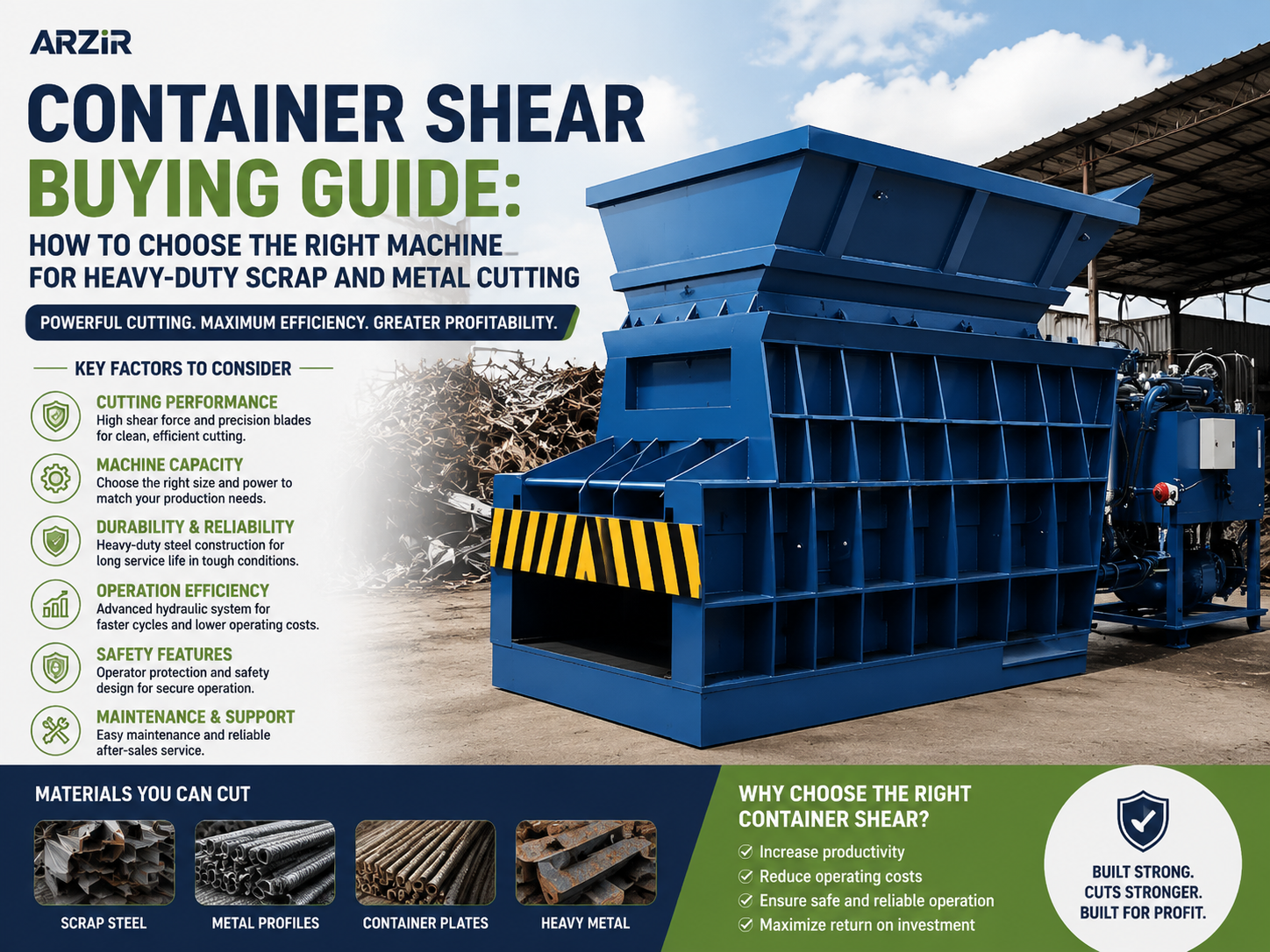
In the rapidly evolving world of metal recycling, the efficiency of processing heavy-duty scrap determines the profitability of a scrap yard. The container shear, often referred to as a box shear or horizontal shear, has emerged as the gold standard for high-volume metal processing. Unlike traditional alligator shears or vertical guillotine shears, the container shear offers a continuous feeding mechanism that significantly reduces labor costs and increases throughput. This guide is designed to help industrial buyers navigate the complexities of the Container Shear Buying : Choose Machine Heavy-Duty Scrap Metal Cutting process, ensuring that your investment yields the highest possible return.
Container shears are specifically engineered to handle bulky scrap, including structural steel, HMS1 and HMS2 grades, rebar, and even dismantled vehicle frames. By compressing the material within a feeding box and then shearing it into uniform lengths, these machines prepare scrap for furnace-ready consumption. For businesses looking to scale their operations, understanding the nuances of hydraulic pressure, blade metallurgy, and automation is essential. This article provides a deep dive into the technical and financial aspects of acquiring a HARSLE container shear.
Price Range Overview: What to Expect
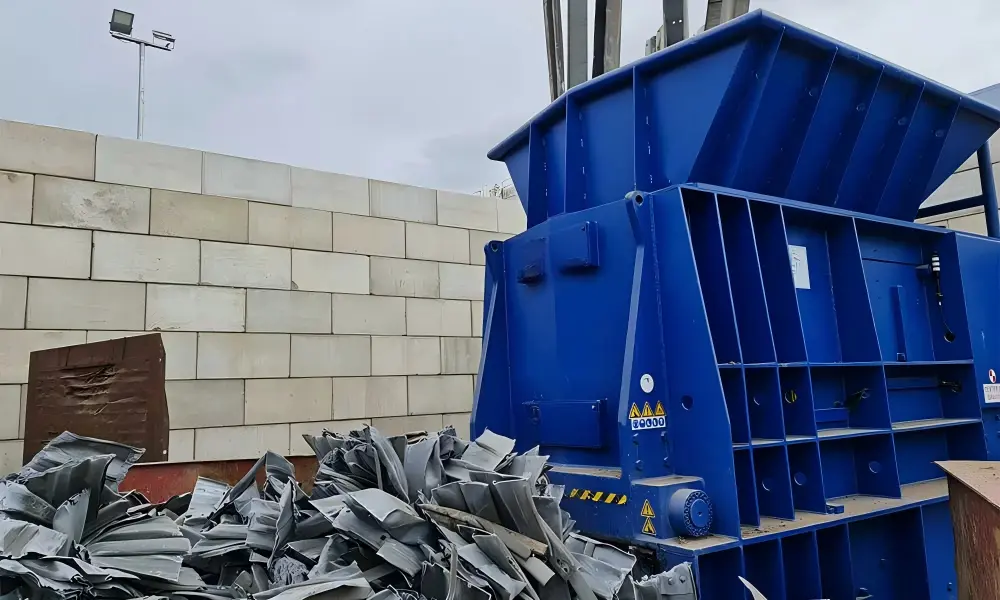
When embarking on the journey of Container Shear Buying : Choose Machine Heavy-Duty Scrap Metal Cutting, the first question is usually regarding the budget. Container shears are significant capital investments, with prices typically ranging from $60,000 for entry-level models to over $600,000 for high-tonnage, fully automated systems. The price is primarily dictated by the shearing force (measured in tons) and the size of the feeding box.
Entry-level machines, usually in the 400-ton to 500-ton range, are suitable for smaller yards processing light to medium scrap. These machines often feature semi-automatic controls and smaller hydraulic reservoirs. Mid-range machines (600-ton to 800-ton) are the workhorses of the industry, capable of handling thicker structural steel and larger volumes. High-end models exceeding 1000 tons of shearing force are designed for 24/7 industrial operations, featuring advanced PLC integration, remote diagnostics, and high-speed hydraulic circuits.
It is important to note that the initial purchase price is only one part of the equation. A lower-priced machine might save money upfront but could lead to higher operational costs due to slower cycle times or frequent blade replacements. Conversely, a premium HARSLE container shear incorporates high-efficiency components that lower the cost-per-ton of processed scrap, making it more economical over its 15-20 year lifespan.
Main Cost Drivers in Container Shear Acquisition
Several technical factors drive the cost of a container shear. Understanding these will help you prioritize features that align with your specific scrap processing needs. The most significant driver is the Shearing Force. A higher tonnage requires larger hydraulic cylinders, a more robust frame, and more powerful motors. If you primarily process rebar and light plate, a 500-ton machine may suffice. However, for heavy I-beams and thick ship-breaking scrap, an 800-ton or 1000-ton machine is non-negotiable.
The Hydraulic System is the heart of the machine. High-quality pumps (such as Rexroth or Parker) and valves significantly increase the cost but ensure reliability under high-pressure conditions. Furthermore, the Blade Quality plays a massive role. Blades made from specialized tool steel like 6CrW2Si or H13 are more expensive but offer superior wear resistance, reducing the frequency of downtime for blade flipping or replacement. Cheap blades will chip or dull quickly when faced with hardened alloys, leading to increased maintenance costs.
Another major cost driver is the Structural Steel Grade used in the machine’s frame. Container shears are subjected to immense stress and vibration. Machines built with high-tensile Q345B or Q355 steel, featuring reinforced stress points and precision-machined guide rails, will naturally command a higher price than those using standard carbon steel. HARSLE utilizes advanced stress-relief heat treatment on its frames to prevent warping over years of heavy use.
Configuration Impact: Customizing for Efficiency
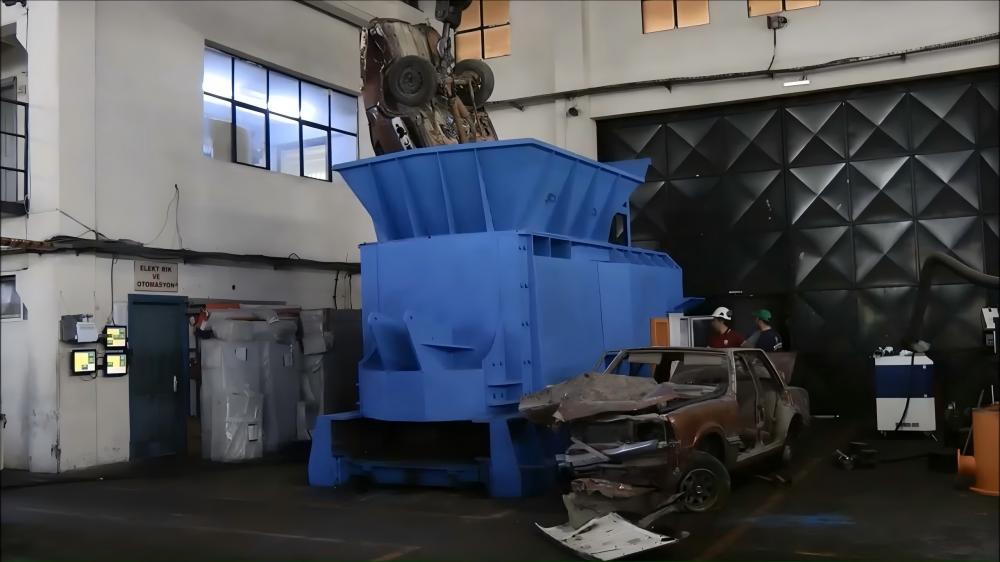
The configuration of your container shear should be tailored to your yard’s workflow. One of the most critical choices is between Diesel Power and Electric Power. Electric motors are more cost-effective and easier to maintain if you have a stable power grid. However, for remote yards or mobile operations, a diesel-powered unit provides the necessary flexibility. Some modern HARSLE models offer hybrid configurations to balance fuel efficiency with high torque.
Automation and Control Systems also vary widely. Basic models use manual lever-operated valves, which require a skilled operator to manage the cycle. Advanced configurations feature Siemens PLC systems with touch-screen interfaces, allowing for fully automatic cycles. These systems can optimize the pusher speed and shearing frequency based on the material density, maximizing throughput without overworking the hydraulics. Remote control operation is another popular configuration, allowing the crane operator to trigger the shear cycle from the safety of their cab.
The Cooling System is often overlooked but vital for performance. In hot climates or high-duty cycle environments, an air-cooled or water-cooled oil system is essential to maintain hydraulic viscosity. Without proper cooling, the oil will overheat, leading to seal failure and sluggish performance. Choosing a configuration with an oversized radiator and high-flow cooling fans is a wise investment for long-term reliability.
Hidden Costs of Owning a Container Shear
When planning for Container Shear Buying : Choose Machine Heavy-Duty Scrap Metal Cutting, you must account for costs beyond the invoice price. Site Preparation is a significant hidden cost. A container shear requires a reinforced concrete foundation to handle the dynamic loads and vibrations. Depending on the soil quality and machine size, this could cost several thousand dollars in engineering and construction.
Hydraulic Oil is another substantial initial and recurring expense. A large container shear can require 2,000 to 5,000 liters of high-grade hydraulic oil. Additionally, the Electrical Infrastructure may need upgrading. These machines draw significant current during the start-up of large motors, often requiring soft-starters or VFDs (Variable Frequency Drives) and potentially a dedicated transformer from the utility company.
Finally, consider Shipping and Installation. These machines are heavy and oversized, often requiring specialized flat-rack containers or break-bulk shipping. Once on-site, you will need a heavy-duty crane for assembly and a technician to calibrate the hydraulic pressures and PLC settings. HARSLE provides detailed installation guides and support, but the logistical costs of moving 40 to 100 tons of machinery must be factored into your total investment calculation.
ROI Calculation: Is the Investment Worth It?
The Return on Investment (ROI) for a container shear is typically calculated by comparing it to manual processing methods (like oxygen-fuel torching) or less efficient machinery (like alligator shears). To calculate ROI, consider the following factors:
- Labor Savings: A container shear can replace 3 to 5 torch cutters. Calculate the annual salary and benefits of those workers.
- Material Value: Sheared scrap (furnace-ready) often commands a premium price of $20-$50 more per ton compared to oversized, unprocessed scrap.
- Throughput: A 600-ton container shear can process 8-15 tons of scrap per hour. Multiply this by your daily operating hours and the price premium for processed scrap.
- Consumables: Subtract the cost of electricity/diesel, hydraulic oil, and blade sharpening/replacement.
For most medium-sized scrap yards, a HARSLE container shear pays for itself within 12 to 24 months. Beyond the direct financial gain, the machine improves yard safety by reducing the need for manual torching, which carries risks of fire and respiratory issues from fumes. It also allows for better yard organization, as processed scrap takes up significantly less space than loose, bulky material.
Buying Advice: How to Choose the Right Partner
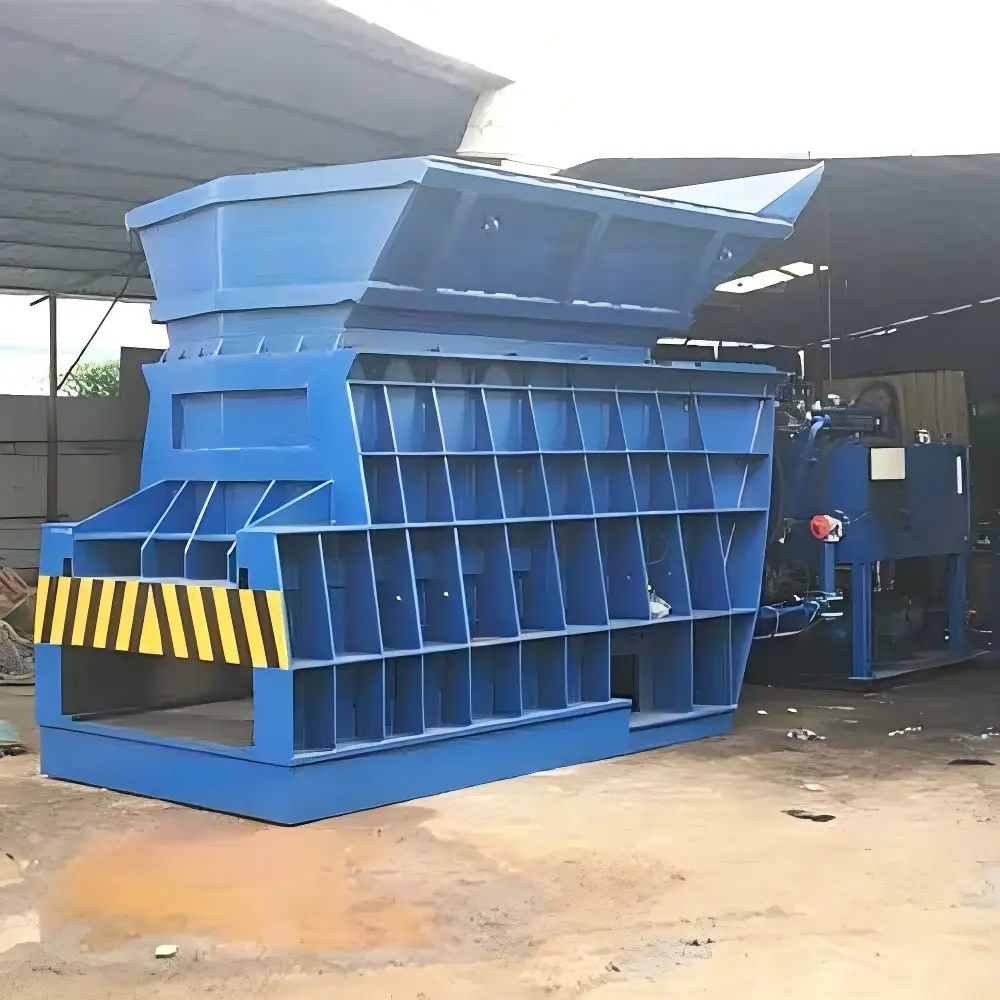
Choosing the right machine is as much about the manufacturer as it is about the specifications. When evaluating suppliers for Container Shear Buying : Choose Machine Heavy-Duty Scrap Metal Cutting, look for a company with a proven track record in heavy machinery. Ask for customer references and, if possible, visit a site where the machine is in operation. Observe the weld quality, the smoothness of the hydraulic movements, and the noise level of the pumps.
Ensure the manufacturer offers a comprehensive Warranty and Spare Parts Support. Blades, seals, and filters are wear items that you will need regularly. A manufacturer like HARSLE, which maintains a robust inventory of spare parts and provides technical support, is invaluable when you encounter an unexpected breakdown. Furthermore, check the Technical Documentation. You should receive detailed hydraulic schematics, electrical diagrams, and maintenance schedules in your preferred language.
Lastly, don’t over-buy or under-buy. Analyze your current scrap flow and your projected growth for the next five years. Buying a machine that is too small will lead to bottlenecks and mechanical strain while buying a machine that is too large will result in wasted energy and a longer ROI period. Consult with HARSLE’s technical team to match the machine tonnage and box size to your specific material mix.
Frequently Asked Questions (FAQ)
1. What is the difference between a container shear and a guillotine shear?
A container shear features a horizontal feeding box where scrap is pushed toward the blades by a hydraulic ram. It is designed for continuous feeding and is generally more efficient for long, bulky items. A vertical guillotine shear usually requires a gravity-fed hopper or a pre-compression lid and is often used for even larger, denser scrap but typically occupies a larger footprint and requires more extensive foundations.
2. How often do the blades need to be changed?
Blade life depends entirely on the material being cut. For standard structural steel, blades can often process 2,000 to 4,000 tons before needing to be flipped (most blades have 4 cutting edges). Processing sandy or extremely hard alloys will shorten this interval. Regular maintenance and ensuring the correct blade gap will significantly extend blade life.
3. Can a container shear handle stainless steel and aluminum?
Yes, container shears are excellent for non-ferrous metals. However, because aluminum is less dense, the pusher and compression settings may need adjustment to ensure the material is held firmly during the cut. For stainless steel, ensure the blades are rated for the higher hardness of the material to prevent premature dulling.
4. What kind of maintenance is required daily?
Daily maintenance includes checking hydraulic oil levels, inspecting hoses for leaks, greasing the guide rails and pivot points, and clearing any small debris from the blade area. It is also important to check the tightness of the blade bolts, as the vibration of heavy shearing can occasionally loosen them.
5. Is it better to buy a new or used container shear?
While used machines have a lower entry price, they often come with hidden hydraulic issues or structural fatigue that can be expensive to repair. A new HARSLE container shear comes with a warranty, modern high-efficiency components, and the latest safety features, which usually provides better long-term value and peace of mind.
6. How does the machine handle oversized scrap?
If a piece of scrap is too large for the feeding box, it must be pre-cut using a torch or a hydraulic shear attachment on an excavator. Forcing oversized scrap into the box can damage the pusher ram or the side walls of the container. Choosing a machine with a larger box size (e.g., 6 meters or 8 meters) can minimize the need for pre-cutting.
7. What are the power requirements for a 600-ton shear?
A typical 600-ton container shear uses two or three 45kW or 55kW main motors. You will need a power supply capable of handling at least 150-200kW of peak load, accounting for the cooling system and auxiliary hydraulics. Always consult with an industrial electrician to ensure your site’s transformer and wiring can handle the load.