Single-Shaft Shredder Buying Guide: How to Choose the Right Machine for Your Material

Introduction to Single-Shaft Shredder Selection
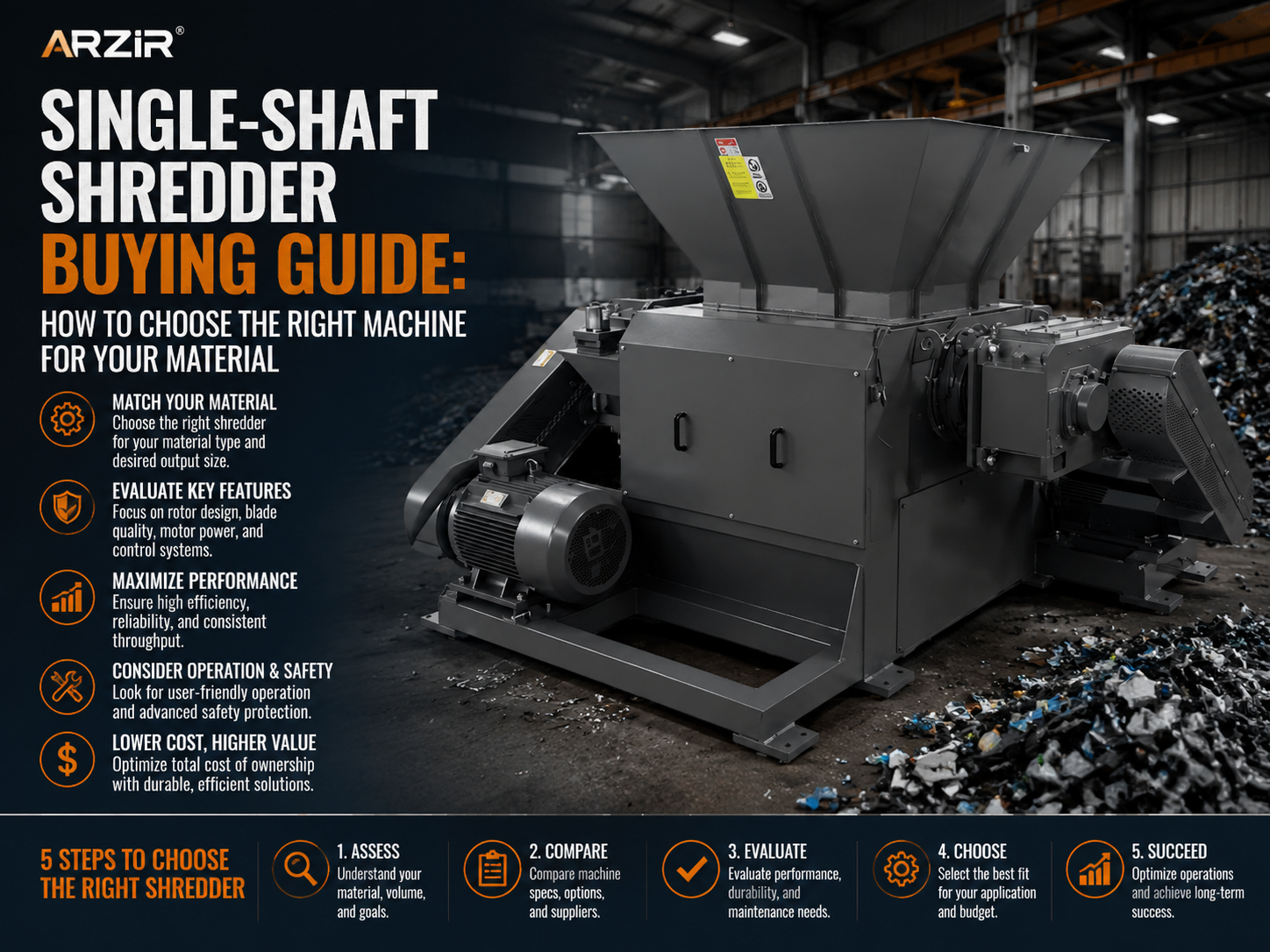
In the modern industrial landscape, waste management and material recycling have transitioned from secondary concerns to primary operational pillars. The single-shaft shredder stands as a cornerstone of this transition, offering a versatile solution for reducing the volume of various materials, from plastics and wood to light metals and textiles. However, the process of Single-Shaft Shredder Buying : Choose Machine Material is not a one-size-fits-all endeavor. Selecting the wrong configuration can lead to frequent downtime, excessive blade wear, and inefficient energy consumption.
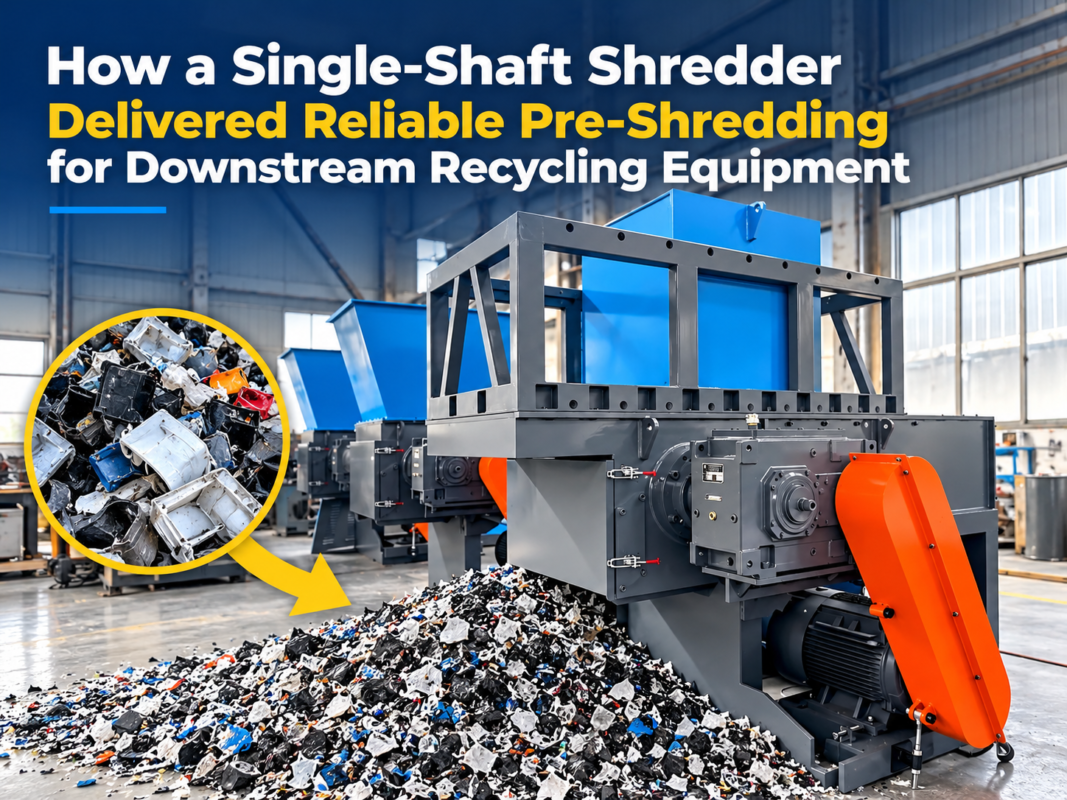
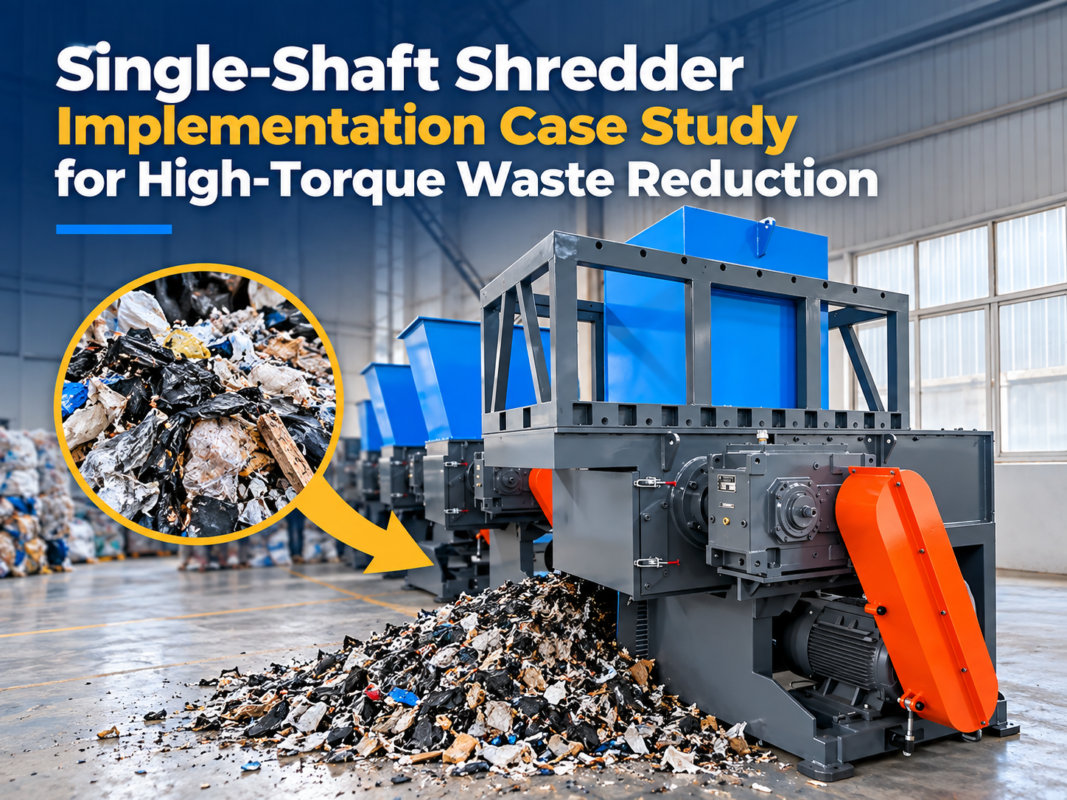
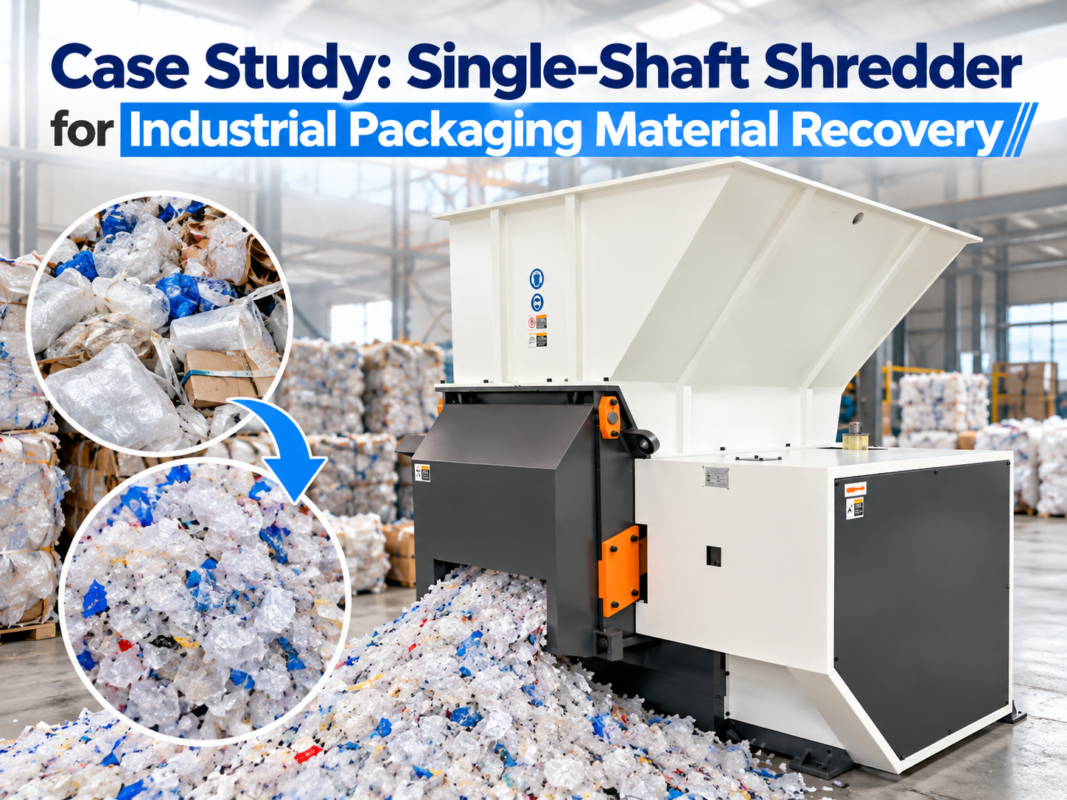
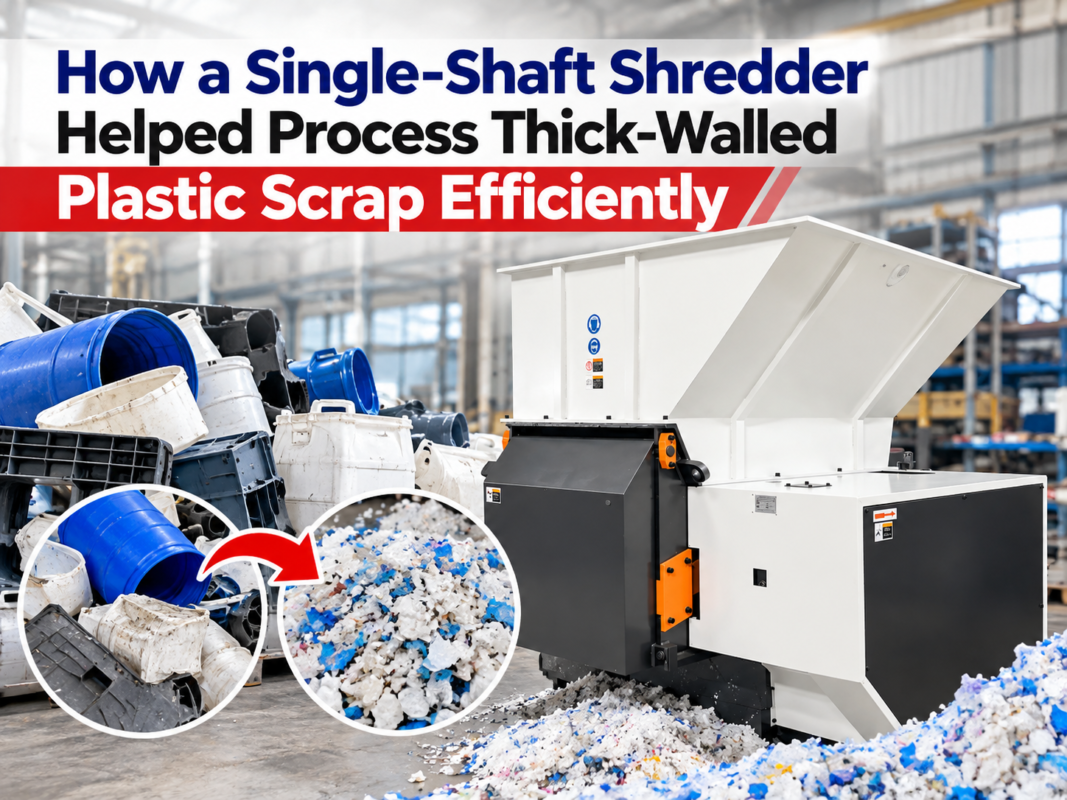
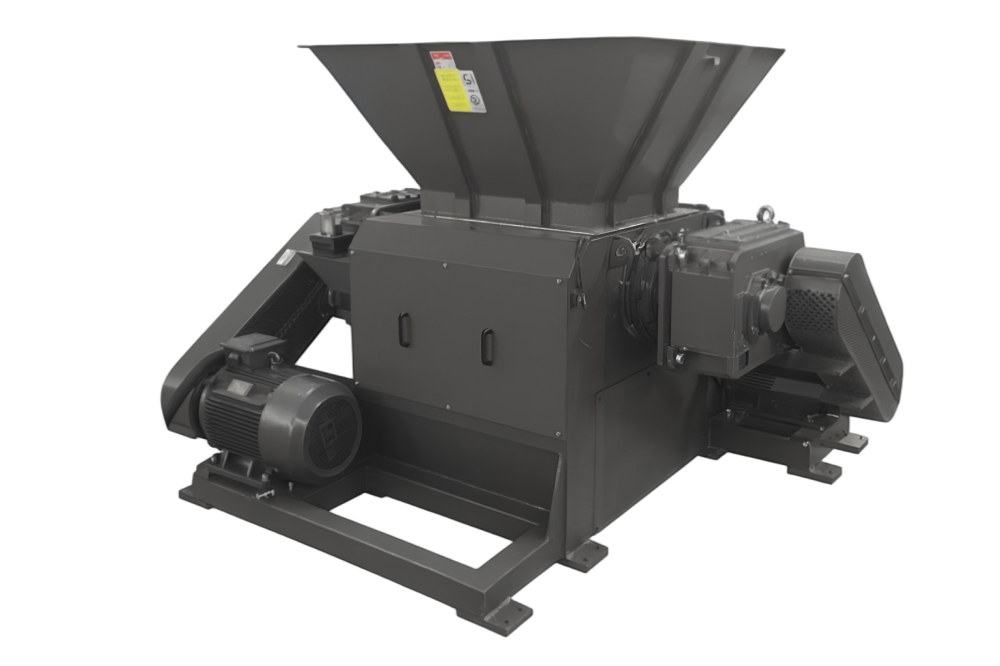
A single-shaft shredder operates using a large-diameter rotor equipped with multiple rotary blades. As the rotor turns, these blades pass through stationary counter-blades, shearing the material into smaller pieces. A hydraulic pusher ram forces the material against the rotor to ensure continuous processing. Because this mechanism relies on high torque and precision shearing, the physical properties of your input material—such as hardness, moisture content, and density—dictate the necessary machine specifications. This guide aims to provide a deep dive into the technical and financial aspects of acquiring a single-shaft shredder that aligns perfectly with your production goals.
Price Range Overview: Understanding the Market Tiers
When embarking on the journey of Single-Shaft Shredder Buying : Choose Machine Material, the first question most procurement officers ask is about the cost. The price of a single-shaft shredder varies significantly based on its capacity, build quality, and automation features. Generally, the market can be divided into three distinct tiers.
Entry-Level Shredders ($10,000 – $30,000): These machines are typically designed for light-duty applications, such as processing small plastic purgings, paper, or soft wood scraps. They usually feature smaller rotor diameters (around 200mm to 300mm) and lower motor power (7.5kW to 18.5kW). While affordable, they lack the structural reinforcement required for continuous 24/7 operation or for handling high-impact materials like thick-walled HDPE pipes or rubber tires.
Mid-Range Industrial Shredders ($35,000 – $85,000): This is the most common category for professional recycling facilities and manufacturing plants. These machines offer a balance of durability and performance, featuring motors ranging from 22kW to 75kW. They often include PLC control systems, specialized blade alloys, and more robust hydraulic rams. At this price point, you can expect a machine capable of handling a wide variety of materials with a throughput of 500kg to 2,000kg per hour, depending on the screen size.
High-End & Custom Systems ($100,000+): These are heavy-duty powerhouses designed for the most demanding environments. They feature massive rotors, dual-drive motors, advanced cooling systems for heat-sensitive materials, and integrated conveyor systems. These machines are often customized for specific materials like oversized electronic waste (e-waste), large-diameter thick pipes, or high-tensile fibers. The investment here covers not just the machine, but also the engineering required to integrate the shredder into a fully automated production line.
Main Cost Drivers in Shredder Manufacturing
Understanding what drives the price of a shredder is essential for making an informed decision. It isn’t just about the size of the machine; it’s about the quality of the components that endure the most stress. The primary cost drivers include the motor, the gearbox, the rotor design, and the blade material.
The motor and gearbox represent the heart of the machine. High-quality brands like Siemens or WEG for motors and Bonfiglioli or Guomao for gearboxes add to the initial cost but significantly reduce the risk of mechanical failure. A high-torque gearbox is essential for single-shaft shredders because they often encounter tough materials that require immense force to shear. If the gearbox is undersized or of poor quality, it will overheat and eventually fail under the strain of heavy-duty shredding.
The rotor is another significant cost factor. Rotors can be solid or hollow, and their surface can be treated with hard-facing to resist abrasion. A solid steel rotor is more expensive but offers the inertia needed to maintain speed when hitting dense objects. Furthermore, the blade mounting system—whether the blades are bolted, welded, or held in specialized holders—affects both the manufacturing cost and the ease of future maintenance. High-alloy tool steels like DC53 or D2 are standard for blades, but specialized coatings for abrasive materials can further increase the price.
Configuration Impact: Matching Specs to Material
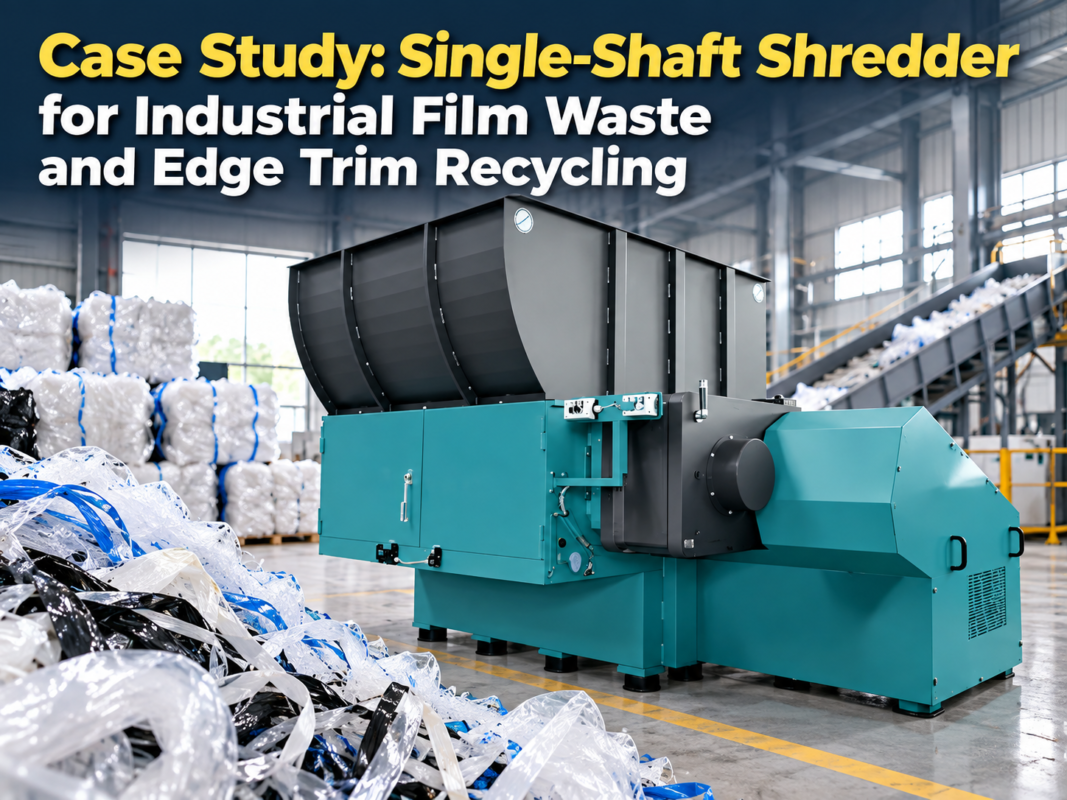
The configuration of your shredder determines its efficiency. When considering Single-Shaft Shredder Buying : Choose Machine Material, you must evaluate the rotor type, the screen size, and the pusher design. For example, a “V-rotor” design is excellent for general-purpose shredding as it pulls material toward the center, reducing wear on the side walls. However, for film or fiber, a different blade arrangement might be necessary to prevent wrapping around the shaft.
The screen size is the primary determinant of the final product size. Screens can range from 10mm to over 100mm. A smaller screen produces a finer output but significantly reduces throughput and increases heat generation. If you are shredding plastic for immediate re-extrusion, you might need a 12mm screen. If you are simply volume-reducing waste for landfill or incineration, a 60mm or 80mm screen is much more efficient. It is vital to choose a machine where the screen is easily accessible and replaceable.
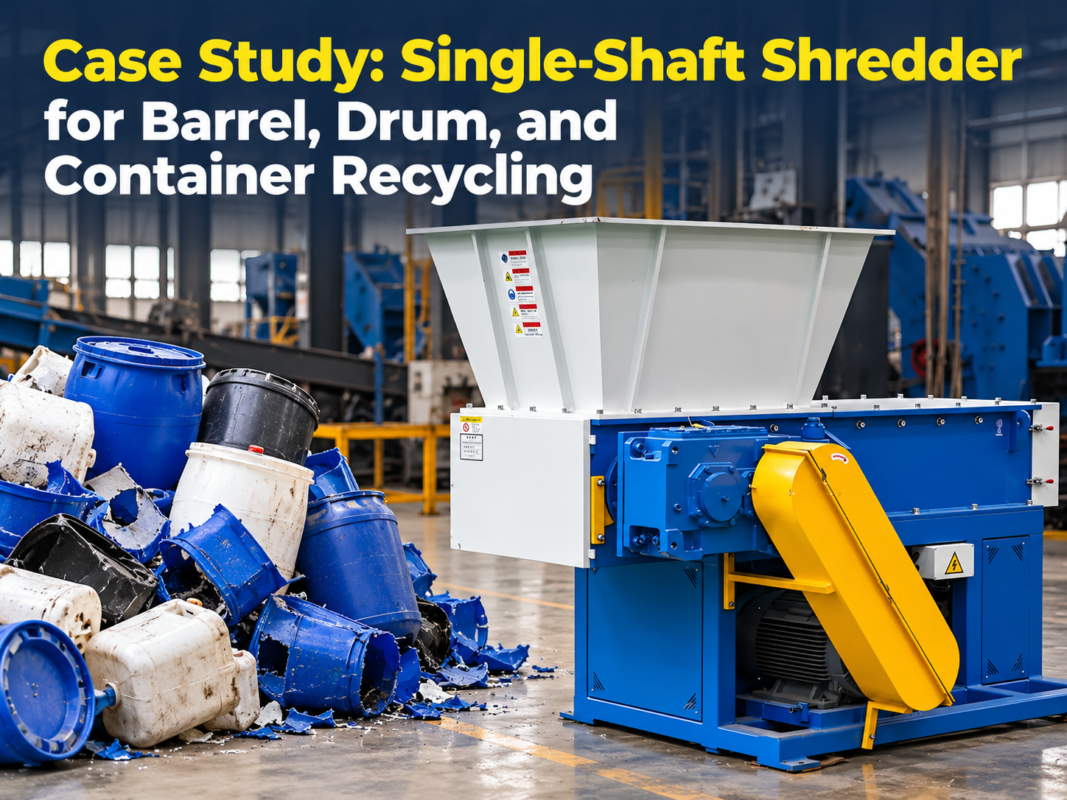
The hydraulic pusher ram is also a critical configuration point. For bulky, hollow items like drums or crates, a swing-arm pusher is often more effective than a horizontal pusher because it prevents the material from “bridging” or getting stuck above the rotor. For heavy, dense blocks of plastic, a high-pressure horizontal ram is preferred to maintain constant contact between the material and the blades. The speed and pressure of this ram should be adjustable via the PLC to prevent the motor from overloading.
Hidden Costs of Ownership
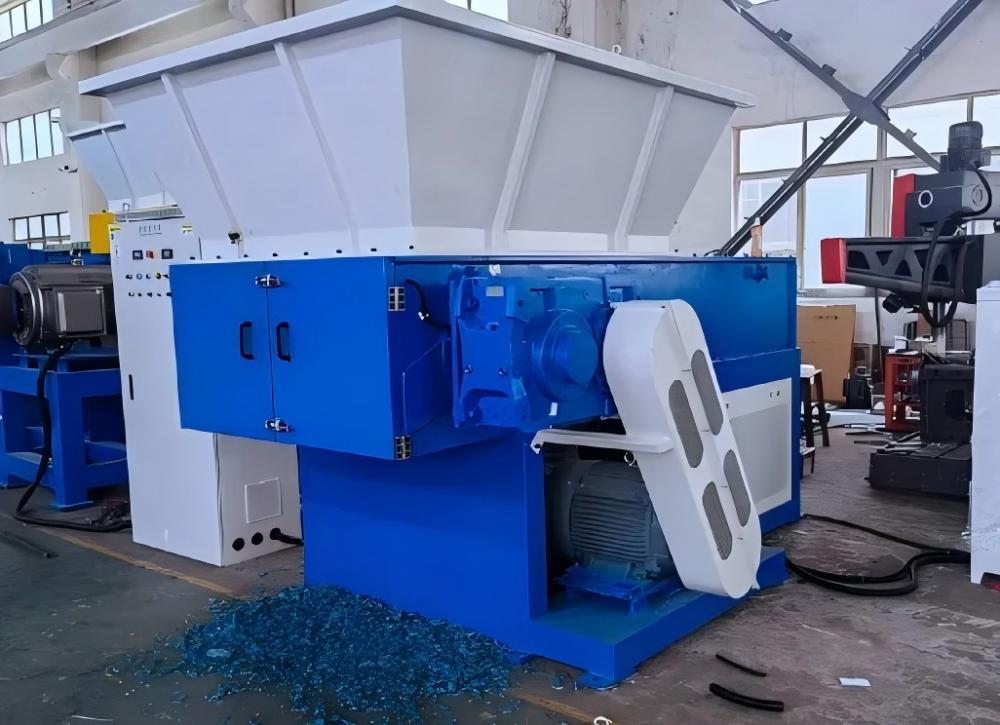
The purchase price is only the beginning. To truly understand the cost of Single-Shaft Shredder Buying : Choose Machine Material, one must account for the hidden costs of ownership. These include energy consumption, wear parts, and maintenance labor. A shredder with a 45kW motor running 8 hours a day can consume a significant amount of electricity. Choosing a machine with an efficient drive system and an intelligent PLC that idles the motor when no material is being processed can save thousands of dollars annually.
Wear parts, specifically blades and counter-blades, are a recurring expense. Depending on the abrasiveness of your material (e.g., glass-filled plastics or dirty wood with nails), you may need to rotate or sharpen blades every few weeks. Some blades have four cutting edges, allowing you to rotate them three times before needing a replacement, which effectively quarters your blade cost. Additionally, consider the cost of hydraulic oil changes and the replacement of screen plates, which eventually thin out due to friction.
Downtime is perhaps the most significant hidden cost. If a shredder breaks down in a continuous production line, the entire facility might grind to a halt. This is why investing in a machine with locally available spare parts and a reputable service department is crucial. A cheaper machine from an unknown manufacturer might save $5,000 upfront but cost $20,000 in lost production if a custom gearbox fails and takes six weeks to ship from overseas.
ROI Calculation: Is the Investment Worth It?
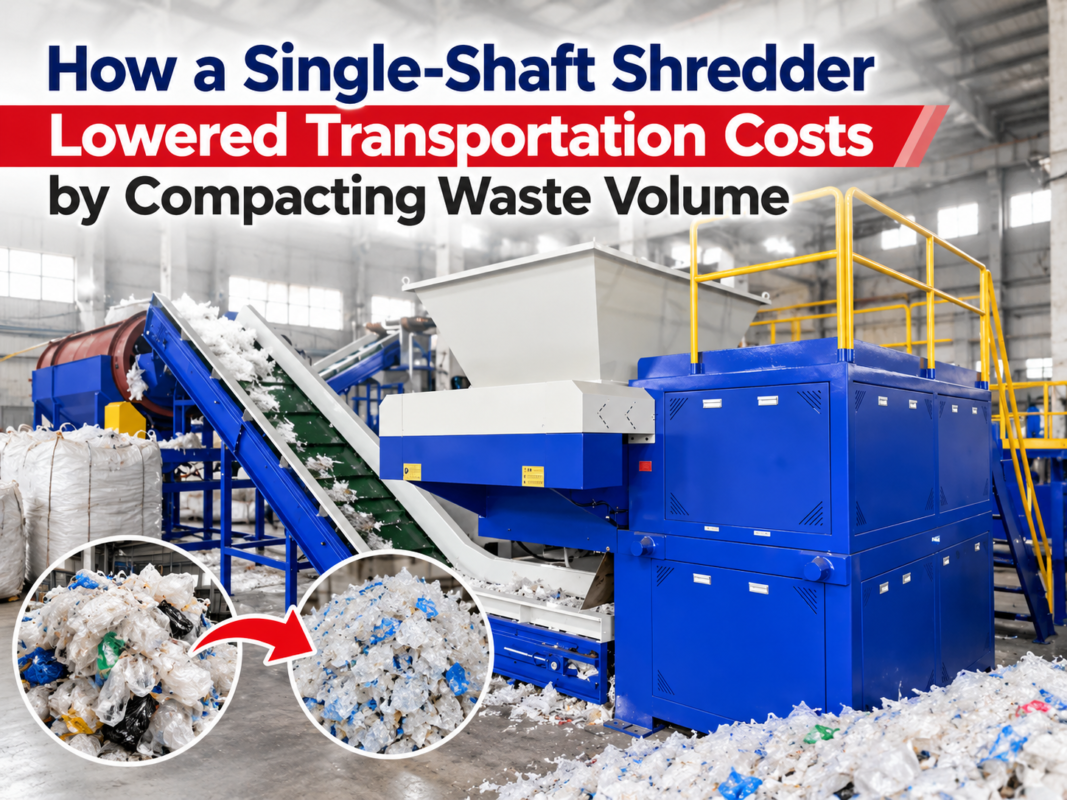
Calculating the Return on Investment (ROI) for a single-shaft shredder involves comparing the total cost of ownership against the value generated. Value can come from several sources: reduced waste disposal fees, the sale of shredded regrind, or the reuse of material in your own production process. For example, if a factory spends $2,000 a month on waste hauling for bulky plastic scrap, and a shredder can reduce that volume by 80%, the hauling cost might drop to $400, saving $19,200 per year.
Furthermore, if that same plastic scrap can be shredded and sold as regrind for $0.50 per kilogram, and the factory produces 10,000kg of scrap per month, that is an additional $5,000 in monthly revenue. Totaling these benefits—$1,600 in hauling savings plus $5,000 in material value—results in a monthly gain of $6,600. If the shredder costs $60,000 to purchase and install, the payback period is less than 10 months. This simple calculation demonstrates why high-quality shredding equipment is often one of the most profitable investments a manufacturing plant can make.
Buying Advice: Step-by-Step Selection Guide
To ensure you make the right choice when Single-Shaft Shredder Buying : Choose Machine Material, follow this structured approach:
- Define Your Material: Be specific. Is it HDPE, PVC, Pine, Oak, or Aluminum? What is the maximum size of the input pieces? What is the moisture content?
- Determine Required Throughput: How many kilograms or tons do you need to process per hour? Always choose a machine with a capacity 20-30% higher than your current needs to allow for future growth.
- Specify Output Size: What is the target granule size? This dictates the screen size and the number of blades on the rotor.
- Test the Material: Any reputable manufacturer, like HARSLE, will offer material testing. Send a sample of your toughest waste to be shredded on a trial machine. This provides empirical data on throughput and blade wear.
- Check the Safety Features: Ensure the machine has emergency stops, safety interlocks on access doors, and overload protection for the motor and gearbox.
- Evaluate the PLC: A modern PLC (like Siemens S7-1200) with a touch-screen HMI allows for easy adjustment of ram pressure, rotor speed, and auto-reverse functions to clear jams.
By following these steps, you minimize the risk of purchasing a machine that is either underpowered for your needs or unnecessarily expensive for your application. Remember that the cheapest option is rarely the most cost-effective in the long run when industrial machinery is concerned.
Frequently Asked Questions (FAQ)
1. What is the difference between a single-shaft and a double-shaft shredder?
A single-shaft shredder uses a high-speed rotor and a hydraulic pusher to shear material against a screen, making it ideal for producing a consistent, small output size. A double-shaft shredder uses two counter-rotating shafts with interlocking blades to tear material. Double-shaft shredders are better for high-volume primary shredding of bulky items but do not typically produce a uniform small granule size without a secondary process.
2. How often do the blades need to be sharpened?
This depends entirely on the material. For clean plastics, blades may last for hundreds of hours. For abrasive materials like fiberglass or wood with dirt and stones, blades may need attention every 40-80 hours. Most modern single-shaft shredders use indexable square blades with four cutting edges, so you can simply rotate the blade to a fresh edge rather than sharpening it immediately.
3. Can a single-shaft shredder handle metal?
Single-shaft shredders are excellent for light metals like aluminum extrusions, copper wiring, and thin-gauge cans. However, they are not designed for heavy steel plates, rebar, or large engine blocks. Attempting to shred heavy ferrous metal in a standard single-shaft shredder will likely result in broken blades or a damaged gearbox.
4. Why is the hydraulic pusher ram important?
The pusher ram is what makes the single-shaft shredder efficient. Without it, material would simply bounce on top of the rotor. The ram ensures that the material is constantly pressed against the cutting teeth. Advanced machines use “load-sensing” hydraulics that adjust the ram’s speed based on the motor’s current draw, preventing jams and maximizing throughput.
5. What power supply is required for an industrial shredder?
Most industrial single-shaft shredders require a three-phase power supply (e.g., 380V, 415V, or 480V). The amperage required depends on the motor size. It is essential to consult with an electrician to ensure your facility’s electrical infrastructure can handle the high startup current (inrush current) of a large shredder motor, or consider a Soft Starter or VFD (Variable Frequency Drive) to mitigate this.
6. How do I choose the right screen size?
The screen size should be chosen based on your downstream requirements. If you are selling regrind, check with your buyer for their preferred size (usually 10-20mm). If you are shredding for volume reduction, a larger screen (40-60mm) is better as it allows the machine to work faster and use less energy per ton of material processed.