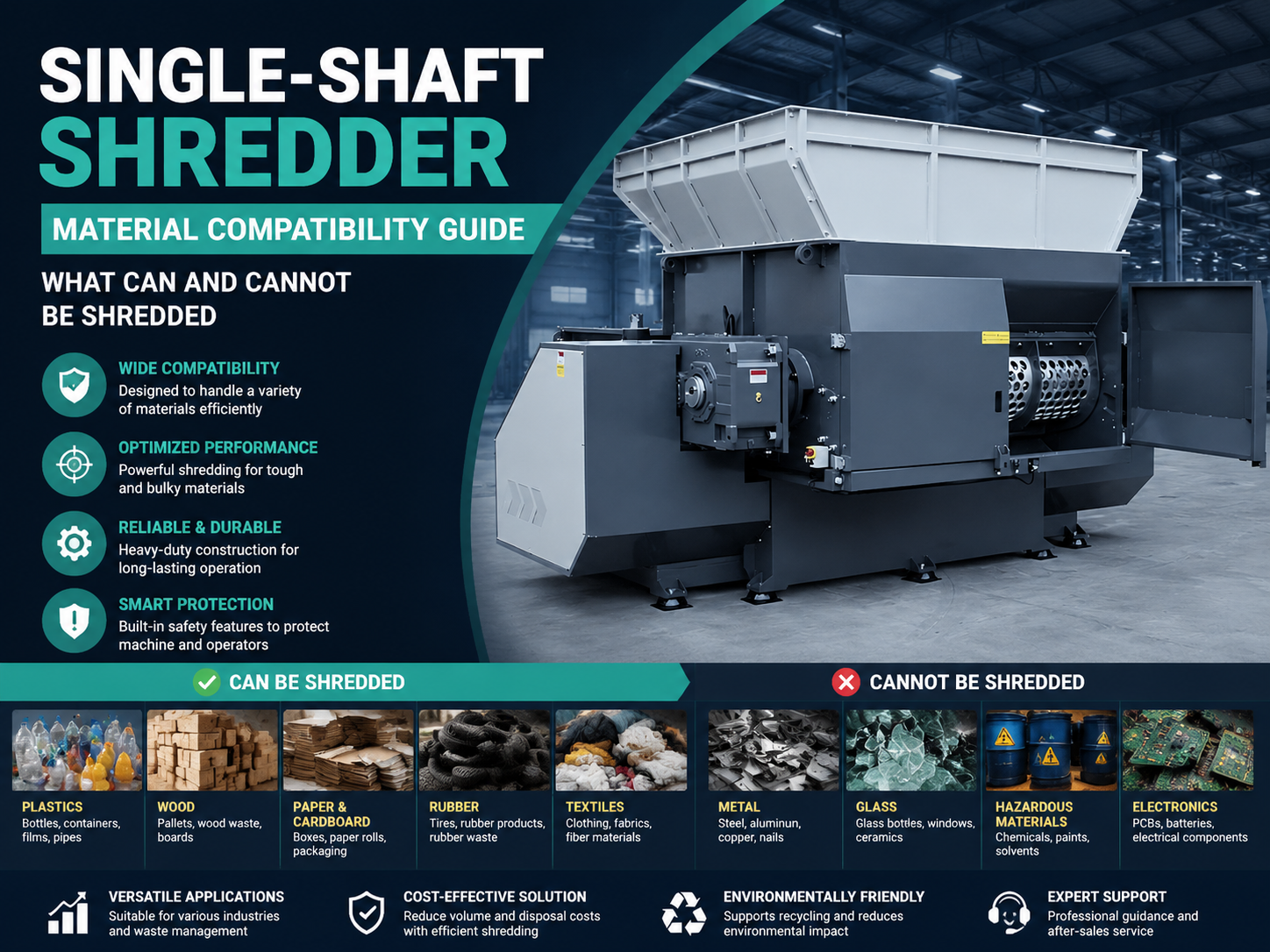
Single-Shaft Shredder Material Compatibility Guide: What Can and Cannot Be Shredded

Technical Overview of Single-Shaft Shredding Technology
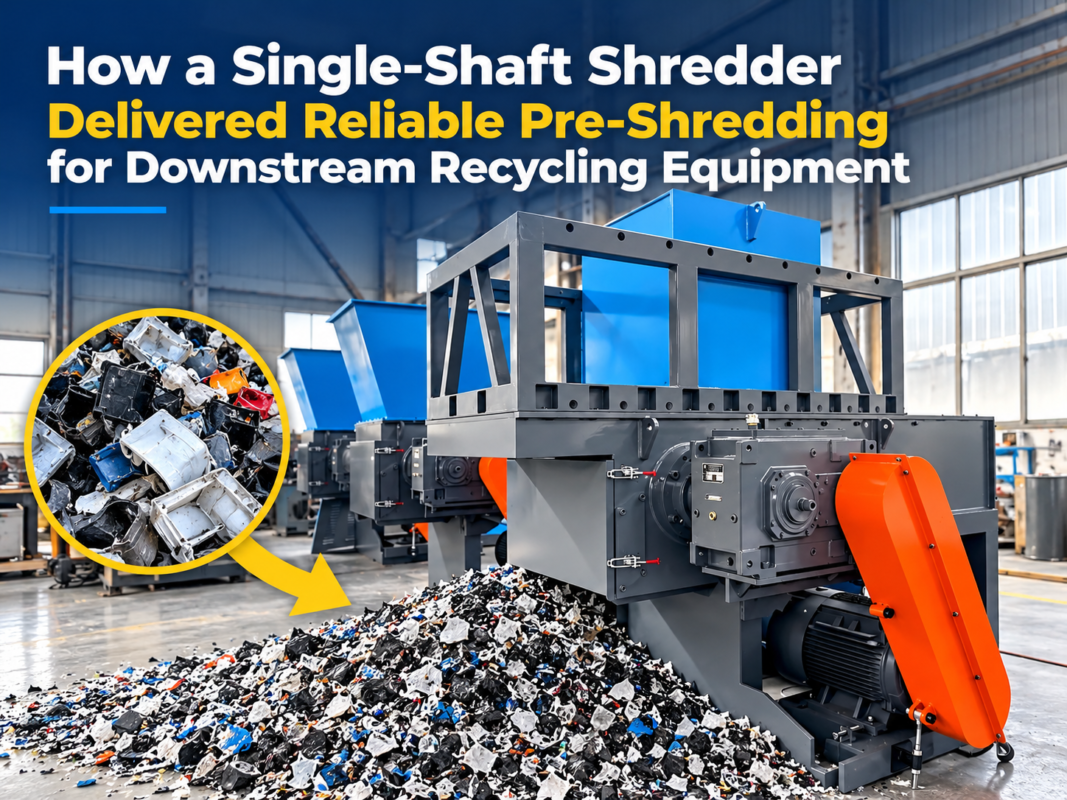
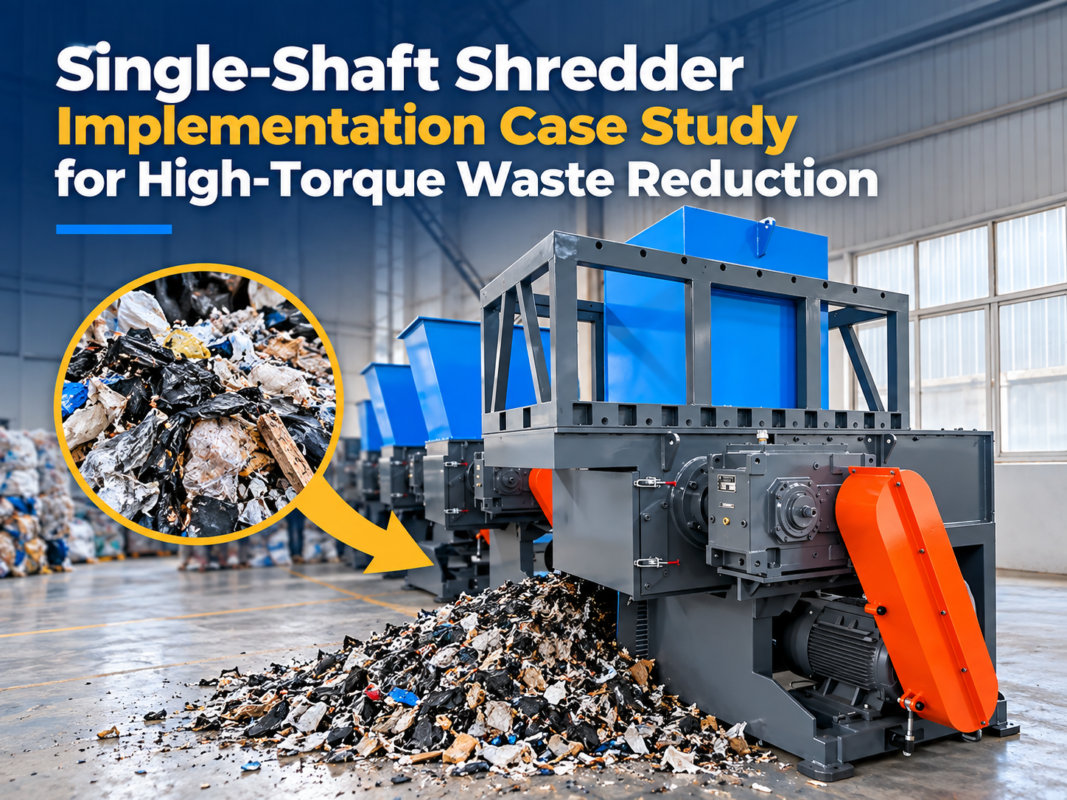
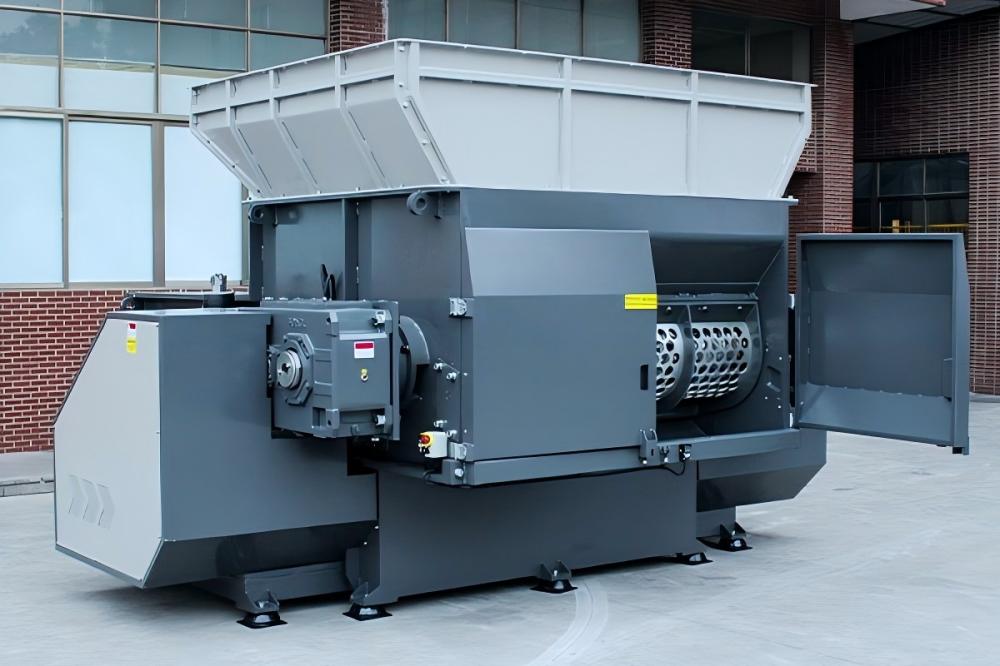
Single-shaft shredders represent a cornerstone in modern waste reduction and recycling industries. Unlike their twin-shaft counterparts which rely on high-torque tearing, single-shaft shredders utilize a high-speed rotor equipped with bolted-on blades that shear material against a fixed counter-knife. This mechanism is particularly effective for achieving a precise, uniform output size, controlled by a screen located beneath the rotor. At HARSLE, our engineering focus is on maximizing the shearing efficiency while minimizing energy consumption through optimized rotor geometry and hydraulic pusher systems.
The fundamental principle of a single-shaft shredder involves a hydraulic ram that pushes the bulk material toward the rotating shaft. As the material makes contact with the rotor, the square or concave blades cut away small chips. These chips are then pressed against the screen; if they are smaller than the screen holes, they fall through. If they are larger, they are carried back around for another pass. This process makes the single-shaft shredder ideal for materials that require a specific final particle size for downstream processing, such as plastic extrusion or biomass fuel production.
Material compatibility is the most critical factor in determining the lifespan of the machine. While these machines are versatile, they are not universal. Understanding the mechanical properties of the input material—such as its tensile strength, elasticity, and thermal melting point—is essential for preventing catastrophic failure of the rotor or the gearbox. In the following sections, we will break down the specific parameters that define what a HARSLE single-shaft shredder can handle and where the physical limits of the technology lie.
Core Parameters Influencing Shredding Performance
To understand material compatibility, one must first understand the core technical parameters of the machine. The first is Rotor Torque. Torque determines the machine’s ability to overcome the resistance of the material. High-density materials like solid plastic lumps require significantly higher torque than low-density materials like cardboard. HARSLE machines utilize heavy-duty gearboxes to ensure that the torque remains consistent even under heavy loads.
The second parameter is Blade Geometry and Material. Blades are typically made from high-alloy steels like D2 (SKD11) or DC53, heat-treated to a hardness of 58-62 HRC. The angle of the blade determines whether the machine ‘scrapes’ or ‘slices’ the material. For soft plastics, a sharper angle is preferred to prevent melting, whereas for wood, a more robust, blunt-angled blade is used to resist impact damage. The clearance between the rotor blades and the counter-knives is also vital; a tight clearance (0.1mm to 0.5mm) is necessary for thin films to prevent them from wrapping around the shaft.
The third parameter is the Hydraulic Pusher Pressure. The pusher is the ‘brain’ of the shredder’s throughput. If the pressure is too high, the motor may stall; if it is too low, the throughput drops. Modern HARSLE shredders feature load-sensing hydraulics that automatically retract the pusher when the motor current spikes, allowing the rotor to clear itself before resuming the feed. This is crucial for handling heterogeneous waste streams where material density varies wildly.
Calculation Method for Shredder Throughput and Force
Engineers must calculate the expected throughput to ensure the shredder meets production requirements. The theoretical throughput (Q) of a single-shaft shredder can be estimated using the following formula:
Q = n × V × ρ × η
Where:
n = Rotor speed (RPM)
V = Volume of material removed per revolution (determined by blade count and depth of cut)
ρ = Bulk density of the material (kg/m³)
η = Efficiency factor (typically 0.6 to 0.8, accounting for pusher retraction time and screen resistance)
Furthermore, the cutting force (Fc) required must not exceed the machine’s maximum shear force. The cutting force is calculated as:
Fc = T / r
Where T is the torque at the rotor and r is the radius of the rotor. For successful shredding, the Fc must be greater than the shear strength of the material multiplied by the contact area of the blades. If you are shredding a material with high shear strength, such as reinforced rubber, you must either increase the torque (via a larger motor/gearbox) or reduce the number of blades in contact with the material at any one time to concentrate the force.
Material Compatibility: What CAN Be Shredded
Single-shaft shredders are exceptionally versatile. Below is a detailed breakdown of materials that are perfectly suited for this technology.
1. Plastics (The Primary Application)
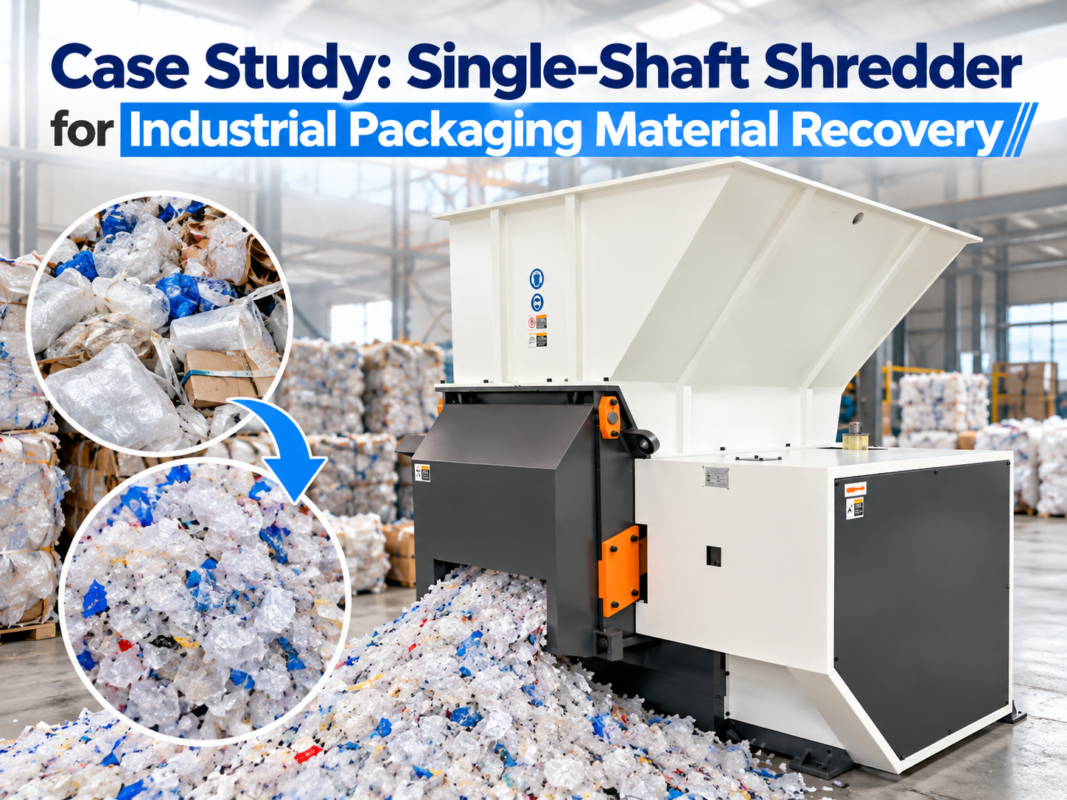
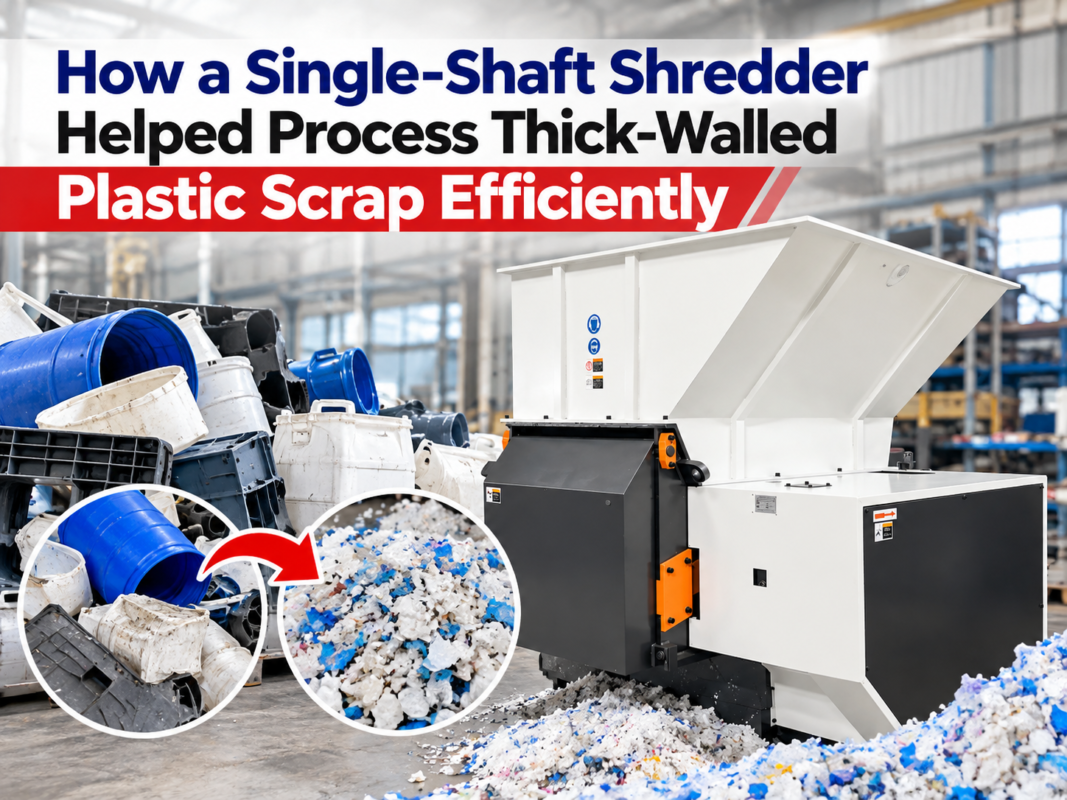
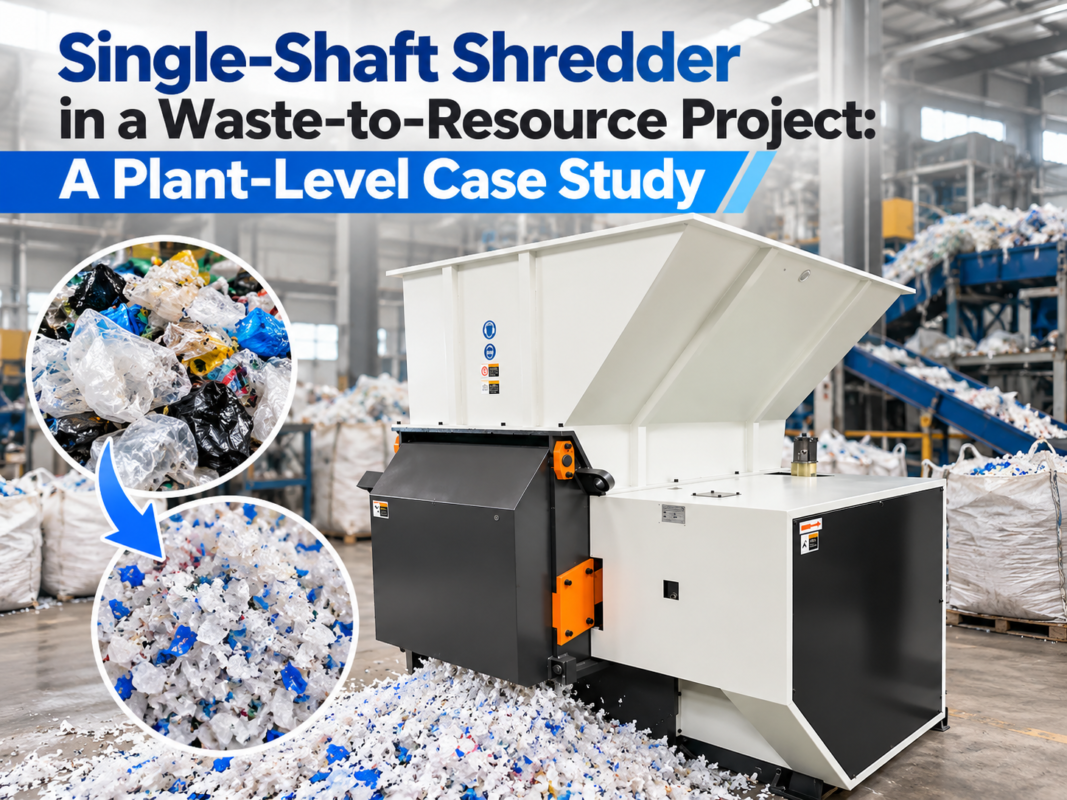
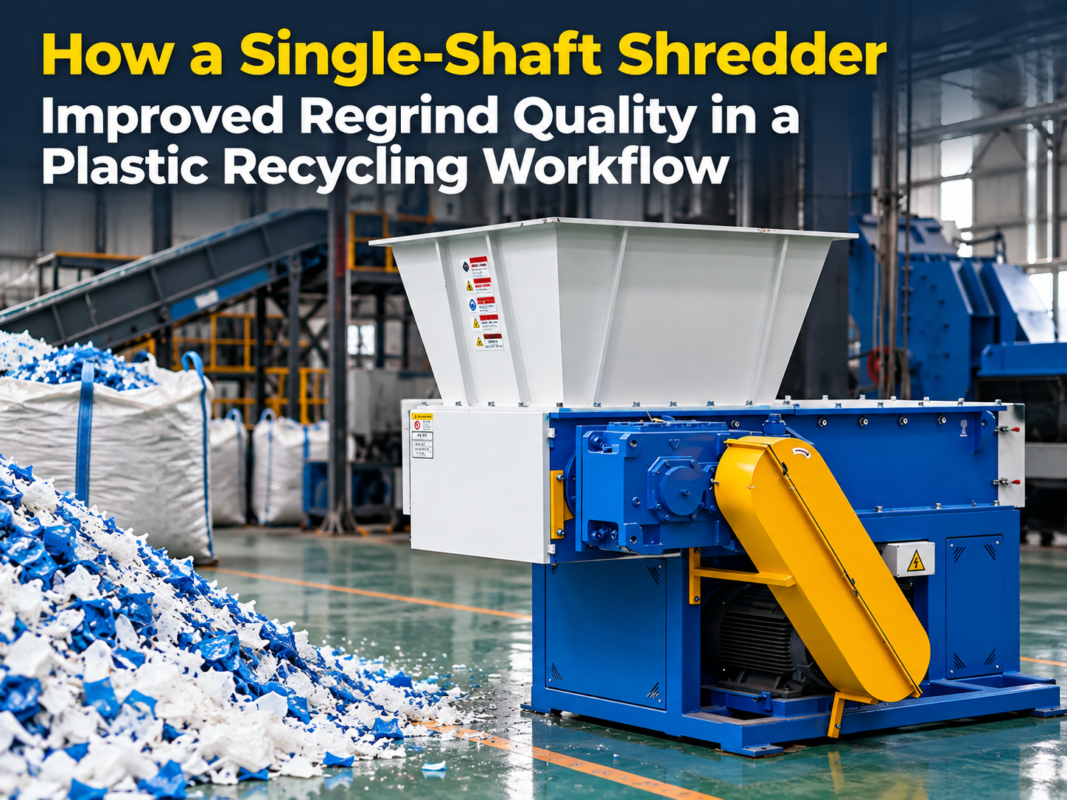
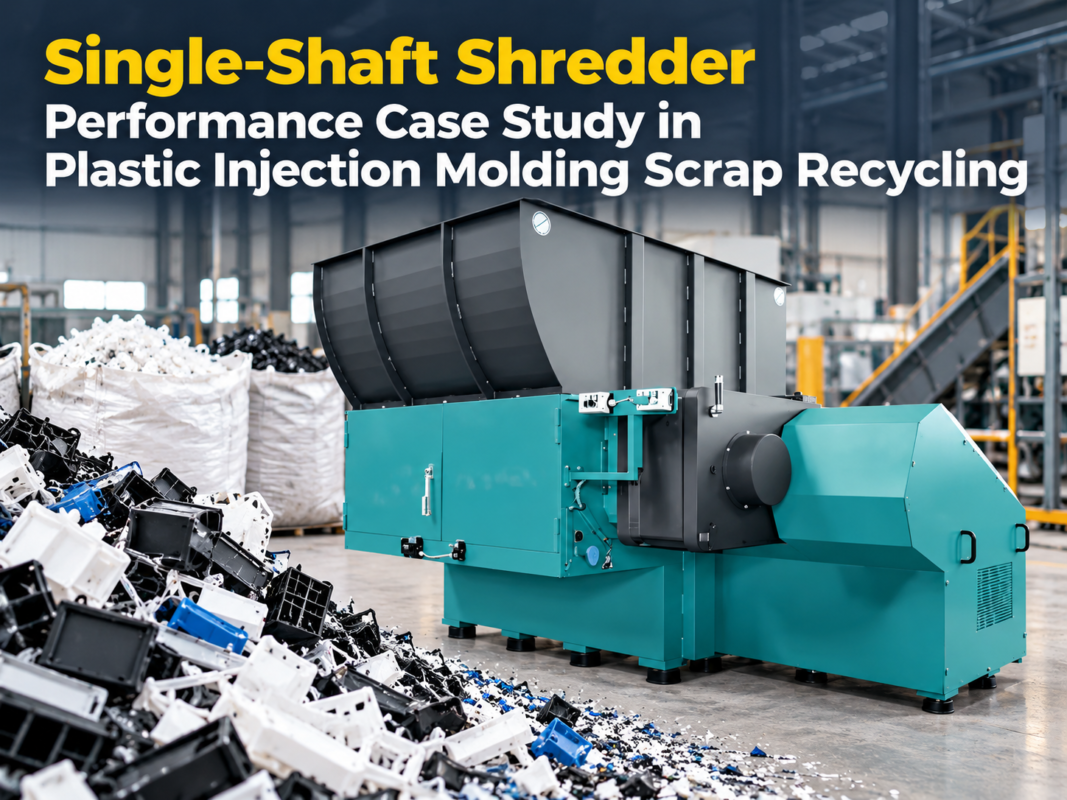
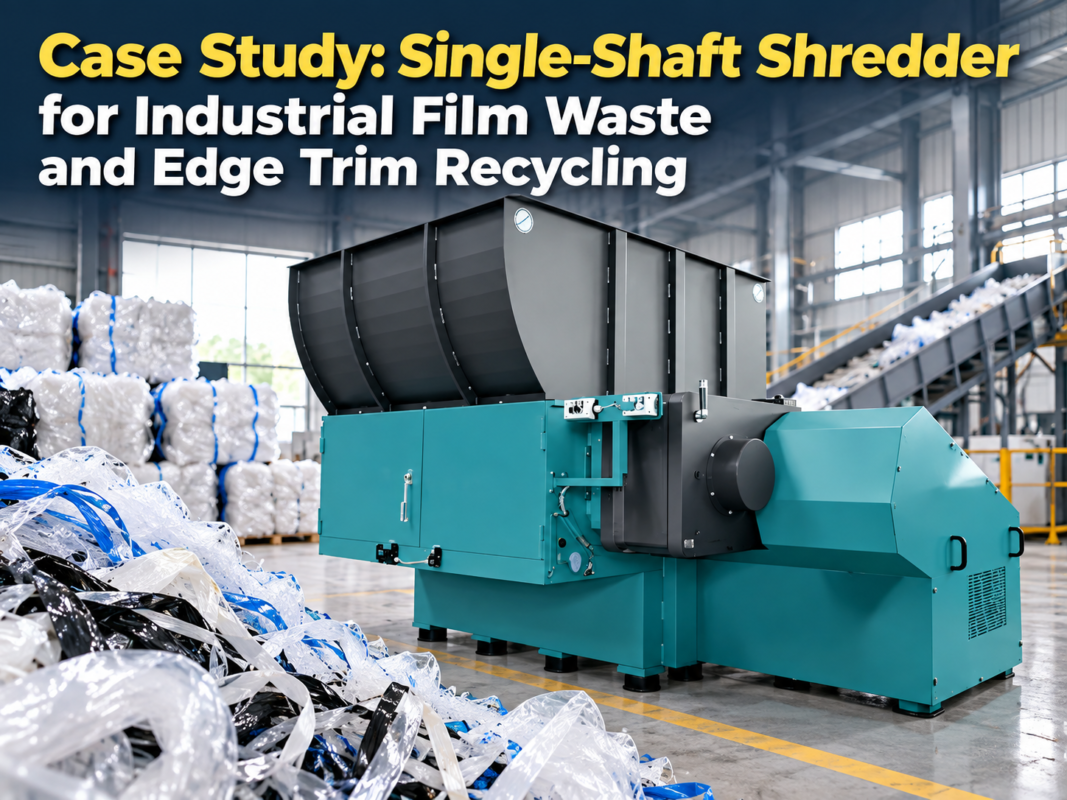
Plastics are the most common material processed by single-shaft shredders. This includes PE (Polyethylene), PP (Polypropylene), PVC (Polyvinyl Chloride), and PET (Polyethylene Terephthalate). The machine handles various forms, from thick-walled pipes and large purging lumps to thin films and woven bags. For films, the single-shaft design is superior to twin-shaft because the high speed and tight tolerances prevent the film from simply passing through the gaps without being cut.
2. Wood and Biomass
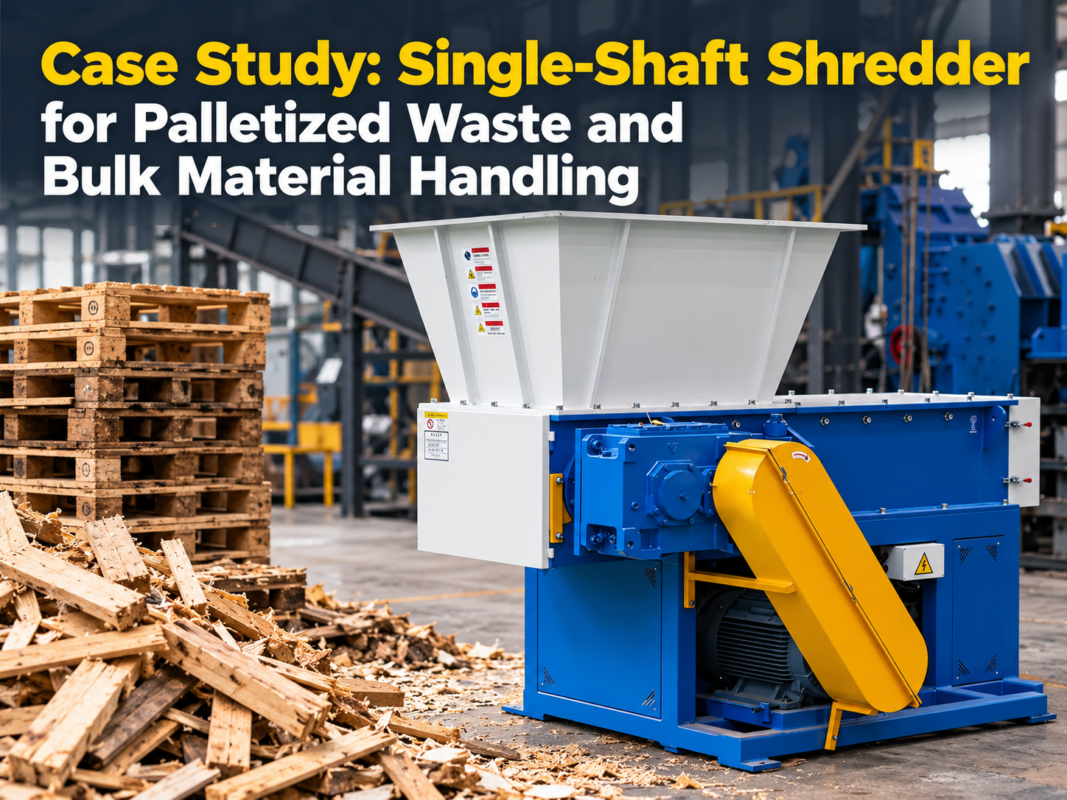
Single-shaft shredders are widely used in the timber industry for processing pallets, furniture scrap, and MDF/particle board. The resulting chips are often used for boiler fuel or compressed into briquettes. Because wood is relatively brittle compared to plastic, it shreds very efficiently, though operators must be careful of ‘tramp metal’ like nails, which can chip the blades over time.
3. Paper and Cardboard
For high-volume document destruction or recycling of cardboard packaging, single-shaft shredders offer excellent throughput. The ability to use a small screen (e.g., 20mm-30mm) ensures that sensitive documents are shredded beyond recognition, meeting strict security standards. The main challenge here is dust management, which requires an integrated extraction system.
4. Rubber and Textiles
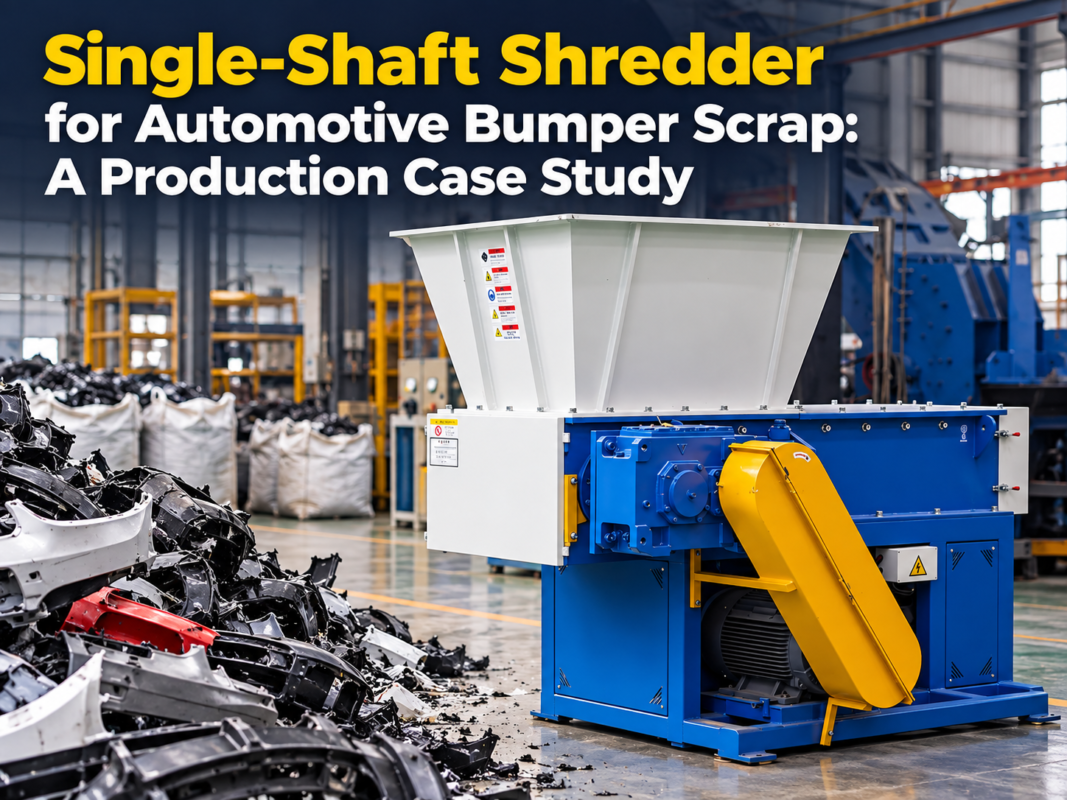
Materials like rubber gaskets, conveyor belts, and synthetic textiles can be shredded, provided the machine is equipped with a cooling system or the rotor speed is adjusted to prevent heat buildup. Rubber has a high friction coefficient, which can lead to rapid temperature increases, potentially melting the material onto the rotor.
Material Compatibility: What CANNOT Be Shredded
Attempting to shred incompatible materials can lead to immediate mechanical failure, fire, or safety hazards. The following materials should be avoided or require specialized pre-processing.
1. Heavy Ferrous Metals
While a single-shaft shredder can handle light non-ferrous metals like aluminum cans or thin copper wiring, it cannot shred heavy steel plates, rebar, or structural beams. The shear strength of steel far exceeds the torque capacity of standard single-shaft rotors. Attempting to shred a 10mm steel plate will likely result in broken blade bolts, a twisted rotor shaft, or a destroyed gearbox.
2. Explosive and Flammable Materials
Pressurized gas cylinders, aerosol cans, and batteries (especially Lithium-Ion) are strictly prohibited. The friction and heat generated during the shearing process can easily ignite flammable gases or cause a thermal runaway in batteries, leading to explosions within the shredding chamber.
3. Large Concrete and Stone Blocks
Abrasive materials like concrete, bricks, and stones will dull the blades almost instantly. Furthermore, the lack of elasticity in these materials means that the impact force is transferred directly to the rotor bearings, leading to premature bearing failure. For these materials, a jaw crusher or impact crusher is the correct choice.
4. High-Tensile Steel Cables
Long, high-tensile steel cables (like those found in large tires) are problematic. They tend to wrap around the rotor rather than being cut. As the cable wraps, it creates immense pressure on the side walls of the shredder and can eventually stall the motor or snap the shaft. Tires must be de-beaded or pre-shredded before entering a standard single-shaft machine.
Parameter Table for Common Materials
| Material Type | Recommended Rotor Speed (RPM) | Screen Size (mm) | Blade Type | Throughput Potential |
|---|---|---|---|---|
| Plastic Lumps (HDPE/PP) | 80 – 100 | 40 – 60 | Concave / Square | High |
| Plastic Film (LDPE/LLDPE) | 70 – 90 | 20 – 40 | Sharp / Flat | Medium |
| Wood Pallets | 80 – 120 | 30 – 50 | Heavy Duty Square | Very High |
| Copper Cable (Thin) | 60 – 80 | 10 – 20 | Hardened D2 | Low |
| Rubber Scrap | 60 – 75 | 25 – 40 | Hardened / Cooled | Medium |
| Cardboard / Paper | 100 – 120 | 30 – 60 | Standard Square | High |
Common Engineering Mistakes in Shredder Operation
One of the most frequent mistakes is improper blade maintenance. Operators often wait until the blades are completely rounded before rotating or replacing them. This increases the power consumption by up to 50% and puts unnecessary strain on the motor. Because HARSLE blades are four-way rotatable, they should be turned as soon as the cutting edge loses its sharpness to maintain optimal shearing action.
Another common error is ignoring the screen condition. A clogged or damaged screen will significantly reduce throughput and cause the material to overheat inside the chamber. This is particularly dangerous with plastics, as the material can melt and ‘glaze’ the screen, effectively sealing the holes and stopping all production. Regular cleaning and inspection of the screen basket are mandatory for consistent performance.
Finally, over-feeding the hopper can lead to ‘bridging.’ This occurs when bulky materials wedge themselves against the walls of the hopper, preventing the hydraulic pusher from reaching them. Operators should ensure that the material is fed in a way that allows the pusher to engage the material directly against the rotor. Using a ‘swing-arm’ pusher instead of a horizontal one can help mitigate this issue for certain bulky items.
Selection Checklist for Buying a Single-Shaft Shredder
- Material Density: Determine the bulk density of your input. High-density materials require more torque.
- Required Output Size: Choose a screen size that meets your downstream needs without being unnecessarily small (smaller screens reduce throughput).
- Contamination Levels: If your material contains 5% or more metal contamination, consider a machine with a ‘tramp metal’ release or hardened rotor protection.
- Throughput Requirements: Calculate your hourly needs and add a 20% safety margin to account for material variations.
- Blade Material: Ensure the blades are made from high-quality tool steel (D2 or DC53) and are easily accessible for rotation.
- Cooling Systems: For heat-sensitive materials like rubber or certain plastics, check if the rotor is water-cooled.
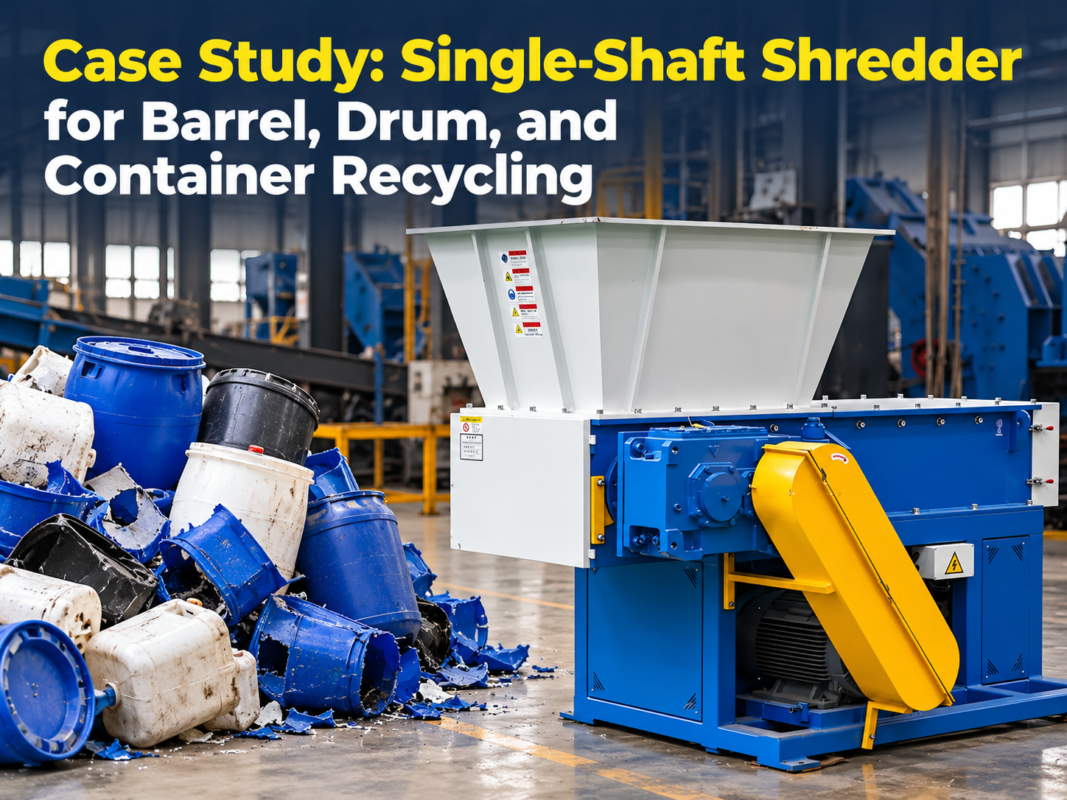
- Pusher Type: Decide between a horizontal hydraulic pusher (standard) or a swing-arm pusher (for large hollow objects like drums).
- Motor Power: Ensure the motor is rated for continuous industrial use and has a soft-start or VFD (Variable Frequency Drive) to manage startup loads.
- Ease of Maintenance: Look for features like a hydraulic screen cradle and easy-access doors for blade changes.
- Safety Features: Verify the presence of emergency stops, safety interlocks on access doors, and overload protection.
Frequently Asked Questions (FAQ)
Can a single-shaft shredder handle wet materials?
Yes, but with caveats. Wet materials like washed plastic flakes or damp wood can be shredded, but the moisture can lead to corrosion of the rotor and blades if they are not made of stainless steel or properly coated. Additionally, wet fines can clog the screen more easily than dry material.
How often should I rotate the blades?
This depends entirely on the material. For clean plastic, blades may last 500-800 hours per edge. For abrasive materials or wood with nails, you might need to rotate them every 100-200 hours. Monitoring the motor’s amperage is the best way to tell; when the average amp draw increases for the same material, the blades are likely dull.
What happens if a piece of heavy steel accidentally enters the shredder?
HARSLE shredders are equipped with electronic overload protection. If the rotor hits an unshreddable object, the motor current will spike instantly, and the PLC will stop the rotor and reverse it to prevent damage. However, the impact can still chip the blades, so the object must be removed manually before restarting.
Is a single-shaft shredder better than a twin-shaft shredder?
Neither is ‘better’ in a vacuum; they serve different purposes. A single-shaft shredder is better for achieving a small, uniform particle size and handling thin materials like film. A twin-shaft shredder is better for high-volume primary shredding of bulky, tough items where a precise final size isn’t immediately required.
Can I shred PVC pipes with a single-shaft shredder?
Absolutely. Single-shaft shredders are excellent for PVC pipes. Because PVC can be brittle, it is recommended to use a rotor with a slightly lower RPM to reduce the risk of shattering and to ensure the hydraulic pusher doesn’t force the pipe too quickly into the rotor, which could cause a jam.