Single-Shaft Shredder Automation Guide: PLC Control, Sensors, and Integration

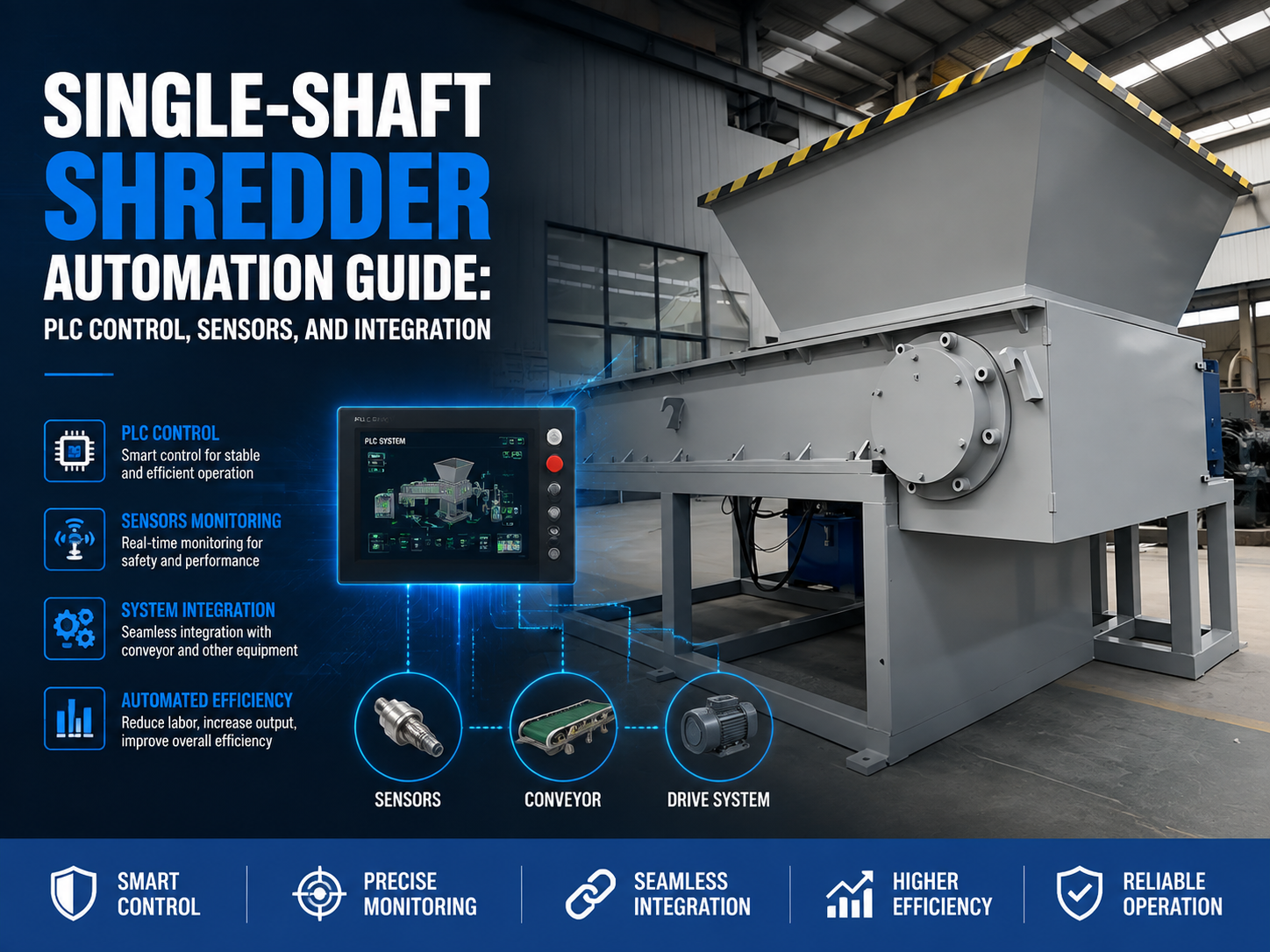
Technical Overview of Single-Shaft Shredder Automation
In the modern landscape of industrial recycling and metal fabrication, the single-shaft shredder has evolved from a purely mechanical workhorse into a sophisticated, automated system. The integration of Single-Shaft Shredder Automation : Plc Control, Sensors, Integration is no longer a luxury but a necessity for facilities aiming to maximize throughput while minimizing downtime and energy consumption. At its core, automation in shredding involves the synchronization of the hydraulic feeding system, the high-torque rotor, and the electrical drive unit through a centralized logic controller.
The primary objective of automation is to maintain a constant load on the motor. Without automation, a shredder is susceptible to frequent jams, motor burnouts, and inconsistent output sizes. By utilizing a Programmable Logic Controller (PLC), the machine can ‘sense’ the resistance encountered by the blades and adjust the hydraulic pusher’s speed or direction accordingly. This closed-loop feedback system ensures that the machine operates at its peak efficiency curve, regardless of the material density or volume being processed.
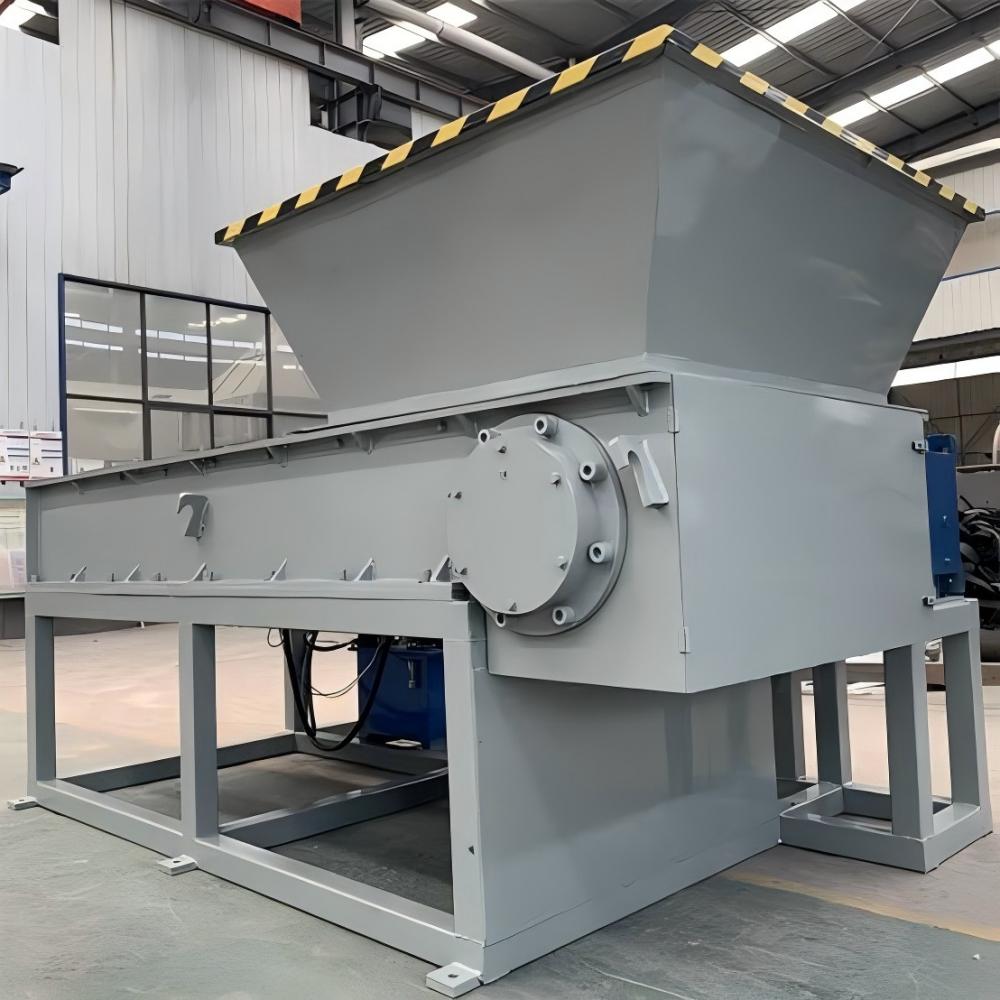
Modern automation also extends to the safety and diagnostic realms. Integrated sensors monitor bearing temperatures, vibration levels, and oil pressure. If any parameter exceeds the safe threshold, the PLC can trigger an emergency stop or a controlled shutdown, preventing catastrophic mechanical failure. Furthermore, the integration of Human-Machine Interfaces (HMI) allows operators to visualize the shredding process, adjust settings for different materials (e.g., plastics vs. light metals), and receive instant alerts for maintenance requirements.
Integration with downstream equipment is another critical aspect of the technical overview. An automated single-shaft shredder rarely operates in isolation. It is typically part of a larger line involving conveyors, magnetic separators, and granulators. Through industrial communication protocols like Profinet or Modbus, the shredder’s PLC communicates with the rest of the line to prevent material pile-ups. For instance, if a downstream conveyor stops, the shredder’s PLC will automatically pause the feeding mechanism to prevent a bottleneck.
Core Parameters of Automated Shredding Systems
Understanding the core parameters is essential for designing or selecting an automated shredding system. The first parameter is Rotor Torque. In an automated system, torque is monitored via the motor’s current draw. When the current spikes, indicating high resistance, the PLC triggers the ‘Auto-Reverse’ function to clear the blockage. This parameter determines the machine’s ability to handle tough materials like thick-walled plastics or aluminum extrusions.
The second parameter is the Hydraulic Ram Pressure and Speed. The ram is responsible for pushing material against the rotating shaft. In a manual system, this is often a constant pressure, which leads to inefficiency. In an automated system, the ram speed is variable. The PLC uses PID (Proportional-Integral-Derivative) control to modulate the ram, ensuring the motor stays within 80-90% of its rated load for maximum efficiency.
Thirdly, Blade Geometry and Speed play a vital role. While the physical shape is mechanical, the speed is often controlled by a Variable Frequency Drive (VFD) integrated into the PLC network. Adjusting the RPM allows the shredder to adapt to materials with different melting points or brittle characteristics. For example, lower speeds are preferred for materials that might melt due to friction, while higher speeds increase throughput for brittle materials.
Finally, Sensor Response Time is a critical parameter. The latency between a sensor detecting a jam and the PLC initiating a reverse cycle must be in milliseconds. High-quality inductive proximity sensors and pressure transducers are required to provide the high-fidelity data necessary for rapid response. This minimizes the mechanical stress on the gearbox and couplings during sudden stalls.
Calculation Method for Shredder Throughput and Efficiency
To optimize an automated shredder, engineers must calculate the theoretical throughput and compare it with actual performance data collected by the PLC. The basic formula for throughput (Q) in a single-shaft shredder is:
Q = (n × V × ρ × η) / 60
Where:
– Q = Throughput (kg/h)
– n = Rotor speed (RPM)
– V = Volume of material displaced per revolution (m³)
– ρ = Bulk density of the material (kg/m³)
– η = Efficiency factor (typically 0.6 to 0.8 for automated systems)
Automation improves the efficiency factor (η) by reducing the time the machine spends idling or in reverse. By analyzing the PLC logs, operators can calculate the ‘Effective Shredding Time’ versus ‘Total Runtime.’ A high-performing automated system should maintain an efficiency factor above 0.75.
Another critical calculation involves the Specific Energy Consumption (SEC). This is calculated as the total energy used (kWh) divided by the total mass of material processed (tons). Automation helps minimize SEC by ensuring the motor is not running at full power when the hopper is empty or when the material is easily shredded. The PLC can be programmed to enter a ‘Sleep Mode’ or reduce VFD frequency during low-load periods, significantly lowering operational costs.
Parameter Table for Automated Single-Shaft Shredders
| Model Series | Motor Power (kW) | Rotor Diameter (mm) | PLC Type | Sensor Suite | Typical Throughput (kg/h) |
|---|---|---|---|---|---|
| HARSLE HSS-800 | 37 – 45 | 400 | Siemens S7-1200 | Current, Temp, Proximity | 800 – 1,200 |
| HARSLE HSS-1200 | 55 – 75 | 450 | Siemens S7-1500 | Current, Temp, Ultrasonic, Pressure | 1,500 – 2,500 |
| HARSLE HSS-1500 | 90 – 110 | 600 | Allen-Bradley CompactLogix | Full Suite + Vibration Analysis | 3,000 – 5,000 |
| HARSLE HSS-2000 | 132 – 160 | 800 | Schneider Modicon M241 | Full Suite + IoT Gateway | 6,000 – 10,000 |
Common Engineering Mistakes in Shredder Automation
One of the most frequent mistakes in Single-Shaft Shredder Automation : Plc Control, Sensors, Integration is inadequate sensor protection. In the harsh environment of a shredder, sensors are exposed to extreme vibration, dust, and flying debris. Using standard-grade sensors without protective housings or failing to use non-contact sensing methods often leads to premature sensor failure, which causes the PLC to receive erroneous data and trigger unnecessary shutdowns.
Another common error is poorly tuned PID loops for the hydraulic ram. If the ram reacts too slowly to a motor load spike, the rotor may stall completely before the ram retracts. Conversely, if the ram reacts too aggressively, the machine spends too much time ‘hunting’ for the right pressure, leading to jerky movements and inconsistent throughput. Engineers must fine-tune the acceleration and deceleration ramps within the PLC logic to match the specific material being processed.
Ignoring thermal management within the control cabinet is a third mistake. High-power VFDs and PLCs generate significant heat. In recycling facilities, which are often not climate-controlled, heat buildup can lead to PLC crashes or VFD tripping. Proper cabinet cooling, such as heat exchangers or industrial air conditioners, is essential for the reliability of the automation system. Furthermore, failing to integrate the gearbox oil temperature into the PLC safety interlocks can lead to expensive mechanical failures that could have been prevented by a simple automated shutdown.
Finally, many integrators fail to provide sufficient data logging. Automation is not just about control; it is about information. Without logging the frequency of auto-reverses, average motor load, and sensor alerts, maintenance teams cannot perform predictive maintenance. They are forced into a reactive mode, which is significantly more expensive in the long run. A well-designed system should provide a weekly report of these KPIs to the facility manager.
Selection Checklist for Automated Single-Shaft Shredders
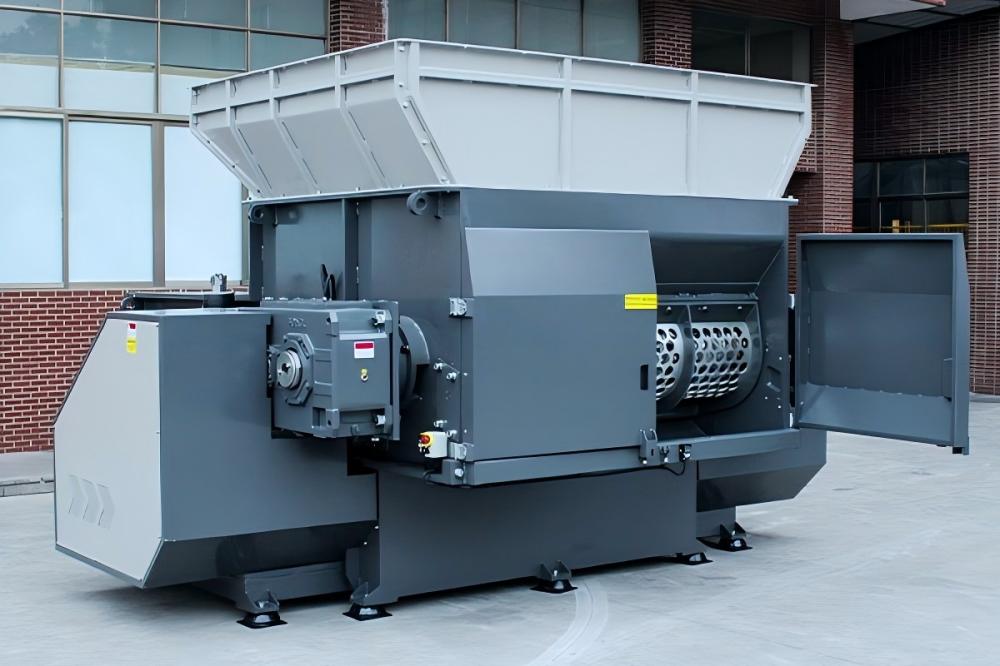
- PLC Brand and Accessibility: Ensure the PLC uses a common platform (like Siemens or Allen-Bradley) so that local technicians can perform troubleshooting or updates if necessary.
- VFD Integration: Confirm the motor is controlled by a VFD rather than a simple soft-starter. A VFD is crucial for the variable speed control required in true automation.
- Sensor Quality: Check if the sensors are IP67 or IP69K rated. Ask for the specific types of sensors used for hopper level detection (ultrasonic is generally better than infrared in dusty environments).
- Auto-Reverse Logic: Verify that the PLC software includes a robust auto-reverse algorithm that can handle multiple attempts to clear a jam before alerting the operator.
- Remote Support Capabilities: Does the system include an Ethernet gateway for remote diagnostics? This can save thousands in service call-out fees.
- HMI User-Friendliness: The interface should be intuitive, offering multi-language support and clear graphical representations of machine status.
- Safety Compliance: Ensure the automation system meets SIL (Safety Integrity Level) or PL (Performance Level) standards for emergency stops and interlocks.
- Scalability: Can the PLC handle additional I/O if you decide to add a conveyor or a water-cooling system later?
Frequently Asked Questions (FAQ)
1. Why is PLC control better than manual control for a shredder?
PLC control allows for real-time adjustments that a human operator cannot match. It prevents motor overloads by automatically managing the feed rate and can detect subtle changes in machine health through sensor data, preventing major breakdowns.
2. What sensors are most important for a single-shaft shredder?
The most critical sensors are the motor current sensors (for torque monitoring), the hydraulic pressure transducers (for ram control), and the rotor speed sensors (to detect stalls). Hopper level sensors and bearing temperature sensors are also highly recommended for full automation.
3. Can I upgrade my old manual shredder with PLC automation?
Yes, many older machines can be retrofitted with a new control cabinet containing a PLC and VFD. However, this requires installing the necessary sensors and potentially upgrading the hydraulic valves to proportional valves that the PLC can control.
4. How does automation improve the lifespan of the blades?
By preventing the machine from forcing material through when the rotor is struggling, automation reduces the excessive heat and mechanical stress that dulls or chips blades. The consistent feed rate provided by the automated ram also ensures even wear across the rotor.
5. What is ‘Industry 4.0’ integration in the context of shredding?
Industry 4.0 integration involves connecting the shredder to the cloud or a local network. This allows for remote monitoring, predictive maintenance alerts sent to mobile devices, and the integration of shredder data into the factory’s ERP (Enterprise Resource Planning) system for better inventory and cost management.
6. Does automation make the machine harder to operate?
Actually, it makes it easier. While the underlying technology is complex, the HMI simplifies the operator’s job to selecting a material profile and pressing ‘Start.’ The PLC handles the complexities of maintaining the optimal shredding environment.