Single-Shaft Shredder Buying Guide for Metal Fabrication Shops: Key Specs to Compare

Introduction to Single-Shaft Shredders in Metal Fabrication
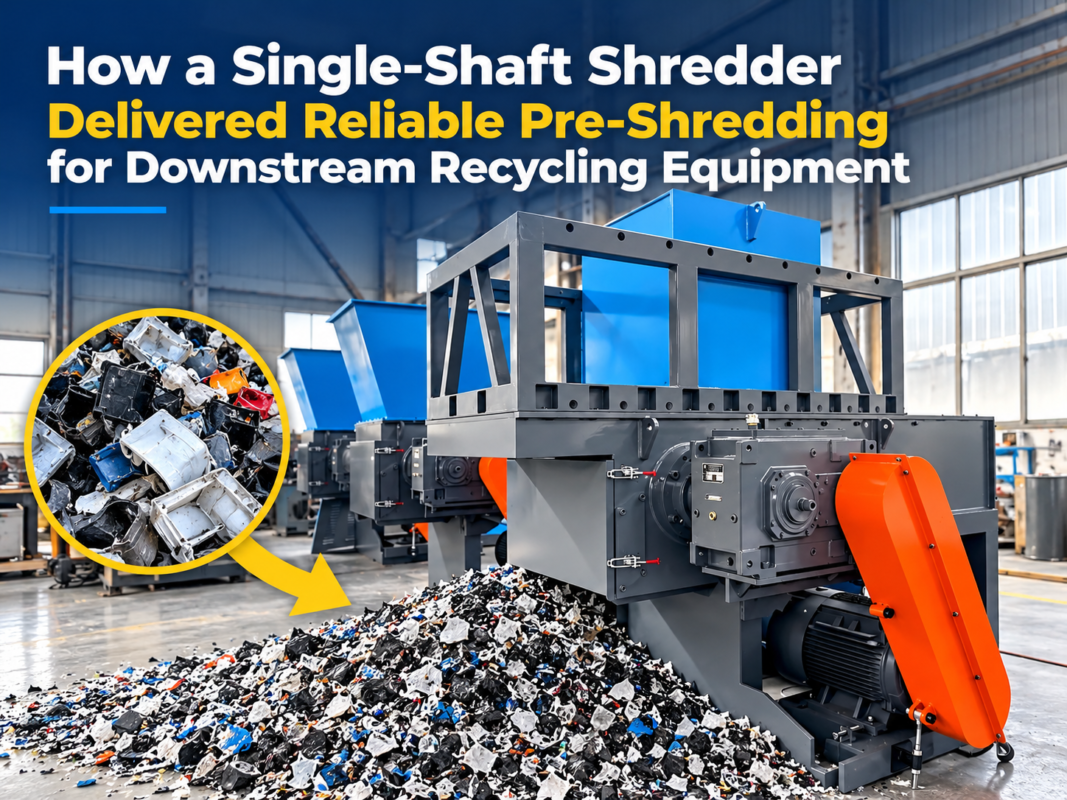
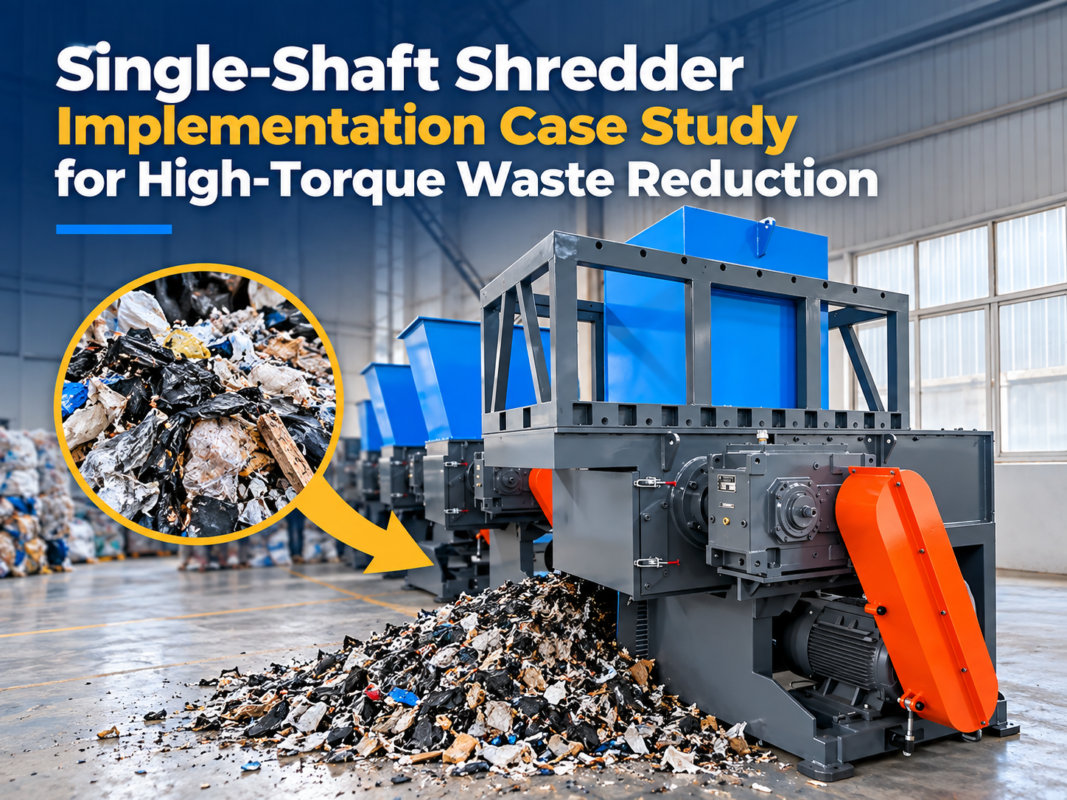
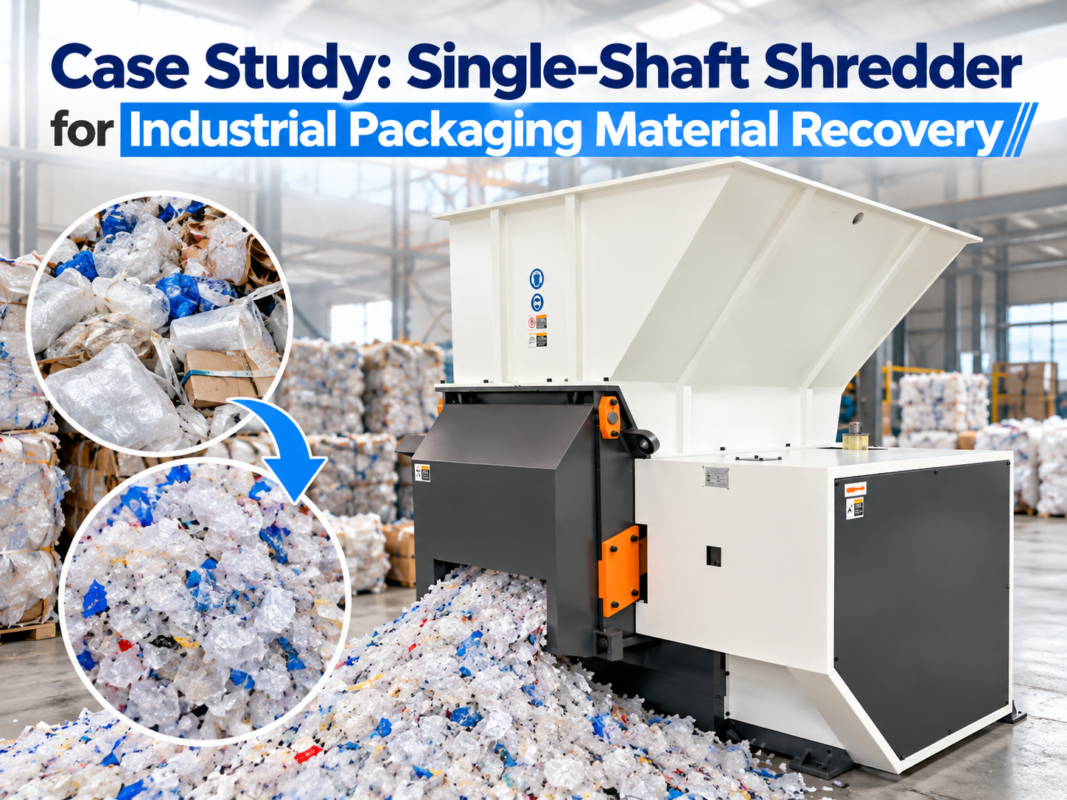
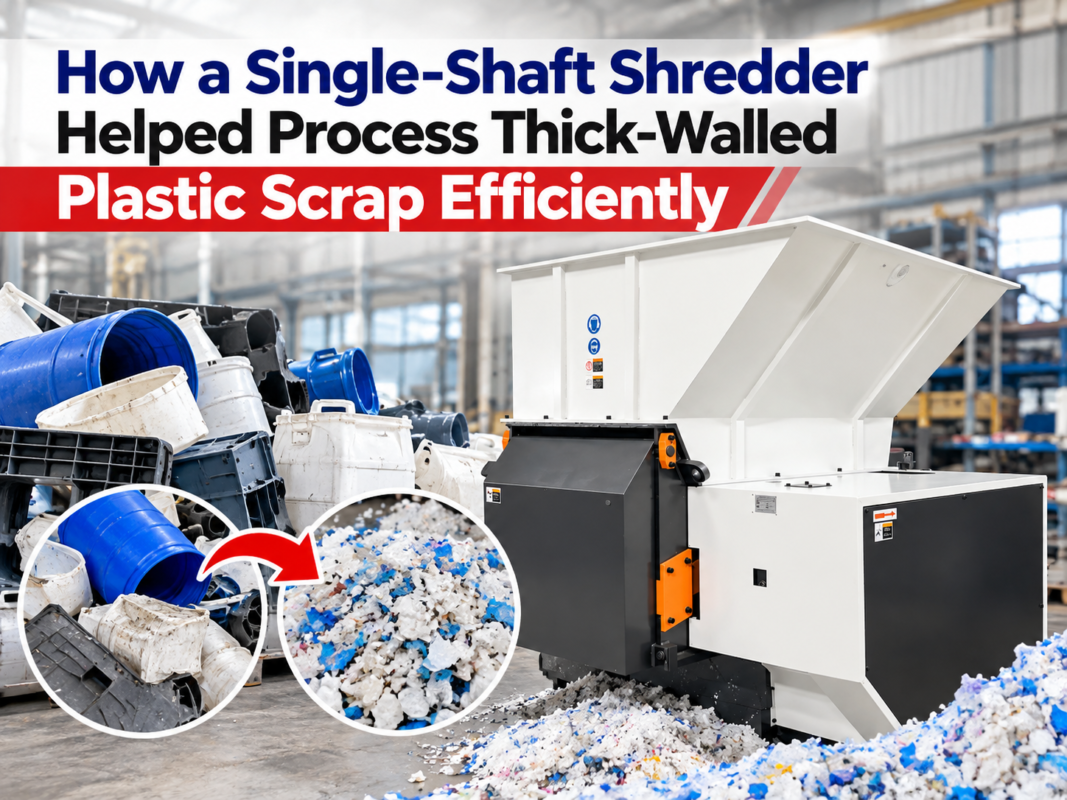
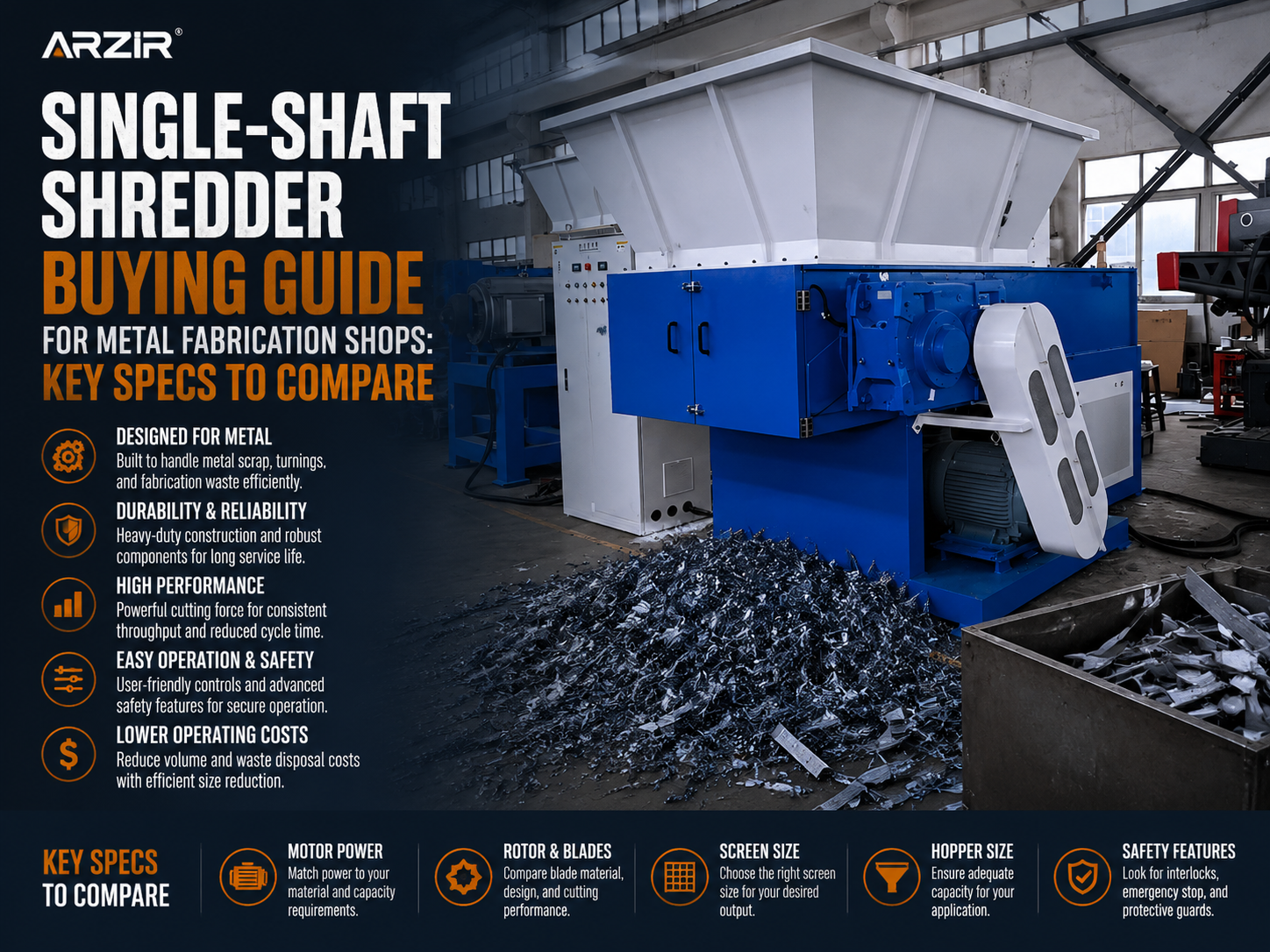
In the modern metal fabrication landscape, efficiency is no longer just about how fast you can cut or bend metal; it is also about how effectively you manage the waste generated during those processes. Metal fabrication shops often deal with significant volumes of scrap, including aluminum extrusions, copper wiring, light steel offcuts, and various composite materials. This is where the single-shaft shredder becomes an indispensable asset. Unlike traditional crushers, a single-shaft shredder uses a high-torque, low-speed mechanism to shear materials into uniform sizes, making them easier to transport, recycle, or sell at a premium.
Choosing the right machine requires a deep dive into technical specifications. The focus keyword Single-Shaft Shredder Buying Metal Fabrication Shops: Key Specs Compare highlights the necessity of evaluating performance metrics against specific shop requirements. A machine that is underpowered will lead to frequent jams and motor burnout, while an oversized machine represents wasted capital and excessive energy consumption. This guide aims to provide a professional roadmap for procurement managers and shop owners looking to integrate HARSLE shredding technology into their workflow.
Price Range Overview: What to Expect
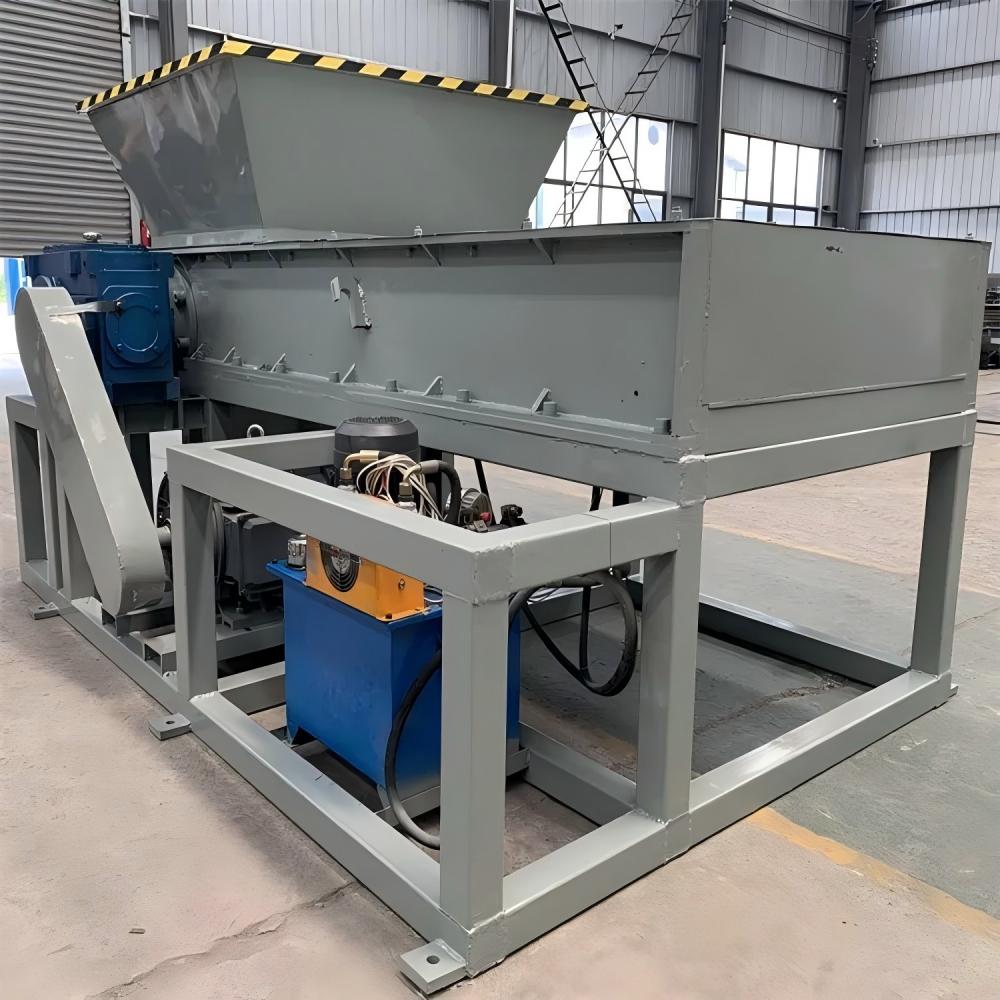
The investment for a single-shaft shredder varies significantly based on throughput capacity and the toughness of the material it is designed to handle. For small to medium-sized metal fabrication shops, entry-level industrial shredders typically range from $15,000 to $35,000. These machines are generally suited for lighter materials like thin-gauge aluminum, plastics, and light wood waste often found in crating. They feature smaller rotors and lower horsepower motors but offer a compact footprint for shops with limited space.
Mid-range shredders, which are the workhorses of the industry, fall between $40,000 and $85,000. These units are built with reinforced frames, larger rotor diameters, and advanced hydraulic feeding systems. They are capable of processing heavier scrap, such as thicker aluminum profiles and copper busbars. For high-volume industrial operations requiring continuous 24/7 processing of heavy-duty scrap, prices can exceed $120,000. These top-tier machines include sophisticated PLC controls, specialized alloy blades, and high-efficiency motors designed to minimize the cost per ton of processed material.
Main Cost Drivers in Shredder Procurement
When you begin the process of Single-Shaft Shredder Buying Metal Fabrication Shops: Key Specs Compare, it is vital to understand what drives the price. The primary cost driver is the Rotor Design and Material. A solid steel rotor machined from a single piece of forged steel is more expensive than a hollow or welded rotor but offers the structural integrity needed to withstand the shocks of shredding metal. The diameter of the rotor also dictates the torque; a larger diameter provides more leverage, allowing the machine to bite into tougher materials without stalling.
The Motor and Drive System is another significant factor. High-quality motors from brands like Siemens or WEG, paired with heavy-duty gearboxes, ensure longevity and energy efficiency. Furthermore, the Hydraulic Pusher System adds to the cost. A horizontal hydraulic ram that forces material against the rotating shaft is essential for processing bulky items that wouldn’t otherwise feed by gravity. The complexity of this hydraulic system—including its pressure sensors and cycle speed—directly impacts the machine’s price and its overall throughput efficiency.
Configuration Impact: Tailoring the Machine to Your Shop
Configuration is where a shredder is optimized for a specific application. One of the most critical components is the Screen Mesh Size. The screen, located beneath the rotor, determines the final size of the shredded output. For metal fabrication shops looking to maximize the resale value of scrap, a smaller mesh size (e.g., 20mm to 40mm) produces a more uniform product that is highly sought after by recyclers. However, smaller screens reduce throughput speed, so a balance must be struck based on your volume requirements.
The Blade Geometry and Material also play a pivotal role. For metal applications, blades are typically made from DC53 or D2 tool steel, which offers a high degree of hardness and wear resistance. Some configurations allow for four-way rotatable blades, meaning when one edge becomes dull, the operator can rotate the blade to a fresh edge, effectively quadrupling the lifespan of the consumable. Additionally, the inclusion of a Water Cooling System for the gearbox or the rotor may be necessary if the shop operates in high-ambient temperatures or processes materials that generate significant friction heat.
Hidden Costs of Ownership
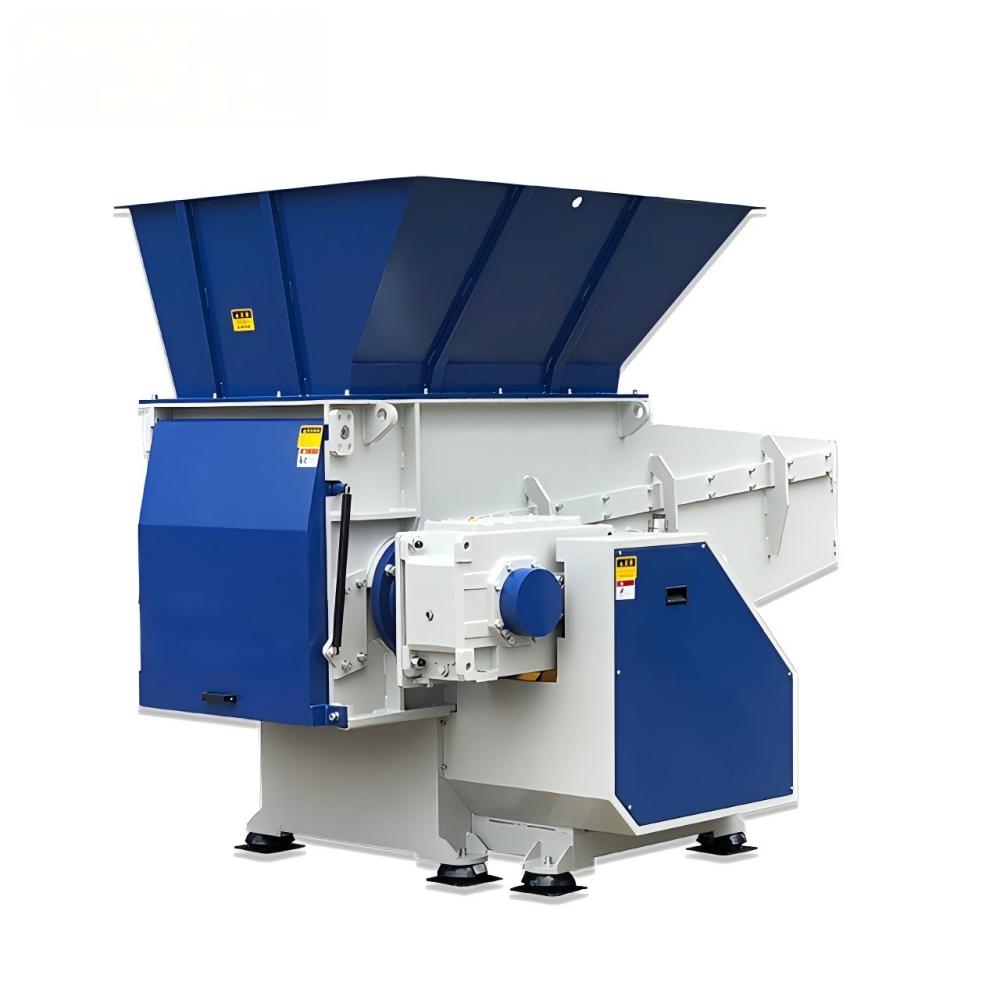
Beyond the initial purchase price, several hidden costs can affect the total cost of ownership (TCO). Installation and Electrical Upgrades are often overlooked. A powerful single-shaft shredder may require a dedicated 3-phase power supply and upgraded circuit breakers. If your shop’s electrical infrastructure is already near capacity, these upgrades can add thousands to the project cost. Furthermore, the cost of Rigging and Freight must be considered, as these machines are heavy and require specialized equipment for unloading and positioning.
Consumable Parts represent a recurring expense. While high-quality blades last a long time, they will eventually need sharpening or replacement. The ease of access to the rotor for blade changes is a design feature that can save hours of labor. Finally, Operator Training is a hidden but necessary cost. An untrained operator might feed prohibited materials (like heavy steel plates into a light-duty shredder), leading to catastrophic failure. Investing in proper training ensures the machine is used within its design limits, preserving its lifespan.
ROI Calculation: Is a Shredder Worth It?
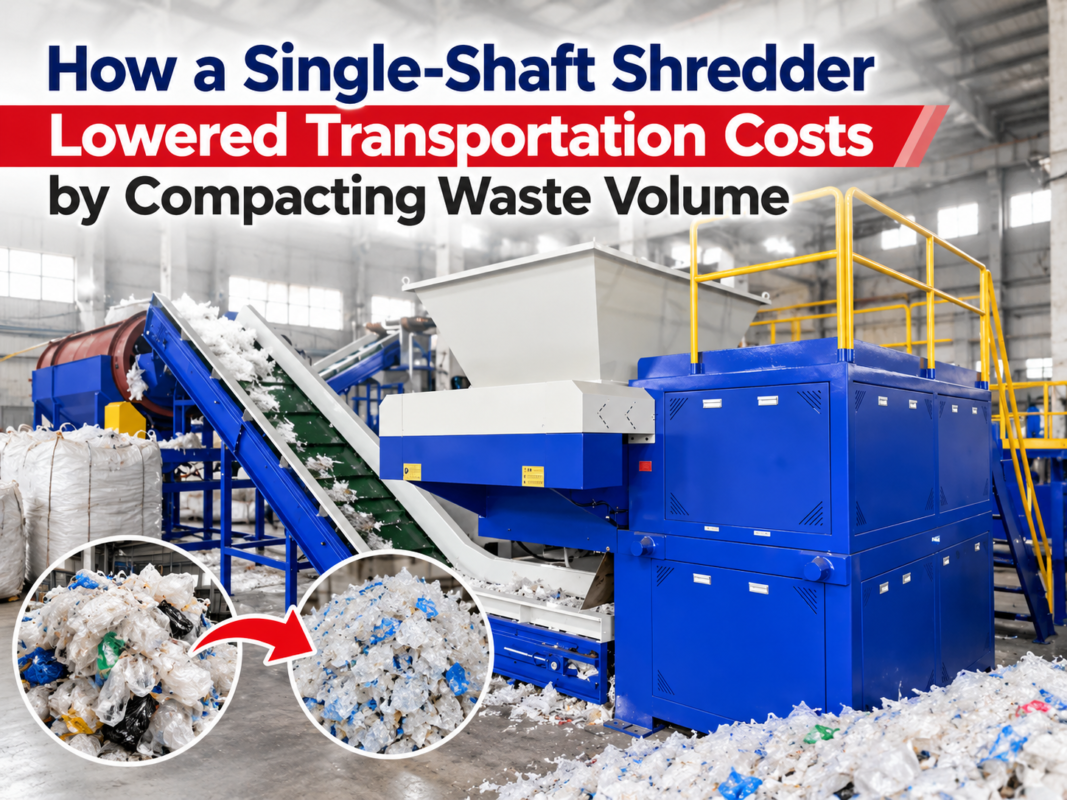
Calculating the Return on Investment (ROI) for a single-shaft shredder involves comparing the “before and after” of your scrap management. First, consider Volume Reduction. Loose metal scrap is mostly air; shredding can reduce the volume by a ratio of 3:1 or even 5:1. This means fewer bins are needed on-site and fewer pickups are required from the scrap dealer, significantly lowering transportation and handling costs. In some cases, shops can reduce their waste hauling frequency from once a week to once a month.
Second, evaluate the Scrap Value Increase. Recyclers pay significantly more for “clean,” uniform, shredded material than they do for mixed, bulky scrap. Shredded aluminum extrusions, for example, are easier for smelters to process, and that efficiency is passed back to the fabrication shop in the form of higher payouts. By calculating the monthly savings in transport and the increase in scrap revenue, most shops find that a HARSLE single-shaft shredder pays for itself within 18 to 24 months of operation.
Buying Advice: How to Choose the Right Model
When you are ready to move forward with Single-Shaft Shredder Buying Metal Fabrication Shops: Key Specs Compare, start by conducting a material audit. Collect samples of your toughest and most common scrap and send them to the manufacturer for testing. HARSLE provides material testing services to ensure the recommended model can handle your specific waste stream. Pay close attention to the Frame Construction; a heavy, vibration-dampening frame is a sign of a machine built for the long haul.
Check the Control System. A modern shredder should feature a PLC (Programmable Logic Controller) with an “Auto-Reverse” function. This safety feature detects when the motor is drawing too much current (indicating a jam) and automatically reverses the rotor to clear the obstruction before attempting to shred again. This prevents motor burnouts and reduces downtime. Lastly, verify the availability of Local Support and Spare Parts. Even the best machine will eventually need a sensor or a seal; knowing that parts are available for quick shipping is essential for maintaining shop productivity.
Frequently Asked Questions (FAQ)
1. Can a single-shaft shredder handle stainless steel offcuts?
While single-shaft shredders are excellent for aluminum, copper, and light steel, stainless steel is significantly harder. If you plan to shred stainless steel, you must specify this during the buying process. The machine will require a lower-speed, higher-torque configuration and specialized blades made from premium alloys to prevent premature wear and breakage.
2. How often do the blades need to be sharpened?
Blade longevity depends entirely on the material being processed. For clean aluminum, blades may last several hundred hours before needing to be rotated or sharpened. If the material is contaminated with sand, paint, or other abrasives, the interval will be shorter. Most HARSLE blades are designed with multiple cutting edges to extend the time between professional sharpenings.
3. What is the difference between a single-shaft and a double-shaft shredder?
A single-shaft shredder uses a high-speed rotor and a screen to produce a specific, uniform output size. It is ideal for applications where the final particle size matters. A double-shaft (or twin-shaft) shredder uses two counter-rotating shafts with interlocking blades to tear material. It is generally used for high-volume primary reduction where a uniform particle size is less critical than throughput speed.
4. Does the machine require a special foundation?
Most mid-sized single-shaft shredders can be installed on a standard reinforced concrete factory floor. However, they should be leveled and anchored properly to manage vibration. For very large, high-power units, a dedicated thickened concrete pad may be recommended by the manufacturer’s engineering team.
5. Is it possible to automate the feeding process?
Yes, single-shaft shredders are frequently integrated into automated lines. They can be fed by conveyor belts, vibratory feeders, or even robotic arms. Integrating the shredder’s PLC with the feeding system ensures that the conveyor stops if the shredder reaches a high-load state, preventing overfeeding and potential jams.
Conclusion
Investing in a single-shaft shredder is a strategic move for any metal fabrication shop looking to modernize its waste management and improve its bottom line. By focusing on the Single-Shaft Shredder Buying Metal Fabrication Shops: Key Specs Compare criteria—specifically rotor design, motor power, and configuration options—you can ensure that the machine you purchase today will continue to provide value for a decade or more. HARSLE remains committed to providing robust, high-efficiency shredding solutions tailored to the rigorous demands of the metalworking industry.