A Complete Guide to Selecting the Best Container Shear for Your Workshop

Introduction to Container Shears in Modern Metal Fabrication
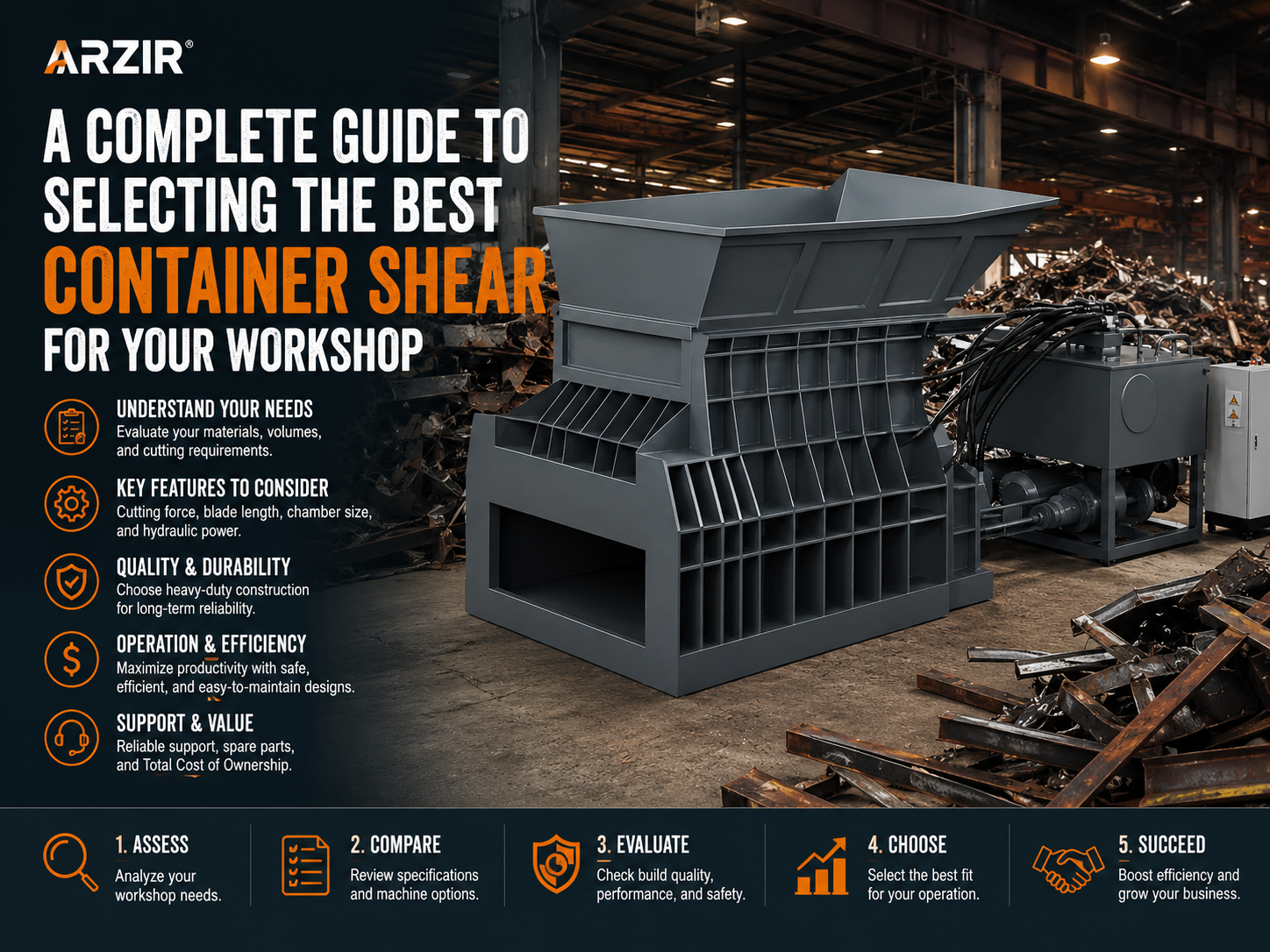
In the rapidly evolving world of metal recycling and industrial fabrication, efficiency is the primary driver of profitability. For workshops dealing with high volumes of scrap metal, the container shear (also known as a box shear) has emerged as an indispensable asset. Unlike traditional alligator shears or manual torch cutting, a container shear offers a continuous, automated solution for processing bulky scrap into manageable, high-density furnace-ready material. This guide provides A Complete Selecting Best Container Shear Workshop overview to help you navigate the complexities of purchasing this heavy-duty machinery.
The primary function of a container shear is to compress and cut scrap metal within a large feeding box. This process not only reduces the volume of the material for easier transport but also increases its market value by ensuring uniform sizing. As global demand for recycled steel continues to rise, investing in the right equipment is no longer just an option—it is a strategic necessity for any competitive workshop. However, with various models, tonnages, and configurations available, making an informed choice requires a deep dive into technical specifications and economic factors.
Price Range Overview: Understanding the Investment
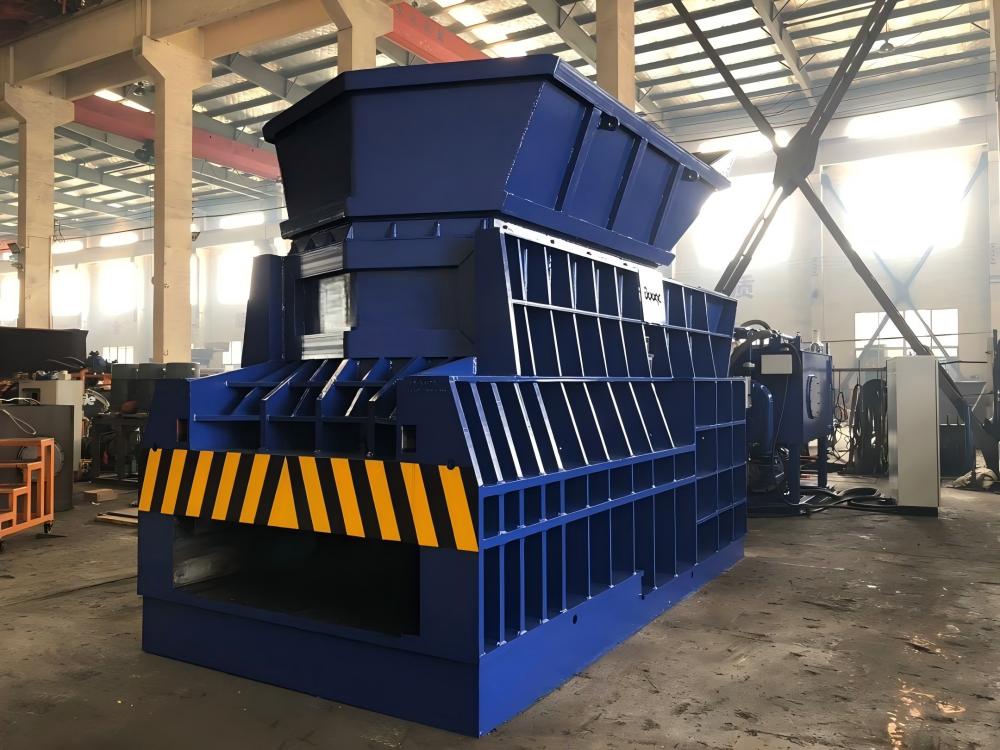
When embarking on A Complete Selecting Best Container Shear Workshop journey, the first question most owners ask is about the cost. Container shears are significant capital investments, and prices can vary drastically based on capacity and features. Generally, the market is divided into three main price brackets:
- Entry-Level/Small Scale (400 – 600 Tons): These machines typically range from $50,000 to $90,000. They are ideal for smaller yards or workshops that process light to medium scrap, such as aluminum extrusions, thin steel sheets, and copper tubing.
- Mid-Range Industrial (800 – 1000 Tons): Priced between $100,000 and $180,000, these are the workhorses of the industry. They offer a balance of speed and power, capable of handling structural steel, HMS (Heavy Melting Scrap), and larger automotive components.
- High-Capacity/Heavy Duty (1250+ Tons): These units can exceed $250,000. They are designed for 24/7 operation in large-scale recycling centers, featuring massive feeding boxes and the ability to shear through thick-walled pipes and heavy industrial beams.
It is important to note that the purchase price is only the beginning. Buyers must also account for the “total cost of ownership,” which includes installation, infrastructure upgrades, and long-term maintenance. While a lower-priced machine might seem attractive initially, a higher-end model from a reputable manufacturer like HARSLE often provides better long-term value through energy efficiency and reduced downtime.
Main Cost Drivers: What Are You Paying For?
Several technical factors influence the final price tag of a container shear. Understanding these drivers is essential for A Complete Selecting Best Container Shear Workshop evaluation. The most significant cost driver is the hydraulic system. High-quality shears utilize premium pumps (such as Rexroth or Vickers) and sophisticated valve blocks that ensure smooth operation and high pressure (often up to 31.5 MPa). The complexity of the hydraulic circuit directly impacts the cycle time; faster cycles mean more tons processed per hour.
The second major driver is the quality of the steel and the wear liners. Because these machines operate under extreme pressure, the feeding box and shearing head must be reinforced. Top-tier manufacturers use Hardox or similar high-abrasion-resistant steel for the liners. These materials are expensive but significantly extend the life of the machine before major overhauls are required. Additionally, the shearing blades themselves—made from high-alloy tool steel—represent a recurring but vital cost component.
Finally, the control system plays a role. Modern container shears are equipped with PLC (Programmable Logic Controller) systems, often from brands like Siemens or Schneider. These systems allow for automated cycles, remote diagnostics, and safety interlocks. A fully automated machine with a remote control interface will naturally cost more than a semi-automatic model requiring more manual intervention.
Configuration Impact: Tailoring the Machine to Your Needs
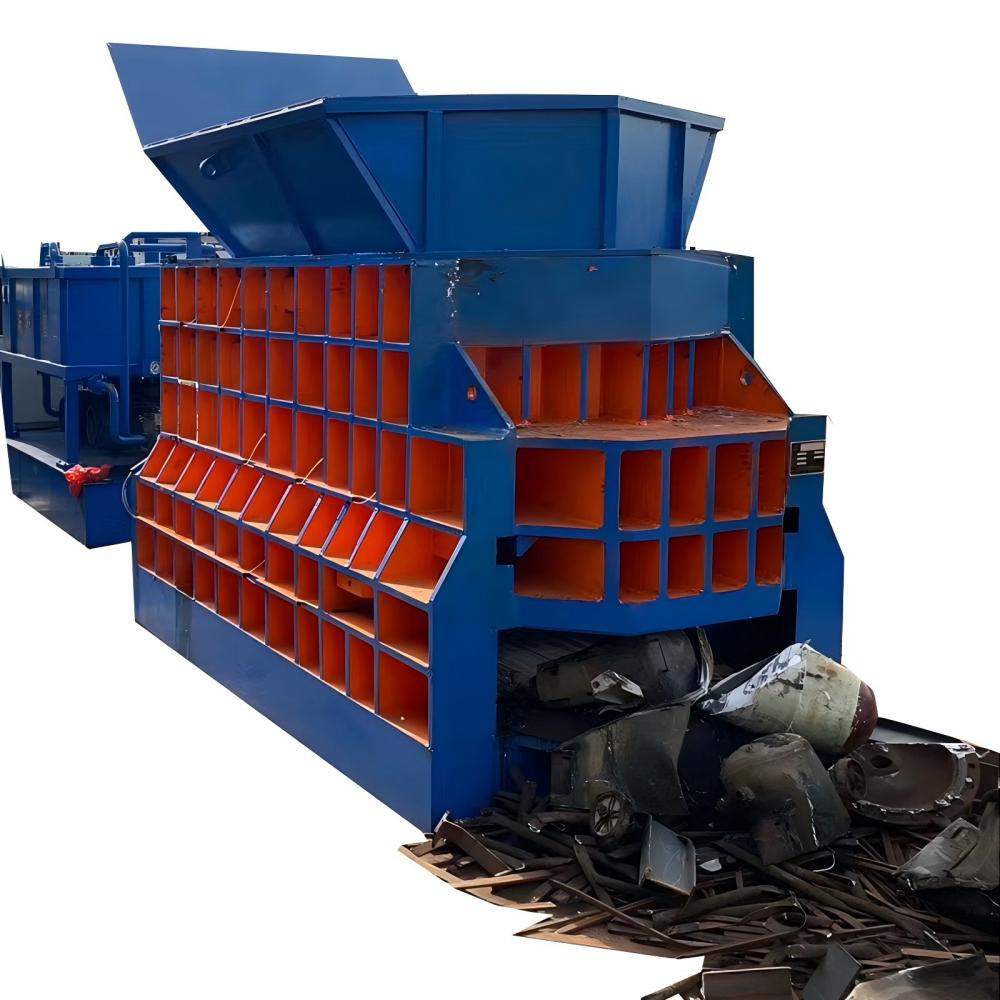
Selecting the right configuration is the core of A Complete Selecting Best Container Shear Workshop strategy. You must match the machine’s capabilities to the specific types of scrap your workshop handles. One of the most critical configurations is the feeding box size. A larger box allows you to load bulkier items without pre-cutting, which saves labor costs. However, a larger box also requires a more powerful hydraulic system to compress the material effectively.
Another consideration is the cooling system. In hot climates or high-intensity environments, the hydraulic oil can overheat, leading to seal failure and reduced efficiency. Buyers can choose between air-cooled and water-cooled systems. Air cooling is simpler and requires less maintenance, but water cooling is often more effective for continuous, heavy-duty operations. Furthermore, the choice between a stationary and a portable (trailer-mounted) unit depends on whether you need to move the machine between different sites or keep it as a central hub in your workshop.
Technical Specification Comparison Table
| Feature | Small Scale (500T) | Medium Scale (800T) | Large Scale (1250T) |
|---|---|---|---|
| Shearing Force | 5000 kN | 8000 kN | 12500 kN |
| Blade Length | 1200 mm | 1500 mm | 1800 mm |
| Max Cutting Thickness | 60 mm (MS) | 90 mm (MS) | 120+ mm (MS) |
| Cycle Time | ~100 seconds | ~80 seconds | ~60 seconds |
| Motor Power | 45 kW x 2 | 75 kW x 2 | 90 kW x 3 |
Hidden Costs: Beyond the Sticker Price
When planning A Complete Selecting Best Container Shear Workshop budget, many buyers overlook the “hidden” costs that can arise during and after installation. One of the most significant is the foundation work. A 1000-ton container shear can weigh over 60 tons and exerts massive vibration and pressure during operation. You will likely need a reinforced concrete pad, often several feet deep, to prevent the machine from shifting or cracking the workshop floor.
Electrical infrastructure is another common hidden cost. These machines require significant amperage. If your workshop’s current transformer or wiring cannot handle the load of multiple 75kW motors, you may need an expensive utility upgrade. Additionally, consider the cost of hydraulic oil—large shears can require thousands of liters of high-grade oil, which must be filtered and replaced periodically. Finally, don’t forget the cost of operator training. A poorly trained operator can damage the blades or the hydraulic cylinders, leading to repairs that far exceed the cost of a professional training program.
ROI Calculation: When Will the Machine Pay for Itself?
The ultimate goal of A Complete Selecting Best Container Shear Workshop guide is to help you achieve a rapid Return on Investment (ROI). To calculate this, you must look at three factors: labor savings, transport efficiency, and material value. In a manual workshop, you might employ four workers for torch cutting. A container shear can often be operated by a single person using a grapple loader, significantly reducing payroll expenses.
Transport efficiency is where the container shear truly shines. Loose scrap metal is incredibly inefficient to move. By shearing and densifying the scrap, you can fit 2-3 times more weight into a single truckload or shipping container. This slashes your logistics costs and carbon footprint. Furthermore, steel mills pay a premium for “clean,” uniformly sized scrap because it melts more efficiently in electric arc furnaces. By upgrading your scrap from “unprepared” to “bonus grade,” you can increase your margin per ton by 15-25%. Most high-volume workshops find that a well-chosen container shear pays for itself within 12 to 24 months.
Buying Advice: Expert Tips for Workshop Owners
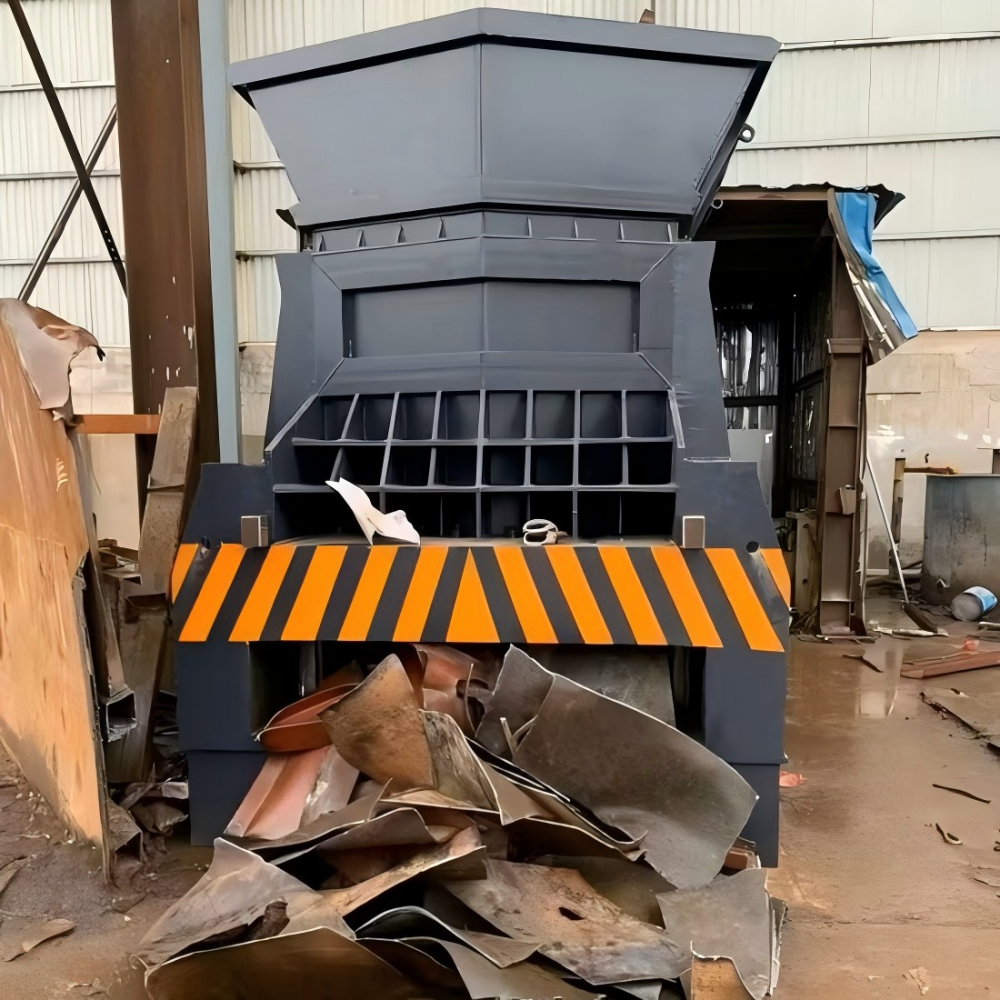
Before signing a contract, follow these expert tips for A Complete Selecting Best Container Shear Workshop success. First, always request a live or video demonstration of the machine processing material similar to what you handle. A machine that shears aluminum easily might struggle with heavy I-beams. Second, investigate the manufacturer’s after-sales support. Do they have spare blades and seal kits in stock? How quickly can they send a technician if the PLC fails?
Third, pay attention to the “safety features.” Modern container shears should have emergency stop buttons at multiple stations, safety cages around moving parts, and pressure sensors that prevent the machine from over-stretching its hydraulic limits. Finally, consider the resale value. Brands like HARSLE maintain their value well on the secondary market, providing an exit strategy if you decide to upgrade to an even larger model in the future. Always check the warranty terms—specifically what is covered under “wear parts” versus “structural components.”
Frequently Asked Questions (FAQ)
How often do the blades need to be changed?
Blade life depends entirely on the material being processed. If you are shearing clean, soft steel, blades can last for 500-800 hours of operation. However, processing sandy, rusty, or extremely hard alloys will dull them faster. Most blades are four-sided, meaning you can rotate them three times before they need to be professionally reground or replaced.
Can a container shear handle non-ferrous metals?
Yes, container shears are excellent for non-ferrous metals like aluminum, copper, and stainless steel. In fact, because these materials are often more valuable, the ROI on a container shear used for non-ferrous processing can be even faster than for ferrous scrap.
What is the difference between a container shear and a guillotine shear?
A guillotine shear is typically a stationary vertical shear that requires a separate pre-compression hopper or a manual feed. A container shear integrates the compression and shearing into one “box” unit. The container shear is generally more compact and easier to install because it doesn’t require the deep pits often associated with large vertical guillotine shears.
Is it better to buy a new or used container shear?
While used machines are cheaper, they often come with hidden hydraulic issues or structural fatigue that can be costly to repair. For a critical piece of equipment like a container shear, buying new from a manufacturer like HARSLE ensures you get the latest energy-efficient technology, a full warranty, and modern safety standards.
What kind of daily maintenance is required?
Daily maintenance is relatively simple but crucial. It includes checking hydraulic oil levels, inspecting hoses for leaks, greasing moving joints, and ensuring the shearing area is clear of debris. Weekly checks should include tightening blade bolts and inspecting the PLC error logs for any warning signs of pump wear.
Conclusion
Selecting the best container shear for your workshop is a multifaceted decision that impacts your operational efficiency for years to come. By focusing on the right tonnage, high-quality hydraulic components, and a clear understanding of your ROI, you can transform your scrap processing capabilities. This A Complete Selecting Best Container Shear Workshop guide serves as your roadmap to making a purchase that drives growth, reduces labor, and maximizes the value of every ton of metal that passes through your facility. Trust in established manufacturers like HARSLE to provide the durability and technology needed to thrive in the modern industrial landscape.