Container Shear Selection Guide for Heavy-Duty Industrial Cutting Applications

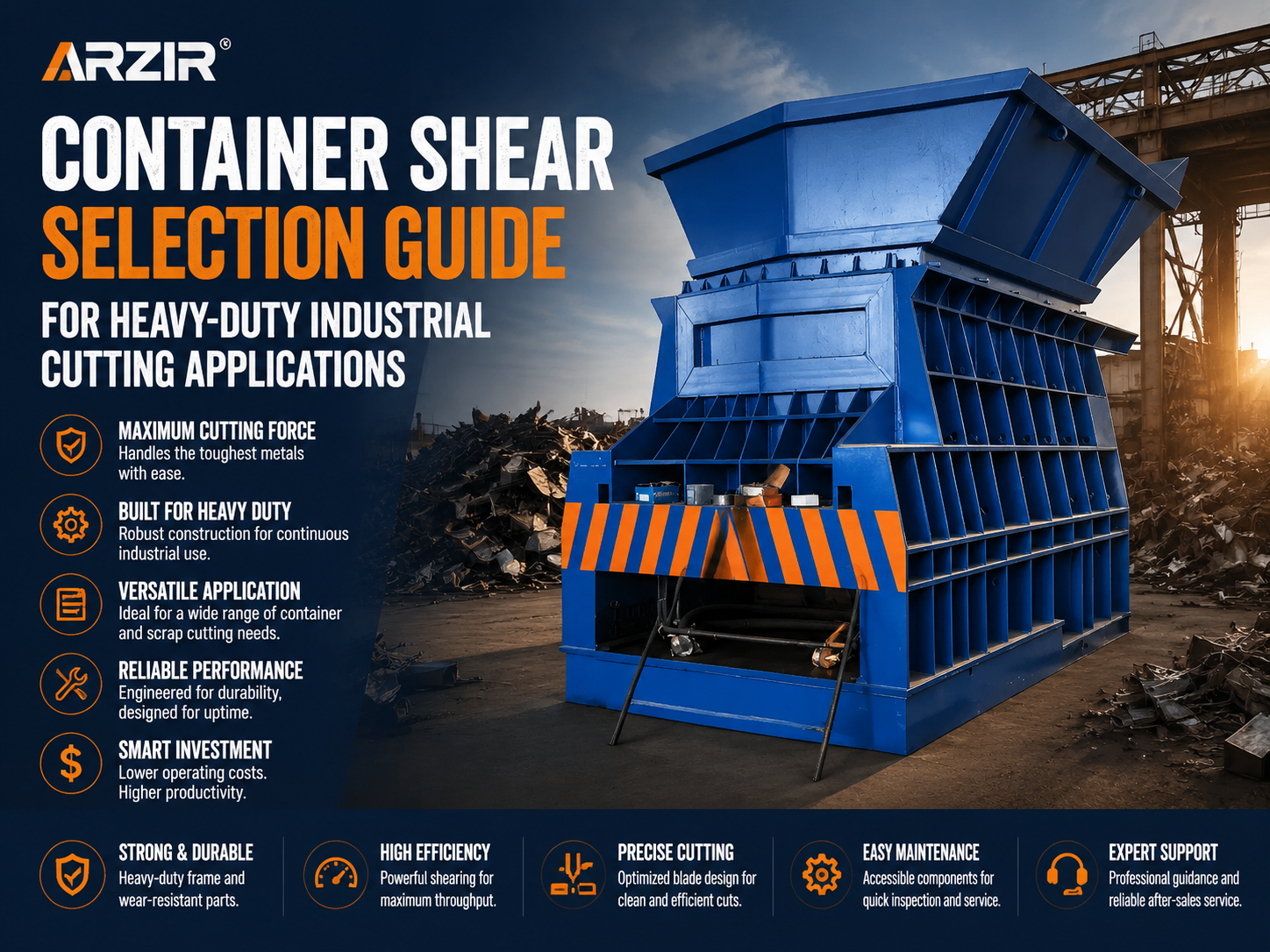
Introduction to Container Shear Selection for Heavy-Duty Industrial Cutting Applications
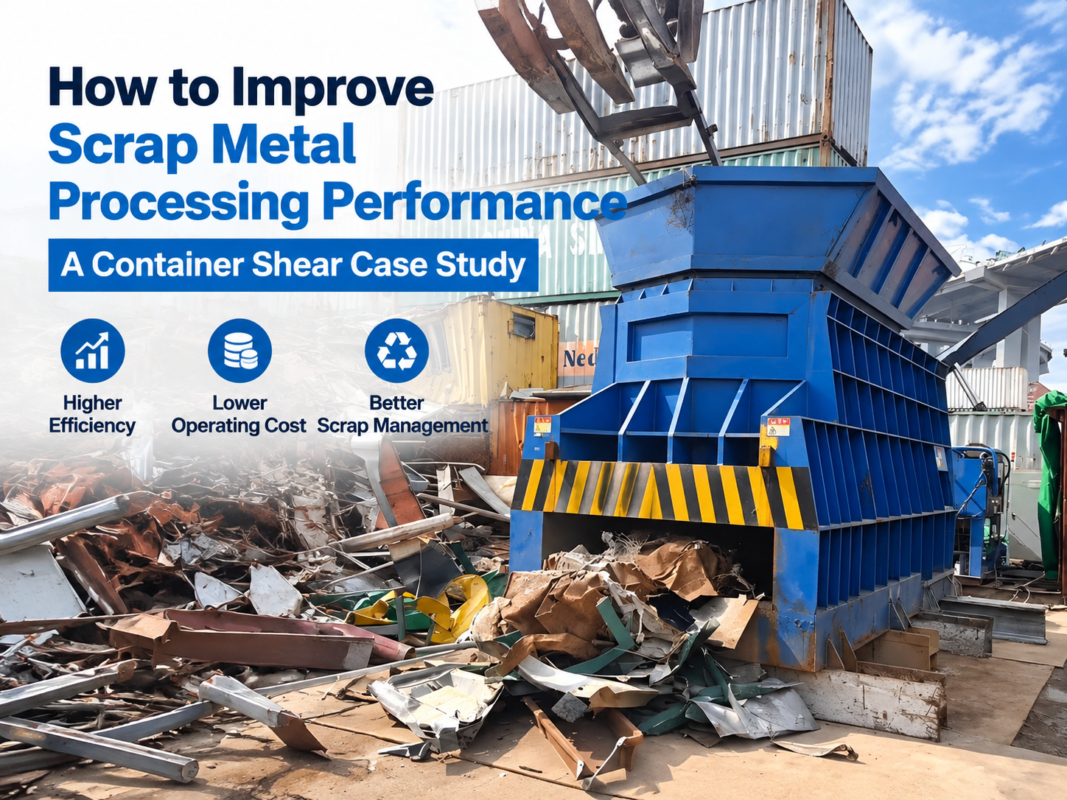
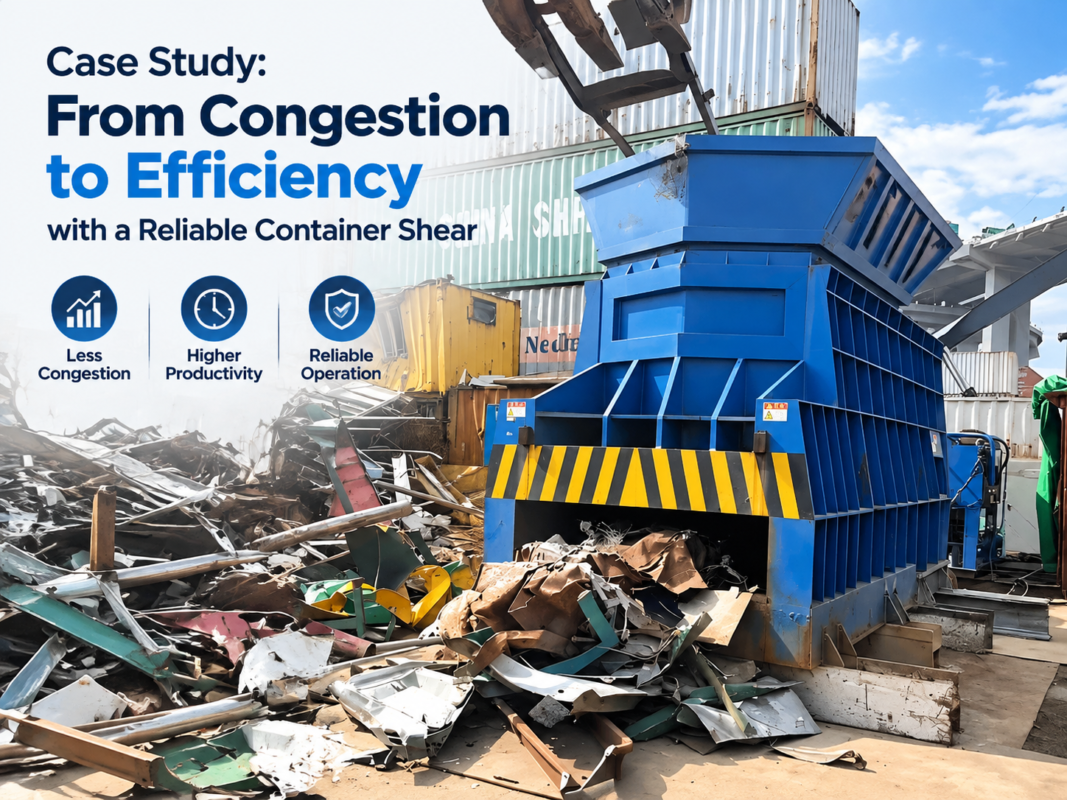
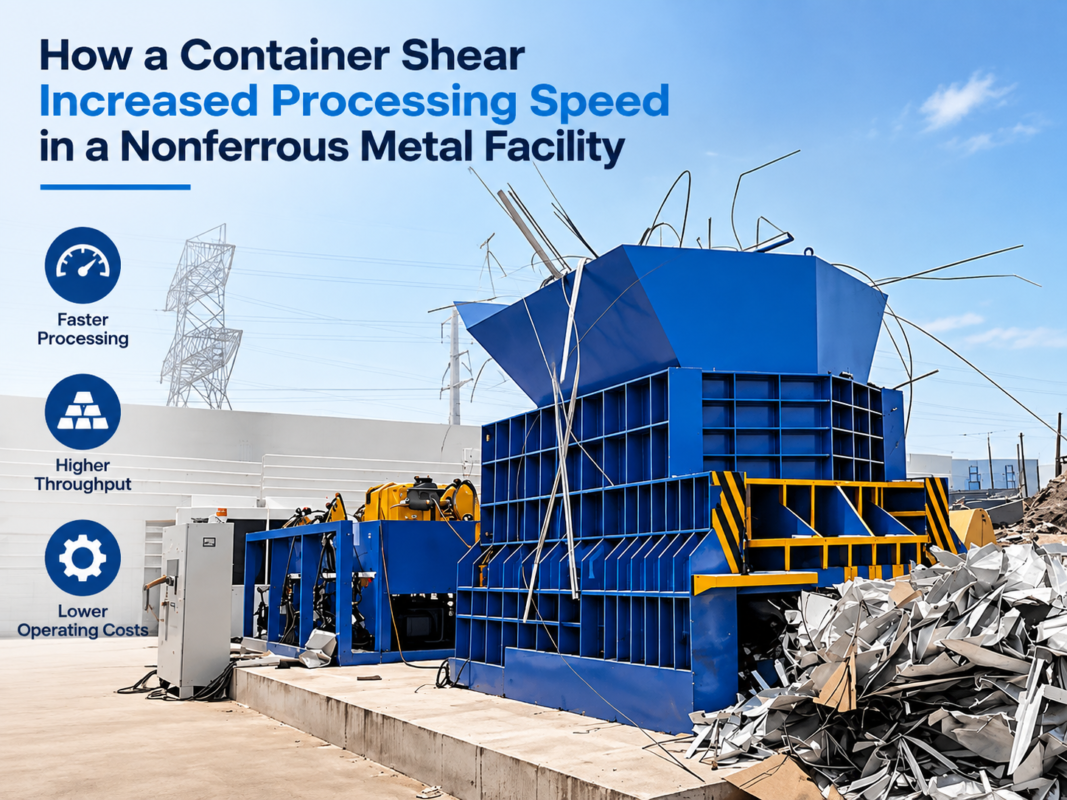
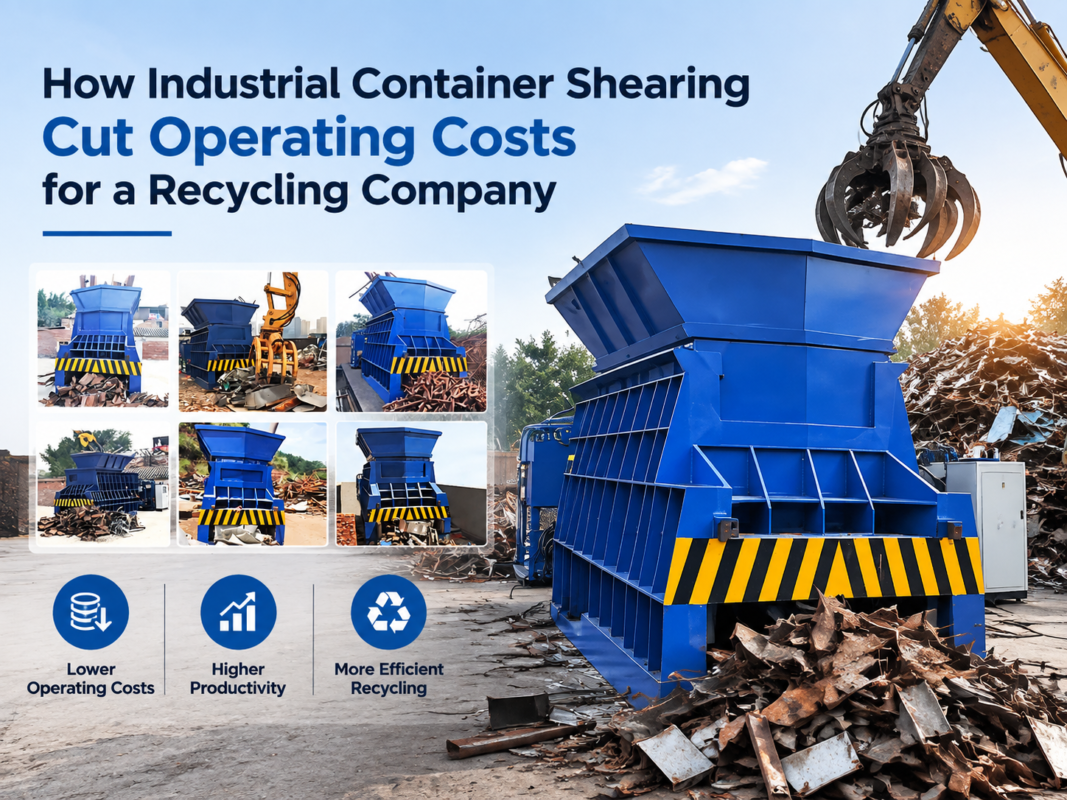
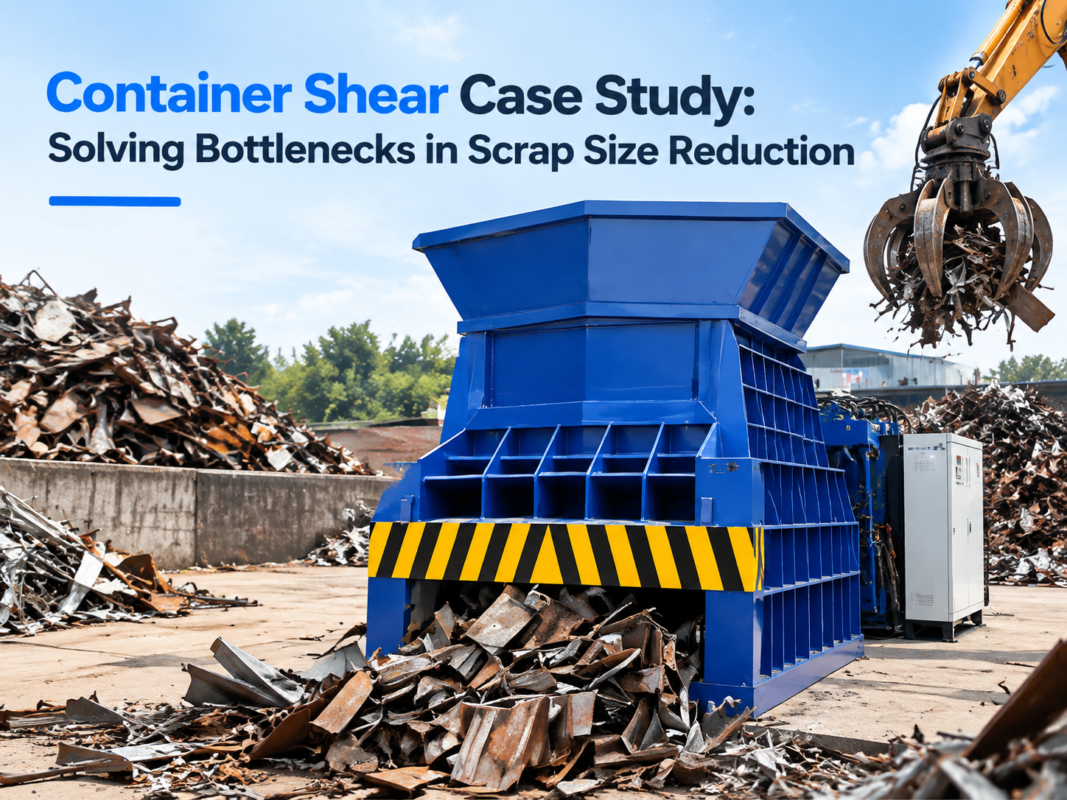
In the rapidly evolving landscape of metal recycling and industrial waste management, the efficiency of processing heavy-duty scrap metal is paramount. Container shears have emerged as the gold standard for high-volume, continuous cutting operations. Unlike traditional alligator shears or vertical guillotines, container shears offer a unique combination of mobility, high throughput, and automated feeding that makes them indispensable for modern scrap yards. This guide is designed to navigate the complexities of container shear selection for heavy-duty industrial cutting applications, ensuring that your investment aligns with your operational goals and long-term profitability.
Selecting the right machinery involves more than just looking at the shear force. It requires a deep understanding of material types, volume requirements, and the structural integrity of the machine itself. HARSLE, a leader in metal fabrication machinery, emphasizes that a well-chosen container shear can transform a scrap yard’s workflow, reducing labor costs and increasing the market value of processed scrap. As we delve into this guide, we will explore the financial, technical, and operational facets of these powerful machines.
Price Range Overview: Investing in Industrial Power
The price of a container shear is a reflection of its engineering complexity, cutting force, and automation level. Generally, these machines are significant capital investments, with prices ranging from $80,000 for entry-level models to over $500,000 for high-capacity, fully automated systems. Understanding where a specific model fits within this spectrum is the first step in the selection process.
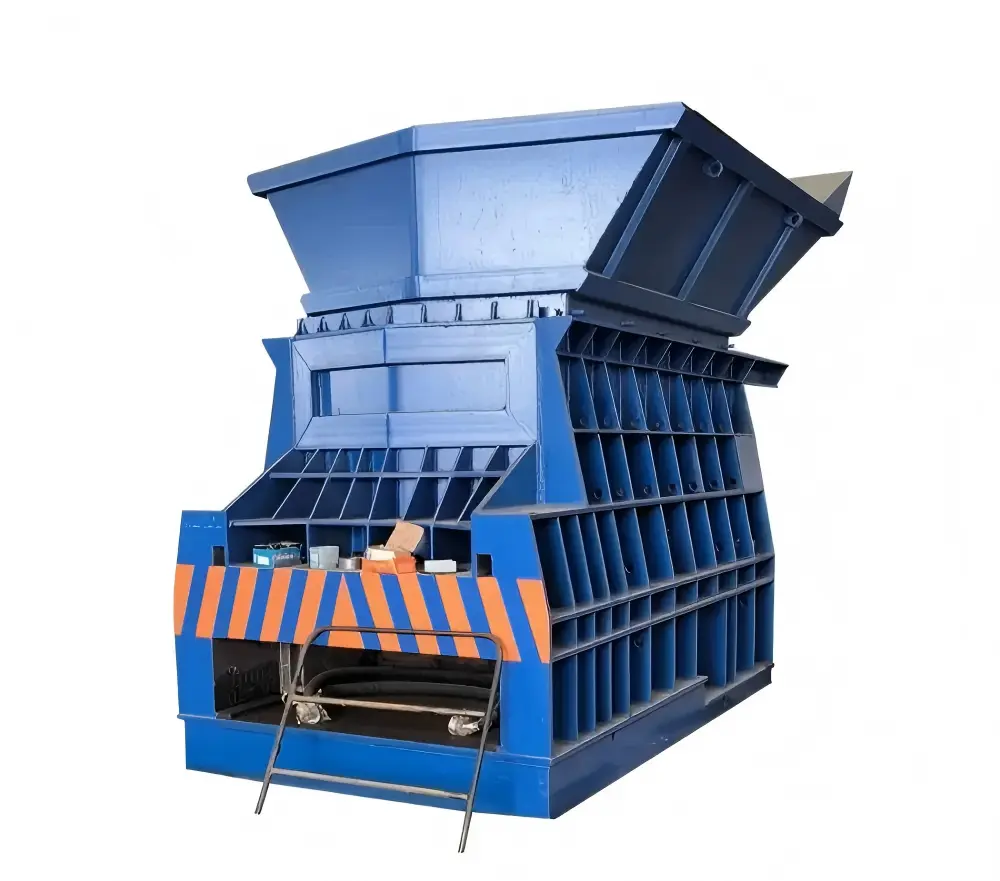
Entry-level container shears, typically in the 400 to 600-ton range, are suitable for medium-sized yards processing light to medium-duty scrap such as car bodies, thin-walled pipes, and structural steel. These units often feature manual or semi-automatic controls and are designed for durability over extreme speed. For many growing businesses, this range offers the best balance between initial cost and operational capability.
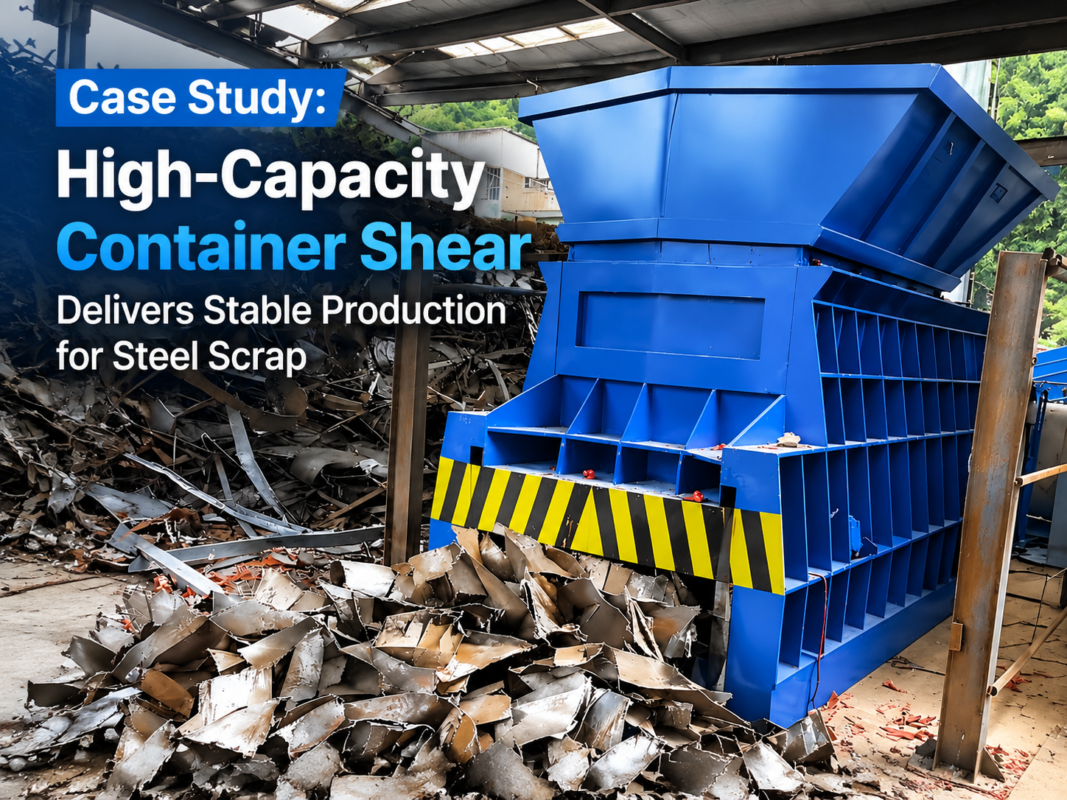
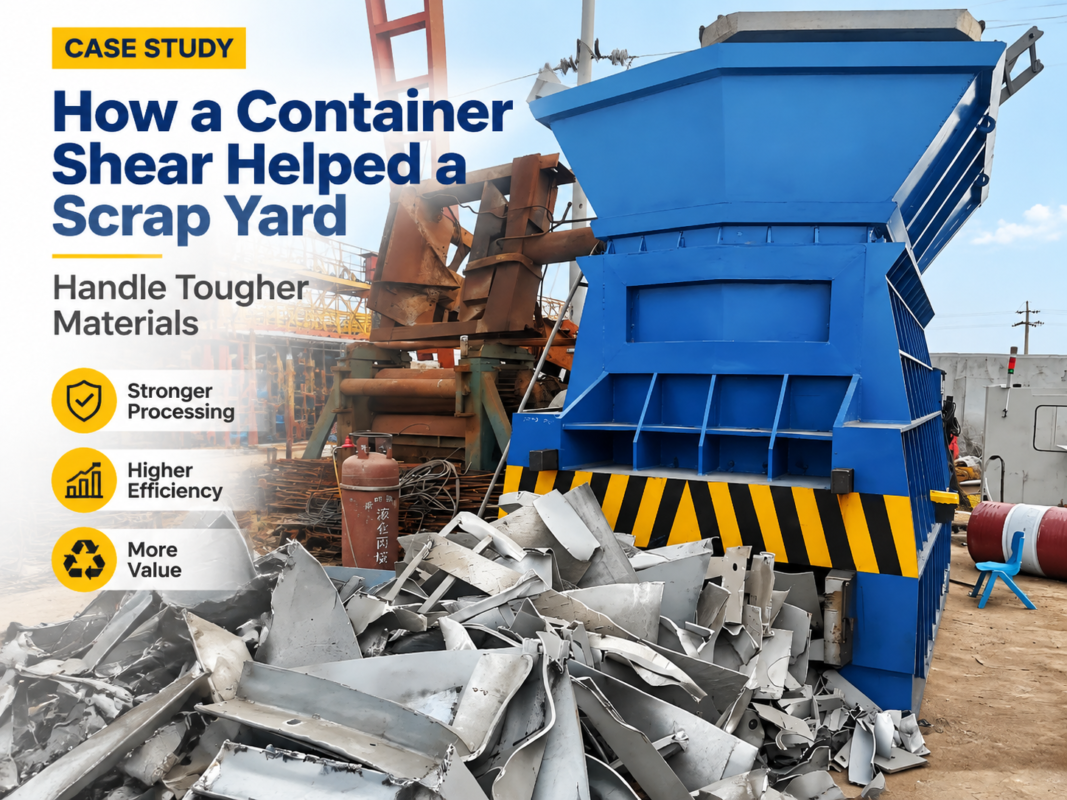
Mid-range and high-end models, ranging from 800 to 1250 tons and beyond, are built for 24/7 heavy-duty industrial cutting applications. These machines are equipped with advanced hydraulic systems, high-speed valves, and sophisticated PLC interfaces. They can handle the toughest materials, including HMS 1 and HMS 2 (Heavy Melting Steel), large-diameter pipes, and thick plate steel. While the initial price is higher, the cost per ton of processed material is significantly lower due to the massive throughput these machines achieve.
Main Cost Drivers in Container Shear Selection
Several factors contribute to the final price of a container shear. The most prominent is the Shear Force. The tonnage rating determines the thickness and density of the material the machine can cut. Higher tonnage requires larger hydraulic cylinders, reinforced frames, and more robust blade seats, all of which drive up the manufacturing cost. When considering container shear selection for heavy-duty industrial cutting applications, accurately assessing your thickest material is crucial to avoid over-investing or under-powering your operation.
The Hydraulic System is another major cost driver. High-quality pumps and valves from reputable brands like Rexroth, Parker, or Vickers ensure longevity and consistent performance. A machine equipped with a high-flow hydraulic system will have faster cycle times, directly impacting your daily production rates. Furthermore, the inclusion of advanced cooling systems to maintain hydraulic oil temperature during continuous operation adds to the cost but is essential for heavy-duty applications in warm climates.
Steel Quality and Fabrication also play a vital role. Container shears are subjected to immense stress and vibration. Machines built with high-tensile, wear-resistant steel (such as Hardox or equivalent) in the feeding box and cutting area will last significantly longer. The precision of the machining and the quality of the welding are invisible cost drivers that manifest as reliability and reduced downtime over the machine’s lifespan.
Configuration Impact on Performance and Versatility
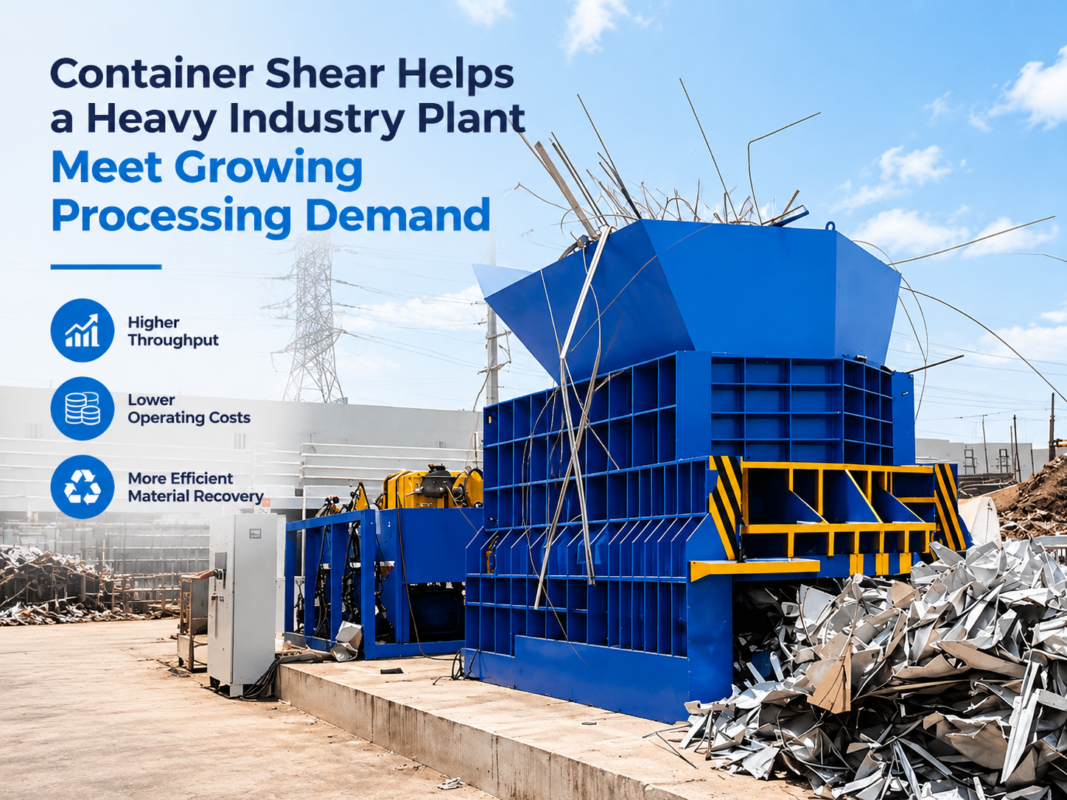
The configuration of a container shear determines how it integrates into your existing workflow. One of the primary choices is between Stationary and Mobile units. Stationary shears are typically more powerful and offer higher stability for permanent installations. Mobile units, often mounted on trailers or tracks, provide the flexibility to move the machine to different scrap piles, reducing the need for internal material transport. For heavy-duty industrial cutting applications, the choice often depends on the layout of the scrap yard and the frequency of site changes.
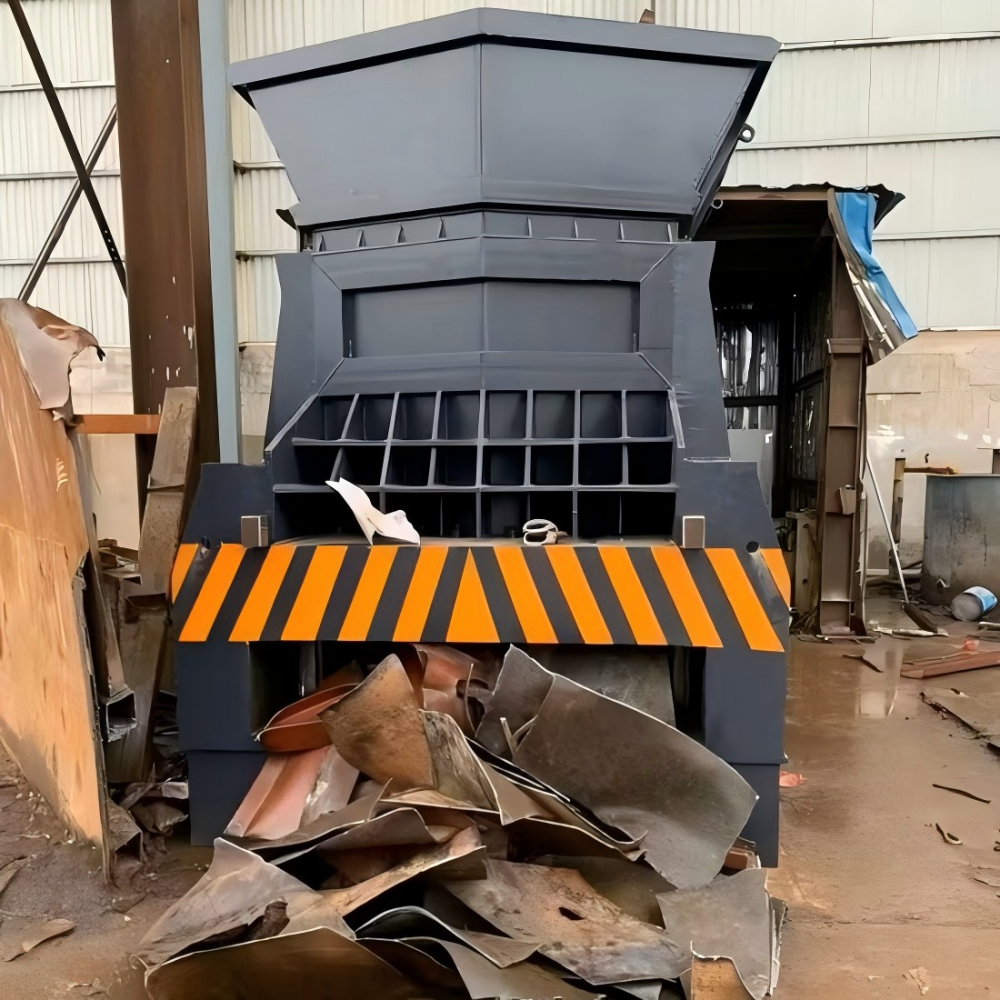
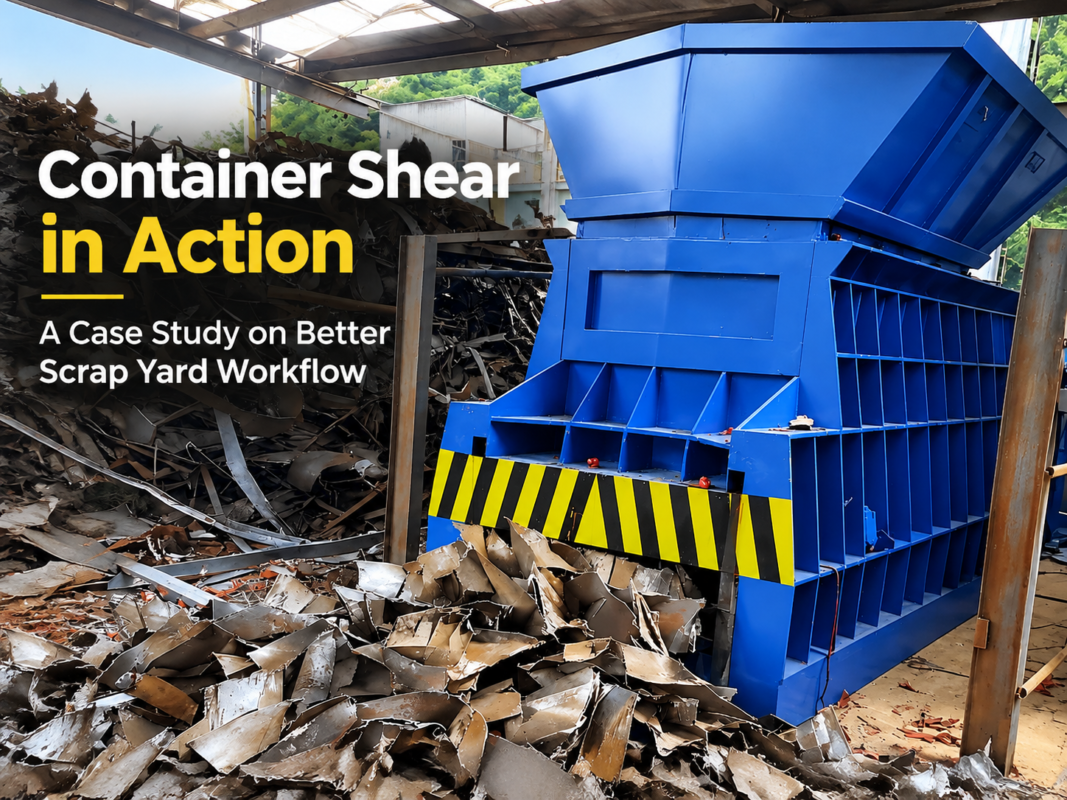
The Feeding Box Design is critical for efficiency. A larger box allows for the processing of oversized scrap without the need for pre-cutting with torches. Modern container shears feature a “continuous feeding” mechanism where the material is pushed toward the blades by a hydraulic ram while the next load is being prepared. This minimizes idle time and maximizes the number of cuts per hour. The length and width of the box should be matched to the typical size of the scrap you receive.
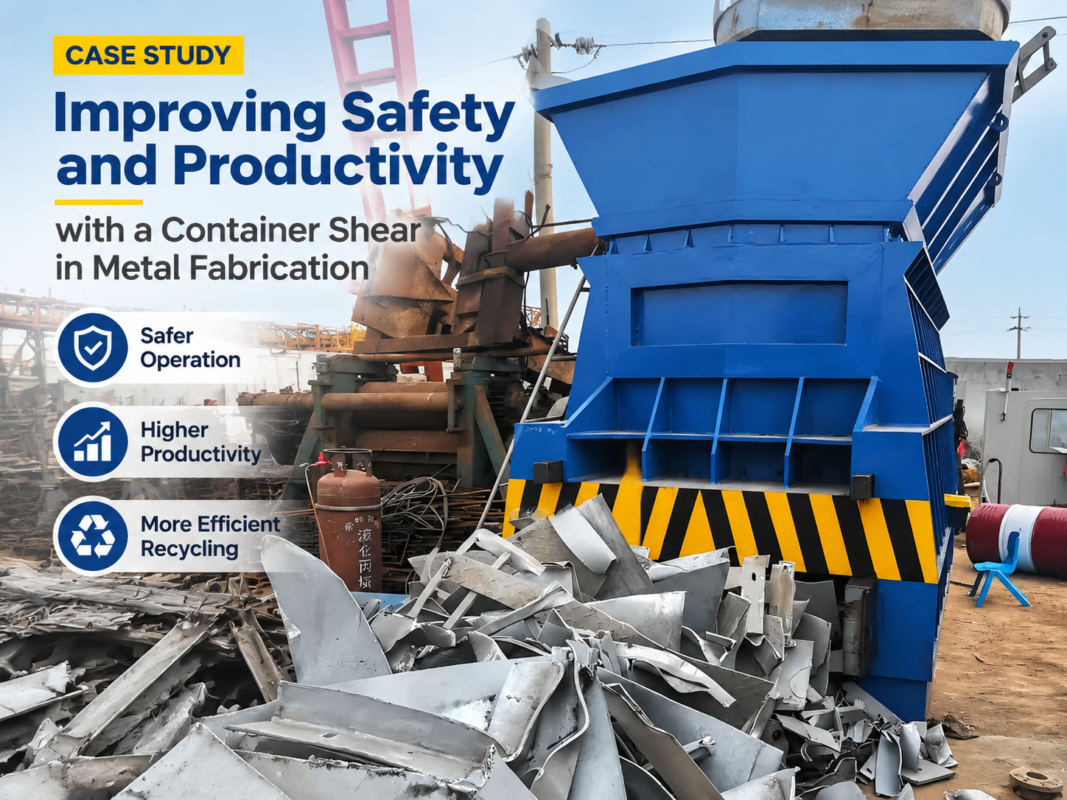
Automation and Control Systems are the brains of the operation. High-end configurations include remote control capabilities, allowing the crane operator to manage the shear from the safety of their cab. Integrated sensors can detect jams or material hardness, automatically adjusting the pressure or reversing the ram to prevent damage. While these features increase the initial configuration cost, they significantly enhance safety and reduce the likelihood of operator error, which is vital in heavy-duty industrial environments.
Hidden Costs: Beyond the Purchase Price
When planning for container shear selection for heavy-duty industrial cutting applications, it is easy to overlook the secondary expenses. Installation and Site Preparation can be substantial. A stationary container shear requires a reinforced concrete foundation to handle the weight and the dynamic forces generated during cutting. Electrical infrastructure upgrades may also be necessary to provide the high voltage and amperage required by the massive electric motors.
Maintenance and Wear Parts represent an ongoing cost that must be factored into the budget. The blades (knives) of a container shear are consumable items. Depending on the material being cut, they will need to be rotated or replaced periodically. High-quality blades are expensive, but they maintain their edge longer and provide cleaner cuts. Additionally, hydraulic oil filtration and regular seal replacements are necessary to prevent catastrophic system failures.
Power Consumption is a significant operational cost. Heavy-duty shears consume large amounts of electricity. Some modern machines utilize variable frequency drives (VFDs) or energy-saving hydraulic circuits to reduce power draw during idle periods. While these systems might increase the purchase price, they can save thousands of dollars in utility bills over the year. Finally, consider the cost of Operator Training. A skilled operator can maximize throughput and minimize wear, whereas an untrained one can cause expensive damage in a matter of seconds.
ROI Calculation: The Financial Logic of Container Shears
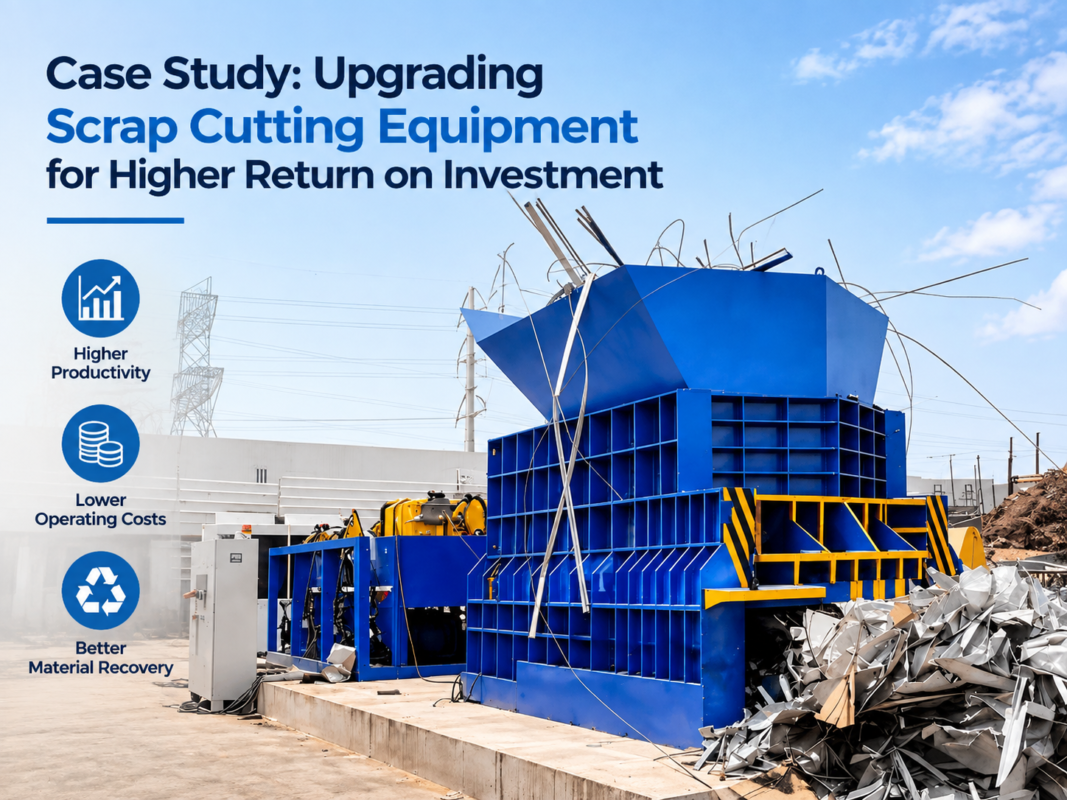
The Return on Investment (ROI) for a container shear is calculated by comparing the total cost of ownership against the increased revenue and labor savings. The primary revenue driver is the Value-Added Processing. Unprocessed scrap metal is often sold at a lower price. By cutting it into standardized sizes (such as 2-foot or 3-foot lengths), you can sell it as premium grade-1 scrap to foundries and steel mills, fetching a much higher price per ton.
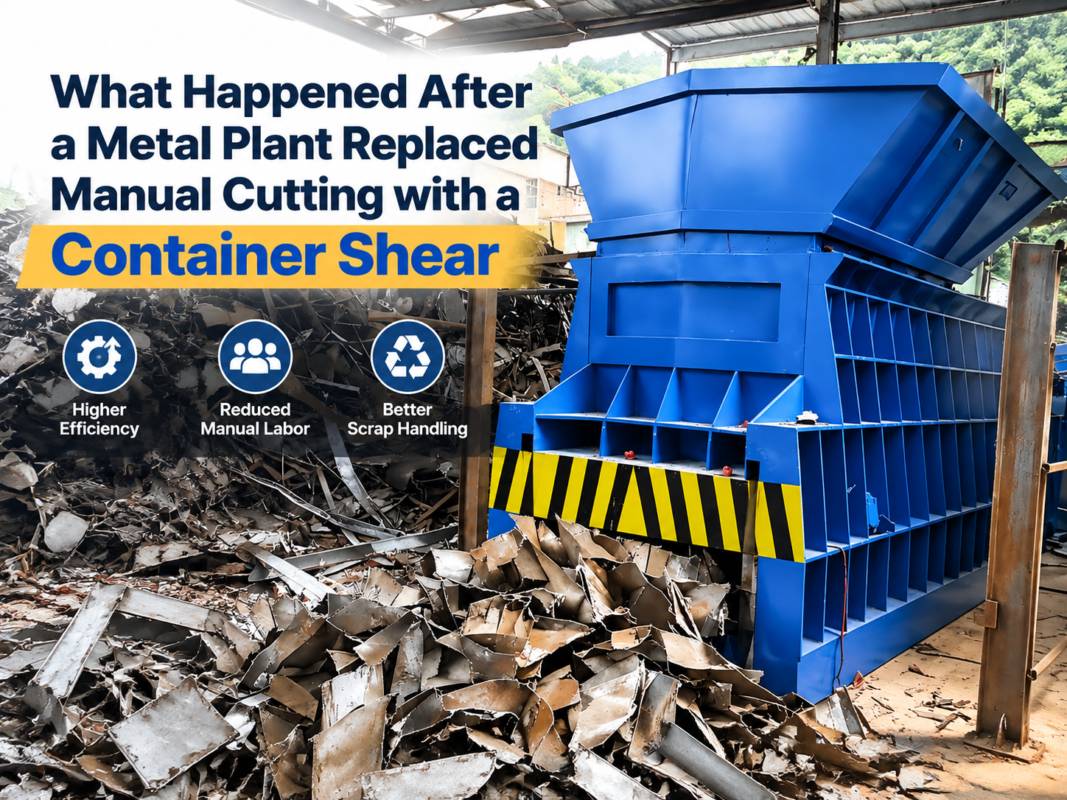
Consider a scenario where a yard processes 1,000 tons of scrap per month. If a container shear increases the value of that scrap by $30 per ton, that is an additional $30,000 in monthly revenue. Furthermore, a container shear can replace multiple manual torch cutters or smaller, less efficient shears. If the machine eliminates the need for three laborers, the savings in wages, benefits, and insurance can be upwards of $15,000 per month. When these factors are combined, even a $300,000 machine can pay for itself in less than a year.
Another factor in ROI is Transportation Efficiency. Processed, densified scrap is much easier to load and transport. You can fit more weight into each truckload or shipping container, significantly reducing logistics costs. For heavy-duty industrial cutting applications, where volume is high, these logistics savings can be the difference between a profitable year and a loss. HARSLE machines are engineered to maximize this density, ensuring that every load is as efficient as possible.
Buying Advice for Industrial Professionals
When you are ready to finalize your container shear selection for heavy-duty industrial cutting applications, start with a Material Audit. Document the types of scrap you process most frequently and identify the “worst-case scenario” materials. This will define your required tonnage. It is always better to have a slight surplus of power than to constantly run a machine at its absolute limit, which leads to premature wear.
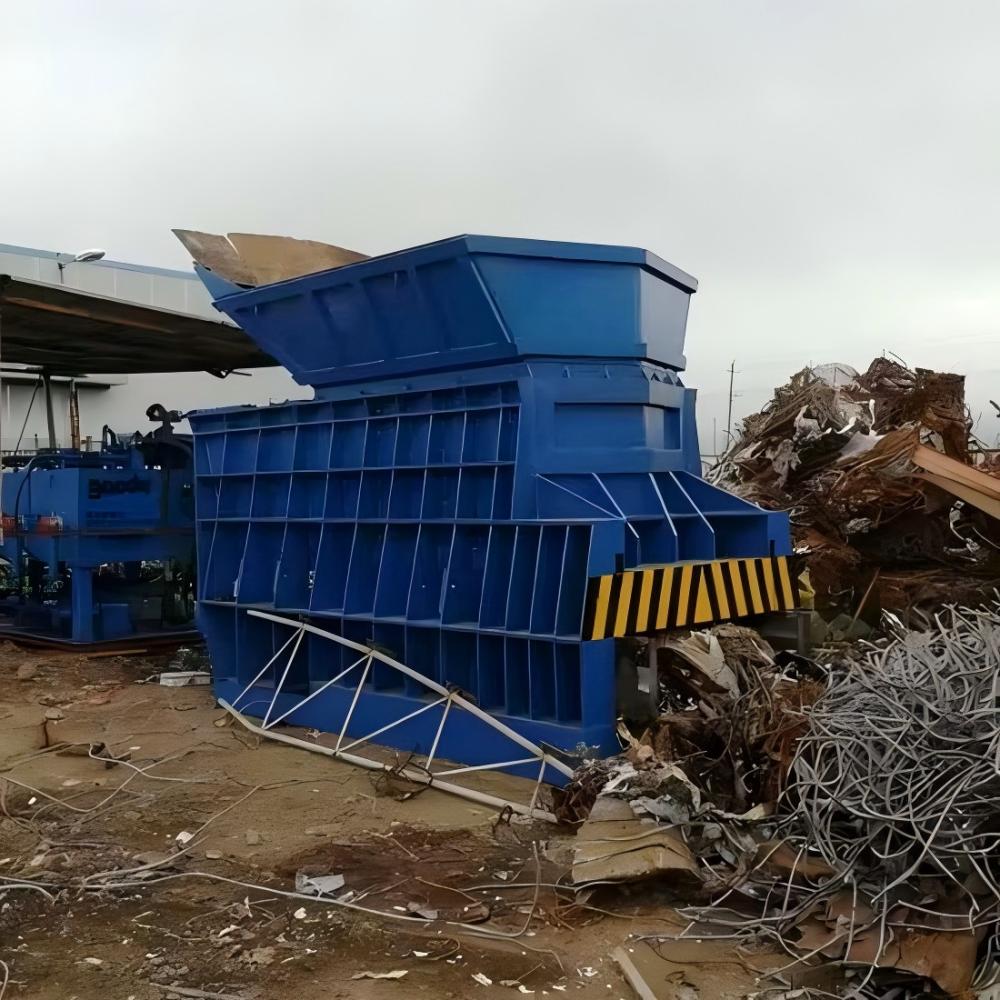
Next, Evaluate the Manufacturer. Look for a company like HARSLE that has a proven track record in the industry. Check for the availability of spare parts and the quality of their technical support. A machine is only as good as the support behind it; if a critical component fails and the manufacturer takes weeks to ship a replacement, your entire operation could grind to a halt. Ask for references and, if possible, visit a site where the machine is already in operation.
Finally, Inspect the Build Quality in person or through detailed technical drawings. Pay attention to the thickness of the steel plates, the brand of the hydraulic components, and the accessibility of maintenance points. A machine that is easy to service will be serviced more regularly, leading to a longer lifespan. Don’t be swayed by the lowest price alone; consider the total cost of ownership over a 5-to-10-year period. A slightly more expensive, high-quality machine will almost always be more profitable in the long run.
Frequently Asked Questions (FAQ)
1. What is the main advantage of a container shear over a guillotine shear?
The main advantage is the feeding mechanism. Container shears use a large box that can be loaded while the machine is cutting, and a horizontal ram that pushes the material forward. This allows for continuous operation and higher throughput compared to the gravity-fed or manual-fed systems of traditional guillotine shears.
2. How often do the blades need to be changed?
Blade life depends entirely on the material being cut. For clean, soft steel, blades might last for several hundred hours before needing rotation. For heavy, dirty, or hardened scrap, they may need attention more frequently. Most container shear blades are four-sided, meaning they can be rotated three times before needing to be reground or replaced.
3. Can a container shear handle non-ferrous metals?
Yes, container shears are excellent for processing large volumes of aluminum, copper, and stainless steel. In fact, because non-ferrous metals are often more valuable, the ROI on a container shear used for these materials can be even faster than for ferrous scrap.
4. What kind of power supply is required for a heavy-duty container shear?
Most industrial container shears require a 3-phase power supply, typically 380V or 480V. The horsepower of the motors can range from 100HP to over 400HP depending on the size of the machine. It is essential to consult with an electrician to ensure your facility can handle the load.
5. Is it better to buy a new or used container shear?
While used machines are cheaper, they often come with hidden wear and outdated hydraulic systems. For heavy-duty industrial cutting applications where reliability is critical, a new machine from a reputable manufacturer like HARSLE is usually the safer and more cost-effective choice due to the warranty, modern efficiency, and lack of previous abuse.
6. How does weather affect container shear operation?
Extreme cold can make hydraulic oil viscous, requiring a heater, while extreme heat can cause overheating, requiring an enhanced cooling system. Most high-quality container shears are designed to operate in a wide range of temperatures, but specific environmental packages should be discussed during the selection process.