Alligator Shear Buying Guide for Beginners: Key Features, Capacity, and Performance

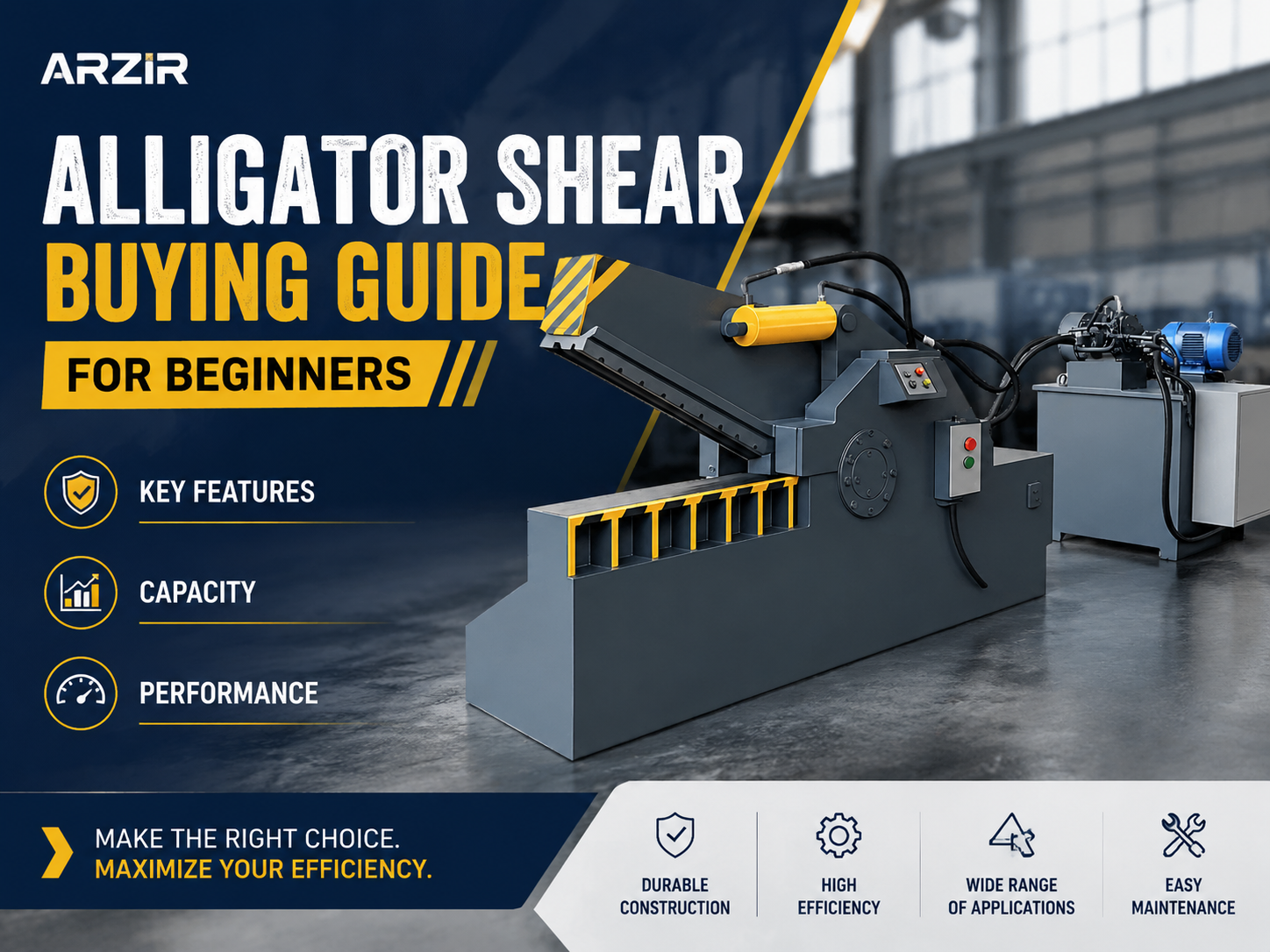
Introduction to Alligator Shears in Metal Recycling
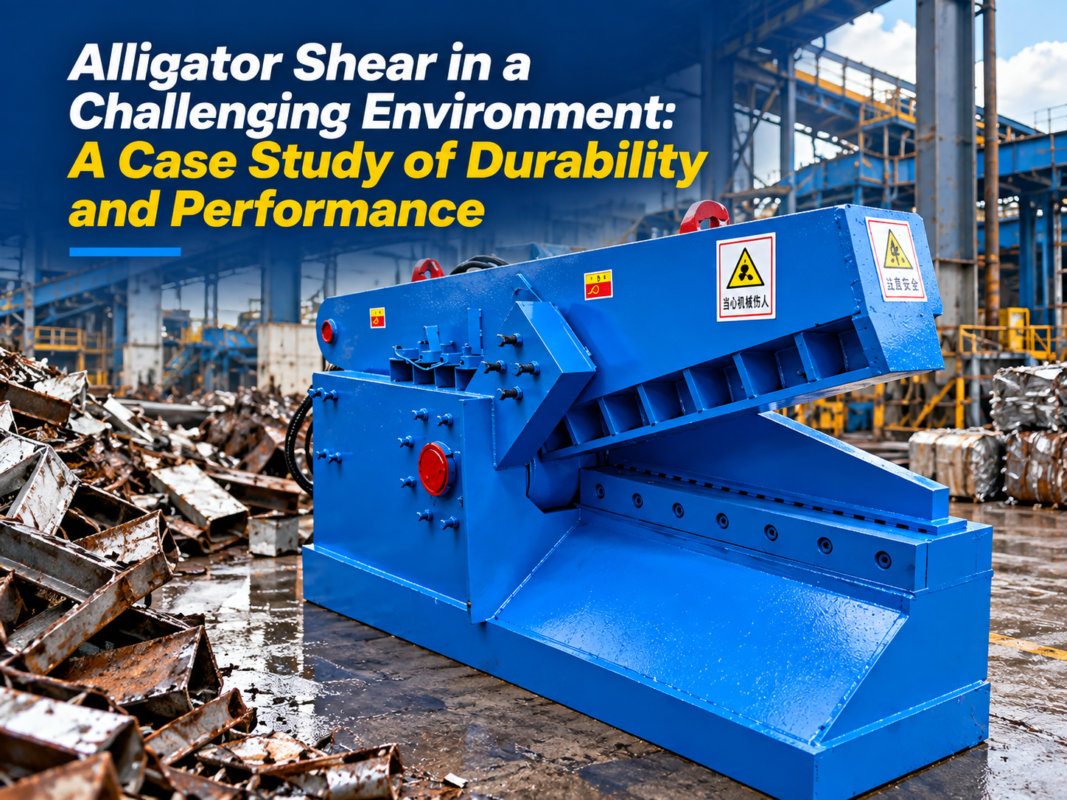
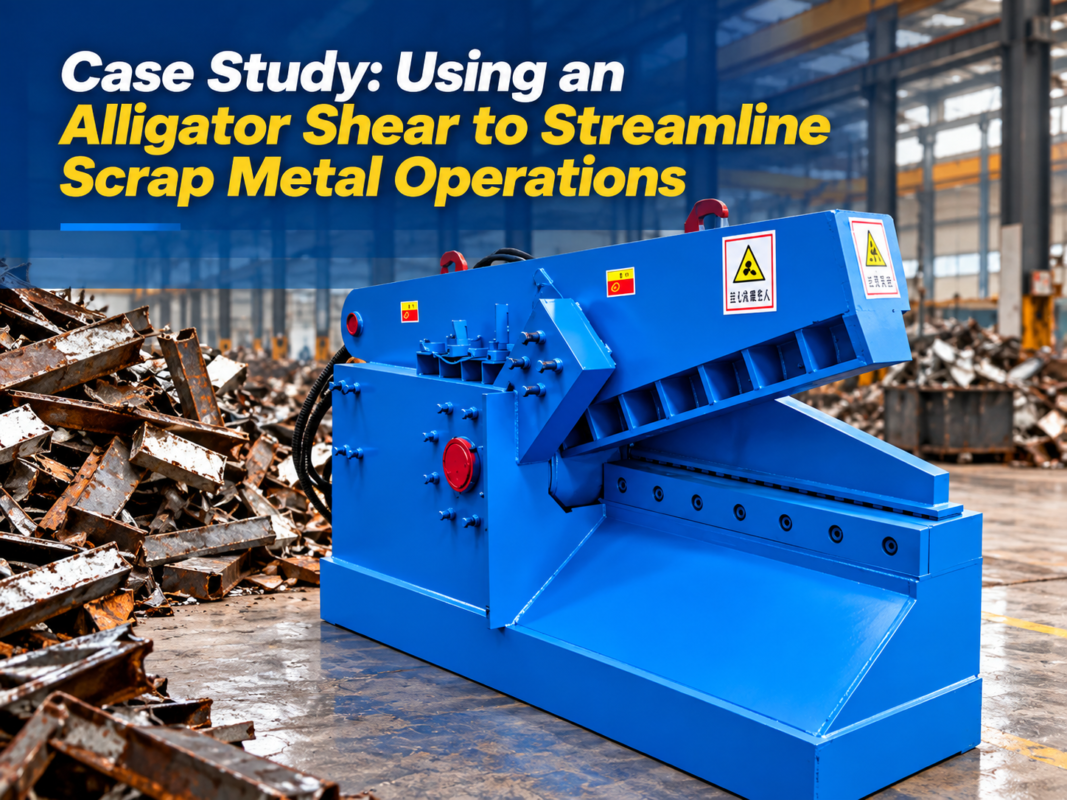
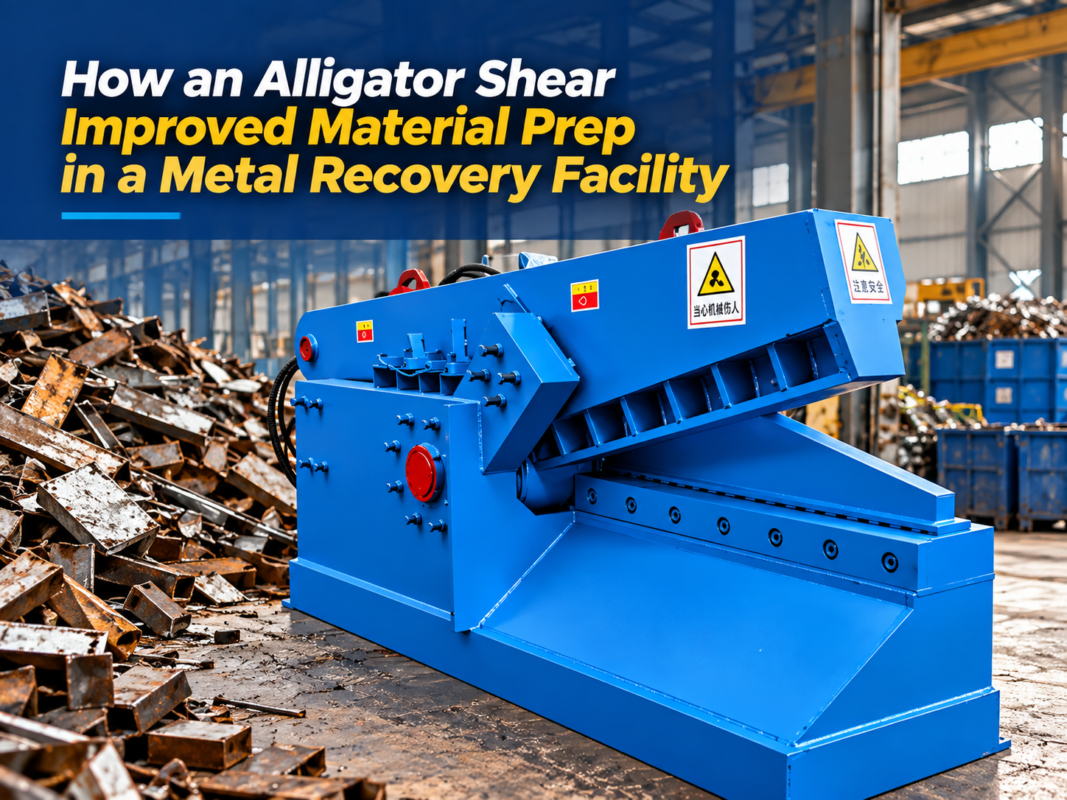
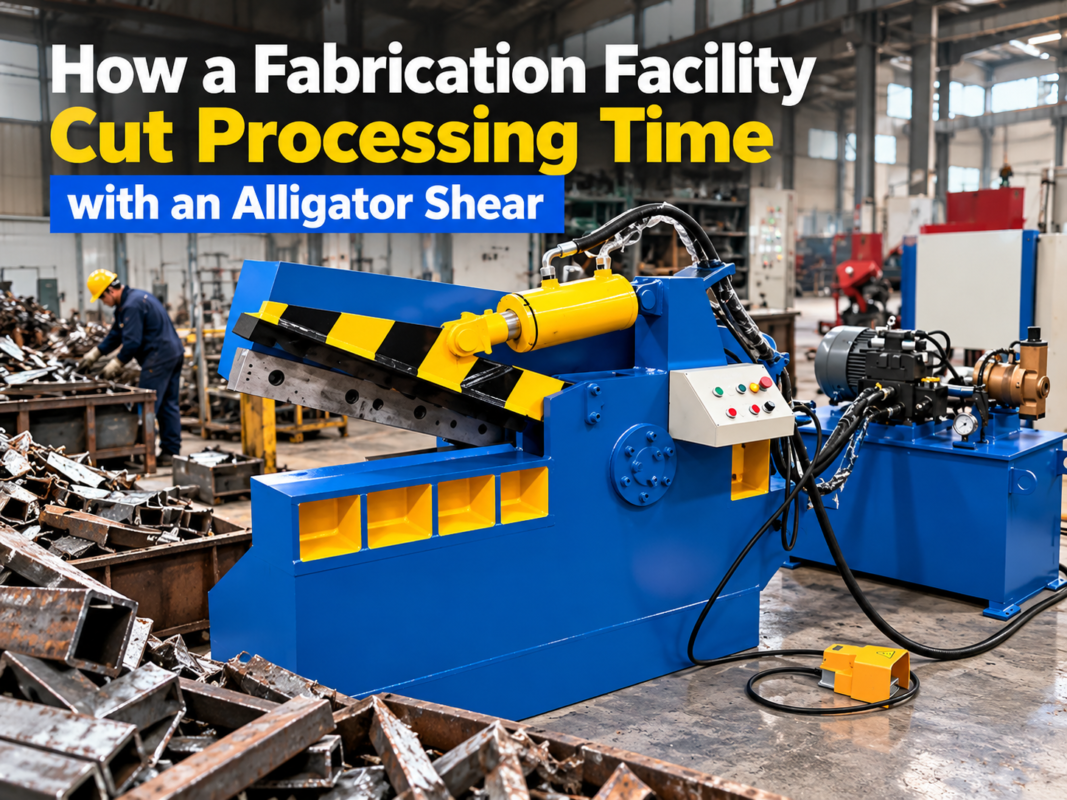
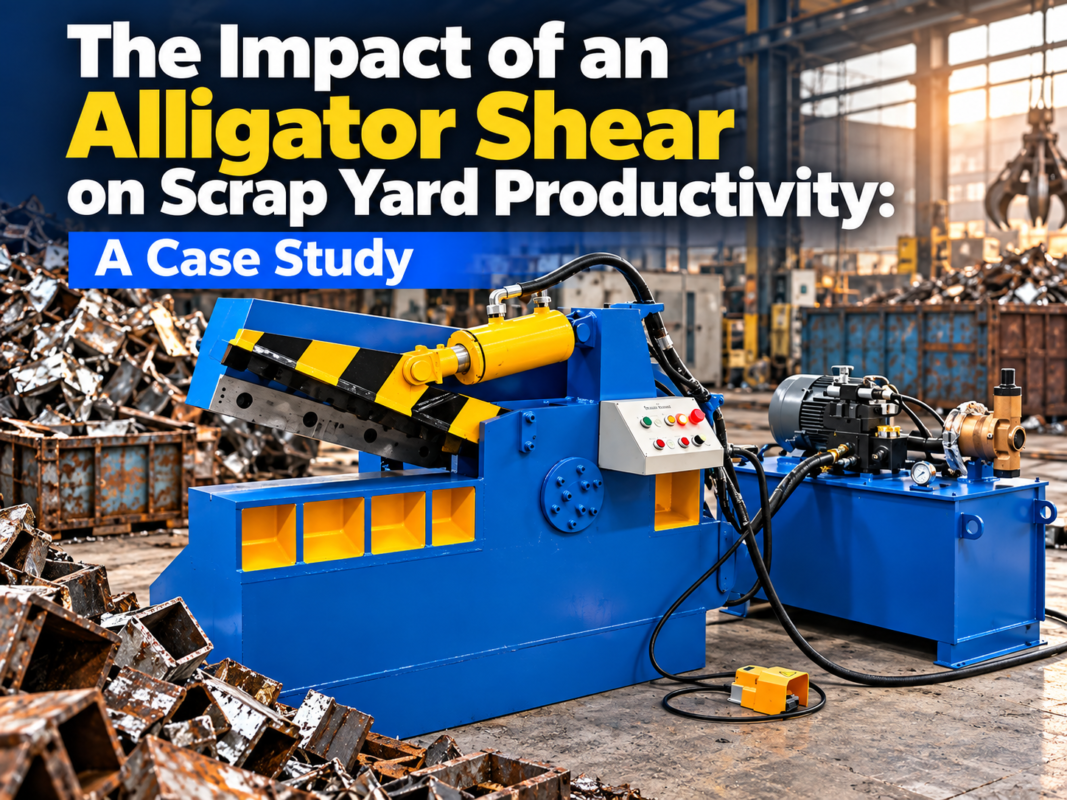
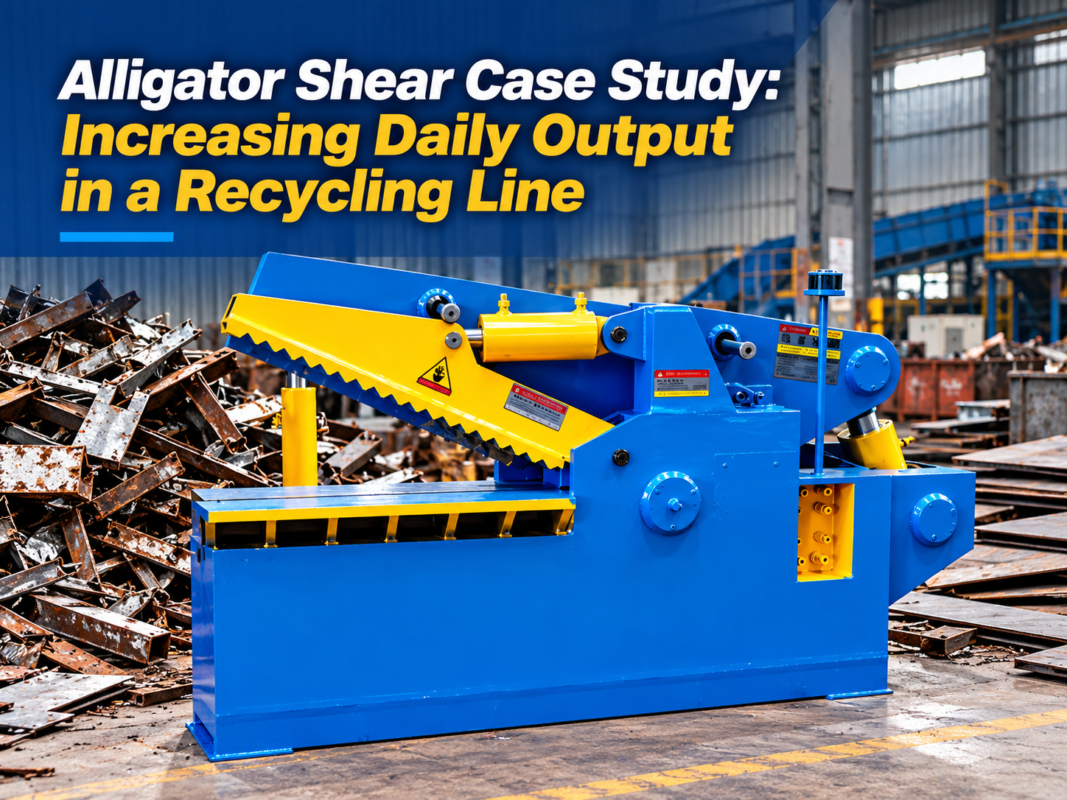
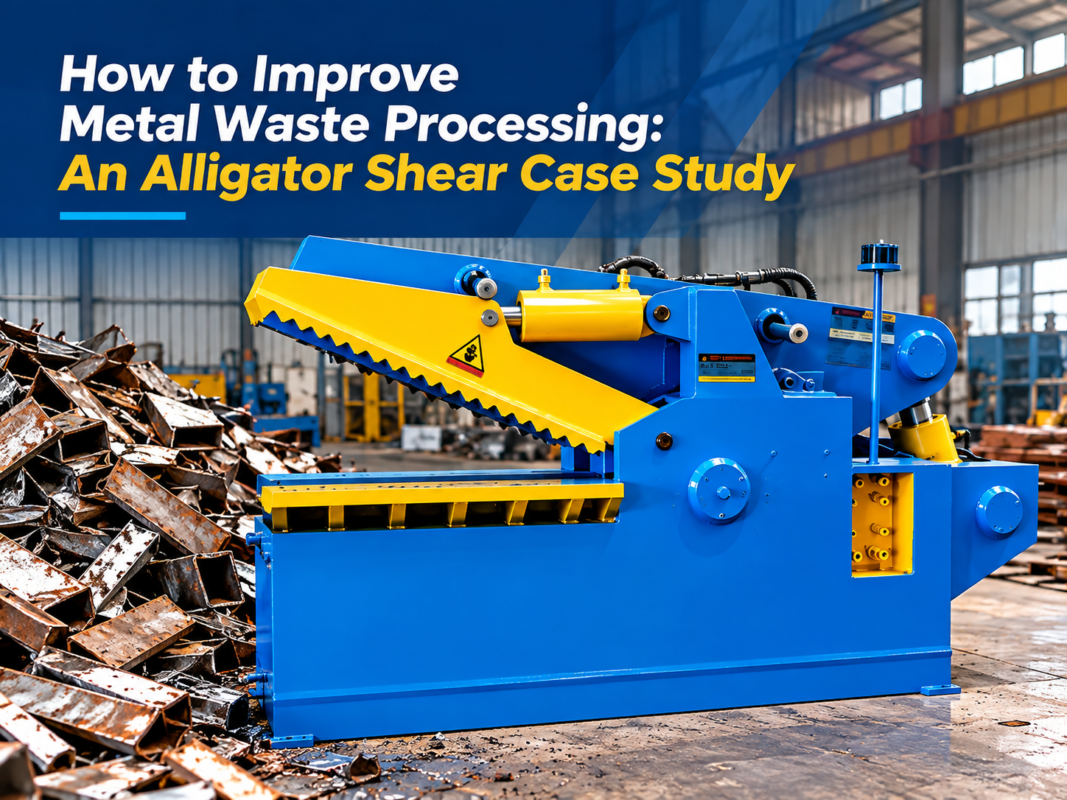
For those entering the scrap metal recycling industry, the alligator shear is often the first major investment in processing equipment. Named for its characteristic jaw-like movement, the alligator shear is a fundamental tool used to cold-cut metal scrap into smaller, more manageable pieces. Whether you are dealing with copper tubing, aluminum extrusions, or heavy steel rebar, understanding the nuances of Alligator Shear Buying Beginners: Key Features, Capacity, Performance is critical to ensuring your business remains profitable and efficient.
At HARSLE, we recognize that beginners often feel overwhelmed by technical specifications like shear force, blade length, and cycle times. This guide is designed to demystify these terms and provide a clear roadmap for selecting the right machine. An alligator shear does more than just cut; it adds value to your scrap by allowing you to sort materials more effectively and meet the size requirements of foundries and steel mills. By the end of this guide, you will have the knowledge necessary to make an informed purchase that aligns with your operational goals.
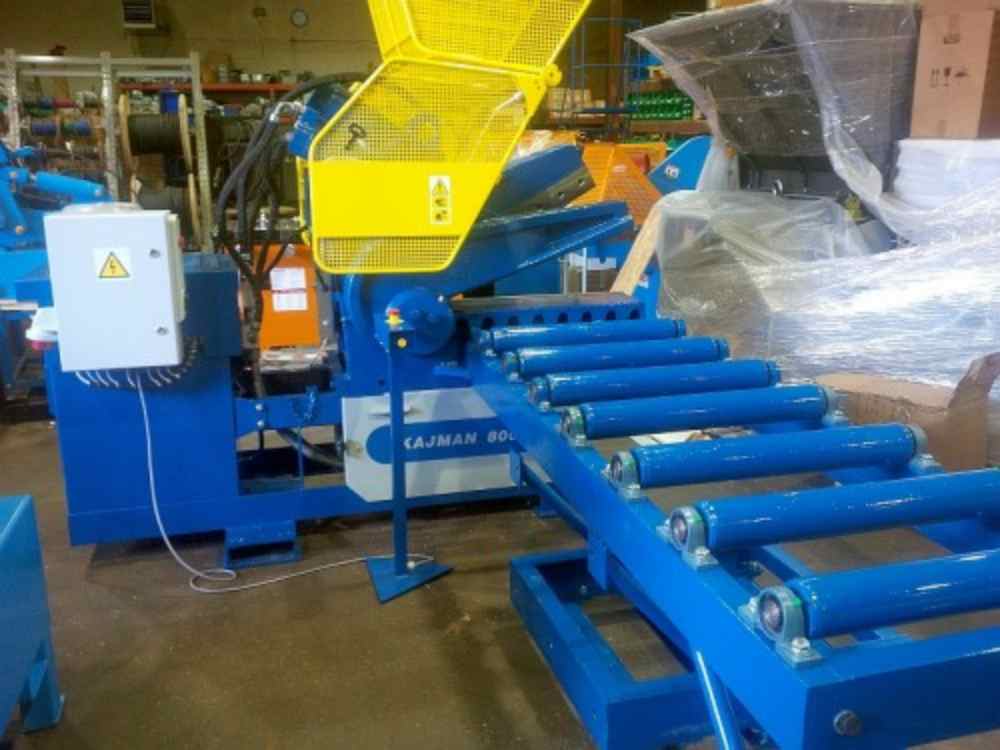
Price Range Overview: What to Expect
The price of an alligator shear can vary significantly based on its size, power, and automation level. For a beginner, understanding these price brackets helps in budgeting and setting realistic expectations for machine performance. Generally, alligator shears are categorized into three main price tiers: entry-level, mid-range, and heavy-duty industrial units.
Entry-Level Units ($3,000 – $8,000): These are typically smaller machines with blade lengths ranging from 300mm to 400mm. They are ideal for small scrap yards or workshops that primarily process non-ferrous metals like copper and aluminum. While affordable, they have lower shear forces (usually under 100 tons) and may struggle with thick steel sections.
Mid-Range Units ($10,000 – $25,000): This is the most popular category for growing businesses. These machines offer a balance of power and speed, with blade lengths between 600mm and 800mm and shear forces ranging from 120 to 250 tons. They can handle a wider variety of materials, including light structural steel and automotive scrap.
Heavy-Duty Industrial Units ($30,000+): Designed for high-volume recycling centers, these machines feature massive shear forces (up to 500 tons or more) and long blades (1000mm to 1200mm). They are built for 24/7 operation and can cut through heavy rebar, thick pipes, and large steel beams with ease. For a beginner, this level of investment is usually only justified if a high-volume contract is already in place.
Main Cost Drivers: What Influences the Price?
When evaluating Alligator Shear Buying Beginners: Key Features, Capacity, Performance, it is important to know what exactly you are paying for. Several technical factors drive the manufacturing cost and, consequently, the retail price of the machine.
- Shear Force (Tonnage): The most significant cost driver is the hydraulic pressure the machine can exert. Higher tonnage requires larger hydraulic cylinders, more robust frames, and more powerful motors. A 250-ton shear will always cost more than a 100-ton shear because of the raw material and engineering required to withstand those forces.
- Blade Length and Quality: Longer blades allow you to process larger pieces of scrap in a single bite, increasing efficiency. However, the blades themselves are made from high-grade tool steel (such as H13 or Cr12MoV). The larger the blade, the more expensive the replacement and the more structural support the machine needs.
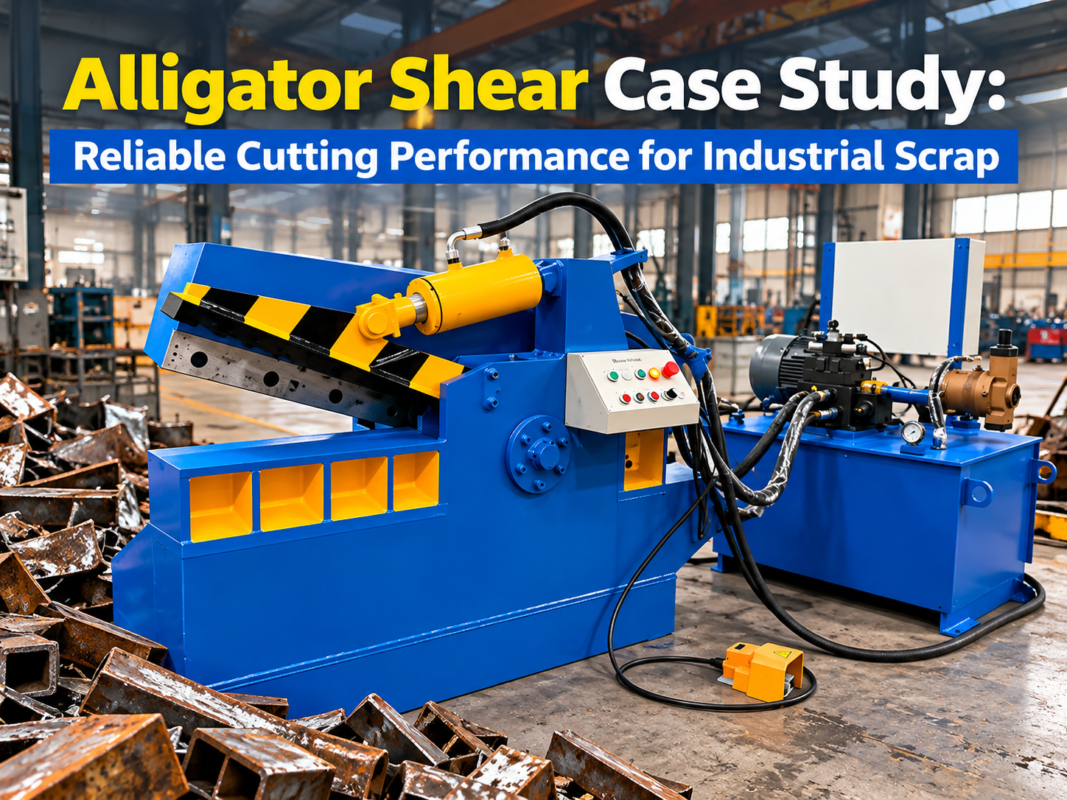
- Motor Power and Hydraulic System: The heart of the machine is its hydraulic pump and motor. High-efficiency motors and premium hydraulic valves (like those from Rexroth or Vickers) increase the initial cost but provide better reliability and lower energy consumption over time.
- Build Quality and Frame Thickness: A machine designed to last 20 years uses thicker steel plates and superior welding techniques compared to a budget model. This structural integrity prevents the frame from warping under the immense stress of repeated cutting cycles.
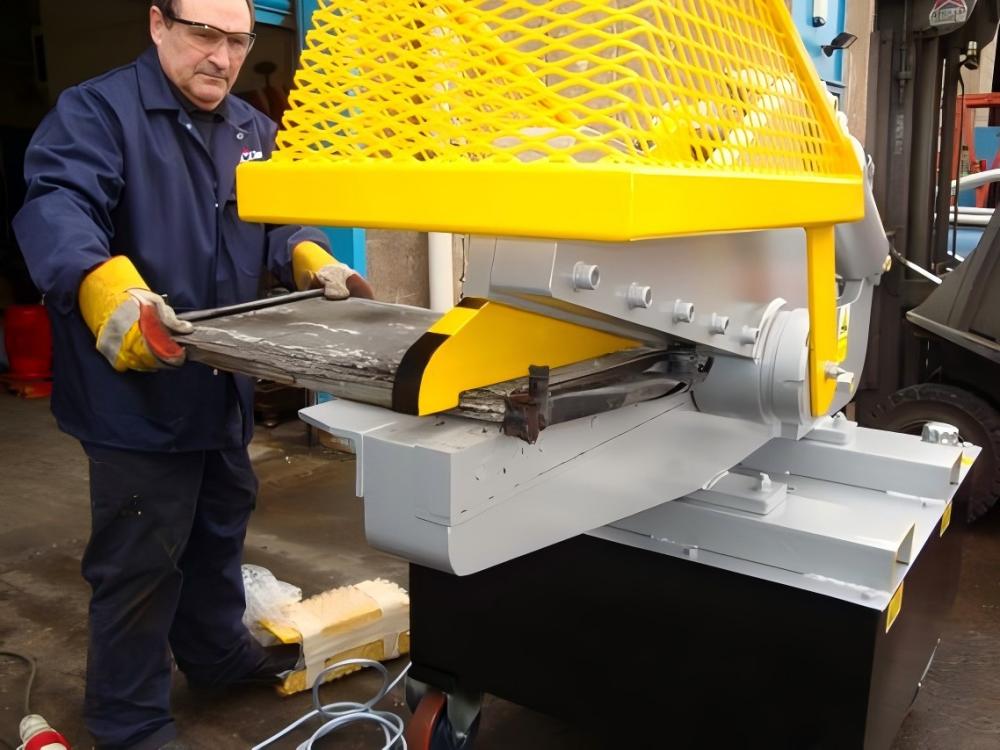
Configuration Impact: Customizing for Your Needs
The configuration of an alligator shear determines how it fits into your daily workflow. Beginners should pay close attention to how the machine is controlled and how it manages heat, as these factors impact both safety and productivity.
Manual vs. Automatic Operation: Most modern alligator shears offer two modes. Manual mode uses a foot pedal, allowing the operator to control every stroke—essential for precision cutting or cleaning scrap. Automatic mode allows the machine to cycle continuously, which is perfect for rapidly processing uniform materials like rebar or long pipes. Choosing a machine with a reliable PLC (Programmable Logic Controller) for these modes is a wise investment.
Cooling Systems: Hydraulic systems generate heat during operation. In warmer climates or high-duty cycles, the oil can overheat, leading to seal failure and reduced performance. Beginners should consider whether they need an air-cooling or water-cooling system. Air coolers are generally easier to maintain and are sufficient for most moderate applications.
Blade Gap Adjustment: The ability to easily adjust the gap between the upper and lower blades is crucial. If the gap is too wide, thin materials will fold rather than cut; if it is too tight, you risk damaging the blades. Look for machines that offer accessible adjustment bolts to simplify this maintenance task.
Hidden Costs of Owning an Alligator Shear
The purchase price is just the beginning. To truly understand the Alligator Shear Buying Beginners: Key Features, Capacity, Performance, you must account for the ongoing costs of operation. Ignoring these can quickly turn a profitable venture into a financial burden.
Blade Maintenance and Replacement: Alligator shear blades are consumables. Depending on the material you cut, they will need to be rotated (most blades have four cutting edges) and eventually sharpened or replaced. High-volume cutting of hardened steel will wear blades much faster than cutting aluminum. Budgeting for a spare set of blades is highly recommended for beginners.
Hydraulic Oil and Filters: A standard alligator shear can hold anywhere from 200 to 800 liters of hydraulic oil. This oil needs to be changed periodically, and filters must be replaced to prevent contaminants from damaging the pump. Using high-quality anti-wear hydraulic oil is an added cost but essential for machine longevity.
Electricity and Infrastructure: These machines require significant electrical power. You may need to upgrade your facility’s electrical panel or install a dedicated circuit. Additionally, because of the vibration and weight, a reinforced concrete floor is often necessary to prevent the machine from shifting or cracking the foundation.
ROI Calculation: When Will the Machine Pay for Itself?
Calculating the Return on Investment (ROI) is the most important step for any beginner. The goal is to determine how much additional profit the shear generates compared to selling unprocessed scrap. The formula is relatively straightforward: (Monthly Volume in Tons × Increase in Value per Ton) – (Monthly Operating Costs) = Monthly Profit.
For example, if you buy copper wire for $5.00/kg and sell it as “clean” chopped copper for $6.50/kg, your margin is $1.50/kg. If the alligator shear allows you to process 2,000kg more per month than you could by hand, that is $3,000 in additional gross profit. Subtract your electricity, blade wear, and labor costs (e.g., $500), and you have a net gain of $2,500 per month. If the machine cost $15,000, your ROI period is only six months.
Beyond direct profit, consider the indirect benefits. Smaller scrap is denser, meaning you can fit more weight into a single truckload, significantly reducing transportation costs. Furthermore, many foundries pay a premium for “foundry-ready” scrap that is cut to specific lengths (usually under 600mm), which an alligator shear handles perfectly.
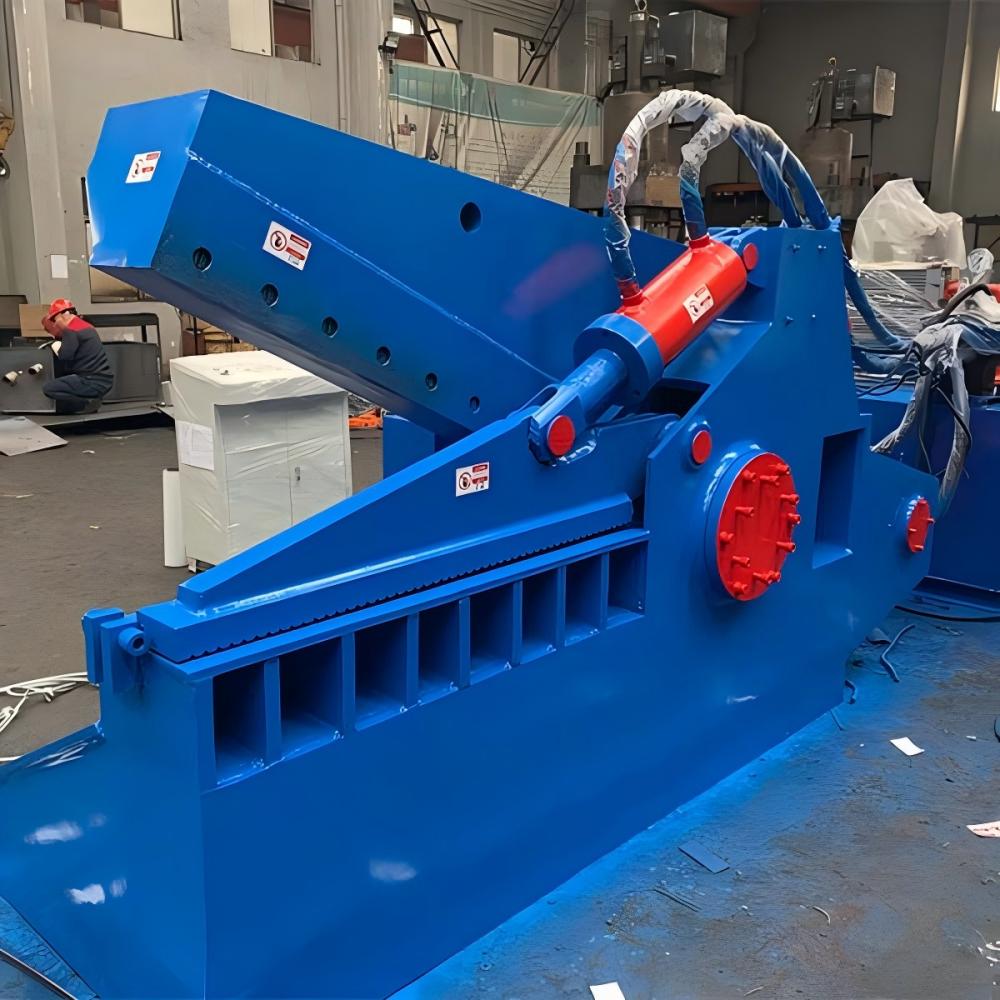
Buying Advice for Beginners
When you are ready to make a purchase, keep these practical tips in mind to ensure you get the best value for your money. Buying an alligator shear is a long-term commitment, and the cheapest option is rarely the best in the long run.
- Match the Machine to Your Scrap: Don’t buy a 500-ton shear if you only process aluminum window frames. Conversely, don’t try to cut heavy rebar with a 60-ton machine. Be honest about your current and projected volume.
- Verify the Blade Material: Ask the manufacturer specifically what steel is used for the blades. Look for 9CrSi or Cr12MoV for general scrap, or H13 for heavy-duty applications.
- Check for Safety Features: Alligator shears are inherently dangerous. Ensure the machine has a protective cage over the cutting area and an easily accessible emergency stop button. A “hold-down” device (either manual or hydraulic) is also essential to prevent the scrap from kicking up during the cut.
- Evaluate After-Sales Support: As a beginner, you will have questions. Choose a manufacturer like HARSLE that provides clear manuals, video tutorials, and responsive technical support. Availability of spare parts is the difference between a one-day repair and a three-week shutdown.
Frequently Asked Questions (FAQ)
1. What is the most common blade length for a beginner?
For most beginners, a 600mm (24-inch) blade is the “sweet spot.” It is long enough to handle most common scrap items like pipes and extrusions but keeps the machine size and price manageable.
2. Can an alligator shear cut stainless steel?
Yes, but stainless steel is much harder than mild steel. You will need a machine with higher tonnage and high-quality blades. Be prepared for faster blade wear when processing large amounts of stainless steel.
3. How often do the blades need to be sharpened?
This depends entirely on the material. If cutting soft aluminum, blades can last a year before needing rotation. If cutting heavy steel rebar daily, you might need to rotate the blades every 3-4 months. Most blades have four usable edges, so you can flip them before needing a full regrind.
4. Is a hydraulic shear better than a mechanical one?
For modern scrap processing, hydraulic shears are superior. They offer more control, consistent pressure throughout the stroke, and built-in overload protection. Mechanical shears are faster but can be more dangerous and harder to maintain.
5. Do I need a special foundation for the machine?
Small entry-level shears can often sit on a standard 4-inch concrete floor. However, for mid-range and heavy-duty machines, a reinforced concrete pad (6-8 inches thick) is recommended to absorb vibration and ensure the machine remains level.
6. What safety gear is required to operate an alligator shear?
Operators should always wear heavy-duty gloves, eye protection (safety glasses or a face shield), hearing protection, and steel-toed boots. Because scrap metal can have sharp edges and may fly off during cutting, a protective apron is also a good idea.