How to Select the Best Alligator Shear for Your Metal Recycling Operation

Introduction to Alligator Shears in Metal Recycling
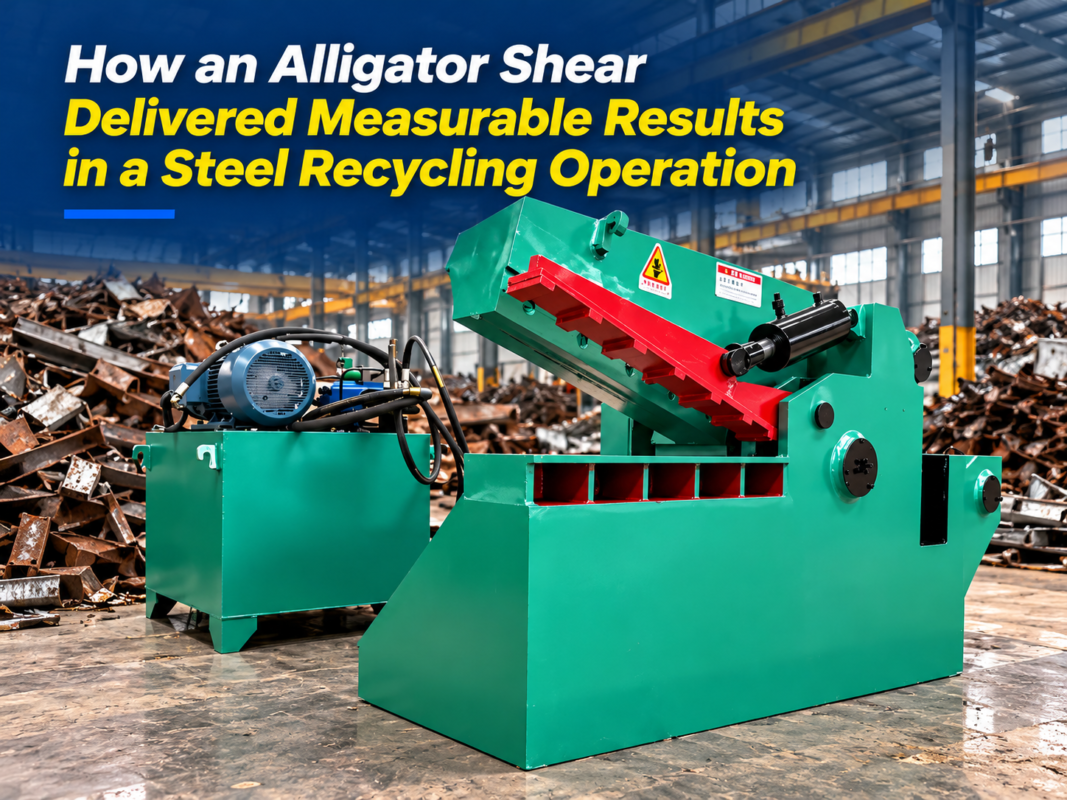
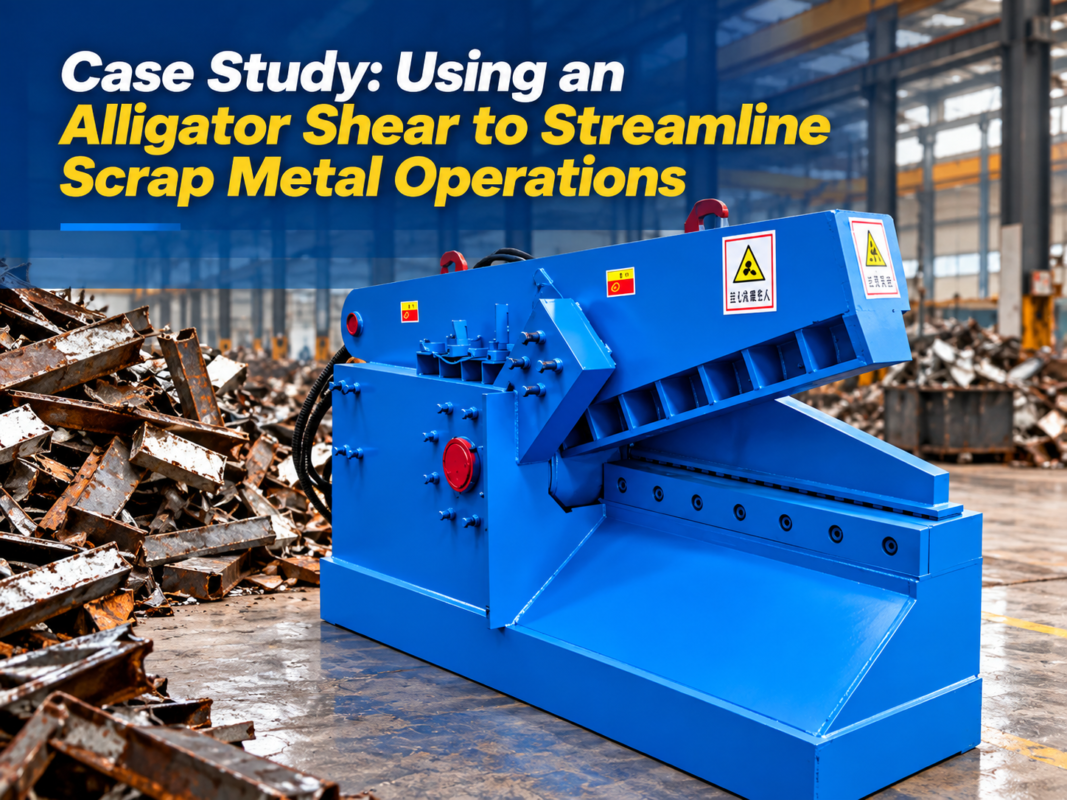
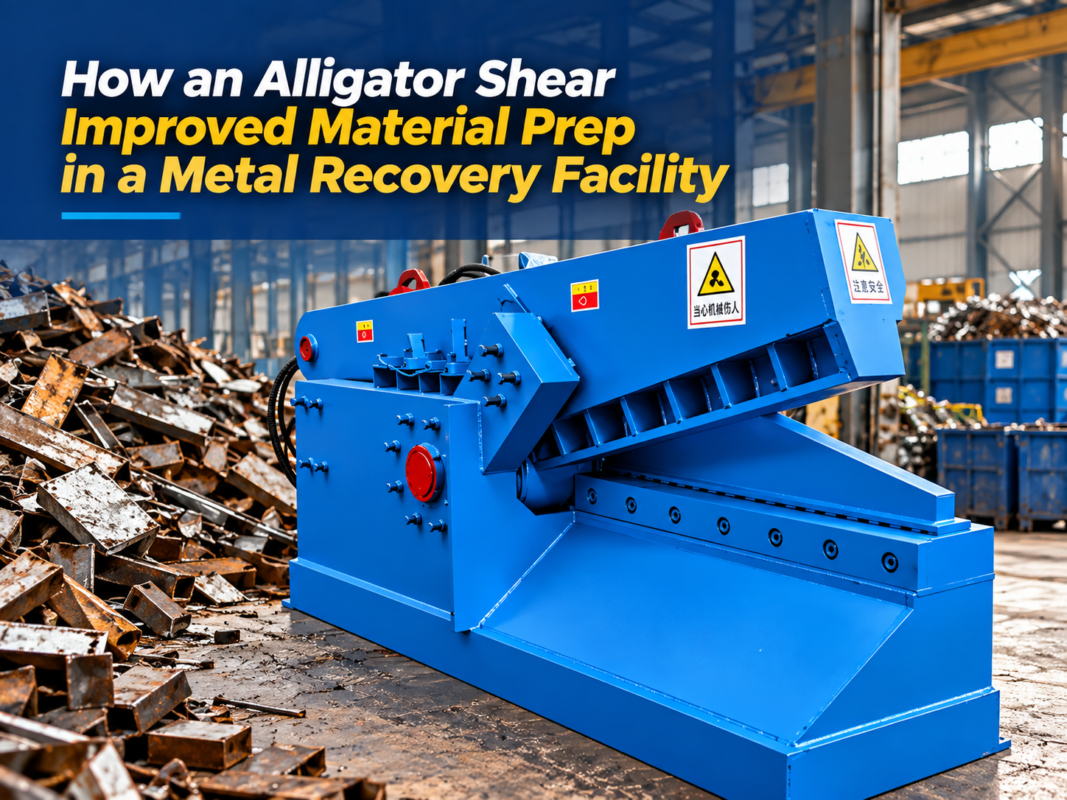
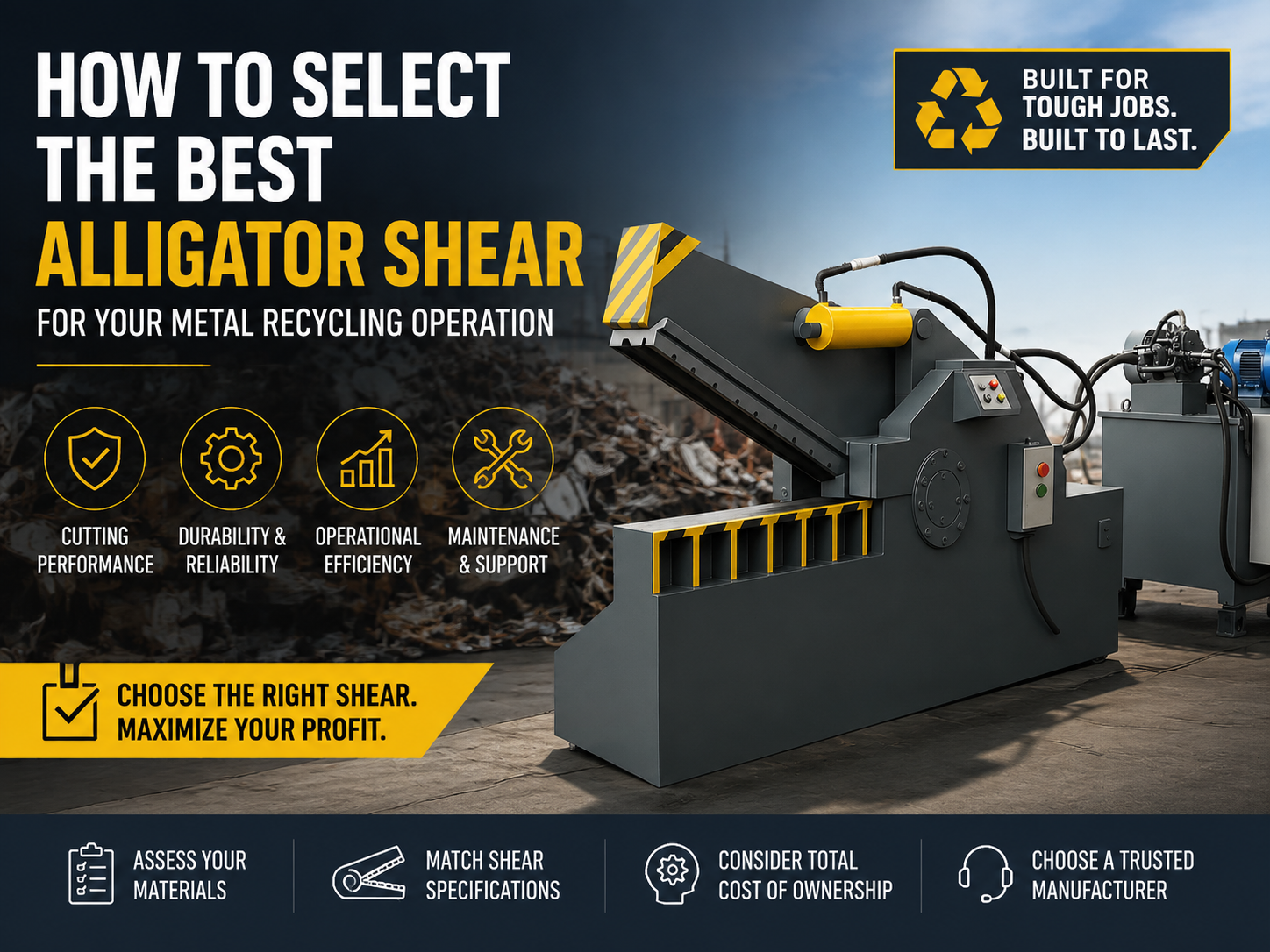
In the fast-paced world of scrap metal processing, efficiency and precision are the cornerstones of profitability. To select the best alligator shear metal recycling operation requires a deep understanding of your material flow, volume, and the technical capabilities of modern machinery. An alligator shear, named for its characteristic jaw-like movement, is a fundamental tool for cutting long-form scrap metal into manageable sizes. Whether you are processing copper tubing, aluminum extrusions, or heavy steel rebar, the right shear can significantly reduce labor costs and increase the market value of your processed scrap.
HARSLE has been at the forefront of providing high-performance hydraulic machinery, and we understand that choosing the right equipment is a long-term investment. This guide is designed to walk you through every critical factor—from initial pricing to long-term ROI—ensuring that your facility is equipped with a machine that matches your specific operational demands. By the end of this article, you will have a clear roadmap for navigating the complexities of the alligator shear market.
Price Range Overview: Understanding the Market Tiers
When you begin your search to select the best alligator shear metal recycling operation, the first thing you will notice is the wide variance in pricing. Alligator shears generally fall into three distinct price categories based on their capacity, automation level, and build quality. Understanding these tiers helps in setting a realistic budget that aligns with your business goals.
Entry-Level Shears ($3,000 – $8,000): These are typically smaller, manual or semi-automatic machines with a shear force ranging from 63 to 100 tons. They are ideal for small scrap yards or specialized workshops that handle non-ferrous metals like copper and aluminum. While affordable, they often have shorter blade lengths (around 400mm to 600mm) and slower cycle times, making them less suitable for high-volume industrial throughput.
Mid-Range Shears ($8,000 – $25,000): This is the most popular category for established recycling centers. These machines offer shear forces between 120 and 250 tons and often feature improved hydraulic systems for faster cycle times. They are capable of handling light to medium ferrous scrap, including angle iron and smaller steel pipes. At this price point, you begin to see better safety features and more durable blade alloys.
High-End Industrial Shears ($25,000 – $60,000+): These are heavy-duty powerhouses designed for 24/7 operation. With shear forces exceeding 315 to 500 tons and blade lengths up to 1200mm, they can process heavy structural steel and large-diameter pipes. These machines often include advanced cooling systems, fully automated feeding options, and high-grade components that minimize downtime. Investing in this tier is essential for large-scale operations where volume is the primary driver of revenue.
Main Cost Drivers: What Influences the Price Tag?
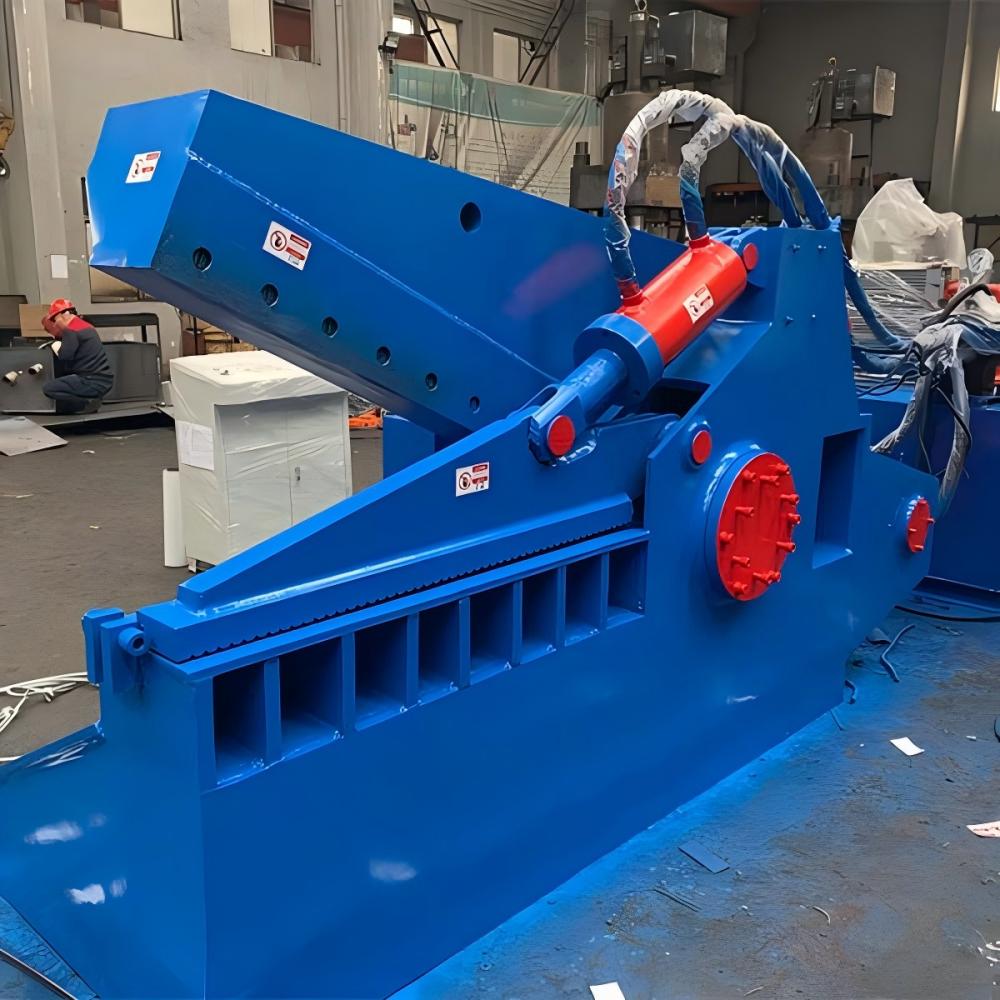
Several technical factors contribute to the final cost of an alligator shear. Knowing these drivers allows you to prioritize features that matter most to your specific application. The most significant driver is the Shear Force (Tonnage). The higher the tonnage, the thicker the material the machine can cut. A 500-ton shear requires a much larger hydraulic cylinder, a more robust frame, and a more powerful motor than a 100-ton model, all of which increase the manufacturing cost.
Blade Length and Quality: The length of the blade determines the size of the scrap you can feed into the machine in a single stroke. However, it’s not just about length; the metallurgy of the blade is crucial. High-quality alloy tool steel blades that are heat-treated for hardness and toughness will cost more upfront but will last significantly longer between sharpenings. Cheap blades can chip or dull quickly when processing hardened steel, leading to frequent replacements and lost productivity.
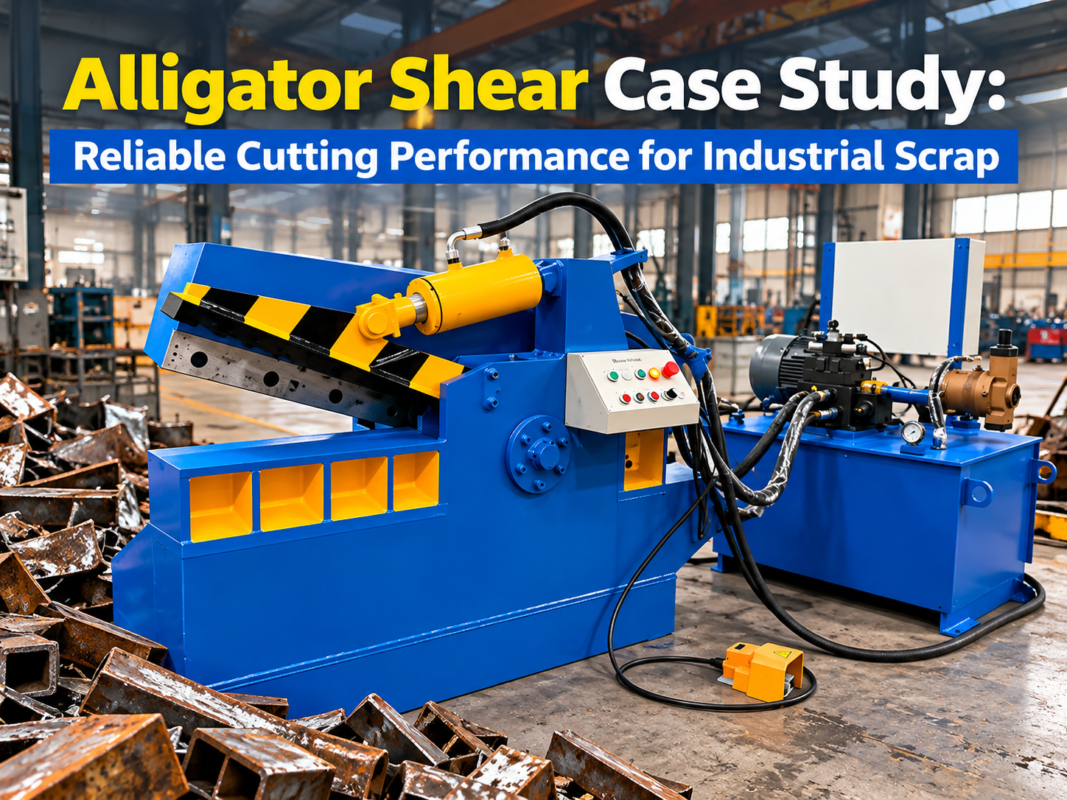
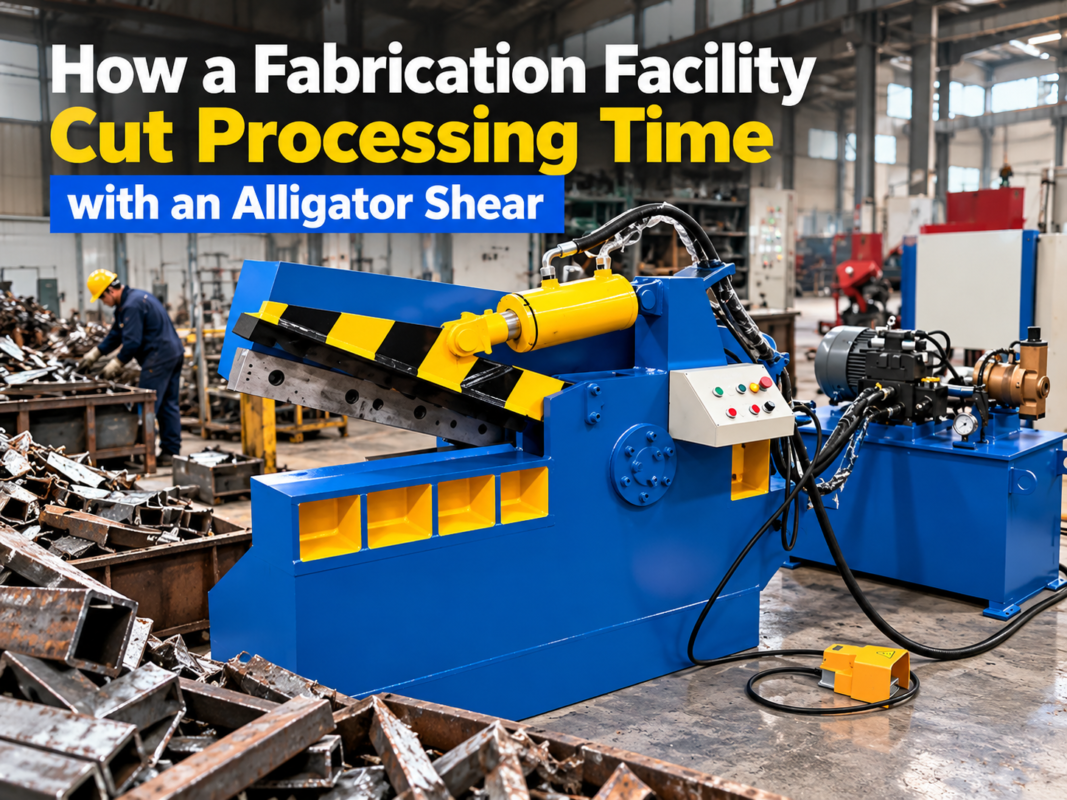
Hydraulic System Sophistication: The heart of the alligator shear is its hydraulic system. Premium machines use high-pressure pumps (often from reputable brands like Rexroth or Vickers) and high-quality valves that ensure smooth operation and prevent overheating. Systems equipped with oil coolers (either air-cooled or water-cooled) are more expensive but are vital for operations in hot climates or for machines running multiple shifts. Furthermore, the inclusion of a “hold-down” cylinder—which secures the scrap before the cutting blade descends—adds to the cost but is essential for operator safety and cutting precision.
Structural Integrity: The frame of the shear must withstand immense stress during the cutting cycle. High-end manufacturers like HARSLE use thick, high-tensile steel plates and advanced welding techniques to ensure the frame does not warp or crack over time. A heavier machine usually indicates a more robust build, which is a key indicator of longevity in the harsh environment of a scrap yard.
Configuration Impact: Tailoring the Machine to Your Needs
Configuration is where you customize the machine to fit your workflow. One of the primary choices is the Control System. Most modern alligator shears offer a choice between manual lever control and foot pedal operation. For high-speed repetitive tasks, a foot pedal is often preferred as it leaves the operator’s hands free to position the scrap. Some advanced models also feature automatic cutting cycles, where the machine continues to shear at a set interval, which is excellent for processing long, uniform extrusions.
Power Source Options: While most alligator shears are electric-powered, diesel-driven models are available for yards that lack a stable power grid or require mobility. Electric models are generally more cost-effective to run and easier to maintain, but they require a significant electrical infrastructure (often 3-phase power). If you choose an electric model, ensure your facility’s transformer can handle the peak load during the shear’s start-up and maximum pressure phases.
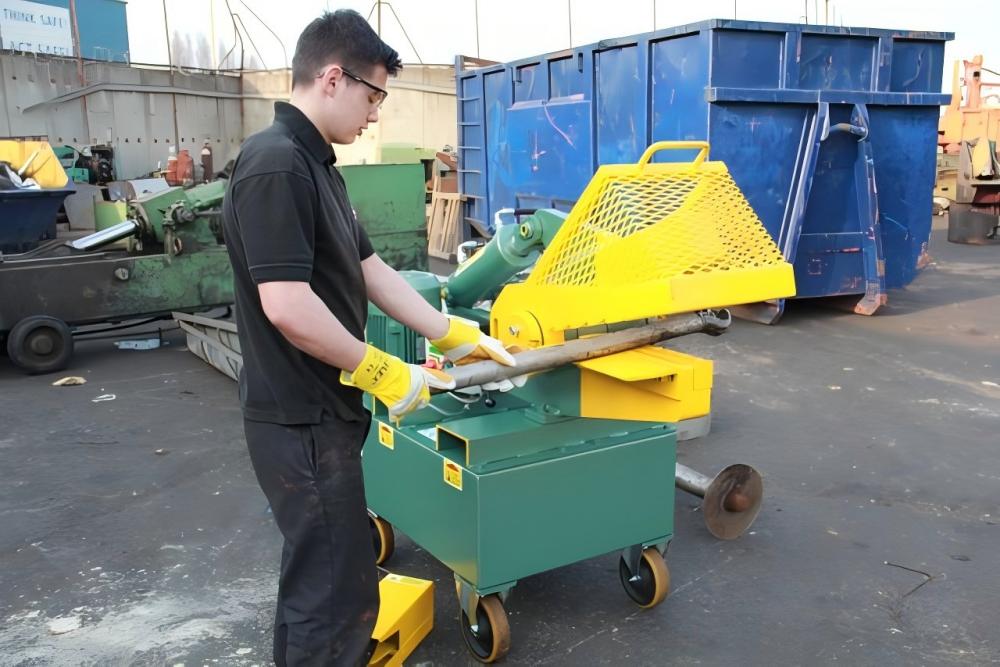
Safety Features: Safety should never be a secondary consideration. Configurations that include protective cages, emergency stop buttons, and sensors that prevent the machine from operating if the guard is open are highly recommended. While these features might add a small percentage to the initial cost, they are invaluable in preventing workplace injuries and the associated legal and insurance costs. Additionally, the design of the “alligator mouth” itself can vary; some have a wider opening to accommodate bulky scrap, while others are optimized for speed with a narrower stroke.
Hidden Costs: Beyond the Initial Purchase
When you select the best alligator shear metal recycling operation, the sticker price is only part of the equation. To avoid budget overruns, you must account for several hidden costs. Shipping and Logistics can be substantial, especially for heavy industrial machinery. Since these machines can weigh several tons, specialized freight and offloading equipment (like heavy-duty forklifts or cranes) are required at your site.
Installation and Commissioning: While many alligator shears are “plug-and-play,” larger units may require professional installation to ensure the hydraulic levels are correct, the electrical wiring meets local codes, and the machine is properly leveled on a reinforced concrete pad. A poorly installed machine will vibrate excessively, leading to premature wear on the bearings and hydraulic seals.
Maintenance and Consumables: Like any hydraulic machine, alligator shears require regular maintenance. This includes periodic hydraulic oil changes (which can involve hundreds of liters of oil), filter replacements, and lubrication of the pivot points. The most frequent maintenance task is blade rotation and sharpening. Most blades have four cutting edges; once one edge is dull, you can rotate it. However, once all four edges are worn, the blades must be professionally ground or replaced. Factor in the cost of a spare set of blades to ensure zero downtime during the sharpening process.
Energy Consumption: A 30kW or 45kW motor running eight hours a day can significantly impact your utility bill. Choosing a machine with an efficient hydraulic circuit that unloads the pump when not under pressure can save thousands of dollars in electricity over the life of the machine.
ROI Calculation: Making the Business Case
The Return on Investment (ROI) for an alligator shear is typically calculated by comparing the increased value of processed scrap against the total cost of ownership. Unprocessed scrap, often referred to as “oversize,” fetches a lower price at the mill or foundry because it requires further processing before it can be melted. By shearing this material into “clean” or “prepared” grades (such as #1 heavy melting steel), you can often increase your margin by $20 to $50 per ton.
Example Calculation:
Assume you process 10 tons of scrap per day. By upgrading from “unprepared” to “prepared” scrap, you gain an extra $30 per ton. That is $300 per day in additional revenue. If the machine costs $15,000 and your daily operating costs (labor, electricity, maintenance) are $100, your net daily gain is $200. In this scenario, the machine pays for itself in just 75 working days. This rapid payback period is why alligator shears are considered one of the most profitable investments in the recycling industry.
Furthermore, consider the labor savings. Manually cutting scrap with a torch is slow, dangerous, and expensive due to the cost of gases (oxygen and acetylene). An alligator shear can do the work of three torch-cutters in a fraction of the time, with significantly higher safety standards and lower per-cut costs.
Expert Buying Advice: How to Choose
To select the best alligator shear metal recycling operation, follow this checklist to ensure you get the right machine for your specific needs:
- Analyze Your Scrap Stream: Don’t buy a 500-ton shear if 90% of your material is aluminum window frames. Conversely, don’t under-buy if you plan to process heavy rebar. Match the tonnage to your thickest 10% of material.
- Check the Cycle Time: In recycling, speed is money. Ask the manufacturer for the “dry cycle time” (the time it takes for the jaw to open and close without material). A faster cycle time means more cuts per hour.
- Verify Component Brands: Ask for a list of the hydraulic and electrical components. Brands like Schneider, Siemens, and Rexroth are global standards, making it much easier to find replacement parts locally if something fails.
- Inspect the Blade Seat: The area where the blade attaches to the arm should be precision-machined. Any play or misalignment here will lead to poor cuts and can eventually shatter the blades.
- Evaluate the Manufacturer’s Support: Choose a partner like HARSLE that offers comprehensive technical support, clear manuals, and a ready stock of wear parts. A machine is only as good as the support behind it when a breakdown occurs.
Frequently Asked Questions (FAQ)
How long do the blades on an alligator shear last?
Blade life depends entirely on the material being cut. If you are cutting soft metals like aluminum, blades can last for several months before needing rotation. If you are cutting hardened steel or rebar, you may need to rotate the blades every few weeks. Most high-quality blades have four usable edges, effectively quadrupling their lifespan before a full replacement is needed.
Can an alligator shear cut stainless steel?
Yes, but stainless steel is much harder than mild steel. When cutting stainless, you should use a shear with a higher tonnage rating than what would be required for the same thickness of mild steel. Additionally, ensure the blades are specifically rated for high-hardness materials to prevent chipping.
What is the difference between an alligator shear and a guillotine shear?
An alligator shear uses a pivoting jaw, making it ideal for long, irregular scrap and smaller pieces. A guillotine shear moves vertically and is typically used for processing very large volumes of heavy scrap or for baling operations. Alligator shears are generally more versatile and affordable for small to medium-sized yards.
Is it better to buy a new or used alligator shear?
While used machines are cheaper, they often come with worn hydraulic seals, dull blades, and fatigued frames. Given the high ROI of these machines, buying new from a reputable manufacturer like HARSLE ensures you get a warranty, modern safety features, and maximum efficiency, which usually outweighs the initial savings of a used unit.
What kind of hydraulic oil should I use?
Most alligator shears use standard anti-wear hydraulic oil (such as ISO 46 or 68). The specific grade depends on your local climate; thinner oil (ISO 32) is better for cold environments, while thicker oil (ISO 68) is better for high-heat operations. Always refer to the manufacturer’s manual for the exact specification.