Vertical Baler vs Horizontal Baler: Which One Is Better for Your Business?

Introduction to Industrial Balers
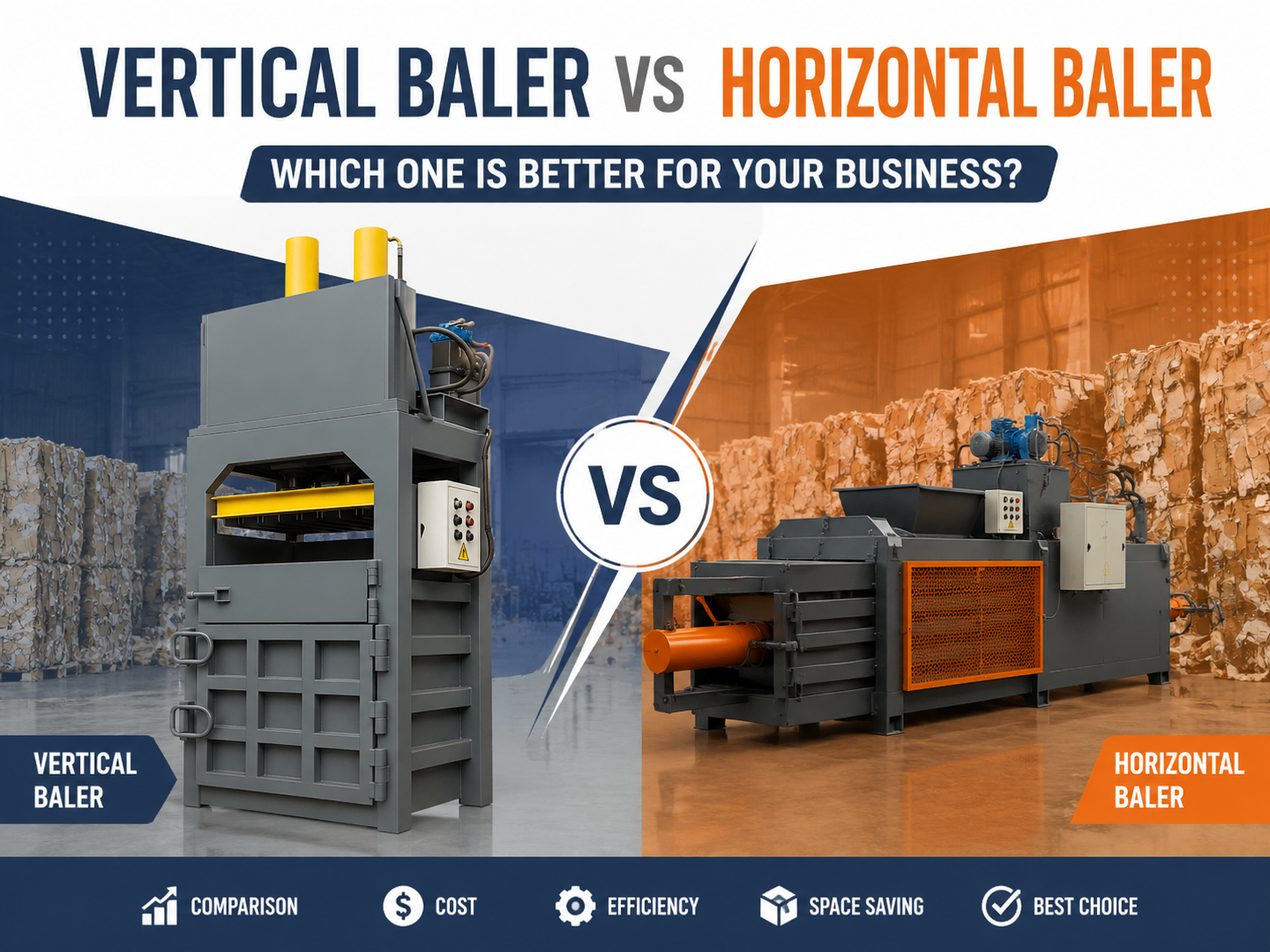
In the modern industrial landscape, waste management is no longer just a logistical necessity; it is a critical component of operational efficiency and environmental sustainability. For businesses dealing with significant volumes of cardboard, plastic, paper, or metal scraps, choosing the right baling equipment is a decision that impacts labor costs, floor space, and revenue from recycled materials. The primary debate usually centers on one question: Vertical Baler Vs Horizontal Baler: Which One Is Better Business?
A baler works by compressing loose waste materials into dense, manageable blocks known as bales. These bales are easier to store, transport, and sell to recycling facilities. However, the mechanical approach, footprint, and throughput of vertical and horizontal units differ significantly. Understanding these differences is essential for any facility manager or business owner looking to optimize their waste stream. This comprehensive guide explores the nuances of both machine types, providing a detailed roadmap for your investment.
Price Range Overview: Initial Investment Costs
The financial entry point for baling technology varies widely based on the machine’s orientation and capacity. Generally, vertical balers are considered the entry-level solution for small to medium-sized enterprises (SMEs). A standard vertical baler can range anywhere from $3,000 to $15,000. These machines are designed for lower volumes and manual operation, making them affordable for retail stores, grocery outlets, and small manufacturing shops.
In contrast, horizontal balers represent a significant step up in both capability and cost. A small, manual-tie horizontal baler might start around $20,000, while high-capacity, fully automated systems used in large-scale recycling centers or massive distribution hubs can exceed $150,000. The higher price tag reflects the complex engineering, larger hydraulic systems, and automation technology required to process tons of material per hour without constant human intervention.
When evaluating the price, it is important to look beyond the sticker price. A vertical baler requires more manual labor per bale, which adds to the long-term operational cost. Conversely, the high initial cost of a horizontal baler is often offset by its ability to process massive volumes with minimal labor, leading to a lower cost-per-ton over the machine’s lifecycle. Businesses must weigh their current capital availability against their projected waste volume to determine which price bracket aligns with their financial health.
Main Cost Drivers in Baler Selection
Several technical factors influence the final price of a baling machine. The most prominent driver is the hydraulic pressure or tonnage. A machine capable of exerting 60 tons of pressure will naturally cost more than one exerting 30 tons. Higher tonnage allows for denser bales, which is critical for maximizing shipping weights and getting the best price from recyclers. The quality of the hydraulic components—pumps, valves, and cylinders—also plays a major role in durability and price.
Material quality and construction are equally important. Industrial balers are subject to immense internal stress. Machines built with high-grade, abrasion-resistant steel and reinforced frames will command a premium but offer a much longer service life. Cheaply made balers may suffer from frame warping or weld failures after a few years of heavy use. At HARSLE, we emphasize the use of heavy-duty steel to ensure that the machine remains a long-term asset rather than a short-term expense.
Another significant cost driver is the control system and automation. Modern balers often feature Programmable Logic Controllers (PLCs) and touch-screen interfaces. These systems allow for precise control over bale size, density, and safety protocols. In horizontal balers, the addition of an automatic tying system (auto-tie) is a major cost factor. While it adds tens of thousands of dollars to the price, it eliminates the need for an operator to manually thread and tie wires, drastically increasing throughput.
Configuration Impact: Vertical vs. Horizontal Mechanics
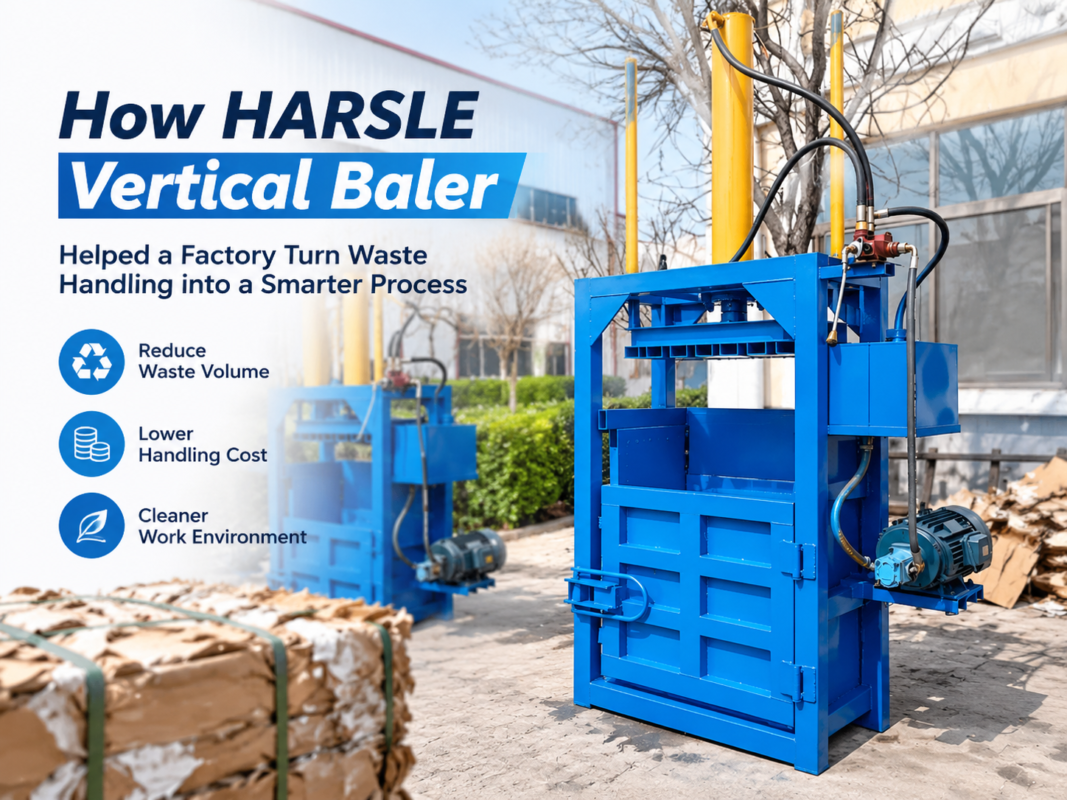
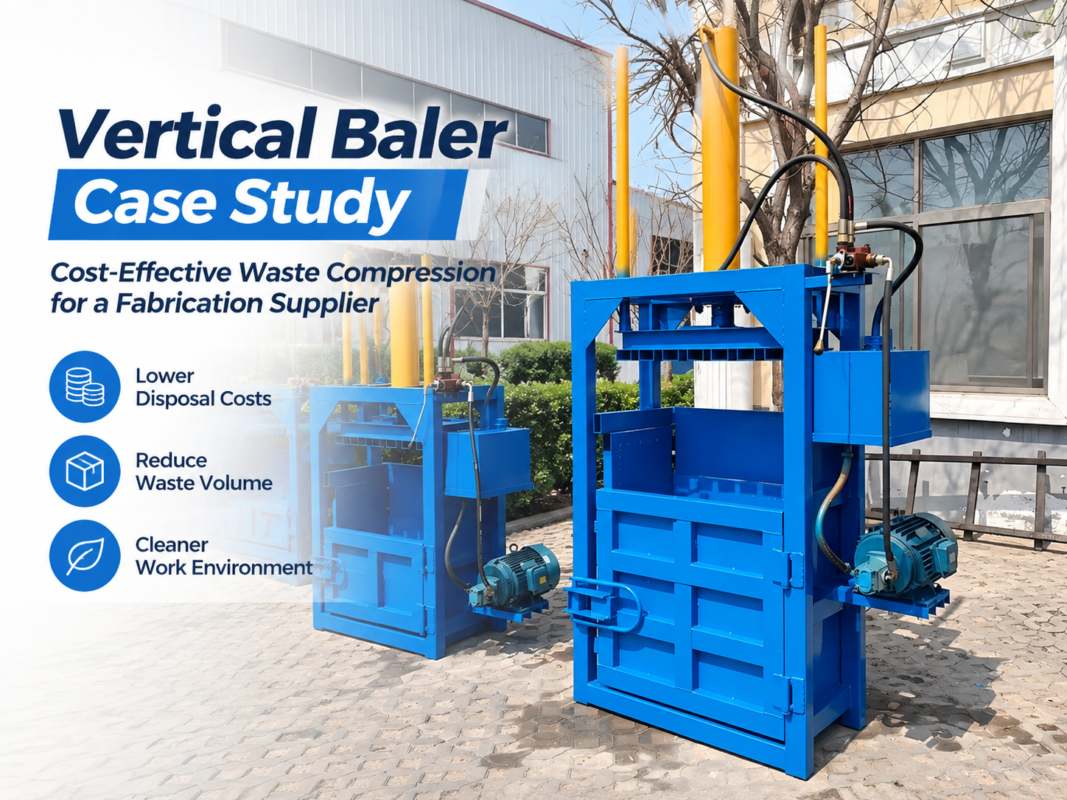
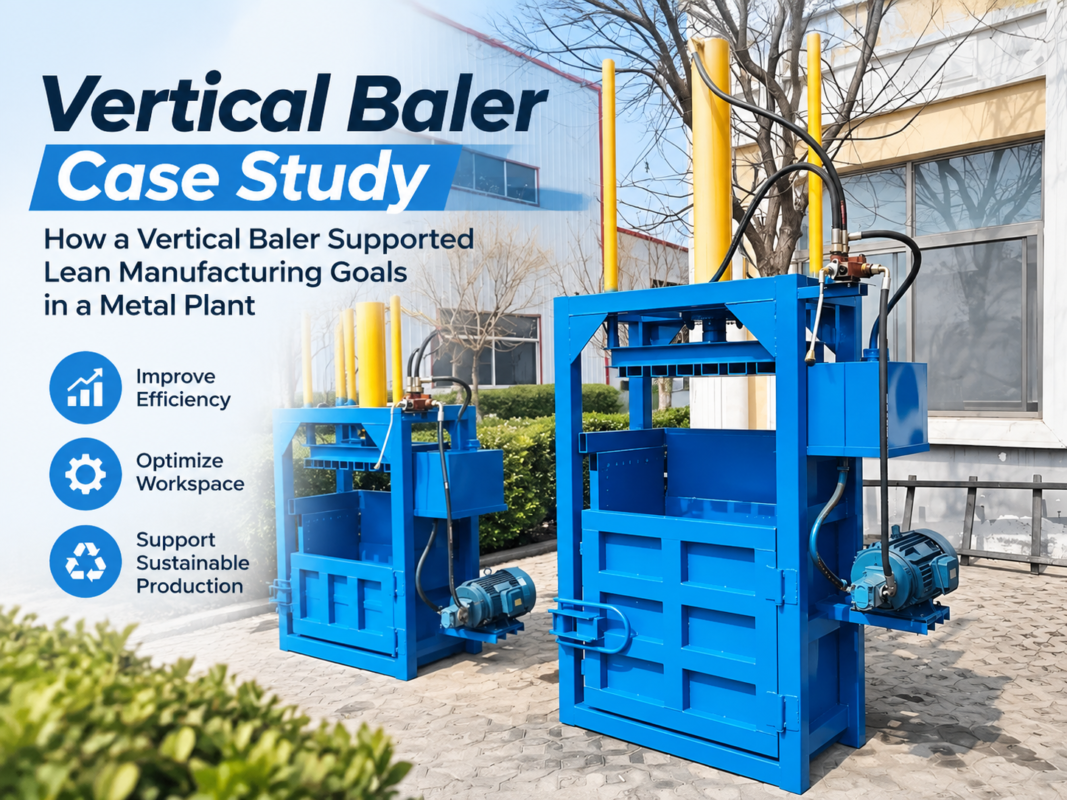
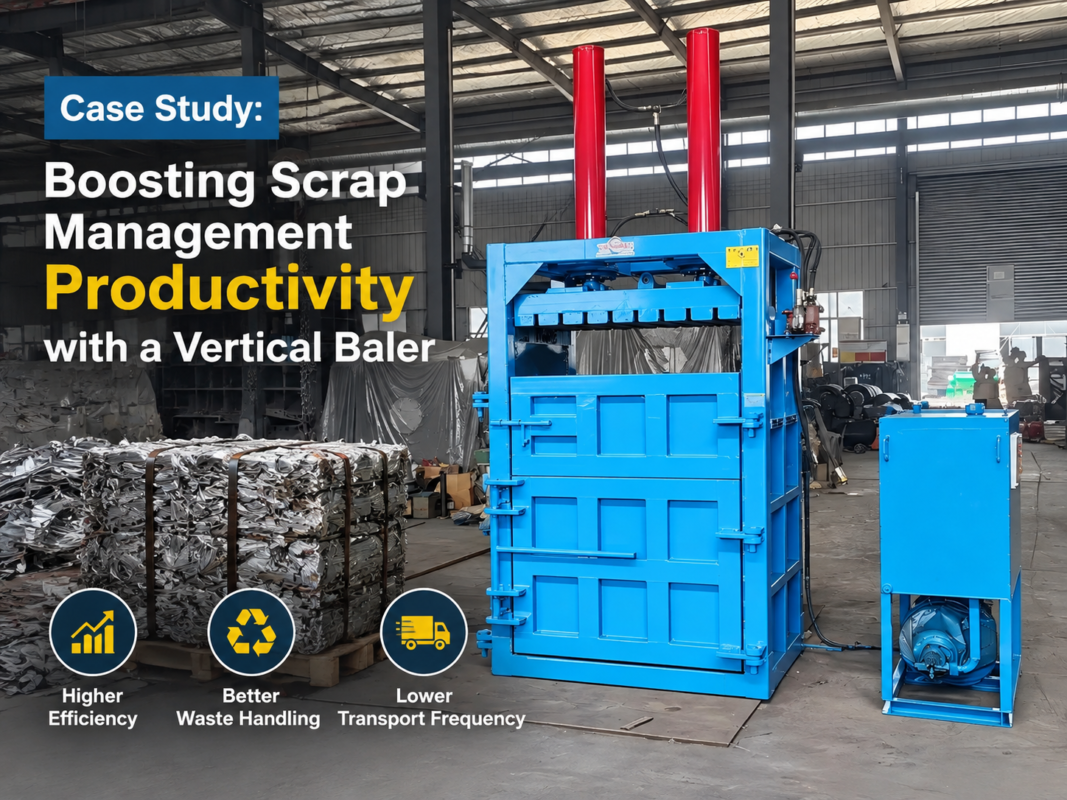
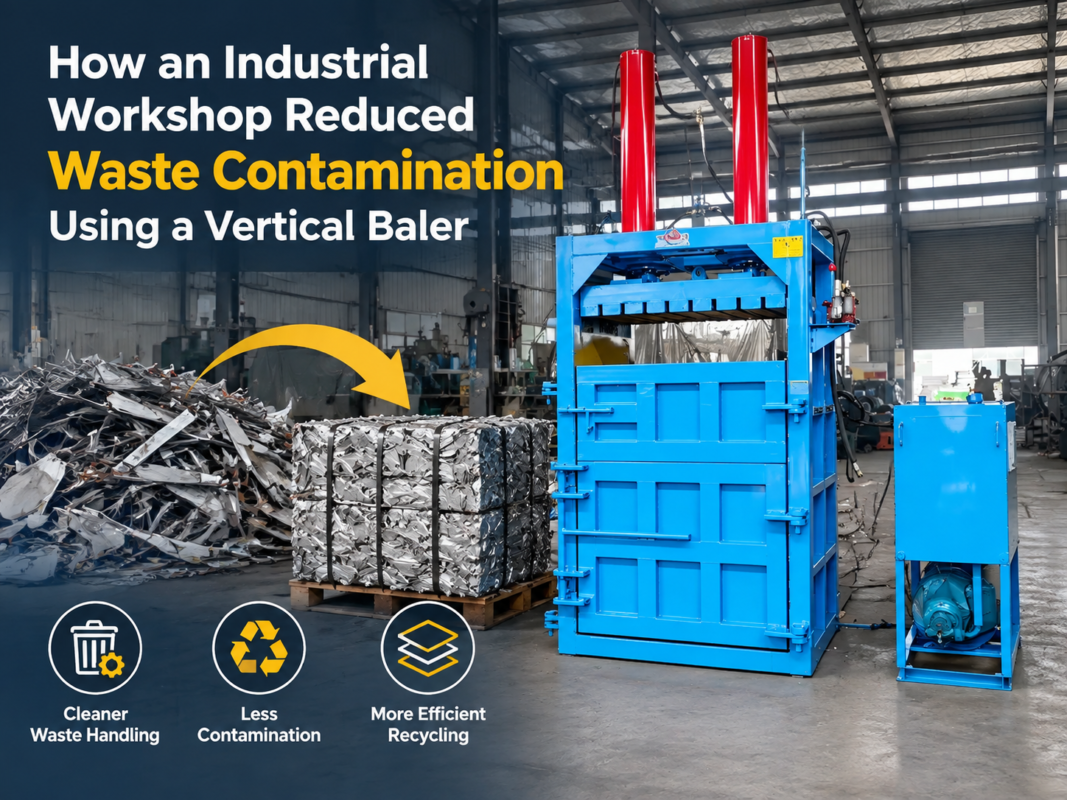
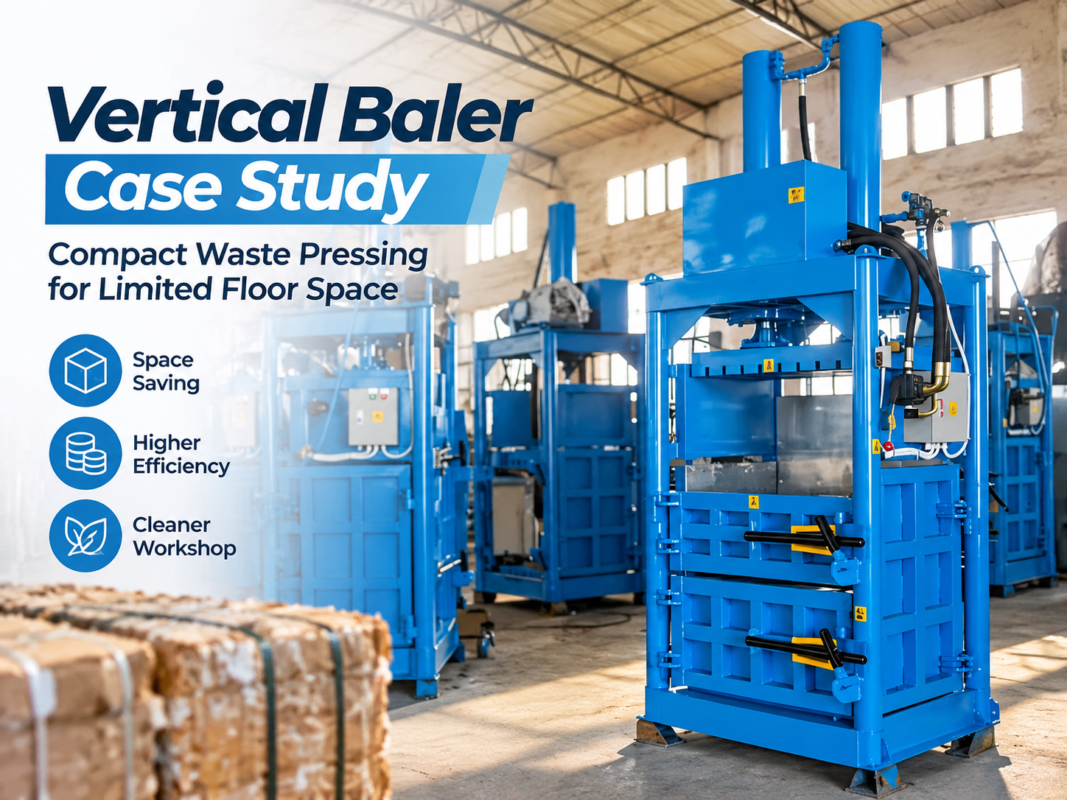
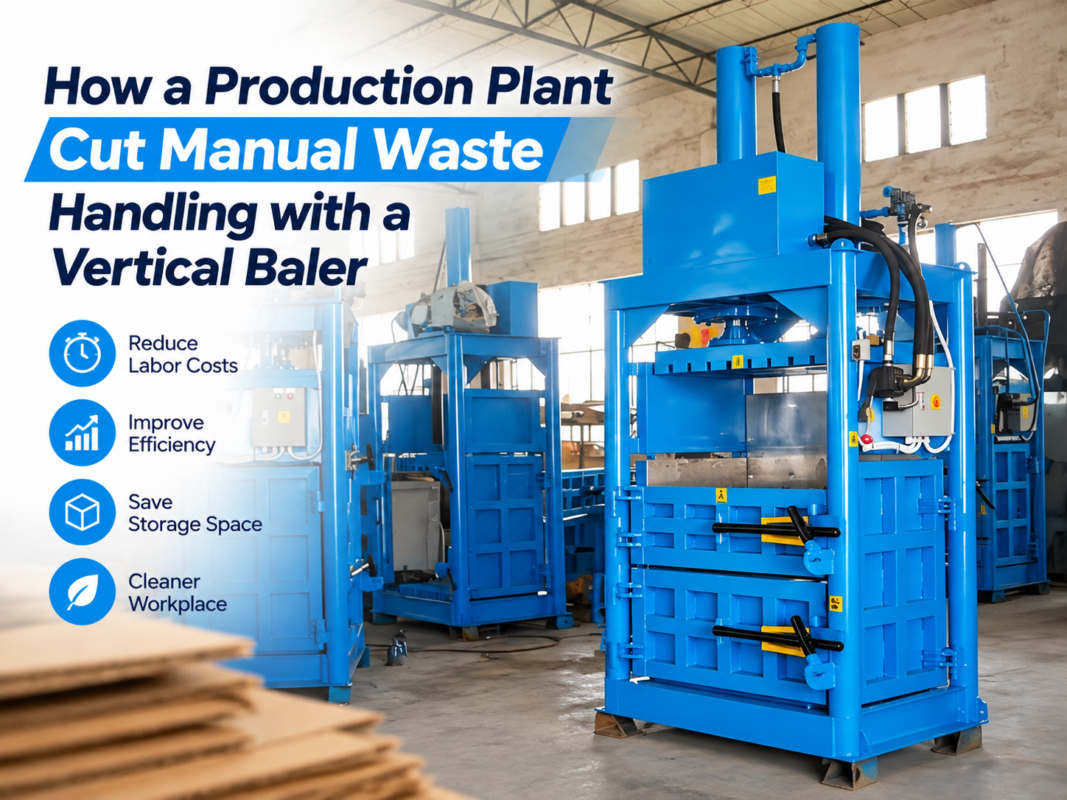
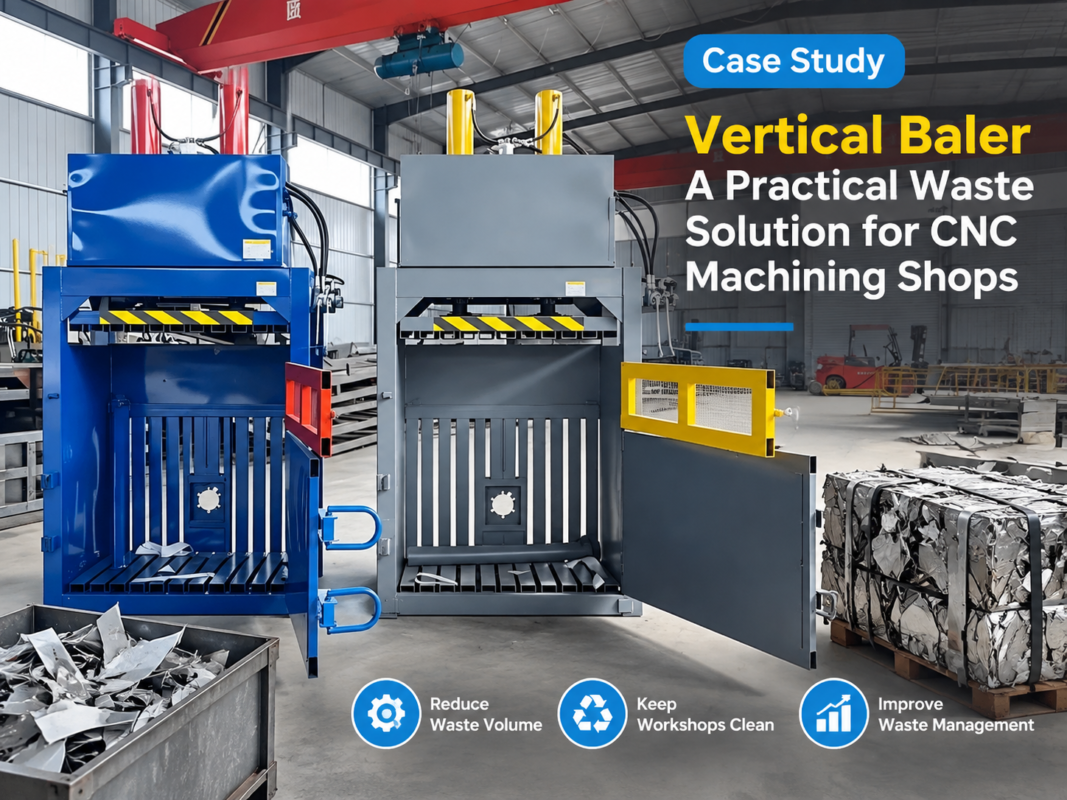
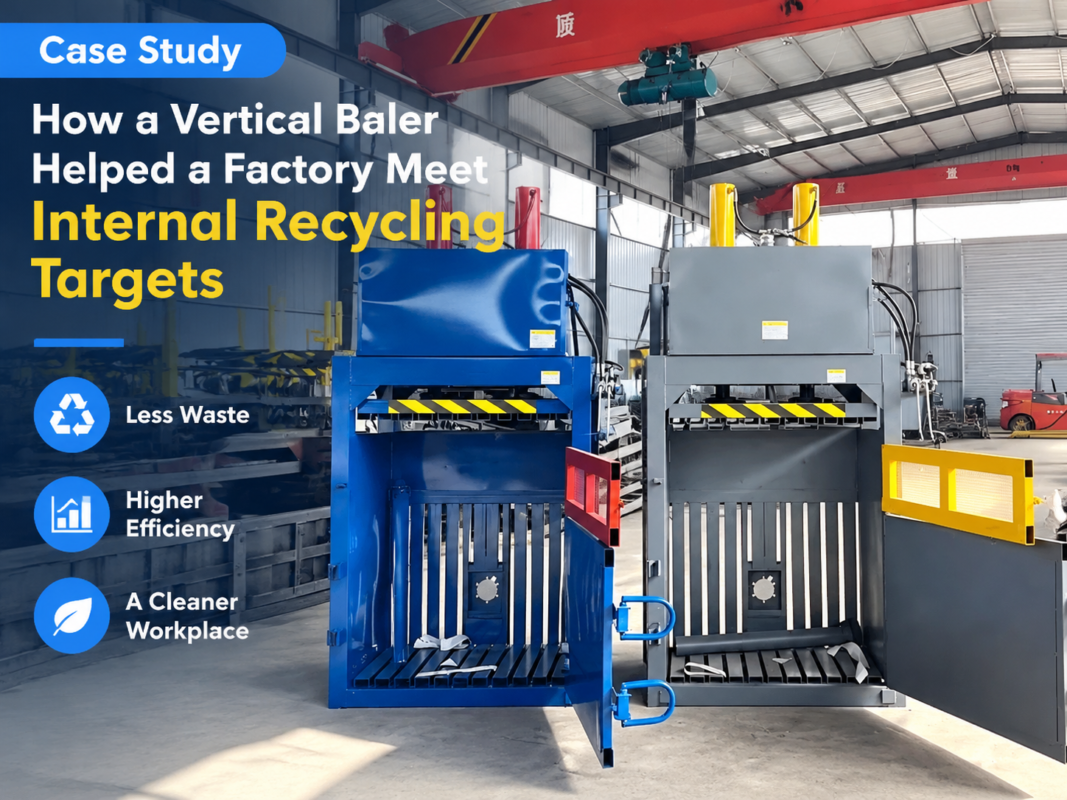
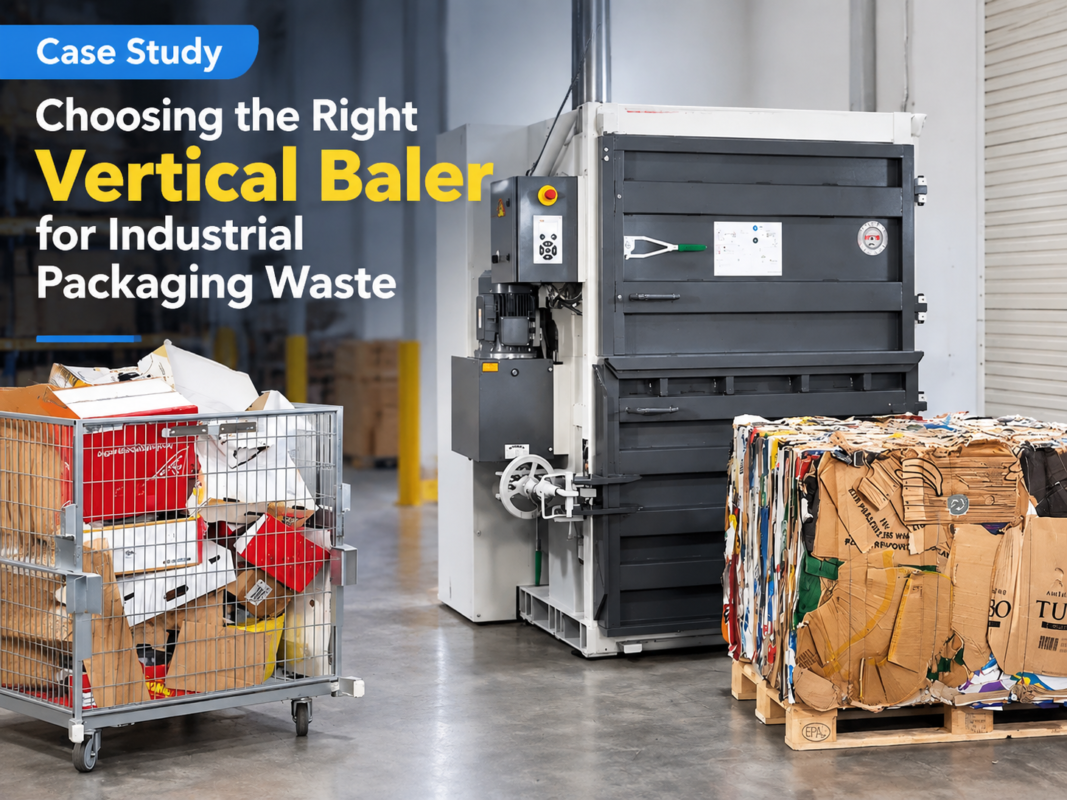
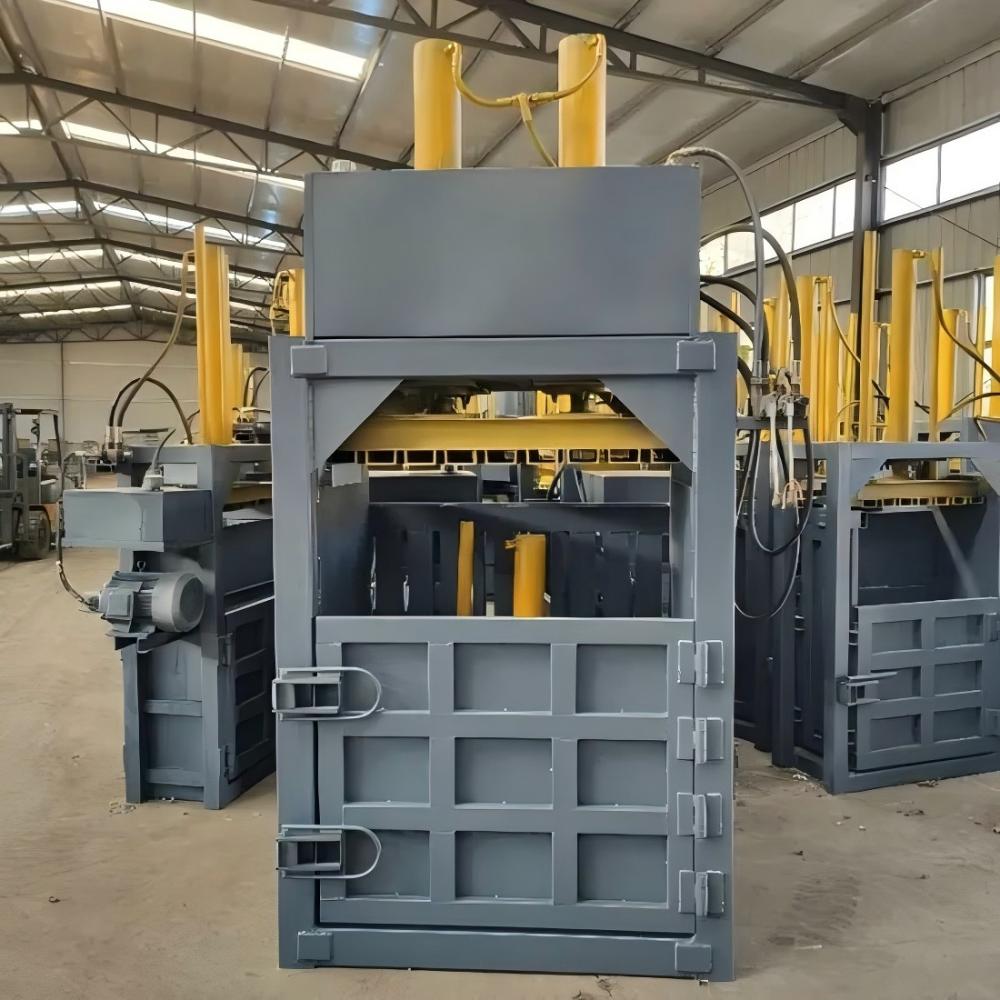
The physical configuration of the baler dictates how it fits into your workflow. Vertical balers operate with a downward-moving platen. The material is loaded through a front gate, and once the chamber is full, the platen compresses the material toward the floor. This design is inherently space-efficient, occupying a small footprint of roughly 4×5 feet. However, it requires a high ceiling to accommodate the vertical travel of the hydraulic cylinder. Vertical balers are “batch” processors, meaning the machine must stop for loading and tying, which limits their speed.
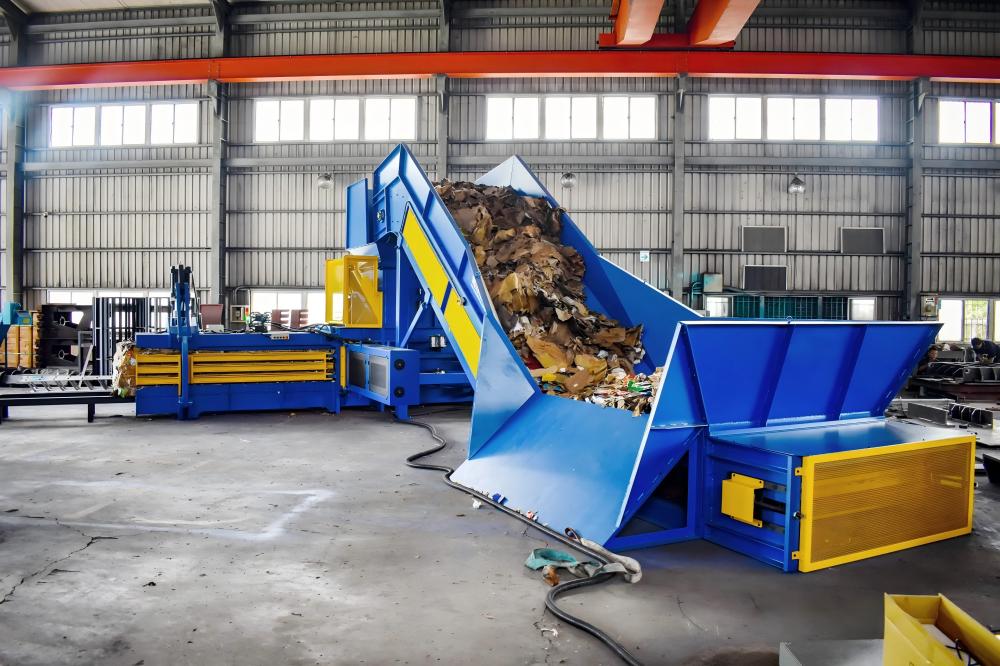
Horizontal balers, as the name suggests, compress material from side to side. They are typically fed from the top via a hopper, often connected to a conveyor belt or air-sort system. This allows for continuous feeding. As the material enters the chamber, a horizontal ram pushes it forward. This configuration is ideal for high-volume environments because it can process a steady stream of waste without stopping. The trade-off is the footprint; horizontal balers are long machines that require significant floor space for both the machine itself and the bale discharge area.
The choice between vertical and horizontal also affects the bale tying process. In a vertical baler, the operator must manually feed wires through the bale and tie them off while the platen holds the material under pressure. This takes several minutes per bale. Horizontal balers can be manual-tie or auto-tie. Auto-tie models use a sophisticated needle and twister mechanism to secure the bale in seconds as it exits the machine. For businesses processing more than 20-30 tons of material per month, the configuration of a horizontal baler becomes almost mandatory to maintain efficiency.
Hidden Costs of Ownership
When asking “Vertical Baler Vs Horizontal Baler: Which One Is Better Business?”, one must consider the expenses that don’t appear on the initial quote. Installation and Rigging are often overlooked. A vertical baler can usually be moved with a heavy-duty forklift, but a horizontal baler may require a crane and professional riggers, costing thousands of dollars. Furthermore, horizontal balers often require specialized electrical work, such as 480V three-phase power, which may necessitate a facility upgrade.
Consumables represent a recurring cost. Both machines use baling wire, but the gauge and type of wire differ. Horizontal balers, especially auto-tie models, require specific wire coils that can be more expensive than the pre-cut shank wires used in vertical balers. Additionally, the volume of wire used is much higher in horizontal systems simply because they produce more bales. Maintenance is another factor; horizontal balers have more moving parts, such as conveyors and tying needles, which require regular lubrication, adjustment, and occasional replacement.
Operator Training and Safety are also hidden costs. Vertical balers are relatively simple to operate but carry risks if safety interlocks are bypassed. Horizontal balers are complex industrial systems that require more intensive training for safe operation and basic troubleshooting. Investing in proper training reduces the risk of expensive downtime and workplace injuries, which can be devastating to a business’s bottom line. Finally, consider the cost of floor space. In a premium warehouse location, the 200-300 square feet occupied by a horizontal baler has a higher “rent cost” than the 20 square feet needed for a vertical unit.
ROI Calculation: When Does the Investment Pay Off?
Calculating the Return on Investment (ROI) for a baler involves three main variables: labor savings, waste disposal savings, and revenue from bale sales. To determine which is better for your business, you must run the numbers for your specific volume. For a small retail store producing 5 tons of cardboard a month, a vertical baler is the clear winner. The labor to tie 10-12 bales a month is minimal, and the $5,000 investment might pay for itself in 18 months through reduced dumpster pick-up fees.
However, for a distribution center producing 100 tons of cardboard a month, a vertical baler would be a bottleneck. The labor required to manually load and tie that much material would require multiple full-time employees. In this scenario, a $60,000 horizontal baler with a conveyor feed might pay for itself in less than a year. The automation reduces labor to a fraction of a man-hour per day, and the high-density bales fetch a higher price from recyclers because they maximize the weight of every truckload leaving the facility.
The formula for ROI is: (Annual Waste Savings + Annual Labor Savings + Annual Bale Revenue) / (Initial Cost + Annual Operating Costs). If the resulting number shows a payback period of under 3 years, the investment is generally considered sound. Most industrial users find that as volume increases, the ROI of a horizontal baler improves exponentially compared to a vertical one, despite the higher upfront cost.
Buying Advice: Making the Right Choice
Choosing between a vertical and horizontal baler requires a cold, hard look at your data. Start by auditing your waste. How many tons of material do you generate per week? If it’s under 10 tons, a vertical baler is almost always the right choice. It’s affordable, easy to place, and handles various materials like plastic film and cardboard with ease. If you generate more than 30 tons per week, a horizontal baler is virtually a necessity to keep up with the flow and keep labor costs under control.
Consider your material type. If you are baling bulky items like large appliance boxes or stiff plastic crates, a horizontal baler with a large feed opening and high shear force is better. Vertical balers can struggle with very bulky items that don’t fit easily into the chamber. Also, think about your future growth. If your business is expanding, buying a vertical baler now might result in you outgrowing the machine in two years. It may be wiser to invest in a small horizontal baler that can handle your projected volume for the next decade.
Finally, evaluate your facility layout. Do you have the ceiling height for a vertical baler? Do you have the floor length for a horizontal one? Where will the bales be stored before pickup? A baler is part of a larger ecosystem. At HARSLE, we recommend consulting with an equipment expert who can look at your floor plan and waste volume to provide a tailored recommendation. The “better” business choice is the one that integrates seamlessly into your existing operations without creating new bottlenecks.
Frequently Asked Questions (FAQ)
1. How long does an industrial baler typically last?
With proper maintenance, a high-quality vertical or horizontal baler can last 15 to 20 years. Key components like the hydraulic pump or motor may need replacement or rebuilding every 7-10 years, but the structural frame is built for long-term industrial use.
2. Can I bale different materials in the same machine?
Yes, most balers can handle cardboard, paper, and various plastics. However, you must clear the chamber between different materials to avoid contaminating the bales, which would lower their recycling value. Some horizontal balers are specifically designed for metal scraps and may not be suitable for light plastics.
3. Is a vertical baler safer than a horizontal baler?
Both machines are safe if operated according to manufacturer guidelines. Vertical balers have safety gates that must be closed for the machine to cycle. Horizontal balers often have more complex safety systems, including light curtains and emergency stop pull-cords, especially when integrated with conveyors.
4. Do I need a special permit to operate a baler?
Generally, no special permit is required for the machine itself, but you must comply with OSHA (in the US) or local safety regulations regarding machinery. You should also check with your local fire marshal regarding the storage of large quantities of combustible baled material.
5. What is the difference between a closed-door and an open-end horizontal baler?
A closed-door horizontal baler compresses the material against a solid door, which is opened to eject the finished bale. This is great for high-density requirements. An open-end (or extrusion) baler compresses material against the friction of the previous bales in a long chute, allowing for continuous, high-speed production.
6. How much space is needed for bale storage?
This depends on your pickup frequency. A standard bale is roughly 60x30x48 inches. You should have enough space to store at least one full truckload (usually 20-30 bales) to get the best transport rates from your recycling partner.
7. Does HARSLE provide installation support?
Yes, HARSLE offers comprehensive support, including technical documentation, video guidance, and professional consultation to ensure your baler is installed and calibrated correctly for your specific material and workflow needs.