Routine Inspection Checklist for Vertical Balers in Heavy-Duty Production

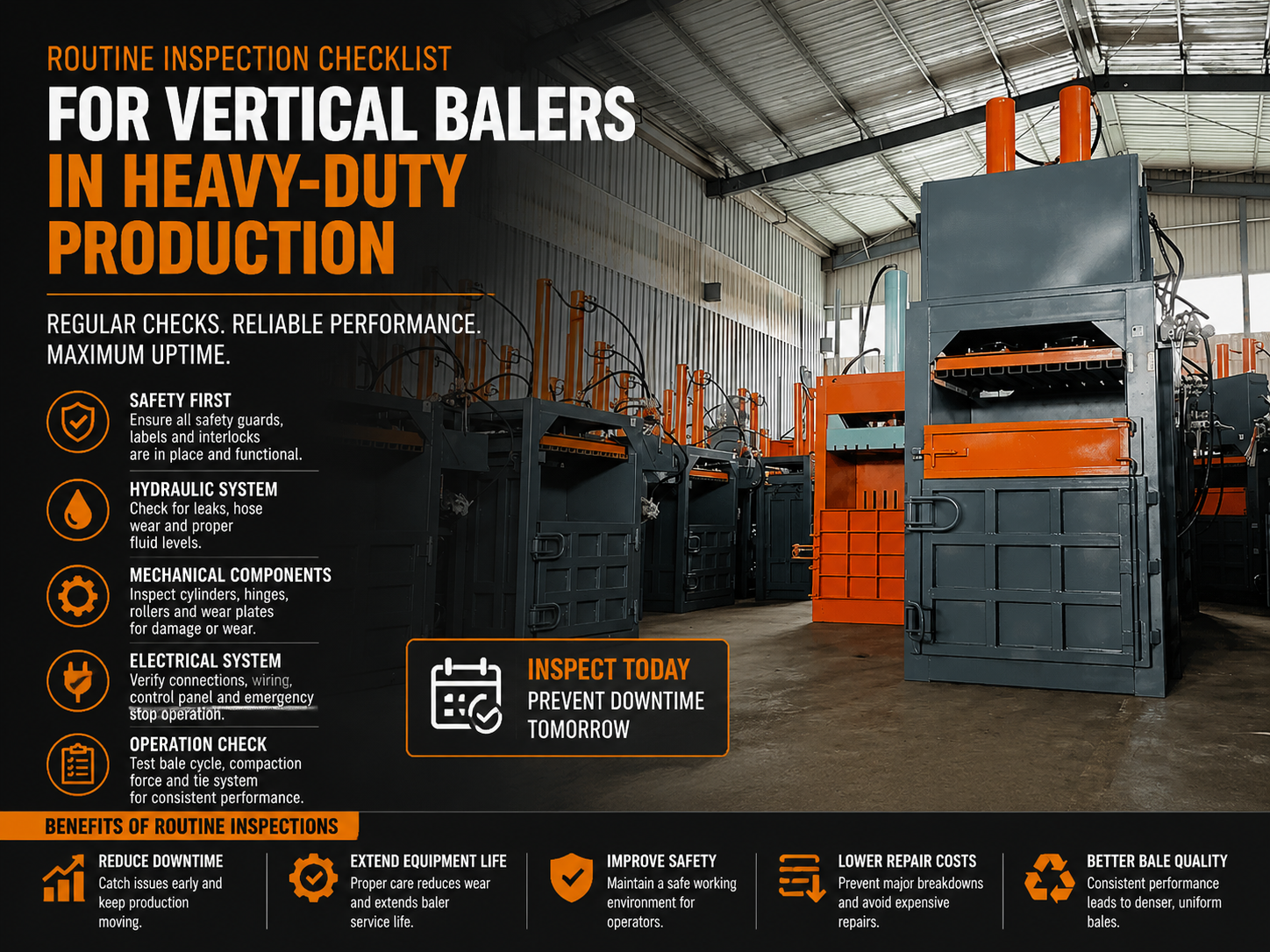
Technical Overview of Vertical Balers in Industrial Environments
Vertical balers are indispensable assets in modern heavy-duty production environments, serving as the primary mechanism for volume reduction of waste materials such as cardboard, plastics, and non-ferrous metals. Unlike horizontal balers, which require significant floor space, vertical balers utilize a downward-pressing hydraulic ram to compress materials into dense, manageable bales. In a heavy-duty production setting, these machines often operate across multiple shifts, processing tons of material daily. This high-intensity usage necessitates a rigorous Routine Inspection Checklist Vertical Balers In Heavy-Duty Production to prevent catastrophic mechanical failure and ensure operator safety.
The core of a vertical baler consists of a heavy-duty steel frame, a hydraulic power unit (HPU), a pressing platen, and a control system. The structural integrity of the frame is paramount, as it must withstand the reactive forces generated during the compression cycle, which can range from 10 to over 100 tons of force. In heavy-duty applications, the hydraulic system is subjected to high thermal loads and pressure fluctuations. Understanding the technical synergy between the hydraulic fluid, the cylinder seals, and the electrical logic is the first step in establishing an effective maintenance protocol.
HARSLE vertical balers are engineered with precision-machined components designed for longevity. However, even the most robust machinery is susceptible to wear and tear. Factors such as dust accumulation, hydraulic fluid contamination, and structural fatigue can compromise performance. A systematic inspection routine ensures that minor issues—like a weeping seal or a loose proximity sensor—are addressed before they escalate into expensive repairs or workplace accidents. This guide provides a deep dive into the technical parameters and inspection steps required to keep your vertical baler operating at peak efficiency.
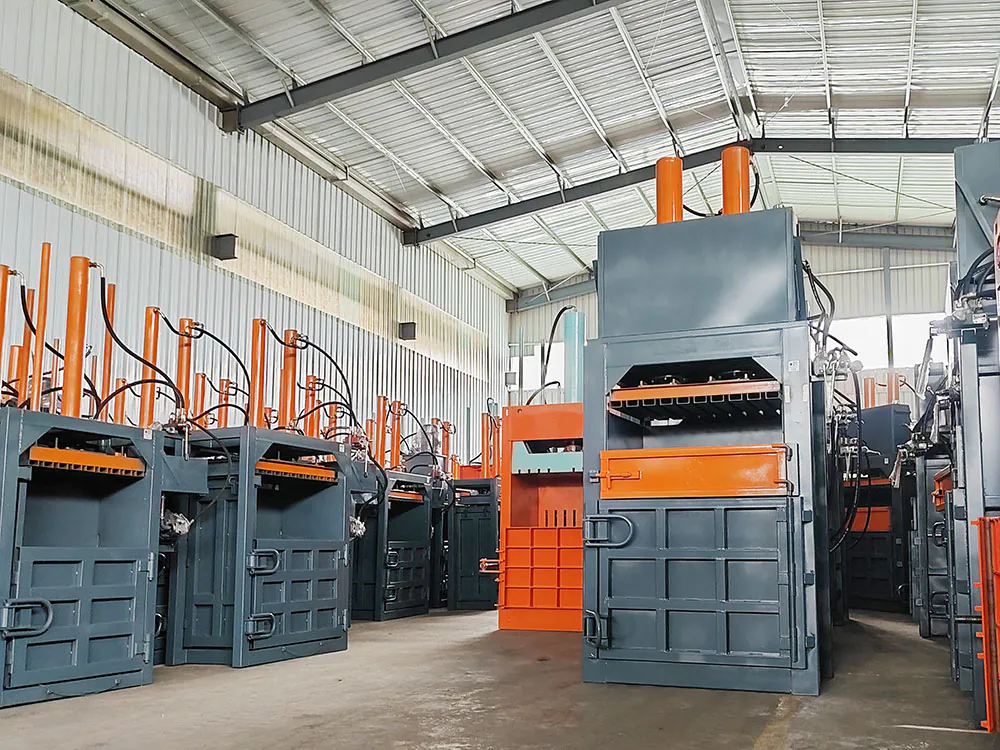
Core Parameters of Heavy-Duty Vertical Balers
When evaluating the health of a vertical baler, one must look beyond the exterior and analyze the core technical parameters that define its operation. These parameters serve as the baseline for any Routine Inspection Checklist Vertical Balers In Heavy-Duty Production. If a machine deviates from these specifications, it is a clear indicator that maintenance is required.
- Nominal Pressure (Tonnage): This is the maximum force the hydraulic ram can exert. In heavy-duty production, maintaining consistent tonnage is critical for achieving the desired bale density. A drop in pressure often indicates internal leakage in the cylinder or a failing hydraulic pump.
- Cycle Time: The time it takes for the platen to travel from its home position to the bottom of the stroke and back. An increase in cycle time suggests issues with hydraulic flow, potentially caused by a clogged suction filter or a worn-out motor.
- Motor Power (kW/HP): The electrical motor drives the hydraulic pump. Monitoring the motor’s current draw can reveal if the system is working harder than intended due to mechanical friction or hydraulic blockages.
- Bale Dimensions and Weight: While these are output parameters, they reflect the machine’s efficiency. Inconsistent bale weights often point to issues with the material feed or the limit switch settings that control the stroke length.
- Oil Temperature: Hydraulic systems operate best within a specific temperature range (usually 30°C to 50°C). Excessive heat degrades the oil’s viscosity, leading to accelerated wear on valves and seals.
Calculation Method for Baler Performance and Efficiency
To maintain a high-performance production line, engineers must be able to calculate the efficiency of their vertical balers. These calculations help in identifying whether the machine is meeting its rated capacity or if there is a hidden bottleneck in the system.
1. Bale Density Calculation
Bale density is a key metric for logistics and shipping costs. It is calculated using the following formula:
Density (D) = Weight of the Bale (W) / Volume of the Bale (V)
Where Volume (V) = Length × Width × Height. If the density starts to decrease while the material type remains constant, it indicates that the hydraulic system is not reaching its full pressure potential during the final compression stage.
2. Throughput Capacity
Throughput is essential for planning production schedules. It can be calculated as:
Throughput (T) = (60 / Cycle Time in minutes) × Bale Weight
This calculation allows managers to determine how many tons per hour the baler can realistically process. If the actual throughput is significantly lower than the calculated throughput, the inspection should focus on the loading efficiency and the speed of the hydraulic ram.
3. Hydraulic Pressure to Force Conversion
Understanding the relationship between the pressure gauge reading (PSI/Bar) and the actual force (Tons) is vital for troubleshooting. The formula is:
Force (F) = Pressure (P) × Area of the Cylinder Piston (A)
If the gauge shows high pressure but the material isn’t compressing, there may be a mechanical obstruction or the platen may be misaligned, causing energy to be lost to friction against the side walls.
Technical Parameter Table for HARSLE Vertical Balers
The following table outlines the typical specifications for heavy-duty vertical balers used in industrial production. Use these as a reference point during your routine inspections.
| Parameter | Standard Duty (30T) | Heavy Duty (60T) | Ultra-Industrial (100T+) |
|---|---|---|---|
| Nominal Force | 300 kN | 600 kN | 1000+ kN |
| Bale Size (L*W*H) mm | 800x600x600 | 1100x750x1000 | 1200x1100x1200 |
| Motor Power | 7.5 kW | 15 kW | 22-30 kW |
| Cycle Time | 35 Seconds | 45 Seconds | 60 Seconds |
| Machine Weight | 1,500 kg | 3,500 kg | 6,000+ kg |
| Oil Tank Capacity | 100 L | 250 L | 400+ L |
Common Engineering Mistakes in Baler Operation
In heavy-duty production, small operational errors can lead to significant downtime. Identifying these common engineering mistakes is a core part of the Routine Inspection Checklist Vertical Balers In Heavy-Duty Production.
1. Overloading the Chamber: Operators often try to maximize efficiency by stuffing as much material as possible into the chamber. This can cause the platen to tilt or the hydraulic system to bypass at the wrong stage of the cycle, leading to uneven bales and structural stress on the guide rails.
2. Neglecting Hydraulic Oil Quality: Many facilities treat hydraulic oil as a “fill and forget” component. In reality, oil degrades due to oxidation and contamination. Using oil with the wrong viscosity or failing to change filters leads to valve sticking and pump cavitation. Regular oil analysis is recommended for heavy-duty machines.
3. Improper Wire Tensioning: When tying off bales, inconsistent tensioning can cause the bale to expand unevenly once ejected. This not only makes the bales difficult to stack but can also damage the ejection mechanism if the bale becomes wedged in the chamber.
4. Ignoring Safety Interlock Wear: Safety gates and emergency stops are often bypassed or ignored when they become finicky. This is a critical engineering and safety failure. A routine inspection must verify that all limit switches and interlocks are functioning correctly to prevent the ram from operating while the door is open.
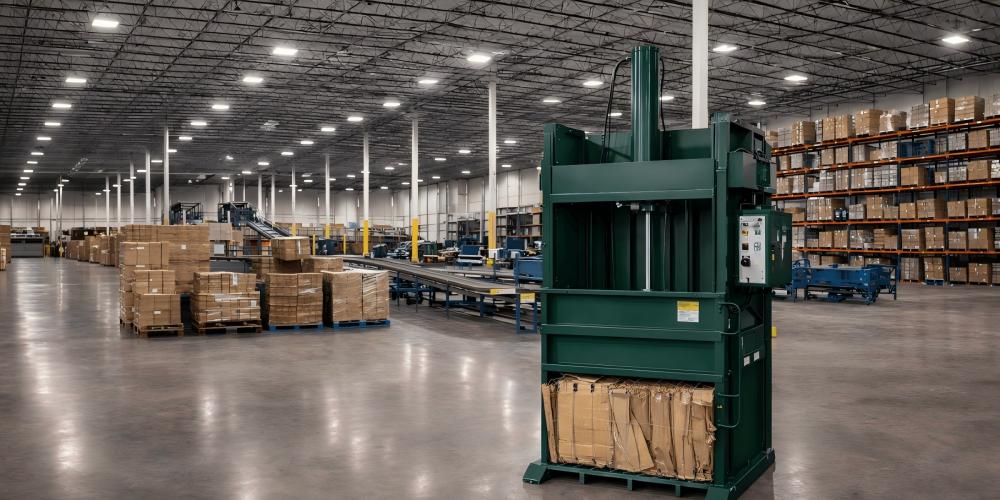
Comprehensive Routine Inspection Checklist
To ensure the longevity of your HARSLE vertical baler, follow this structured inspection checklist. This list is divided into daily, weekly, and monthly tasks to provide a clear roadmap for maintenance teams.
Daily Inspection Tasks
- Check Oil Levels: Ensure the hydraulic fluid is at the correct level on the sight glass. Low oil can lead to air being sucked into the pump.
- Inspect for Leaks: Look for puddles or damp spots around hoses, fittings, and the cylinder rod. Even a small leak can indicate a failing seal.
- Test Emergency Stops: Verify that all E-stop buttons immediately halt the machine’s movement.
- Clean the Chamber: Remove debris from behind the platen and around the limit switches to prevent mechanical interference.
- Listen for Unusual Noises: High-pitched whining or grinding sounds often signal pump or motor issues.
Weekly Inspection Tasks
- Inspect Hydraulic Hoses: Check for abrasions, kinks, or bulging. Hoses in heavy-duty production are under constant pressure and can burst if the outer casing is compromised.
- Check Bolt Tightness: Use a torque wrench to verify that the mounting bolts for the motor, pump, and cylinder are secure. Vibration can loosen these over time.
- Lubricate Moving Parts: Apply grease to the door hinges, locking mechanisms, and platen guide tracks.
- Inspect Electrical Wiring: Look for frayed wires or loose connections in the control box.
Monthly and Quarterly Tasks
- Hydraulic Oil Analysis: Take a sample of the oil to check for metal particles or water contamination.
- Filter Replacement: Replace the return line and suction filters regardless of their appearance to ensure optimal flow.
- Structural Weld Inspection: Use a flashlight to inspect the main frame welds for signs of stress cracking, especially near the cylinder mount.
- PLC Battery Check: If your baler uses a PLC, ensure the backup battery is still functional to prevent loss of programming during power outages.
Selection Checklist for Heavy-Duty Vertical Balers
Choosing the right baler is just as important as maintaining it. If you are in the market for a new unit, use this selection checklist to ensure the machine can handle the rigors of heavy-duty production.
- Material Compatibility: Does the baler have the correct shear blades or platen design for your specific waste stream (e.g., plastic vs. cardboard)?
- Volume Requirements: Calculate your daily waste volume. If you produce more than 10-15 bales per day, you may need a high-speed power unit or a larger chamber size.
- Space Constraints: Measure the ceiling height. Vertical balers require significant overhead clearance for the cylinder stroke.
- Safety Certifications: Ensure the machine meets CE, UL, or OSHA standards. Look for features like dual-hand controls and safety cages.
- Ease of Maintenance: Are the hydraulic components and electrical panels easily accessible? HARSLE designs prioritize serviceability to reduce downtime.
- Total Cost of Ownership: Consider not just the purchase price, but the cost of replacement parts, energy consumption, and the expected lifespan of the machine.
Frequently Asked Questions (FAQ)
1. How often should I change the hydraulic oil in my vertical baler?
For heavy-duty production, we recommend changing the hydraulic oil every 2,000 operating hours or once a year, whichever comes first. However, if the oil appears cloudy or smells burnt, it should be changed immediately.
2. Why is my baler not reaching full pressure?
This is usually caused by one of three things: a faulty relief valve, internal leakage in the hydraulic cylinder (worn seals), or a worn-out hydraulic pump that can no longer generate the required flow against pressure.
3. Can I bale metal scraps in a standard vertical cardboard baler?
Standard cardboard balers are not designed for the abrasive nature and high rebound of metal scraps. For metal, you should use a reinforced vertical baler specifically rated for non-ferrous metals to avoid damaging the platen and frame.
4. What is the most common cause of baler downtime?
The most common cause is poor housekeeping. Debris getting trapped behind the platen or interfering with limit switches accounts for a large percentage of service calls. Regular cleaning is the simplest way to prevent downtime.
5. How do I know if my baler’s structure is failing?
Look for signs of “oil canning” (metal flexing), cracked paint around joints (indicating metal fatigue), or the platen sitting at an angle. If you notice any of these, stop the machine and consult a structural engineer or the manufacturer.
6. Is it necessary to warm up the baler in cold weather?
Yes. In cold environments, hydraulic oil becomes thick and viscous. Running the machine through a few empty cycles allows the oil to circulate and reach an optimal operating temperature, protecting the pump from cavitation.
By adhering to this Routine Inspection Checklist Vertical Balers In Heavy-Duty Production, facilities can ensure that their HARSLE machinery remains a reliable pillar of their waste management strategy. Consistent maintenance not only extends the life of the equipment but also fosters a culture of safety and efficiency in the workplace.