Vertical Baler Applications in Metal Scrap Collection and Material Recovery: A Comprehensive Technical Guide

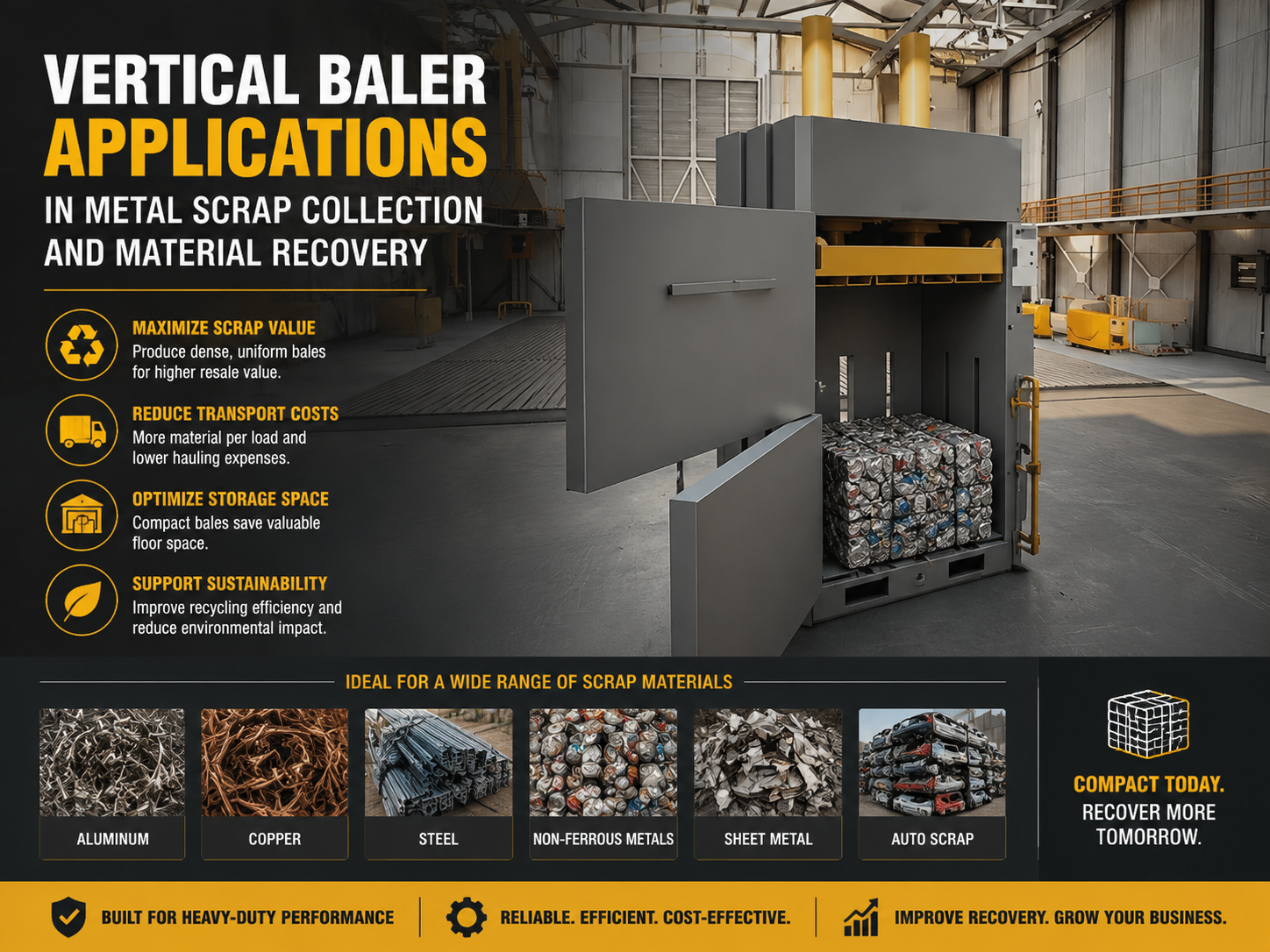
Technical Overview of Vertical Baler Applications in Metal Scrap Collection and Material Recovery
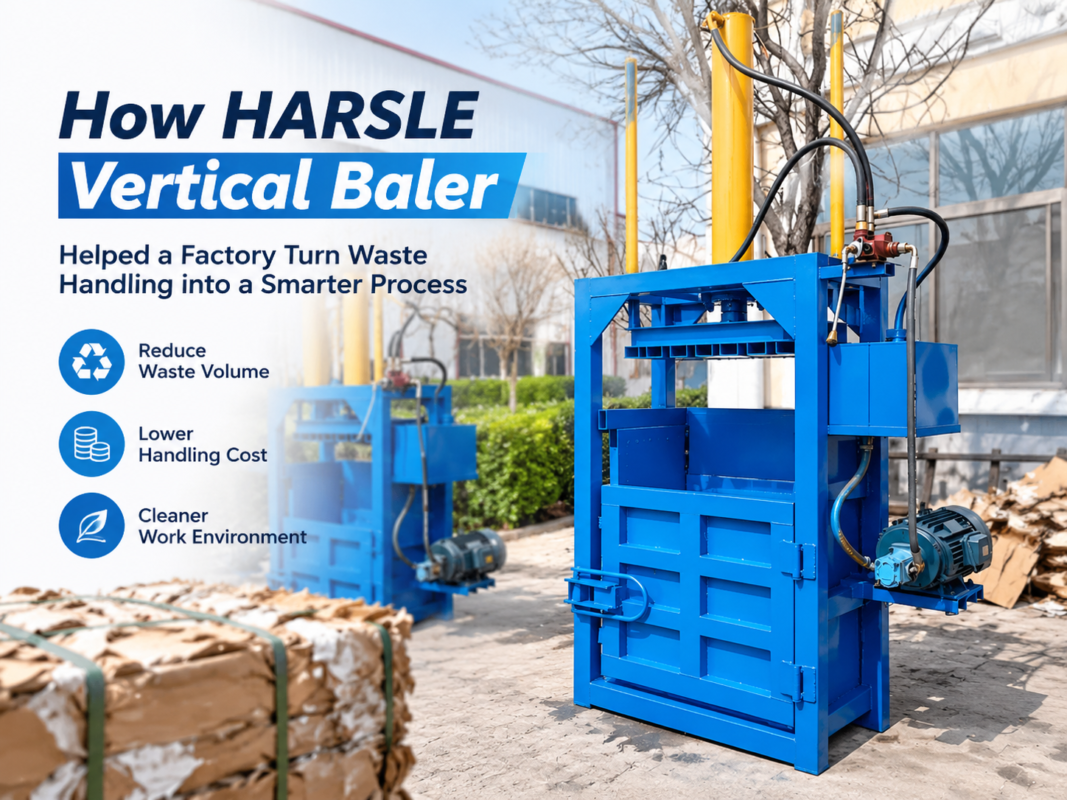
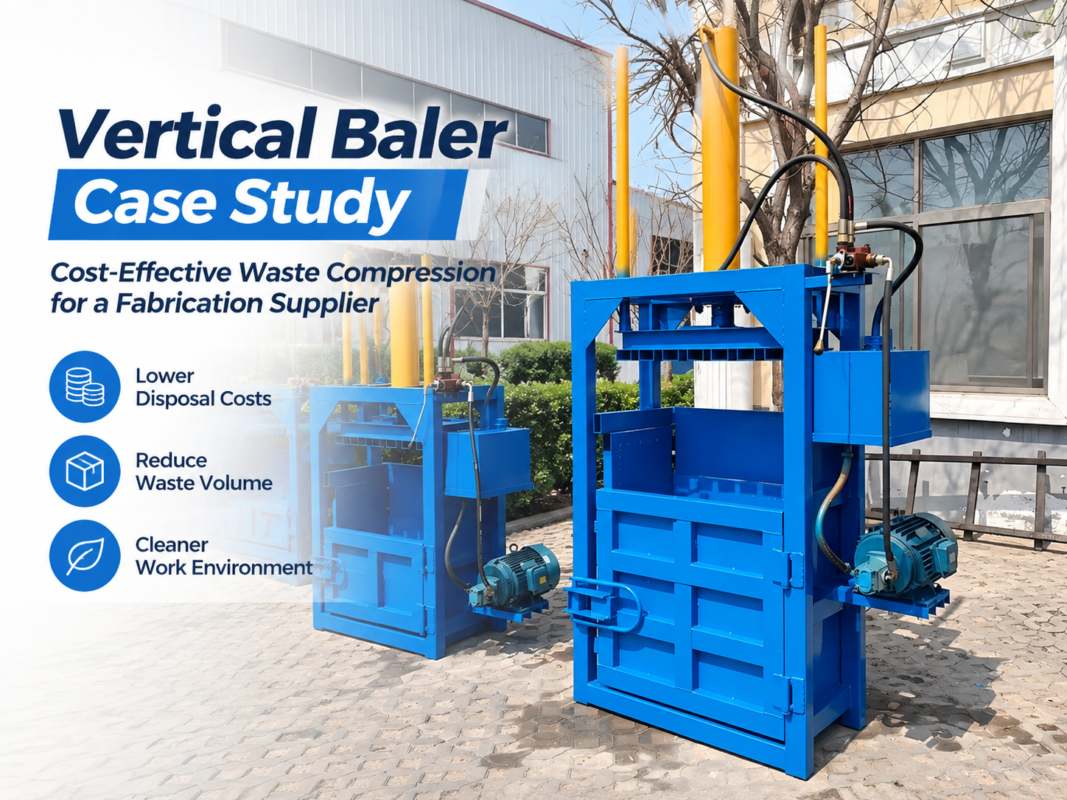
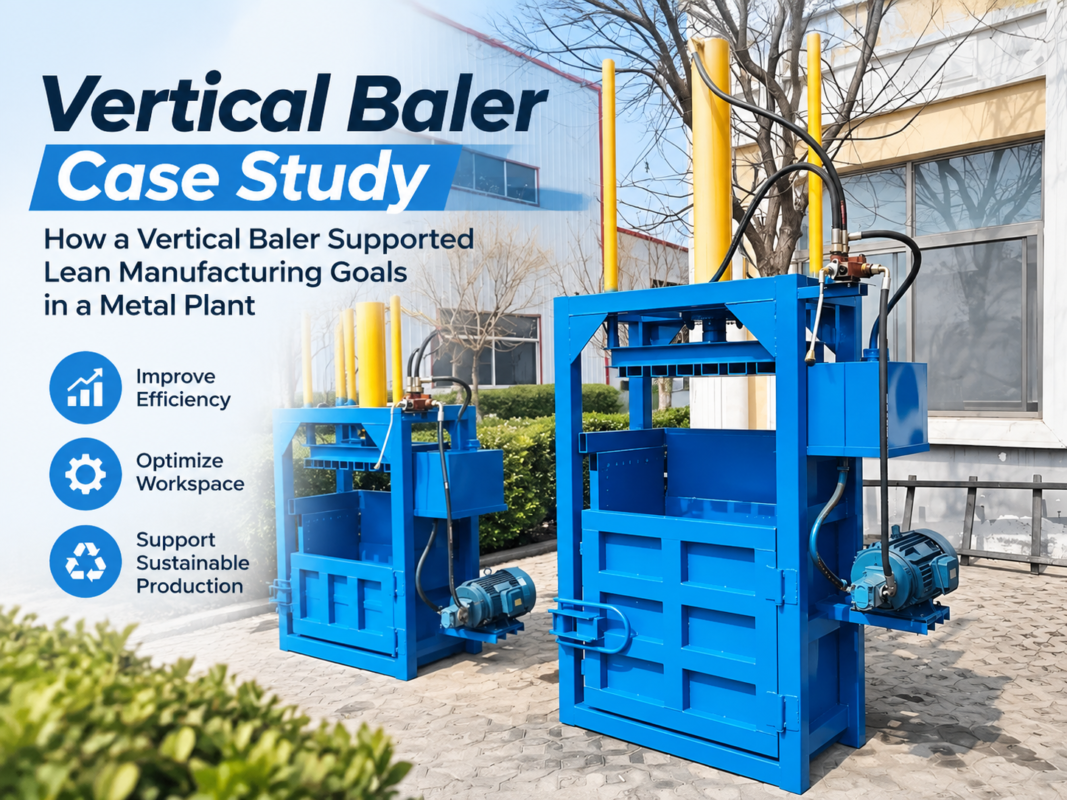
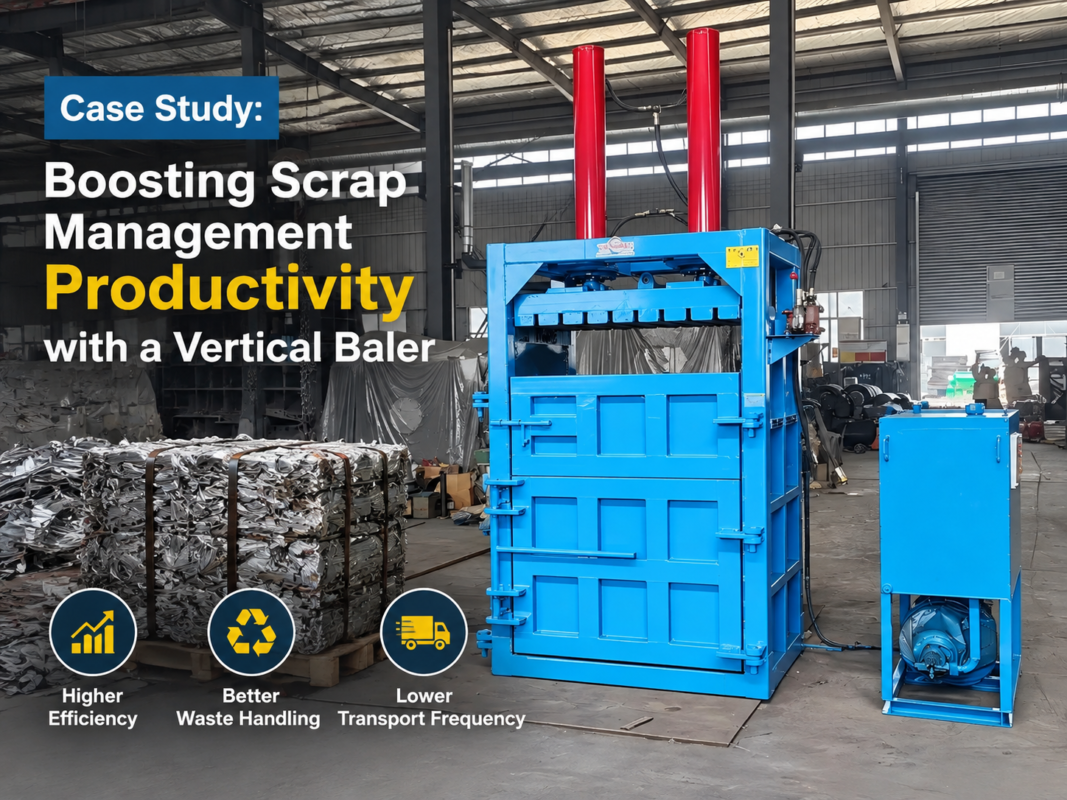
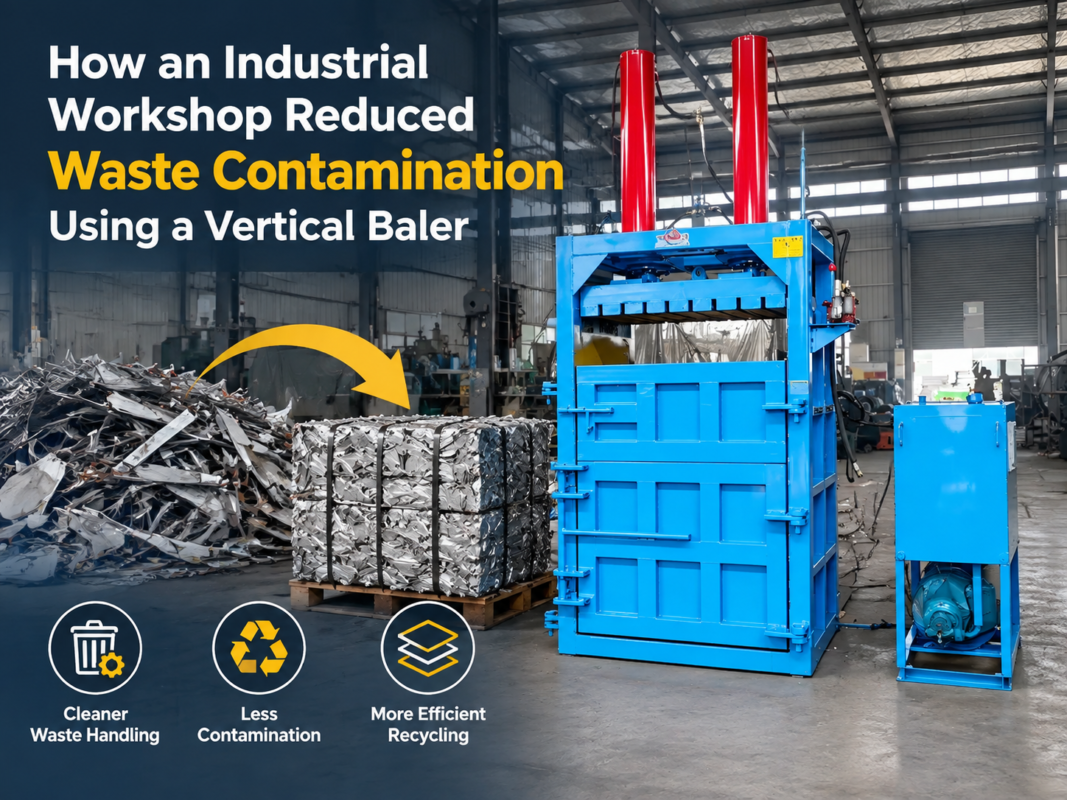
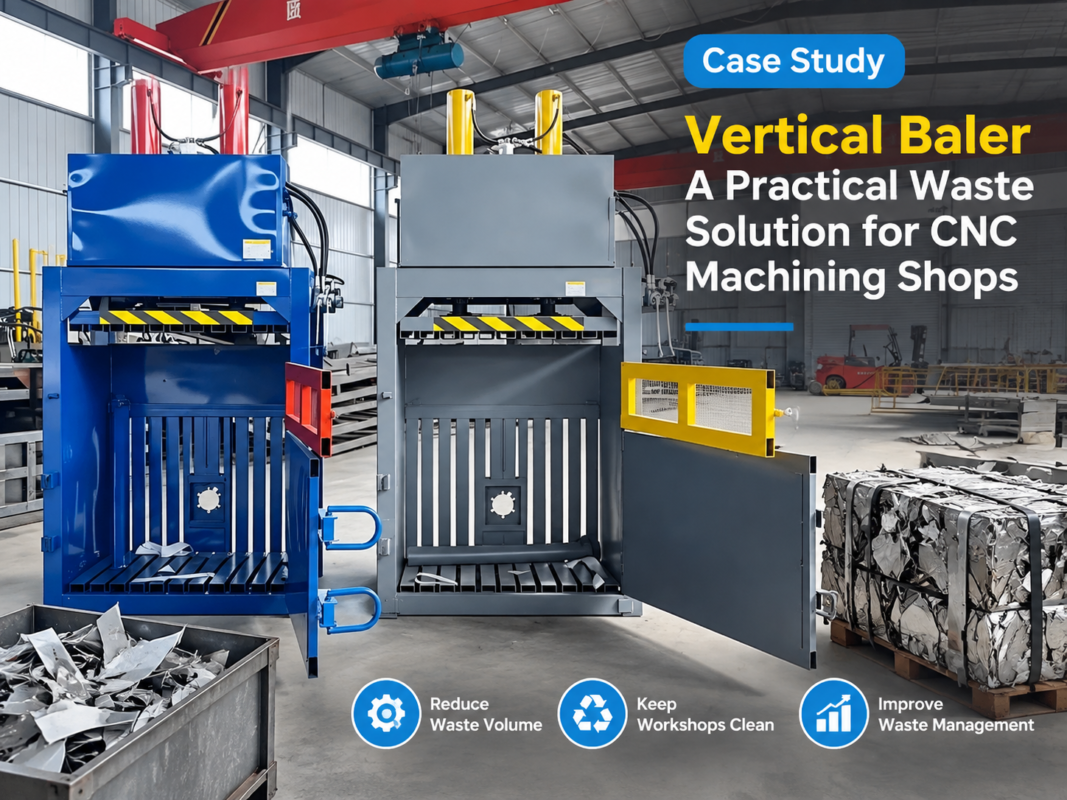
In the modern industrial landscape, the efficiency of waste management directly correlates with operational profitability and environmental compliance. Vertical baler applications in metal scrap collection and material recovery have become a cornerstone for facilities ranging from small-scale recycling centers to large manufacturing plants. A vertical baler is a hydraulic press designed to compress recyclable materials—such as aluminum cans, copper wiring, light-gauge steel shavings, and non-ferrous scrap—into dense, manageable blocks known as bales.
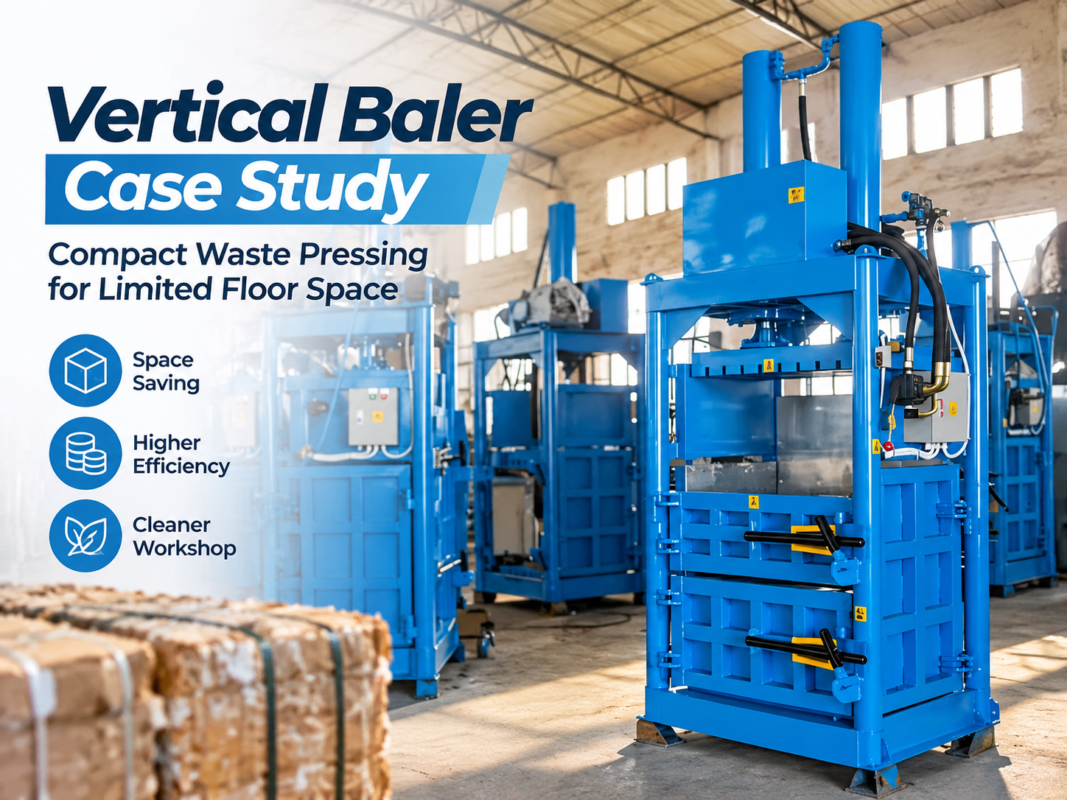
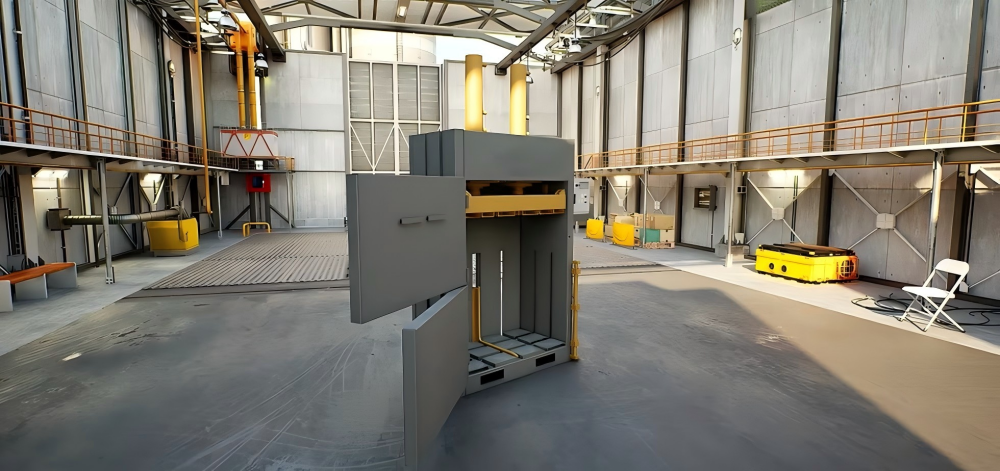
Unlike horizontal balers, which occupy a significant floor footprint and are typically used for high-volume continuous processing, vertical balers operate on a top-down compression principle. This makes them ideal for facilities where space is at a premium. The core mechanism involves a heavy-duty hydraulic ram that descends into a reinforced chamber, exerting several tons of pressure to overcome the structural integrity of the metal scrap. Once the material is compacted, it is secured with wire or plastic strapping, allowing for easy transport and storage.
The application of these machines in material recovery is multifaceted. By reducing the volume of scrap metal by up to 90%, companies can significantly lower their logistics costs. Instead of transporting loose, “air-filled” bins of metal, they ship high-density bales that maximize truck weight limits. Furthermore, baled metal often fetches a higher price at foundries and smelting plants because it is easier to handle and requires less energy to melt down compared to loose, contaminated scrap.
From an engineering perspective, vertical balers used in metal recovery must be built with higher structural tolerances than those used for cardboard or plastic. Metal scrap is abrasive and exerts uneven lateral forces during compression. Therefore, HARSLE vertical balers utilize reinforced steel chambers and specialized hydraulic seals to ensure longevity and safety under the rigorous demands of metal fabrication environments.
Core Parameters of Vertical Balers for Metal Recovery
Understanding the technical specifications of a vertical baler is essential for matching the machine to the specific scrap profile of a facility. When discussing vertical baler applications in metal scrap collection and material recovery, four primary parameters dictate performance: Pressing Force, Cycle Time, Bale Dimensions, and Motor Power.
Pressing Force (Tonnage): This is the most critical factor for metal applications. While a 10-ton press might suffice for cardboard, metal scrap typically requires between 30 and 100 tons of force. Aluminum extrusions and light steel require higher tonnage to ensure the bale remains cohesive after the pressure is released. High-tonnage machines prevent the “spring-back” effect common in resilient metallic materials.
Cycle Time: This refers to the time it takes for the ram to descend, compress the material, and return to its starting position. In high-throughput material recovery facilities, a faster cycle time (e.g., 30–45 seconds) is necessary to keep up with the flow of incoming scrap. However, for metal, a slower, more controlled stroke is often preferred to allow the material to deform and interlock properly.
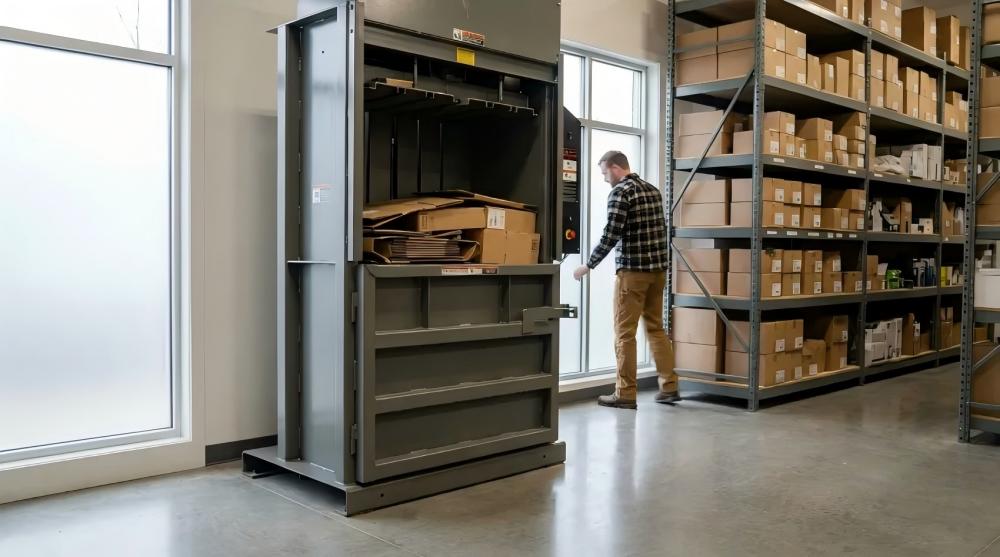
Bale Dimensions and Weight: The output bale size must align with downstream logistics. Standard bale sizes (e.g., 1100 x 700 x 1000 mm) are designed to fit perfectly on pallets or in shipping containers. The weight of a metal bale can vary significantly; an aluminum bale might weigh 200kg, while a similar-sized bale of steel scrap could exceed 500kg. The baler must be rated for these weight capacities to avoid structural failure of the ejection mechanism.
Motor Power and Hydraulics: The efficiency of the hydraulic system is driven by the electric motor. For industrial metal recovery, 3-phase motors (ranging from 7.5kW to 15kW) are standard. These motors drive high-pressure pumps that maintain consistent force throughout the compression stroke, ensuring that the density of the bale is uniform from top to bottom.
Calculation Method for Baling Efficiency and ROI
To justify the investment in vertical baler applications in metal scrap collection and material recovery, engineers and facility managers must calculate the expected efficiency and Return on Investment (ROI). The primary metric used is the Bale Density Index (BDI) and the Volume Reduction Ratio (VRR).
The Volume Reduction Ratio is calculated as follows:
VRR = (Volume of Loose Scrap) / (Volume of Baled Scrap)
For example, if 10 cubic meters of loose aluminum cans are compressed into a 1 cubic meter bale, the VRR is 10:1. This directly translates to a 90% reduction in storage space and transport frequency.
Another critical calculation is the Throughput Capacity (TPC), which determines how many tons of metal can be processed per shift:
TPC = (Bale Weight × 60) / (Cycle Time + Loading Time)
If a baler produces a 300kg bale and the total time to load, compress, and tie the bale is 15 minutes, the TPC is 1,200kg (1.2 tons) per hour. By comparing this to the daily scrap generation rate, a facility can determine if a single vertical unit is sufficient or if multiple units are required.
Finally, the ROI is calculated by subtracting the annual operating costs (electricity, wire, labor) from the annual savings in transport costs plus the increased revenue from selling baled scrap versus loose scrap. In most industrial metal fabrication settings, a HARSLE vertical baler achieves break-even within 12 to 18 months.
Technical Parameter Table for HARSLE Vertical Balers
The following table outlines the typical specifications for vertical balers used in metal scrap collection and material recovery applications. These values represent the standard range for industrial-grade equipment.
| Model Series | Nominal Force (KN) | Bale Size (L*W*H mm) | Motor Power (kW) | Cycle Time (s) | Application Material |
|---|---|---|---|---|---|
| HVS-30T | 300 | 800 x 600 x 600 | 5.5 | 35 | Aluminum Cans, Light Foil |
| HVS-50T | 500 | 1000 x 800 x 900 | 7.5 | 45 | Copper Wire, Thin Sheet Metal |
| HVS-80T | 800 | 1100 x 700 x 1000 | 11.0 | 50 | Steel Shavings, Radiators |
| HVS-100T | 1000 | 1200 x 800 x 1100 | 15.0 | 60 | Heavy Non-Ferrous Scrap |
Common Engineering Mistakes in Vertical Baler Operation
Despite their robust design, vertical baler applications in metal scrap collection and material recovery can fail if engineering best practices are ignored. One of the most common mistakes is Overloading the Chamber. Operators often attempt to force too much metal into the chamber before initiating a cycle. This can lead to the ram becoming stuck or, worse, causing structural deformation of the guide rails. Metal does not compress as predictably as cardboard; it wedges and locks.
Another frequent error is Neglecting Hydraulic Oil Maintenance. Metal recovery environments are often dusty and subject to temperature fluctuations. Contaminated hydraulic oil can cause internal scoring of the cylinders and valve failure. It is essential to implement a strict schedule for oil filtration and replacement, as well as monitoring for leaks that could lead to a loss of pressing force.
Incorrect Material Sorting is a significant operational pitfall. Mixing different types of metals (e.g., mixing heavy steel bolts with soft aluminum extrusions) results in unstable bales that may fall apart during transport. Furthermore, high-carbon steels or thick plates should never be processed in a standard vertical baler, as they can exceed the machine’s shear strength and damage the pressing plate.
Finally, Bypassing Safety Interlocks is a dangerous mistake. Modern vertical balers are equipped with sensors that prevent the ram from moving if the door is open. In an effort to speed up production, some operators attempt to bypass these systems. Given the immense pressures involved in metal compaction, this poses a severe risk of catastrophic injury and equipment damage.
Selection Checklist for Metal Scrap Vertical Balers
Choosing the right machine for vertical baler applications in metal scrap collection and material recovery requires a systematic approach. Use the following checklist to evaluate your needs:
- Material Type: Is the scrap primarily ferrous or non-ferrous? Does it have high elasticity (spring-back)?
- Volume Requirements: How many tons of scrap are generated per day? Does the cycle time of the machine match this volume?
- Space Constraints: Does the facility have the ceiling height required for the ram’s full extension? Is there enough room for the door to swing open?
- Bale Weight Requirements: Will the resulting bales be compatible with your current forklift capacity and transport provider’s limits?
- Power Supply: Is 3-phase industrial power available at the installation site?
- Automation Level: Do you require semi-automatic bale ejection, or is manual removal acceptable?
- Safety Compliance: Does the machine meet CE, UL, or local safety standards for hydraulic machinery?
Frequently Asked Questions (FAQ)
1. Can a vertical baler handle all types of metal scrap?
No. Vertical balers are best suited for “light” scrap, such as aluminum cans, copper wire, thin sheet metal, and turnings. Heavy structural steel, thick rebar, or large engine blocks require heavy-duty horizontal shear balers or scrap shredders. Attempting to bale heavy steel in a vertical unit can cause permanent frame damage.
2. How often should the hydraulic fluid be changed?
For most industrial applications, the hydraulic oil should be inspected every 500 operating hours and replaced every 2,000 hours. However, in high-dust environments typical of metal recovery, more frequent filter changes are recommended to prevent pump wear.
3. What is the benefit of a twin-ram vertical baler?
Twin-ram systems provide more even pressure distribution across the pressing plate. This is particularly useful for metal scrap that might be loaded unevenly in the chamber, as it prevents the ram from tilting and damaging the seals or guide tracks.
4. How do I ensure the bales don’t break during transport?
Proper strapping is key. For metal scrap, high-tensile steel wire is usually preferred over plastic strapping. Additionally, ensuring the baler reaches its full pressure at the end of the stroke will help the metal pieces interlock more effectively, creating a more stable bale.
5. Is a vertical baler better than a horizontal one for metal?
It depends on volume. For small to medium-sized fabricators (generating less than 5 tons of scrap per day), a vertical baler is more cost-effective and space-efficient. For massive scrap yards processing hundreds of tons, a horizontal baler is necessary for continuous operation.
By integrating HARSLE vertical balers into your material recovery workflow, you can transform waste into a streamlined revenue stream while maintaining a clean and safe industrial environment. The key lies in selecting the correct tonnage and maintaining the hydraulic system to withstand the unique challenges of metal compaction.