How to Reduce Downtime with Better Vertical Baler Maintenance Planning

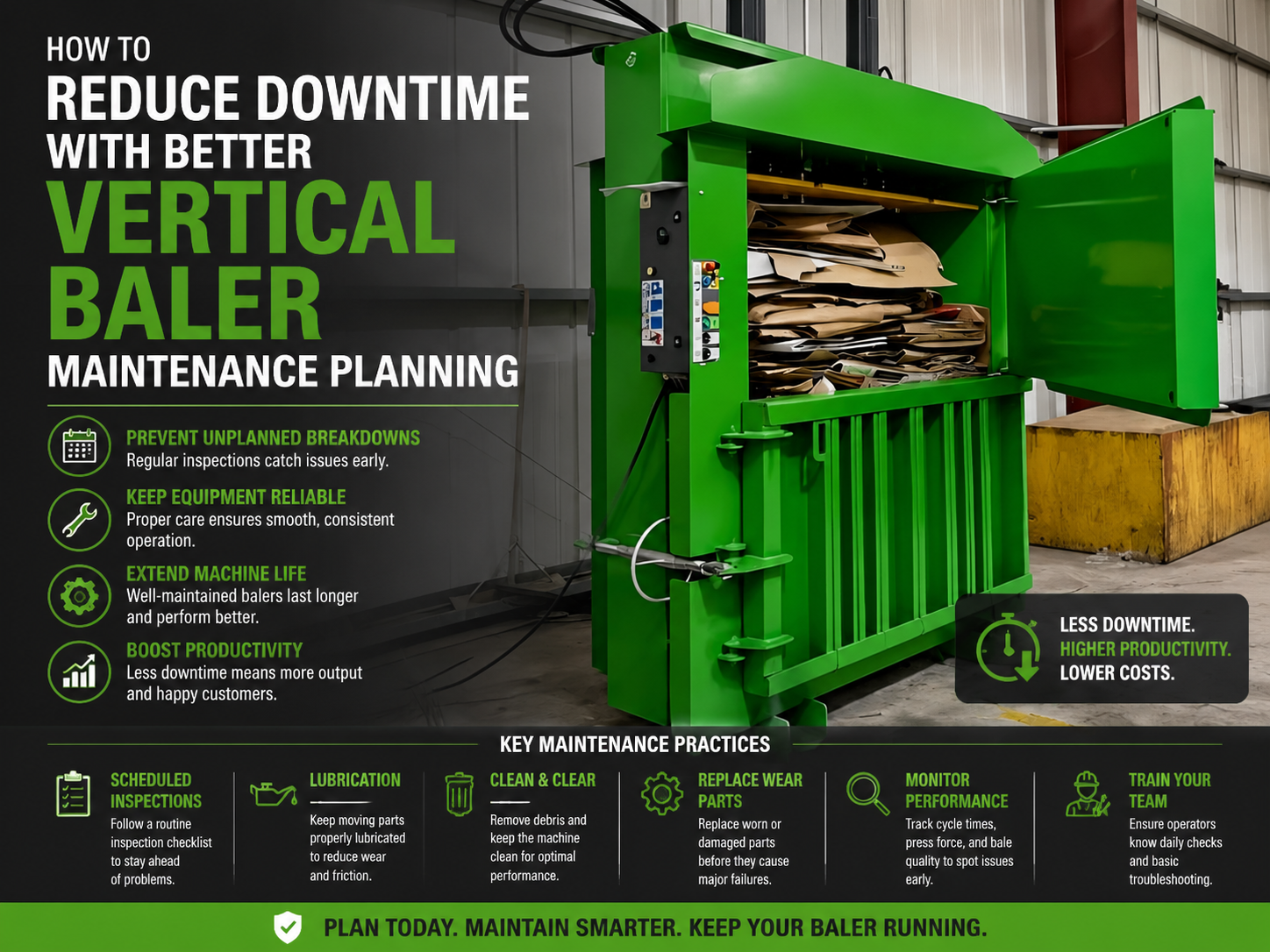
Technical Overview of Vertical Baler Systems
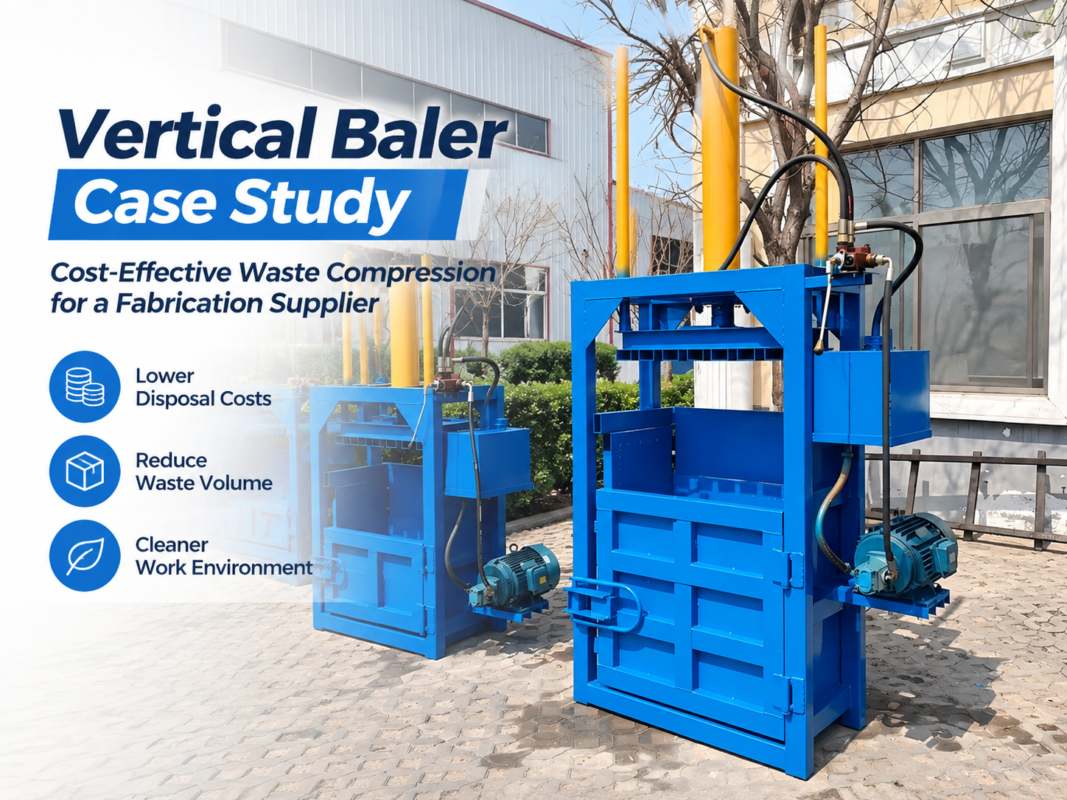
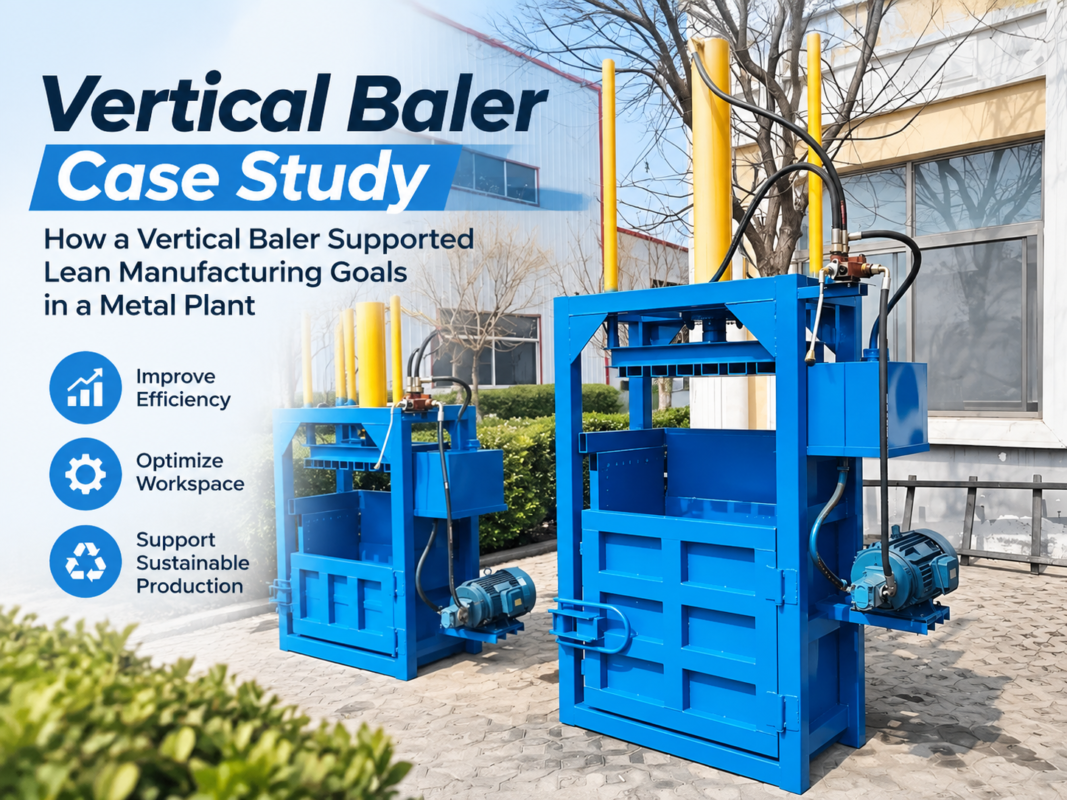
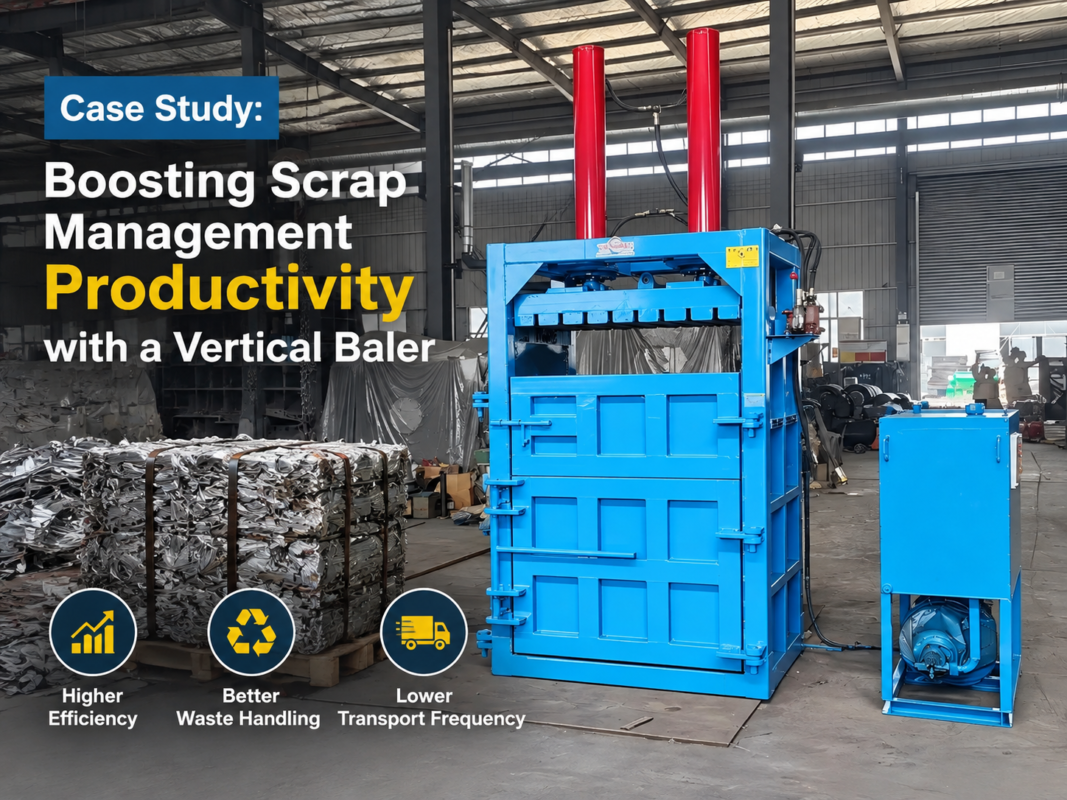
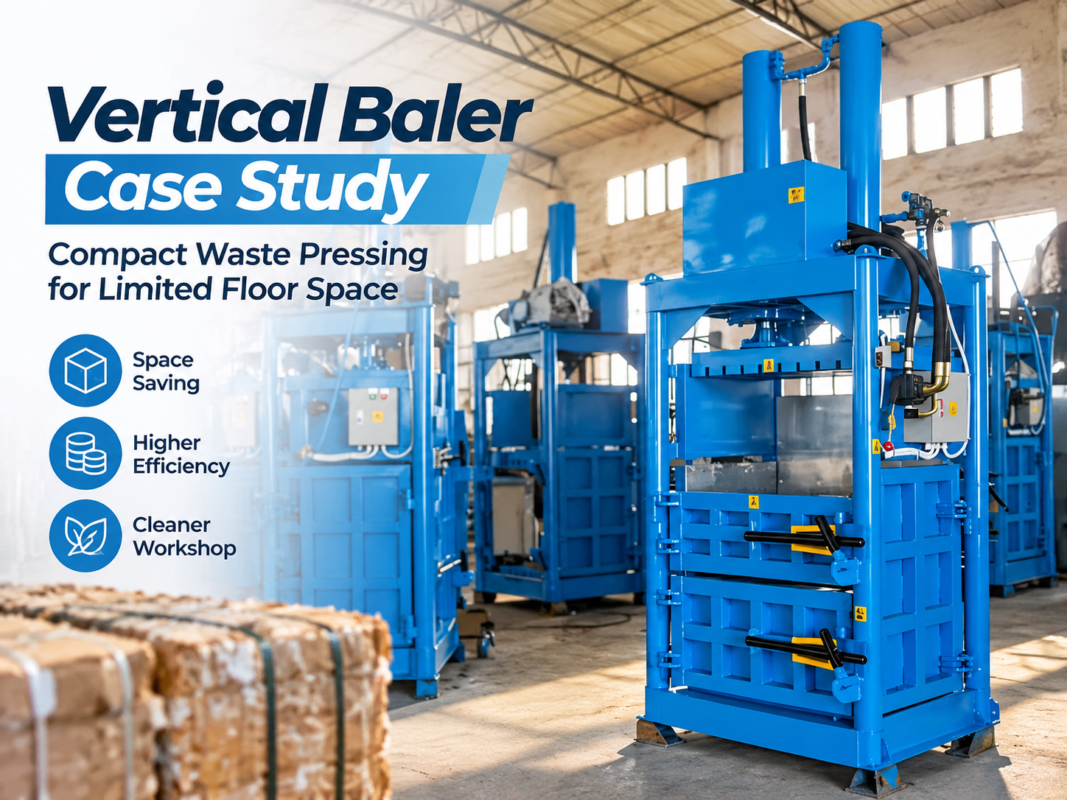
In the modern industrial landscape, the vertical baler stands as a cornerstone of waste management and material recycling. These machines are engineered to compress bulky materials—such as cardboard, plastics, and light metals—into dense, manageable bales. However, the efficiency of these machines is directly proportional to their mechanical health. To reduce downtime better vertical baler maintenance planning is not just a recommendation; it is a financial necessity. A vertical baler operates through a sophisticated interplay of hydraulic power, structural steel integrity, and electrical control systems. Understanding the technical nuances of these components is the first step toward a robust maintenance strategy.
The core of a vertical baler is its hydraulic circuit. This system typically consists of a high-pressure pump, a reservoir, directional control valves, and one or more heavy-duty cylinders. When the operator initiates a cycle, the pump forces hydraulic fluid into the cylinder, extending the ram (or platen) downward. The force generated is immense, often ranging from 10 to over 100 tons. This pressure must be distributed evenly across the material to ensure a uniform bale. Any misalignment in the platen or a drop in hydraulic pressure can lead to structural stress, which, if left unaddressed, results in catastrophic failure and prolonged downtime.
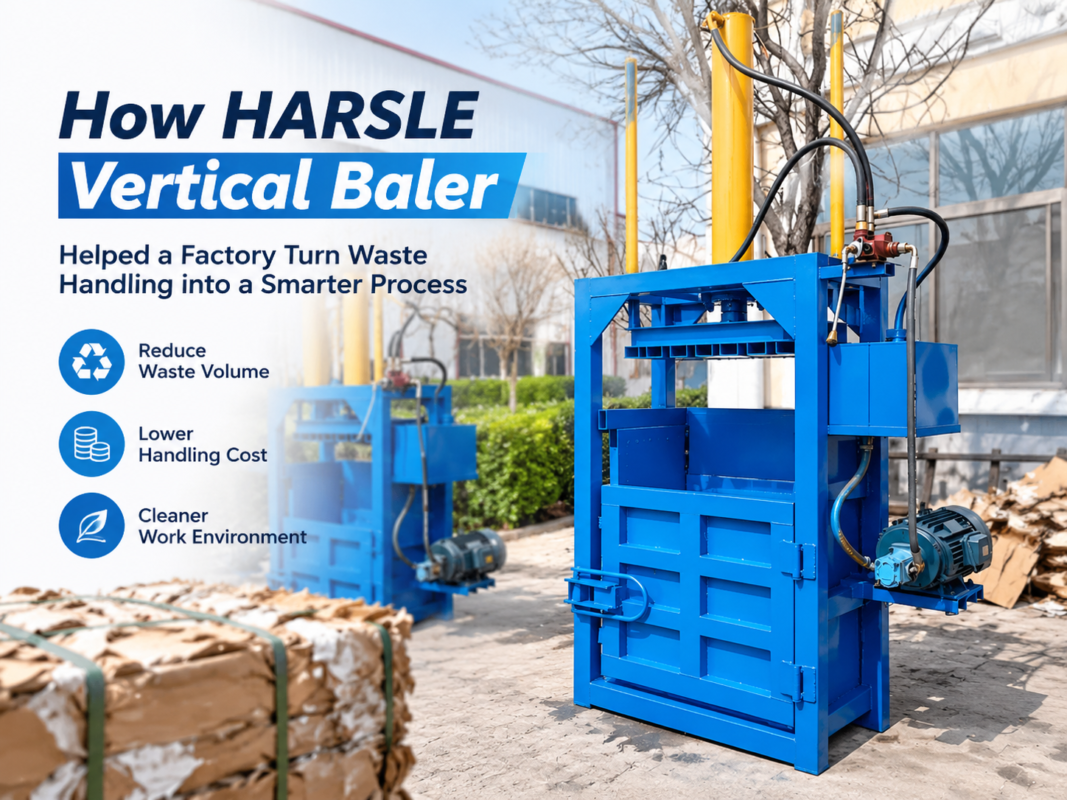
From a structural perspective, the frame of a HARSLE vertical baler is constructed from high-tensile strength steel, designed to withstand the repetitive stresses of compression cycles. The welding quality and the thickness of the steel plates are critical factors in the machine’s longevity. Over time, the constant expansion and contraction of the frame can lead to fatigue. Therefore, maintenance planning must include regular inspections of the weld joints and the integrity of the chamber doors. A well-maintained frame ensures that the energy produced by the hydraulics is efficiently used for compression rather than being dissipated through structural flex.
Finally, the electrical system, often governed by a Programmable Logic Controller (PLC), manages the timing and safety interlocks of the machine. Modern balers feature sensors that detect door closure, bale full status, and hydraulic fluid temperature. These electronic components are sensitive to dust, vibration, and heat. A comprehensive maintenance plan must account for the cleaning and calibration of these sensors to prevent false readings that could trigger unnecessary emergency stops or, worse, allow the machine to operate in an unsafe condition.
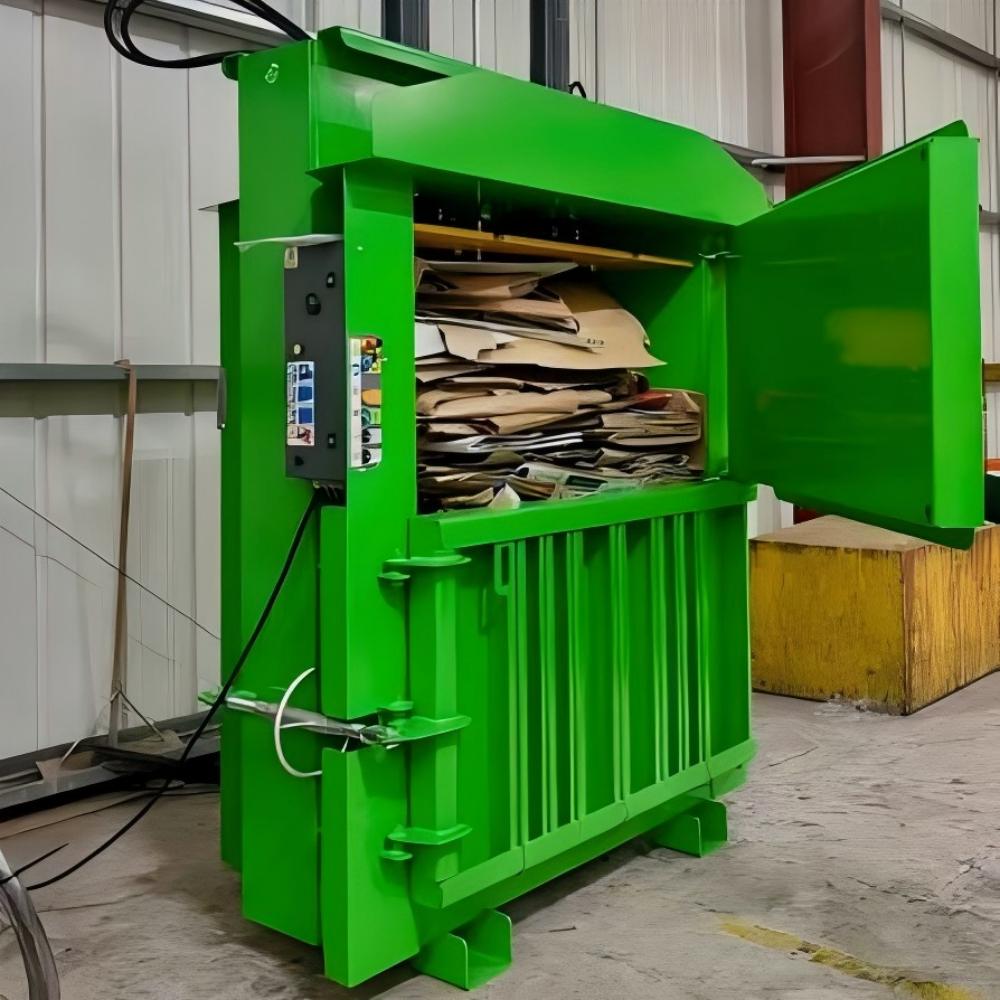
Core Parameters of Vertical Balers
When developing a strategy to reduce downtime better vertical baler maintenance planning, one must first understand the core parameters that define the machine’s performance and wear characteristics. These parameters serve as the baseline for identifying deviations that indicate potential failure. The most critical parameter is the Nominal Pressure, which is the maximum force the hydraulic system is designed to exert. Operating the machine consistently at its upper limit increases the wear rate on seals and valves, necessitating more frequent inspections.
Another vital parameter is the Cycle Time. This is the duration required for the platen to move from its home position, reach full extension, and return. An increase in cycle time is often a leading indicator of hydraulic pump wear or internal leakage in the cylinder. By monitoring cycle times during routine checks, maintenance teams can identify a degrading pump before it fails completely. Similarly, the Motor Power (measured in kW or HP) dictates the energy consumption and the speed of the hydraulic pump. Overheating of the motor is a common cause of downtime, often caused by poor ventilation or electrical phase imbalances.
Bale Size and Weight are also essential parameters. A vertical baler is designed to produce bales within specific dimensions to fit standard transport pallets or containers. If the machine begins producing inconsistent bale sizes, it may indicate a failure in the limit switches or a mechanical obstruction in the chamber. Furthermore, the Hydraulic Oil Capacity and Type (e.g., ISO VG 46 or 68) must be strictly adhered to. Using the wrong oil viscosity can lead to cavitation in the pump or sluggish performance in cold environments, both of which contribute to increased downtime.
Calculation Method for Maintenance Intervals
To effectively reduce downtime better vertical baler maintenance planning, maintenance should be scheduled based on actual usage rather than just chronological time. The most accurate method is calculating the “Duty Cycle” or the number of strokes performed by the ram. For high-volume facilities, a baler might complete 100 cycles a day, whereas a smaller warehouse might only complete 10. A fixed monthly maintenance schedule would be overkill for the latter and insufficient for the former.
The formula for determining the Hydraulic Oil Change Interval (HOCI) can be expressed as:
HOCI = (R x C) / T
Where R is the manufacturer’s recommended hours (typically 2,000 to 4,000 hours), C is a contamination factor based on the environment (1.0 for clean, 0.7 for dusty), and T is the average daily operating hours. For example, if a HARSLE baler is rated for 3,000 hours and operates in a dusty recycling center (0.7) for 8 hours a day, the oil should be changed every 262 days.
Additionally, calculating the Mean Time Between Failures (MTBF) helps in predictive planning. MTBF is calculated by dividing the total operating time by the number of failures. By tracking this metric, engineering managers can predict when a specific component, such as a hydraulic seal or a solenoid valve, is likely to reach the end of its service life. This allows for “Pre-emptive Replacement,” where parts are swapped during scheduled downtime rather than waiting for an unexpected break during a peak production shift.
Technical Parameter Table
The following table outlines the typical specifications for HARSLE vertical balers, which should be used as a reference for maintenance planning and part sourcing.
| Model Series | Pressing Force (Tons) | Bale Size (mm) | Motor Power (kW) | Cycle Time (sec) | Oil Type |
|---|---|---|---|---|---|
| HVB-20 | 20 | 800 x 600 x 600 | 5.5 | 35 | ISO VG 46 |
| HVB-50 | 50 | 1100 x 750 x 1000 | 11 | 45 | ISO VG 46 |
| HVB-100 | 100 | 1200 x 1100 x 1200 | 18.5 | 60 | ISO VG 68 |
| HVB-150 | 150 | 1500 x 1200 x 1200 | 22 | 75 | ISO VG 68 |
Common Engineering Mistakes in Baler Maintenance
One of the most frequent mistakes that hinders the goal to reduce downtime better vertical baler maintenance planning is the neglect of hydraulic fluid filtration. Many operators believe that as long as the oil level is sufficient, the machine is safe. However, microscopic metal particles and dust can act as an abrasive, wearing down the precision-machined surfaces of the control valves and pump vanes. Failing to replace the return-line filter at the specified intervals is a primary cause of hydraulic system inefficiency.
Another common error is the improper adjustment of the bale-tie tension or the door locking mechanism. If the door is not perfectly square when locked, the pressure from the ram is not contained uniformly. This creates a lateral force on the cylinder rod, leading to “side-loading.” Side-loading is the quickest way to ruin a cylinder seal and score the chrome plating on the rod. Engineers must ensure that the door hinges and locking lugs are lubricated and checked for alignment monthly to prevent this expensive failure.
Electrical neglect is also a significant contributor to downtime. In many industrial environments, vibration can cause the terminal screws in the control panel to loosen over time. A loose connection creates high resistance, which generates heat and can eventually melt the wire insulation or damage the PLC. Furthermore, bypassing safety interlocks—often done to “save time” during a jam—is a critical engineering mistake. Not only does this pose a severe safety risk, but it also prevents the PLC from recording error codes that are vital for diagnosing underlying mechanical issues.
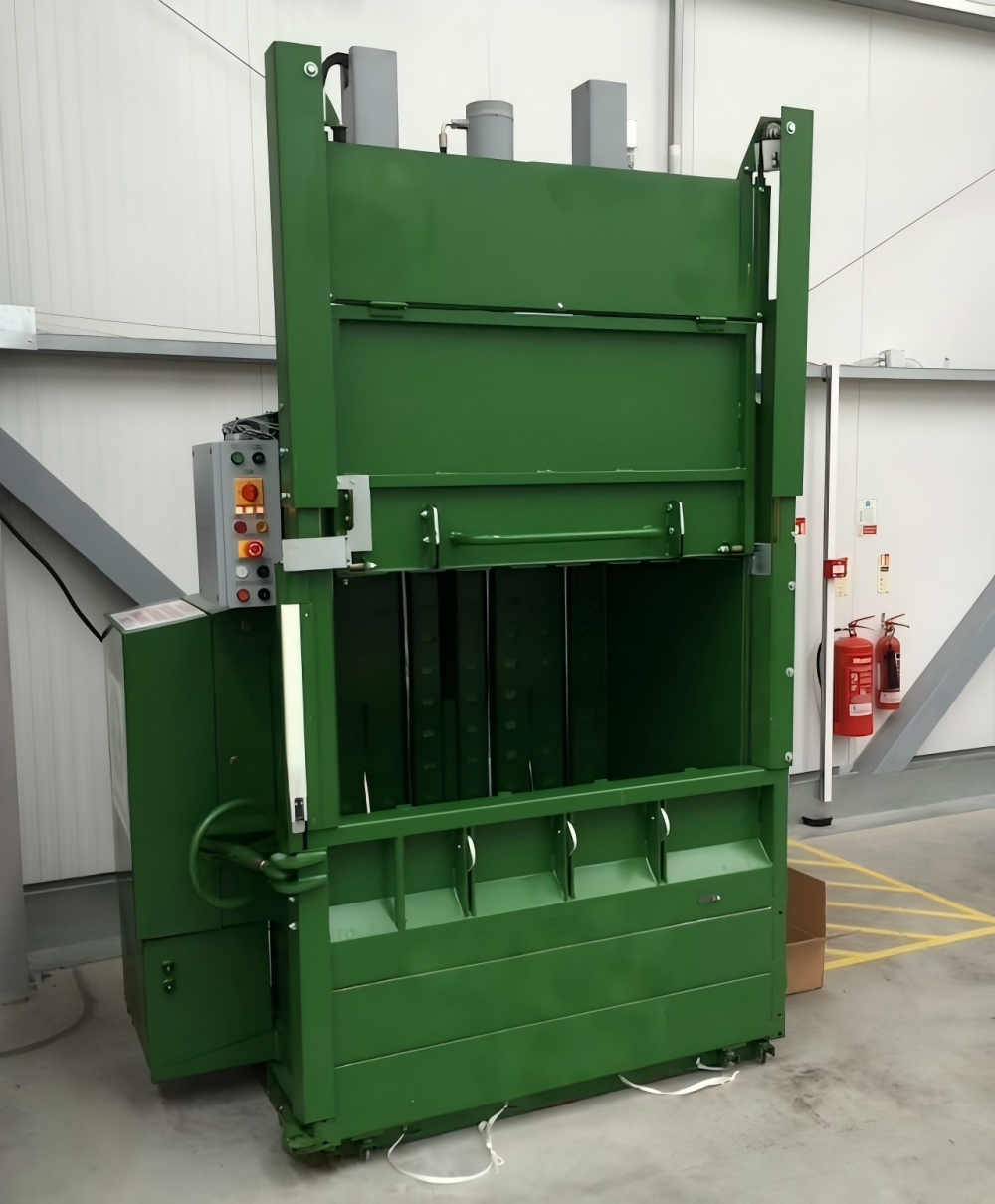
Selection Checklist for Minimizing Future Downtime
When purchasing a new machine, selecting the right specifications is the first step to reduce downtime better vertical baler maintenance planning. A machine that is undersized for the task will constantly run at its peak, leading to rapid wear. Use this checklist during the selection process:
- Material Compatibility: Does the baler’s shear blade and platen design match the material? (e.g., plastic requires different retention teeth than cardboard).
- Hydraulic Component Brand: Does the machine use reputable hydraulic valves and pumps (like Rexroth or Vickers) for which spare parts are easily accessible?
- Frame Construction: Is the frame Q235 or Q345 steel? Are the welds continuous or tack-welded? Continuous welds are essential for high-pressure applications.
- Safety Certifications: Does the machine meet CE, UL, or ISO standards? These certifications often dictate the quality of the electrical and safety components.
- Ease of Access: Are the grease points and filters easily accessible? If a technician has to spend two hours removing panels just to reach a filter, maintenance is more likely to be skipped.
- PLC Diagnostics: Does the control system provide clear error codes and maintenance reminders?
How to Implement a Preventive Maintenance Schedule
To truly reduce downtime better vertical baler maintenance planning, a tiered approach to maintenance is required. This involves daily, weekly, monthly, and annual tasks that cover every aspect of the machine’s operation. Daily tasks should be performed by the operator and include checking for hydraulic leaks, ensuring the emergency stop is functional, and cleaning debris from the ram’s path. These simple steps can prevent 50% of common baler issues.
Weekly maintenance should focus on lubrication and visual inspections. All grease nipples on the door hinges and the ram guides should be serviced. The hydraulic oil level should be checked when the ram is in the fully retracted position. Monthly tasks require a more technical eye; this includes checking the tension of the drive belts (if applicable), inspecting the hydraulic hoses for “sweating” or cracks, and tightening electrical connections in the control box. Annual maintenance should involve a complete hydraulic oil change, a professional structural integrity test, and a recalibration of the pressure relief valves.
Documentation is the final piece of the puzzle. Every maintenance action, no matter how small, should be recorded in a logbook or a digital CMMS (Computerized Maintenance Management System). This data allows managers to identify patterns. For instance, if a specific hose fails every six months, it may indicate a vibration issue or a sharp edge on the frame that is rubbing against the hose. Without a log, these recurring issues are often treated as isolated incidents, leading to repeated downtime.
FAQ: Reducing Vertical Baler Downtime
1. Why is my vertical baler losing pressing force?
Loss of pressing force is usually attributed to three things: a worn hydraulic pump that can no longer reach the required PSI, a leaking internal seal in the cylinder (allowing oil to bypass the piston), or a faulty pressure relief valve that is opening too early. Check the pressure gauge during a cycle to diagnose which component is failing.
2. How often should I change the hydraulic oil?
For most HARSLE vertical balers, the oil should be changed every 2,000 to 3,000 operating hours. However, if the machine operates in a very hot or dusty environment, this should be reduced to every 1,500 hours. Always use a high-quality anti-wear hydraulic oil of the correct viscosity.
3. What causes the baler to make a loud banging noise during operation?
Loud noises are often caused by air trapped in the hydraulic system (cavitation), loose mounting bolts on the motor or pump, or structural fatigue in the frame. If the noise occurs when the ram hits the material, check for loose wear pads on the platen guides.
4. Can I use any type of wire for baling?
No, you must use wire that is rated for the specific bale weight and expansion force of the material. Using weak wire can cause the bale to burst after it is ejected, leading to safety hazards and the need to re-bale the material, which increases downtime.
5. How do I prevent the hydraulic system from overheating?
Ensure the oil cooler (if equipped) is clean and has proper airflow. Check that the oil level is correct, as the oil itself acts as a heat sink. Finally, ensure the pressure relief valve is not set too high, which forces the pump to work harder than necessary and generates excess heat.
6. Why does the ram move slowly?
A slow ram usually indicates a clogged suction filter, a failing pump, or low hydraulic oil levels. In cold weather, the oil may also be too viscous; in such cases, a tank heater or a lower viscosity oil may be required for winter operations.
Conclusion
To reduce downtime better vertical baler maintenance planning requires a proactive mindset and a deep understanding of the machine’s technical requirements. By focusing on the core parameters, implementing a usage-based maintenance schedule, and avoiding common engineering mistakes, facilities can significantly extend the lifespan of their HARSLE equipment. Remember that the cost of preventive maintenance is always a fraction of the cost of emergency repairs and lost production time. Invest in your maintenance plan today to ensure a more profitable and efficient recycling operation tomorrow.