What to Look for in a Vertical Baler for Industrial Waste Management: A Comprehensive Guide

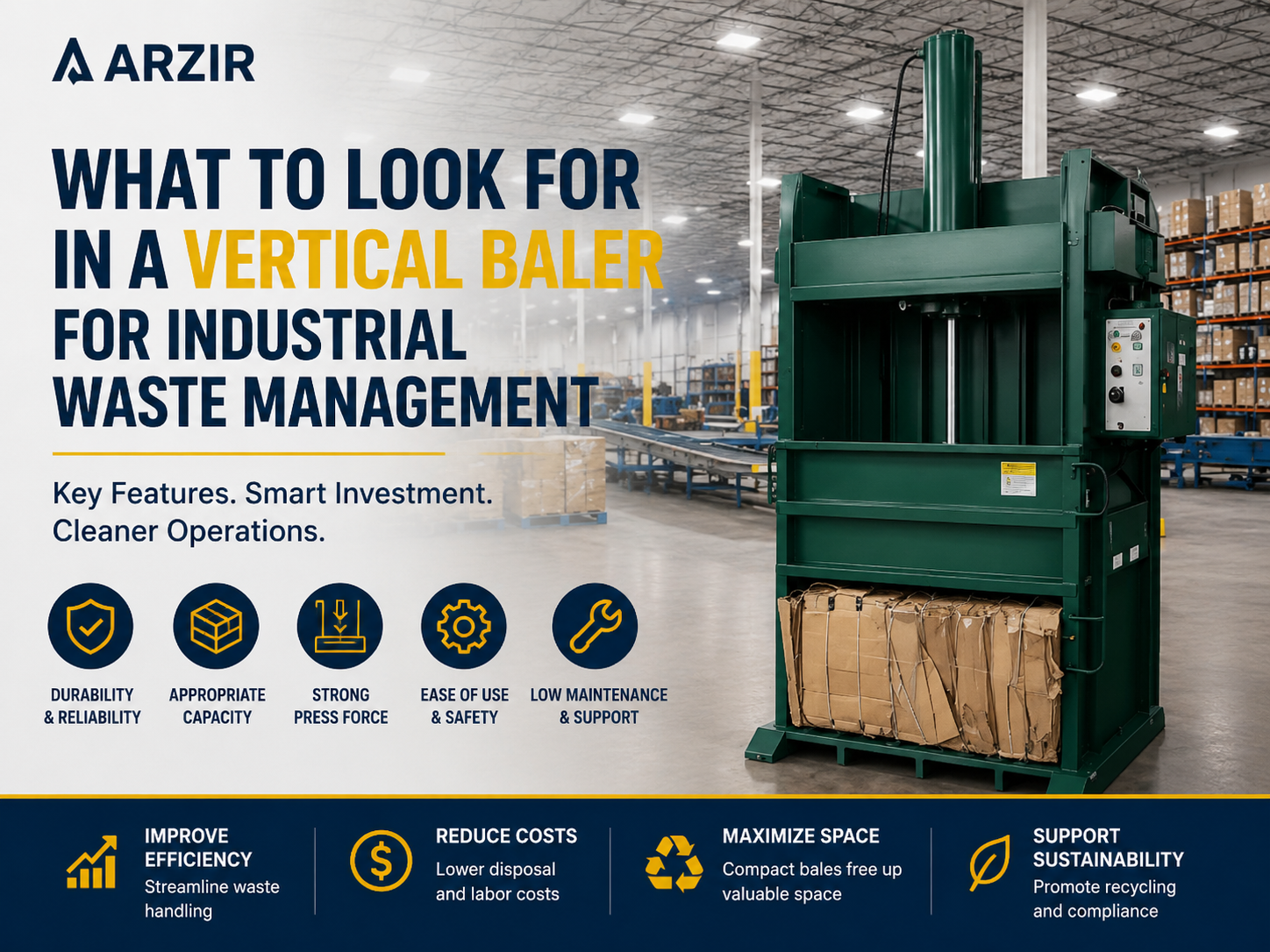
Introduction to Industrial Waste Management and Vertical Balers
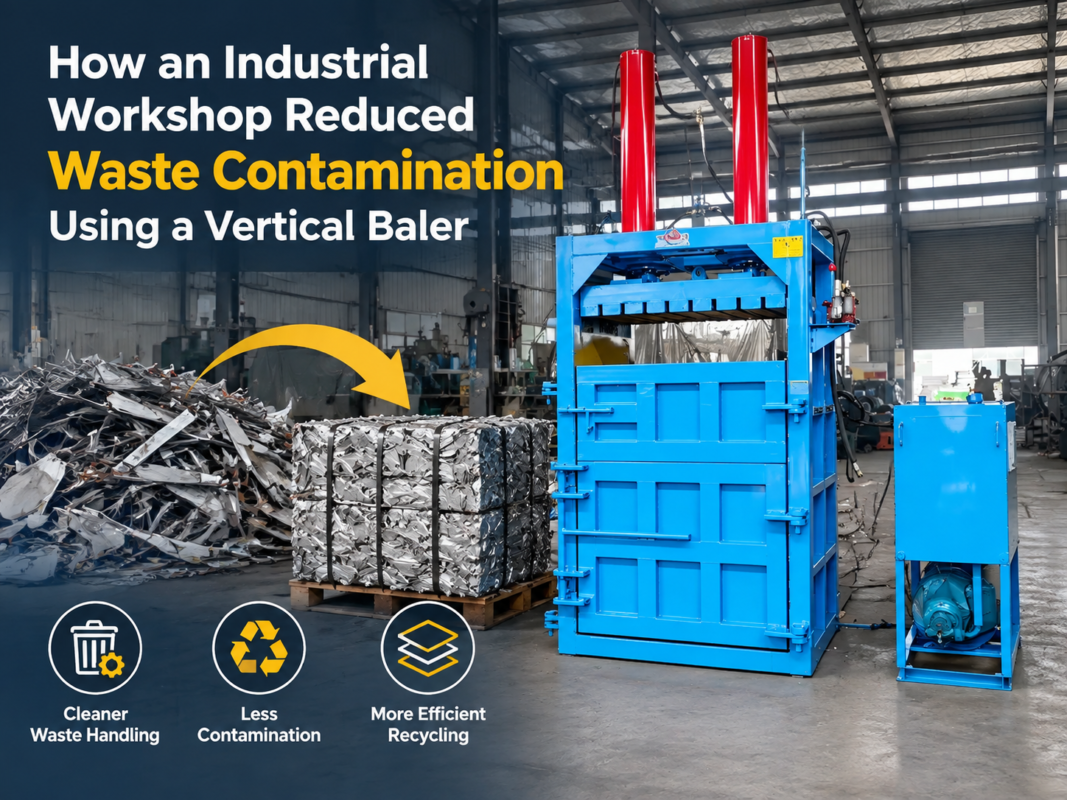
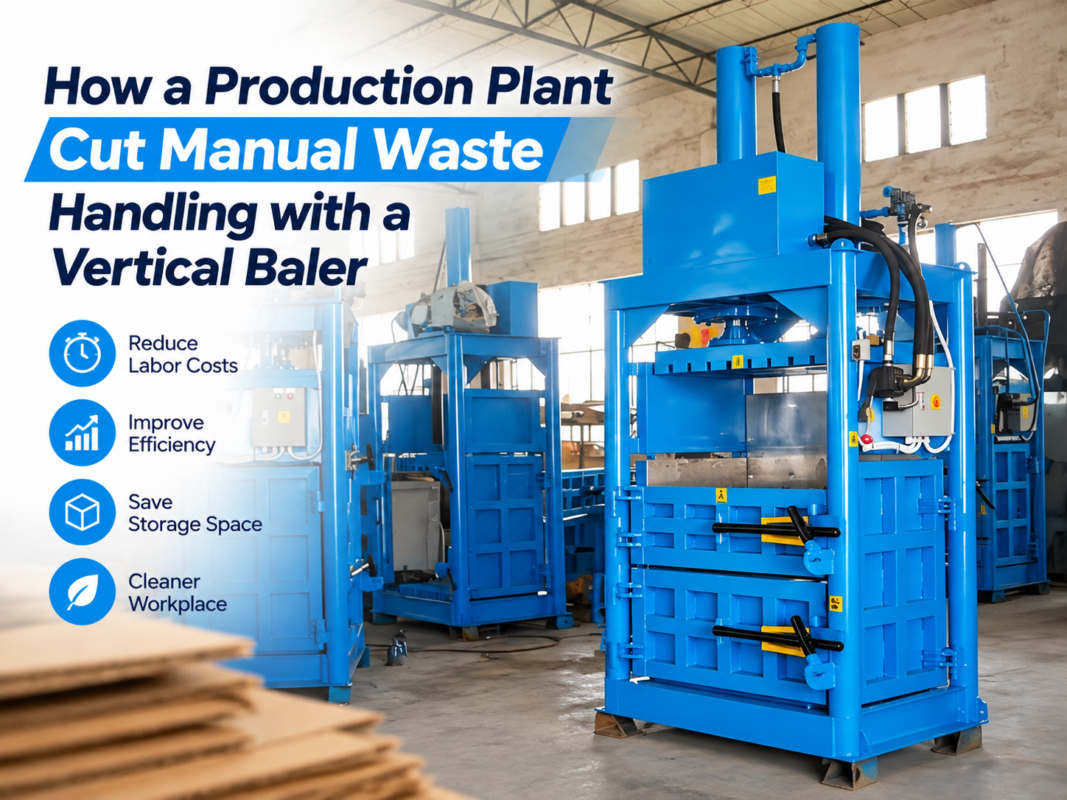
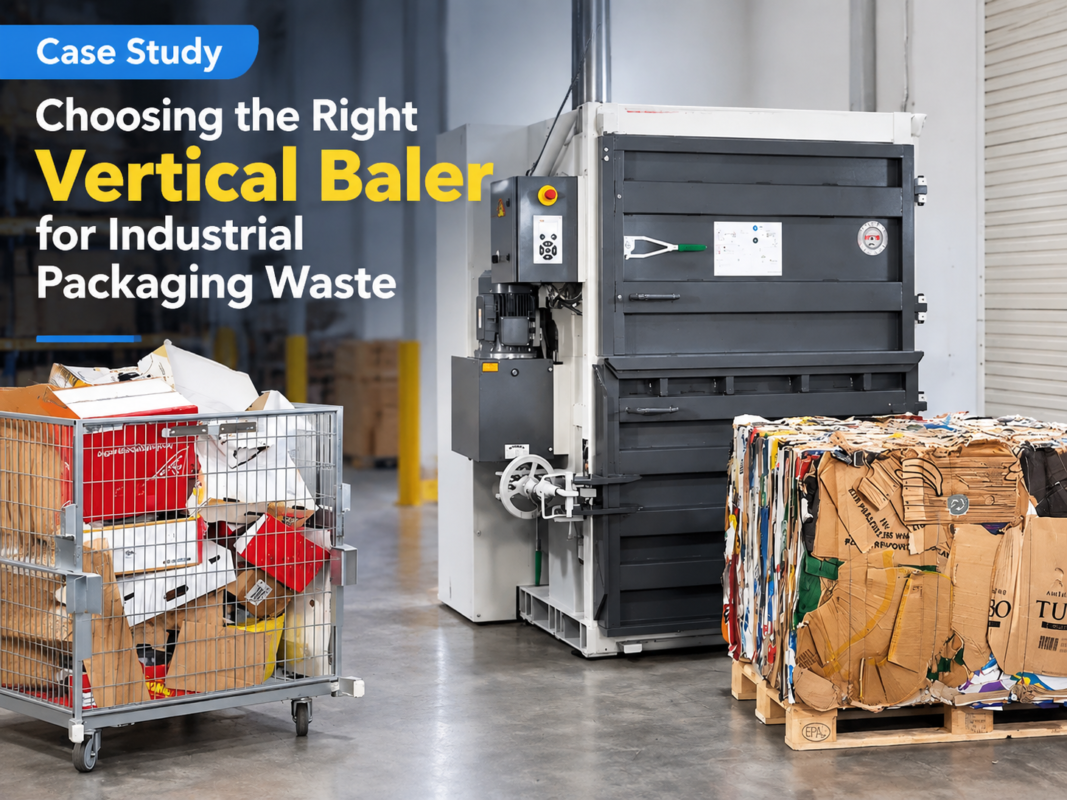
In the modern industrial landscape, managing waste efficiently is no longer just a matter of environmental responsibility; it is a critical component of operational cost-efficiency. For facilities dealing with high volumes of cardboard, plastic, textiles, or light metal scraps, the vertical baler stands as an indispensable tool. When determining what to Look In A Vertical Baler Industrial Waste Management strategy, one must consider how these machines compress loose waste into dense, manageable bales, significantly reducing storage space and transportation costs.
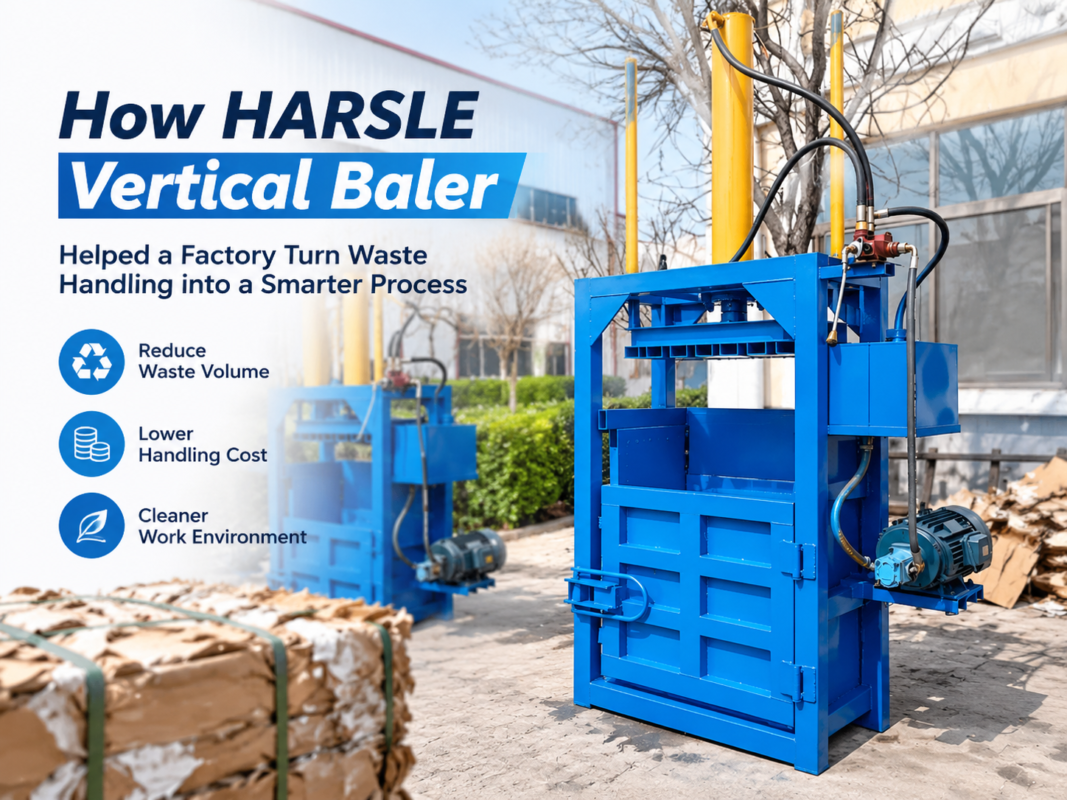
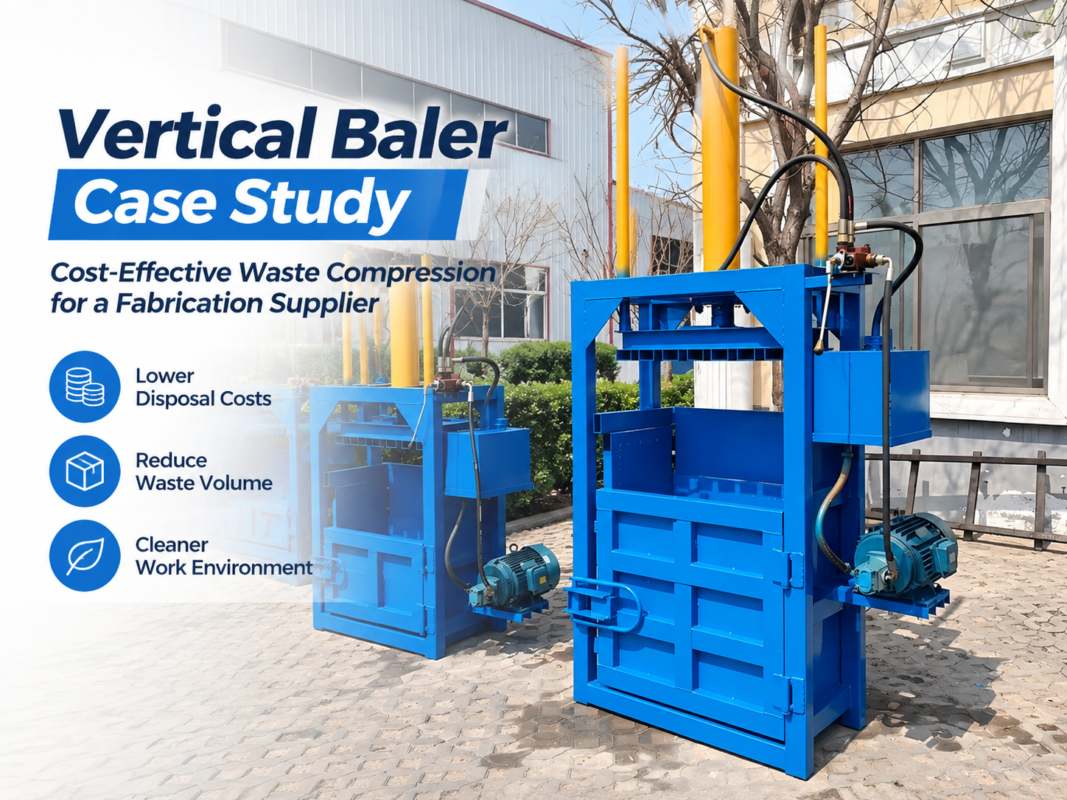
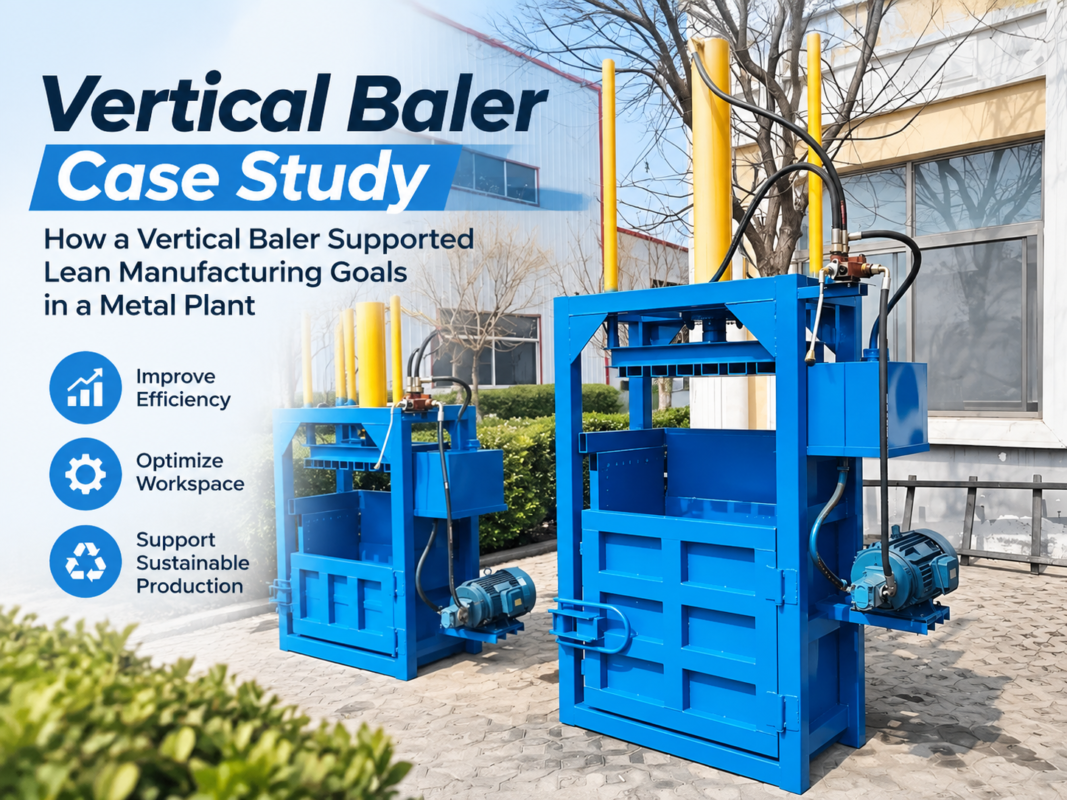
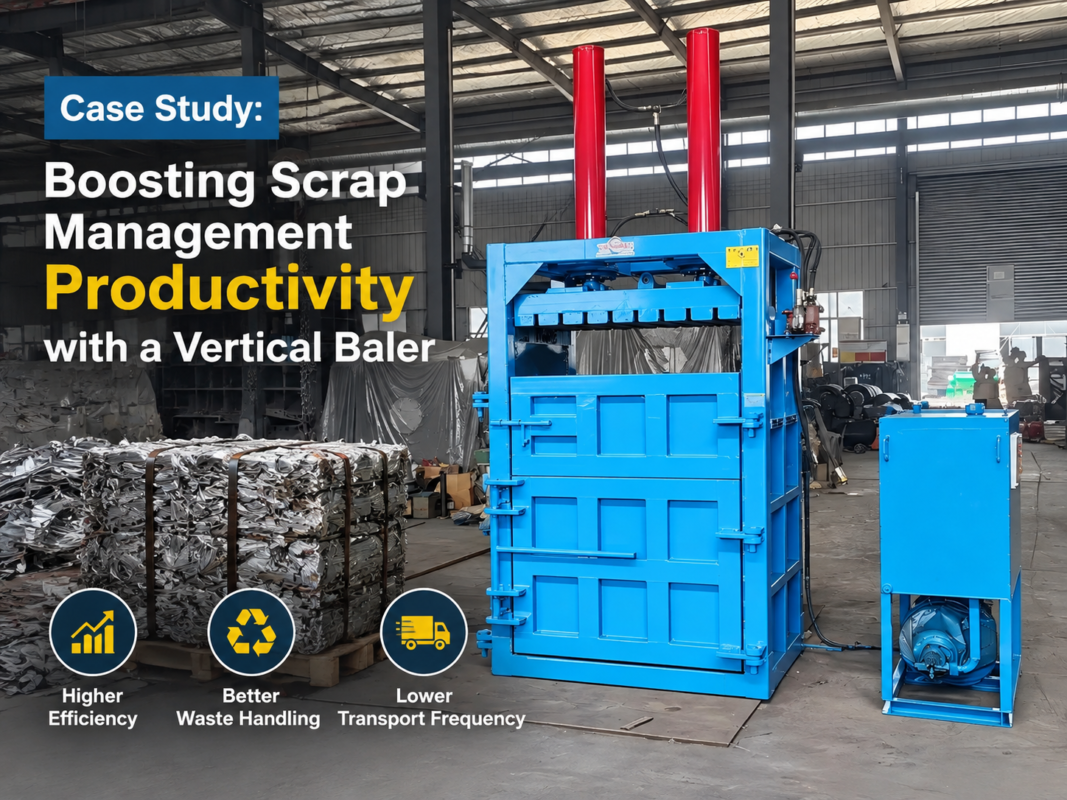
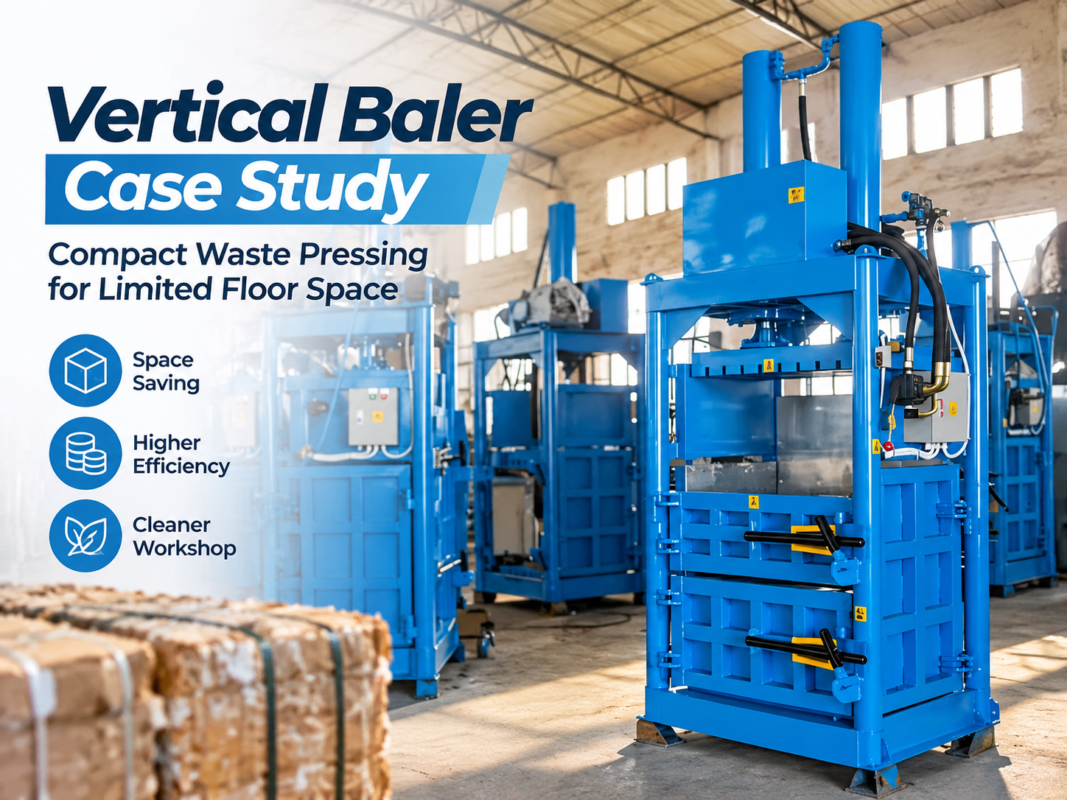
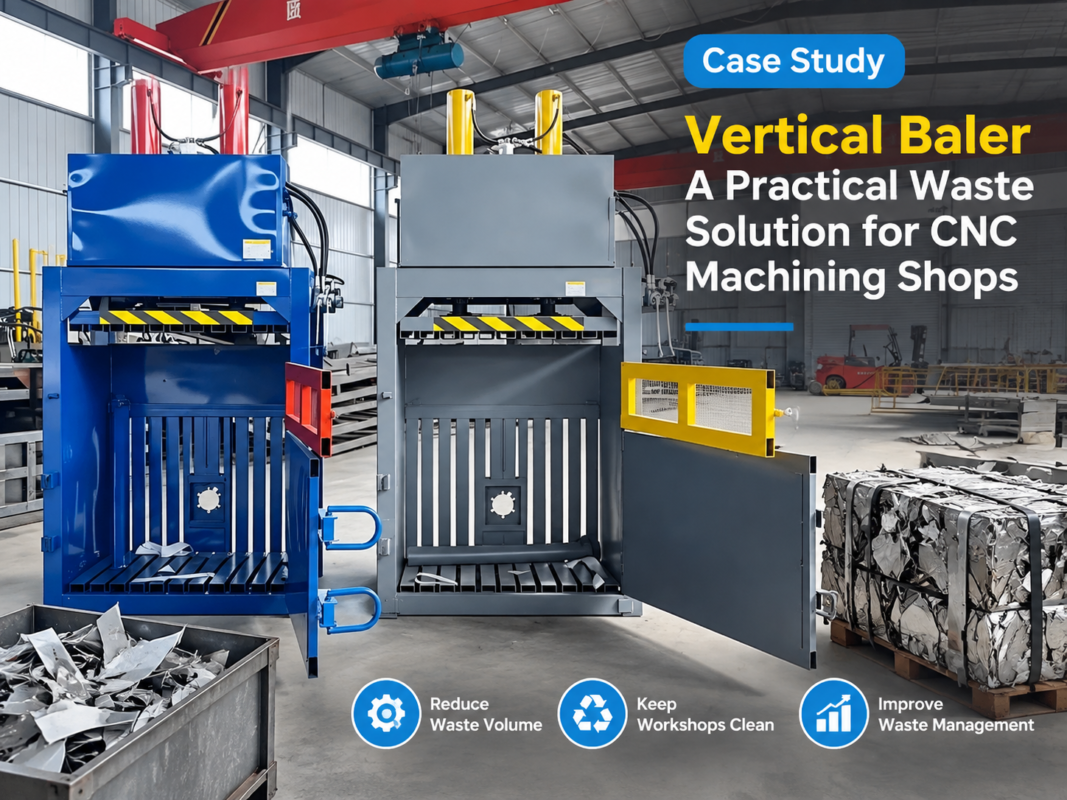
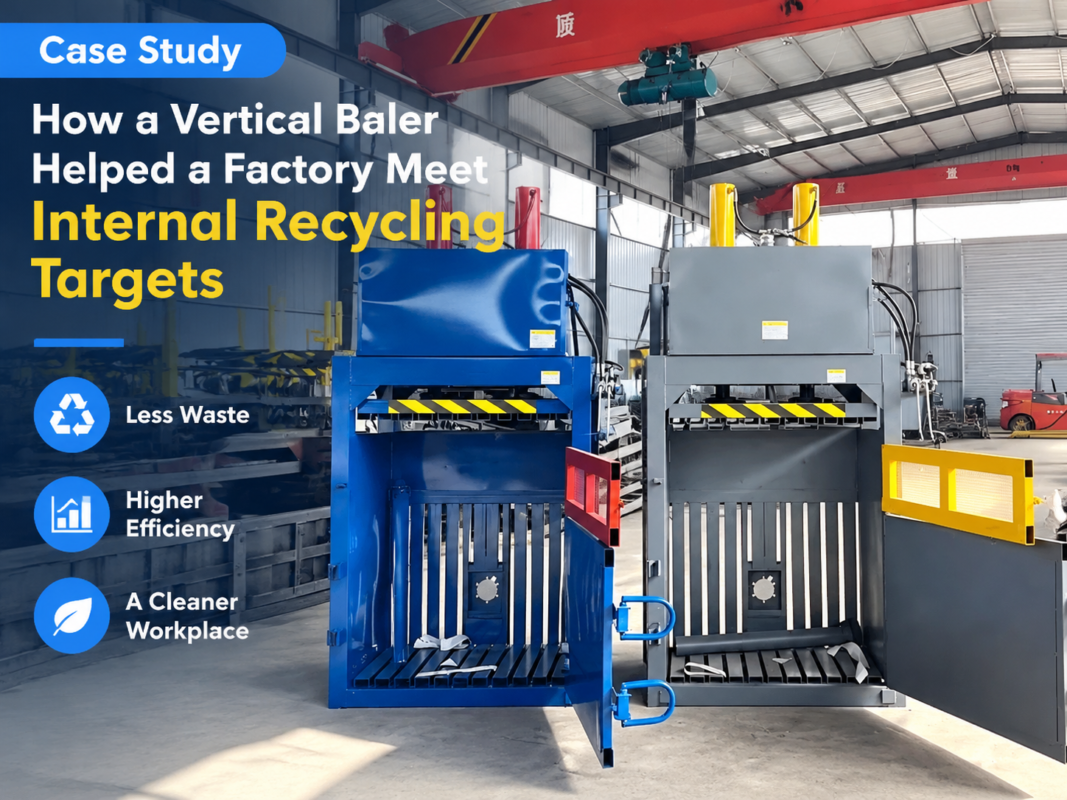
HARSLE, a leader in metal fabrication and industrial machinery, understands that choosing the right baler involves more than just picking a machine that fits your budget. It requires a deep dive into technical specifications, material compatibility, and long-term durability. A vertical baler operates by using a hydraulic ram to compress materials downward into a rectangular chamber. Once the material reaches a specific density, it is tied off and ejected as a bale. This process not only cleans up the shop floor but also turns waste into a potential revenue stream through recycling rebates.
As industrial regulations tighten and the cost of landfill disposal rises, the demand for high-performance baling solutions has surged. However, the market is flooded with various models, ranging from small back-of-store units to heavy-duty industrial presses. This guide is designed to help procurement managers and facility directors navigate the complexities of selecting the ideal vertical baler, ensuring that the investment yields maximum ROI and operational harmony.
Price Range Overview: Investing in Quality
The price of a vertical baler can vary significantly based on its capacity, pressing force, and automation features. Generally, for industrial-grade equipment, you can expect a price range starting from $3,000 for entry-level models and exceeding $30,000 for high-capacity, heavy-duty systems. Understanding where your needs fall within this spectrum is the first step in the procurement process.
Entry-level vertical balers, often providing 10 to 20 tons of pressing force, are suitable for small warehouses or retail environments. These machines are typically designed for cardboard and thin plastics. While they are affordable, they may lack the structural reinforcement needed for 24/7 industrial cycles. Mid-range balers, priced between $8,000 and $15,000, offer 30 to 50 tons of force and are the workhorses of the manufacturing sector. They can handle a wider variety of materials, including heavy-duty plastics and aluminum cans, producing bales that meet standard recycling industry dimensions.
At the high end of the spectrum, industrial vertical balers costing $20,000 and above are built for extreme environments. These machines often feature 60 to 100 tons of pressure, advanced PLC controls, and specialized hydraulic cooling systems. They are designed to produce high-density bales that maximize shipping container weights, which is crucial for large-scale industrial waste management. When you Look In A Vertical Baler Industrial Waste Management context, the initial price is often secondary to the machine’s ability to handle the projected volume without frequent downtime.
Main Cost Drivers in Vertical Baler Manufacturing
Several factors influence the final price tag of a vertical baler. The most prominent driver is the hydraulic system. The quality of the pump, the diameter of the cylinder, and the sophistication of the valve blocks determine the machine’s pressing force and cycle time. High-end brands like HARSLE utilize precision-engineered hydraulics to ensure smooth operation and longevity, which adds to the manufacturing cost but reduces long-term maintenance issues.
Material quality is another significant factor. Industrial balers are subjected to immense internal pressure. To prevent the frame from warping or cracking over time, manufacturers must use high-tensile steel and reinforced welding techniques. The thickness of the chamber walls and the floor plate directly impacts the machine’s lifespan. A cheaper baler might use thinner steel, which may suffice for light cardboard but will fail under the stress of compressing resilient materials like PET plastics or rubber.
Automation and safety features also play a role in cost. Modern industrial balers are equipped with safety interlocks, emergency stop buttons, and automatic bale ejection systems. The inclusion of a Programmable Logic Controller (PLC) allows for customizable compression cycles and diagnostic monitoring. While these electronic components increase the upfront cost, they significantly enhance operator safety and reduce the likelihood of mechanical failure due to user error.
Configuration Impact: Tailoring the Machine to Your Waste Stream
The configuration of a vertical baler must align with the specific types of waste your facility generates. One of the most critical configurations is the chamber size. If your waste consists of large appliance boxes, a small-chamber baler will require employees to manually break down the boxes before loading, which increases labor costs. Conversely, a wide-mouth baler allows for faster loading and higher throughput.
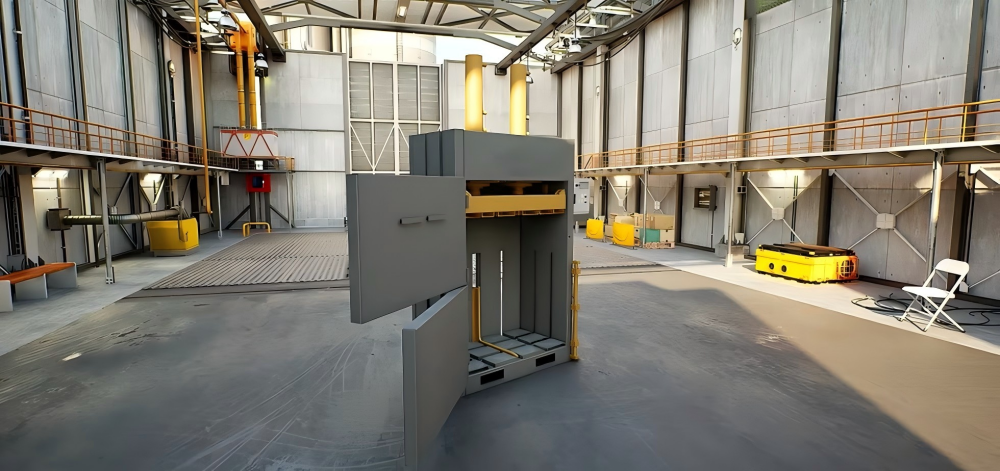
The stroke length and ram design are also vital. For materials with high “memory” (meaning they tend to spring back after compression), such as certain plastics or foam, a longer stroke and a specialized retainer claw system are necessary to keep the material compressed while the next load is added. Without these features, the baling process becomes inefficient, and the resulting bales may be loose and difficult to transport.
Power requirements are another configuration detail often overlooked. Most industrial vertical balers require three-phase power (220V, 380V, or 480V). Ensuring your facility has the electrical infrastructure to support the motor—which can range from 5HP to 20HP or more—is essential. Additionally, the choice between a manual tie and an automatic tie system (though more common in horizontal balers, some vertical models offer semi-auto features) can impact the speed of your waste processing line.
Hidden Costs of Owning a Vertical Baler
When budgeting for a vertical baler, the purchase price is only the beginning. One of the most significant hidden costs is freight and installation. These machines are heavy and often require specialized rigging and forklifts to move into position. Furthermore, if the machine requires a specific foundation or electrical drop, those site preparation costs must be accounted for.
Consumables represent an ongoing operational expense. To secure the bales, you will need baling wire or high-strength polyester strapping. Depending on the volume of waste, these costs can add up to thousands of dollars annually. It is important to choose a baler that uses standard-sized wire to avoid being locked into expensive, proprietary supplies from a single manufacturer.
Maintenance and wear parts are also inevitable. Hydraulic seals, oil filters, and the hydraulic fluid itself need regular replacement. In an industrial setting, the shear blades (if equipped) and the guide tracks for the ram will also experience wear. Choosing a reputable manufacturer like HARSLE ensures that spare parts are readily available, preventing costly extended downtime. Finally, consider the cost of operator training. A baler is a powerful piece of machinery; ensuring staff are trained in safe operation and basic troubleshooting is vital for both safety and machine longevity.
ROI Calculation: When Does a Vertical Baler Pay for Itself?
Calculating the Return on Investment (ROI) for a vertical baler involves looking at three main areas: labor savings, waste disposal savings, and recycling revenue. First, consider the labor currently spent on waste. If employees are spending hours every day breaking down boxes and hauling loose trash to an external compactor or dumpster, a vertical baler located near the source of waste can save significant man-hours.
Second, analyze your waste hauling fees. Waste management companies typically charge by the “pull” (each time they empty a dumpster) or by weight. Loose waste is mostly air, meaning you are paying to haul empty space. By compressing waste into dense bales, you can reduce the frequency of pickups by 50% to 80%. For many industrial facilities, the savings in hauling fees alone can pay for a mid-range baler within 12 to 18 months.
Third, there is the potential for revenue. Recyclers pay a premium for “mill-size” bales (typically 60 inches wide and weighing 1,000+ lbs). If your facility generates enough volume, you can transform a cost center into a profit center. For example, if you produce 10 tons of cardboard per month and the current market rate is $50 per ton, that is $500 in monthly revenue that was previously being thrown away. When you Look In A Vertical Baler Industrial Waste Management solution, the ability to produce mill-size bales is often the key to the fastest ROI.
Buying Advice: Choosing the Right Partner
When you are ready to purchase, the first step is to conduct a waste audit. Track the volume and type of waste your facility produces over a two-week period. This data will dictate the size and pressing force required. If you anticipate growth, it is always better to size up slightly; a machine running at 90% capacity will last longer than one constantly pushed to 110%.
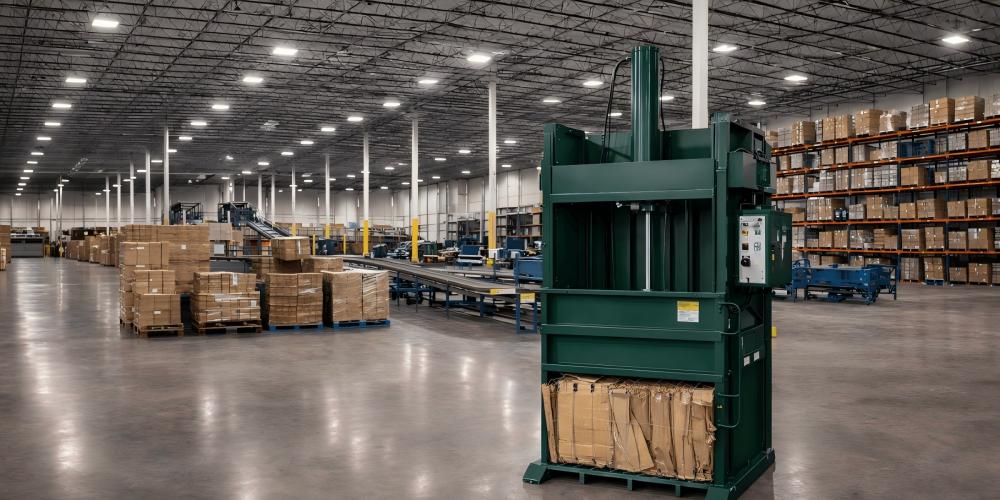
Evaluate the manufacturer’s reputation and support network. A machine is only as good as the service behind it. HARSLE provides comprehensive technical documentation and support, which is crucial for industrial operations where downtime is not an option. Ask about the warranty terms—specifically, what is covered under “wear and tear” versus manufacturing defects. A robust warranty on the frame and hydraulics is a good indicator of the manufacturer’s confidence in their product.
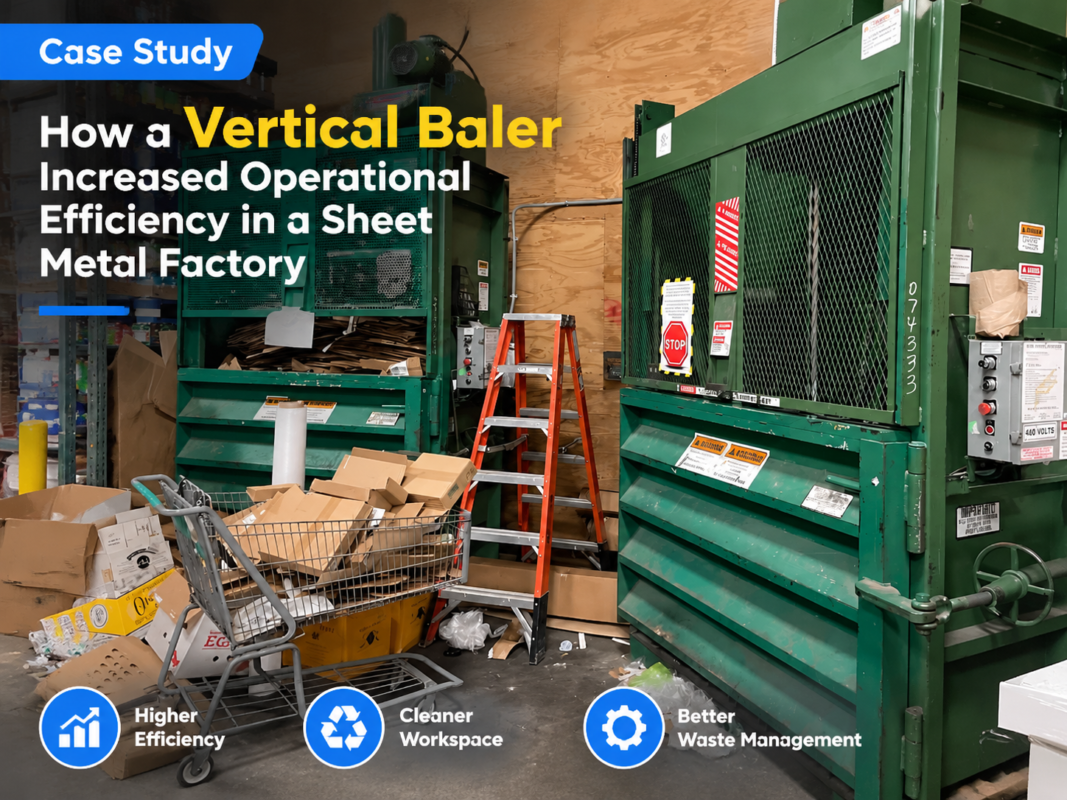
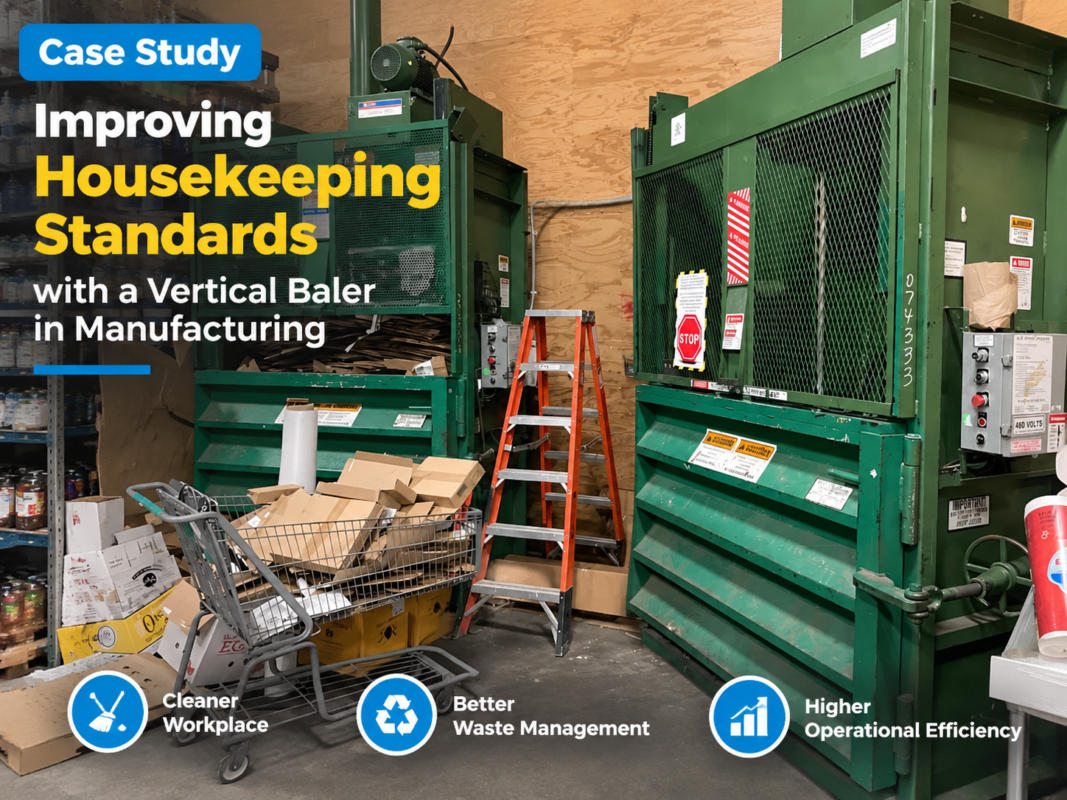
Finally, consider the ergonomics and safety of the design. Look for features like a low-profile design if you have ceiling height restrictions, or a front-loading door that is easy to operate. Safety gates should be counterbalanced for ease of use, and the controls should be intuitive. A machine that is difficult or frustrating to use will often be bypassed by employees, defeating the purpose of the investment. Always prioritize machines that meet or exceed local safety standards, such as CE or OSHA requirements.
Frequently Asked Questions (FAQ)
1. What is the difference between a vertical and horizontal baler?
Vertical balers are top-loading or front-loading machines where the ram moves downward. they are more compact and generally more affordable, making them ideal for small to medium volumes. Horizontal balers are larger, often automated, and designed for continuous, high-volume processing where waste is fed via a conveyor belt.
2. Can one vertical baler handle multiple types of material?
Yes, most industrial vertical balers can handle cardboard, plastics, and even light metals. However, you must clear the chamber between different materials to avoid contaminating the bales, which would reduce their recycling value. Some materials, like tires or heavy scrap metal, require specialized heavy-duty balers.
3. How much space do I need for a vertical baler?
While the footprint of the machine itself might be small (e.g., 6ft x 4ft), you need to account for the “operating envelope.” This includes space for the operator to load material, space to tie off the bales, and enough room for a forklift or pallet jack to remove the finished bale from the front of the machine.
4. How often does a vertical baler need maintenance?
For industrial use, a weekly visual inspection is recommended to check for hydraulic leaks and debris buildup. A more thorough professional service, including oil and filter changes, should be performed annually or every 2,000 hours of operation, depending on the intensity of use.
5. What is a “mill-size” bale and why does it matter?
A mill-size bale typically refers to a bale that is 60 inches wide, 30 inches deep, and 48 inches high, weighing approximately 1,000 lbs (for cardboard). This is the industry standard that most large-scale recyclers require to pay the maximum rebate, as it fits perfectly into standard shipping containers and trucks.
6. Is it better to buy or lease a vertical baler?
Buying offers the lowest long-term cost and allows you to claim the equipment as an asset. Leasing can be beneficial for companies that want to preserve capital or those who want to upgrade their equipment every few years. HARSLE can often provide guidance on the best acquisition strategy based on your financial goals.
7. What safety features should I look for?
At a minimum, ensure the baler has a dual-safety interlock system (the machine won’t run if the door is open), an emergency stop button, and a shielded motor. Some modern machines also include sensors that detect if the bale is being tied incorrectly or if the chamber is overloaded.
8. How do I determine the right tonnage for my needs?
Tonnage refers to the pressure the ram exerts. For standard cardboard, 20-30 tons is usually sufficient. For heavy plastics, rubber, or aluminum, you should look for 50-80 tons of pressure to ensure the bale stays compact and doesn’t expand after the wires are tied.