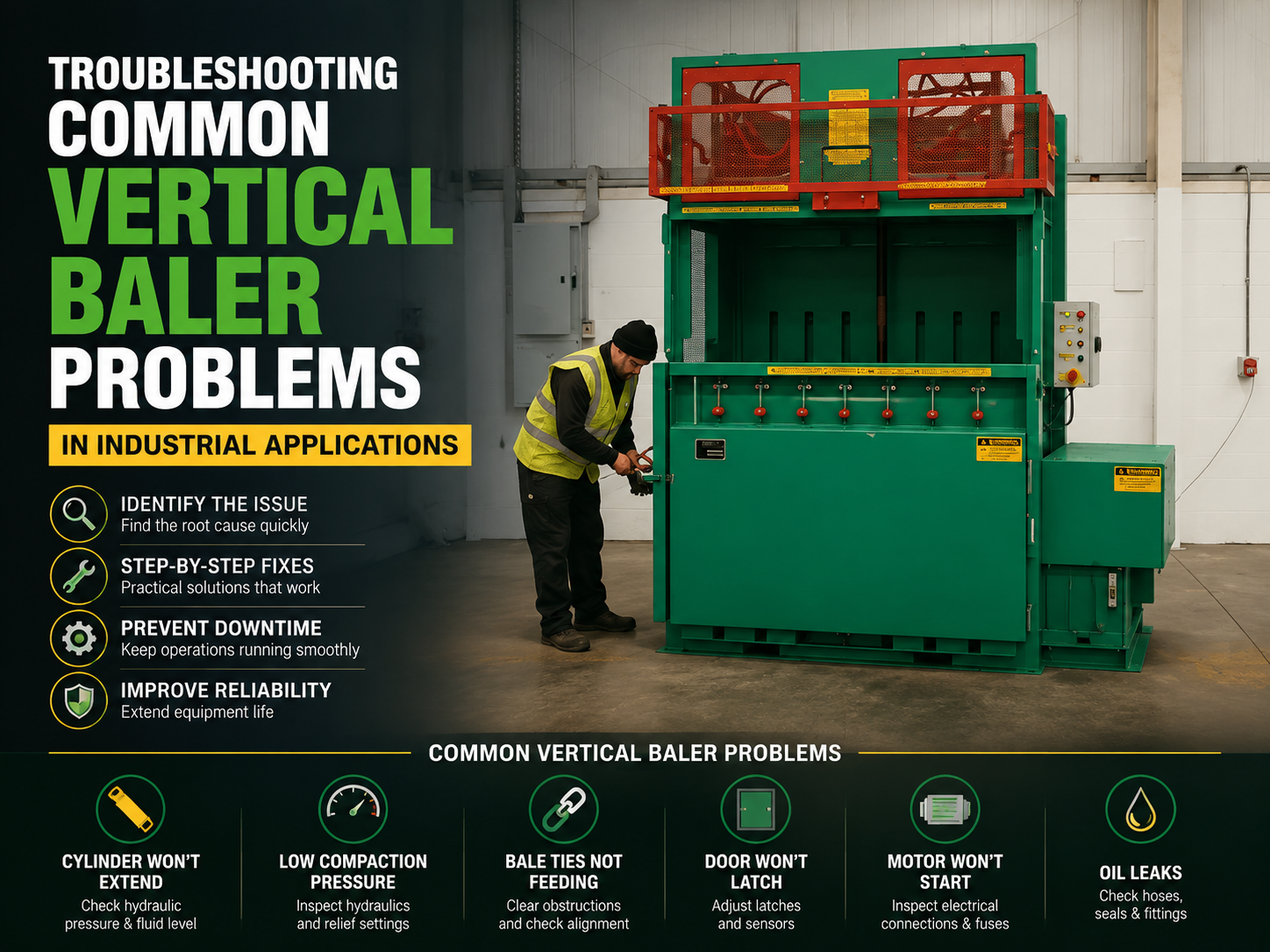
Troubleshooting Common Vertical Baler Problems In Industrial Applications

Technical Overview of Vertical Balers in Industrial Environments
Vertical balers are indispensable assets in modern industrial facilities, designed to compress recyclable materials such as cardboard, plastics, and non-ferrous metals into manageable, high-density bales. These machines operate on a downward-stroke hydraulic mechanism, where a heavy-duty platen is driven by one or more hydraulic cylinders to crush material within a reinforced chamber. In the context of Troubleshooting Common Vertical Baler Problems In Industrial Applications, it is essential to understand that these machines are subject to extreme mechanical stress and high-pressure hydraulic cycles, which can lead to wear and tear over time.
The efficiency of a vertical baler is measured by its ability to maintain consistent cycle times and produce bales that meet specific weight and density requirements for transport. HARSLE vertical balers are engineered with precision-machined components and advanced hydraulic circuits to minimize downtime. However, even the most robust industrial machinery requires a systematic approach to maintenance and troubleshooting. Industrial applications often involve 24/7 operations, meaning that a minor fault in a limit switch or a hydraulic seal can lead to significant bottlenecks in the waste management workflow.
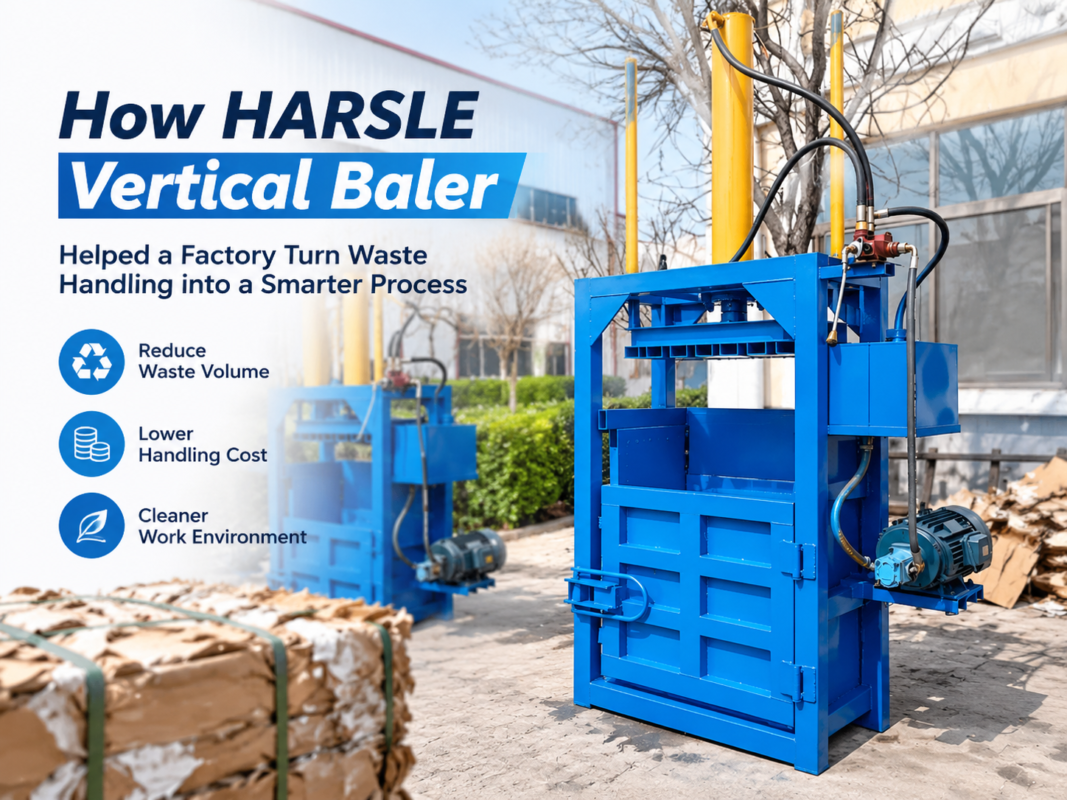
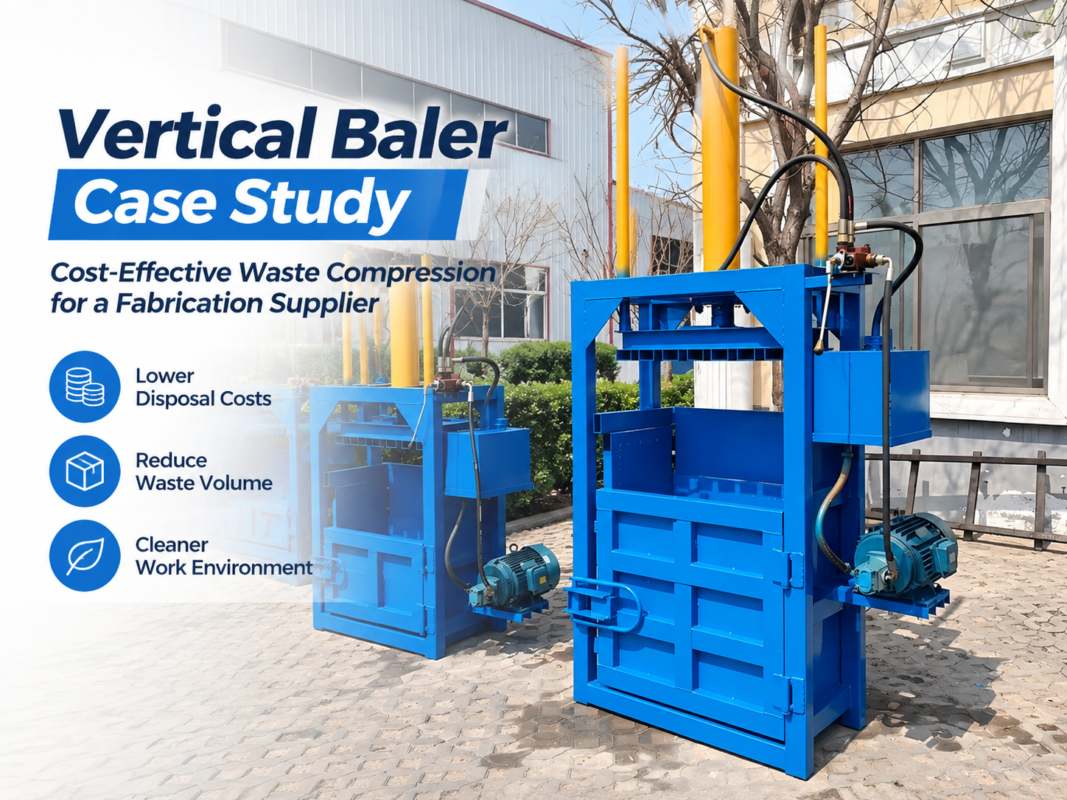
Technically, a vertical baler consists of three primary systems: the hydraulic system (pump, valves, cylinders, and fluid), the electrical system (motor, PLC, sensors, and control panel), and the structural frame (chamber, platen, and doors). Troubleshooting requires a holistic view of how these systems interact. For instance, a failure in the platen to retract might be an electrical issue (a faulty limit switch) or a hydraulic issue (a stuck directional control valve). Understanding these nuances is the first step toward effective industrial maintenance.
Furthermore, the environment in which these machines operate—often dusty, temperature-variable, and high-intensity—contributes to the frequency of specific issues. Dust accumulation can interfere with electrical contacts, while extreme cold can affect hydraulic oil viscosity. This guide aims to provide a deep dive into the technical aspects of identifying and resolving these common industrial challenges, ensuring that your HARSLE equipment remains a reliable pillar of your production line.
Core Parameters of Industrial Vertical Balers
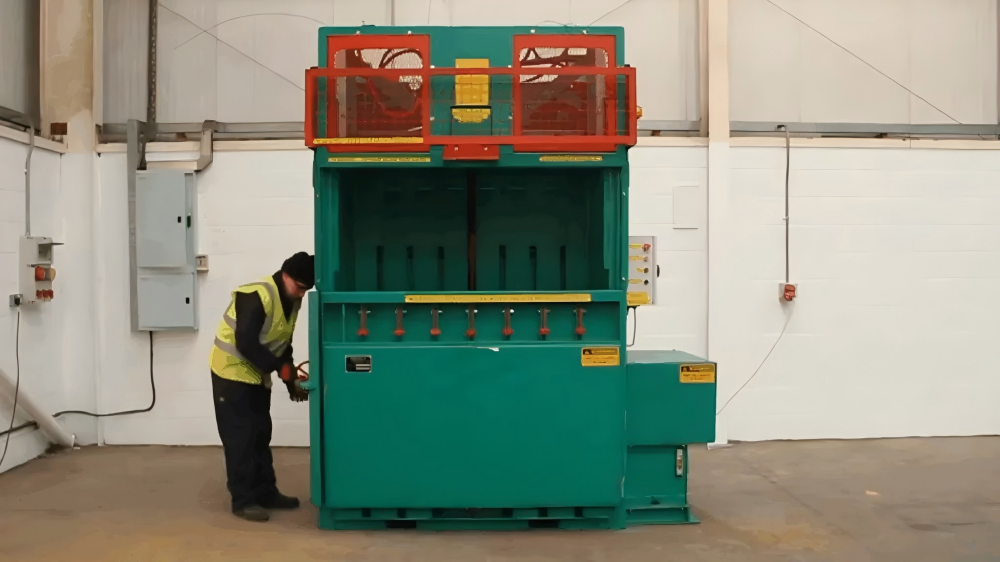
When Troubleshooting Common Vertical Baler Problems In Industrial Applications, engineers must first be familiar with the core parameters that define the machine’s performance. These parameters serve as the baseline for diagnostic testing. If a machine is underperforming, comparing current output against these specifications is the quickest way to pinpoint the source of the problem.
- Pressing Force (Tonnage): This is the total amount of pressure the hydraulic ram can exert. For industrial applications, this typically ranges from 30 to 120 tons. A drop in tonnage usually indicates a hydraulic leak or a failing pump.
- Cycle Time: The time it takes for the platen to complete a full downward and upward stroke. An increased cycle time often points to air in the hydraulic lines or a clogged suction filter.
- Motor Power: Measured in kilowatts (kW) or horsepower (HP), the motor drives the hydraulic pump. Overheating or frequent tripping of the motor circuit breaker is a common electrical troubleshooting point.
- Bale Dimensions: The physical size of the finished bale. If bales are coming out misshapen, it may indicate structural warping or uneven loading of material.
- Oil Capacity and Type: The volume of hydraulic fluid required. Using the wrong viscosity or operating with low oil levels is a leading cause of pump failure and erratic ram movement.
Understanding these parameters allows maintenance teams to set “normal” operating thresholds. For example, if a HARSLE 60-ton baler is only reaching 45 tons of pressure, the technician knows to focus specifically on the pressure relief valve or the cylinder seals rather than the electrical control logic. Consistency in these parameters is the hallmark of a well-maintained industrial baler.
Calculation Methods for Baler Performance and Density
To accurately diagnose problems, one must often perform calculations to verify if the machine is operating within its design limits. One of the most critical calculations in Troubleshooting Common Vertical Baler Problems In Industrial Applications is determining the actual ram pressure (PSI) based on the gauge reading and cylinder bore size.
1. Ram Pressure Calculation:
To find the pressure exerted by the platen, use the formula:
Pressure (PSI) = Total Force (lbs) / Area of Cylinder (sq. in).
If you know the tonnage, convert it to pounds (1 ton = 2000 lbs) and divide by the cross-sectional area of the hydraulic cylinder piston. If the calculated PSI does not match the gauge reading, there is a loss of efficiency in the hydraulic circuit.
2. Bale Density Calculation:
Bale density is crucial for shipping logistics. It is calculated as:
Density = Weight of Bale (lbs) / Volume of Bale (cubic feet).
A sudden drop in bale density, despite using the same material, suggests that the “Full Bale” sensor is triggering too early or the hydraulic system is bypassing fluid before reaching maximum pressure.
3. Throughput Efficiency:
Throughput can be calculated by:
(Bales per Hour) x (Average Bale Weight).
Monitoring this over time helps identify gradual wear in the pump. If the throughput drops by 15% over six months, it is a clear indicator that the hydraulic pump is losing volumetric efficiency and may require a rebuild or replacement.
Technical Parameter Table for HARSLE Vertical Balers
The following table outlines the standard specifications for common industrial vertical balers. Use this as a reference when troubleshooting to ensure your machine is meeting its factory-rated performance.
| Model Series | Nominal Force (kN) | Bale Size (L*W*H mm) | Motor Power (kW) | Cycle Time (s) | Machine Weight (kg) |
|---|---|---|---|---|---|
| HVS-30T | 300 | 800 x 600 x 600 | 7.5 | 35 | 1,800 |
| HVS-60T | 600 | 1100 x 750 x 1000 | 11 | 45 | 3,200 |
| HVS-100T | 1000 | 1200 x 800 x 1100 | 15 | 50 | 5,500 |
| HVS-150T | 1500 | 1500 x 1000 x 1200 | 22 | 60 | 8,000 |
Common Engineering Mistakes in Baler Operation
In the field of Troubleshooting Common Vertical Baler Problems In Industrial Applications, many issues are actually the result of preventable engineering or operational errors. One of the most frequent mistakes is uneven loading. When material is concentrated on one side of the chamber, the platen descends at an angle, putting immense lateral stress on the cylinder rods and guide tracks. Over time, this leads to bent rods and leaking seals.
Another common error is ignoring oil temperature. Industrial balers generate significant heat during continuous operation. If the cooling system is inadequate or the oil level is low, the hydraulic fluid thins out, leading to internal leakage and sluggish performance. Operators often try to compensate by turning up the pressure relief valve, which only accelerates the wear on the pump and hoses.
Incorrect Wire Tying: Many operators fail to properly tension the bale wires or use the wrong gauge of wire for the material density. This results in “bale explosions” where the bale expands and breaks the ties immediately after being ejected. This is not a machine failure but a procedural error that can be solved by matching wire strength to the material’s rebound characteristics.
Finally, bypassing safety interlocks is a critical mistake. In an attempt to speed up production, some maintenance teams might bridge a door safety switch. This not only creates a massive safety hazard but also prevents the PLC from receiving the correct sequence signals, which can lead to erratic behavior in the automatic cycle mode. Always ensure that all sensors are functional and properly aligned.
Comprehensive Troubleshooting Guide: Symptoms and Solutions
1. The Motor Runs but the Platen Won’t Move
This is a classic industrial baler issue. First, check the hydraulic oil level; if it’s too low, the pump will cavitate and fail to build pressure. Second, inspect the coupling between the motor and the pump. If the coupling has sheared, the motor will spin freely without turning the pump. Third, check the directional control valve solenoid. If the electrical coil is burnt out, the valve won’t shift to direct oil to the cylinder.
2. Excessive Noise During Operation
Loud whining or grinding noises usually indicate pump cavitation or air ingestion. Check the suction line for leaks or a clogged intake strainer. If the noise is a metallic banging, it may be the platen hitting the side of the chamber due to worn guide wear-pads. Immediate replacement of wear-pads is necessary to prevent structural damage to the chamber walls.
3. The Baler Fails to Reach Full Pressure
When Troubleshooting Common Vertical Baler Problems In Industrial Applications involving low pressure, start with the relief valve. Debris can get stuck in the valve seat, keeping it partially open. If the relief valve is clean, the issue is likely internal leakage in the hydraulic cylinder. A worn piston seal allows oil to bypass from the high-pressure side to the low-pressure side, preventing the ram from exerting its full rated force.
4. Electrical PLC Errors and Ghost Faults
Industrial environments are prone to electromagnetic interference (EMI) and vibration. Ensure all wiring terminals in the control cabinet are tight. A loose neutral wire can cause the PLC to reset or display intermittent error codes. Additionally, check the proximity sensors for metal shavings; since these sensors are magnetic, they can attract debris that triggers false “door closed” or “ram up” signals.
Selection Checklist for Industrial Vertical Balers
Choosing the right machine is the best way to avoid future troubleshooting headaches. Use this checklist when evaluating new equipment for your facility:
- Material Compatibility: Does the baler have the correct shear blades or platen design for your specific waste stream (e.g., plastic vs. metal)?
- Safety Certifications: Does the machine meet CE, UL, or ANSI standards? Look for dual-channel safety relays and keyed interlocks.
- Hydraulic Component Quality: Are the valves and pumps from reputable brands like Rexroth or Vickers? High-quality hydraulics are easier to source parts for during troubleshooting.
- Frame Rigidity: Inspect the thickness of the chamber walls. A thin frame will flex under high pressure, leading to door alignment issues.
- Ease of Maintenance: Are the grease points accessible? Is the hydraulic unit positioned for easy oil changes and filter replacements?
- PLC and Diagnostics: Does the control panel provide clear error codes? A machine that tells you *why* it stopped is much easier to fix.
Frequently Asked Questions (FAQ)
How often should I change the hydraulic oil in my vertical baler?
In a standard industrial setting, hydraulic oil should be changed every 2,000 operating hours or once a year, whichever comes first. However, you should perform oil analysis every six months to check for oxidation and contamination. Always replace the filters whenever the oil is changed.
Why does my baler stop halfway through the downward stroke?
This is usually caused by the “Full Bale” sensor being misaligned or the pressure switch being set too low. If the material is very dense, the machine may reach its maximum pressure setting before the chamber is actually full, causing the PLC to think the cycle is complete. Adjust the pressure switch settings according to the manufacturer’s manual.
Can I use a vertical baler for scrap metal?
Yes, but only for non-ferrous metals like aluminum cans or thin copper wire. Standard vertical balers are not designed for heavy steel scrap. Using a cardboard baler for heavy metal will result in structural failure and destroyed hydraulic seals. Always verify the tonnage and chamber reinforcement for metal applications.
What causes the hydraulic hoses to vibrate excessively?
Hose vibration, or “hydraulic shock,” is often caused by rapid valve shifting or air trapped in the system. Ensure the system is properly bled of air. If the vibration persists, check the hydraulic accumulators (if equipped) or install dampening clamps to prevent the hoses from rubbing against the frame and wearing through.
Why is the bale not ejecting properly?
The most common cause is a malfunction in the ejector chain or strap system. Check for stretched chains or broken connection points. Also, ensure the chamber walls are clean; sticky residue from plastics or soda cans can create enough friction to prevent the bale from sliding out smoothly.
Is it normal for the hydraulic pump to be hot to the touch?
While hydraulic systems generate heat, the pump should not exceed 60°C (140°F). If it is too hot to touch for more than a second, the system is overheating. This could be due to a failing pump, an internal leak, or a blocked oil cooler. Operating at high temperatures will rapidly degrade the oil and seals.