Vertical Baler Maintenance and Support Factors to Check Before Buying: A Comprehensive Guide

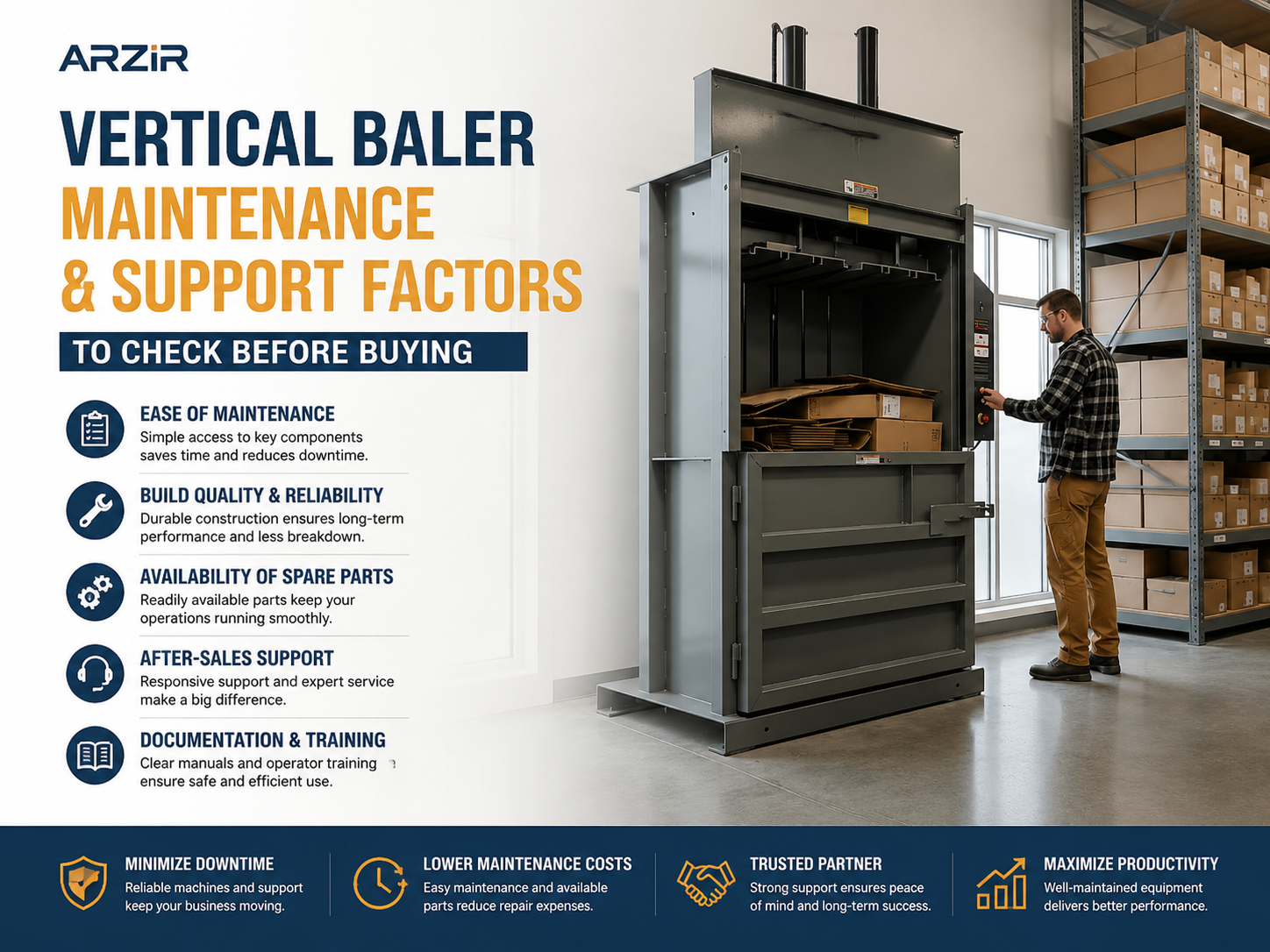
Introduction to Vertical Baler Maintenance and Support
Investing in a vertical baler is a strategic move for any business looking to optimize waste management, reduce disposal costs, and contribute to sustainability goals. However, the initial purchase price is only one part of the equation. To ensure long-term profitability and operational efficiency, savvy buyers must prioritize Vertical Baler Maintenance Support Factors Check Before Buying. A machine that is difficult to maintain or lacks manufacturer support can quickly become a liability, leading to expensive downtime and safety risks.
Vertical balers are workhorses in retail, manufacturing, and recycling centers. They compress materials like cardboard, plastic, and light metals into dense, manageable bales. Because these machines operate under high hydraulic pressure and handle abrasive materials, wear and tear are inevitable. This guide explores the critical maintenance and support factors you must evaluate before signing a purchase agreement, ensuring your HARSLE equipment remains a high-performing asset for years to come.
Price Range Overview: What to Expect
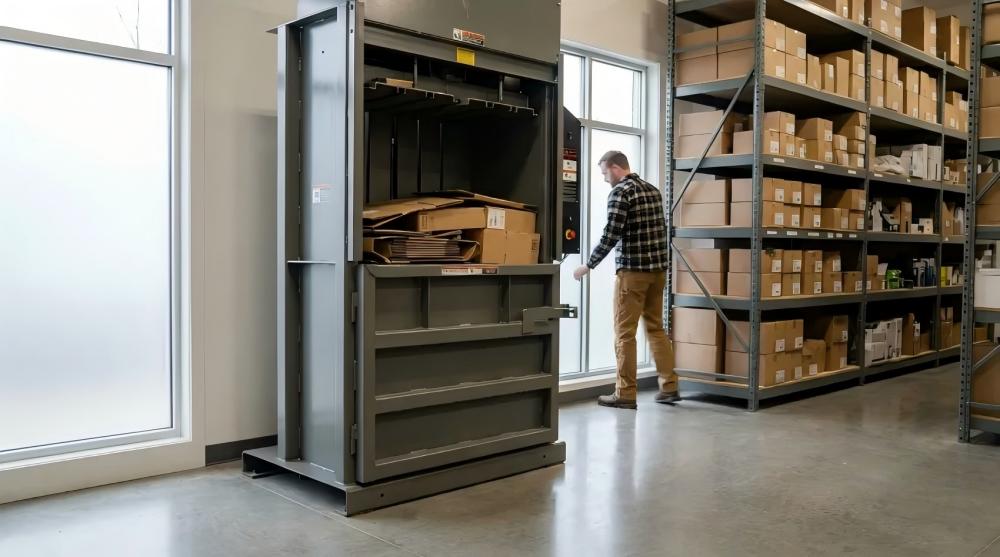
The cost of a vertical baler varies significantly based on its pressing force (tonnage), bale size, and automation level. Understanding the price tiers helps in setting a realistic budget that includes not just the machine, but also the necessary support infrastructure.
- Entry-Level Balers ($2,500 – $6,000): These are typically low-tonnage machines (10-20 tons) designed for small retail outlets or offices. They handle cardboard and soft plastics. Maintenance is usually simple, but support might be limited to basic parts replacement.
- Mid-Range Industrial Balers ($7,000 – $15,000): These machines offer 30-60 tons of pressing force. They are built for continuous operation in warehouses and distribution centers. At this level, the Vertical Baler Maintenance Support Factors Check Before Buying becomes crucial, as these machines feature more complex hydraulic systems and safety interlocks.
- Heavy-Duty & Specialized Balers ($16,000 – $40,000+): Designed for high-volume recycling centers or processing tough materials like aluminum cans and heavy plastics. These machines often feature high-speed hydraulics, advanced PLC controls, and heavy-duty structural reinforcement.
When comparing prices, it is vital to look beyond the sticker price. A cheaper machine from a vendor with no local support or spare parts inventory will ultimately cost more in lost productivity than a premium HARSLE machine backed by a robust service network.
Main Cost Drivers in Vertical Baler Procurement
Several technical factors drive the cost of a vertical baler. Understanding these allows you to determine where to invest for durability and where you might be able to save. The primary cost drivers include the hydraulic system, the structural frame, and the control electronics.
1. Hydraulic System Quality
The heart of the baler is its hydraulic system. High-quality pumps (such as those from Rexroth or Vickers) and cylinders increase the initial cost but significantly reduce maintenance needs. A well-designed hydraulic system operates cooler and more efficiently, extending the life of seals and valves. When performing your Vertical Baler Maintenance Support Factors Check Before Buying, ask about the brand of the hydraulic components and the availability of replacement seal kits.
2. Steel Grade and Frame Construction
The frame must withstand immense internal pressure. Balers constructed with high-tensile steel (like Q345B) and reinforced stress points are more expensive but less prone to structural fatigue. Look for CO2 shielded welding and precision-machined guide rails, which ensure the press plate moves smoothly without putting uneven stress on the cylinders.
3. Motor and Electrical Components
Energy-efficient motors (IE3 standard) and high-quality electrical components (Schneider or Siemens) add to the cost but provide better reliability. Advanced PLC (Programmable Logic Controller) systems allow for easier troubleshooting and automated cycles, which can reduce labor costs but require specialized support knowledge.
Configuration Impact on Maintenance and Support
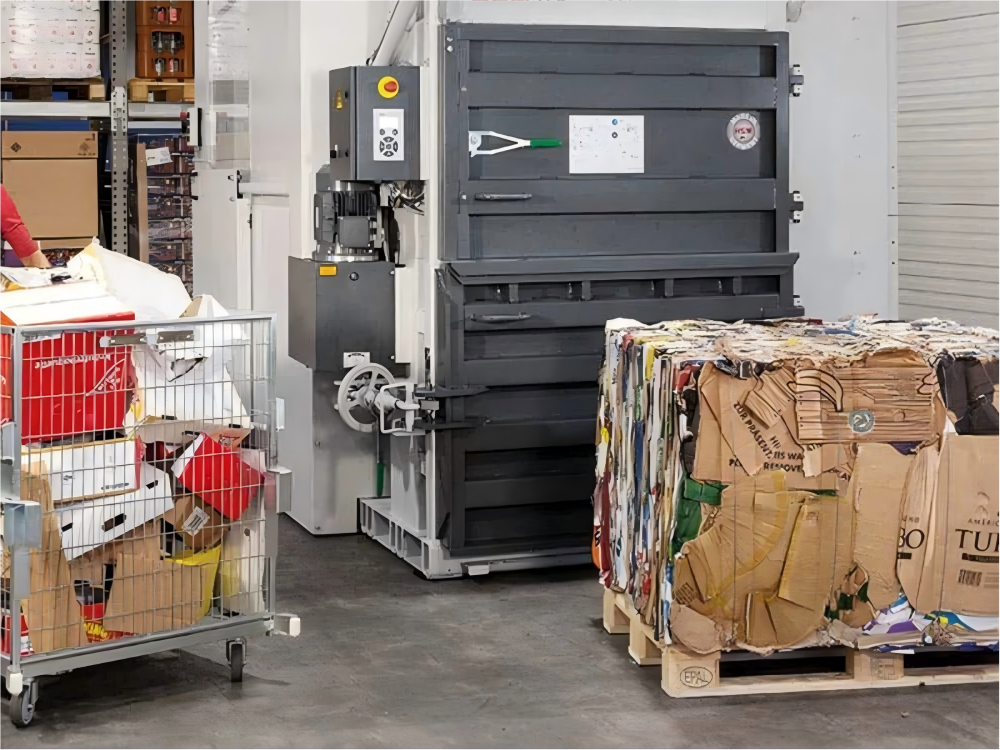
The specific configuration of your baler dictates its maintenance schedule and the type of support you will need. For instance, a baler configured with an automatic bale ejector has more moving parts and sensors than a manual eject model. While the automatic version saves labor, it requires more frequent sensor calibration and lubrication.
Another configuration factor is the power supply. Machines configured for 3-phase power are generally more robust and efficient for industrial use, but they require professional electrical maintenance. If your facility only has single-phase power, you may need a specific configuration that might limit the machine’s speed or tonnage. Always verify that the manufacturer provides detailed wiring diagrams and hydraulic schematics as part of their support package.
Hidden Costs: Beyond the Initial Purchase
Many buyers fail to account for the “hidden” costs associated with owning a vertical baler. These costs can significantly impact the total cost of ownership (TCO) over the machine’s lifespan.
- Installation and Commissioning: Does the price include professional installation? Improperly leveled machines can lead to premature frame failure and hydraulic leaks.
- Operator Training: Maintenance starts with proper use. Comprehensive training for your staff on how to load the machine and perform daily checks is essential. Check if the manufacturer provides training videos or on-site sessions.
- Spare Parts Inventory: You should keep a stock of “wear parts” such as hydraulic filters, door seals, and limit switches. The cost of these parts and their shipping speed are critical Vertical Baler Maintenance Support Factors Check Before Buying.
- Oil Changes: Industrial balers require large volumes of hydraulic oil. The cost of high-quality anti-wear hydraulic oil (ISO 46 or 68) and the environmental fees for disposing of old oil must be factored in.
Vertical Baler Maintenance Support Factors Check Before Buying: A Detailed Checklist
To ensure you are choosing a machine that won’t leave you stranded, use the following checklist to evaluate the manufacturer’s support and the machine’s maintainability.
1. Technical Documentation
Does the machine come with a comprehensive manual in your native language? A good manual should include a preventative maintenance schedule, a troubleshooting guide with error codes, and a full parts list with exploded views. Without this, even simple repairs can become a guessing game.
2. Remote Support and Diagnostics
In the modern industrial landscape, remote support is a game-changer. Check if the baler’s PLC can be accessed remotely for diagnostics. HARSLE offers technical support that can often resolve software or configuration issues via video call or remote link, saving the cost of a technician’s site visit.
3. Availability of Local Technicians
If a major component fails, how quickly can a qualified technician reach your site? Ask the vendor about their service network. If they don’t have local technicians, do they have a partnership with local industrial hydraulic shops? Knowing who will turn the wrench before you buy is vital.
4. Warranty Terms
Read the fine print of the warranty. Does it cover both parts and labor? Is the hydraulic cylinder covered for longer than the electrical components? A manufacturer that stands behind their product with a multi-year structural warranty is usually a safer bet.
5. Ease of Access for Maintenance
Inspect the machine’s design. Are the hydraulic filters easy to reach? Is there enough space to change the oil without dismantling half the machine? A maintenance-friendly design encourages your staff to actually perform the required checks, preventing major breakdowns.
ROI Calculation: The Value of Maintenance
The Return on Investment (ROI) for a vertical baler is typically calculated by comparing the cost of the machine against the savings in waste hauling fees and the revenue generated from selling baled recyclables. However, a true ROI calculation must include maintenance costs.
Formula:
ROI = (Annual Waste Savings + Annual Bale Revenue) / (Annualized Purchase Cost + Annual Maintenance Costs + Annual Energy Costs)
If a machine has high maintenance costs or frequent downtime, the denominator in this equation grows, shrinking your ROI. Conversely, a well-supported HARSLE baler with a strict preventative maintenance program will have a lower TCO and a much faster payback period, often within 12 to 24 months depending on waste volume.
Buying Advice for Prospective Owners
When you are ready to purchase, keep these final pieces of advice in mind:
- Don’t Over-Spec or Under-Spec: Buying a 60-ton baler for a small amount of cardboard is a waste of energy and maintenance budget. Conversely, pushing a 10-ton baler to its limits daily will lead to rapid failure. Match the machine to your actual waste volume.
- Verify Part Commonality: Ask if the machine uses standard, off-the-shelf components for items like limit switches, contactors, and hydraulic fittings. Proprietary parts can be expensive and have long lead times.
- Request a Maintenance Demo: If possible, have the salesperson show you how to perform a basic filter change or how to bleed the hydraulic system. This will give you an immediate sense of the machine’s maintainability.
- Check References: Ask the manufacturer for references from customers in your industry. Ask those customers specifically about the quality of after-sales support they have received.
Frequently Asked Questions (FAQ)
How often should I change the hydraulic oil in my vertical baler?
Generally, hydraulic oil should be changed every 2,000 operating hours or once a year, whichever comes first. However, you should check the oil level and clarity weekly. If the oil appears milky (water contamination) or smells burnt, it needs immediate replacement.
What are the most common causes of vertical baler downtime?
The most common issues are sensor misalignment, hydraulic leaks due to worn seals, and electrical issues caused by loose connections or debris in the control panel. Regular cleaning and inspections can prevent 90% of these problems.
Can I maintain a vertical baler myself?
Basic maintenance like lubrication, cleaning, and visual inspections can and should be done by trained on-site staff. However, major hydraulic repairs or electrical troubleshooting should be handled by qualified technicians to ensure safety and maintain warranty coverage.
Why is the ‘Vertical Baler Maintenance Support Factors Check Before Buying’ so important?
Because these machines are high-pressure systems. Poor maintenance isn’t just an economic issue; it’s a safety issue. Ensuring you have the right support and a maintainable machine protects your employees and your investment.
What should I do if my baler stops mid-cycle?
First, check the emergency stop buttons and ensure all safety gates are fully closed. Check the PLC display for error codes. If the issue isn’t obvious, consult your manual’s troubleshooting section or contact HARSLE technical support for guidance.
Conclusion
Selecting the right vertical baler involves much more than comparing tonnages and prices. By focusing on the Vertical Baler Maintenance Support Factors Check Before Buying, you ensure that your facility remains productive and safe. HARSLE is committed to providing not only high-quality machinery but also the technical documentation, spare parts availability, and expert support necessary to maximize your equipment’s lifespan. Invest wisely by prioritizing maintainability and manufacturer reliability, and your vertical baler will provide a significant return for years to come.