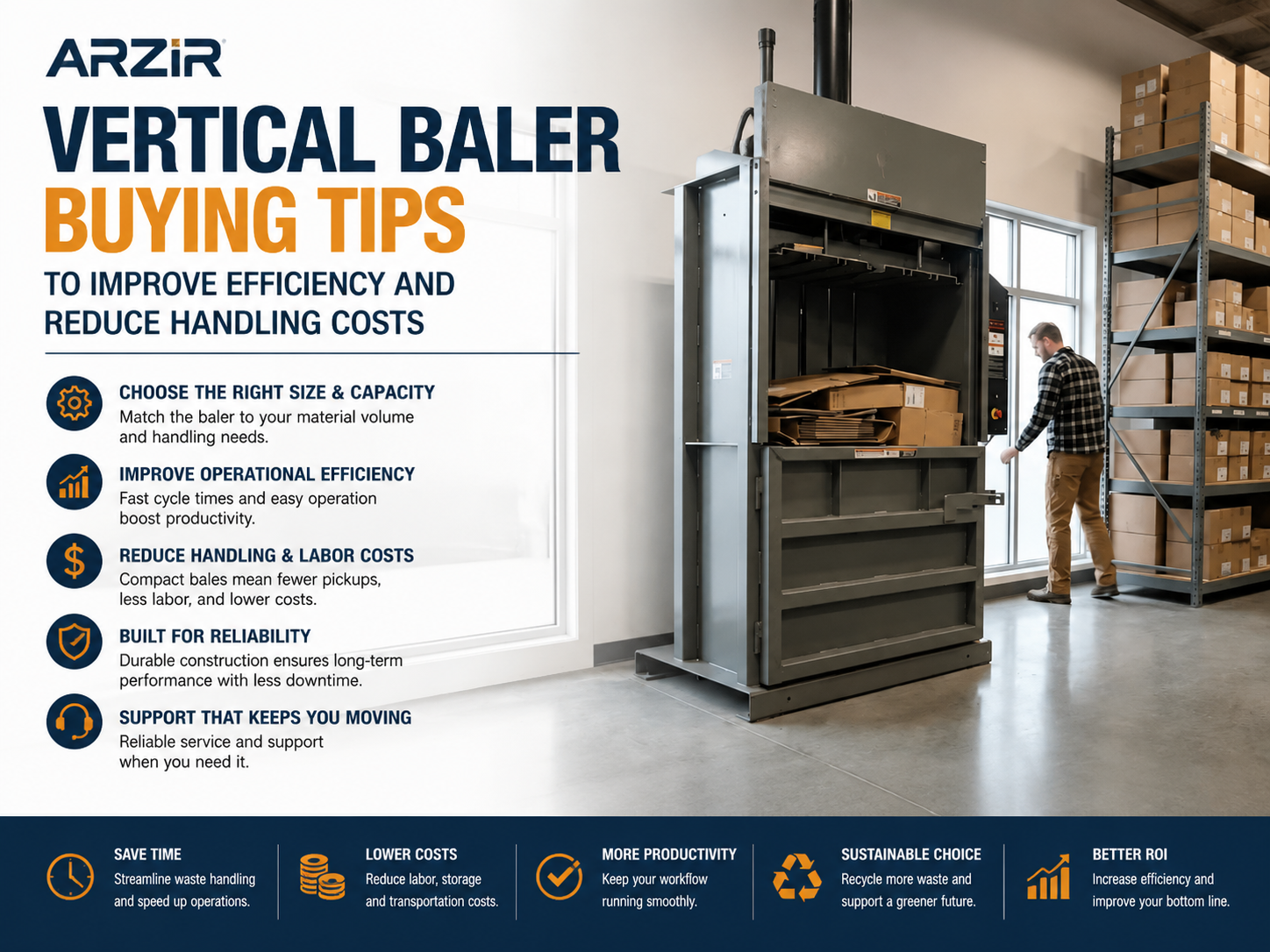
Vertical Baler Buying Tips to Improve Efficiency and Reduce Handling Costs

Introduction to Vertical Baler Procurement
In the modern industrial landscape, waste management is no longer just a secondary concern; it is a critical component of operational efficiency and cost control. For facilities dealing with high volumes of cardboard, plastic, textiles, or light metal scraps, a vertical baler is an indispensable tool. However, the market is flooded with various models, tonnages, and configurations, making the selection process daunting. This guide provides comprehensive Vertical Baler Buying Tips to Improve Efficiency and Reduce Handling Costs, ensuring that your investment translates into long-term profitability and streamlined workflows.
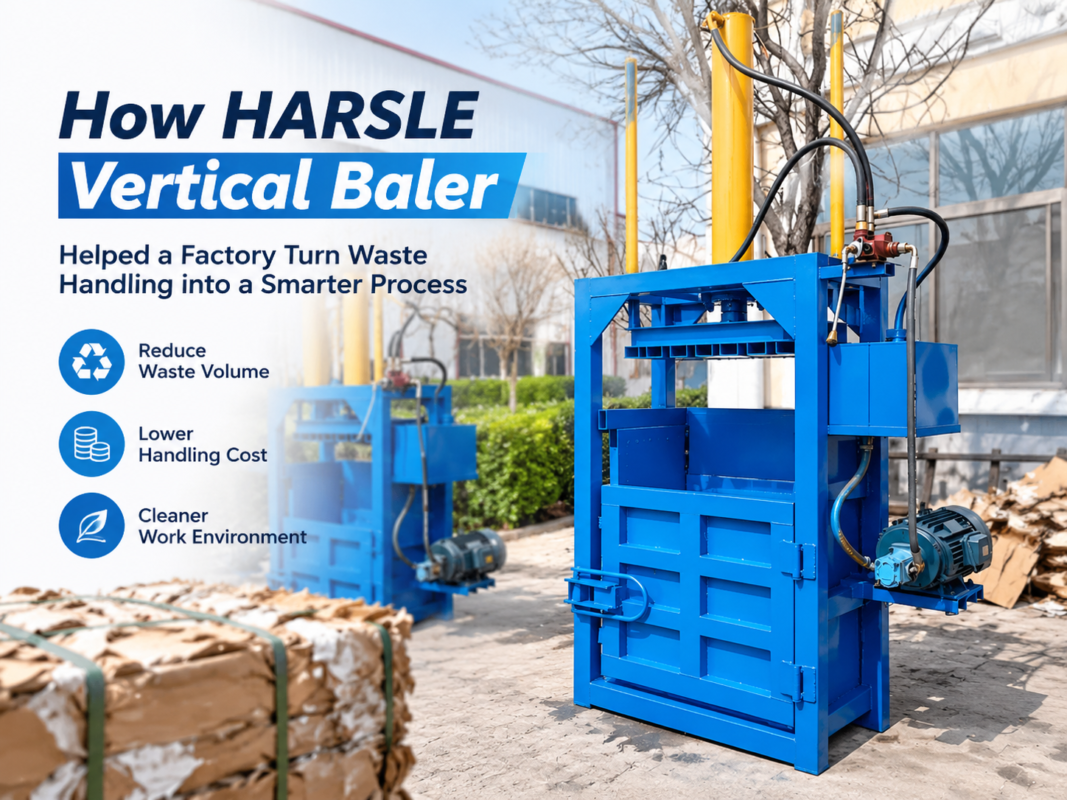
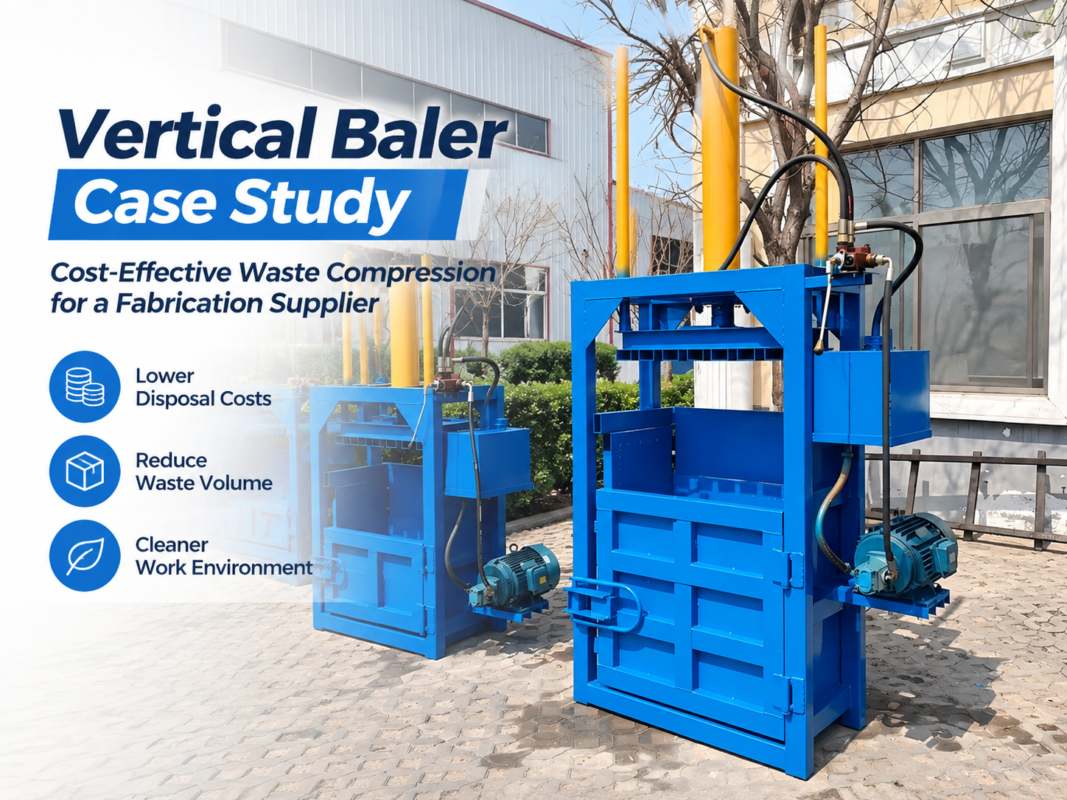
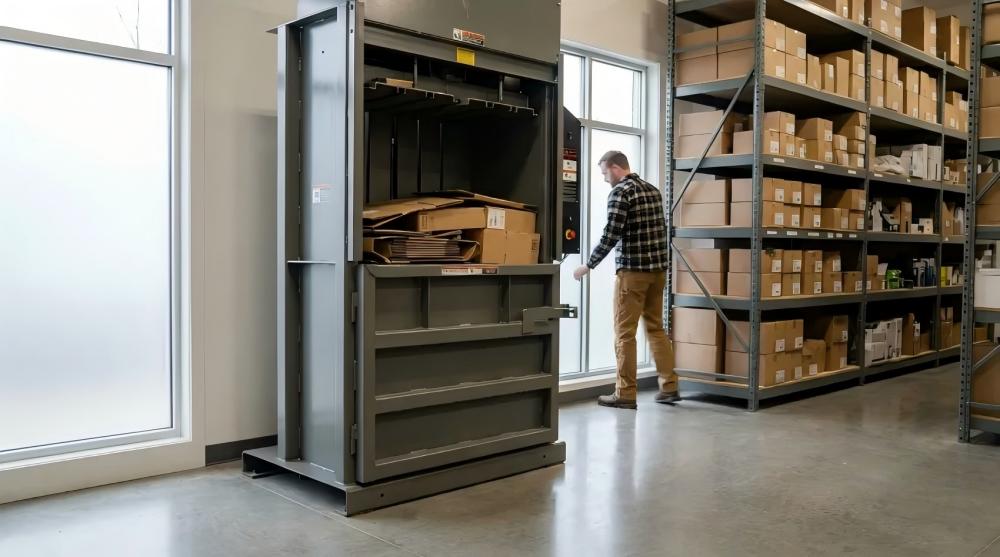
A vertical baler works by compressing loose waste material into dense, manageable blocks known as bales. By reducing the volume of waste, companies can significantly lower the frequency of waste pickups, reclaim valuable floor space, and even generate revenue by selling high-density bales to recycling centers. At HARSLE, we understand that every facility has unique requirements, and choosing the right machine requires a deep dive into technical specifications, operational needs, and financial projections.
Price Range Overview: Setting Your Budget
Understanding the price landscape is the first step in any procurement process. Vertical balers vary significantly in price based on their compression force, bale size, and automation features. Generally, the market can be categorized into three main price tiers:
- Entry-Level/Small Balers ($3,000 – $8,000): These machines are typically designed for small retail outlets or offices. They offer lower compression force (usually 5 to 15 tons) and produce smaller bales. While affordable, they may not be suitable for heavy industrial use where high throughput is required.
- Mid-Range Industrial Balers ($8,000 – $18,000): This is the most common category for manufacturing facilities and large warehouses. These machines offer 30 to 60 tons of pressure and produce standard mill-size bales. They are built for durability and can handle a variety of materials including heavy cardboard and plastics.
- Heavy-Duty/Specialized Balers ($18,000 – $40,000+): These are high-performance machines designed for 24/7 operations. They often feature advanced PLC controls, high-speed hydraulic systems, and specialized chambers for materials like non-ferrous metals or high-rebound plastics.
When considering the price, it is vital to look beyond the initial sticker price. A cheaper machine that requires frequent maintenance or has a slow cycle time will eventually cost more than a premium HARSLE model designed for high efficiency. The goal is to find the “sweet spot” where the machine’s capabilities perfectly align with your waste volume.
Main Cost Drivers in Vertical Baler Selection
Several technical factors dictate the cost and performance of a vertical baler. Understanding these drivers is essential for applying Vertical Baler Buying Tips to Improve Efficiency and Reduce Handling Costs effectively.
Compression Force (Tonnage)
The tonnage refers to the amount of pressure the hydraulic ram exerts on the material. Higher tonnage allows for denser bales. For cardboard, 40-50 tons is usually sufficient, but for tougher materials like plastic jugs or light aluminum, you may need 60 tons or more. Denser bales are more valuable to recyclers and take up less transport space, directly impacting your handling costs.
Cycle Time
Cycle time is the duration it takes for the ram to extend and retract. In a high-volume environment, a difference of 15 seconds per cycle can add up to hours of lost labor over a month. High-efficiency balers utilize advanced hydraulic pumps and valves to minimize cycle time without sacrificing safety or pressure.
Motor Power and Hydraulics
The horsepower of the motor and the quality of the hydraulic pump are the heart of the machine. A well-engineered hydraulic system ensures smooth operation and longevity. HARSLE machines focus on energy-efficient motors that provide maximum torque while minimizing electricity consumption, which is a key factor in reducing ongoing operational costs.
Configuration Impact: Customizing for Your Workflow
The configuration of your baler can significantly influence how much labor is required to operate it. Here are the key configuration choices that impact efficiency:
Loading Door Styles
Vertical balers typically come with either a sliding gate or a swing door. Sliding gates are often preferred in tight spaces as they don’t require clearance to open outward. Furthermore, automatic opening gates can shave seconds off every loading cycle, allowing operators to focus on moving material rather than manipulating the machine.
Bale Ejection Systems
How the bale is removed from the machine is a major safety and efficiency consideration. Manual ejection requires the operator to use chains or bars, which can be labor-intensive and pose safety risks. Hydraulic bale ejectors, standard on many HARSLE models, automatically push the bale out onto a pallet with the push of a button, drastically reducing handling time.
Control Systems and Automation
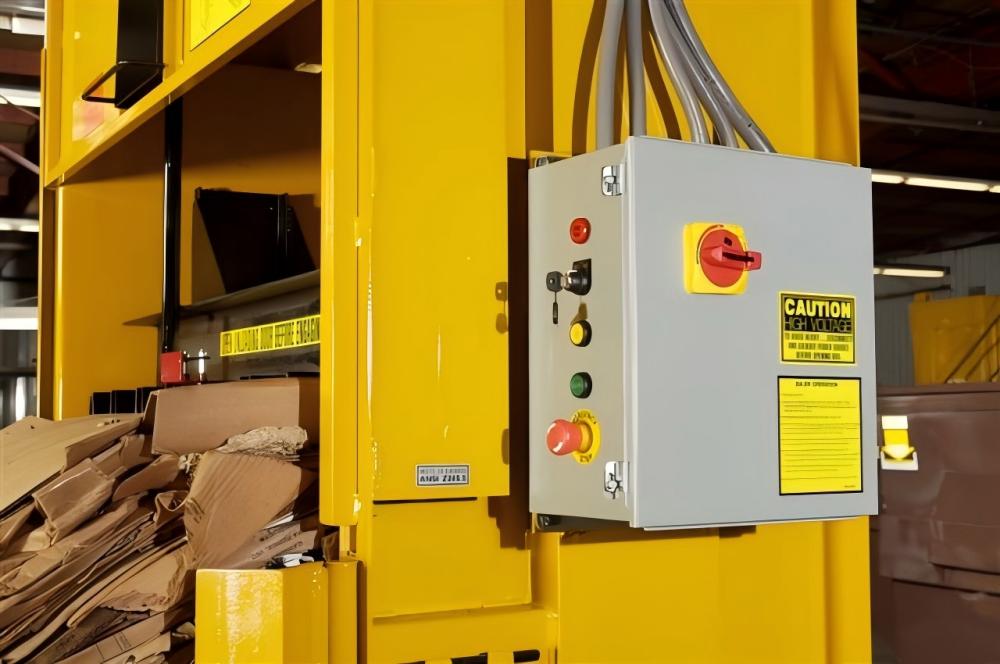
Modern balers feature PLC (Programmable Logic Controller) systems that monitor bale fullness, oil temperature, and safety interlocks. Some advanced systems can even notify your recycling partner automatically when a certain number of bales have been produced. Investing in smart controls reduces the need for constant supervision and prevents machine downtime due to operator error.
Hidden Costs of Vertical Baler Ownership
The purchase price is only one part of the Total Cost of Ownership (TCO). To truly Improve Efficiency and Reduce Handling Costs, you must account for these often-overlooked expenses:
- Installation and Rigging: Vertical balers are heavy and top-heavy. Professional installation is required to ensure the machine is level and securely anchored. You may also need a forklift or crane to move the unit into position.
- Electrical Requirements: Most industrial balers require 3-phase power. If your facility only has single-phase power, the cost of electrical upgrades can be significant. Always check the voltage and amperage requirements before purchasing.
- Consumables: Baling wire or strapping is a recurring cost. High-density balers may require stronger, more expensive wire, but they use less of it per ton of material compared to low-density machines.
- Maintenance and Wear Parts: Hydraulic seals, oil filters, and wear pads need regular replacement. Choosing a brand like HARSLE with readily available spare parts and a simple design can minimize these costs.
ROI Calculation: Proving the Value
A vertical baler should be viewed as a profit center, not an expense. To calculate the Return on Investment (ROI), consider the following formula:
Annual Savings = (Current Waste Disposal Fees + Labor Costs for Handling Loose Waste) – (New Disposal Fees + Baler Operating Costs + Consumables) + (Revenue from Sale of Bales)
For example, if a facility spends $1,500 a month on trash hauls and reduces that to $300 by baling cardboard, they save $14,400 annually. If they sell the bales for an additional $2,000 a year, the total benefit is $16,400. A $15,000 baler would pay for itself in less than a year. Additionally, the reduction in labor—where employees no longer spend hours breaking down boxes manually—adds further intangible value to the ROI.
Buying Advice: A Step-by-Step Checklist
When you are ready to make a purchase, follow these Vertical Baler Buying Tips to Improve Efficiency and Reduce Handling Costs to ensure you get the best machine for your needs:
- Audit Your Waste Stream: Determine exactly what materials you are baling and in what volume. Weigh your waste for a week to get an accurate daily average.
- Measure Your Space: Check ceiling heights and floor load capacities. Remember to account for the height of the ram when it is fully extended.
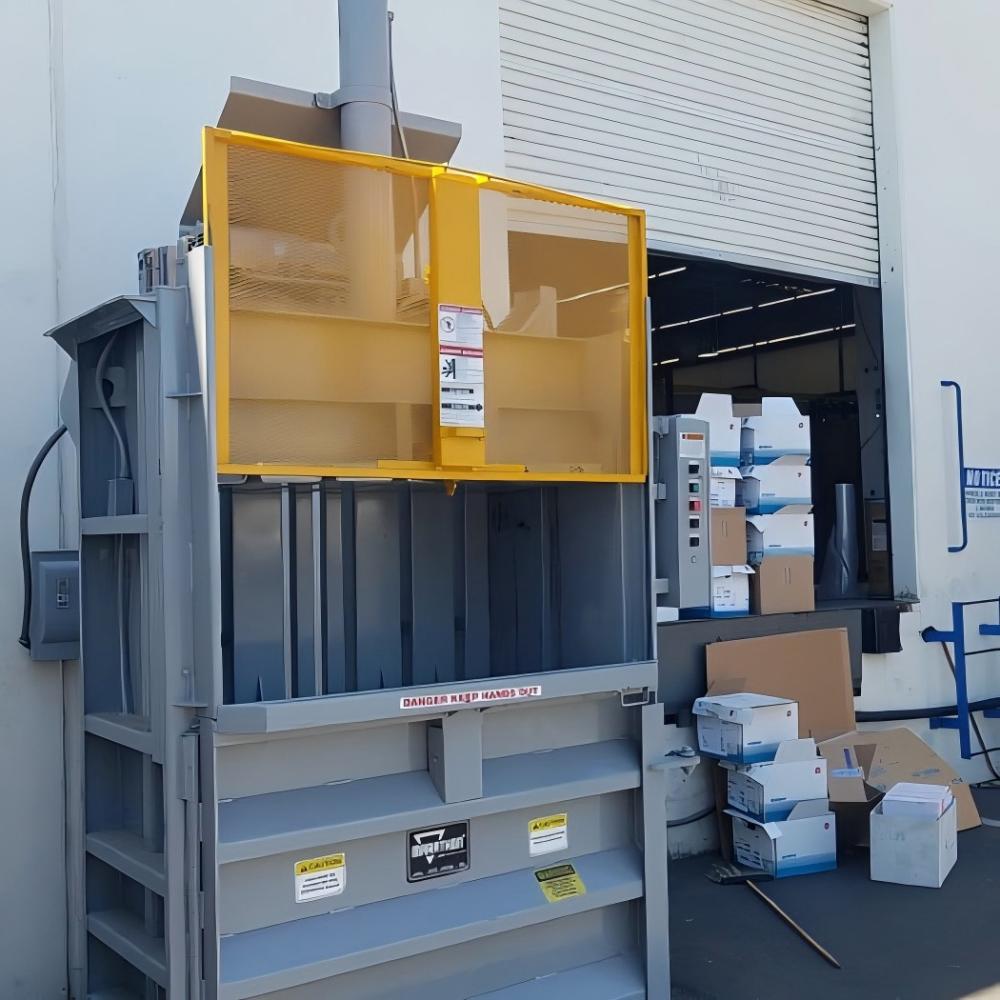
- Evaluate Safety Features: Ensure the machine meets OSHA and ANSI standards. Look for emergency stop buttons, safety interlocks on doors, and shielded moving parts.
- Test the Manufacturer’s Support: Ask about warranty terms, lead times for parts, and availability of technical support. HARSLE prides itself on robust after-sales service for all our industrial machinery.
- Consider Future Growth: Don’t buy a machine that just barely meets your current needs. If you expect waste volume to grow by 20% in the next two years, buy a machine that can handle that projected load.
Frequently Asked Questions (FAQ)
What is the average lifespan of a vertical baler?
With proper maintenance, a high-quality industrial vertical baler from a reputable manufacturer like HARSLE can last 15 to 20 years. Regular oil changes and seal inspections are key to longevity.
Can one baler handle multiple types of materials?
Yes, most vertical balers are versatile. However, you must clear the chamber completely when switching between materials (e.g., from cardboard to plastic) to avoid contaminating the bales, which can reduce their resale value.
How much space is required for a vertical baler?
A standard mill-size baler typically requires a footprint of about 80 inches wide by 40 inches deep. However, you also need clear space in front for bale ejection and at least 12-14 feet of ceiling height for the hydraulic cylinders.
Is operator training difficult?
No, modern vertical balers are designed for ease of use. Most operators can be trained in less than an hour. The focus of training should be on safety protocols and proper loading techniques to maximize bale density.
Does baling cardboard really generate revenue?
Yes, although the market price for recycled cardboard (OCC) fluctuates. Even when prices are low, the primary savings usually come from the massive reduction in waste hauling fees and labor efficiency.
Conclusion
Investing in a vertical baler is a strategic move for any business looking to optimize its waste management. By following these Vertical Baler Buying Tips to Improve Efficiency and Reduce Handling Costs, you can ensure that your facility remains clean, organized, and cost-effective. From understanding the technical cost drivers to calculating a clear ROI, every step of the process is an opportunity to improve your bottom line. HARSLE remains committed to providing high-performance, durable, and efficient baling solutions tailored to the needs of the global manufacturing and recycling industries.