Choosing the Right Vertical Baler for Plastic Film and Packaging Waste: A Comprehensive Guide

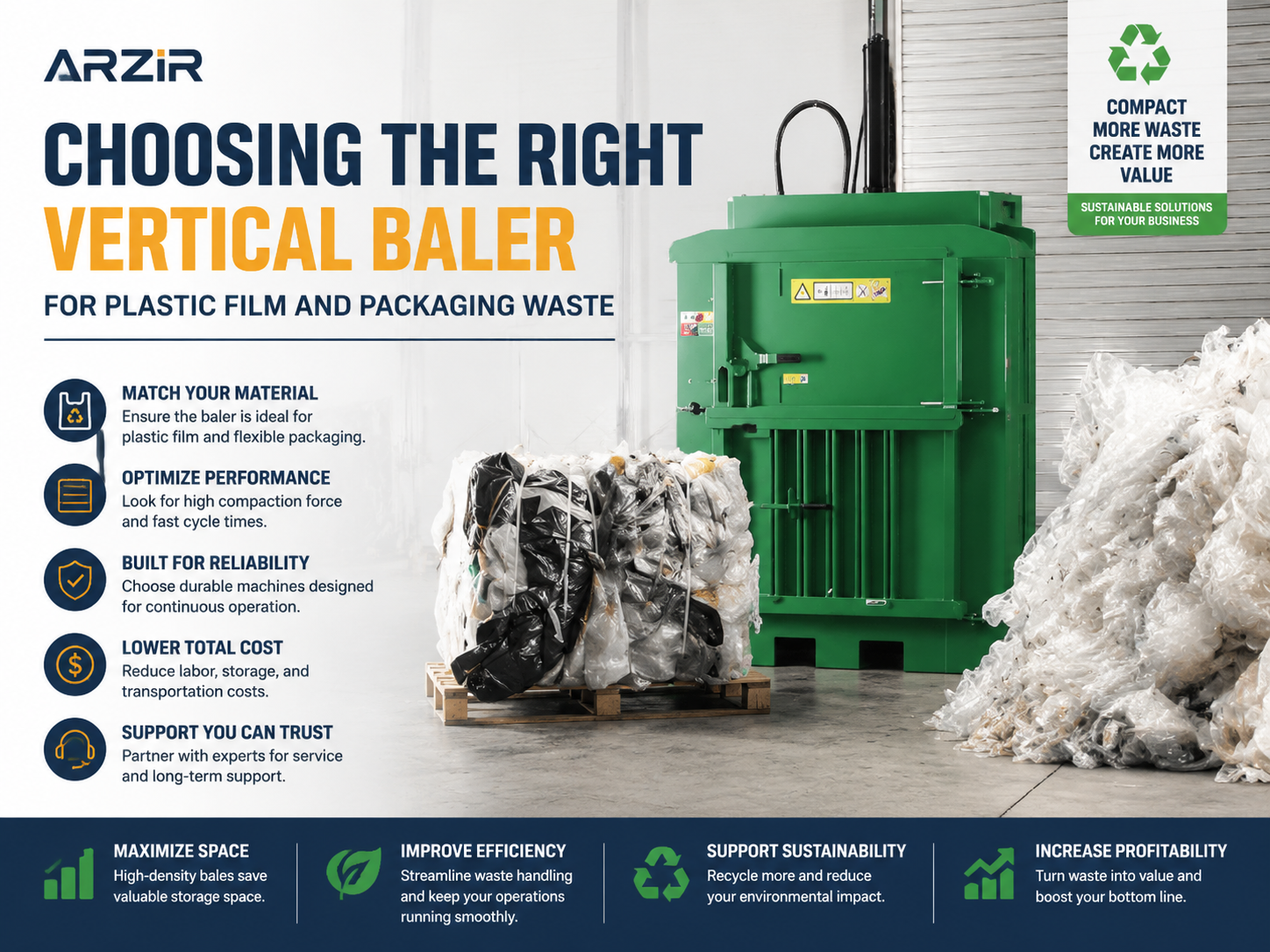
Introduction to Vertical Balers for Plastic and Packaging Waste
In the modern industrial landscape, managing waste efficiently is no longer just an environmental concern; it is a critical operational necessity. For facilities dealing with high volumes of plastic film, stretch wrap, and various packaging materials, the accumulation of loose waste can quickly become a logistical nightmare. This is where the vertical baler becomes an indispensable asset. By compressing voluminous, lightweight plastic into dense, manageable bales, businesses can drastically reduce their waste footprint, lower disposal costs, and even generate revenue from recycled materials.
Choosing the right vertical baler for plastic film and packaging waste requires a deep understanding of the material’s unique properties. Unlike cardboard, plastic film is highly elastic and has a tendency to ‘spring back’ after compression. This characteristic demands a machine with specific pressure capabilities and structural features designed to hold the material in place. HARSLE, a leader in industrial machinery, provides high-performance baling solutions tailored to these specific challenges, ensuring that your waste management process is as efficient as your production line.
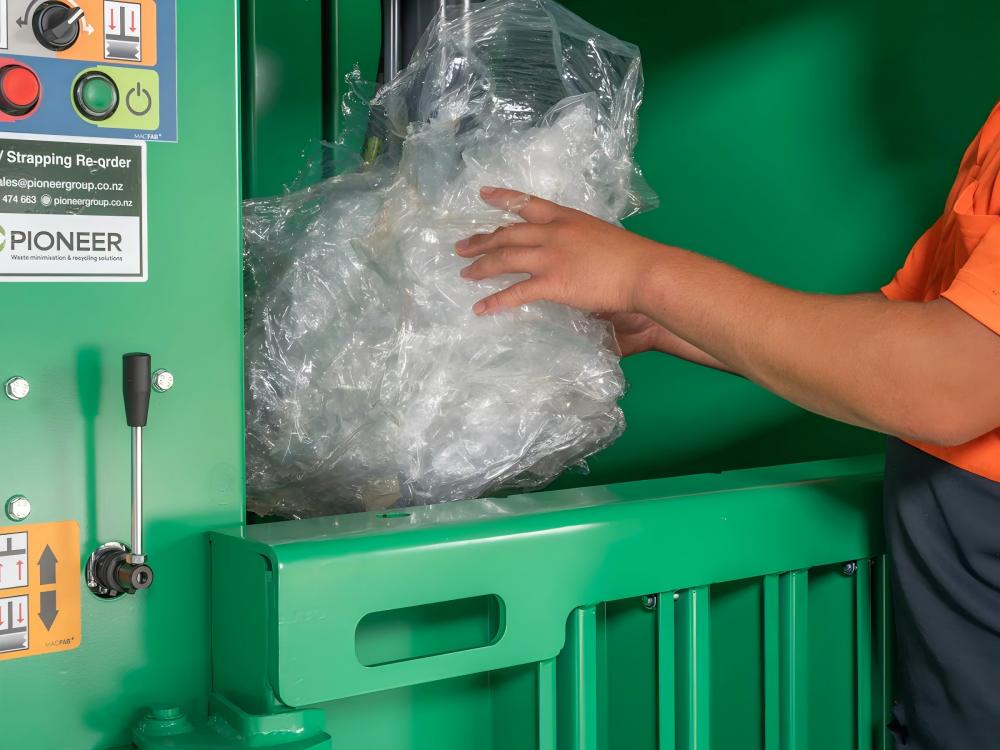
Price Range Overview: What to Expect
The investment required for a vertical baler varies significantly based on capacity, pressure, and automation features. Generally, vertical balers are categorized into three main price tiers, each serving different operational scales. Understanding these ranges helps in setting a realistic budget for your waste management upgrades.
Entry-Level Balers ($2,500 – $6,000): These are typically small-footprint machines with a pressing force ranging from 5 to 15 tons. They are ideal for retail environments, small warehouses, or businesses that generate a few bales per week. While affordable, they often require more manual labor for feeding and tying, and the resulting bales are smaller and lighter, which may not be as attractive to commercial recyclers.
Mid-Range Industrial Balers ($7,000 – $18,000): This is the most common category for manufacturing plants and distribution centers. These machines offer 20 to 50 tons of pressing force. They are built with heavier steel frames and more robust hydraulic systems to handle the continuous stress of compressing elastic plastic films. Bales produced in this range are often ‘mill-sized’ (approx. 30x48x60 inches), which is the industry standard for maximizing transport efficiency and recycling value.
High-Capacity and Specialized Balers ($20,000 – $45,000+): At the top end of the spectrum are heavy-duty vertical balers with 60 to 100+ tons of pressure. These machines often feature advanced PLC controls, automatic bale ejection systems, and specialized ‘retainer claws’ to prevent plastic expansion. They are designed for 24/7 operations where waste throughput is massive and downtime is not an option.
Main Cost Drivers in Vertical Baler Selection
When evaluating the price of a vertical baler, several technical factors influence the final quote. It is important to look beyond the sticker price and understand what components contribute to the machine’s longevity and performance.
1. Pressing Force and Hydraulic System
The hydraulic cylinder is the heart of the baler. Higher tonnage requires larger cylinders, more powerful pumps, and high-quality valves. For plastic film, a higher pressing force is necessary to overcome the material’s elasticity. A machine with a 30-ton press will naturally cost more than a 10-ton model because the hydraulic components must be rated for higher pressures and longer duty cycles.
2. Structural Integrity and Steel Quality
A baler is subjected to immense internal pressure. High-quality machines use thick, reinforced steel plates for the chamber walls and the pressing platen. If the steel is too thin, the machine will eventually warp or crack under the strain of compressing dense plastic. HARSLE utilizes premium-grade steel and precision welding to ensure that the frame remains rigid over decades of use, which is a significant factor in the machine’s cost and value.
3. Motor Power and Cycle Time
Efficiency is measured by cycle time—the time it takes for the platen to move down and return to its starting position. Faster cycle times require larger motors and more sophisticated hydraulic circuits. If your facility processes a high volume of packaging waste, paying more for a faster machine will save significant labor costs over time.
4. Brand and Origin of Components
The reliability of a baler often depends on its electrical and hydraulic components. Machines equipped with globally recognized brands like Siemens PLCs, Schneider electrics, or Rexroth hydraulics will carry a premium price. However, these components offer better reliability, easier sourcing of spare parts, and superior safety features compared to generic alternatives.
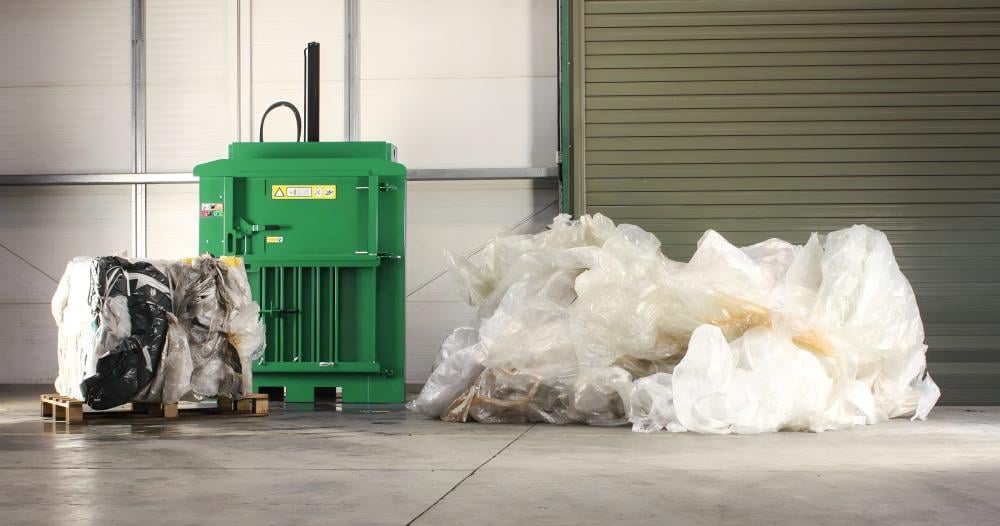
Configuration Impact: Tailoring the Machine to Plastic Waste
Not all vertical balers are created equal, especially when it comes to the specific challenges of plastic film and packaging waste. The configuration of the machine can greatly impact its ease of use and the quality of the final bale.
Material Retainers (Dogs)
Plastic film is notorious for its ‘memory’—it wants to expand back to its original shape as soon as the pressure is released. High-quality vertical balers for plastic are equipped with ‘retainer dogs’ or claws inside the chamber. These mechanical teeth catch the material as it is compressed and prevent it from springing back up when the platen retracts. Without effective retainers, loading the machine becomes a frustrating and inefficient process.
Door Design and Safety Interlocks
For packaging waste, a large feed opening is essential to accommodate bulky items like plastic crates or large sheets of wrap. Many modern balers feature a ‘sliding gate’ or a split-door design. Safety is paramount; the machine must have redundant interlock systems that prevent operation if the door is open. In high-end configurations, these doors may be hydraulically operated to reduce operator fatigue.
Bale Ejection Systems
Manually removing a 500kg bale of plastic can be dangerous and labor-intensive. Most industrial vertical balers now include an automatic bale ejection system. When the bale is tied and ready, a hydraulic ram or a chain-driven mechanism tips the bale out of the chamber onto a pallet. This configuration is a must-have for any operation focusing on safety and throughput.
Hidden Costs of Owning a Vertical Baler
The purchase price is only the beginning. To accurately budget for a vertical baler, you must consider the ongoing operational and secondary costs.
- Shipping and Installation: These machines are heavy and often require specialized freight and rigging. Depending on your location, shipping can add several thousand dollars to the total cost. Furthermore, you may need a technician to perform the initial setup and staff training.
- Consumables (Baling Wire/Strapping): To keep a bale together, you need high-tensile steel wire or heavy-duty polyester strapping. For plastic film, which exerts high outward pressure, the cost of premium strapping can add up. It is essential to factor in the monthly cost of these consumables based on your expected bale volume.
- Electrical Infrastructure: Industrial balers often require three-phase power. If your facility is currently only wired for single-phase, the cost of electrical upgrades can be significant. Additionally, consider the energy consumption of the motor, especially if the machine will be running for multiple shifts.
- Maintenance and Wear Parts: While vertical balers are generally low-maintenance, they do require regular oil changes, filter replacements, and inspections of the hydraulic seals. Over time, the floor of the baler may wear down and require reinforcement or replacement.
ROI Calculation: Is a Vertical Baler Worth It?
The Return on Investment (ROI) for a vertical baler is typically calculated by comparing the ‘Before’ and ‘After’ costs of waste management. For most businesses, the machine pays for itself within 12 to 24 months.
Step 1: Calculate Current Disposal Costs. Total your monthly fees for waste hauling, bin rentals, and landfill tipping fees. Packaging waste is light but bulky, meaning you are often paying to haul ‘air’ in half-empty containers.
Step 2: Estimate Labor Savings. How much time do employees spend breaking down boxes or stuffing plastic into bins? A baler streamlines this process, allowing staff to focus on more productive tasks.
Step 3: Revenue from Recycled Bales. Clean plastic film (LDPE) is a valuable commodity. Instead of paying to get rid of it, recyclers will often pay you for mill-sized, high-density bales. Depending on market rates, this can turn a waste expense into a revenue stream.
Example: If a company spends $2,000 a month on waste hauling and can reduce that to $500 by baling, while also earning $300 a month from selling the bales, the total monthly gain is $1,800. A $15,000 baler would reach ROI in less than 9 months.
Buying Advice: Choosing the Right Vertical Baler
When you are ready to make a purchase, follow this checklist to ensure you select the machine that best fits your needs:
- Analyze Your Material: Is it mostly stretch wrap, hard plastic, or a mix with cardboard? Plastic film requires more pressure and better retainers than cardboard.
- Measure Your Volume: Calculate how many tons of waste you produce per week. This determines the required tonnage and chamber size. Don’t buy a machine that is too small; the labor cost of making many small bales will outweigh the initial savings.
- Check Your Space: Vertical balers save floor space compared to horizontal ones, but they require significant ceiling height for the hydraulic ram to extend. Measure your clear height carefully.
- Evaluate Safety Features: Ensure the machine meets local safety standards (such as CE or ANSI). Look for emergency stop buttons, safety interlocks, and shielded moving parts.
- Consider the Manufacturer’s Reputation: Choose a partner like HARSLE who offers robust technical support, readily available spare parts, and a proven track record in the metal fabrication and recycling machinery industry.
Frequently Asked Questions (FAQ)
What is the best tonnage for baling plastic film?
For most industrial applications, a minimum of 30 tons of pressing force is recommended for plastic film. This ensures the bale is dense enough for efficient transport and meets the requirements of most recycling centers. For very high volumes, 50-ton or 60-ton models are preferred.
Can I bale cardboard and plastic in the same machine?
Yes, most vertical balers can handle both. However, you should not mix the materials in a single bale. Recyclers require materials to be separated. You can run a series of cardboard bales, then switch to plastic, provided the machine has the necessary pressure for the plastic film.
How long does a vertical baler typically last?
With proper maintenance, a high-quality vertical baler from a reputable manufacturer like HARSLE can last 15 to 20 years or more. The key is regular hydraulic maintenance and ensuring the machine is not consistently overloaded beyond its rated capacity.
Do I need a special license to operate a vertical baler?
Generally, no special license is required, but OSHA (in the US) and similar bodies elsewhere have strict age and training requirements. Operators should be at least 18 years old and must be thoroughly trained on the specific safety features and loading procedures of the machine.
How do I know when the bale is full?
Most modern vertical balers are equipped with a ‘Bale Full’ indicator light. This sensor detects when the platen has reached a certain height, signaling the operator that it is time to tie off the bale and eject it.
What kind of maintenance does a vertical baler require?
Daily checks should include inspecting for hydraulic leaks and ensuring safety doors function correctly. Monthly maintenance involves checking oil levels and lubricating hinges. Annually, the hydraulic oil and filters should be replaced to ensure the longevity of the pump and valves.