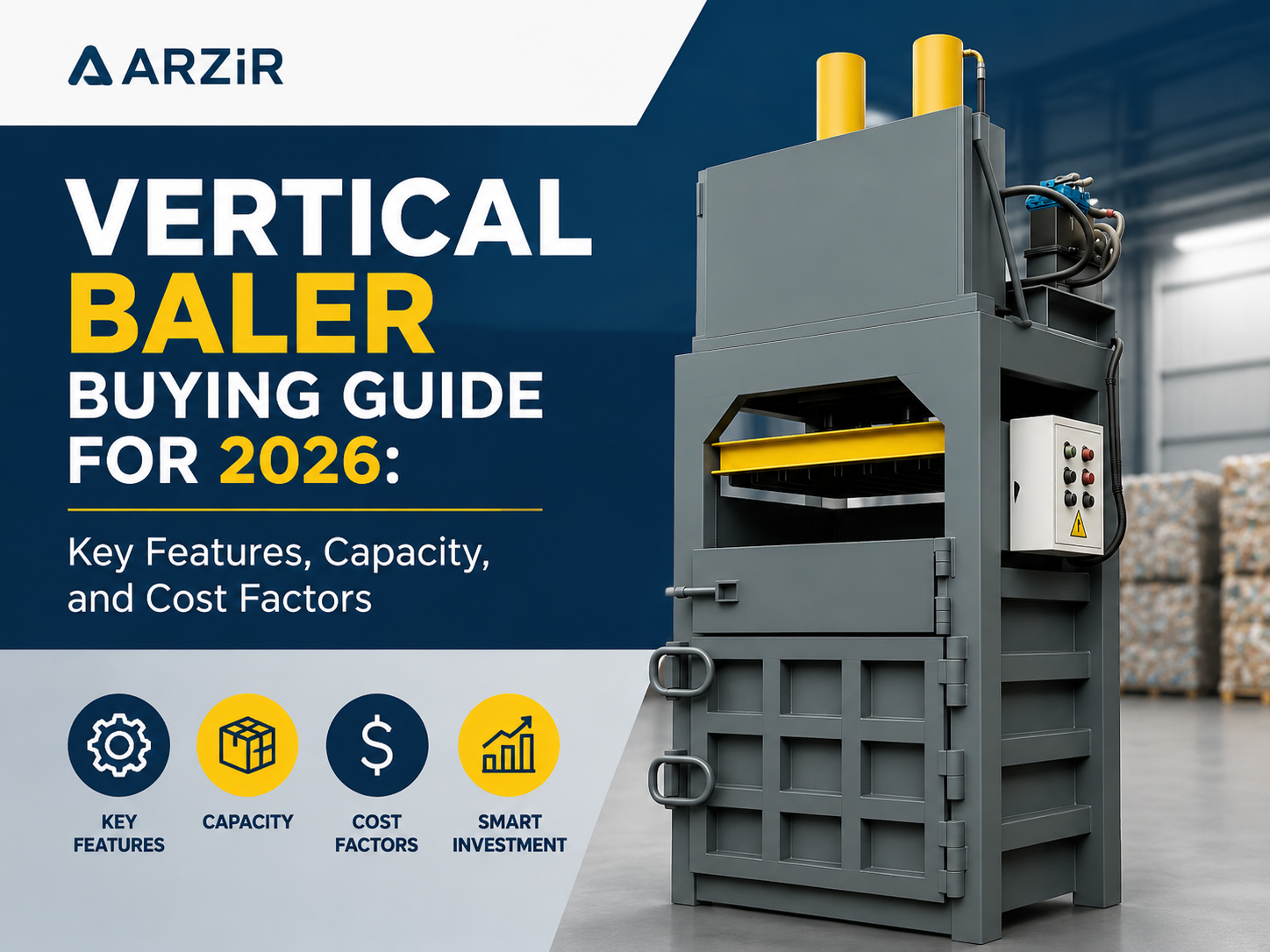
Vertical Baler Buying Guide for 2026: Key Features, Capacity, and Cost Factors

Introduction to Vertical Baler Procurement in 2026
As we move into 2026, the global emphasis on sustainability and the circular economy has transformed waste management from a back-of-house necessity into a strategic financial operation. For businesses in manufacturing, retail, and logistics, the vertical baler remains the cornerstone of efficient recycling programs. These machines are designed to compress recyclable materials—such as cardboard, plastics, and light metals—into dense, manageable bales, significantly reducing disposal costs and creating potential revenue streams from scrap sales.
Choosing the right vertical baler requires a deep understanding of your facility’s specific needs, the volume of waste generated, and the evolving technological landscape. In 2026, we see a shift toward smarter, more energy-efficient hydraulic systems and integrated IoT monitoring. This guide provides a comprehensive breakdown of everything you need to know to make an informed investment in a vertical baler, ensuring long-term reliability and maximum Return on Investment (ROI).
HARSLE continues to lead the industry by providing robust, high-performance baling solutions that meet the rigorous demands of modern industrial environments. Whether you are a small retail outlet or a large-scale manufacturing plant, understanding the nuances of capacity, configuration, and cost is essential for selecting a machine that will serve your business for the next decade.
Price Range Overview: What to Expect in 2026
The cost of a vertical baler in 2026 is influenced by global raw material prices, technological advancements, and shipping logistics. Generally, vertical balers are categorized by their pressing force and bale size. Understanding these tiers helps buyers narrow down their options based on budget and operational scale.
Entry-Level/Small Capacity Balers ($3,000 – $7,500)
Small vertical balers typically offer a pressing force between 5 and 15 tons. These are ideal for small retail stores, restaurants, or offices that generate a moderate amount of cardboard or plastic film. They produce smaller bales (often 50-100kg) that can be moved with a simple hand truck. While affordable, they have slower cycle times and smaller feed openings, which may limit their efficiency in high-volume environments.
Mid-Range/Standard Industrial Balers ($8,000 – $16,000)
This is the most popular category for medium-sized warehouses and manufacturing facilities. These machines provide 20 to 40 tons of pressing force and produce industry-standard bales (200-400kg). They often feature improved safety interlocks, faster hydraulic cycles, and more durable structural frames. In 2026, many mid-range models now include basic digital displays and semi-automated bale ejection systems.
Heavy-Duty/High-Capacity Balers ($18,000 – $45,000+)
Designed for 24/7 operations, these balers offer 50 to 100+ tons of force. They are capable of handling tough materials like PET bottles, aluminum cans, and heavy-duty textiles. These machines produce mill-sized bales (500kg+) that are highly sought after by recyclers. High-end models in 2026 feature advanced PLC controls, energy-saving variable frequency drives (VFDs), and heavy-duty wear plates to withstand abrasive materials.
Main Cost Drivers in Vertical Baler Manufacturing
When comparing quotes, it is important to look beyond the sticker price. Several technical factors drive the manufacturing cost and, consequently, the performance and longevity of the machine.
Hydraulic System Sophistication
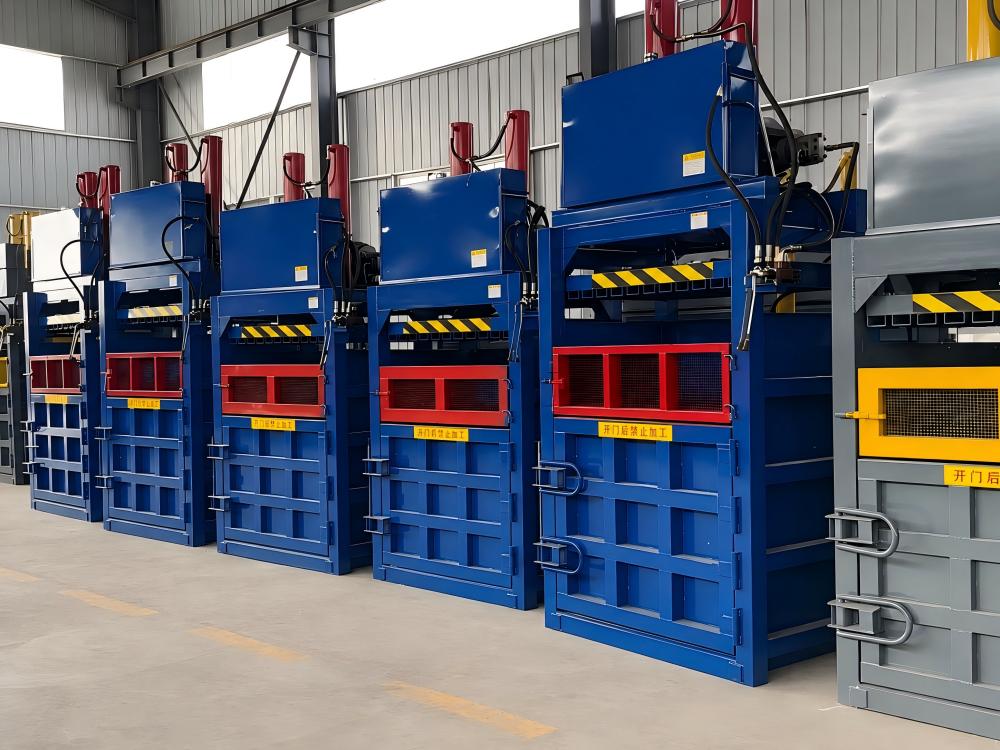
The heart of any vertical baler is its hydraulic system. High-quality pumps, valves, and cylinders ensure consistent pressure and prevent leaks. In 2026, the integration of high-efficiency hydraulic circuits that reduce heat generation and energy consumption is a major cost driver. Machines equipped with premium components from brands like Rexroth or Vickers often command a higher price but offer significantly lower maintenance costs over time.
Steel Quality and Structural Integrity
The frame of a vertical baler must withstand immense internal pressure during the compression cycle. The thickness and grade of the steel used in the chamber walls and the press head are critical. Cheaper models may use thinner steel that can warp over time, leading to mechanical failure. Premium balers utilize reinforced Q235 or Q345 steel and precision welding techniques to ensure the frame remains rigid under maximum load.
Automation and Control Systems
The transition from manual lever controls to PLC-based (Programmable Logic Controller) systems has increased the cost of modern balers. However, these systems provide essential safety features, such as automatic shut-off if the door is opened, and operational efficiencies like “bale full” indicators. In 2026, touch-screen interfaces and remote diagnostic capabilities are becoming standard on high-end industrial models.
Configuration Impact: Tailoring the Machine to Your Waste Stream
The configuration of your vertical baler should be dictated by the type and volume of material you process. A machine configured for cardboard may struggle with the “memory” (spring-back) of plastic bottles or the density of metal scraps.
Bale Size and Weight
Recycling centers often pay more for “mill-sized” bales, which typically measure approximately 60 x 30 x 48 inches and weigh over 1,000 lbs (approx. 450-500kg). If your goal is to maximize revenue from scrap, investing in a machine that can produce these standard sizes is crucial. Smaller bales may require additional handling and may not be accepted by all recyclers.
Cycle Time and Throughput
Cycle time refers to the time it takes for the press head to move down, compress the material, and return to the starting position. For high-volume operations, a cycle time of 30-45 seconds is preferable. Slower machines (60+ seconds) can create bottlenecks in your waste management process, leading to labor inefficiencies.
Door Configurations
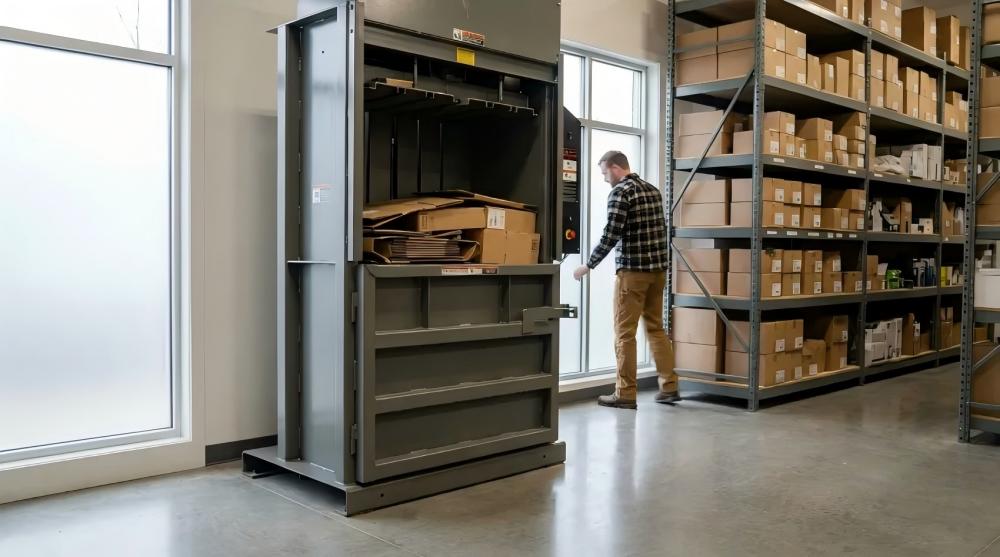
Vertical balers come with various door styles, including sliding doors, swing doors, and split-gate designs. Sliding doors are excellent for space-constrained areas, while heavy-duty swing doors provide easier access for loading bulky items. The choice of door often impacts the overall footprint and the ease of use for the operator.
Hidden Costs and Operational Expenses
The purchase price is only the beginning of the total cost of ownership. Smart buyers in 2026 account for the following ongoing expenses:
- Installation and Commissioning: Depending on the size of the machine, you may need a forklift or crane for placement, as well as a certified electrician to handle the 3-phase power connection.
- Consumables: Baling wire or high-strength twine is required to secure every bale. Depending on your volume, this can add up to hundreds or thousands of dollars annually.
- Maintenance and Wear Parts: Hydraulic oil changes, seal replacements, and guide rail lubrication are necessary to prevent downtime. High-usage machines may also require replacement of the press head wear plates every few years.
- Electricity Consumption: While balers only draw significant power during the compression cycle, inefficient motors can lead to higher utility bills. Look for IE3 or IE4 rated motors for better energy performance.
- Training: Proper operator training is essential for safety and to prevent machine damage caused by overloading or improper loading.
ROI Calculation: Turning Waste into Profit
To justify the investment in a vertical baler, businesses should perform a detailed ROI calculation. The primary financial benefits include:
- Reduced Disposal Fees: Waste management companies charge significantly more for loose trash pickups (which involve air and uncompressed volume) than for compacted waste. By baling recyclables, you can reduce the frequency of trash pickups by up to 70-80%.
- Revenue from Recyclables: In 2026, the market for clean, baled cardboard (OCC) and plastics remains strong. Instead of paying to have these materials hauled away, you can sell them to recycling brokers.
- Labor Savings: Managing loose cardboard is labor-intensive. Employees spend hours breaking down boxes and hauling them to outdoor bins. A vertical baler located near the source of waste streamlines this process, allowing staff to focus on core tasks.
- Space Optimization: Loose waste takes up valuable floor space. A baler allows you to consolidate waste into a small footprint, improving safety and organization within the facility.
Example ROI Formula:
(Annual Trash Hauling Savings + Annual Scrap Revenue) – (Annual Operating Costs + Machine Depreciation) = Net Annual Benefit.
Most industrial facilities find that a well-chosen vertical baler pays for itself within 12 to 24 months.
Buying Advice for 2026: Selection Criteria
When you are ready to purchase, follow these steps to ensure you select the best machine for your needs:
- Analyze Your Waste Stream: Track the volume and type of waste you generate for at least two weeks. This data is vital for determining the required pressing force and chamber size.
- Check Safety Certifications: Ensure the machine complies with the latest safety standards, such as ANSI Z245.5 or CE marking. In 2026, safety sensors and dual-hand controls are non-negotiable for liability protection.
- Evaluate Vendor Support: Choose a manufacturer like HARSLE that offers robust technical support, readily available spare parts, and comprehensive warranties. A machine is only as good as the support behind it.
- Consider Future Growth: Don’t buy a machine that just barely meets your current needs. If you expect production to increase by 20% over the next three years, choose a baler with the capacity to handle that growth.
- Request a Demo or Video Reference: Seeing the machine in action—especially with the specific material you intend to bale—can reveal potential issues with loading or bale ejection that aren’t apparent on a spec sheet.
Frequently Asked Questions (FAQ)
1. What is the difference between a vertical and horizontal baler?
Vertical balers are loaded from the front and compress material downward. They have a smaller footprint and are generally more affordable, making them ideal for small to medium volumes. Horizontal balers are loaded from the top or via a conveyor and compress material sideways. They are designed for extremely high volumes and continuous operation but require much more floor space and a higher initial investment.
2. Can I bale different materials in the same machine?
Yes, most vertical balers are versatile enough to handle cardboard, plastic film, and even light metals. However, you must ensure the machine is cleaned between different materials to avoid contamination, which can lower the value of your bales. Some materials, like PET bottles, may require a baler with a longer stroke or specific “dogs” (retainers) to prevent the material from springing back.
3. How much space do I need for a vertical baler?
While the footprint of the machine itself might be small (e.g., 1.5m x 1m), you need to account for the height (vertical balers can be 2.5m to 4m tall) and the space required to open the door and eject the bale. Always check the “operating clearance” specifications provided by the manufacturer.
4. What electrical requirements are typical for industrial balers?
Most industrial vertical balers require 3-phase power (208V, 230V, or 460V). Smaller, light-duty models may run on standard 110V/220V single-phase power, but they will have significantly slower cycle times and less pressing force.
5. How long does a vertical baler typically last?
With proper maintenance, a high-quality vertical baler from a reputable manufacturer like HARSLE can last 15 to 20 years. Regular oil changes, structural inspections, and keeping the machine clean are key to maximizing its lifespan.
6. Is it better to buy or lease a vertical baler?
Buying offers the lowest total cost over the long term and allows you to claim the machine as an asset. Leasing can be beneficial for businesses that want to preserve capital or those that want to upgrade to newer technology every few years. In 2026, many manufacturers offer flexible financing options to suit different budgetary needs.
7. What safety features should I look for in 2026?
Look for E-stop buttons, magnetic safety interlocks on all doors, bale-out systems that don’t require the operator to stand in front of the machine, and shielded hydraulic hoses. Modern machines should also have clear signage and lockout/tagout (LOTO) points for maintenance.