How to Buy a Vertical Baler for Scrap, Cardboard, and Plastic Waste: A Comprehensive Industrial Guide

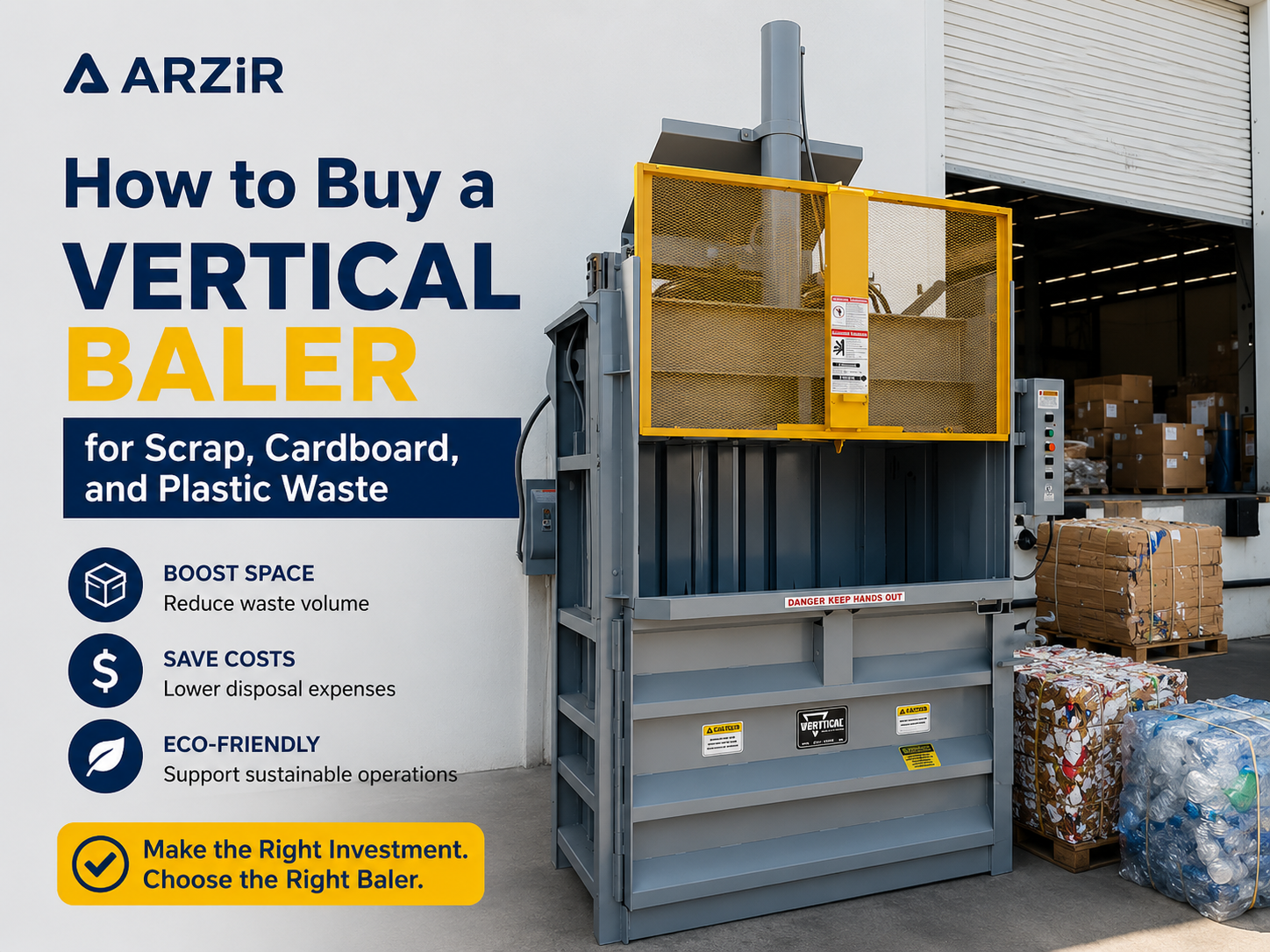
Introduction to Vertical Balers in Modern Waste Management
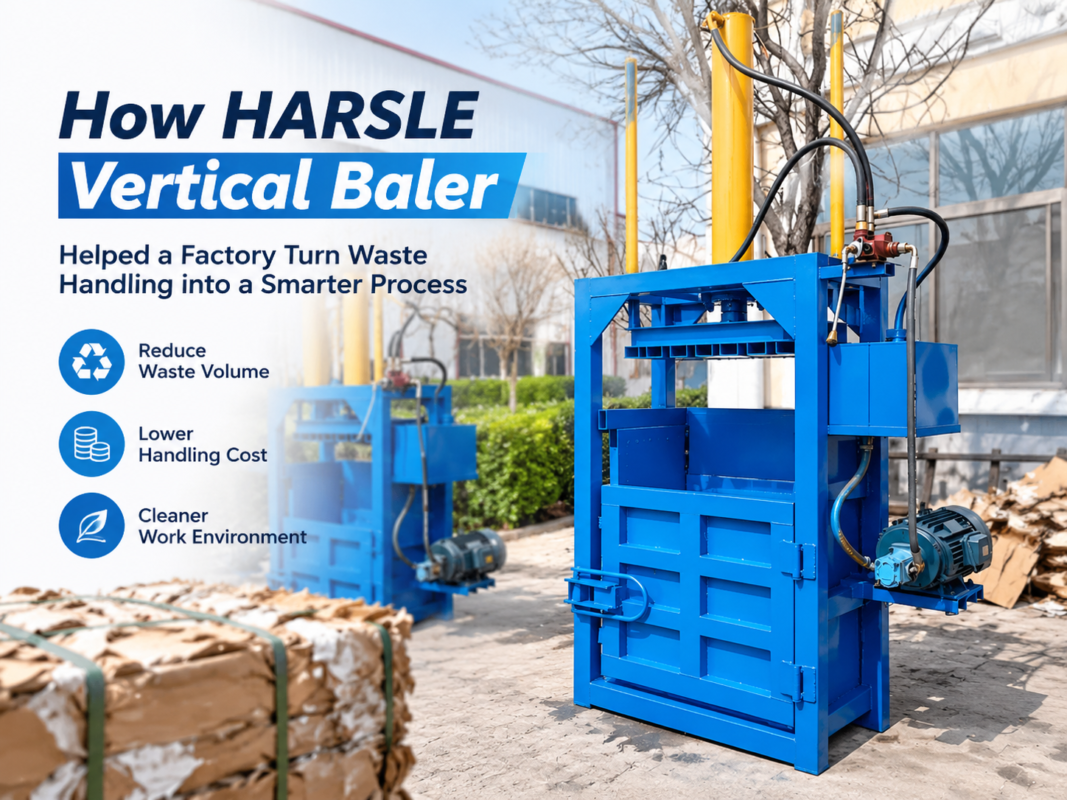
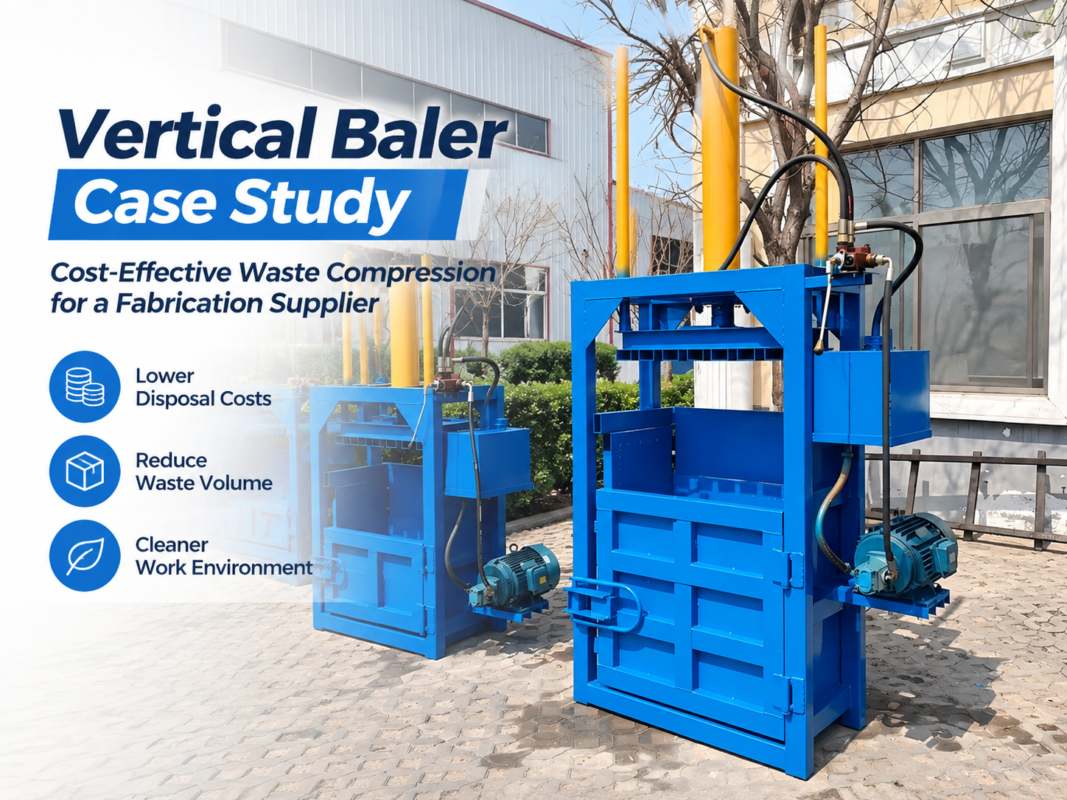
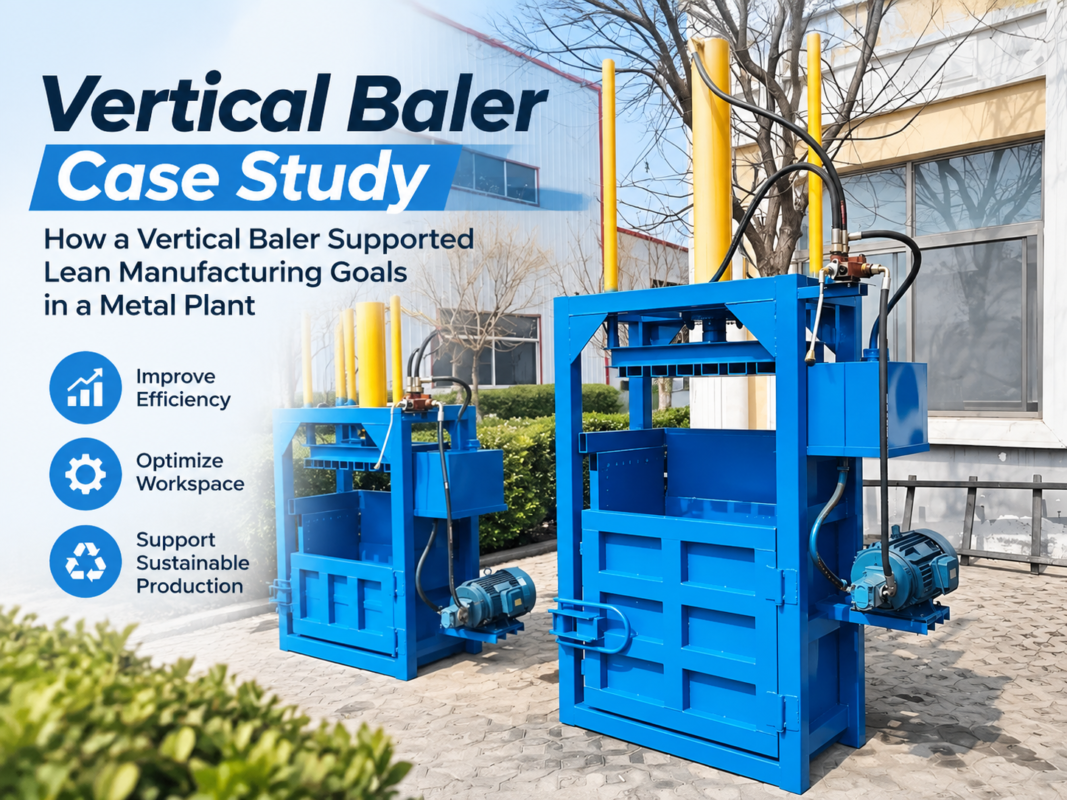
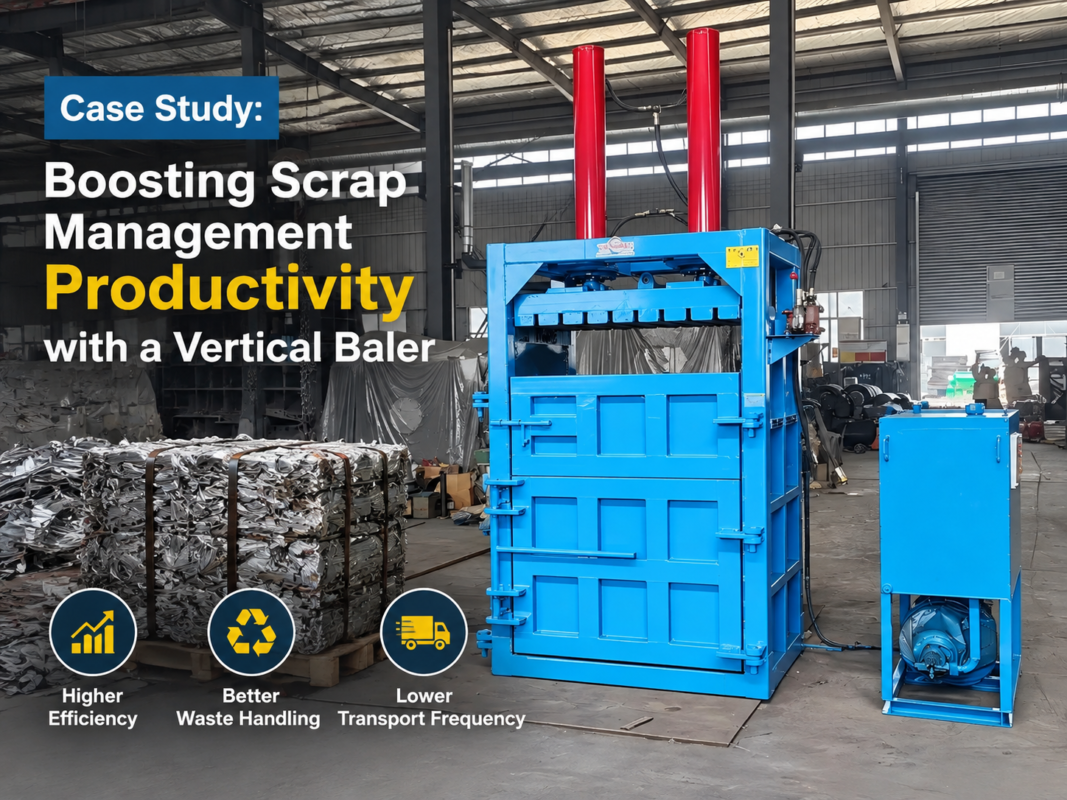
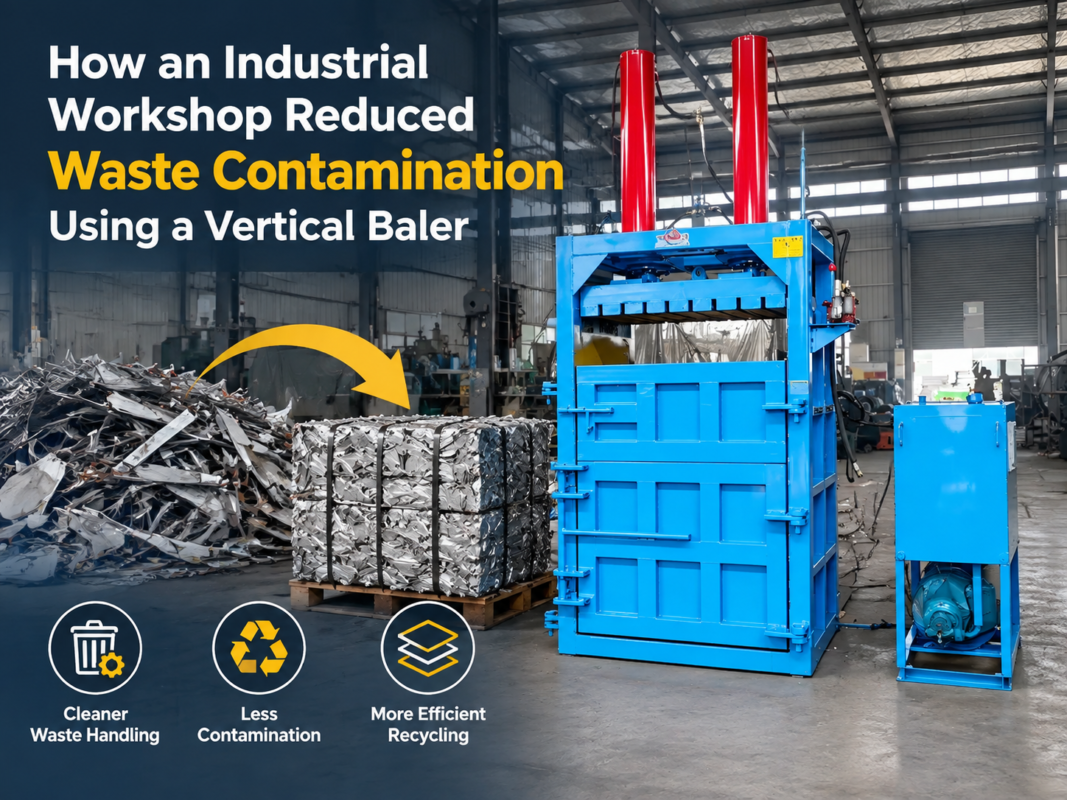
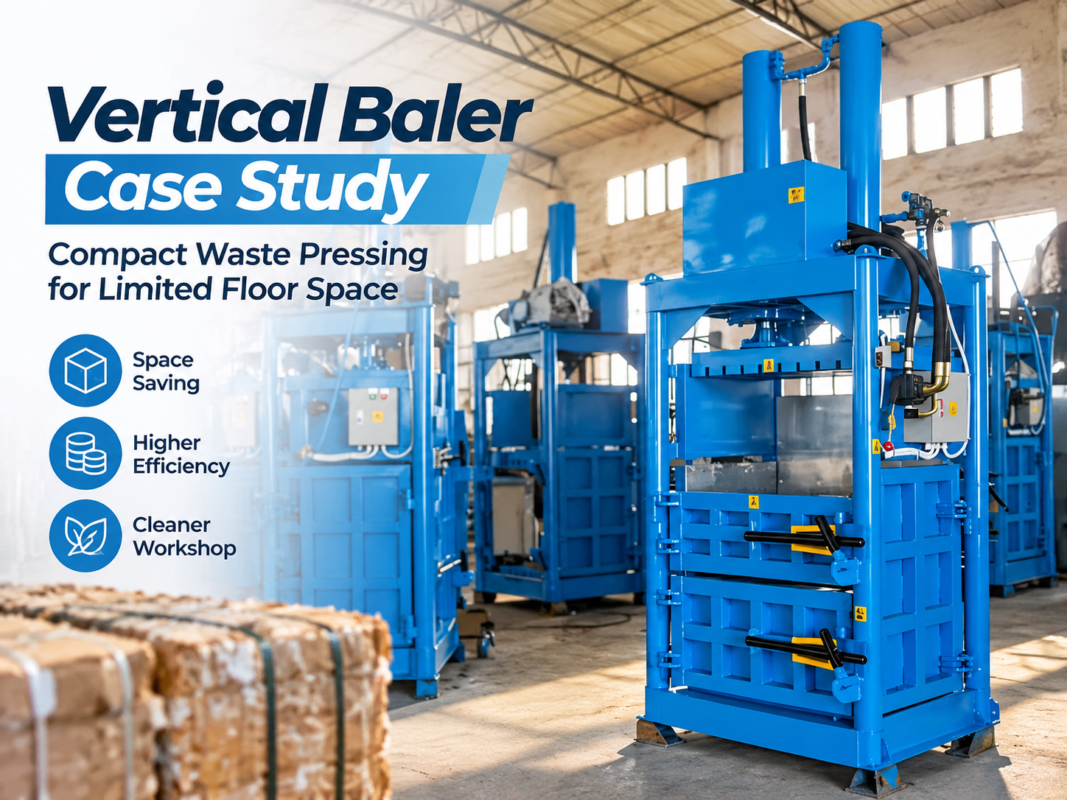
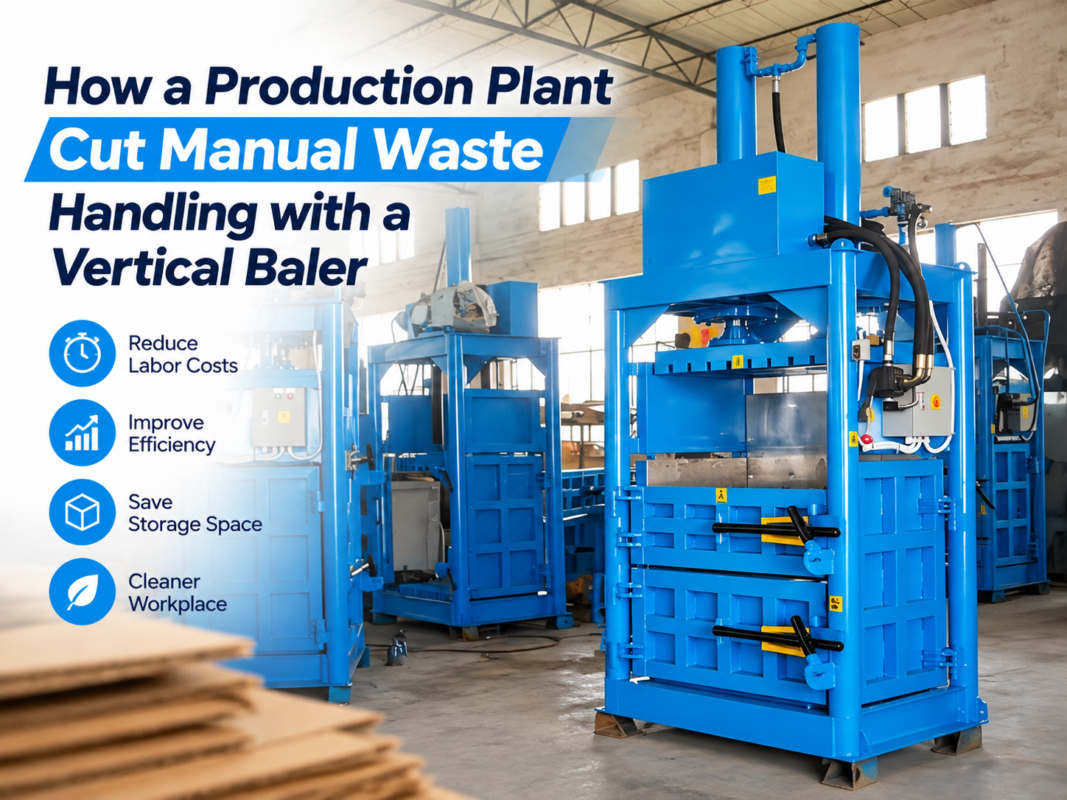
In the current industrial landscape, efficient waste management is no longer just an environmental consideration; it is a critical component of operational profitability. For businesses dealing with high volumes of packaging, manufacturing scrap, or post-consumer waste, the decision to buy a vertical baler for scrap, cardboard, and plastic waste can transform a logistical headache into a streamlined revenue stream. A vertical baler is a powerful hydraulic press designed to compress loose materials into dense, manageable blocks known as bales. These bales are easier to store, cheaper to transport, and often command a higher price from recycling facilities.
HARSLE, a leader in metal fabrication and industrial machinery, understands that selecting the right baler requires a deep dive into technical specifications, material compatibility, and long-term financial impact. Whether you are a small retail outlet looking to manage cardboard boxes or a large-scale manufacturing plant processing plastic films and light metal scrap, the configuration of your machine will dictate your success. This guide provides an exhaustive breakdown of everything you need to know before making this significant capital investment.
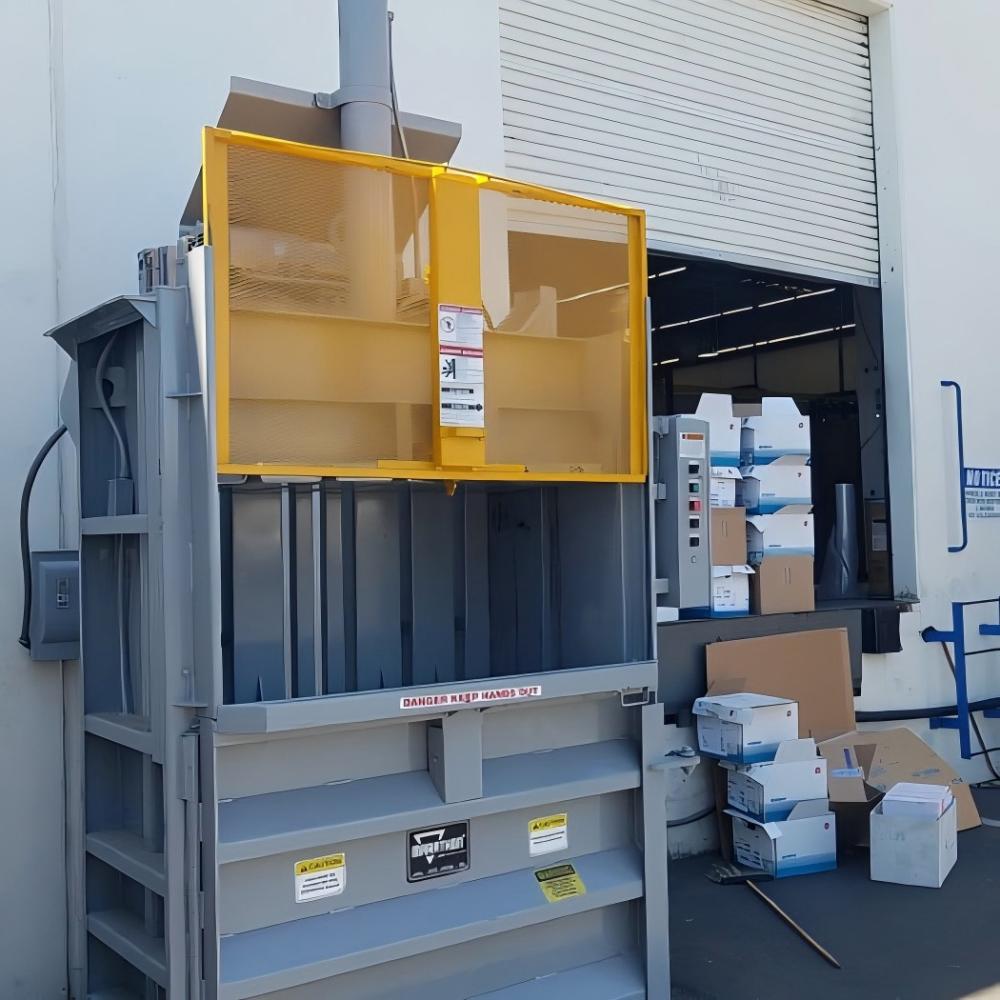
Price Range Overview: What to Expect
The cost of a vertical baler is primarily determined by its compression force (tonnage), chamber size, and the robustness of its hydraulic system. Understanding the price tiers helps businesses align their budget with their actual volume requirements. Generally, vertical balers are categorized into three main price brackets.
Entry-Level and Retail Balers ($3,000 – $7,000)
These machines are typically designed for low-to-medium volumes of cardboard and soft plastics. They usually offer a press force between 10 and 30 tons. These are ideal for grocery stores, small warehouses, and retail environments where space is at a premium. While affordable, they have slower cycle times and smaller chambers, meaning they produce lighter bales that may not meet the weight requirements for maximum recycling rebates.
Mid-Range Industrial Balers ($8,000 – $18,000)
This is the most popular category for manufacturing facilities. With press forces ranging from 40 to 60 tons, these machines can handle tougher materials, including heavy-duty plastics (HDPE/LDPE) and even light aluminum scrap. They feature more durable hydraulic pumps and faster cycle times, allowing for higher throughput. A mid-range baler from HARSLE often includes advanced safety features and semi-automatic bale ejection systems.
Heavy-Duty and Specialized Scrap Balers ($20,000 – $45,000+)
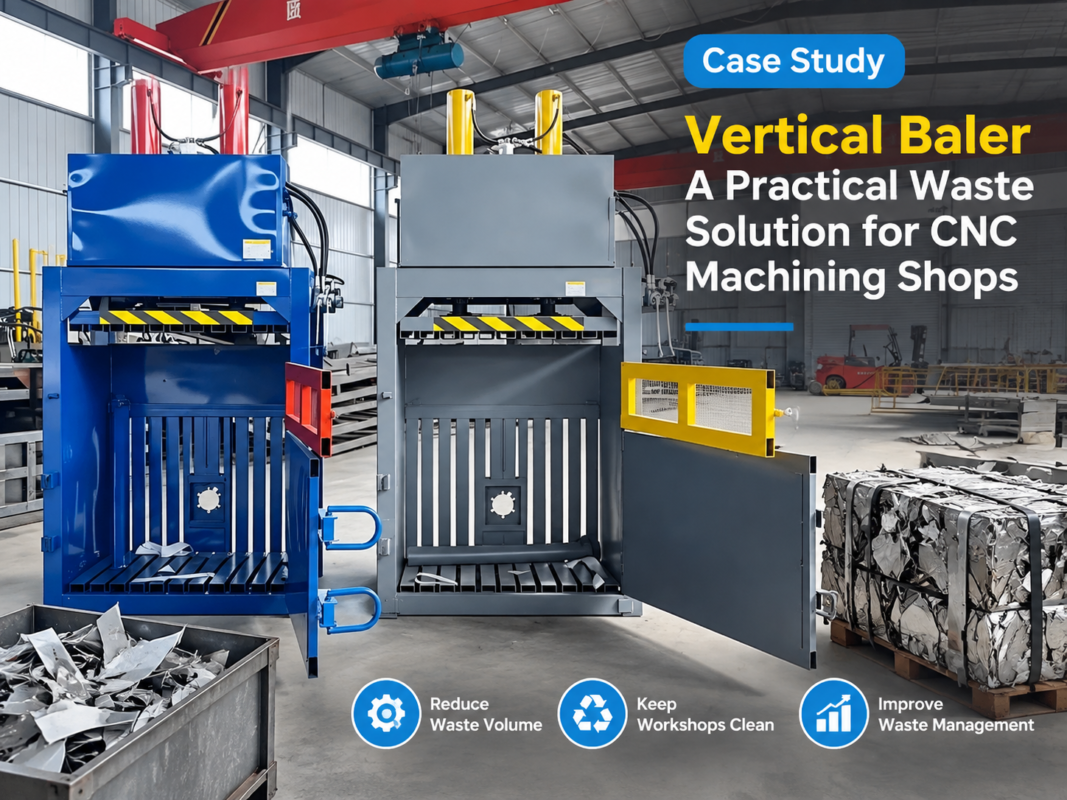
When you need to buy a vertical baler for scrap metal or high-density plastic waste, you move into the heavy-duty tier. These machines exert 80 to 120+ tons of pressure. They are built with reinforced steel frames to withstand the outward expansion force of compressed metal. These units are often customized with specialized teeth to grip slippery plastics or heavy-duty cylinders for continuous 24/7 operation in scrap yards or large distribution centers.
Main Cost Drivers: Why Prices Vary
When comparing quotes, it is essential to look beyond the sticker price. Several technical factors drive the manufacturing cost and, consequently, the performance of the machine.
- Hydraulic System Quality: The heart of the baler is its hydraulic pump and cylinder. High-end machines use brand-name components (like Rexroth or Vickers) and high-pressure hoses that resist leaking and overheating. A larger cylinder bore allows for higher tonnage without overstressing the system.
- Steel Construction: The thickness of the chamber walls and the floor plate is vital. For scrap metal, the frame must be exceptionally rigid. Cheaper balers may use thinner steel that can warp over time under high pressure, leading to door misalignment and safety hazards.
- Motor Horsepower: A more powerful motor (e.g., 15HP vs. 5HP) reduces the cycle time—the time it takes for the platen to move down and return. Faster cycle times mean more bales per hour and lower labor costs.
- Control Systems: Modern balers utilize PLC (Programmable Logic Controller) systems. These allow for automated cycles, bale-full indicators, and diagnostic displays. While more expensive than manual lever-operated systems, they significantly improve operator safety and efficiency.
Configuration Impact: Tailoring the Machine to Your Waste
Not all waste is created equal. The material you intend to process dictates the configuration of the baler. If you buy a vertical baler for scrap, cardboard, and plastic waste, you must ensure the machine is versatile enough to handle the varying densities of these materials.
Door Configurations
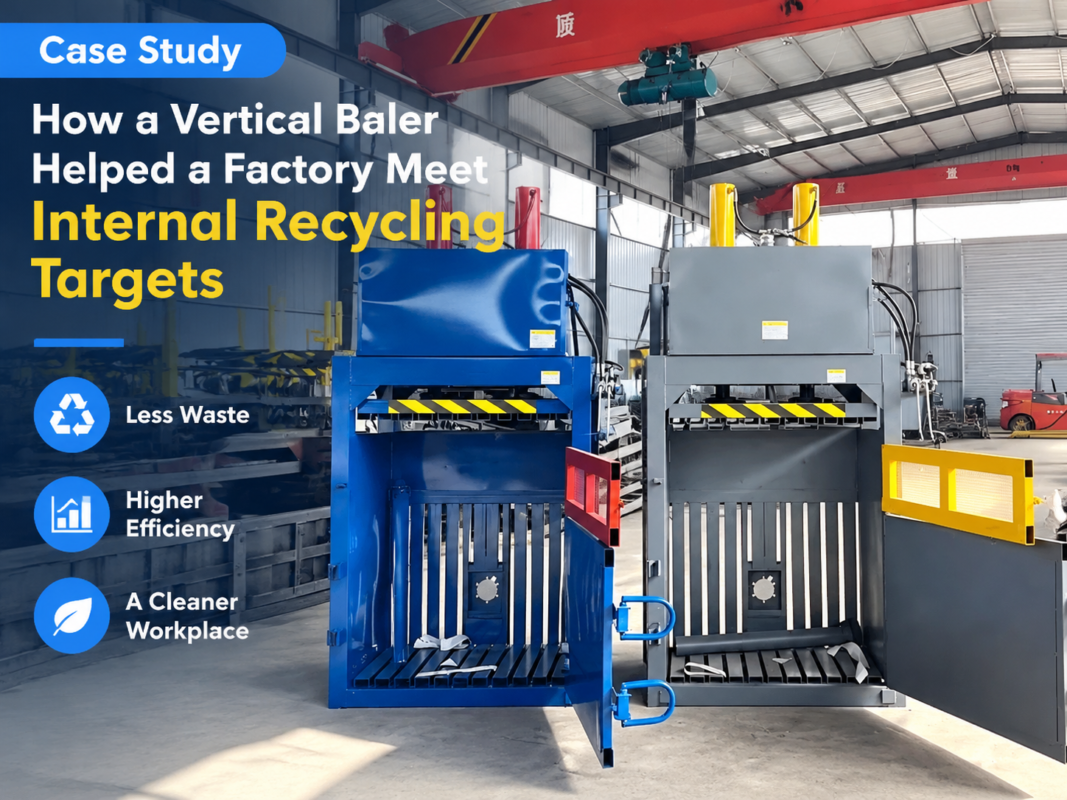
Vertical balers typically come with either a manual swing door or a vertical sliding door. Sliding doors are excellent for saving floor space and are often counterbalanced for ease of use. For scrap metal, heavy-duty reinforced swing doors with multi-point locking systems are preferred to ensure the door doesn’t burst open during the final stages of compression.
Platen Design
The platen is the moving part that crushes the material. For plastic waste, which has high “memory” (the tendency to spring back), platens are often equipped with retainers or “dogs” that hold the material down while the platen retracts. For cardboard, a standard flat platen is usually sufficient. If you are processing scrap, the platen must be reinforced to prevent denting from sharp metal edges.
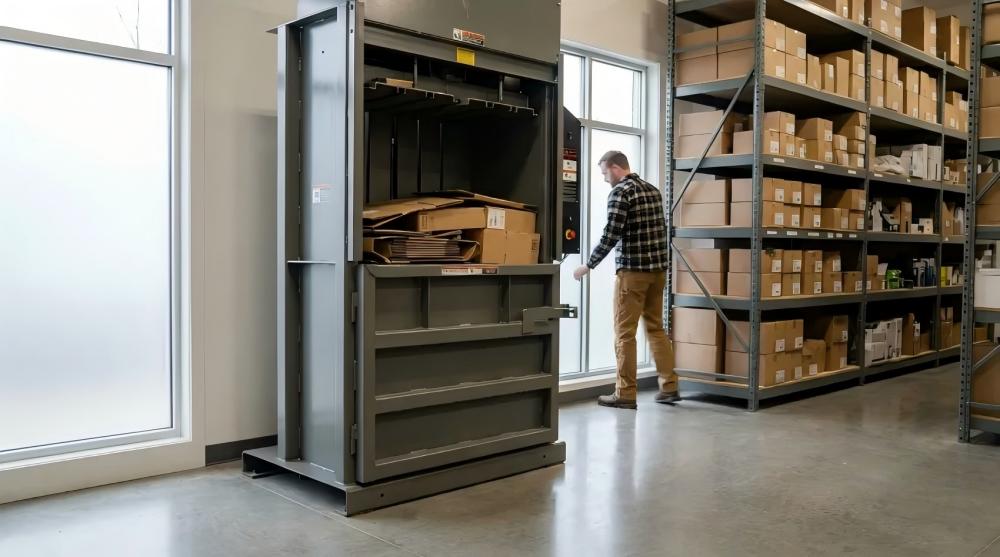
Ejection Systems
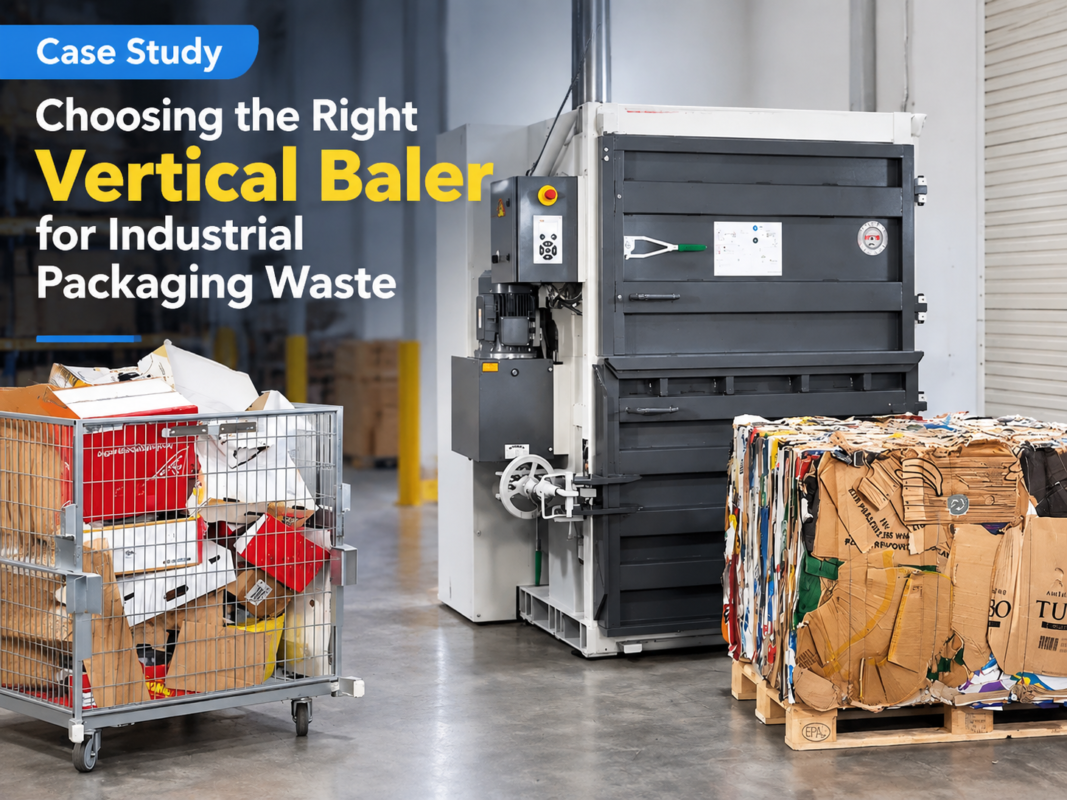
Removing a 1,000-pound bale manually is impossible. Most modern vertical balers feature an automatic bale ejector. This is typically a chain-driven or hydraulic-assist mechanism that tips the bale out onto a pallet once the tying process is complete. Ensure the ejection system is rated for the maximum bale weight the machine can produce.
Hidden Costs of Ownership
The purchase price is only the beginning. To accurately calculate your budget, consider these often-overlooked expenses:
- Shipping and Rigging: Vertical balers are heavy, often weighing between 2,000 and 10,000 lbs. Shipping costs can be significant, and you may need a professional rigging crew or a heavy-duty forklift to move the machine into position.
- Electrical Installation: Most industrial balers require 3-phase power (208V, 230V, or 460V). If your facility only has single-phase power, you will need to pay an electrician to run new lines or purchase a phase converter.
- Consumables: You will need a steady supply of baling wire or high-strength plastic strapping. Depending on your volume, this can cost several hundred to several thousand dollars per year.
- Maintenance and Oil: Hydraulic oil needs to be changed periodically (usually every 1,000 to 2,000 hours). Filters, seals, and wear pads also require regular inspection and replacement to prevent catastrophic failure.
ROI Calculation: Turning Waste into Profit
The primary reason to buy a vertical baler for scrap, cardboard, and plastic waste is the Return on Investment (ROI). You can calculate your ROI by looking at three areas:
- Disposal Fee Savings: Most waste management companies charge by the “pull” (each time they empty a dumpster). By baling your cardboard and plastic, you can reduce the number of pulls by 70-90%. If you currently pay $500 a month in trash fees, you might reduce that to $100.
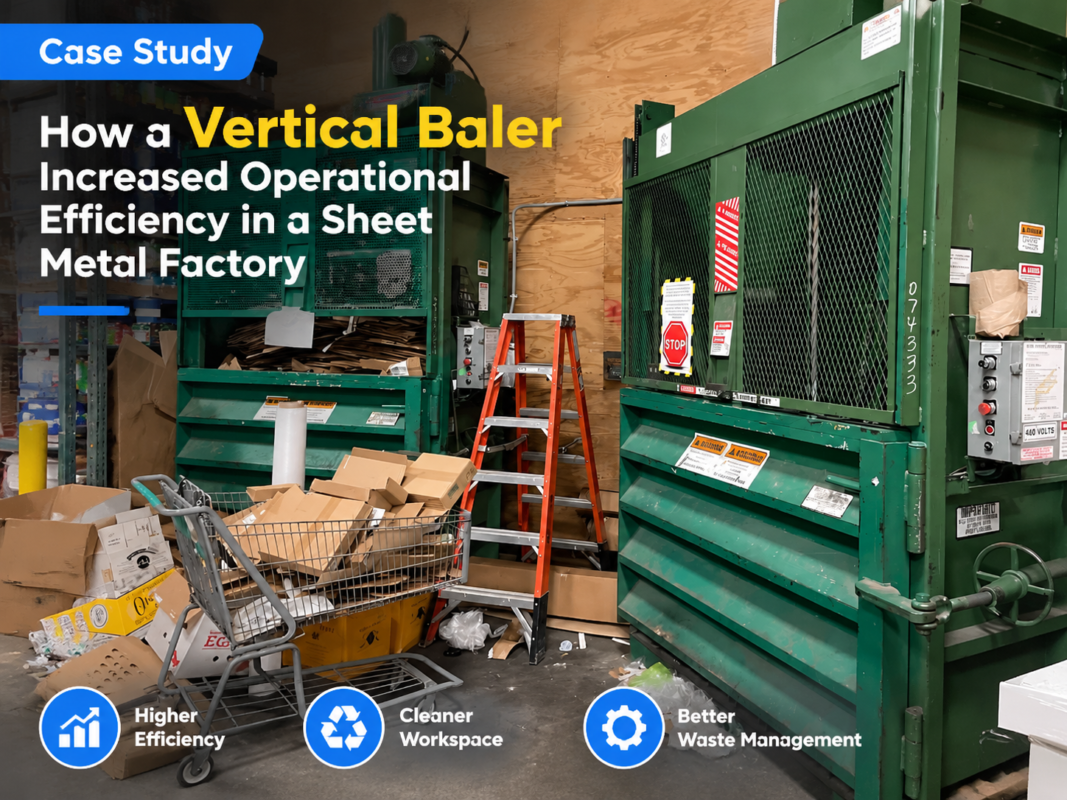
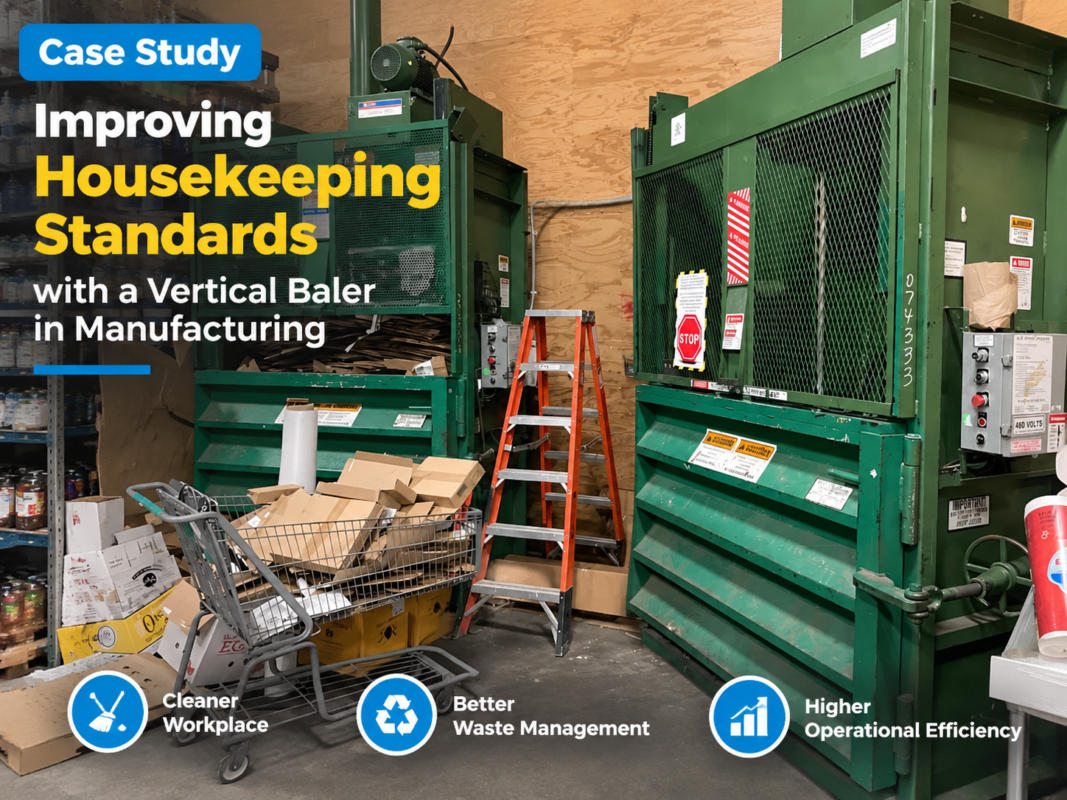
- Labor Efficiency: Without a baler, employees spend hours breaking down boxes and hauling them to an outdoor bin. A baler located near the source of the waste allows for immediate disposal, saving significant man-hours.
- Recycling Revenue: Loose cardboard is often a cost to remove. Baled cardboard (OCC – Old Corrugated Containers) is a commodity. Depending on market rates, you can sell these bales to recyclers for $50 to $150 per ton. High-grade plastics and scrap metal can fetch even higher prices.
Example: A warehouse producing 10 tons of cardboard a month might save $400 in trash fees and earn $800 in recycling revenue. With a $12,000 baler, the machine pays for itself in just 10 months.
Buying Advice: How to Choose the Right Vendor
When you are ready to buy a vertical baler for scrap, cardboard, and plastic waste, the vendor you choose is as important as the machine itself. Here is a checklist for evaluating suppliers like HARSLE:
- Technical Support: Does the vendor offer remote troubleshooting or on-site repair services? Industrial machinery will eventually need maintenance, and downtime is expensive.
- Safety Certifications: Ensure the machine meets OSHA and ANSI standards (or CE standards in Europe). This includes emergency stop buttons, safety interlocks on doors, and shielded moving parts.
- Customization Options: Can the vendor modify the chamber size or motor power to fit your specific needs? A one-size-fits-all approach rarely works in complex industrial environments.
- Warranty Terms: Look for a minimum of a one-year warranty on parts and labor, with extended warranties available for the hydraulic system and frame.
Maintenance Notes for Longevity
To ensure your vertical baler lasts 15-20 years, a strict maintenance schedule is required. Daily checks should include inspecting for hydraulic leaks and ensuring the safety gates function correctly. Monthly, the oil levels should be checked, and the guide tracks for the platen should be lubricated. Annually, a professional technician should perform a pressure test on the hydraulic system and inspect the structural integrity of the welds. Keeping the machine clean—especially removing debris from behind the platen—prevents premature wear on the seals and motor.
Frequently Asked Questions (FAQ)
Can one vertical baler handle all three materials?
Yes, most industrial vertical balers can handle cardboard, plastic, and light scrap. However, you must adjust the settings. For example, plastic requires a longer “dwell time” (holding the platen down at the bottom of the stroke) to ensure the bale stays compressed. Scrap metal may require a more robust machine than one used solely for cardboard.
What size bale does a standard vertical baler produce?
The industry standard is the “60-inch baler,” which produces a bale approximately 60″ x 30″ x 48″. These bales typically weigh between 800 and 1,200 lbs depending on the material. This size is preferred by recyclers because it fits perfectly in standard shipping containers and truck trailers.
How much ceiling height do I need?
This is a common mistake. While the machine might be 8 feet tall when the cylinder is retracted, the cylinder extends upward during the stroke. You often need 10 to 14 feet of ceiling clearance for a standard industrial vertical baler. Always check the “operating height” in the spec sheet.
Is it better to buy or lease a vertical baler?
Buying offers the best long-term ROI and tax benefits (such as Section 179 deductions in the US). However, leasing is a great option for businesses that want to preserve cash flow or those who want to include maintenance costs in a single monthly payment.
What safety training is required for operators?
Operators must be trained on how to load the machine evenly (to prevent lopsided bales and cylinder strain), how to safely tie the bales using wire, and how to use the ejection system. Most jurisdictions require operators to be at least 18 years old due to the heavy machinery involved.
Conclusion
Investing in the right machinery is a cornerstone of industrial efficiency. When you buy a vertical baler for scrap, cardboard, and plastic waste, you are investing in a cleaner workspace, lower overhead, and a more sustainable business model. By focusing on high-quality hydraulic components, robust steel construction, and a clear understanding of your volume needs, you can select a HARSLE baler that will serve your facility for decades. Remember to account for the total cost of ownership, including installation and consumables, to ensure your ROI calculations are accurate and your waste management strategy is a resounding success.