How to Solve Uneven Briquette Size in Hydraulic Briquetting Machines

Introduction to Briquette Consistency in Industrial Metal Processing
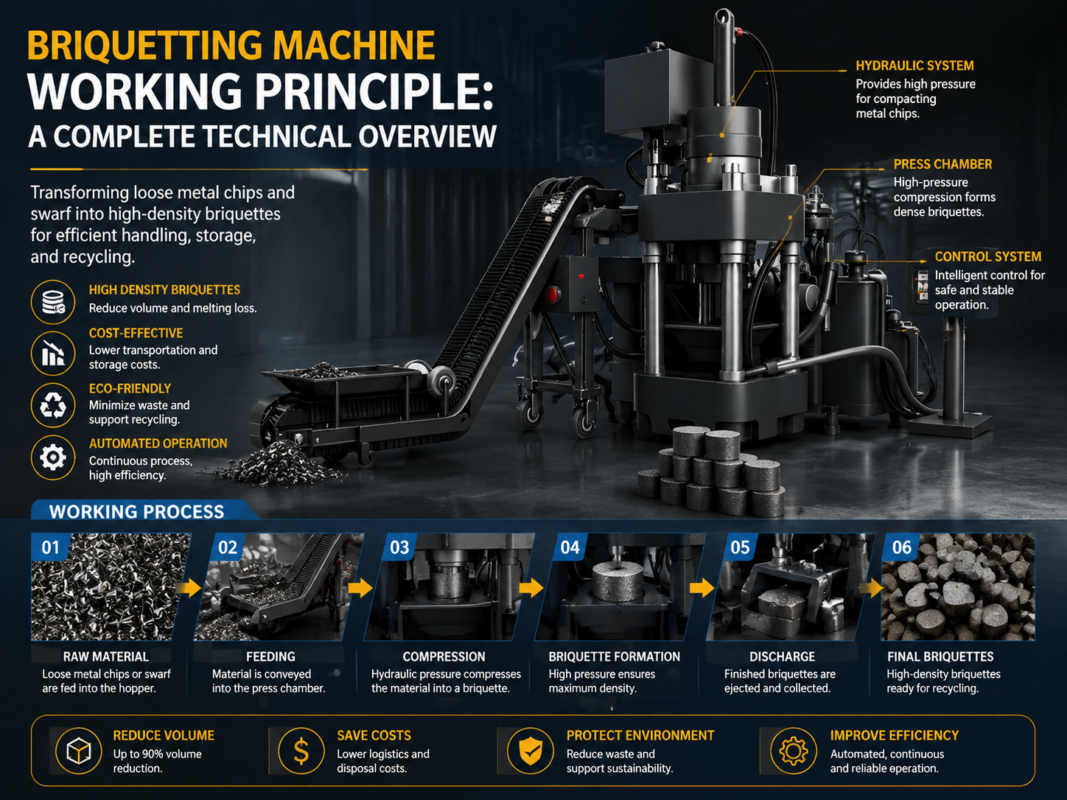
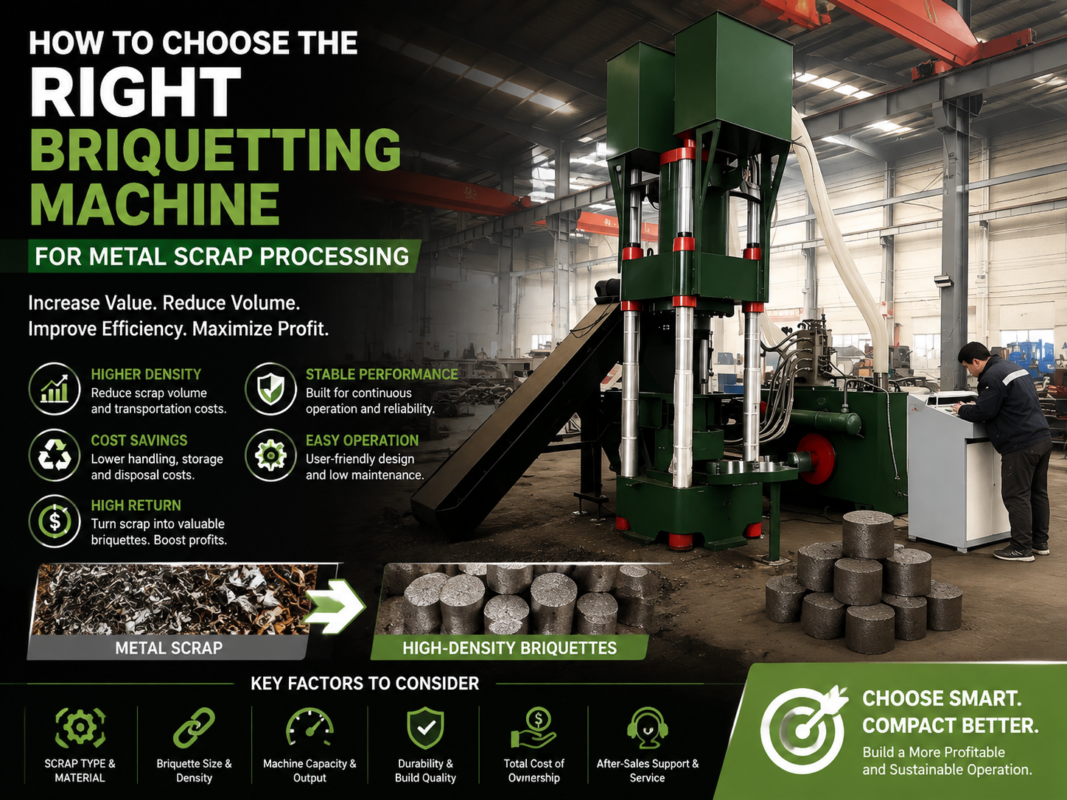
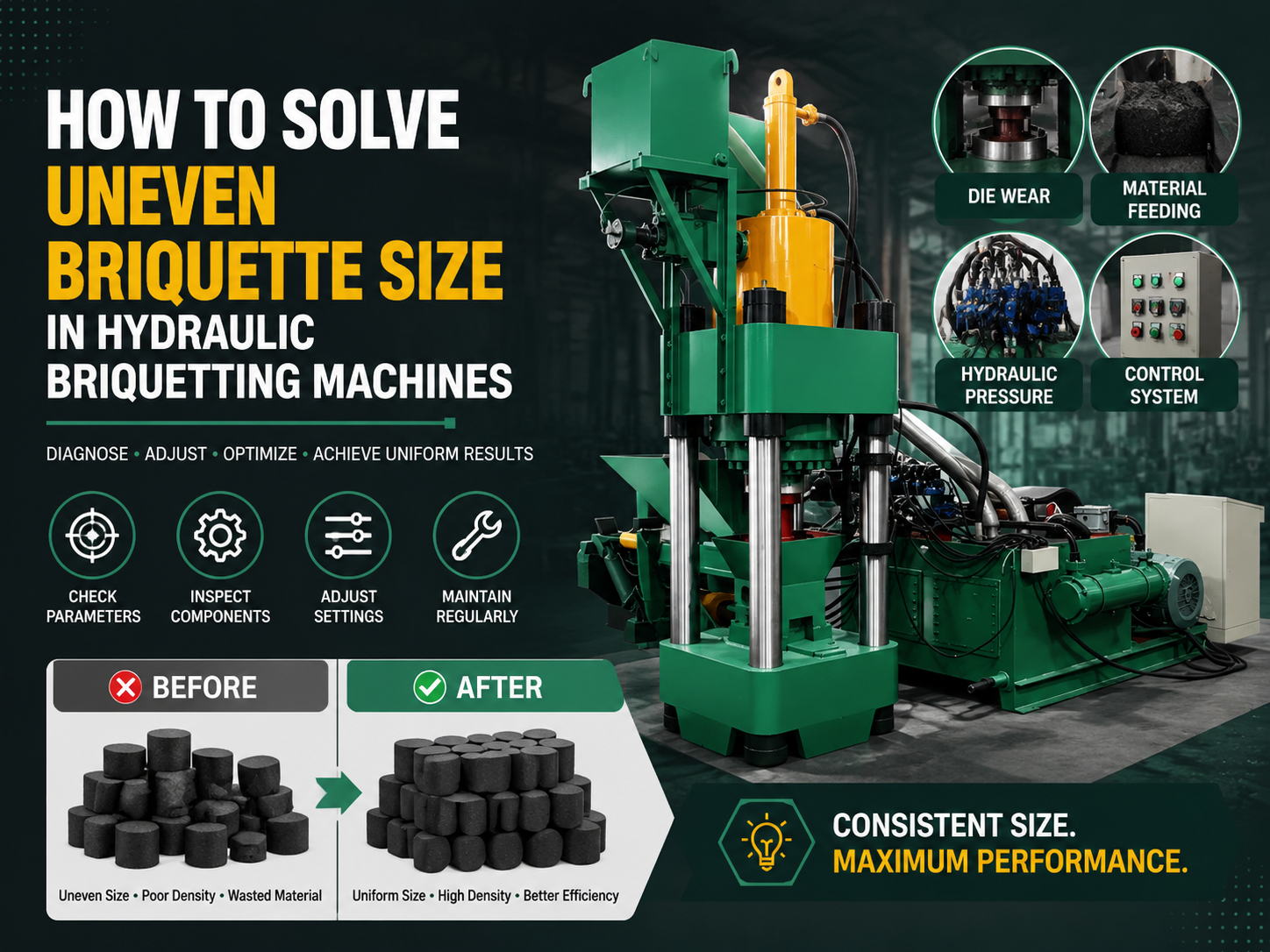
In the realm of metal fabrication and scrap recycling, the hydraulic briquetting machine stands as a cornerstone of efficiency. These machines are designed to compress loose metal chips, turnings, and filings—ranging from aluminum and steel to copper and cast iron—into dense, manageable blocks known as briquettes. However, one of the most persistent challenges faced by operators is the issue of inconsistent sizing. When you need to Solve Uneven Briquette Size In Hydraulic Briquetting Machines, you are not just addressing an aesthetic concern; you are tackling a problem that affects melting efficiency, storage logistics, and the overall resale value of the recycled material.
Uneven briquette size usually manifests as variations in length or density, often caused by a combination of mechanical wear, hydraulic fluctuations, or inconsistent raw material input. For high-volume operations, these inconsistencies can lead to jams in automated furnace charging systems or inaccurate weight measurements during transport. Understanding the underlying mechanics of how a hydraulic press forms a briquette is the first step toward achieving a uniform output. This guide provides a deep dive into the technical causes of size variance and offers actionable solutions to ensure your HARSLE equipment operates at peak precision.
Key Considerations for Maintaining Briquette Uniformity
Achieving a uniform briquette requires a delicate balance between the material being processed and the machine’s mechanical response. The first key consideration is the material consistency. If the scrap metal being fed into the hopper varies significantly in particle size—for example, a mix of fine dust and long, stringy turnings—the compression ratio will fluctuate. Fine particles fill the mold cavity more densely than large turnings, leading to variations in the final height of the briquette even if the hydraulic stroke remains constant.
Another critical factor is the moisture and lubricant content. In many machining environments, metal chips are saturated with cutting fluids or coolants. If the moisture content is not standardized, the lubricity within the mold changes. Excess fluid can act as a non-compressible element during the initial phase of the stroke, or conversely, it can allow the material to slide too easily, preventing the build-up of necessary friction for a solid bond. To Solve Uneven Briquette Size In Hydraulic Briquetting Machines, operators must implement a pre-treatment or centrifugal drying process to ensure the input material is as uniform as possible.
The feeding mechanism itself is often the culprit behind uneven sizes. Gravity-fed systems are susceptible to ‘bridging,’ where material gets stuck in the hopper, leading to partially filled mold cavities. On the other hand, forced-feeding systems using screw conveyors must be synchronized with the hydraulic cycle. If the screw feeder delivers a different volume of material for each cycle, the resulting briquettes will inevitably vary in size. Calibrating the timing between the feeder and the main ram is essential for high-precision output.
Technical Details: Troubleshooting the Hydraulic and Mechanical Systems
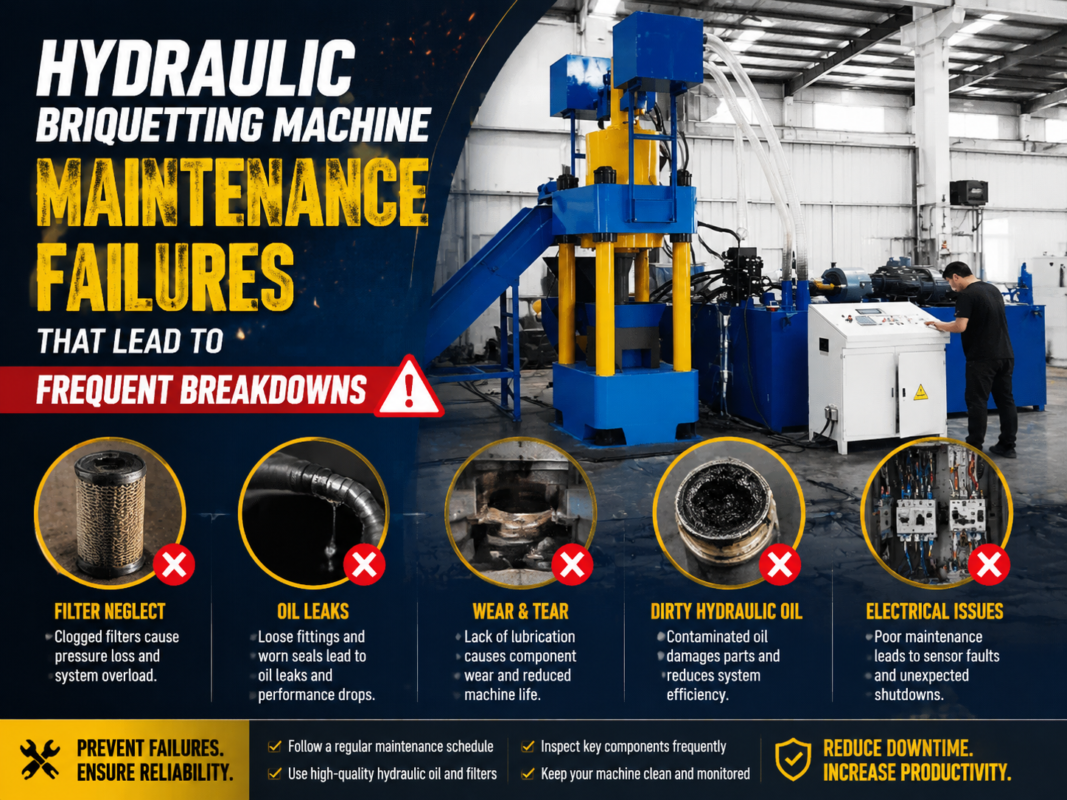
When the material is consistent but the output is not, the focus must shift to the internal components of the machine. The hydraulic system is the heart of the briquetting process, and any deviation in pressure or flow will result in size discrepancies. One common issue is internal leakage in the hydraulic cylinders or valves. If a seal is worn, the cylinder may not reach its full intended pressure or may drift during the compression cycle, leading to a ‘soft’ briquette that expands once ejected, or one that is simply shorter than the rest.
The Role of Sensors and PLC Calibration
Modern hydraulic briquetting machines rely on LVDTs (Linear Variable Differential Transformers) or high-precision limit switches to determine the position of the ram. If these sensors are loose, dirty, or miscalibrated, the PLC (Programmable Logic Controller) receives incorrect data regarding the ram’s position. To Solve Uneven Briquette Size In Hydraulic Briquetting Machines, technicians should regularly check the sensor mounts and perform a zero-point calibration. If the machine is programmed to stop based on pressure rather than position, any change in material density will cause the ram to stop at different heights, creating uneven lengths. A hybrid control logic—where the machine targets a specific pressure but remains within a defined positional window—is often the best solution.
Mold and Die Wear
The physical environment where the briquette is formed—the mold or die—is subject to extreme abrasive forces. Over time, the inner walls of the mold can wear down, creating a larger cavity. This not only changes the diameter of the briquette but can also cause material to leak past the plunger (blow-by), reducing the effective volume of the compressed metal. Regular inspection of the die liners is mandatory. If the clearance between the plunger and the mold wall exceeds the manufacturer’s specifications, the compression efficiency drops, leading to inconsistent density and size.
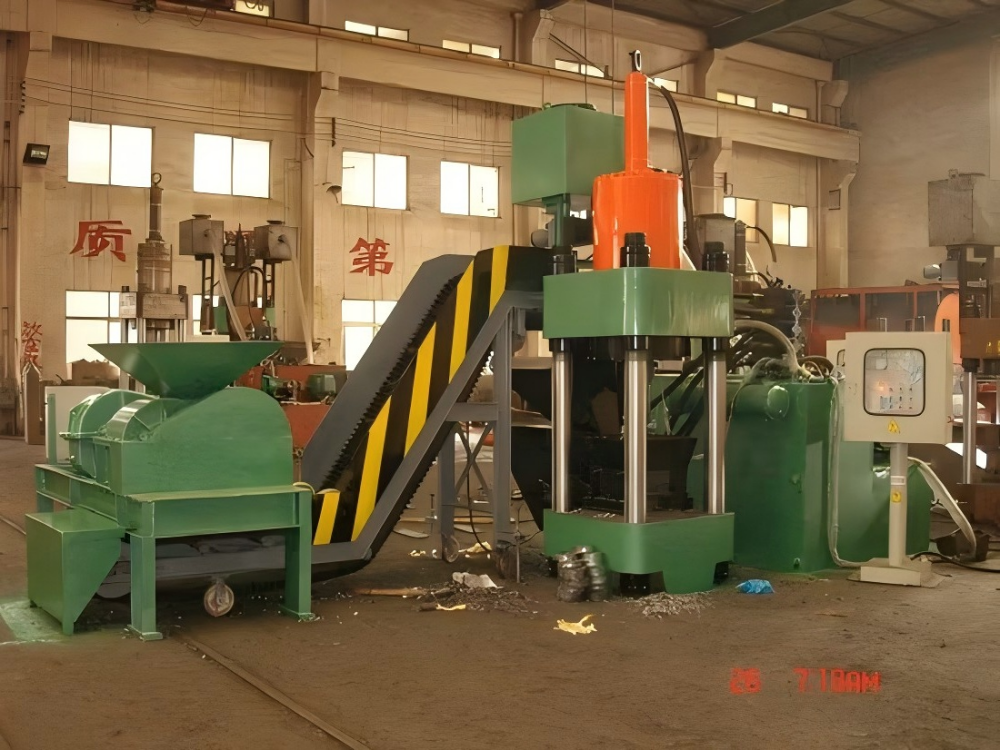
Hydraulic Oil Temperature and Viscosity
Temperature plays a massive role in hydraulic performance. As the machine runs, the oil heats up, reducing its viscosity. Thinner oil flows faster and leaks more easily through small gaps in valves. This can lead to faster cycle times but less stable pressure holding. High-quality machines like those from HARSLE include industrial oil coolers to maintain a steady operating temperature. If you notice that briquette size starts out consistent in the morning but becomes uneven by the afternoon, the cooling system is likely failing to keep the oil within the optimal temperature range (usually 35°C to 55°C).
| Symptom | Potential Root Cause | Recommended Solution |
|---|---|---|
| Variable Briquette Length | Inconsistent feeding volume | Adjust screw feeder timing or install level sensors |
| Low Briquette Density | Hydraulic pressure drop | Check for valve leakage or worn piston seals |
| Briquette Cracking/Crumbling | High moisture or oil content | Implement a centrifugal dryer for scrap metal |
| Size Drift over Time | Oil temperature fluctuations | Clean the oil cooler and check thermostat settings |
| Irregular Shape | Worn mold or die liners | Replace die liners and check plunger alignment |
Selection Advice: Choosing a Machine to Prevent Uneven Sizing
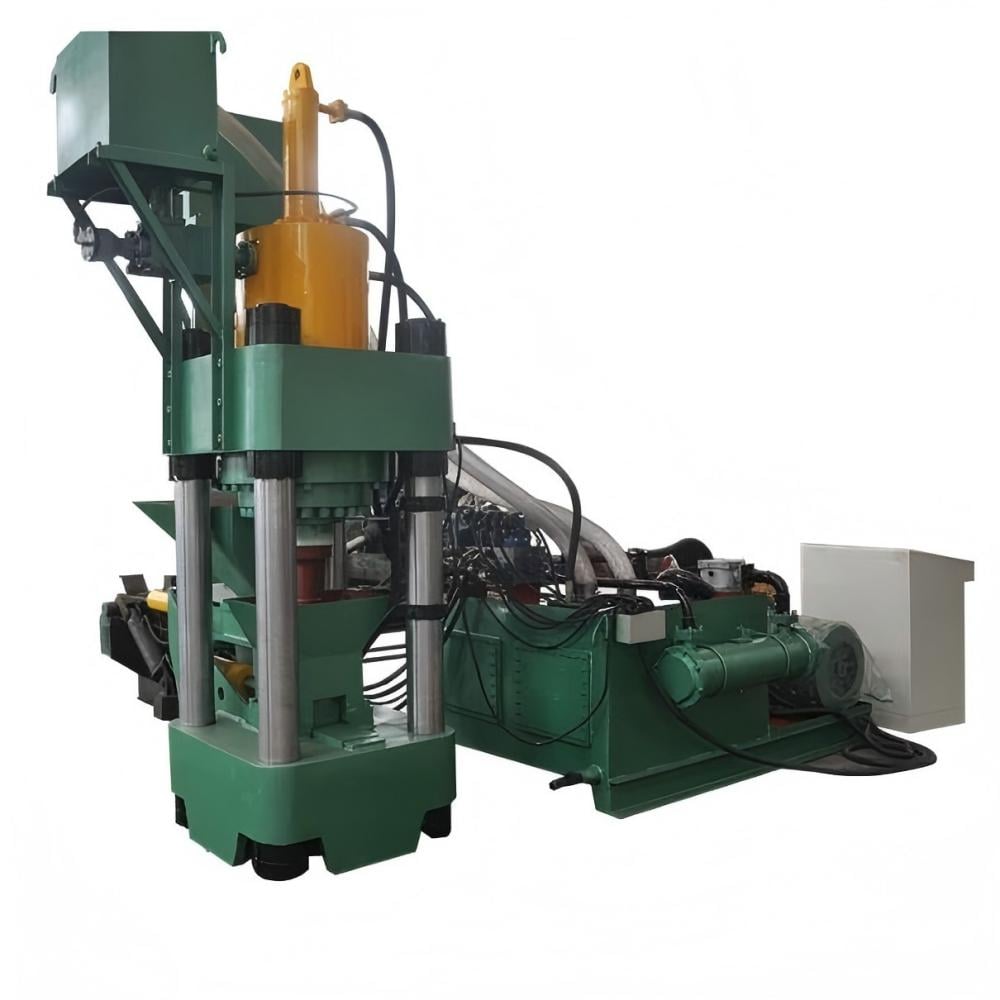
When purchasing a new hydraulic briquetting machine, preventing size issues starts with selecting the right specifications. Not all machines are built to handle the same types of scrap. For instance, if you are processing heavy steel turnings, a machine with a high-tonnage main cylinder and a robust pre-compression chamber is necessary. The pre-compression chamber helps to ‘pre-size’ the material before it enters the main mold, significantly reducing the chance of uneven briquette size.
Look for machines equipped with Proportional Valve Technology. Unlike standard on/off valves, proportional valves allow the PLC to control the flow and pressure with extreme granularity. This results in smoother ram movements and more consistent pressure application, which is the foundation of uniform briquetting. Additionally, ensure the machine features a rigid, four-column frame. A rigid frame prevents the machine from flexing under high pressure; frame flex can lead to misalignment of the plunger and mold, causing uneven wear and inconsistent briquette dimensions.
Another feature to prioritize is the HMI (Human Machine Interface) capabilities. A high-quality HARSLE machine will offer real-time monitoring of pressure, stroke position, and cycle time. This data allows operators to spot trends—such as a gradual decrease in pressure—before they result in out-of-spec briquettes. Automated ‘auto-compensation’ features in the software can also adjust the feeding time based on the previous cycle’s results, effectively self-correcting the briquette size in real-time.
Frequently Asked Questions (FAQ)
1. Why does my briquette size change when I switch metal types?
Different metals have different compression ratios. Aluminum is much softer and more ductile than steel, meaning it requires less pressure to reach a certain density but may expand more after ejection. When switching materials, you must recalibrate the feeding volume and the pressure settings on your hydraulic briquetting machine to account for these physical differences.
2. How often should I calibrate the sensors to Solve Uneven Briquette Size In Hydraulic Briquetting Machines?
In a high-production environment (running 2-3 shifts), a monthly calibration check is recommended. However, you should perform an immediate check if you notice a variance of more than 5% in briquette length. Ensure that the sensors are free from metal dust and oil, as buildup can interfere with magnetic or optical readings.
3. Can a clogged hydraulic filter cause uneven briquette sizes?
Yes. A clogged filter restricts oil flow, which can lead to erratic ram speeds and pressure spikes. If the ram doesn’t move at a consistent speed, the air trapped within the metal chips may not have enough time to escape, leading to variations in density and final size. Always follow the manufacturer’s schedule for filter replacement.
4. What is the ideal moisture content for metal chips?
For most hydraulic briquetting operations, a moisture/coolant content of less than 3-5% is ideal. Excess fluid not only causes uneven sizing but also creates a mess around the machine and can lead to ‘explosive’ decompression where the briquette bursts upon exiting the mold due to internal fluid pressure.
5. Does the ambient temperature of the factory affect the machine?
Absolutely. In very cold environments, hydraulic oil becomes thick and sluggish, leading to slow cycle times and potential cavitation in the pump. In very hot environments, the oil may overheat. Using a heater in the winter and a robust cooling system in the summer is vital for maintaining the consistency required to Solve Uneven Briquette Size In Hydraulic Briquetting Machines.
Conclusion: The Path to Perfect Briquettes
Solving the issue of uneven briquette size in hydraulic briquetting machines requires a holistic approach that encompasses material preparation, mechanical maintenance, and hydraulic precision. By ensuring that your raw material is consistent in size and moisture, you provide the machine with the best possible starting point. Coupled with regular maintenance of the hydraulic seals, sensors, and mold liners, you can achieve a level of uniformity that maximizes the efficiency of your recycling operation.
HARSLE remains committed to providing high-quality metal fabrication equipment that integrates advanced control systems to minimize these common industrial headaches. Whether you are upgrading an existing line or investing in your first briquetting press, focusing on the technical details of pressure control and feeding synchronization will ensure your investment pays off in the form of perfect, high-density briquettes every time. Remember, consistency in the machine leads to consistency in the product, and consistency in the product leads to higher profitability for your business.