Hydraulic Briquetting Machine Pressure Drops: Diagnosis and Repair Tips

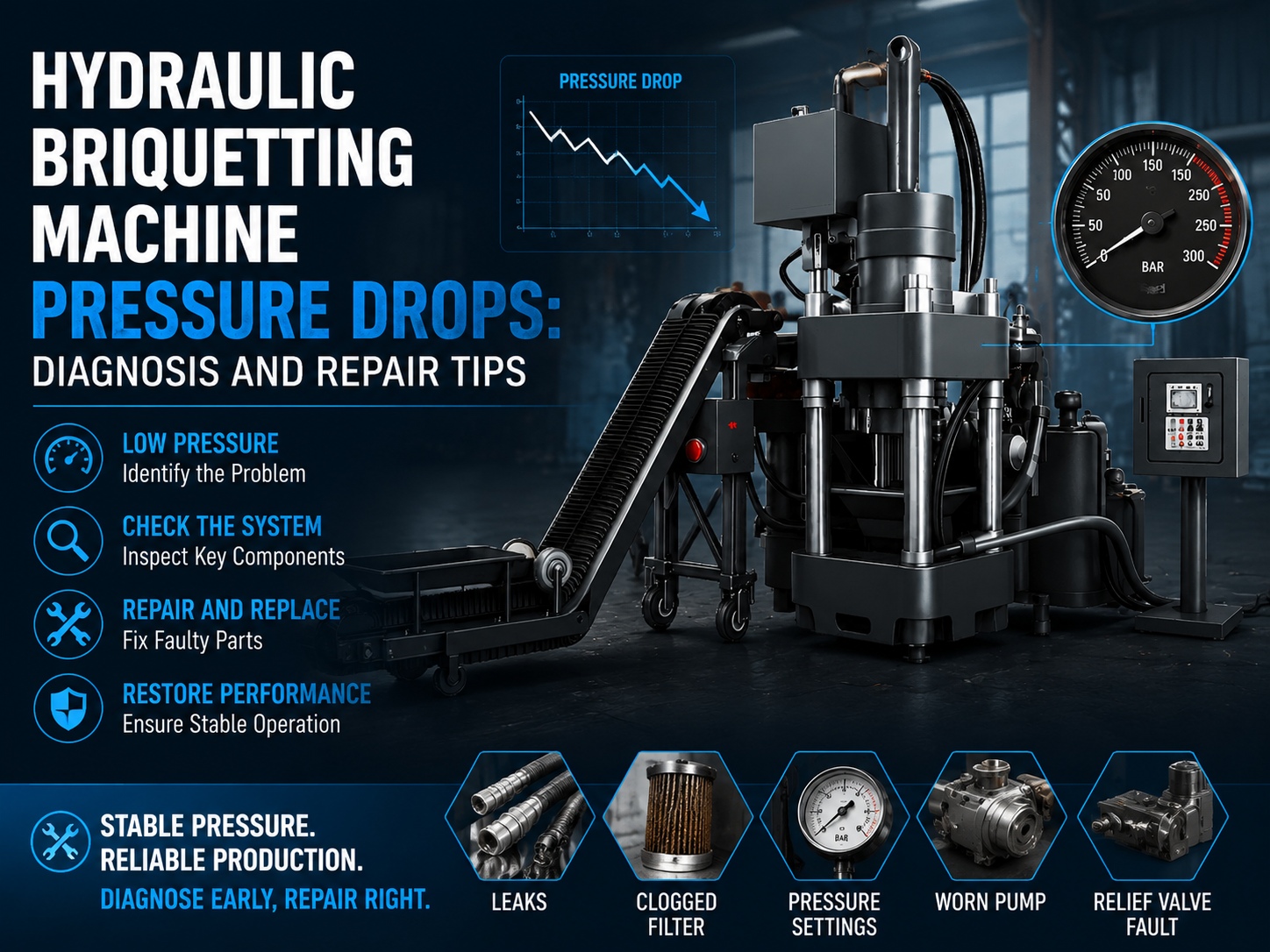
Hydraulic Briquetting Machine Pressure Drops: Diagnosis and Repair Tips
In the world of metal recycling and waste management, the hydraulic briquetting machine stands as a cornerstone of efficiency. These machines are designed to compress metal chips, shavings, and turnings into dense, manageable blocks, significantly reducing volume and increasing the value of scrap material. However, the performance of these machines is entirely dependent on the integrity of their hydraulic systems. A common and frustrating issue faced by operators is the sudden or gradual loss of system pressure. When a Hydraulic Briquetting Machine Pressure Drops: Diagnosis Repair Tips become essential knowledge for maintaining production uptime and ensuring the longevity of the equipment.
Pressure is the lifeblood of a briquetting press. Without sufficient force, the machine cannot achieve the required density for the briquettes, leading to crumbly products that fall apart during transport. Furthermore, low pressure often signals underlying mechanical or hydraulic failures that, if left unaddressed, can lead to catastrophic damage to the pump or main cylinder. This article provides an in-depth technical exploration of why pressure drops occur, how to diagnose them systematically, and the best practices for repair and long-term maintenance.
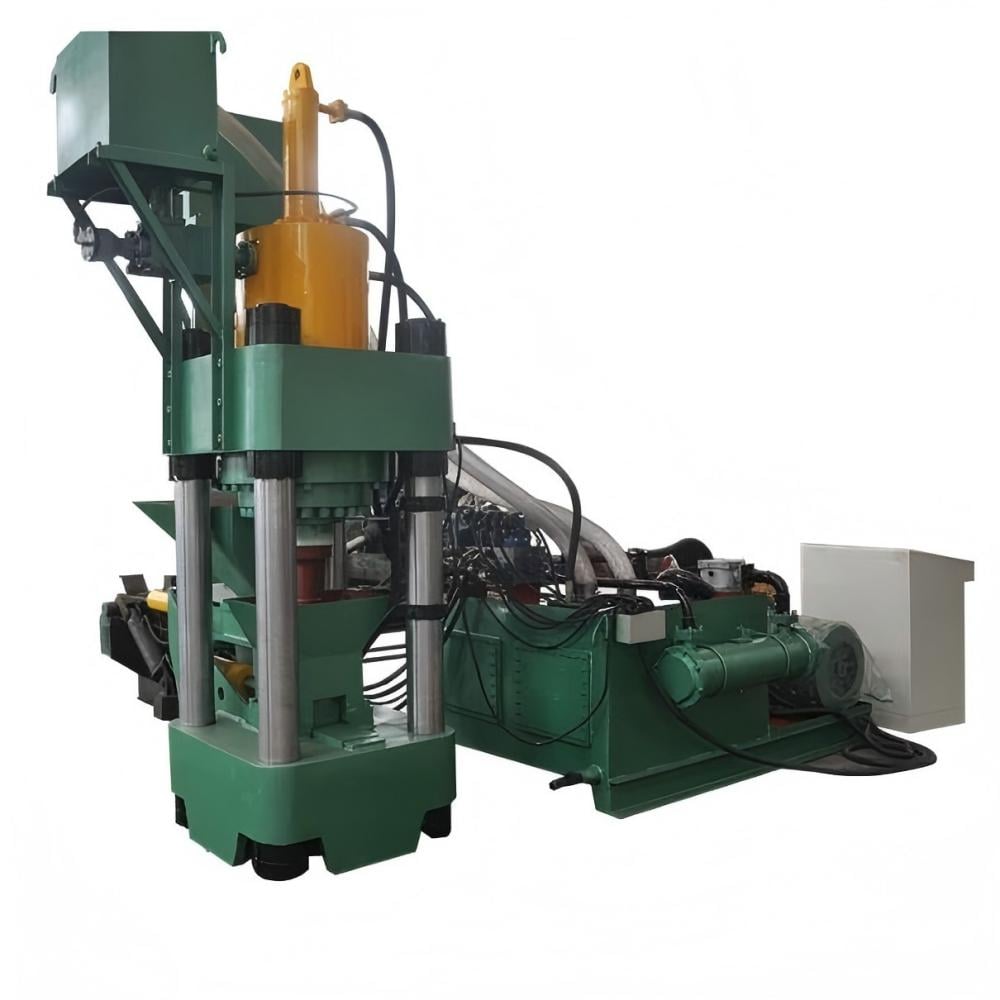
Key Considerations in Hydraulic System Stability
Before diving into specific repairs, it is crucial to understand the fundamental factors that contribute to hydraulic stability. A briquetting machine operates under extreme conditions, often cycling thousands of times per day. The hydraulic fluid must be pressurized to levels often exceeding 250 bar (3600 PSI) to effectively compress materials like aluminum, steel, or cast iron. Any breach in the closed-loop system—whether it is a physical leak or an internal bypass—will result in a noticeable drop in gauge pressure.
Environmental factors also play a significant role. In many fabrication shops, the ambient temperature can fluctuate wildly. Hydraulic oil viscosity changes with temperature; if the oil becomes too thin due to overheating, the pump may struggle to maintain pressure, and internal leakage across seals becomes more pronounced. Conversely, if the oil is too thick during a cold start, cavitation can occur, damaging the pump and causing erratic pressure readings. Operators must monitor these variables as part of their daily checklist to prevent minor issues from escalating into major downtime.
Another key consideration is the quality of the material being processed. If the metal chips are contaminated with large solids or excessive moisture, the machine may experience “shocks” in the hydraulic circuit. These pressure spikes can weaken hoses and seals over time. Understanding the relationship between the material feed, the hydraulic cycle, and the cooling system is the first step in effective diagnosis. A holistic view of the machine’s operation allows maintenance teams to identify whether a pressure drop is a mechanical failure or a result of improper operating conditions.
Technical Details: Root Causes of Pressure Drops
1. Hydraulic Pump Inefficiencies and Wear
The hydraulic pump is the heart of the briquetting machine. Most modern machines use axial piston pumps or vane pumps to generate the high flow and pressure required. Over time, the internal components of the pump—such as the piston shoes, swash plate, or cylinder barrel—undergo wear. As clearances increase, the pump experiences “slippage,” where pressurized oil leaks back to the suction side instead of being pushed into the system. This results in a gradual decline in maximum pressure capability.
Diagnosis of pump wear often involves checking the case drain flow. If the amount of oil returning to the tank through the pump’s case drain line exceeds the manufacturer’s specifications, it is a clear indicator that the internal components are worn. Additionally, unusual noise, such as high-pitched whining or growling (often indicative of cavitation or aeration), suggests that the pump is struggling to draw oil or is sucking in air, both of which cause immediate pressure instability.
2. Control Valve Malfunctions and Internal Leakage
The directional control valves and relief valves are responsible for managing the flow and limiting the maximum pressure within the circuit. A common cause of Hydraulic Briquetting Machine Pressure Drops: Diagnosis Repair Tips often points toward a stuck or contaminated relief valve. If a small piece of metal debris lodges in the relief valve seat, the valve will remain partially open, allowing oil to bypass the main cylinder and return directly to the reservoir. This prevents the system from ever reaching its target pressure.
Directional spool valves can also develop internal leaks. As the spool moves back and forth thousands of times, the precision-machined surfaces can wear down. If the clearance between the spool and the valve body becomes too large, oil will leak across the lands of the spool. This is particularly problematic in briquetting machines because the pressure must be held for a specific duration to “set” the briquette; an internal leak in the valve will cause the pressure to bleed off during this hold phase.
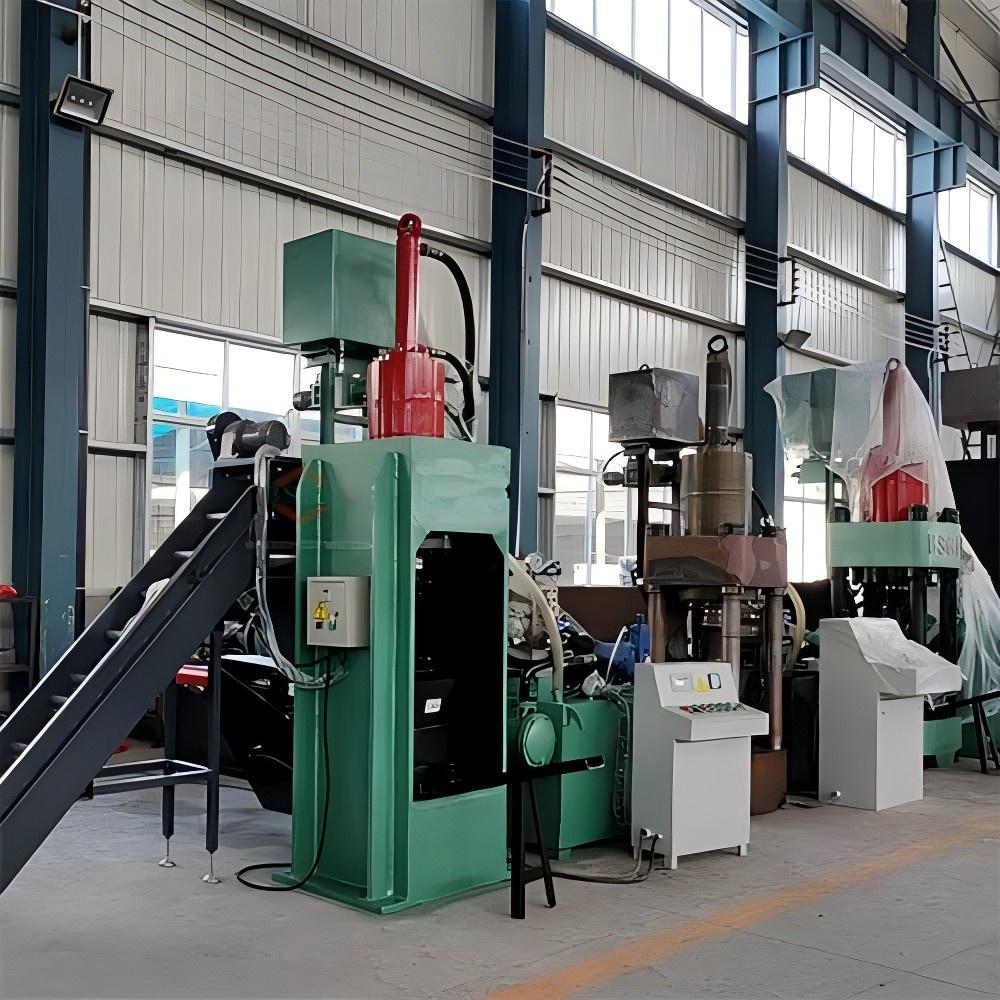
3. Cylinder Seal Failure and Bypassing
The main ram cylinder is where the actual work of briquetting happens. Inside the cylinder, piston seals separate the high-pressure side from the low-pressure side. If these seals fail or become brittle due to heat, oil can bypass the piston. This is known as internal bypassing. When this happens, the pump may be producing full pressure, but the force is not being effectively applied to the material because the pressure is equalizing on both sides of the piston.
To diagnose a bypassing cylinder, maintenance personnel can extend the cylinder to its full stroke and hold it against the end stop (or a dummy load). By carefully checking the temperature of the cylinder barrel or the return line, a significant heat buildup can be detected where the oil is being forced through the failed seal. This localized heating is a definitive sign of internal leakage. Replacing these seals requires dismantling the cylinder, which is a major repair task but necessary for restoring machine performance.
Selection Advice: Investing in Reliable Briquetting Technology
When purchasing a hydraulic briquetting machine, the best way to avoid frequent pressure drop issues is to select equipment built with high-quality components and robust engineering. Not all machines are created equal; the difference often lies in the hydraulic architecture and the brand of components used. At HARSLE, we emphasize the use of world-class hydraulic elements, such as Rexroth or Vickers valves and high-pressure forged cylinders, which are significantly more resistant to wear and pressure fatigue.
Prospective buyers should look for machines that include integrated cooling systems and advanced filtration. Heat is the number one enemy of hydraulic oil and seals. A machine equipped with an efficient air or water cooler will maintain oil viscosity, thereby protecting the pump and valves from premature wear. Furthermore, a multi-stage filtration system (including suction, pressure, and return line filters) ensures that the hydraulic fluid remains free of the fine metal dust often present in recycling environments, which is a leading cause of valve sticking.
Another critical factor is the PLC (Programmable Logic Controller) integration. Modern briquetting machines should feature digital pressure monitoring with auto-shutoff or alarm capabilities. This allows the operator to see real-time pressure data on the HMI (Human Machine Interface). If the pressure drops below a certain threshold, the machine can stop automatically, preventing damage to the pump or the production of sub-standard briquettes. Investing in a machine with these “smart” features significantly reduces the long-term cost of ownership by simplifying the Hydraulic Briquetting Machine Pressure Drops: Diagnosis Repair Tips process.
Step-by-Step Repair and Maintenance Procedures
If you encounter a pressure drop, follow this systematic approach to identify and fix the problem:
- Check Oil Levels and Quality: Ensure the reservoir is full. Low oil levels can lead to aeration. Inspect the oil for a milky appearance (water contamination) or a dark, burnt smell (oxidized oil).
- Inspect for External Leaks: Walk around the machine and check all hose connections, manifold blocks, and cylinder glands. Even a small drip can indicate a point where air might enter or pressure might escape.
- Test the Relief Valve: Adjust the relief valve while watching the pressure gauge. If the pressure does not change or fluctuates wildly, remove the valve, clean it with solvent, and check the spring for fatigue or breakage.
- Monitor Pump Performance: Use a flow meter to check the pump’s output against its rated capacity. If the flow drops significantly as pressure increases, the pump requires a rebuild or replacement.
- Evaluate the Cooling System: Ensure the cooling fans are operational and the heat exchanger fins are clean. If the oil temperature exceeds 60°C (140°F), the pressure drop is likely due to thinned oil.
- Replace Filters: Clogged filters can cause a pressure drop on the suction side, leading to pump cavitation. Replace all filters according to the maintenance schedule, or sooner if the indicator shows they are dirty.
| Component | Common Issue | Diagnostic Method | Repair Action |
|---|---|---|---|
| Hydraulic Pump | Internal Wear / Slippage | Case drain flow test | Rebuild or Replace Pump |
| Relief Valve | Debris in Seat | Pressure gauge fluctuation | Clean or Replace Valve |
| Main Cylinder | Piston Seal Bypass | Temperature differential test | Replace Piston Seals |
| Hydraulic Oil | Overheating / Low Viscosity | Thermometer check | Improve Cooling / Change Oil |
| Suction Filter | Clogging | Pump noise (Cavitation) | Replace Filter Element |
Frequently Asked Questions (FAQ)
Why does my briquetting machine lose pressure only after running for an hour?
This is almost always related to oil temperature. As the machine runs, the hydraulic oil heats up. If the cooling system is inadequate, the oil’s viscosity drops, making it easier for the oil to leak past worn seals or pump components. Check your heat exchanger and ensure the oil type meets the manufacturer’s specifications for your operating environment.
Can I just turn up the relief valve to fix a pressure drop?
No. Turning up the relief valve is a temporary mask for a deeper problem. If the system is losing pressure due to a leak or pump wear, increasing the setting will only put more strain on the failing components and could lead to a dangerous hose burst or pump explosion. Always find the root cause of the pressure loss first.
How often should I change the hydraulic oil in a briquetting press?
Generally, hydraulic oil should be changed every 2,000 to 4,000 hours of operation, depending on the environment. However, regular oil analysis is a better strategy. Analysis can detect microscopic metal particles or chemical breakdown before they cause a pressure drop, allowing for proactive maintenance.
What is the most common cause of sudden pressure loss?
The most common cause of a sudden, total loss of pressure is a catastrophic seal failure or a piece of debris getting stuck in the main relief valve. If the machine was working perfectly and suddenly stopped holding pressure, start by inspecting the relief valve and the directional control solenoid.
Conclusion
Maintaining consistent pressure in a hydraulic briquetting machine is vital for producing high-quality metal briquettes and protecting your industrial investment. While pressure drops can be frustrating, they are usually the result of predictable wear or environmental factors that can be managed through diligent maintenance. By understanding the technical interplay between the pump, valves, and cylinders, operators can quickly move from diagnosis to repair, minimizing downtime.
Choosing a machine from a reputable manufacturer like HARSLE ensures that you start with a robust foundation. Our machines are engineered to withstand the rigors of heavy-duty recycling, featuring premium components that simplify the Hydraulic Briquetting Machine Pressure Drops: Diagnosis Repair Tips process. Whether you are processing aluminum, steel, or copper, a well-maintained hydraulic system is the key to a profitable and efficient recycling operation. Regular inspections, clean oil, and a proactive approach to seal and valve maintenance will keep your briquetting press running at peak performance for years to come.