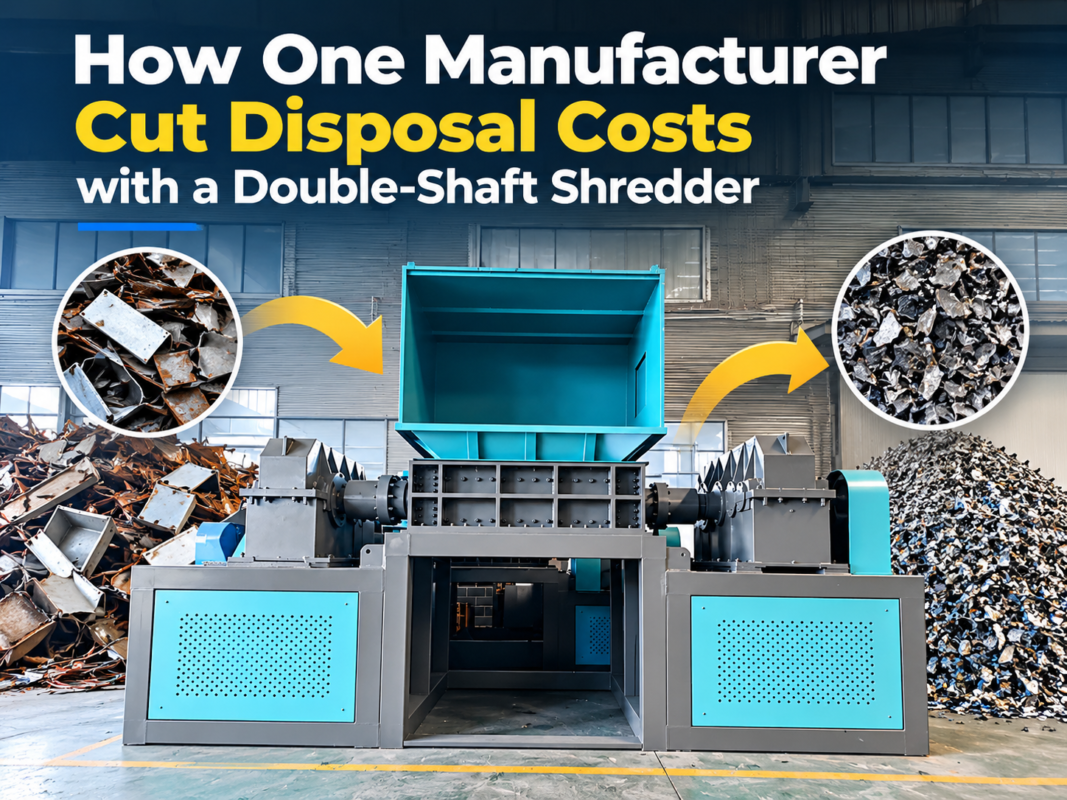
Hydraulic Briquetting Machine Won’t Start? Step-by-Step Troubleshooting

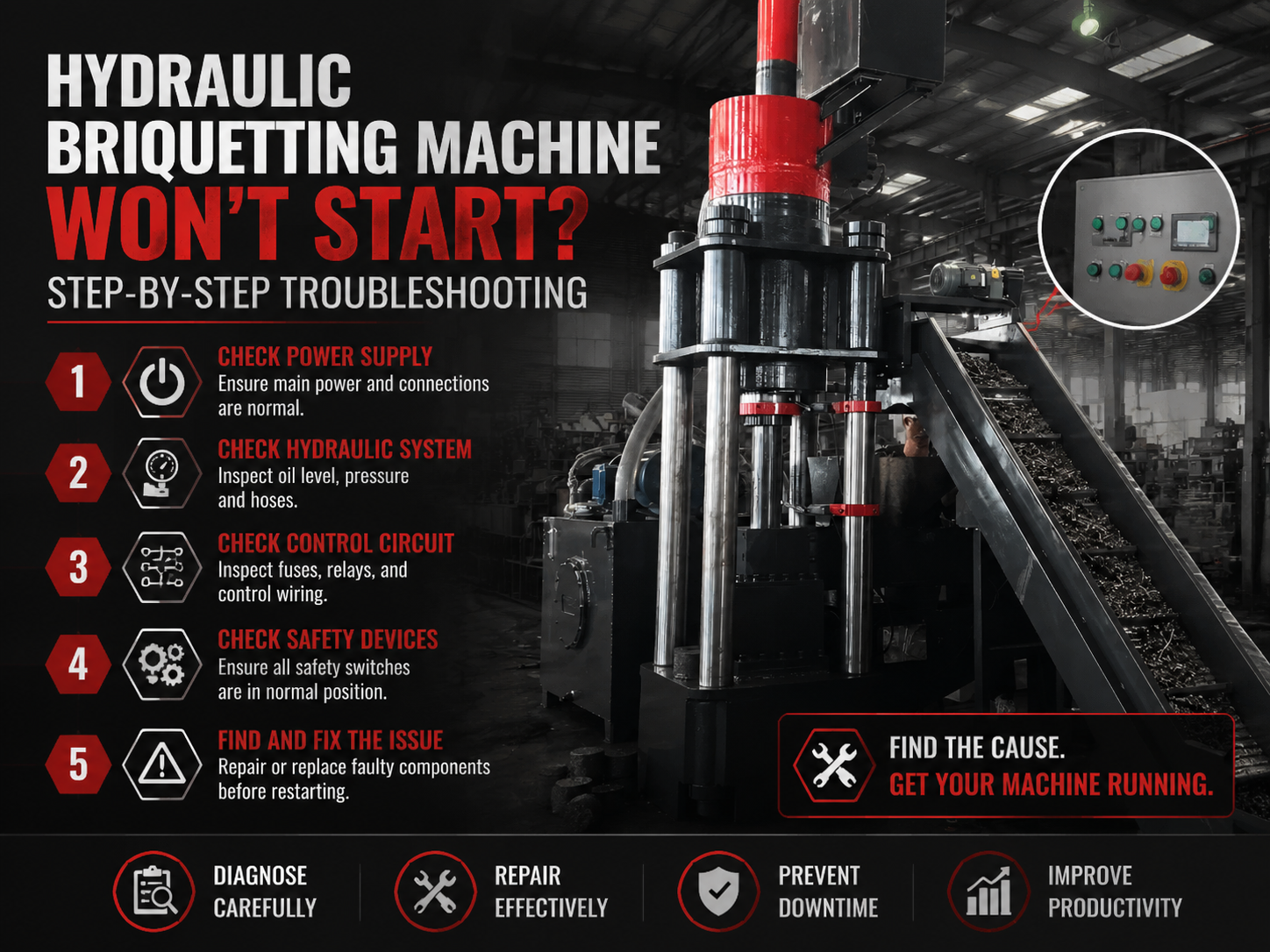
Introduction to Hydraulic Briquetting Machine Troubleshooting
In the world of metal fabrication and industrial recycling, the hydraulic briquetting machine is a cornerstone of efficiency. These robust machines are designed to compress metal chips, shavings, and turnings into dense, manageable briquettes, significantly reducing volume and increasing the value of scrap material. However, like any complex piece of industrial equipment, they are not immune to operational hiccups. One of the most frustrating scenarios for a floor manager or operator is when the Hydraulic Briquetting Machine Won’t Start? Step-By-Step Troubleshooting becomes the immediate priority to prevent production bottlenecks.
A machine that refuses to power up or initiate its cycle can lead to a cascade of issues: accumulated scrap metal taking up valuable floor space, delayed recycling schedules, and potential financial losses due to downtime. Understanding the root causes of these failures is essential for maintaining a high-performance workshop. Whether you are dealing with a brand-new HARSLE briquetting press or an older model, the logic of troubleshooting remains largely consistent across the industry.
This guide is designed to provide a comprehensive, technical roadmap for diagnosing and fixing a hydraulic briquetting machine that won’t start. We will delve into electrical systems, hydraulic circuits, and mechanical interlocks. By the end of this article, you will have the knowledge to identify common culprits—from simple tripped breakers to complex PLC logic errors—and get your recycling operations back on track with minimal delay.
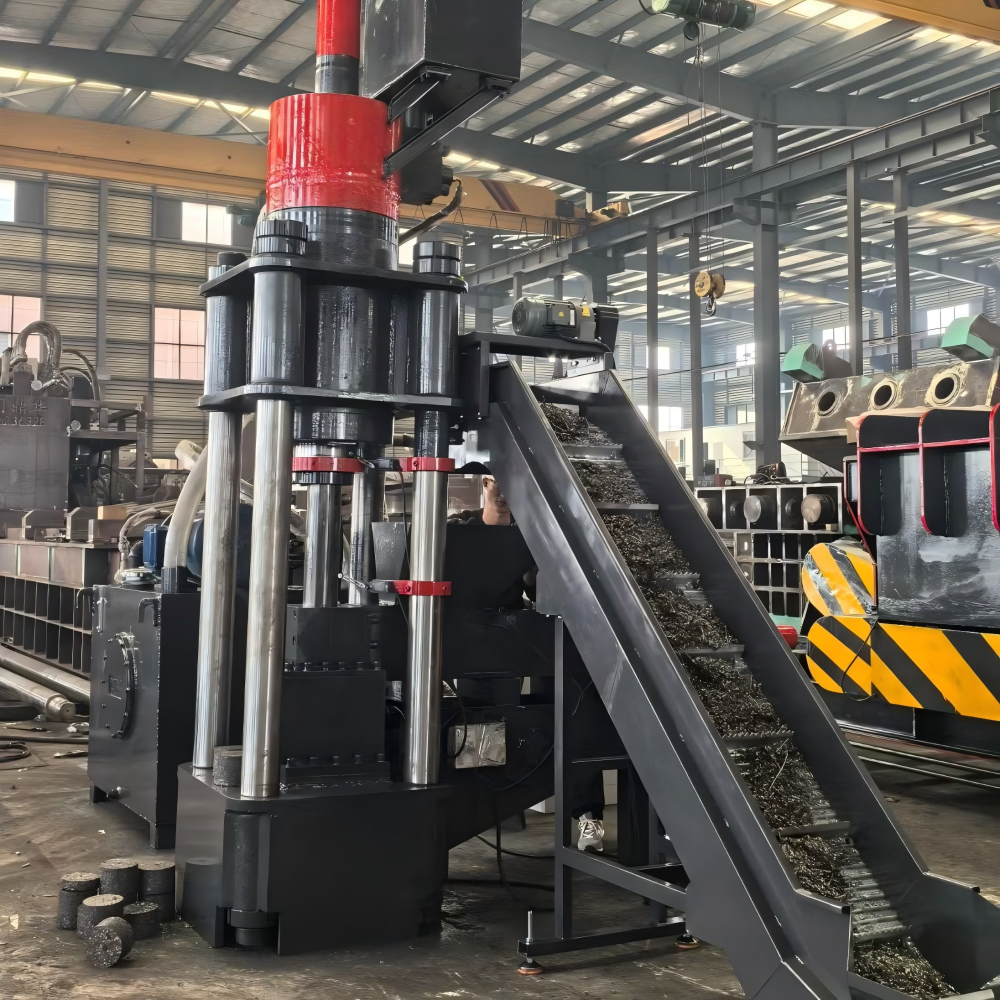
Key Considerations Before You Begin Troubleshooting
Before diving into the internal components of your hydraulic briquetting machine, it is imperative to establish a safe and systematic approach. Troubleshooting industrial machinery involves high-voltage electricity and high-pressure hydraulics, both of which can be extremely hazardous if handled improperly. The first and most important consideration is safety. Always implement Lockout/Tagout (LOTO) procedures when inspecting electrical cabinets or mechanical parts to ensure the machine cannot be accidentally energized while you are working on it.
Secondly, consider the environment in which the machine operates. Metal fabrication shops are often dusty, oily, and subject to temperature fluctuations. These environmental factors can lead to sensor fouling, oil viscosity changes, or electrical connection corrosion. Before assuming a major component has failed, perform a visual inspection of the machine’s exterior. Look for loose wires, leaking hydraulic fluid, or debris blocking the movement of the ram or the feeding mechanism.
Another key consideration is the machine’s history. Has it been serviced recently? Was there a power surge in the facility? Did the machine stop mid-cycle or fail to start after a long weekend? Answering these questions can provide vital clues. For instance, if the machine stopped mid-cycle, the issue might be a mechanical jam or a thermal overload on the motor. If it fails to start after a period of inactivity, the problem might lie in the battery-backed memory of the PLC or a settled hydraulic valve.
Finally, always have the machine’s technical manual and wiring diagrams on hand. HARSLE machines, for example, come with detailed documentation that specifies the function of every relay, fuse, and valve. Attempting to troubleshoot without these diagrams is like navigating a new city without a map; you might eventually find your way, but you will waste a significant amount of time and risk making costly mistakes.
Technical Details: Step-by-Step Troubleshooting Process
1. Electrical System Inspection
The most common reason a Hydraulic Briquetting Machine Won’t Start is an electrical failure. Start at the source: the main power supply. Ensure that the machine is receiving the correct voltage across all three phases. A dropped phase can prevent the motor from starting or cause it to hum and trip the thermal overload protection immediately.
- Check the Emergency Stop (E-Stop): It sounds simple, but many service calls are resolved by simply twisting and releasing a depressed E-Stop button. Check all E-Stop locations, including those on remote control stations.
- Inspect Fuses and Circuit Breakers: Open the main electrical cabinet and look for tripped breakers or blown fuses. Use a multimeter to check continuity across fuses. If a fuse is blown, do not simply replace it; investigate why it blew (e.g., a short circuit or motor strain).
- Verify the Control Voltage: Most briquetting machines use a transformer to step down the main voltage to 24V DC or 110V AC for the control circuit. If the transformer fails, the PLC and buttons will have no power, and the machine will appear “dead.”
- PLC Status: Look at the Programmable Logic Controller (PLC). Are the “Power” and “Run” LEDs lit? If the “Error” or “Fault” LED is flashing, the machine’s brain has detected an internal problem or an external condition that prevents operation.
2. Hydraulic System Diagnostics
If the electrical system is functioning and the motor starts but the machine fails to move or build pressure, the issue is likely within the hydraulic circuit. The hydraulic system is the heart of the briquetting process, relying on precise pressure and flow to compress metal scrap.
First, check the oil level in the reservoir. If the oil is too low, the pump may draw in air (cavitation), preventing it from building pressure. Additionally, check the oil temperature. Many modern machines have safety interlocks that prevent the machine from starting if the oil is too cold (high viscosity) or too hot (potential for seal damage).
Next, inspect the solenoid valves. These valves direct the flow of oil to the cylinders. If a solenoid coil has burnt out or the valve spool is stuck due to contaminated oil, the machine will not initiate its cycle. You can often manually override these valves using a small pin to see if the cylinder moves, which helps isolate whether the problem is electrical (the coil) or mechanical (the valve spool).
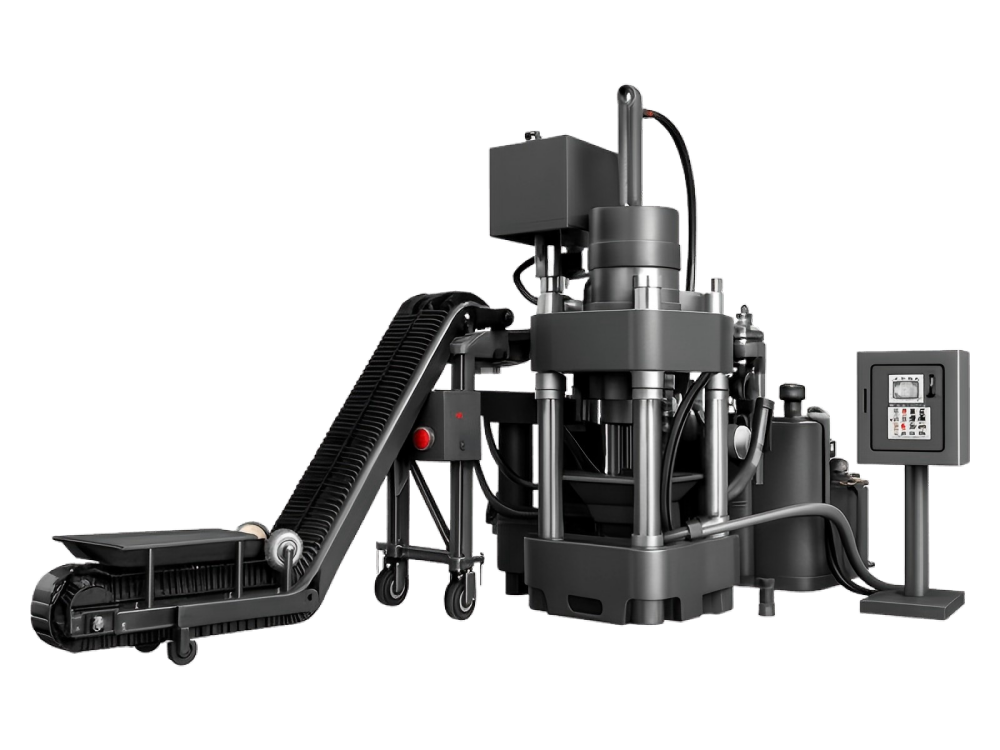
3. Sensor and Interlock Verification
Hydraulic briquetting machines are equipped with various sensors to ensure safe and correct operation. These include proximity sensors, limit switches, and pressure switches. If any of these sensors send an incorrect signal to the PLC, the machine will refuse to start as a safety precaution.
Common sensor issues include:
- Proximity Sensors: These detect the position of the ram or the hopper gate. If they are covered in metal dust or have shifted out of alignment, they won’t “see” the component, and the PLC will assume the machine is in an unsafe position.
- Pressure Switches: These ensure the system has reached the required pressure before moving to the next step. A faulty pressure switch might signal that the system is over-pressurized or under-pressurized, halting the start sequence.
- Safety Gates: Ensure all safety doors and gates are fully closed and the interlock switches are engaged.
Troubleshooting Summary Table
| Symptom | Potential Cause | Recommended Action |
|---|---|---|
| No power to control panel | Blown control fuse or faulty transformer | Check transformer output and replace fuses. |
| Motor hums but won’t turn | Phase loss or mechanical jam in pump | Check 3-phase power and inspect pump coupling. |
| Motor starts, no movement | Low oil or stuck solenoid valve | Refill oil and test solenoid coils. |
| PLC Error light is on | Program error or sensor mismatch | Check sensor alignment and PLC diagnostic codes. |
Selection Advice: Choosing a Reliable Hydraulic Briquetting Machine
When the time comes to invest in a new machine, or if your current machine is proving to be a troubleshooting nightmare, selecting the right equipment is paramount. A high-quality hydraulic briquetting machine should not only perform well but also be designed for ease of maintenance and reliability. At HARSLE, we emphasize several key factors during the selection process to ensure our customers face minimal downtime.
1. Component Quality
The reliability of a briquetting machine is only as good as its weakest component. Look for machines that utilize internationally recognized brands for their electrical and hydraulic systems. For example, HARSLE integrates Siemens or Schneider electrics and Rexroth or Yuken hydraulic valves. These components are known for their longevity and, should they fail, replacements are easily sourced worldwide. Using generic, unbranded components might save money upfront but will lead to significant headaches when the Hydraulic Briquetting Machine Won’t Start and parts are unavailable.
2. Frame Rigidity and Build Quality
The intense pressures involved in briquetting (often exceeding 200-300 tons) require a heavy-duty, stress-relieved frame. A machine that flexes under pressure will eventually suffer from misaligned cylinders, leaking seals, and sensor failures. Inspect the welding quality and the thickness of the steel plates used in the construction. A heavier machine is generally a more stable and durable machine.
3. Advanced Diagnostic Features
Modern briquetting machines should offer more than just a “Start” and “Stop” button. Look for equipment with an HMI (Human Machine Interface) that provides real-time diagnostics. A screen that tells you exactly which sensor is blocked or which motor has overheated can reduce troubleshooting time from hours to minutes. HARSLE’s latest models feature intuitive touchscreens that display fault codes and maintenance reminders, making them ideal for high-volume industrial environments.
4. After-Sales Support and Documentation
Never underestimate the value of a manufacturer who stands behind their product. Ensure the supplier provides comprehensive manuals, wiring diagrams, and a responsive technical support team. When a complex issue arises, having access to an expert who understands the machine’s logic is invaluable. Check if the manufacturer offers remote diagnostic capabilities, which can allow their engineers to troubleshoot your machine via the internet.
Frequently Asked Questions (FAQ)
Q1: Why does my briquetting machine stop after only a few minutes of operation?
This is often due to thermal overload. The motor may be drawing too much current because the hydraulic pressure is set too high, the oil is too viscous, or there is a mechanical restriction in the ram. Check the setting of the thermal relay in the electrical cabinet and ensure the cooling system (if equipped) is functioning correctly.
Q2: Can I use any hydraulic oil in my HARSLE briquetting machine?
No, you should always use the grade of oil recommended in the technical manual, typically an anti-wear hydraulic oil like ISO VG 46 or 68. Using the wrong oil can lead to poor lubrication, overheating, and premature pump failure, which are common reasons why a machine might eventually fail to start or operate efficiently.
Q3: How often should I clean the sensors on my machine?
In a typical metal fabrication environment, sensors should be inspected and cleaned weekly. Metal dust and oily residue can accumulate on proximity switches, leading to false readings that prevent the machine from initiating its cycle. A simple wipe-down with a clean cloth can prevent hours of unnecessary troubleshooting.
Q4: What should I do if the PLC loses its program?
If the PLC battery dies, the program may be lost. This usually results in the machine not responding to any inputs. You will need to contact the manufacturer to have the program reloaded. To prevent this, replace the PLC backup battery every 2-3 years as part of your preventive maintenance routine.
Q5: Is it safe to bypass a safety interlock just to finish a production run?
Absolutely not. Safety interlocks are there to protect the operator and the machine. Bypassing a switch can lead to catastrophic mechanical failure or severe personal injury. If a switch is faulty, replace it immediately rather than attempting to bypass it.
Conclusion: Maintaining Peak Performance
Dealing with a Hydraulic Briquetting Machine Won’t Start? Step-By-Step Troubleshooting scenario is a challenge that every maintenance team will eventually face. However, by following a structured diagnostic process—starting with the simplest electrical checks and moving through to complex hydraulic and sensor issues—you can minimize downtime and maintain a productive workshop. The key to long-term success lies not just in effective troubleshooting, but in rigorous preventive maintenance. Regularly checking oil quality, tightening electrical connections, and keeping sensors clean will prevent most startup issues before they occur.
Choosing a high-quality machine from a reputable manufacturer like HARSLE further ensures that when issues do arise, they are easy to diagnose and repair. With robust construction, world-class components, and intuitive control systems, HARSLE briquetting presses are engineered to provide years of reliable service in the most demanding recycling environments. By investing in quality equipment and empowering your team with the knowledge to maintain it, you turn a potential production crisis into a manageable maintenance task, keeping your metal recycling operations running smoothly and profitably.