Comprehensive Guide: How to Troubleshoot Excessive Vibration in a Hydraulic Briquetting Machine

Introduction to Hydraulic Briquetting Machine Stability
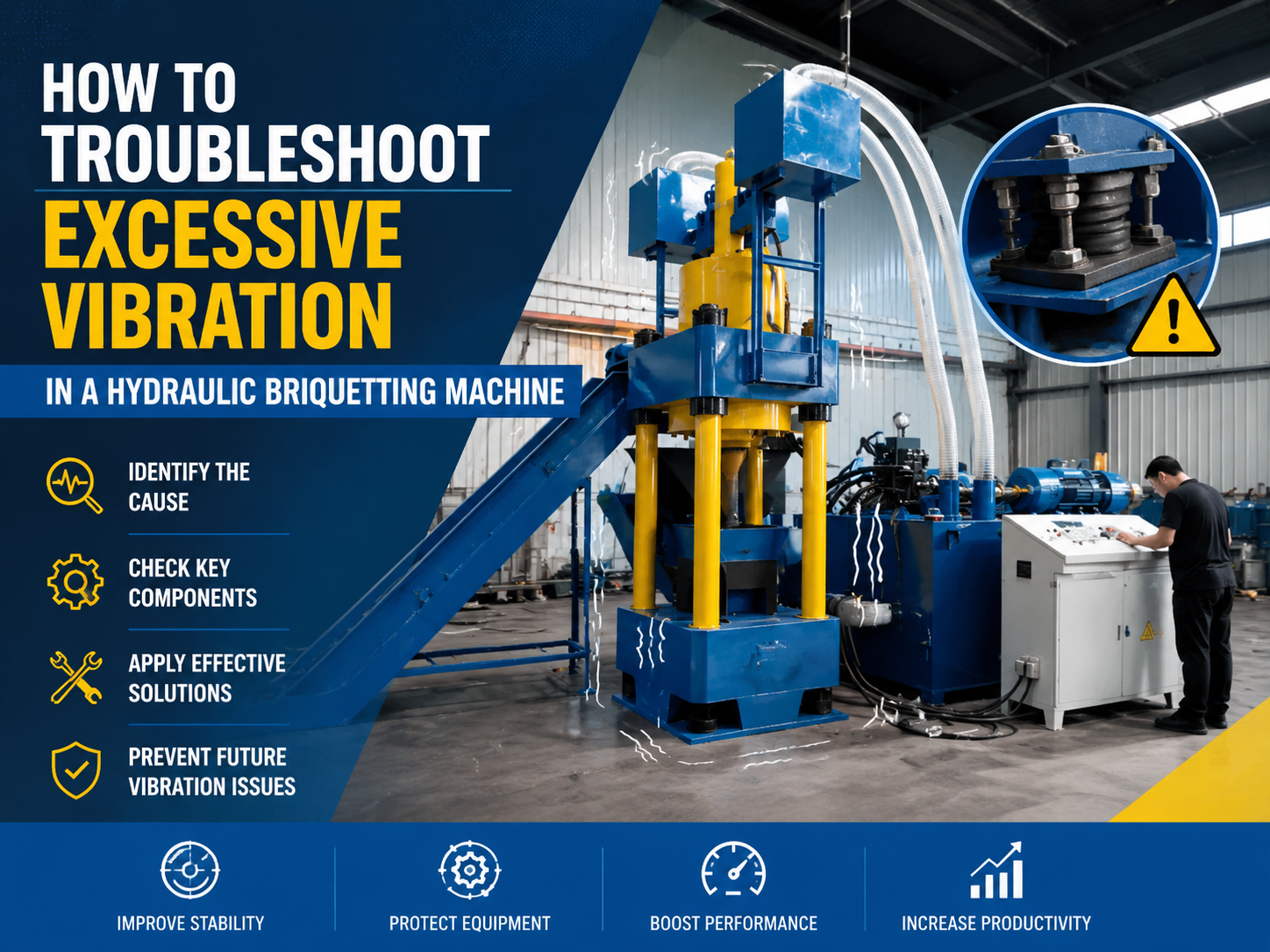
In the world of metal recycling and waste management, the hydraulic briquetting machine stands as a cornerstone of efficiency. These machines are designed to compress metal chips, shavings, and turnings into dense, manageable blocks, significantly reducing volume and increasing the value of scrap material. However, like any heavy-duty industrial equipment, they are susceptible to operational issues. One of the most common and potentially damaging problems is excessive vibration. When you need to troubleshoot excessive vibration in a hydraulic briquetting machine, it is essential to understand that vibration is rarely a standalone issue; it is usually a symptom of an underlying mechanical, hydraulic, or operational imbalance.
Excessive vibration is not merely an annoyance or a source of noise pollution in the workshop. If left unaddressed, it can lead to catastrophic component failure, including cracked frames, blown hydraulic seals, and premature wear on expensive pumps and motors. For operators using HARSLE equipment or similar high-performance machinery, maintaining the structural integrity and smooth operation of the briquetting press is paramount for long-term ROI. This guide provides a deep dive into the technical causes of vibration and offers a systematic approach to resolving these issues.
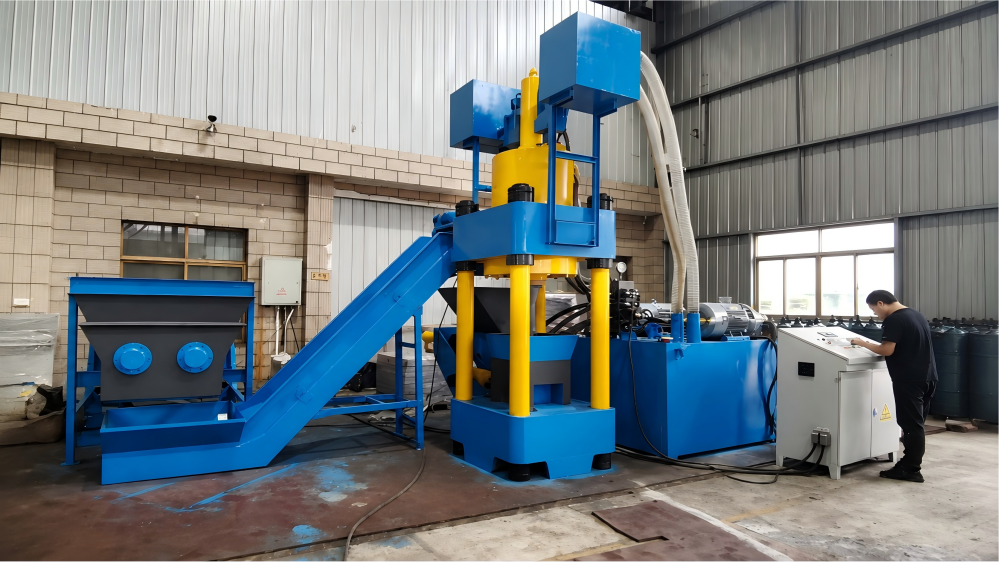
Understanding the physics of a hydraulic press is the first step. These machines operate under immense pressure, often exceeding several hundred bars. The energy required to compress metal is significant, and any interruption in the smooth flow of that energy—whether through fluid dynamics or mechanical movement—will manifest as vibration. By the end of this article, you will have a comprehensive framework to identify, diagnose, and rectify vibration issues, ensuring your production line remains stable and productive.
Key Considerations for Machine Vibration
Before diving into the specific troubleshooting steps, it is vital to consider the environment and the general health of the machine. Vibration in a hydraulic briquetting machine can be categorized into three main areas: structural, hydraulic, and material-induced. Each requires a different perspective during the inspection process. Structural vibration often relates to how the machine is anchored to the floor or the integrity of its welded joints. Hydraulic vibration usually stems from fluid turbulence or pressure spikes, while material-induced vibration is caused by the characteristics of the scrap being processed.
Another key consideration is the age and maintenance history of the machine. Older machines may suffer from “metal fatigue,” where the repeated stress cycles have weakened the frame, making it more prone to resonance. Conversely, in a new installation, vibration might point toward improper leveling or a failure to remove shipping restraints. Regular maintenance logs are invaluable here; if the vibration started suddenly after a specific part was replaced or a new batch of material was introduced, the root cause is likely linked to that change.
Safety must always be the priority. When you troubleshoot excessive vibration in a hydraulic briquetting machine, never attempt to tighten bolts or adjust valves while the machine is under pressure. Always follow Lockout-Tagout (LOTO) procedures. Vibration can sometimes cause high-pressure hydraulic lines to rub against sharp edges, leading to potential bursts. Therefore, a visual inspection for hose wear should always accompany any vibration diagnostic session.
Technical Details: Root Causes and Troubleshooting Steps
1. Mechanical Foundation and Anchoring
The most common cause of vibration in heavy machinery is an unstable foundation. A hydraulic briquetting machine exerts massive downward and lateral forces. If the concrete pad is too thin or if the anchor bolts have vibrated loose over time, the machine will begin to “walk” or oscillate. This creates a feedback loop where the movement causes more loosening, leading to even greater vibration.
- Check Anchor Bolts: Use a torque wrench to ensure all foundation bolts are tightened to the manufacturer’s specifications. If bolts frequently loosen, consider using chemical anchors or vibration-dampening pads.
- Leveling: Use a precision spirit level or a laser leveling tool to check the machine’s horizontal and vertical alignment. An unlevel machine causes uneven weight distribution, which translates into harmonic vibration during the compression stroke.
- Frame Integrity: Inspect the main frame for hairline cracks, especially around the cylinder mounts and the four-column joints. Even a small crack can significantly reduce the structural rigidity of the press.
2. Hydraulic System Irregularities
The hydraulic system is the heart of the briquetting machine. If the fluid flow is inconsistent, the machine will shudder. One of the primary culprits is cavitation. Cavitation occurs when air bubbles form in the hydraulic oil due to a drop in pressure, usually at the pump inlet. When these bubbles reach the high-pressure side of the pump, they implode with enough force to erode metal and cause intense vibration.
- Air in the System: Check for leaks in the suction line. Even a tiny pinhole can allow air to be sucked into the system without leaking oil out. Bleed the air from the cylinders using the air bleed valves located at the highest points of the hydraulic circuit.
- Pump and Motor Alignment: The coupling between the electric motor and the hydraulic pump must be perfectly aligned. Misalignment of even a fraction of a millimeter can cause high-frequency vibration that travels through the entire hydraulic manifold.
- Relief Valve Chatter: If the main relief valve is set too close to the operating pressure or if its internal spring is weakened, it may open and close rapidly (chattering). This creates pressure waves that feel like a constant vibration.
3. Material Feed and Compression Dynamics
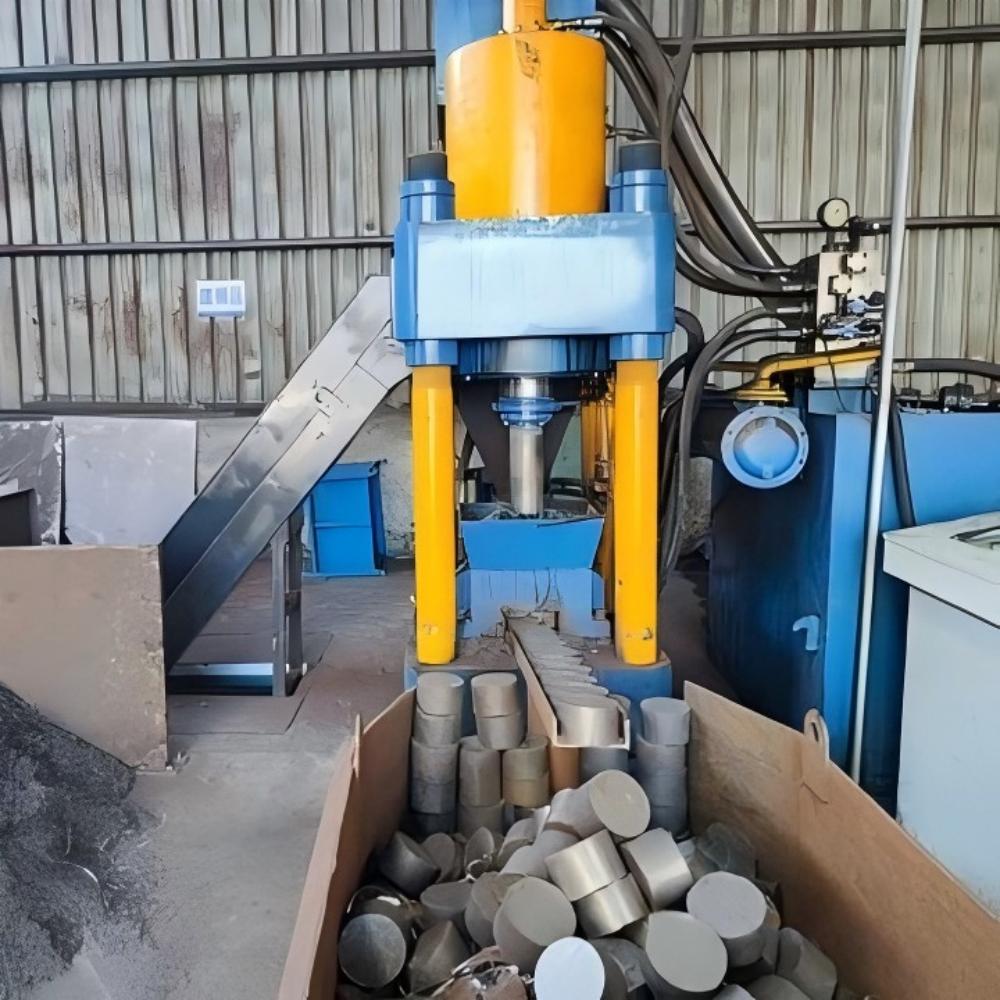
Sometimes the machine is fine, but the material is the problem. Hydraulic briquetting machines are designed for specific types of scrap. If the material is too wet, too large, or fed inconsistently, the compression cycle will be uneven. For example, if a large, solid piece of metal enters the chamber intended for fine chips, the hydraulic system will experience a sudden pressure spike as it struggles to compress the object, resulting in a violent jolt.
- Moisture Content: Excessive cutting fluids or water in the metal chips can cause “hydro-locking” or steam pockets during high-pressure compression. Ensure the material is properly drained or dried before feeding.
- Feed Consistency: Use an automated screw conveyor or vibrating feeder to ensure a steady flow of material. Batch-feeding large amounts of scrap at once often leads to air pockets in the briquette, causing the ram to move sporadically.
- Die and Mold Wear: If the briquetting die is worn unevenly, the resistance against the hydraulic ram will be asymmetrical. This lateral force causes the ram to rub against the guide bushings, creating a shuddering effect known as “stick-slip” motion.
4. Electrical and Control System Issues
In modern machines equipped with Variable Frequency Drives (VFDs) and PLCs, electrical issues can manifest as mechanical vibration. If the VFD parameters are not tuned correctly, the motor may hunt for the correct speed, causing the pump to pulse. Similarly, if a pressure transducer is failing, it may send erratic signals to the PLC, causing the hydraulic valves to cycle rapidly.
Troubleshooting Matrix
| Symptom | Potential Cause | Recommended Action |
|---|---|---|
| High-frequency whining and vibration | Pump Cavitation | Check oil level, clean suction filters, and inspect suction lines for air leaks. |
| Rhythmic thumping during stroke | Piston Seal Failure | Inspect the hydraulic cylinder for internal bypass; replace seals if necessary. |
| Violent shaking at the end of stroke | Cushioning Failure | Adjust the cylinder end-stroke cushioning valves or check for mechanical bottoming out. |
| Intermittent shuddering | Contaminated Oil | Perform an oil analysis; replace oil and filters if particulates or water are present. |
| Vibration only during motor start-up | Motor/Pump Misalignment | Re-align the coupling using a dial indicator or laser alignment tool. |
Selection Advice: Choosing a Low-Vibration Machine
When purchasing a new hydraulic briquetting machine, preventing vibration starts with the selection process. Not all machines are built to the same standards. To ensure a smooth-running operation, look for the following technical specifications:
- Heavy-Duty Monoblock or Four-Column Design: A monoblock frame (cast or heavy welded plate) offers superior rigidity compared to bolted frames. Four-column designs provide excellent guidance for the ram, reducing lateral forces.
- High-Quality Hydraulics: Ensure the machine uses reputable brands for pumps and valves (such as Rexroth, Vickers, or Parker). These components are manufactured to tighter tolerances, which inherently reduces internal turbulence and vibration.
- Integrated Dampening Systems: Premium machines often include vibration-dampening mounts for the motor and pump assembly, as well as flexible high-pressure hoses that prevent vibration from transferring to the main frame.
- Advanced PLC Control: Look for systems that offer “soft-start” and “soft-stop” capabilities for the hydraulic cylinders. This reduces the hydraulic shock (water hammer effect) that occurs when valves close abruptly.
At HARSLE, we prioritize the structural harmonics of our machines. By using finite element analysis (FEA) during the design phase, we identify potential resonance points and reinforce those areas before the machine is even built. This proactive engineering approach is why HARSLE machines are known for their quiet and stable operation even under maximum load.
Frequently Asked Questions (FAQ)
Q1: How often should I check the alignment of my briquetting machine?
A: For high-volume industrial operations, a monthly visual inspection of anchor bolts and couplings is recommended. A full alignment check using precision tools should be performed annually or whenever the motor or pump is serviced.
Q2: Can the wrong type of hydraulic oil cause vibration?
A: Yes. If the oil viscosity is too high, the pump may struggle to pull the fluid, leading to cavitation. If it is too low, it may not provide enough lubrication for the internal components, leading to mechanical friction and vibration. Always use the ISO grade recommended by the manufacturer.
Q3: Why does my machine vibrate more when it gets hot?
A: As hydraulic oil heats up, its viscosity decreases. This can exacerbate existing issues like internal leakage in the pump or cylinders. Additionally, thermal expansion can slightly alter the alignment of mechanical components. Ensure your cooling system (air or water cooler) is functioning correctly to keep oil temperatures within the 40-55°C range.
Q4: Is some vibration normal for a briquetting press?
A: A small amount of vibration is expected due to the nature of high-pressure metal compression. However, it should never be enough to cause bolts to loosen, floor shaking, or loud metallic banging. If the vibration is audible over the normal hum of the motor, it needs investigation.
Q5: How do I know if the vibration is coming from the pump or the cylinder?
A: Pump vibration is usually high-frequency and constant while the motor is running. Cylinder vibration typically occurs only during the extension or retraction stroke and is often lower in frequency, manifesting as a shudder or jerkiness.
Conclusion
To troubleshoot excessive vibration in a hydraulic briquetting machine requires a blend of mechanical intuition and technical knowledge. By systematically checking the foundation, the hydraulic circuit, and the material characteristics, operators can identify the root cause of instability before it leads to expensive downtime. Remember that a well-maintained machine is a safe and profitable machine. Regular inspections, use of high-quality hydraulic fluids, and adherence to operational limits are the best defenses against the destructive forces of vibration.
HARSLE remains committed to providing the metal fabrication industry with robust, high-precision machinery. Our hydraulic briquetting machines are engineered to withstand the rigors of 24/7 operation with minimal vibration. If you are experiencing persistent issues with your current equipment or are looking to upgrade to a more stable platform, our technical team is ready to assist with expert advice and industry-leading solutions. Investing in quality today prevents the headaches of troubleshooting tomorrow.