Comprehensive Guide to Hydraulic Briquetting Machine Maintenance Failures That Lead to Frequent Breakdowns

Introduction to Hydraulic Briquetting Machine Reliability
In the modern metal fabrication and recycling industry, the hydraulic briquetting machine stands as a cornerstone of efficiency. By compressing loose metal chips, turnings, and swarf into dense, manageable blocks, these machines significantly reduce storage space, lower transportation costs, and increase the melt yield during smelting. However, like any heavy-duty industrial equipment, their performance is heavily dependent on rigorous upkeep. Understanding the Hydraulic Briquetting Machine Maintenance Failures That Lead Frequent Breakdowns is essential for any facility manager looking to maximize uptime and return on investment.
HARSLE has observed that many operational issues are not the result of inherent machine defects but rather the cumulative effect of neglected maintenance protocols. When a briquetting machine fails, the entire production line can grind to a halt, leading to expensive emergency repairs and lost revenue. This article serves as a comprehensive guide to identifying the common pitfalls in maintenance and providing actionable solutions to ensure your equipment remains in peak condition.
The complexity of hydraulic systems means that a failure in one small component can have a cascading effect on the entire machine. From fluid contamination to electrical glitches, the range of potential issues is broad. By focusing on the Hydraulic Briquetting Machine Maintenance Failures That Lead Frequent Breakdowns, we can develop a proactive strategy that moves away from reactive “firefighting” and toward a sustainable, preventative maintenance culture.
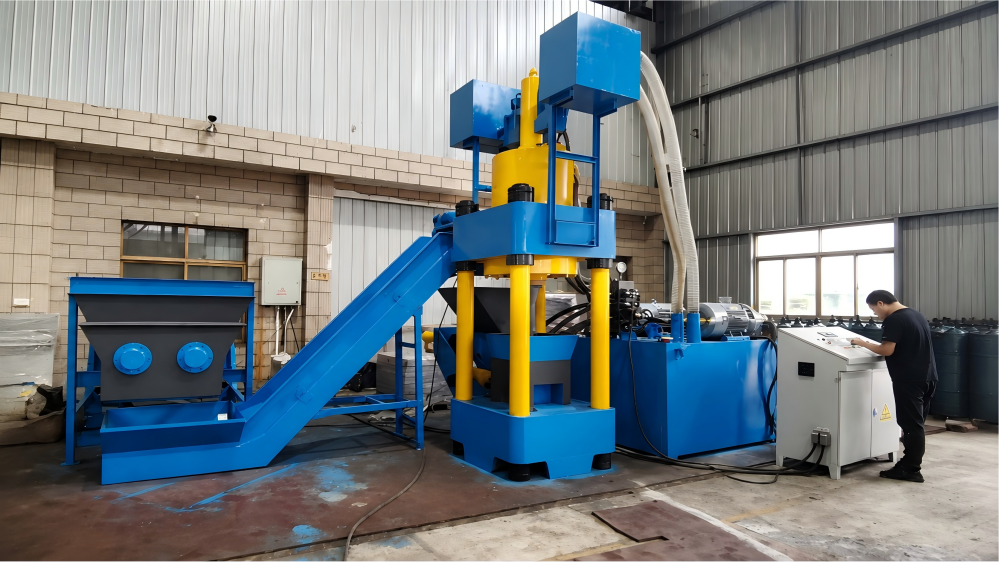
Key Considerations: Common Maintenance Failures
1. Neglecting Hydraulic Fluid Quality and Filtration
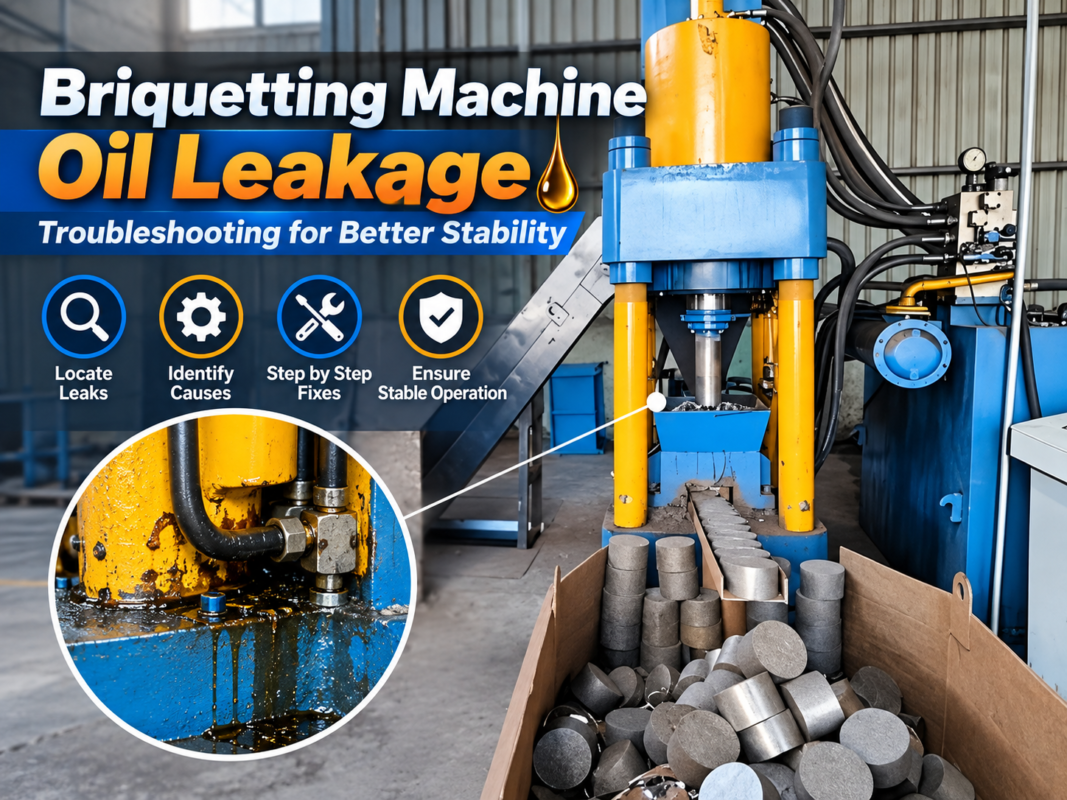
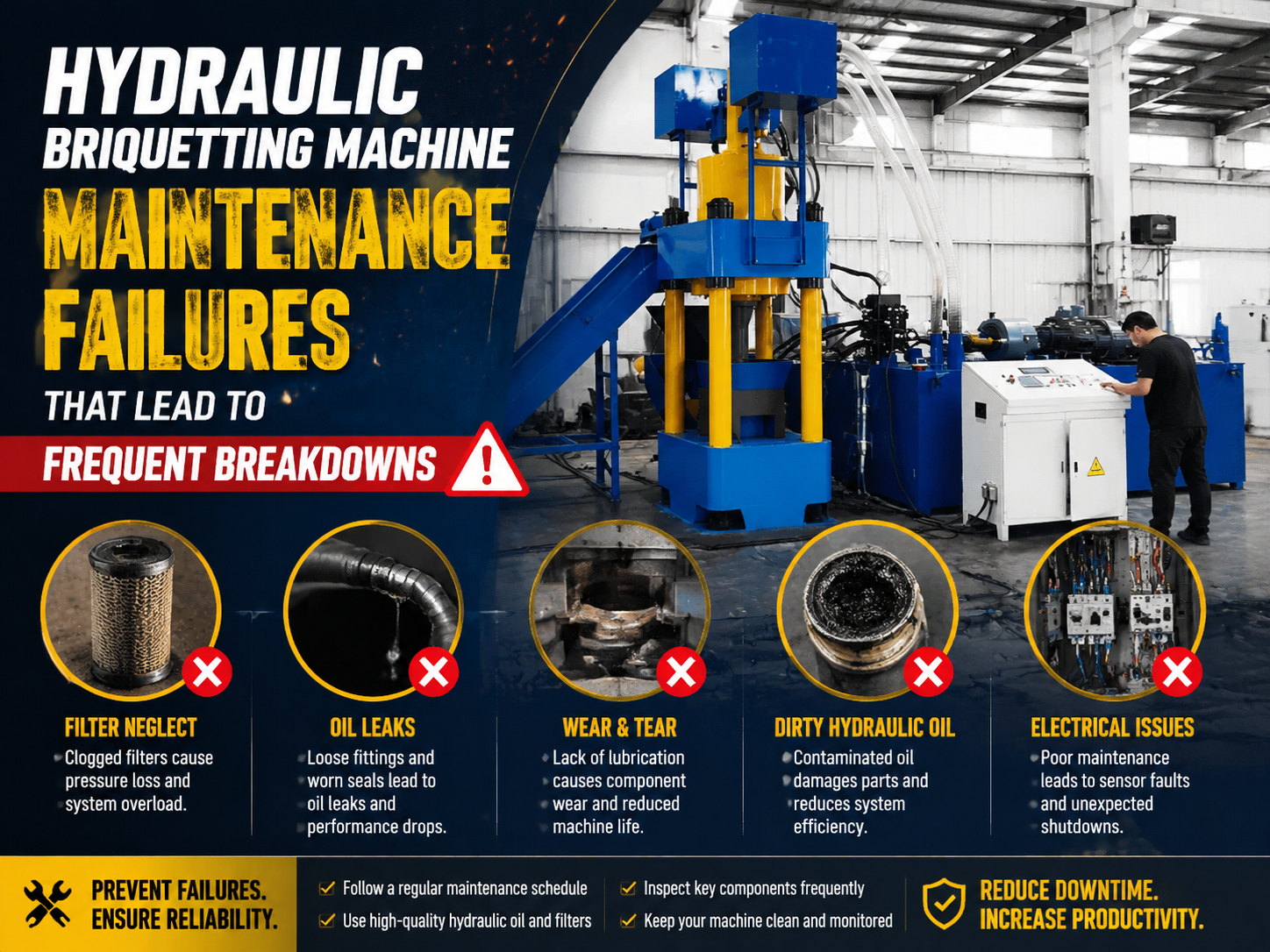
Perhaps the most frequent cause of breakdown is the failure to monitor and maintain hydraulic oil. Hydraulic fluid is the lifeblood of the briquetting machine; it transmits power, lubricates moving parts, and dissipates heat. When operators ignore oil change intervals or fail to replace filters, contaminants such as metal particles, dust, and moisture accumulate. These particles act as abrasives, wearing down pump vanes, scoring cylinder walls, and clogging sensitive valve orifices.
Furthermore, hydraulic oil undergoes thermal degradation over time. If the oil is allowed to overheat consistently, it loses its viscosity and lubricating properties. This leads to increased friction and even higher temperatures, creating a destructive feedback loop. Regular oil analysis is often overlooked, yet it is the only way to accurately determine the health of the fluid and the internal state of the hydraulic system.
2. Failure to Inspect and Replace Seals and Gaskets
Hydraulic systems operate under immense pressure, often exceeding 250 bar in briquetting applications. The seals and gaskets are the primary defense against external leaks and internal pressure loss. A common maintenance failure is waiting for a visible leak before taking action. By the time oil is pooling on the floor, the machine has likely been operating at reduced efficiency for weeks, consuming more energy to achieve the same briquette density.
Environmental factors, such as ambient heat and exposure to metal shards, can accelerate seal wear. Hardened or cracked seals allow air to enter the system, leading to cavitation—a phenomenon where air bubbles implode with enough force to pit metal surfaces. Regularly scheduled seal inspections and proactive replacement are vital to preventing catastrophic pressure loss and component damage.
3. Inadequate Lubrication of Mechanical Pivot Points
While the hydraulic system is the heart of the machine, the mechanical structure—including guide rails, pins, and bushings—requires manual or automated lubrication. Many maintenance teams focus solely on the hydraulics and forget the grease points. Without proper lubrication, the friction between moving steel components increases significantly. This not only causes physical wear but also puts additional strain on the hydraulic cylinders that must push against the added resistance.
In a briquetting environment, fine metal dust is everywhere. This dust can mix with grease to create a grinding paste that accelerates wear. Failure to clean these areas before applying new lubricant is a common mistake. A proper maintenance schedule must include the cleaning and regreasing of all mechanical interfaces to ensure smooth operation and prevent the “jerky” movements that often precede a mechanical failure.
4. Overlooking the Cooling System
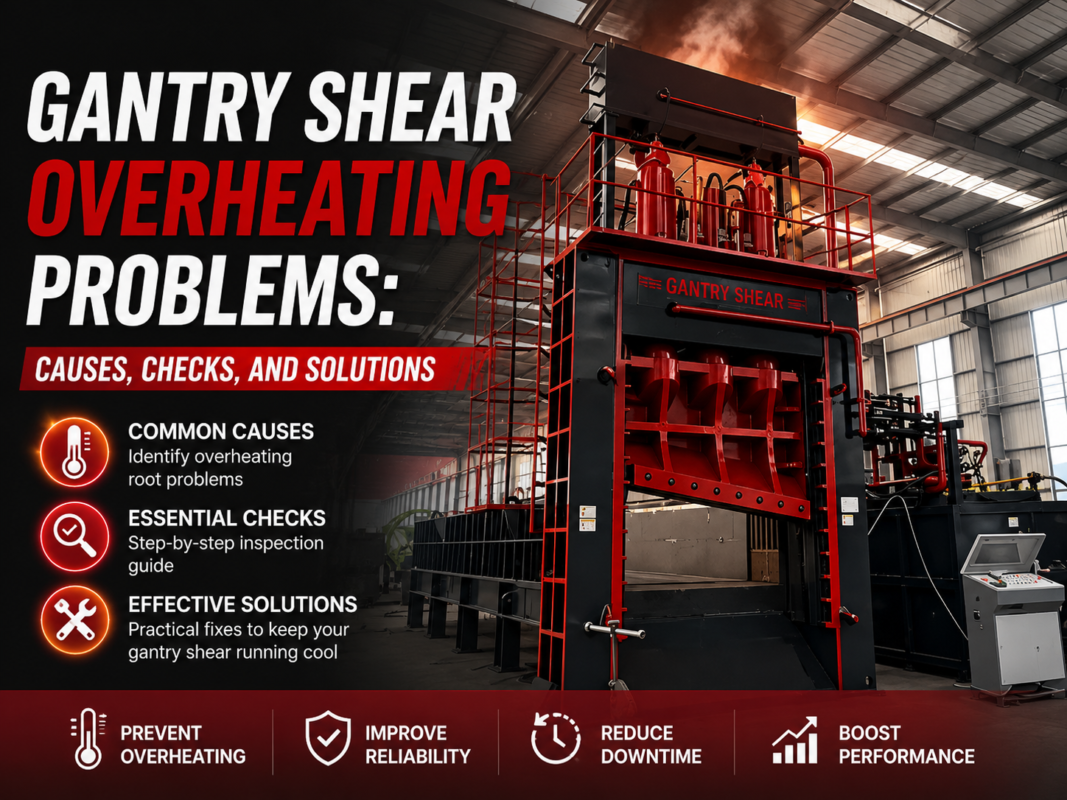
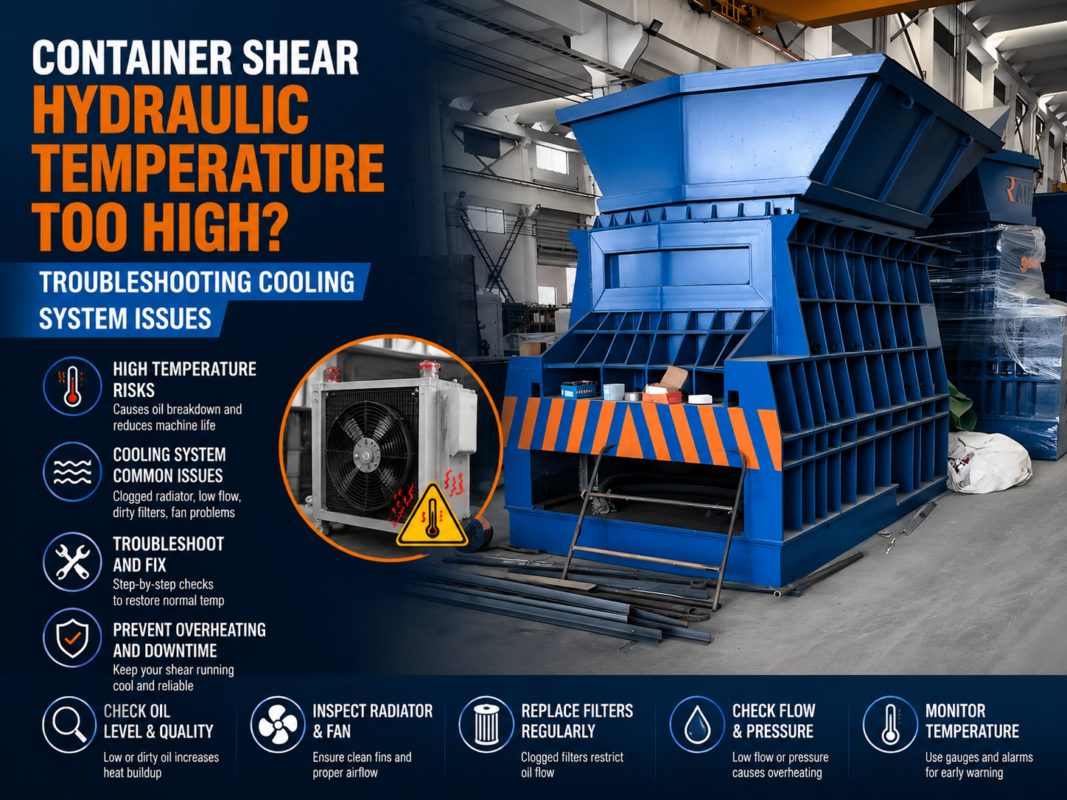
Hydraulic briquetting machines generate a substantial amount of heat during the compression cycle. To maintain an optimal operating temperature (usually between 40°C and 55°C), most machines are equipped with air or water coolers. A frequent maintenance failure is allowing the cooling fins to become clogged with dust or failing to check the water flow in heat exchangers. When the cooling system fails, the oil temperature spikes, leading to the aforementioned degradation of fluid and seals.
Operating a machine at high temperatures also causes the metal components to expand, which can lead to tighter tolerances and increased risk of seizure. Monitoring the temperature gauges and ensuring the cooling system is unobstructed is a simple yet often neglected task that can prevent major Hydraulic Briquetting Machine Maintenance Failures That Lead Frequent Breakdowns.
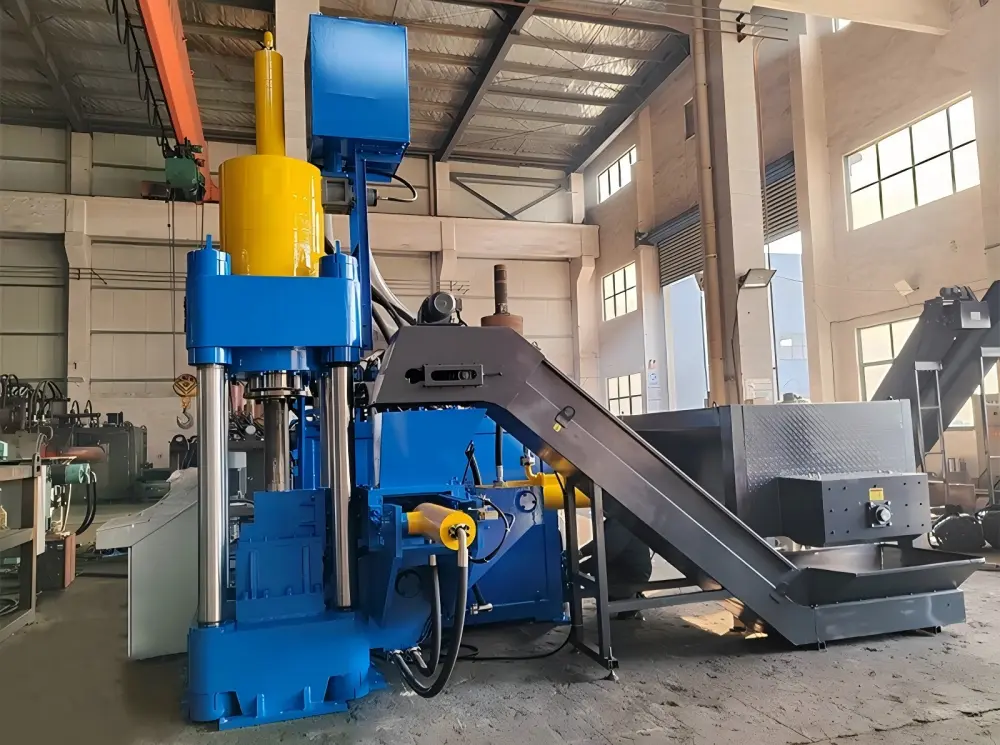
Technical Details of Briquetting Machine Systems
The Hydraulic Circuit and Pressure Regulation
The technical core of the briquetting machine is its hydraulic circuit, which typically consists of a high-pressure pump, a series of directional control valves, and a main compression cylinder. The pressure regulation valve is a critical component that determines the density of the final briquette. If this valve is not calibrated correctly or if its internal spring becomes fatigued, the machine may fail to reach the required pressure, resulting in soft, crumbly briquettes that fall apart during transport.
Maintenance failures often involve the “tampering” with pressure settings by unauthorized personnel. Increasing the pressure beyond the manufacturer’s specifications to get a denser briquette might work in the short term, but it places extreme stress on the pump and hoses, leading to premature bursts and pump failure. Understanding the technical limits of the hydraulic circuit is essential for long-term reliability.
PLC and Sensor Integration
Modern machines, like those produced by HARSLE, utilize Programmable Logic Controllers (PLCs) and a suite of sensors (pressure transducers, limit switches, and oil level sensors) to automate the briquetting process. A common technical failure in maintenance is the neglect of these electronic components. Vibrations from the machine can loosen electrical connections over time, leading to intermittent signals that cause the machine to stop unexpectedly or cycle incorrectly.
Furthermore, sensors can become coated in oil and dust, leading to false readings. For example, a fouled oil level sensor might not trigger an alarm when the fluid is low, leading to pump cavitation and total system failure. Technical maintenance must include checking the integrity of wiring harnesses and cleaning sensor faces to ensure the “brain” of the machine receives accurate data.
Structural Integrity and Frame Stress
The frame of a hydraulic briquetting machine is subjected to millions of cycles of high-stress loading. Over time, this can lead to fatigue cracking, especially around weld points and bolster plates. A maintenance failure here involves not performing regular visual inspections of the machine’s structure. If a crack is caught early, it can often be repaired with professional welding. If ignored, the frame can warp or fail completely, which usually results in the machine being scrapped.
Selection Advice: Choosing a Maintainable Machine
When purchasing a new unit, it is vital to look beyond the initial price tag and consider the “maintainability” of the design. A machine that is difficult to service will inevitably suffer from more Hydraulic Briquetting Machine Maintenance Failures That Lead Frequent Breakdowns because technicians will find it harder to perform routine tasks. Here are several factors to consider during the selection process:
- Component Accessibility: Are the filters, pumps, and valves easily accessible, or are they buried deep inside the frame? Look for machines with modular designs that allow for quick component replacement.
- Quality of Hydraulics: Ensure the machine uses reputable brands for its hydraulic components (such as Rexroth, Vickers, or Yuken). High-quality valves and pumps have better tolerances and are more resistant to minor contamination.
- Advanced Monitoring Systems: Prefer machines equipped with digital displays that show real-time oil temperature, pressure, and cycle counts. Some HARSLE models include diagnostic software that alerts the operator to maintenance needs before a breakdown occurs.
- Material Compatibility: Choose a machine specifically rated for the type of scrap you process. Using a machine designed for aluminum on heavy steel turnings will lead to rapid mechanical wear and frequent breakdowns.
- Availability of Spare Parts: Always verify that the manufacturer maintains a robust stock of wear parts, such as seals, filters, and mold sleeves, in your region.
Detailed Maintenance Checklist
| Frequency | Task Description | Target Component |
|---|---|---|
| Daily | Check oil level and temperature; inspect for visible leaks. | Hydraulic Tank & Hoses |
| Weekly | Clean the machine frame and remove accumulated metal dust. | External Structure |
| Monthly | Lubricate all mechanical pivot points and guide rails. | Mechanical Linkages |
| Quarterly | Inspect electrical connections and clean sensor faces. | PLC & Control Box |
| Bi-Annually | Perform hydraulic oil analysis and replace all filters. | Hydraulic System |
| Annually | Full structural inspection and pressure calibration. | Main Frame & Valves |
FAQ: Troubleshooting Hydraulic Briquetting Machines
Why is my briquetting machine losing pressure?
Pressure loss is usually caused by one of three things: a worn-out hydraulic pump that can no longer move the required volume of oil, an internal leak in the main cylinder (often due to a failed piston seal), or a malfunctioning pressure relief valve that is bypassing oil back to the tank prematurely. Check the relief valve settings first, as this is the easiest component to adjust or replace.
What causes the hydraulic oil to overheat so quickly?
Overheating is typically a sign of inefficiency. This could be due to a clogged oil cooler, a pump that is working too hard because of internal wear, or the use of oil with the wrong viscosity. If the oil is too thin, it creates more internal friction and heat. Ensure your cooling system is clean and that you are using the ISO grade oil recommended by HARSLE.
How often should I replace the briquetting molds?
The lifespan of the molds (or sleeves) depends entirely on the abrasiveness of the material being processed. Steel and cast iron chips will wear down molds much faster than aluminum. You should replace the molds when the briquettes begin to show significant surface irregularities or when the diameter of the briquette exceeds the tolerance for your melting furnace.
Can I use recycled hydraulic oil in my machine?
While it is possible to use reclaimed oil, it must be professionally filtered and tested to meet the original cleanliness standards. Using “dirty” recycled oil is one of the primary Hydraulic Briquetting Machine Maintenance Failures That Lead Frequent Breakdowns. It is generally safer and more cost-effective in the long run to use virgin oil or high-quality certified recycled fluid.
Why does the machine make a loud banging noise during the cycle?
Loud noises often indicate mechanical looseness or hydraulic shock. Check that all mounting bolts for the cylinders and the pump are tight. Hydraulic shock can occur if the directional valves are shifting too abruptly; this can sometimes be solved by adjusting the dampening on the valve solenoids or checking the accumulator charge if your machine is equipped with one.
Conclusion: The Path to Zero Downtime
The reliability of a hydraulic briquetting machine is not a matter of luck; it is the direct result of disciplined maintenance and technical understanding. By addressing the Hydraulic Briquetting Machine Maintenance Failures That Lead Frequent Breakdowns—such as fluid contamination, seal neglect, and poor lubrication—facilities can transform their recycling operations from a source of frustration into a consistent profit center.
HARSLE remains committed to providing not only high-quality machinery but also the knowledge required to keep that machinery running for decades. Remember that the cost of a daily 10-minute inspection is negligible compared to the cost of a week-long shutdown for a pump rebuild. Invest in your maintenance team, follow the manufacturer’s guidelines, and treat your hydraulic system with the precision it deserves. With the right approach, your briquetting machine will continue to deliver high-density blocks and high-value returns for years to come.