How to Fix a Horizontal Baler That Runs but Does Not Press Material: A Comprehensive HARSLE Guide

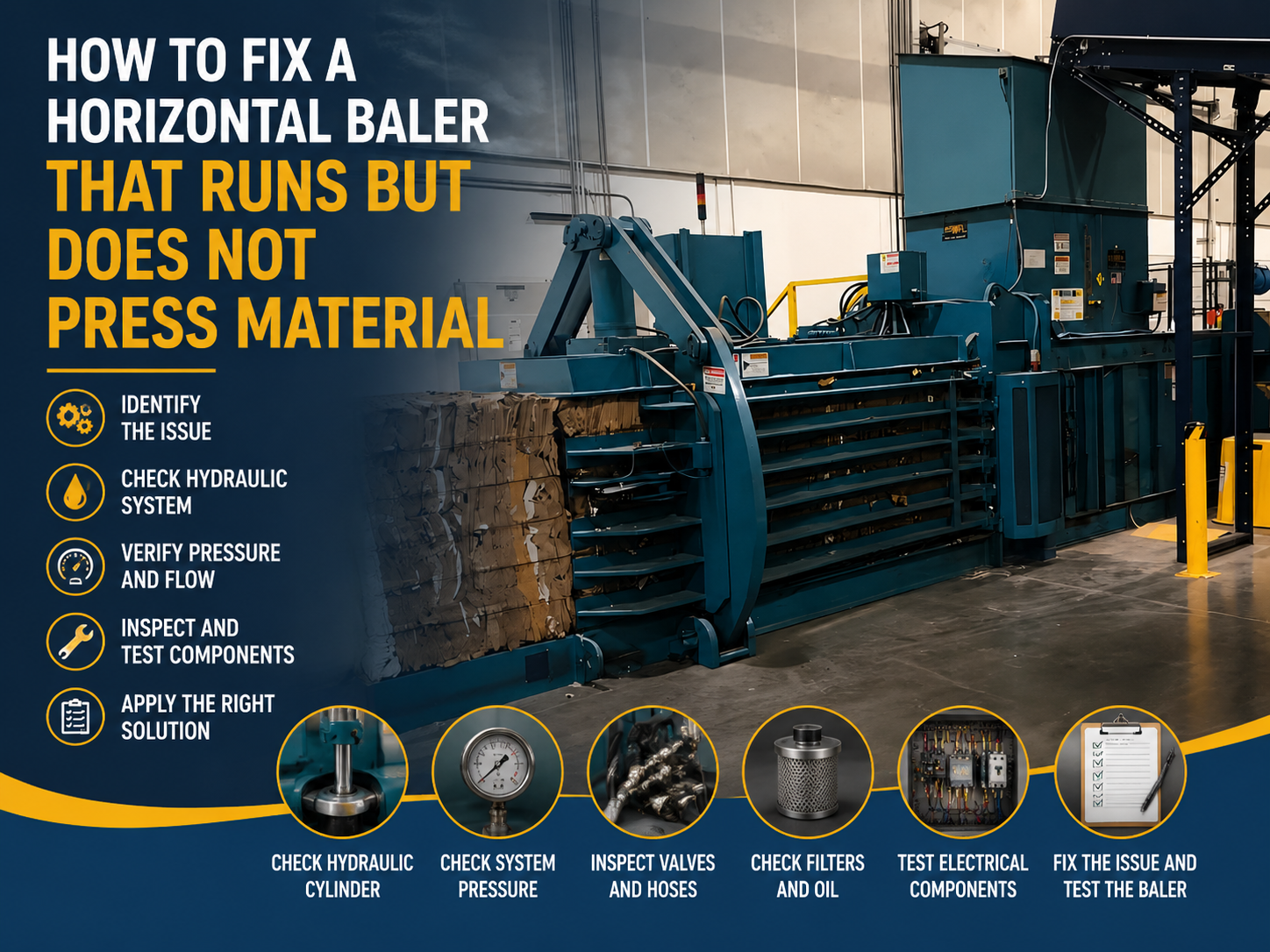
Introduction: Understanding the Horizontal Baler Failure
In the high-stakes environment of metal fabrication and waste management, the horizontal baler is the backbone of operational efficiency. When you encounter a scenario where the motor is running, the pump is engaged, but the ram fails to compress the material, it creates a significant bottleneck in your production line. Learning how to fix a horizontal baler that runs but does not press material is an essential skill for maintenance teams and facility managers alike.
At HARSLE, we understand that downtime is not just an inconvenience; it is a direct hit to your bottom line. A baler that runs but fails to exert pressure usually points to a disconnect between the hydraulic power unit and the mechanical ram assembly. This guide will walk you through the systematic diagnostic process required to restore your equipment to peak performance.
Before diving into complex repairs, it is vital to prioritize safety. Always ensure the machine is locked out and tagged out (LOTO) before inspecting internal components. Hydraulic systems operate under extreme pressure, and even a small leak or a sudden release of stored energy can cause severe injury. By following these professional guidelines, you can identify whether the issue is electrical, hydraulic, or mechanical.
This comprehensive guide covers the common failure points in horizontal balers, ranging from low fluid levels to complex valve malfunctions. Whether you are operating a HARSLE unit or other industrial-grade machinery, the principles of hydraulic force remain consistent. Let’s explore the technical landscape of your baler’s failure and how to resolve it effectively.
Key Considerations for Troubleshooting Hydraulic Systems
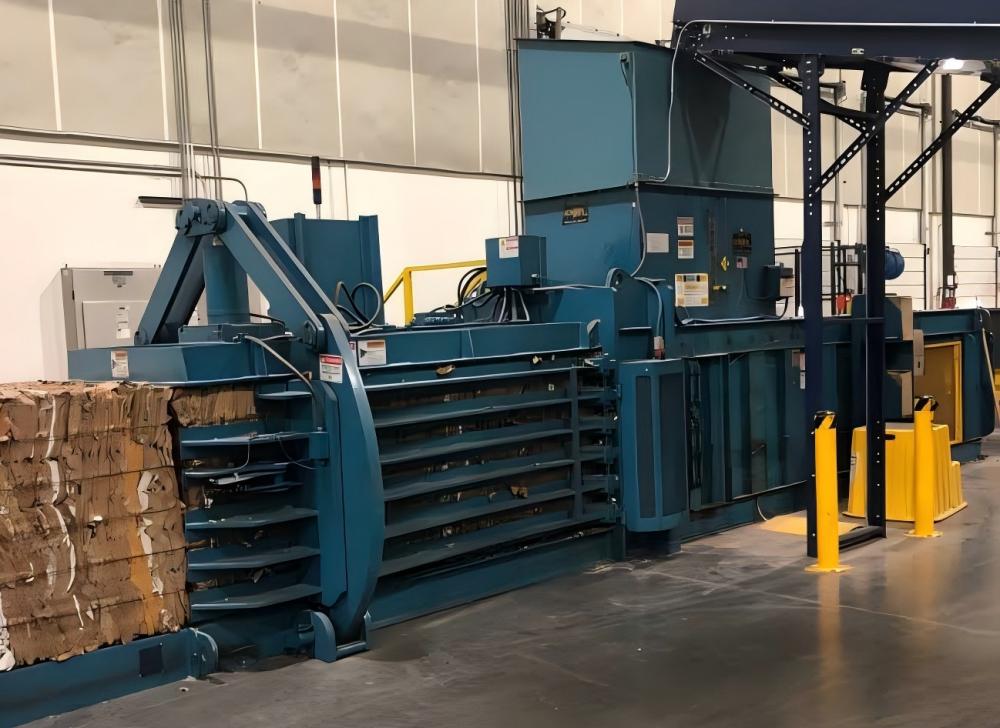
The primary reason a horizontal baler runs but fails to press is a loss of hydraulic pressure. The hydraulic system is a closed loop that relies on fluid displacement to generate force. If the motor is spinning the pump, but no pressure is being registered on the gauge, the fluid is likely bypassing the cylinder or the pump is failing to prime.
First, check the hydraulic oil level. If the reservoir is low, the pump may be drawing air, which leads to cavitation. Cavitation sounds like gravel rattling inside the pump and is a leading cause of premature pump failure. Ensure the oil is at the manufacturer-recommended level and that the suction strainer is not clogged with debris or sludge.
Second, examine the pressure relief valve. This component is designed to protect the system from over-pressurization. If the relief valve is stuck in the open position, the hydraulic fluid will simply circulate back to the tank instead of entering the cylinder. This results in the motor running smoothly without any resistance, as the system is essentially “short-circuiting” its own pressure.
Third, consider the condition of the hydraulic fluid itself. Over time, oil breaks down, loses its viscosity, and accumulates contaminants. If the oil is milky, it indicates water contamination, which can cause internal corrosion of valves and seals. Regular oil analysis is a key component of industrial machinery maintenance that prevents these catastrophic failures from occurring in the first place.
Finally, verify the direction of the motor rotation. If the motor was recently serviced or rewired, it might be spinning in reverse. While the motor will still run, the hydraulic pump will not be able to build pressure effectively. Always check the rotation arrow on the pump housing to ensure it matches the motor’s current direction.
Technical Details: Diagnosing the Ram and Cylinder
If the hydraulic system is confirmed to be building pressure, but the ram still does not move or press the material, the issue likely lies within the cylinder or the directional control valves. The cylinder is the heart of the baler’s force, and internal seal failure is a common culprit in older machines.
Internal bypass occurs when the piston seals inside the cylinder wear out. When this happens, high-pressure oil leaks past the piston head into the low-pressure side of the cylinder. Because the oil is not pushing against the piston face, the ram remains stationary or moves with very little force. You can often diagnose this by feeling the cylinder barrel; if one side becomes significantly hotter than the other during operation, it is a sign of internal leakage.
The directional control valve is another critical component. This valve dictates which side of the cylinder receives pressure. If the solenoid coil is burnt out or the spool is jammed due to debris, the valve may not shift to the “press” position. Check the electrical signals to the solenoid coils using a multimeter to ensure they are receiving the correct voltage when the operator engages the press cycle.
Mechanical obstructions also play a role. Check the guide rails and the ram face for any debris, such as scrap metal or compacted waste, that may have become wedged in the track. Even a small piece of metal can create enough friction to stall the ram, especially if the hydraulic system is already operating at less than peak efficiency.
Lastly, inspect the hydraulic hoses for bulges or signs of external leakage. While external leaks are obvious, internal hose failure—where the inner liner collapses—can restrict flow. This creates a bottleneck that prevents the necessary volume of oil from reaching the cylinder, resulting in a sluggish or non-responsive ram.
Selection Advice: Choosing the Right Baler for Your Needs
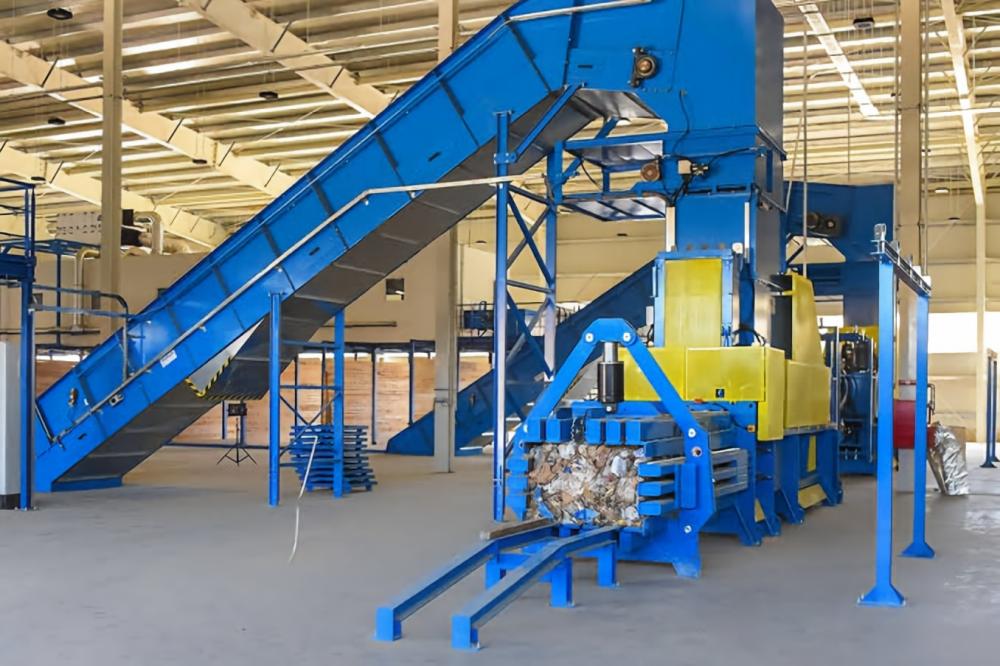
When the cost of repairs exceeds the value of the machine, it is time to consider an upgrade. Selecting the right horizontal baler requires an understanding of your material throughput and the specific density requirements of your output bales. HARSLE offers a range of balers designed for different industrial applications, from light cardboard to heavy-duty metal scrap.
Consider the ram force and cycle time. If your current baler is failing because it is consistently overloaded, you may need a machine with a higher tonnage rating. A baler that is pushed beyond its design limits will experience accelerated seal wear, pump fatigue, and structural stress, leading to the exact “runs but does not press” scenario you are trying to avoid.
Look for machines with advanced diagnostic interfaces. Modern HARSLE horizontal balers feature PLC (Programmable Logic Controller) systems that provide real-time feedback on pressure, cycle counts, and error codes. This technology allows operators to identify issues before they lead to a complete system failure, significantly reducing downtime.
Evaluate the build quality and ease of maintenance. A well-designed baler should have accessible hydraulic manifolds and easy-to-reach grease points. If a machine requires a complete teardown just to change a filter or check a valve, it will inevitably lead to neglected maintenance. Choose equipment that prioritizes serviceability.
Finally, consider the manufacturer’s support network. Industrial machinery is a long-term investment. Partnering with a company like HARSLE ensures that you have access to genuine spare parts, technical documentation, and expert advice. When you invest in quality, you are not just buying a machine; you are buying the reliability of your entire production line.
Frequently Asked Questions (FAQ)
1. Why does my baler motor run but the ram won’t move?
This is usually caused by a lack of hydraulic pressure. Check your oil levels, the pressure relief valve, and ensure the pump is not cavitating. It could also be a faulty directional control valve or internal cylinder seal failure.
2. How often should I change the hydraulic oil in my horizontal baler?
Generally, hydraulic oil should be changed every 2,000 to 4,000 operating hours, or once a year, depending on the intensity of use. Always check your specific HARSLE manual for the recommended interval.
3. Can I fix a hydraulic leak myself?
Small external leaks at fittings can often be tightened or repaired by replacing an O-ring. However, if the leak is coming from the cylinder or a high-pressure hose, it is recommended to have a certified technician perform the repair to ensure safety and system integrity.
4. What should I do if the baler makes a loud whining noise?
A loud whining noise is a classic symptom of pump cavitation, often caused by low oil levels, a clogged suction filter, or air entering the intake line. Shut the machine down immediately to prevent permanent pump damage.
5. Does the ambient temperature affect baler performance?
Yes. Extremely cold temperatures can increase oil viscosity, making it difficult for the pump to move fluid. Ensure you are using the correct grade of hydraulic oil for your climate and allow the machine to warm up before starting heavy operations.
Conclusion: Maintaining Your Horizontal Baler
Learning how to fix a horizontal baler that runs but does not press material is a process of elimination. By systematically checking the hydraulic fluid, the pump, the relief valves, and the cylinder seals, you can identify the root cause of the failure. Most issues are the result of routine wear and tear that can be mitigated through a proactive maintenance schedule.
At HARSLE, we believe that the longevity of your equipment is tied directly to the care you provide. Regular inspections, timely oil changes, and operator training are the best defenses against unexpected downtime. When you treat your baler as a precision instrument rather than just a waste disposal tool, you will see a significant improvement in both performance and lifespan.
If you find that your current equipment is consistently failing despite your best efforts, it may be time to consult with our engineering team to discuss a more robust solution. Whether you need replacement parts or a complete system upgrade, HARSLE is committed to supporting your metal fabrication and waste management needs with industry-leading technology and expertise.
Keep your facility running smoothly by staying vigilant. A well-maintained horizontal baler is a silent partner in your success, quietly processing materials and keeping your workspace efficient. Use this guide as a reference point, and always prioritize safety in every repair task you undertake.