Horizontal Baler Bale Ejection Problems: Troubleshooting Guide

Introduction to Horizontal Baler Performance
In the high-stakes environment of industrial waste management and recycling, the horizontal baler stands as a cornerstone of operational efficiency. When functioning correctly, these machines transform loose, bulky materials into dense, manageable bales, optimizing storage and logistics. However, operators often encounter horizontal baler bale ejection problems that can bring production lines to a grinding halt. Understanding the root causes of these ejection failures is essential for maintaining throughput and ensuring the longevity of your HARSLE equipment.
Bale ejection is the final, critical stage of the baling cycle. It requires a precise synchronization of hydraulic pressure, mechanical alignment, and sensor feedback. When this process fails, it is rarely due to a single catastrophic event; rather, it is usually the result of cumulative wear, improper material feeding, or minor electrical discrepancies. This guide serves as a comprehensive resource for technicians and plant managers to diagnose and resolve these persistent issues effectively.
At HARSLE, we emphasize that proactive maintenance is the best defense against downtime. By familiarizing your team with the common symptoms of ejection failure—such as incomplete bale discharge, jammed exit doors, or hydraulic stalls—you can transition from reactive repairs to a predictive maintenance strategy. This article will walk you through the technical nuances of horizontal baler systems, providing actionable steps to restore your machine to peak performance.
Whether you are operating a fully automatic baler or a semi-automatic unit, the principles of ejection remain largely consistent. We will explore the interplay between the ram, the bale chamber, and the hydraulic power unit. By following this structured troubleshooting guide, you will be able to minimize downtime, reduce repair costs, and ensure that your facility continues to operate at maximum capacity.
Key Considerations for Ejection Reliability
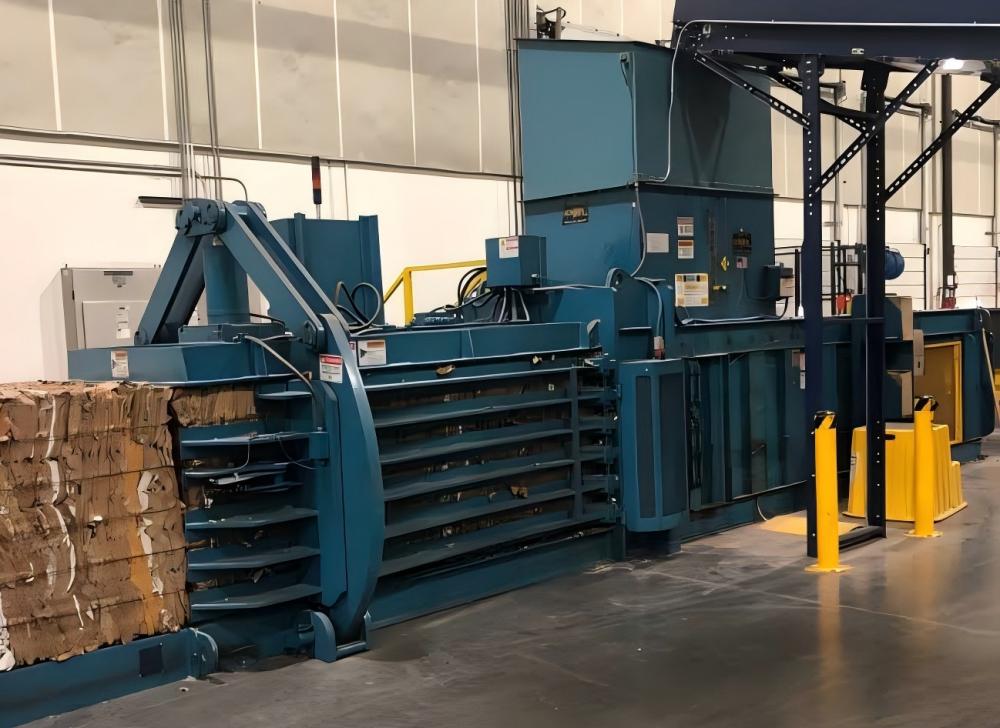
The reliability of your horizontal baler is heavily dependent on the material being processed. One of the most common causes of horizontal baler bale ejection problems is the introduction of non-compliant materials. If the material is too wet, too dense, or contains contaminants like heavy metals or rigid plastics that were not intended for the specific baler model, the bale may expand or bind within the chamber, preventing smooth ejection.
Another critical factor is the condition of the bale chamber walls. Over time, friction increases as the interior surfaces become pitted or coated with adhesive residues from processed waste. This increased friction creates a “drag” effect that the hydraulic ram must overcome during the ejection stroke. If the ram lacks the necessary force or if the chamber is deformed, the bale will remain stuck, triggering a fault code or a mechanical stall.
Environmental factors also play a significant role. In colder climates, hydraulic oil viscosity can change, leading to sluggish ram movement. If the oil is not at the correct operating temperature, the hydraulic system may not generate the peak pressure required to push a heavy bale through the exit gate. Operators should ensure that the hydraulic fluid is appropriate for the ambient temperature and that the system is properly warmed up before starting a full production shift.
Finally, the integrity of the bale ties or wires is paramount. If the tying mechanism fails to secure the bale tightly, the bale may lose its structural integrity during the ejection process. A loose or “bloated” bale will expand against the chamber walls, creating an immovable obstruction. Ensuring that your tying system is calibrated and that the wire tension is consistent is a fundamental step in preventing ejection failures.
Technical Details: Diagnosing Hydraulic and Mechanical Faults
When troubleshooting horizontal baler bale ejection problems, the hydraulic system is often the first place to look. The ejection stroke requires a specific pressure threshold. If the pressure relief valve is set too low, or if the hydraulic pump is showing signs of internal bypass, the ram will lack the force to push the bale out. Technicians should use a calibrated pressure gauge to verify that the system is hitting the manufacturer’s specified PSI during the ejection phase.
Mechanical alignment is equally important. The ram face must be perfectly parallel to the bale chamber exit. If the ram guide rails are worn, the ram may tilt slightly, causing it to bind against the chamber walls. This misalignment not only prevents ejection but can also cause severe damage to the ram face and the chamber structure. Inspecting the guide rails for excessive play and ensuring that the ram is properly shimmed is a standard maintenance procedure that should not be overlooked.
Electrical sensors and limit switches act as the “eyes” of the baler. If a sensor fails to detect that the bale is fully formed or that the exit door is open, the PLC (Programmable Logic Controller) will prevent the ejection cycle from initiating. Check for debris blocking the sensors or damaged wiring that could be sending false signals. A common issue is a faulty door-lock sensor, which prevents the machine from attempting to eject a bale if it believes the door is still locked.
The exit door mechanism itself can be a point of failure. If the hinges are seized or if the locking pins are bent, the door may not open fully, creating a bottleneck. Lubrication of all moving parts, including the door hinges and the locking cylinder, should be part of your weekly maintenance schedule. If the door is not opening to its full 90-degree position, the bale will catch on the frame, leading to a jam that requires manual intervention.
Selection Advice: Choosing the Right Baler for Your Needs
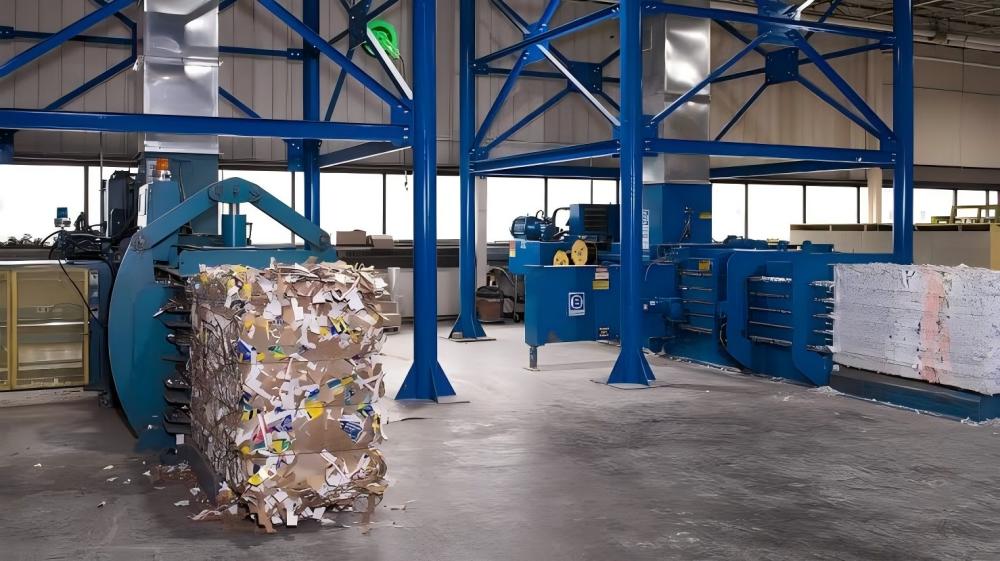
Selecting the right horizontal baler is the most effective way to avoid long-term ejection problems. When evaluating equipment, consider the throughput requirements of your facility. A baler that is consistently pushed beyond its rated capacity will experience accelerated wear on the ram, the chamber, and the hydraulic seals. Always choose a machine with a slightly higher capacity than your current needs to allow for future growth and to prevent overworking the system.
Material compatibility is another crucial selection criterion. If your facility processes a wide variety of materials, look for a baler with adjustable pressure settings and programmable cycles. Some materials require higher compaction forces, while others require faster cycle times. A versatile baler allows you to optimize the ejection process for each specific material type, reducing the likelihood of jams.
Consider the ease of maintenance when reviewing machine specifications. HARSLE balers are designed with accessibility in mind, featuring large service panels and modular components. When selecting a machine, ensure that the critical components—such as the hydraulic pump, the PLC cabinet, and the ram guide rails—are easily reachable. A machine that is difficult to service will inevitably suffer from deferred maintenance, leading to more frequent breakdowns.
Finally, look for robust construction. The thickness of the steel used in the chamber and the quality of the hydraulic cylinders are indicators of the machine’s durability. A heavy-duty baler may have a higher initial cost, but it will provide a lower total cost of ownership by resisting the deformation and mechanical fatigue that lead to bale ejection problems. Investing in quality upfront is the best strategy for long-term operational success.
Comprehensive Troubleshooting Checklist
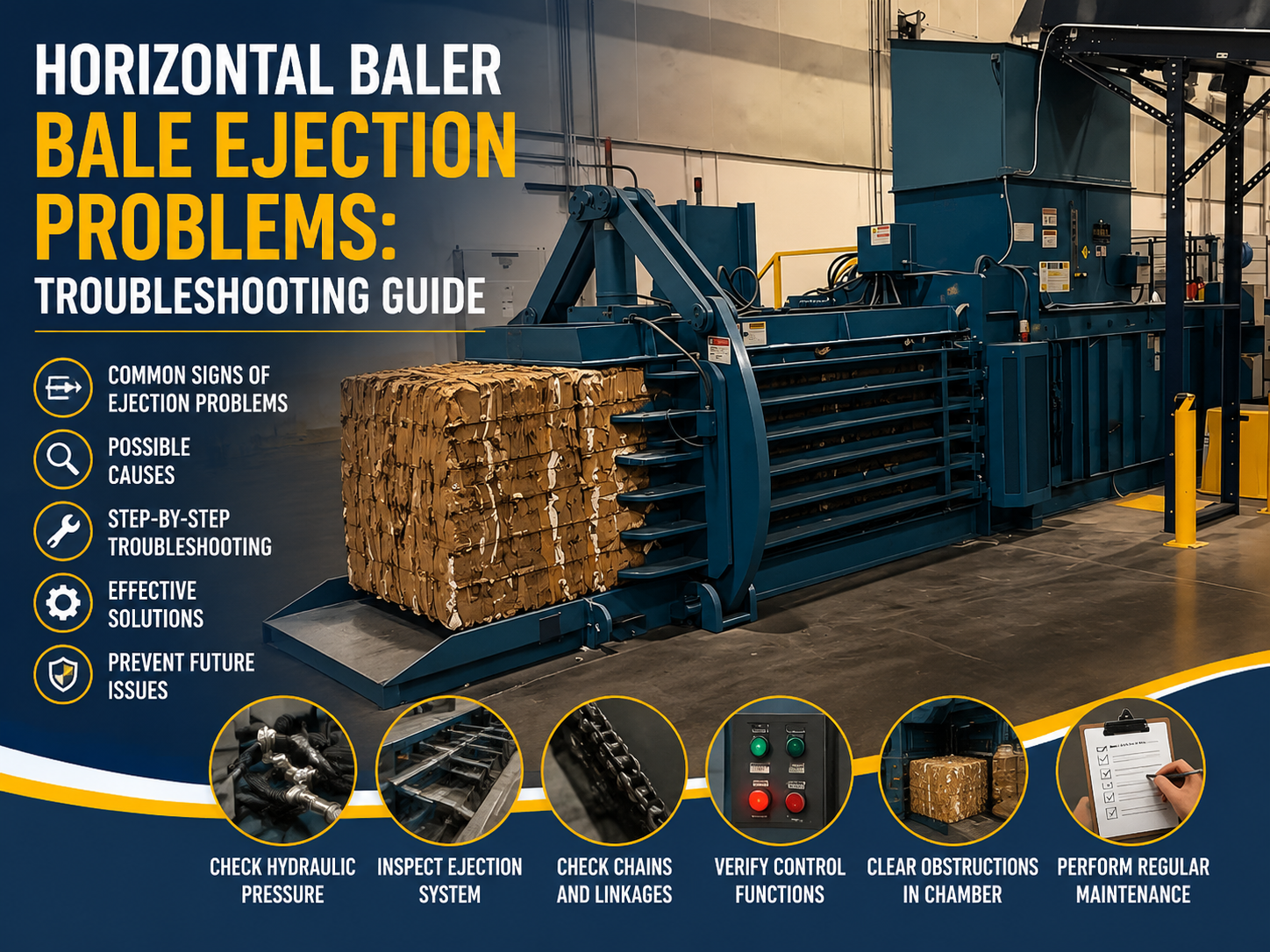
To assist your maintenance team, we have compiled a checklist for addressing horizontal baler bale ejection problems. Follow these steps in order to isolate the issue:
- Check Hydraulic Pressure: Verify that the system pressure meets the HARSLE manual specifications during the ejection cycle.
- Inspect the Chamber: Look for debris, sticky residues, or structural deformations that could impede the bale’s movement.
- Examine the Exit Door: Ensure the door opens fully and that the locking mechanism is free from mechanical obstruction.
- Test Sensors: Verify that all limit switches and proximity sensors are clean and sending the correct signals to the PLC.
- Review Material Feed: Ensure that the material is not exceeding the maximum density or size limits for the baler.
- Check Ram Alignment: Inspect the ram guide rails for wear and ensure the ram face is square to the chamber.
- Verify Tying System: Confirm that the bale is properly tied and that the wire tension is sufficient to hold the bale’s shape.
By systematically working through this list, you can identify whether the problem is electrical, hydraulic, or mechanical. If the issue persists after these checks, it may be time to consult with a HARSLE service technician to perform a more in-depth diagnostic analysis.
FAQ: Common Questions About Baler Maintenance
Why does my baler stop mid-ejection?
This is often caused by a pressure spike that triggers the safety relief valve, or a sensor that loses contact with the ram. Check for material obstructions and ensure your hydraulic oil is at the correct operating temperature.
How often should I lubricate the door hinges?
For high-volume facilities, we recommend lubricating all moving parts, including door hinges and locking pins, on a weekly basis to prevent seizing and ensure smooth operation.
Can I process different materials in the same baler?
Yes, but you must adjust the pressure settings and cycle times accordingly. Mixing materials can lead to inconsistent bale density, which is a leading cause of ejection jams.
What should I do if the ram is stuck?
Never attempt to clear a jam while the machine is powered on. Follow strict lockout/tagout (LOTO) procedures before inspecting the chamber or attempting to manually dislodge the material.
Conclusion
Horizontal baler bale ejection problems are a common challenge in the metal fabrication and recycling industries, but they are not insurmountable. By understanding the mechanical, hydraulic, and electrical components of your HARSLE baler, you can effectively troubleshoot and resolve these issues. Remember that consistent maintenance, proper material handling, and regular inspections are the keys to avoiding downtime and maximizing the lifespan of your equipment.
At HARSLE, we are committed to providing not only high-quality machinery but also the knowledge required to keep your operations running smoothly. If you encounter persistent issues that fall outside the scope of this guide, our support team is always available to provide expert guidance and technical assistance. Keep your baler in top condition, and it will continue to be a reliable workhorse for your facility for years to come.