What to Do When a Horizontal Baler Makes Unusual Noise During Operation: A Comprehensive Maintenance Guide

Introduction
In the high-stakes environment of metal fabrication and waste management, the horizontal baler stands as a cornerstone of operational efficiency. When your equipment functions smoothly, it processes tons of scrap metal or cardboard with rhythmic precision. However, when you notice that your machine is deviating from its standard acoustic profile, it is time to take immediate action. Understanding what to do when a horizontal baler makes unusual noise during operation is not just about fixing a nuisance; it is about preventing catastrophic equipment failure and ensuring the longevity of your investment.
Unusual noises—ranging from high-pitched squeals to rhythmic thumping or grinding—are the machine’s way of communicating internal distress. Ignoring these auditory warnings can lead to hydraulic pump failure, structural fatigue, or even dangerous safety hazards for your operators. At HARSLE, we emphasize that proactive maintenance is the most cost-effective strategy for any facility manager. By diagnosing the source of the sound early, you can minimize downtime and avoid the exorbitant costs associated with major component replacements.
This guide is designed to walk you through the systematic diagnostic process. Whether you are dealing with a hydraulic pressure issue, a mechanical misalignment, or a simple lack of lubrication, we will provide the technical insights necessary to restore your horizontal baler to peak performance. Let’s explore the critical steps to take when your baler begins to sound less than optimal.
Key Considerations for Noise Diagnosis
When you first notice an unusual sound, the most important step is to document the context. Is the noise occurring during the compression stroke, the retraction phase, or while the machine is idling? Does the sound change in intensity based on the load density? These variables are critical clues that help narrow down the potential culprit. Before opening any panels, ensure the machine is locked out and tagged out (LOTO) to prevent accidental activation during your inspection.
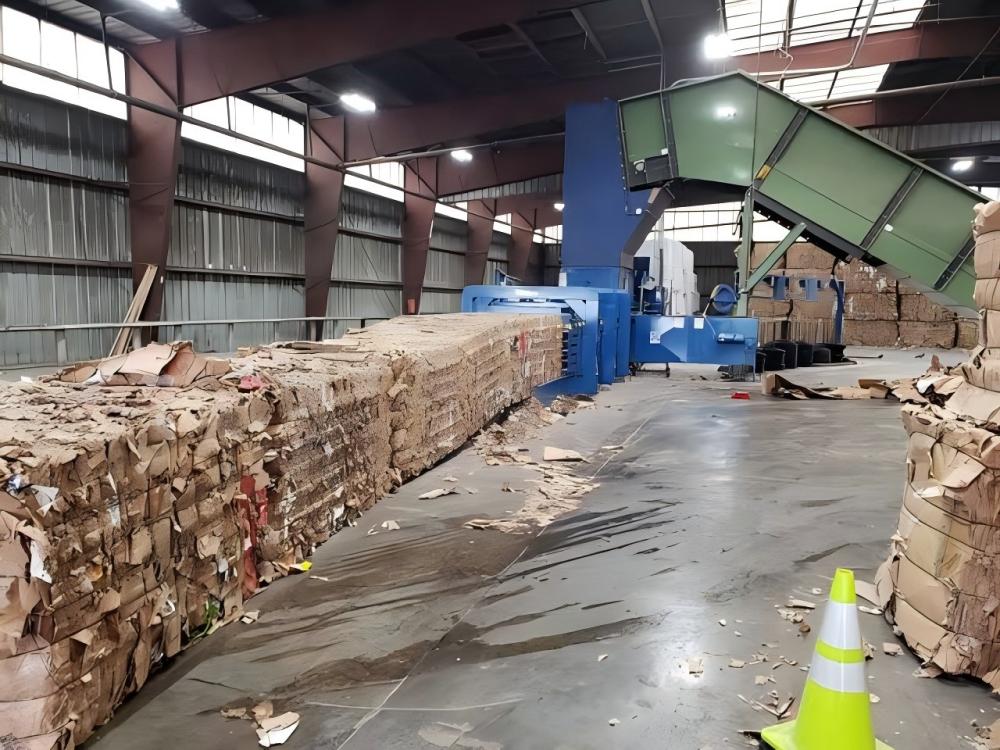
The environment surrounding the baler also plays a significant role. Sometimes, what sounds like a mechanical failure is actually a vibration issue caused by an uneven floor or loose anchoring bolts. Check the foundation of your horizontal baler to ensure it is perfectly level. Vibrations can travel through the frame, creating rattling noises that mimic internal mechanical issues. Tightening the anchor bolts is often the simplest fix for persistent, low-frequency rattling.
Another key consideration is the material being processed. If you have recently switched the type of scrap metal or density of the material, the baler might be working harder than usual. Overloading the chamber can cause the hydraulic system to strain, resulting in a high-pitched whine from the relief valve. Always ensure that the material being fed into the machine matches the specifications provided in your HARSLE operation manual.
Finally, consider the ambient temperature and the state of your hydraulic fluid. Cold weather can thicken hydraulic oil, making the pump work significantly harder during the initial startup phase. If the noise disappears after the machine warms up, it may simply be a viscosity issue. However, if the noise persists, it indicates that the hydraulic system is struggling to maintain pressure, which requires a more thorough investigation of the pump and filter assembly.
Technical Details: Troubleshooting Hydraulic and Mechanical Systems
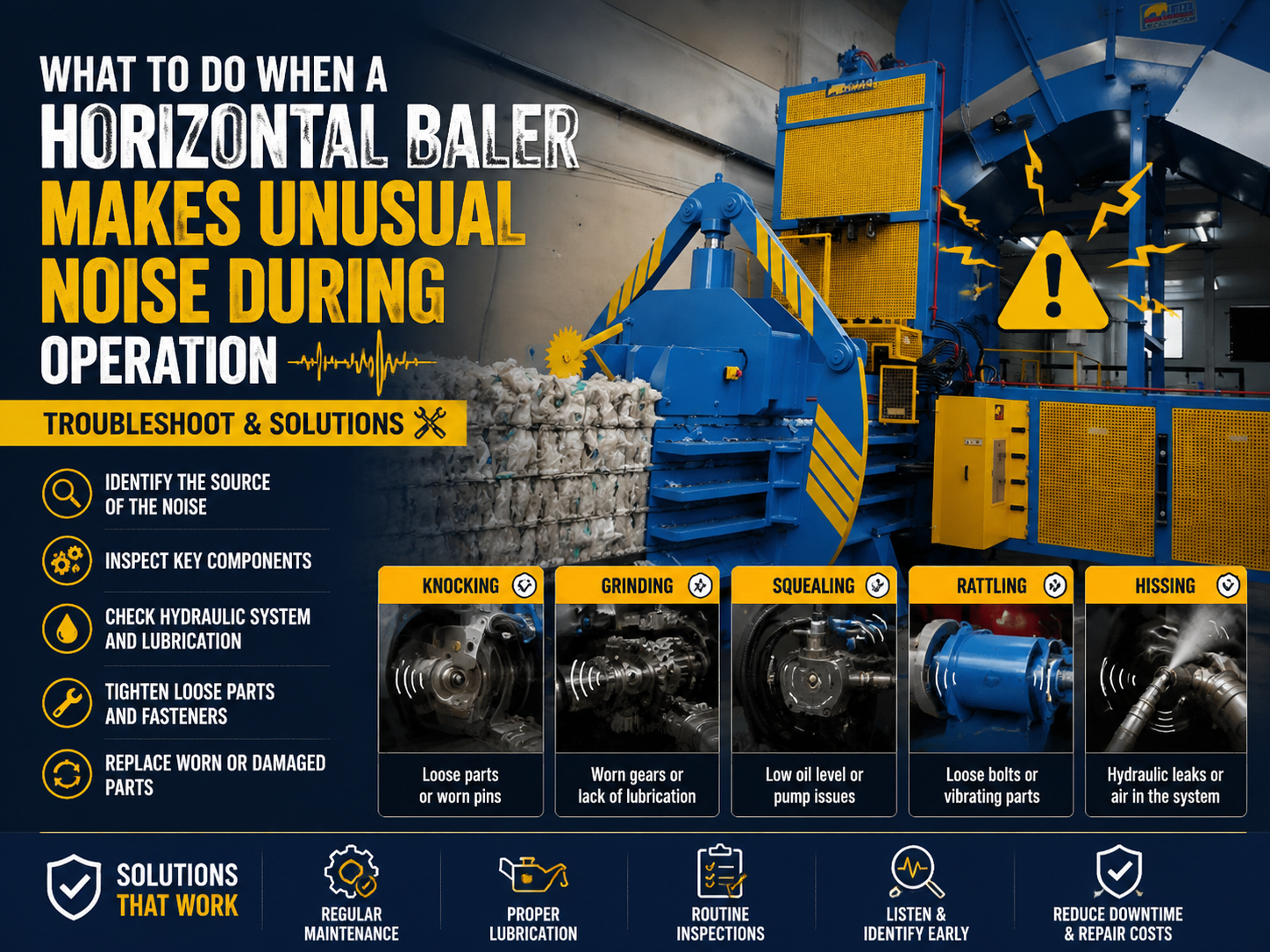
The hydraulic system is the heart of any horizontal baler. A common source of unusual noise is cavitation, which occurs when air enters the hydraulic fluid. This creates a distinct, gravel-like grinding sound. To troubleshoot this, check the hydraulic fluid levels immediately. If the level is low, air can be sucked into the pump intake. Additionally, inspect the suction line for any cracks or loose fittings that might allow air to infiltrate the system.
If the noise is a sharp, intermittent squeal, it is often related to the drive belt or the motor coupling. In many industrial balers, the motor is connected to the pump via a flexible coupling. If this coupling is worn or misaligned, it will produce a rhythmic chirping or squealing sound. Inspect the coupling for signs of rubber degradation or metal-on-metal contact. Replacing a worn coupling is a relatively inexpensive task that can save your motor and pump from expensive damage.
The ram guide system is another frequent source of noise. Over time, the wear pads that guide the ram through the compression chamber can become worn or misaligned. When this happens, the ram may tilt slightly, causing it to scrape against the chamber walls. This produces a deep, metallic grinding sound. If you notice uneven wear on the ram or debris buildup in the tracks, it is time to adjust or replace the guide pads to ensure smooth, silent operation.
Lastly, examine the hydraulic relief valves. If the baler is making a constant, high-pitched whistling sound, the relief valve may be set incorrectly or may be stuck in a partially open position. This indicates that the system is bypassing fluid unnecessarily, which generates heat and noise. Consult your HARSLE technical documentation to verify the correct pressure settings and ensure that your relief valves are functioning within the manufacturer’s specified range.
Selection Advice: Investing in Reliable Equipment
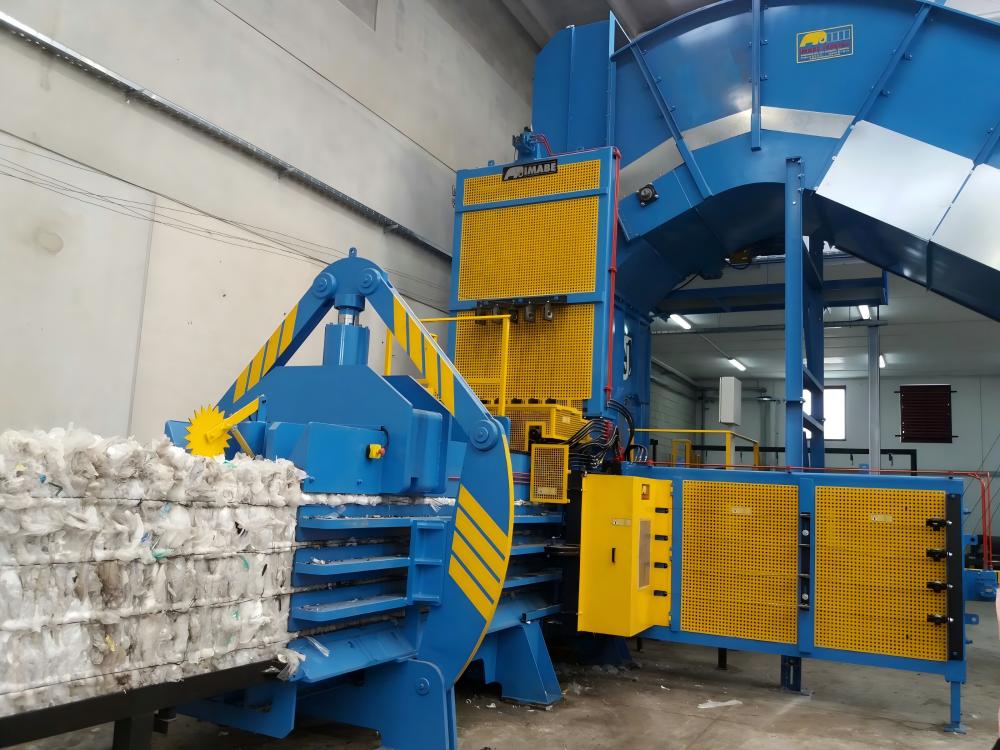
When you are in the market for a new horizontal baler, the initial purchase decision is your first line of defense against operational noise. High-quality machinery, such as those manufactured by HARSLE, is engineered with precision tolerances and robust materials that naturally reduce vibration and noise. When selecting a baler, look for features like reinforced steel frames, high-efficiency hydraulic pumps, and sound-dampening enclosures.
Consider the duty cycle requirements of your facility. A machine that is constantly pushed to its maximum capacity will inevitably experience more wear and tear, leading to increased noise levels over time. It is always better to select a baler with a slightly higher capacity than your current needs. This allows the machine to operate at a lower stress level, extending the lifespan of the hydraulic components and keeping noise levels to a minimum.
Maintenance accessibility is another critical factor. A machine that is difficult to service will often be neglected, leading to the very noise issues we are discussing. Look for models that feature easy-access panels for hydraulic maintenance, clear lubrication points, and intuitive control systems that provide diagnostic feedback. At HARSLE, we prioritize user-friendly design to ensure that your maintenance team can perform routine checks quickly and safely.
Finally, consider the support network of the manufacturer. A horizontal baler is a long-term asset. Choosing a supplier that offers comprehensive technical support, readily available spare parts, and expert guidance on maintenance schedules is essential. When you invest in HARSLE equipment, you are not just buying a machine; you are gaining a partner committed to the long-term operational success of your metal fabrication facility.
FAQ: Common Questions About Baler Noise
- Q: Is it normal for my baler to make noise during the first cycle of the day?
A: A slight increase in noise during the first few cycles is normal, especially in colder climates, as the hydraulic oil warms up. However, if the noise is loud, grinding, or persists after the machine has warmed up, you should investigate further. - Q: How often should I check the hydraulic fluid to prevent noise?
A: You should check the hydraulic fluid levels weekly. Clean, high-quality fluid is essential for quiet operation. If the fluid appears cloudy or smells burnt, it should be changed immediately. - Q: Can loose bolts cause serious damage to my horizontal baler?
A: Yes. Loose bolts cause vibrations that can lead to metal fatigue, cracked welds, and misalignment of internal components. Always ensure your baler is securely anchored to the floor. - Q: What should I do if I cannot identify the source of the noise?
A: If you have performed a visual inspection and cannot locate the source, do not continue to operate the machine. Contact a certified HARSLE technician to perform a professional diagnostic assessment.
Conclusion
Knowing what to do when a horizontal baler makes unusual noise during operation is a vital skill for any industrial operator. By staying vigilant, performing regular inspections, and addressing minor issues before they escalate, you can ensure that your equipment remains a reliable workhorse for years to come. Remember that unusual noise is rarely a mystery; it is almost always a symptom of a specific mechanical or hydraulic condition that requires your attention.
At HARSLE, we are dedicated to providing the metal fabrication industry with equipment that combines power, precision, and durability. We encourage all our clients to integrate the maintenance practices outlined in this guide into their daily operations. By treating your horizontal baler with the care it deserves, you protect your production schedule, your employees, and your bottom line. If you ever find yourself facing a noise issue that you cannot resolve, our team of experts is always ready to provide the support you need to get back to work efficiently.