
Horizontal Baler Wire Breakage Troubleshooting for Better Bale Formation: A Comprehensive Guide

Introduction to Horizontal Baler Wire Integrity
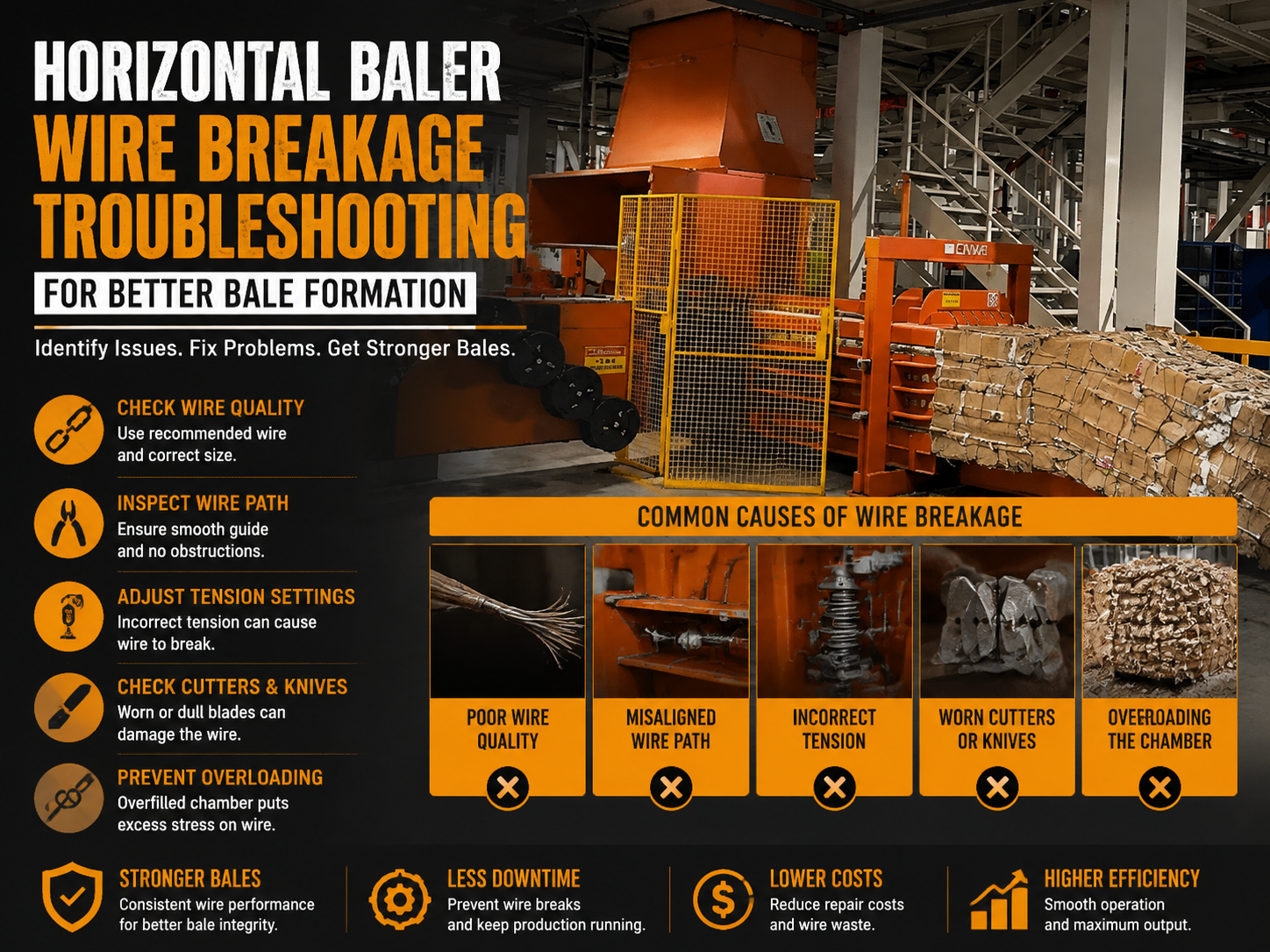
In the high-stakes world of industrial recycling and waste management, the efficiency of your horizontal baler is paramount. A critical component of this process is the tying system, which relies on high-tensile wire to secure dense bales. When operators face consistent issues with wire snapping, the entire production line grinds to a halt, leading to downtime, increased labor costs, and compromised bale density. Understanding Horizontal Baler Wire Breakage Troubleshooting for Better Bale Formation is not just a maintenance task; it is a strategic necessity for any facility manager aiming to maximize throughput.
HARSLE recognizes that the integrity of a bale depends entirely on the tension and quality of the wire used during the compression cycle. If the wire breaks prematurely, the bale expands, potentially damaging the baler’s chamber or creating safety hazards for personnel. This guide explores the root causes of wire failure and provides actionable insights to ensure your baling operations remain seamless and productive.
Effective troubleshooting begins with a holistic view of the machine. It is rarely just one component failing; rather, it is often a combination of wire quality, tension settings, and mechanical wear. By systematically addressing these factors, operators can achieve the consistent, high-density bales required for efficient transport and storage. This article serves as your definitive resource for maintaining optimal baling performance.
As we delve into the technical aspects of wire management, remember that preventive maintenance is always more cost-effective than reactive repair. By implementing the strategies outlined in this guide, you will not only reduce wire breakage but also extend the lifespan of your HARSLE horizontal baler, ensuring a higher return on your capital investment.
Key Considerations for Wire Breakage Prevention
The first step in Horizontal Baler Wire Breakage Troubleshooting for Better Bale Formation is identifying the environment in which the baler operates. High-density materials, such as scrap metal or heavy cardboard, exert immense pressure on the tying mechanism. If the wire is not properly guided or if the tensioner is miscalibrated, the wire will inevitably snap under the strain of the expanding bale.
Operators must regularly inspect the wire path for sharp edges or burrs. Over time, the constant friction of the wire against the guide channels can create grooves or jagged surfaces that act as stress concentrators. Even a microscopic nick in the wire can lead to a catastrophic failure once the baler applies full compression. Regular cleaning and deburring of the wire path are essential maintenance steps that are often overlooked.
Another critical consideration is the quality of the baling wire itself. Not all wires are created equal; using a gauge that is too thin for the material being baled is a recipe for disaster. HARSLE recommends consulting the machine’s technical manual to ensure the wire tensile strength matches the compression force of the hydraulic ram. Using low-grade, brittle wire can lead to frequent breaks, regardless of how well the machine is maintained.
Environmental factors also play a role. If the baling wire is stored in a humid or corrosive environment, it may develop rust or oxidation. This weakens the wire’s structural integrity before it even enters the machine. Proper storage in a dry, climate-controlled area is a simple yet effective way to prevent premature breakage. Always ensure that the wire coils are properly seated on the payoff stands to prevent tangles and kinks that cause uneven tension.
Technical Details: Analyzing the Tying Mechanism
The tying mechanism is the heart of the baler’s output quality. In a horizontal baler, the needles or twisters must operate in perfect synchronization with the ram. If the timing is off, the wire may be subjected to excessive shear force, leading to immediate breakage. Troubleshooting this requires a deep dive into the hydraulic and mechanical timing of the tying cycle.
Check the tensioner settings on your HARSLE horizontal baler. If the tension is set too high, the wire is stretched to its limit before the bale is even fully formed. Conversely, if the tension is too low, the wire may slip or fail to hold the bale together, causing it to burst upon ejection. Finding the ‘sweet spot’ requires incremental adjustments and careful observation of the resulting bale density and wire integrity.
The condition of the needles or the twister head is equally important. Over time, these components experience wear that can lead to misalignment. If the needle does not penetrate the bale chamber cleanly, it may strike the bale or the chamber wall, causing the wire to snag. Regular inspection of the needle tips and the twister gears is vital. If you notice signs of excessive wear, replace these components immediately to prevent further damage to the tying system.
Furthermore, consider the hydraulic pressure settings. The hydraulic system provides the force necessary to compress the material and hold it in place while the wire is tied. If the pressure is inconsistent, the bale may expand unexpectedly during the tying process, putting sudden, violent stress on the wire. Ensure that your hydraulic fluid is clean, at the correct level, and that the pressure relief valves are functioning correctly to maintain a steady, controlled compression force.
Selection Advice: Choosing the Right Wire and Equipment
When selecting wire for your horizontal baler, prioritize quality over cost. High-tensile, galvanized wire is generally preferred for its combination of strength and corrosion resistance. When purchasing, verify the gauge and the breaking strength against the specifications provided by HARSLE for your specific model. Investing in premium wire reduces the frequency of breaks and minimizes the need for constant machine adjustments.
Consider the type of material you are processing. For example, baling aluminum cans requires a different wire strategy than baling corrugated cardboard. The expansion force of the material dictates the required wire strength. If your facility processes a variety of materials, you may need to adjust your wire gauge or tension settings accordingly. Keep a log of these settings for each material type to streamline the transition process.
When evaluating new equipment or upgrading your current setup, look for features that simplify wire management. Modern HARSLE horizontal balers come equipped with advanced sensors and automated tying systems that reduce the margin for human error. Features like automatic wire tension monitoring and self-lubricating guide channels can significantly reduce the incidence of wire breakage and improve overall bale formation.
Finally, do not underestimate the value of operator training. Even the most advanced baler will fail if operated incorrectly. Ensure your team is trained in the basics of wire threading, tension adjustment, and daily inspection routines. A well-informed operator is the first line of defense against wire breakage and the best asset for maintaining high-quality bale production.
Troubleshooting Checklist for Operators
- Inspect the Wire Path: Look for burrs, grooves, or debris that could snag the wire.
- Verify Wire Quality: Ensure the wire gauge matches the material density and machine specifications.
- Check Tension Settings: Adjust the tensioner to prevent over-stretching or loose ties.
- Examine Needle/Twister Alignment: Ensure the tying mechanism is synchronized and free of mechanical wear.
- Monitor Hydraulic Pressure: Check for consistent pressure during the compression cycle.
- Review Storage Conditions: Keep wire coils in a dry, clean environment to prevent oxidation.
- Perform Routine Lubrication: Keep moving parts of the tying system well-lubricated to reduce friction.
- Check for Material Obstructions: Ensure no debris is interfering with the wire path or the needle movement.
FAQ: Common Questions About Baler Wire
Q: Why does my wire break only at the end of the tying cycle?
A: This often indicates that the tension is too high during the final twist or that the twister head is worn, causing the wire to be pinched or sheared at the last moment.
Q: How often should I replace the needles on my horizontal baler?
A: Needle replacement depends on usage volume and material type. Inspect them monthly for signs of bending, dulling, or misalignment. If you notice consistent wire breakage, the needles are the first place to check.
Q: Can I use a thinner wire to save money?
A: Using a thinner wire than recommended is highly discouraged. It will likely lead to frequent breakage, increased downtime, and potentially dangerous bale bursts. Always stick to the manufacturer’s recommended specifications.
Q: What is the impact of bale density on wire breakage?
A: Higher bale density increases the expansion force exerted on the wire. If your wire cannot handle this force, it will snap. You must balance the desired density with the tensile strength of your wire.
Conclusion: Achieving Operational Excellence
Mastering Horizontal Baler Wire Breakage Troubleshooting for Better Bale Formation is a continuous process of observation, adjustment, and maintenance. By focusing on the quality of your wire, the precision of your tying mechanism, and the consistency of your hydraulic systems, you can eliminate the frustrations of frequent breakage and achieve the high-density bales that define a professional operation.
HARSLE is committed to supporting your facility with high-performance machinery and the technical knowledge required to keep it running at peak efficiency. Remember that the small details—a clean guide channel, a properly tensioned coil, a well-lubricated twister—are what separate a productive facility from one plagued by downtime. Use this guide as a foundation for your maintenance program, and you will see immediate improvements in your baling output and operational reliability.
As you continue to refine your processes, keep an open line of communication with your equipment manufacturer. Regular service checks and staying updated on the latest advancements in baling technology will ensure that your HARSLE horizontal baler remains a cornerstone of your recycling or waste management strategy for years to come. Invest in your maintenance, train your team, and enjoy the benefits of consistent, high-quality bale formation.












