How to Solve Horizontal Baler Conveyor Misalignment Issues: A Comprehensive Maintenance Guide

Introduction to Conveyor Efficiency in Horizontal Balers
In the world of high-volume waste management and metal recycling, the horizontal baler stands as the backbone of operational efficiency. However, even the most robust HARSLE horizontal baler can encounter performance bottlenecks if the integrated conveyor system begins to drift. When you need to solve horizontal baler conveyor misalignment issues, you are not just fixing a belt; you are protecting the longevity of your motor, the integrity of your drive rollers, and the safety of your facility floor.
Conveyor misalignment is a common yet critical issue that occurs when the belt does not track centrally along the conveyor bed. This deviation often leads to uneven wear on the belt edges, increased friction against the side frames, and potential motor burnout due to the added resistance. For industrial operators, understanding the root causes of this tracking error is the first step toward maintaining a high-throughput production line.
At HARSLE, we emphasize that proactive maintenance is far more cost-effective than reactive repair. By identifying the early warning signs of misalignment—such as fraying edges, unusual squealing noises, or material spillage—operators can intervene before the belt sustains permanent structural damage. This guide provides a deep dive into the technical methodologies required to keep your conveyor running true.
Whether you are managing a scrap metal yard or a large-scale distribution center, the principles of conveyor tracking remain universal. This article will walk you through the diagnostic steps, mechanical adjustments, and long-term maintenance strategies necessary to ensure your horizontal baler operates at peak capacity without the constant threat of belt failure.
Key Considerations for Conveyor Alignment
Before diving into mechanical adjustments, it is vital to understand the environmental and operational factors that contribute to belt drift. The most common culprit is often the simplest: debris accumulation. In a metal fabrication or recycling environment, small scraps, dust, and moisture can build up on the underside of the belt or the surface of the rollers, creating an uneven surface that forces the belt to wander.
Another key consideration is the tensioning of the belt. A belt that is too loose will naturally seek the path of least resistance, which is rarely the center of the conveyor frame. Conversely, a belt that is over-tightened can cause excessive stress on the bearings and drive components, leading to premature failure. Finding the ‘sweet spot’ of tension is a fundamental skill for any maintenance technician working with horizontal balers.
Structural integrity of the conveyor frame also plays a significant role. If the conveyor frame has been bumped by a forklift or has shifted due to uneven flooring, the rollers may no longer be parallel to one another. Even a slight deviation in the squareness of the frame will cause the belt to track consistently toward one side, regardless of how much you adjust the tensioning bolts.
Finally, consider the loading pattern of the material. If your horizontal baler is consistently fed from one side, the uneven distribution of weight can exert lateral forces on the belt. While the conveyor is designed to handle heavy loads, consistent off-center loading can accelerate tracking issues. Ensuring that material is fed uniformly across the width of the belt is a simple operational change that can significantly reduce the frequency of alignment adjustments.
Technical Details: How to Solve Horizontal Baler Conveyor Misalignment Issues
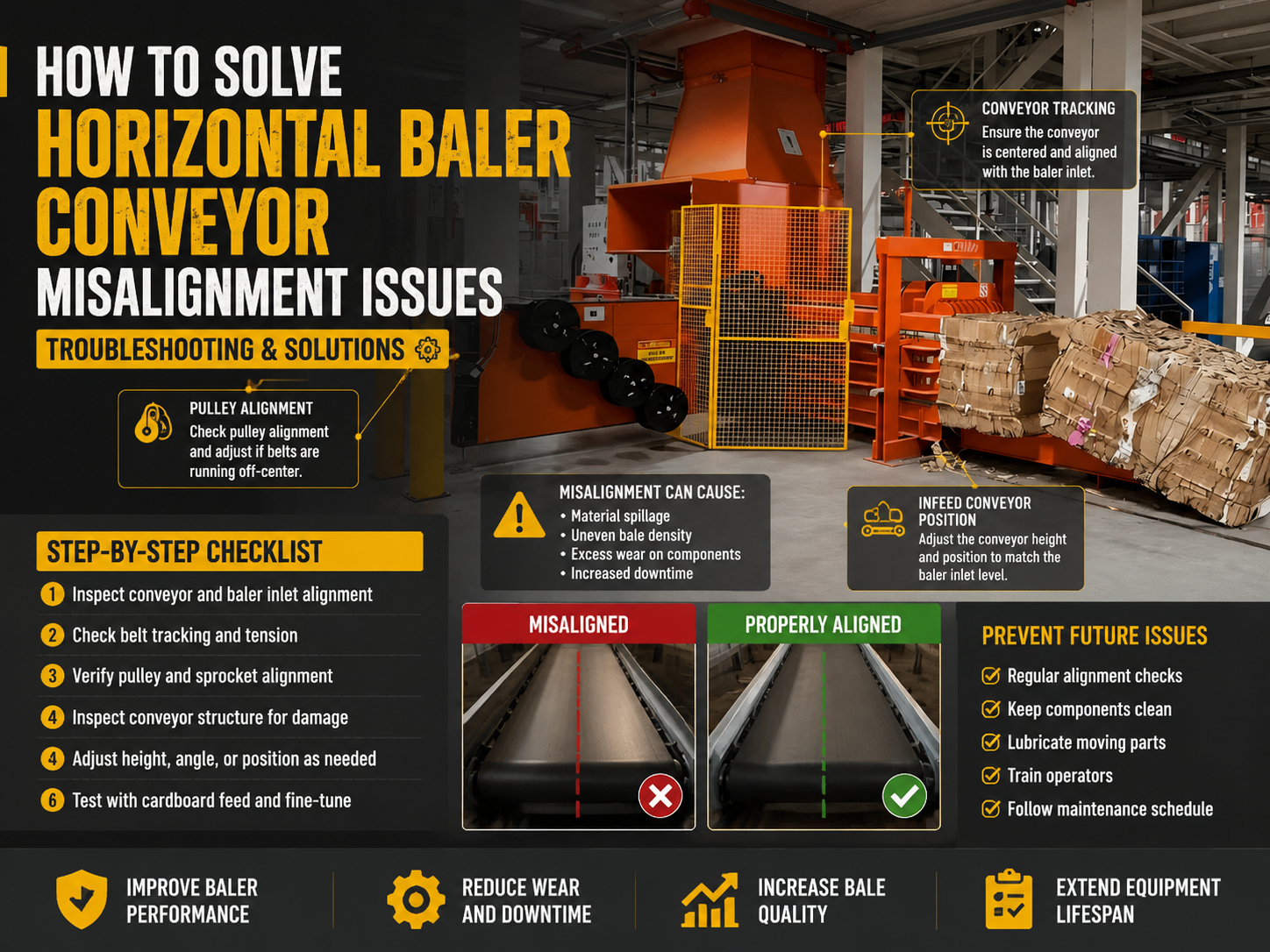
To effectively solve horizontal baler conveyor misalignment issues, you must follow a systematic approach. Start by performing a visual inspection while the conveyor is running at a slow speed. Observe where the belt is drifting. If it is drifting to the left at the tail pulley, the tail pulley is likely not square, or there is a buildup of material on that side of the roller.
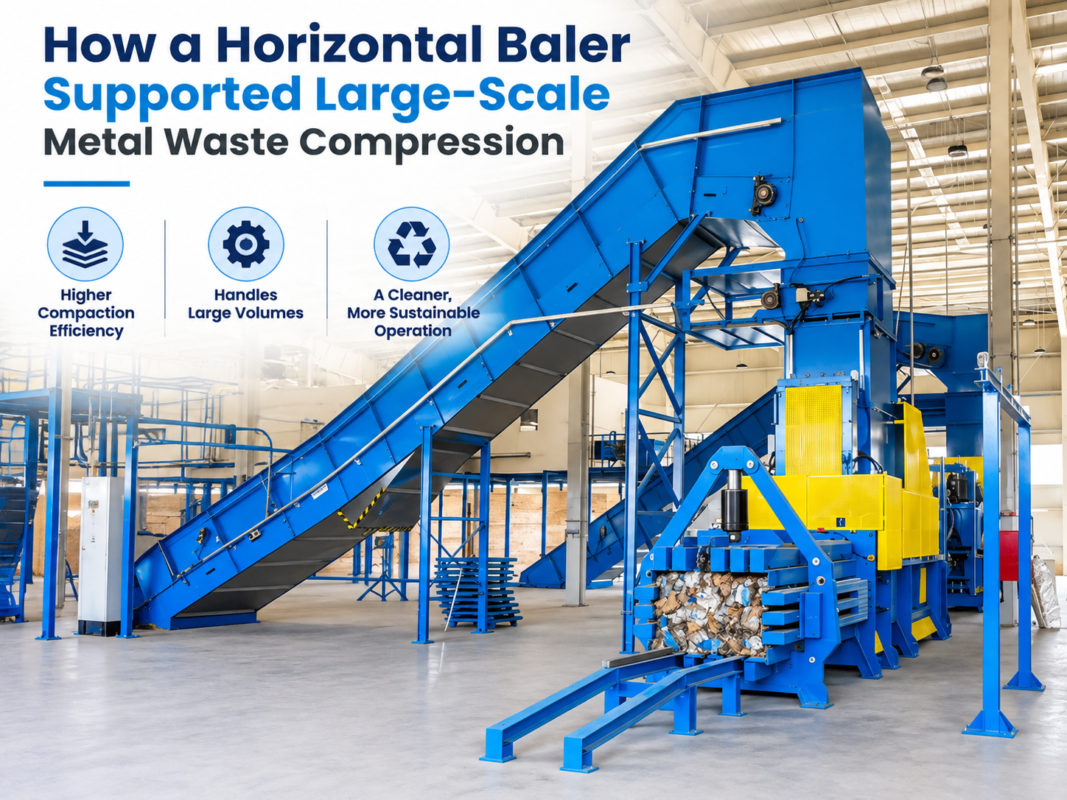
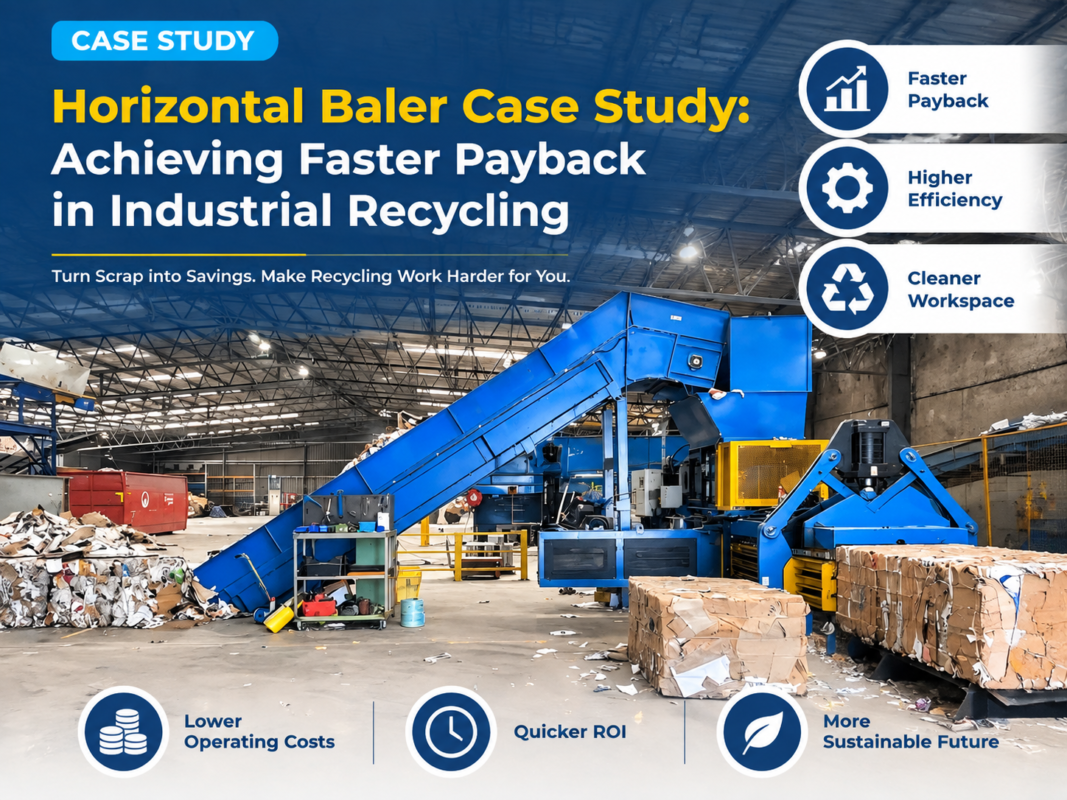
The primary adjustment mechanism on most HARSLE horizontal balers is the take-up unit located at the tail end of the conveyor. This unit features threaded rods that allow you to increase or decrease tension on either side of the belt independently. To correct a belt that is drifting to the left, you should tighten the tensioning bolt on the left side or slightly loosen the bolt on the right side. Make adjustments in small increments—usually a quarter-turn at a time—and allow the belt to complete several full rotations before making further changes.
If adjusting the tail pulley does not resolve the issue, inspect the snub rollers and the drive pulley. These components must be perfectly perpendicular to the direction of belt travel. Use a laser alignment tool or a long straight edge to verify that the rollers are parallel. If you find that a roller is skewed, you will need to loosen the mounting bolts and physically realign the roller housing until it is square with the frame.
In cases where the belt has been damaged or stretched unevenly, mechanical adjustments may only provide a temporary fix. If the belt edges are severely frayed or the belt has developed a ‘camber’ (a permanent curve), it may be time to replace the belt entirely. Attempting to force a damaged belt to track correctly often leads to further damage to the conveyor frame and drive system.
Selection Advice: Choosing the Right Conveyor Components
When the time comes to replace conveyor components, the quality of the parts you select will directly impact your ability to maintain alignment. HARSLE recommends using high-friction, oil-resistant belting specifically designed for the heavy-duty demands of horizontal balers. Cheap, generic belts often lack the lateral stability required to resist the forces exerted by heavy scrap metal or compacted waste.
Consider the type of rollers being used. Impact rollers, which are designed to absorb the shock of falling material, should be placed in the loading zone to prevent frame deformation. Troughing rollers can also be used to help center the material on the belt, which indirectly assists in keeping the belt tracking straight. Investing in high-quality, sealed-bearing rollers will also reduce the likelihood of seizing, which is a common cause of sudden belt drift.
When selecting a new conveyor system or upgrading an existing one, look for features like automatic belt tracking sensors. These systems use ultrasonic or mechanical sensors to detect when a belt begins to drift and automatically adjust the tensioning mechanism to compensate. While these systems represent a higher initial investment, they drastically reduce the labor hours required for manual maintenance and extend the life of the belt significantly.
Finally, always ensure that your conveyor is sized correctly for the baler’s throughput. An undersized conveyor that is constantly running at maximum capacity is much more prone to tracking issues than a system that is operating within its design parameters. Consult with HARSLE technical support to ensure that your conveyor specifications match your production volume and material type.
Maintenance Checklist for Long-Term Reliability
To maintain consistent performance, implement a weekly maintenance schedule. This should include cleaning the underside of the belt and the surface of all rollers. Use a scraper or compressed air to remove any material buildup that could interfere with the belt’s contact surface. Check the tension of the belt by pressing down in the center; it should have a slight amount of ‘give’ but should not sag excessively.
Inspect the belt for signs of edge wear. If you notice that one side of the belt is consistently rubbing against the frame, check for obstructions or bent guide rails. Ensure that all fasteners and mounting bolts are tightened to the manufacturer’s specifications. Vibration from the baler can loosen bolts over time, which can lead to subtle shifts in roller alignment.
Lubricate the bearings according to the manufacturer’s schedule. A seized bearing is a major cause of tracking issues, as it creates uneven resistance on one side of the belt. Use the recommended grease type to ensure that the bearings operate smoothly under load. If you hear any grinding or squealing, investigate the bearings immediately before they fail completely.
Keep a log of all adjustments made to the conveyor. This will help you identify patterns in misalignment. For example, if you find yourself adjusting the same side of the belt every month, it may indicate a structural issue with the frame or a recurring problem with the loading process. A well-documented maintenance history is an invaluable tool for troubleshooting and long-term asset management.
FAQ: Common Questions About Conveyor Tracking
Why does my conveyor belt keep drifting to the same side?
This is usually caused by a roller that is not square to the frame, or by material buildup on the rollers. Check the alignment of your pulleys and ensure the conveyor frame is level.
How tight should the conveyor belt be?
The belt should be tight enough to prevent slippage on the drive pulley under full load, but not so tight that it puts excessive strain on the bearings. Follow the HARSLE manual for specific tensioning measurements.
Can a damaged belt be repaired?
Minor tears can sometimes be patched, but if the belt has lost its structural integrity or has developed a permanent curve, it must be replaced to prevent further damage to the conveyor system.
How often should I check the alignment?
In a high-volume environment, a quick visual inspection should be performed daily. A more thorough check of tension and roller alignment should be part of your weekly maintenance routine.
Conclusion: Ensuring Operational Excellence
Solving horizontal baler conveyor misalignment issues is a fundamental aspect of industrial maintenance that directly impacts your bottom line. By understanding the mechanical principles of belt tracking, performing regular inspections, and investing in high-quality components, you can ensure that your HARSLE equipment continues to deliver the high performance and reliability your business demands. Remember that the goal is not just to fix the belt, but to optimize the entire material handling process for maximum efficiency.
If you encounter persistent issues that cannot be resolved through standard adjustments, do not hesitate to contact the HARSLE technical support team. Our experts are equipped to provide specific guidance tailored to your machine model and operational environment. With the right approach to maintenance and a commitment to quality, your horizontal baler will remain a productive asset for years to come.