Container Shear Pressure Fluctuation Problems: Diagnosis and Correction Methods

Introduction to Container Shear Pressure Stability
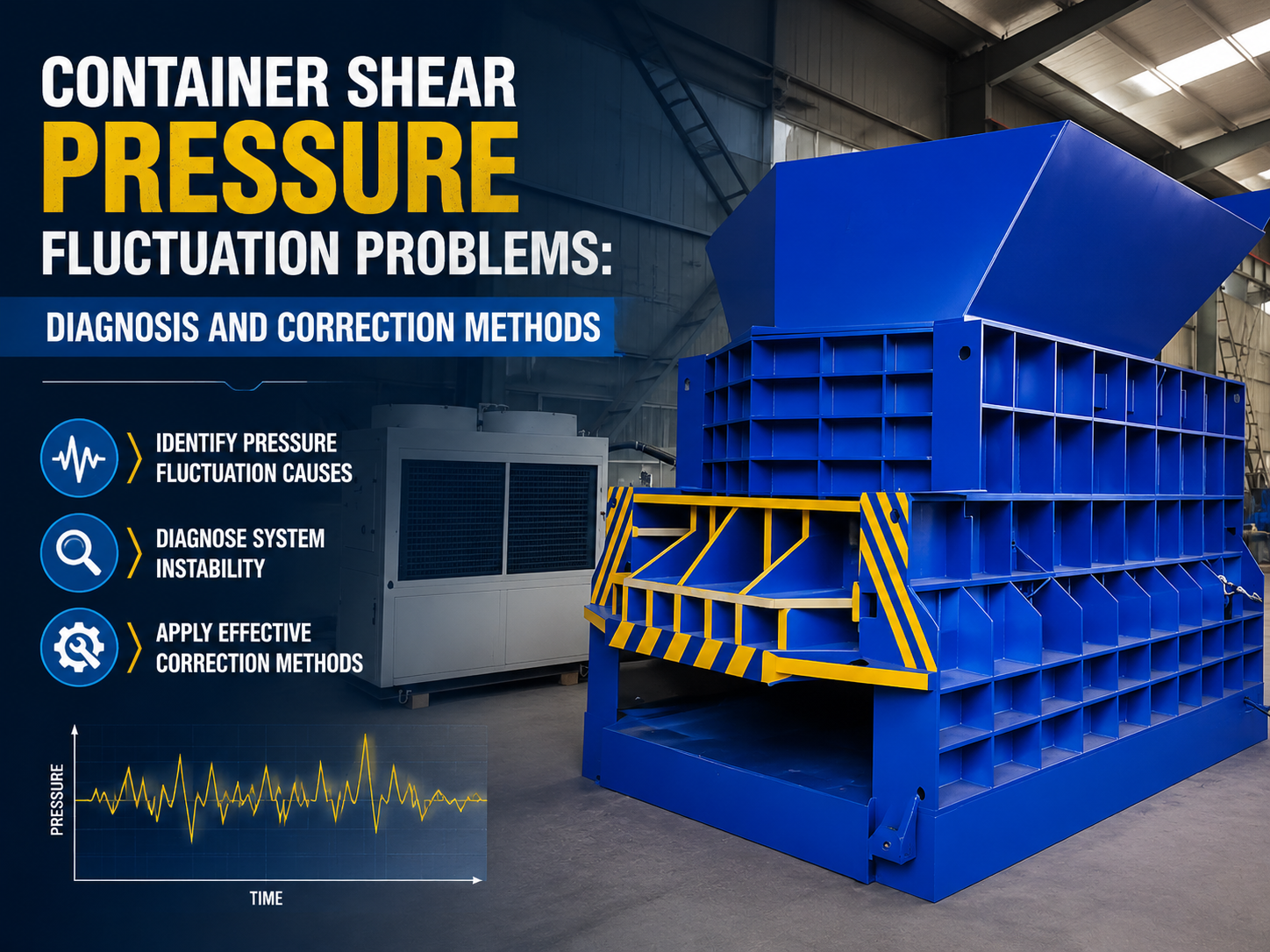
In the high-stakes environment of metal recycling and heavy-duty fabrication, the container shear stands as a cornerstone of operational efficiency. These machines are engineered to process massive volumes of scrap metal, relying on immense hydraulic force to cut through steel beams, pipes, and mixed scrap. However, operators frequently encounter Container Shear Pressure Fluctuation Problems: Diagnosis Correction Methods that can derail production schedules and compromise the structural integrity of the machine. When hydraulic pressure becomes inconsistent, the shear force drops, leading to incomplete cuts, machine stalling, and potential long-term damage to the hydraulic cylinders and valves.
Understanding the root causes of these fluctuations is essential for any facility manager or maintenance engineer. Pressure instability is rarely a single-point failure; it is often a symptom of a deeper issue within the hydraulic circuit, the electrical control system, or the mechanical alignment of the shear blades. By mastering the diagnostic process, maintenance teams can transition from reactive repairs to proactive optimization, ensuring that HARSLE container shears operate at peak performance levels throughout their service life.
This comprehensive guide explores the technical nuances of pressure regulation in industrial shears. We will examine how hydraulic fluid viscosity, pump health, and valve response times contribute to the overall stability of the system. Furthermore, we will provide actionable correction methods that can be implemented immediately to restore pressure consistency and prevent costly downtime in your metal fabrication facility.
Key Considerations for Hydraulic Pressure Integrity
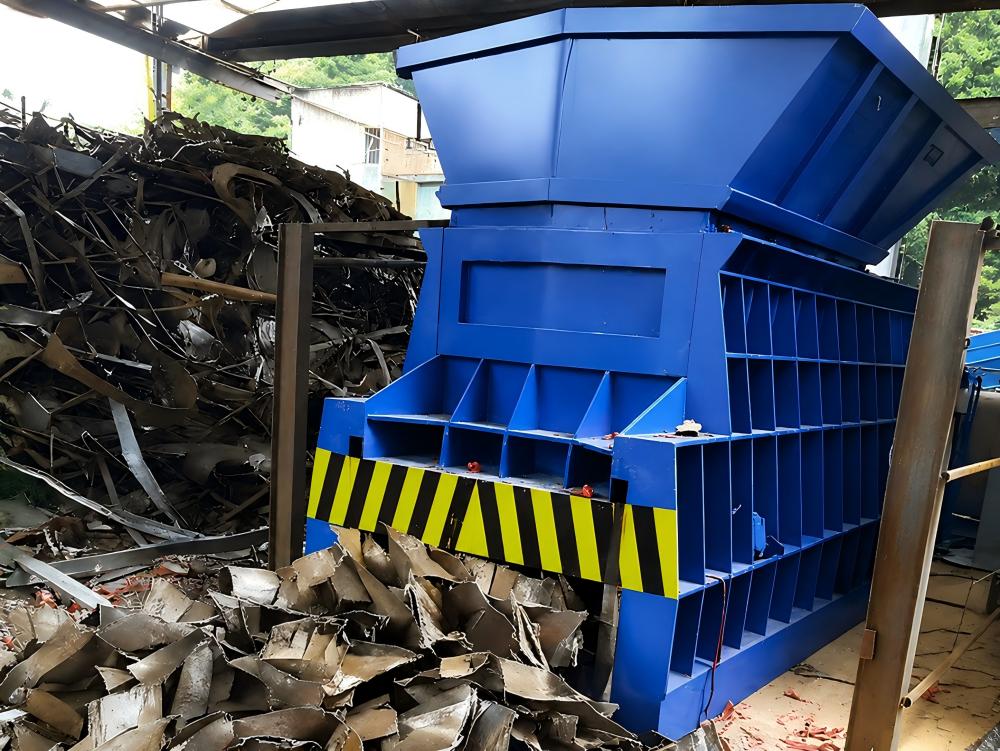
The hydraulic system is the heart of the container shear. To maintain consistent pressure, the system must be treated as a closed-loop environment where every component—from the reservoir to the cutting head—plays a critical role. One of the primary considerations is the condition of the hydraulic fluid. Contamination, whether from metallic debris, water ingress, or thermal degradation, can cause erratic behavior in pressure relief valves and proportional solenoids. Regular oil analysis is not just a recommendation; it is a necessity for preventing pressure spikes and drops.
Another key factor is the thermal management of the system. Hydraulic oil changes viscosity as it heats up during continuous operation. If the cooling system is undersized or malfunctioning, the oil may become too thin, leading to internal leakage within the pumps and cylinders. This internal bypass is a common culprit behind pressure fluctuations, as the pump struggles to maintain the required force against a leaking seal or a worn valve spool. Monitoring the operating temperature is a vital step in the diagnostic process.
Mechanical alignment also plays a surprising role in pressure stability. If the shear blades are dull or improperly gapped, the machine must exert significantly more force to complete a cut. This increased load can cause the hydraulic system to work harder than designed, leading to pressure surges as the relief valves attempt to compensate for the sudden resistance. Ensuring that the blade clearance is set according to the material thickness is a fundamental maintenance task that directly impacts hydraulic load and pressure consistency.
Finally, the electrical control system must be synchronized with the hydraulic output. Modern HARSLE container shears utilize sophisticated PLC (Programmable Logic Controller) systems to manage pressure stages. If the sensors providing feedback to the PLC are faulty or if the electrical connections are corroded, the system may receive erratic signals, causing the hydraulic valves to open and close prematurely. Regular calibration of pressure transducers and inspection of wiring harnesses are essential to ensure the “brain” of the machine is communicating correctly with the “muscle” of the hydraulics.
Technical Details: Diagnosing Pressure Fluctuations
When diagnosing Container Shear Pressure Fluctuation Problems: Diagnosis Correction Methods, a systematic approach is required. The first step is to isolate the fluctuation. Is the pressure dropping during the initial approach, the cutting stroke, or the return stroke? By identifying the specific phase of the cycle where the pressure becomes unstable, technicians can narrow down the potential failure points. For instance, a drop during the cutting stroke often points to a pump efficiency issue or a leaking cylinder seal, whereas a drop during the approach might indicate a faulty pilot valve.
Pressure testing should be conducted using calibrated gauges at multiple points in the circuit. By comparing the pressure at the pump outlet versus the pressure at the main cylinder, you can determine if the loss is occurring in the lines, the manifold, or the actuator itself. If the pump outlet pressure is steady but the cylinder pressure is fluctuating, the issue is likely downstream, possibly involving a malfunctioning check valve or a blocked pilot line. If the pump outlet pressure is fluctuating, the issue is upstream, pointing toward the pump, the suction filter, or the main relief valve.
Another technical aspect to consider is the condition of the hydraulic accumulators. Accumulators are designed to dampen pressure spikes and provide a reserve of energy for the cutting stroke. If the nitrogen pre-charge in the accumulator is incorrect or if the bladder is ruptured, the system loses its ability to smooth out pressure ripples. This results in the characteristic “bouncing” of the pressure gauge needle during operation. Checking the pre-charge pressure against the manufacturer’s specifications is a quick and effective diagnostic step.
Furthermore, the condition of the proportional valves must be evaluated. These valves are responsible for modulating the flow and pressure based on the PLC’s commands. Over time, the internal spools can become sticky due to varnish buildup or wear, leading to sluggish response times. This lag causes the system to over-correct, resulting in pressure oscillations. Cleaning or replacing these valves, and ensuring the electrical signals are clean and free of noise, is often the key to resolving persistent pressure instability.
Correction Methods and Maintenance Strategies
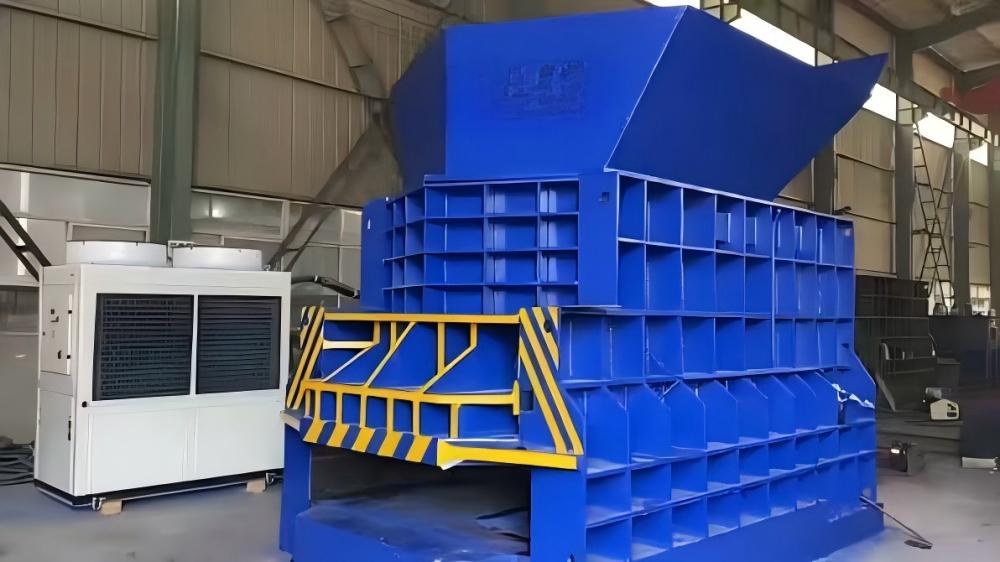
Once the source of the fluctuation is identified, the correction method must be applied with precision. If the issue is fluid-related, a complete flush of the hydraulic system, followed by the installation of high-quality filters, is the first order of business. Replacing the oil with the correct viscosity grade for your climate and operating environment will immediately improve the responsiveness of the hydraulic components. Do not overlook the suction strainers, as a clogged strainer will starve the pump, causing cavitation and erratic pressure output.
For mechanical issues, such as worn seals or damaged cylinders, component replacement is the only viable path. Attempting to “patch” a leaking cylinder seal will only lead to further pressure drops and potential catastrophic failure of the cylinder barrel. When replacing seals, ensure that the mating surfaces are polished and free of scoring. Similarly, if the shear blades are the cause of the load-induced pressure spikes, sharpening or replacing the blades will reduce the stress on the entire hydraulic system, effectively stabilizing the pressure.
To prevent future occurrences, implement a rigorous preventive maintenance schedule. This should include weekly checks of hydraulic fluid levels, monthly inspections of pressure transducers, and quarterly testing of the nitrogen pre-charge in the accumulators. Keeping a detailed log of pressure readings during normal operation allows maintenance teams to spot trends—such as a gradual decline in pressure over time—before they become critical issues that halt production.
Training is also a critical component of the correction strategy. Operators should be trained to recognize the signs of pressure fluctuation, such as unusual machine vibration, slower cycle times, or audible changes in the pump’s pitch. By empowering operators to report these issues early, the maintenance team can perform minor adjustments, such as tightening a loose fitting or recalibrating a sensor, before the problem escalates into a major repair. HARSLE provides comprehensive documentation and support to assist in these maintenance efforts.
Selection Advice for Reliable Container Shears
When investing in new metal fabrication equipment, the design of the hydraulic system should be a primary consideration. Look for machines that feature redundant pressure monitoring and high-quality, industrial-grade hydraulic components. A well-designed container shear will have accessible manifolds, clear labeling of hydraulic lines, and integrated diagnostic ports that make troubleshooting straightforward. HARSLE equipment is designed with these considerations in mind, prioritizing ease of maintenance and long-term reliability.
Consider the capacity of the hydraulic reservoir and the efficiency of the cooling system. A larger reservoir helps maintain a more stable oil temperature, which in turn keeps the viscosity consistent and reduces pressure fluctuations. Additionally, look for machines that utilize variable displacement pumps, which can adjust their output based on the actual load requirements, rather than fixed-displacement pumps that may cause unnecessary pressure surges when the demand is low.
Evaluate the quality of the PLC and the control interface. A modern control system that provides real-time feedback on hydraulic pressure, oil temperature, and cycle times is invaluable. This data not only helps in day-to-day operation but also provides a historical record that can be used to diagnose intermittent problems. Choosing a machine with advanced diagnostic capabilities will save thousands of dollars in downtime over the life of the shear.
Finally, consider the manufacturer’s support and the availability of spare parts. A container shear is a significant investment, and you need a partner who can provide technical guidance when problems arise. HARSLE offers extensive after-sales support, including remote diagnostics and a readily available inventory of critical hydraulic components, ensuring that your facility remains operational even when challenges occur.
FAQ: Troubleshooting Container Shear Pressure
- Q: Why does my container shear pressure drop only during the cut?
A: This is typically due to the hydraulic pump failing to meet the peak demand or an issue with the relief valve setting. It could also indicate that the shear blades are dull, causing excessive resistance. - Q: How often should I check the nitrogen pressure in my accumulators?
A: We recommend checking the nitrogen pre-charge every 3 to 6 months, depending on the intensity of the machine’s usage. - Q: Can dirty hydraulic oil cause pressure fluctuations?
A: Yes, contamination can cause valves to stick or sensors to provide inaccurate data, both of which lead to unstable pressure. - Q: What is the most common cause of pressure spikes?
A: Pressure spikes are often caused by air in the hydraulic system or a malfunctioning relief valve that is slow to react to sudden changes in load. - Q: How do I know if my hydraulic pump is failing?
A: Signs include increased noise (cavitation), higher operating temperatures, slower cycle times, and an inability to reach the rated system pressure.
Conclusion
Addressing Container Shear Pressure Fluctuation Problems: Diagnosis Correction Methods is a vital aspect of maintaining a productive metal fabrication facility. By understanding the interplay between hydraulic fluid, mechanical components, and electronic controls, operators and maintenance teams can ensure that their HARSLE container shears continue to deliver the high-performance results required for modern recycling and fabrication tasks. Whether through routine maintenance, precise component calibration, or informed equipment selection, the goal remains the same: stability, efficiency, and longevity.
Remember that the health of your hydraulic system is a direct reflection of your maintenance culture. By prioritizing cleanliness, regular inspections, and proactive repairs, you can avoid the common pitfalls that lead to pressure instability. If you encounter persistent issues, do not hesitate to consult with HARSLE technical support to leverage their expertise in industrial machinery. With the right approach, your container shear will remain a reliable and powerful asset in your production line for years to come.