Why Container Shear Cuts Are Inconsistent and How to Restore Accuracy

Introduction
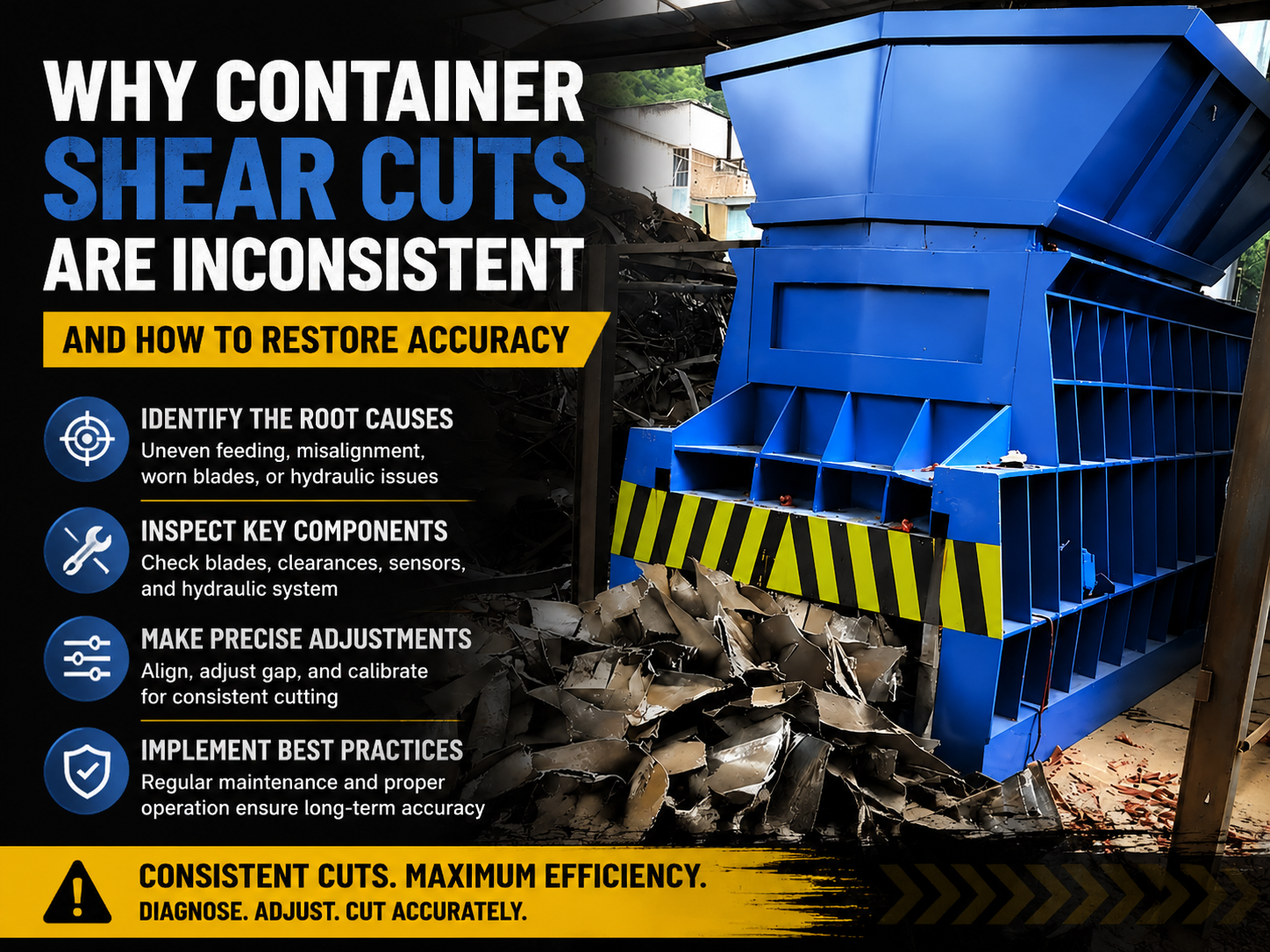
In the high-stakes world of metal recycling and heavy-duty scrap processing, the container shear is the backbone of operational efficiency. When your equipment functions at peak performance, it transforms bulky scrap into manageable, high-density material with surgical precision. However, operators often face a frustrating reality: container shear cuts are inconsistent, leading to production bottlenecks, increased wear on components, and potential safety hazards. Understanding why these inconsistencies occur is the first step toward restoring the precision your facility demands.
At HARSLE, we recognize that downtime is not just an inconvenience—it is a direct hit to your bottom line. Whether you are processing structural steel, pipe, or mixed scrap, the quality of the cut determines the value of your output. When the shear begins to produce jagged edges, incomplete cuts, or uneven lengths, it is a clear signal that the mechanical equilibrium of the machine has been compromised. This guide explores the root causes of these issues and provides actionable strategies to restore accuracy to your container shear operations.
Achieving consistent results requires a deep dive into the mechanical, hydraulic, and structural health of your machine. From blade clearance to hydraulic pressure stability, every component plays a role in the shearing cycle. By systematically addressing these factors, you can move from reactive troubleshooting to proactive maintenance, ensuring that your HARSLE equipment continues to deliver the high-performance results expected in modern industrial environments.
Key Considerations for Shear Performance
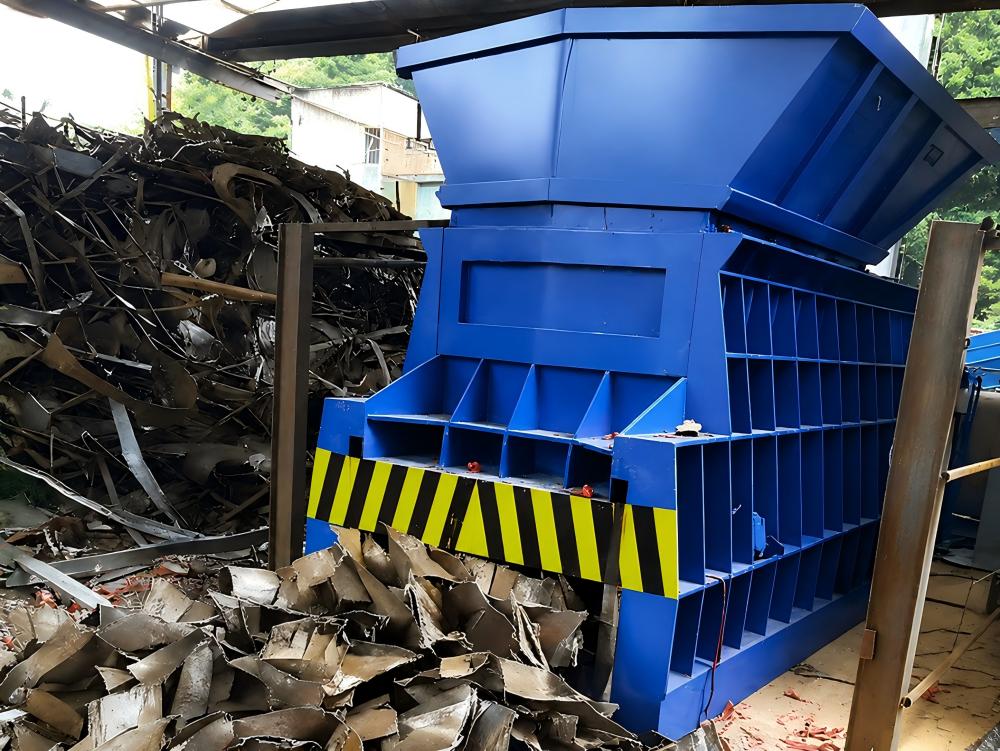
The primary reason why container shear cuts are inconsistent and how to restore accuracy begins with understanding the relationship between the blade and the material. The shearing process is essentially a controlled fracture. If the gap between the upper and lower blades is not perfectly calibrated, the material will bend rather than shear, resulting in burrs, deformation, and excessive stress on the hydraulic cylinders. This is the most common culprit for inconsistent performance in heavy-duty shears.
Another critical consideration is the material composition and feed consistency. If the scrap being fed into the container shear varies wildly in thickness or hardness, the machine’s internal sensors and hydraulic systems must compensate rapidly. If the feed mechanism is not synchronized with the shearing stroke, the material may shift during the cut, leading to angled or incomplete separations. Ensuring a uniform feed rate is essential for maintaining the structural integrity of the cut across every cycle.
Environmental factors also play a significant role. In many scrap yards, shears are exposed to extreme temperatures, dust, and debris. Over time, these elements can infiltrate the lubrication points and hydraulic seals, leading to sluggish performance or erratic pressure delivery. A machine that is not properly cleaned and lubricated will inevitably struggle to maintain the tight tolerances required for high-quality shearing, making regular maintenance a non-negotiable aspect of operational success.
Finally, operator training cannot be overlooked. Even the most advanced HARSLE container shear requires a skilled hand to manage the input material effectively. Operators who understand the limitations of the machine and the importance of proper material placement can significantly reduce the frequency of inconsistent cuts. By fostering a culture of precision and awareness, you can extend the lifespan of your blades and ensure that every cut meets the required industrial standards.
Technical Details: Diagnosing Inconsistency
To restore accuracy, you must first diagnose the specific mechanical failure points. The most frequent technical issue is blade clearance. If the clearance is too wide, the material is pulled into the gap, causing a ‘ragged’ cut. If it is too narrow, the blades may collide, leading to catastrophic chipping or cracking. Checking the clearance with feeler gauges at multiple points along the blade length is a mandatory step in any diagnostic procedure.
Hydraulic pressure stability is the second major technical factor. Container shears rely on massive hydraulic force to drive the blades through thick steel. If the hydraulic pump is failing or if there is air trapped in the lines, the pressure will fluctuate during the cut. This fluctuation causes the blade speed to vary, which directly impacts the quality of the shear. Monitoring pressure gauges during a test cycle can reveal if the hydraulic system is delivering the consistent force required for a clean cut.
The structural alignment of the shear housing is equally important. Over years of heavy use, the frame of the shear can experience micro-deformations. If the housing is not perfectly level or if the guide rails have worn down, the blade will not travel in a perfectly vertical plane. This misalignment causes the blade to ‘drift’ during the stroke, resulting in inconsistent cuts that worsen as the blade moves deeper into the material. Checking the guide rail wear and the frame alignment is essential for long-term accuracy.
Electrical and sensor calibration rounds out the technical diagnostic process. Modern shears use proximity sensors and limit switches to control the stroke length and timing. If these sensors are covered in metal dust or have drifted out of calibration, the machine may initiate the return stroke too early or fail to reach full depth. Regularly cleaning sensors and verifying their signal output through the PLC interface is a simple yet highly effective way to restore the precision of your container shear.
Selection Advice for Long-Term Accuracy
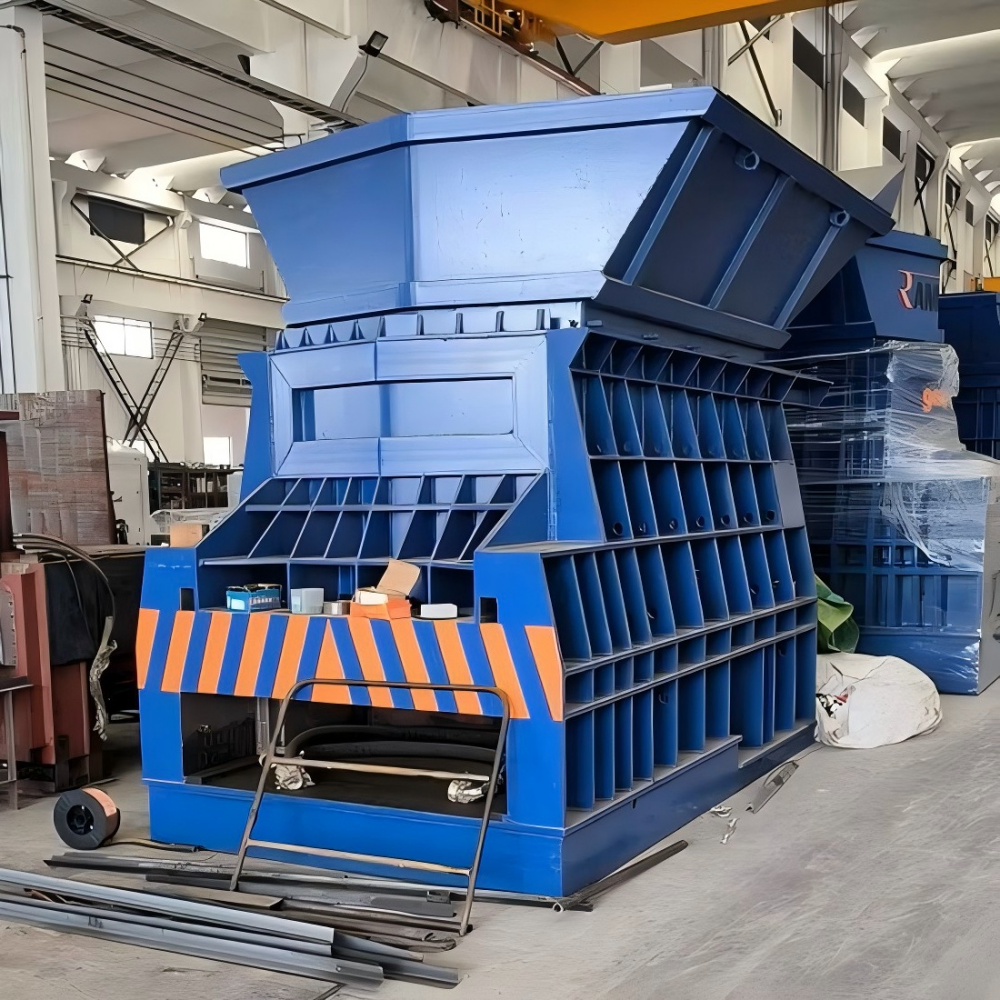
When selecting a container shear, the initial investment should be viewed through the lens of long-term accuracy. Not all shears are built to the same tolerance standards. When evaluating equipment, look for machines that feature heavy-duty, reinforced frames and high-quality alloy steel blades. A machine that is over-engineered for your typical scrap volume will naturally experience less wear and tear, leading to more consistent performance over its lifespan.
Consider the automation capabilities of the shear. Modern HARSLE shears often come equipped with advanced PLC systems that allow for precise control over the shearing cycle. These systems can automatically adjust for material thickness and provide real-time feedback on hydraulic health. Investing in a machine with robust diagnostic software can save thousands of dollars in troubleshooting time and help you maintain accuracy without needing to manually adjust the machine constantly.
Evaluate the ease of maintenance. A shear that requires a full teardown to adjust the blade clearance is a machine that will likely be neglected. Look for designs that offer quick-change blade systems and accessible lubrication points. The easier it is to perform routine maintenance, the more likely your team will adhere to the schedule, which is the single most effective way to prevent the inconsistencies that plague poorly maintained equipment.
Finally, partner with a manufacturer that provides comprehensive support. Accuracy is not just about the hardware; it is about the knowledge required to keep that hardware running. HARSLE provides extensive documentation, training, and technical support to ensure that your team knows exactly how to calibrate and maintain your shear. Choosing a partner who stands behind their equipment ensures that when you do encounter an issue, you have the resources to restore accuracy quickly and effectively.
FAQ: Restoring Shear Accuracy
- How often should I check my shear blade clearance? We recommend checking clearance every 50-100 operating hours, or whenever you notice a change in the quality of the cut.
- Can I sharpen my own shear blades? While some facilities have the equipment to sharpen blades, it is often better to have them professionally ground to ensure the correct bevel angle and surface finish.
- What is the most common cause of jagged cuts? Usually, it is a combination of excessive blade clearance and dull blade edges.
- How does hydraulic oil temperature affect cut quality? If the oil is too hot, its viscosity drops, which can lead to pressure drops and inconsistent blade speed. Ensure your cooling system is functioning correctly.
- Are there specific materials that cause more wear? Yes, high-carbon steel and hardened alloys will dull blades significantly faster than mild steel. Adjust your maintenance schedule accordingly.
Conclusion
Restoring accuracy to your container shear is a process of returning the machine to its original mechanical specifications. By addressing the blade clearance, hydraulic stability, structural alignment, and sensor calibration, you can eliminate the inconsistencies that hinder your production. Remember that the question of why container shear cuts are inconsistent and how to restore accuracy is not just a technical challenge; it is a commitment to operational excellence.
At HARSLE, we are dedicated to providing the tools and knowledge necessary for your success in the metal fabrication industry. By following the guidelines outlined in this article, you can ensure that your equipment remains a reliable asset, producing clean, accurate cuts day after day. Do not let minor inconsistencies turn into major downtime—take a proactive approach to maintenance and enjoy the benefits of a high-performance, precision-driven scrap processing operation.