Container Shear Maintenance Troubleshooting Guide for Better Uptime

Introduction to Container Shear Efficiency
In the high-stakes world of scrap metal processing and heavy-duty metal fabrication, the container shear stands as a cornerstone of productivity. As a critical piece of industrial machinery, its ability to process bulky, irregular scrap into manageable sizes is vital for downstream operations. However, the sheer force and repetitive nature of shearing operations place immense stress on hydraulic systems, structural components, and cutting blades. Achieving optimal performance requires a proactive approach to equipment care, which is why this Container Shear Maintenance Troubleshooting Guide for Better Uptime is essential for facility managers and maintenance teams.
HARSLE understands that downtime is not just an inconvenience; it is a direct hit to your bottom line. When a container shear stops, the entire production line often grinds to a halt, leading to missed deadlines and increased operational costs. By implementing a rigorous maintenance schedule and mastering common troubleshooting techniques, you can significantly extend the lifespan of your equipment and ensure consistent throughput. This guide explores the technical nuances of keeping your shear in peak condition, focusing on preventative strategies that turn reactive repairs into planned maintenance events.
The goal of this guide is to provide actionable insights that bridge the gap between basic operation and expert-level maintenance. We will delve into the mechanical, hydraulic, and electrical systems that define the modern container shear. Whether you are operating a horizontal scrap metal shear or a specialized container-fed unit, the principles of maintenance remain consistent: precision, cleanliness, and timely intervention. By following these guidelines, you can ensure that your HARSLE machinery continues to deliver the high-force performance required for your most demanding metal fabrication tasks.

Key Considerations for Container Shear Maintenance
The foundation of any successful maintenance program is consistency. Container shears operate in harsh environments, often exposed to dust, debris, and extreme temperature fluctuations. To maintain better uptime, operators must establish a daily, weekly, and monthly inspection routine. Daily checks should focus on fluid levels, visual inspections of the cutting blades, and ensuring that all safety interlocks are functioning correctly. Ignoring these small, daily tasks often leads to catastrophic failures that require expensive, long-term repairs.
Lubrication is perhaps the most critical aspect of container shear maintenance. The massive forces involved in shearing metal generate significant friction, which, if not properly managed, leads to rapid wear of guide rails, cylinders, and pivot points. Using the manufacturer-recommended lubricants is non-negotiable. Ensure that your lubrication system is purged of contaminants regularly, as even microscopic metal shavings can act as an abrasive, grinding down internal components over time. A well-lubricated machine is a quiet, efficient machine.
Environmental management plays a larger role in equipment longevity than many operators realize. Because container shears are often used for processing scrap, the accumulation of dust and small metal particles is inevitable. These particles can infiltrate hydraulic seals and electrical cabinets, causing short circuits or fluid leaks. Maintaining a clean workspace around the shear and ensuring that all protective covers and bellows are intact will prevent debris from entering sensitive areas. A clean machine is easier to inspect, allowing for the early detection of leaks or structural cracks.
Operator training is another pillar of maintenance. An operator who understands the machine’s limits and listens for changes in sound or vibration is the first line of defense against breakdown. Training should cover not only the operation of the shear but also the basics of daily maintenance and the identification of warning signs. When operators feel ownership over the equipment, they are more likely to report issues before they escalate. Encourage a culture of transparency where reporting a minor issue is rewarded, rather than penalized.
Technical Details: Troubleshooting Common Issues
When a container shear experiences a drop in performance, the problem usually stems from one of three areas: hydraulic pressure, blade alignment, or electrical control logic. Troubleshooting hydraulic issues requires a systematic approach. If the shear is struggling to cut through material it previously handled with ease, the first step is to check the hydraulic pressure settings. A drop in pressure often indicates a failing pump, a stuck relief valve, or a significant internal leak. Use a calibrated pressure gauge to verify that the system is operating within the manufacturer’s specified range.
Blade maintenance is the second most common area for troubleshooting. Dull or improperly gapped blades are the primary cause of increased power consumption and structural stress. If the shear is tearing rather than cutting, or if the material is getting jammed in the throat, it is time to inspect the blade clearance. The gap between the upper and lower blades must be precisely set according to the material thickness and type. Over time, the blades will wear, and the gap will widen; failing to adjust this gap leads to excessive force being applied to the machine frame, which can cause permanent structural damage.
Electrical and control system issues can be more elusive. Modern container shears rely on sensors and PLCs to manage the shearing cycle. If the machine fails to cycle or stops mid-stroke, check the proximity sensors and limit switches. These components are frequently exposed to vibration and debris, which can cause them to shift or fail. A simple misalignment of a sensor can prevent the PLC from receiving the signal to continue the cycle, effectively locking the machine. Always consult the electrical schematic provided with your HARSLE equipment to trace the signal path when troubleshooting logic errors.
Hydraulic fluid contamination is a silent killer of high-pressure systems. If you notice the machine running hotter than usual, or if the hydraulic cylinders are exhibiting jerky movement, it is likely that the fluid has degraded or become contaminated. Perform regular oil analysis to check for moisture, particulate matter, and viscosity changes. Replacing hydraulic filters on a strict schedule is far cheaper than replacing a hydraulic pump or a set of cylinders. Keep a log of all fluid changes and filter replacements to track the health of the system over time.
Selection Advice for Long-Term Reliability
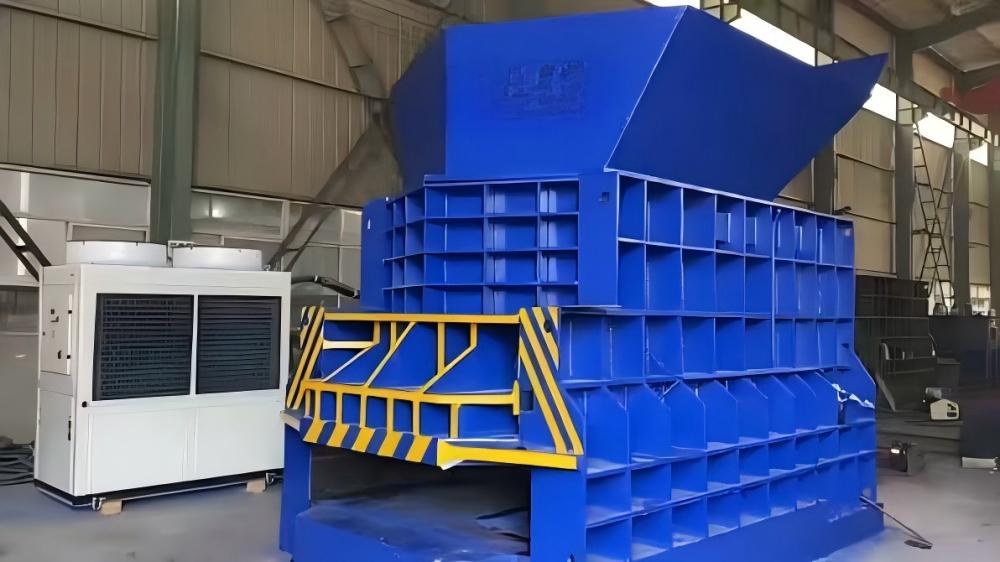
Choosing the right container shear is the first step toward better uptime. When evaluating equipment, look beyond the initial purchase price and consider the total cost of ownership. A machine that is built with high-quality, readily available components will always be easier to maintain than one that relies on proprietary, hard-to-source parts. HARSLE designs its shears with modularity in mind, ensuring that critical components can be accessed and replaced with minimal downtime.
Consider the structural integrity of the shear frame. A machine that flexes under load will eventually develop cracks and misalignment issues. Look for heavy-duty, stress-relieved steel construction. The weight of the machine is often a good indicator of its durability. Furthermore, evaluate the hydraulic system design. Does it feature high-quality seals and robust cylinders? Are the hydraulic lines routed in a way that protects them from falling scrap? These design choices significantly impact the frequency of maintenance interventions.
Another factor to consider is the availability of technical support and spare parts. When a machine goes down, you need a partner who can provide guidance and parts quickly. HARSLE provides comprehensive support, including detailed manuals, remote troubleshooting assistance, and a robust inventory of spare parts. Before purchasing, ask about the lead times for critical components like blades, seals, and hydraulic valves. A manufacturer that prioritizes after-sales support is an investment in your future productivity.
Finally, think about the future-proofing of your equipment. Does the shear have the capacity to handle the types of scrap you expect to process in the next five to ten years? Buying a machine that is constantly pushed to its maximum capacity will lead to premature wear and frequent breakdowns. It is often better to invest in a slightly larger or more robust machine than you currently need, as this provides a buffer that reduces stress on the components and allows for more efficient operation over the long term.
Frequently Asked Questions (FAQ)
- How often should I sharpen the blades on my container shear?
Blade sharpening frequency depends on the volume and type of material processed. As a general rule, inspect the blades weekly. If you notice burrs on the cut edges or an increase in the force required to shear, it is time to sharpen or rotate the blades. - What are the signs of hydraulic fluid degradation?
Signs include a change in fluid color (darker), a burnt smell, increased operating temperatures, and sluggish or erratic cylinder movement. Regular oil analysis is the best way to monitor fluid health. - Why is my shear stalling during the cutting cycle?
Stalling is often caused by insufficient hydraulic pressure, dull blades, or an overload of material. Check your pressure settings first, then inspect the blades for wear and ensure the material is not exceeding the machine’s rated capacity. - How can I prevent electrical failures in my shear?
Keep electrical cabinets sealed and clean. Regularly check for loose connections caused by machine vibration and ensure that all sensors and limit switches are free of debris and properly aligned. - Is it necessary to use original manufacturer spare parts?
Yes, using OEM parts ensures compatibility and maintains the performance standards of your HARSLE machine. Generic parts may not meet the material specifications required for high-force shearing, leading to premature failure.
Conclusion
Maintaining a container shear is a continuous process that requires attention to detail, a commitment to cleanliness, and a proactive mindset. By following the guidelines outlined in this Container Shear Maintenance Troubleshooting Guide for Better Uptime, you can transform your maintenance strategy from a reactive burden into a competitive advantage. Remember that every hour spent on preventative maintenance is an investment that saves multiple hours of unplanned downtime in the future.
At HARSLE, we are dedicated to providing the metal fabrication industry with equipment that stands the test of time. Our container shears are engineered for durability, but their ultimate performance depends on the care they receive in your facility. By prioritizing lubrication, blade maintenance, hydraulic system health, and operator training, you ensure that your machinery remains a reliable workhorse for years to come. If you encounter issues that go beyond standard troubleshooting, do not hesitate to reach out to our technical support team for expert guidance.
Ultimately, the goal of better uptime is to create a more profitable and efficient operation. When your equipment runs smoothly, your team can focus on production, quality, and growth rather than constant repairs. Use this guide as a reference, train your staff, and keep your HARSLE container shear in peak condition. With the right approach to maintenance, your investment will continue to deliver exceptional results, helping you stay ahead in the demanding world of metal fabrication.