How to Fix Container Shear Blade Holder Looseness and Related Cutting Failures: A Comprehensive Maintenance Guide

Introduction to Container Shear Maintenance
In the demanding world of metal recycling and heavy-duty fabrication, the container shear stands as a cornerstone of operational efficiency. These machines are engineered to process massive volumes of scrap metal, requiring immense force and precision. However, even the most robust industrial machinery is subject to the laws of physics and mechanical wear. One of the most critical issues operators face is the loosening of the blade holder, which can lead to catastrophic cutting failures if left unaddressed.
Understanding how to fix container shear blade holder looseness and related cutting failures is not just a matter of repair; it is a fundamental aspect of preventative maintenance. When the blade holder loses its structural integrity or alignment, the entire cutting cycle is compromised. This results in jagged edges, incomplete cuts, and, in severe cases, permanent damage to the shear head or the hydraulic system. At HARSLE, we emphasize that proactive maintenance is the key to extending the lifespan of your investment.
This guide serves as a comprehensive resource for maintenance technicians and plant managers. We will explore the mechanical nuances of blade holder assemblies, the symptoms of looseness, and the systematic approach required to restore your equipment to peak performance. By following these technical protocols, you can minimize downtime, reduce operational costs, and ensure the safety of your personnel.
Maintaining a container shear requires a blend of mechanical expertise and a deep understanding of the machine’s operational parameters. As we delve into the technical details, remember that safety is paramount. Always ensure that the machine is locked out and tagged out (LOTO) before performing any inspection or adjustment on the blade assembly. Let us begin by examining the key considerations that dictate the health of your shear.
Key Considerations for Shear Blade Integrity
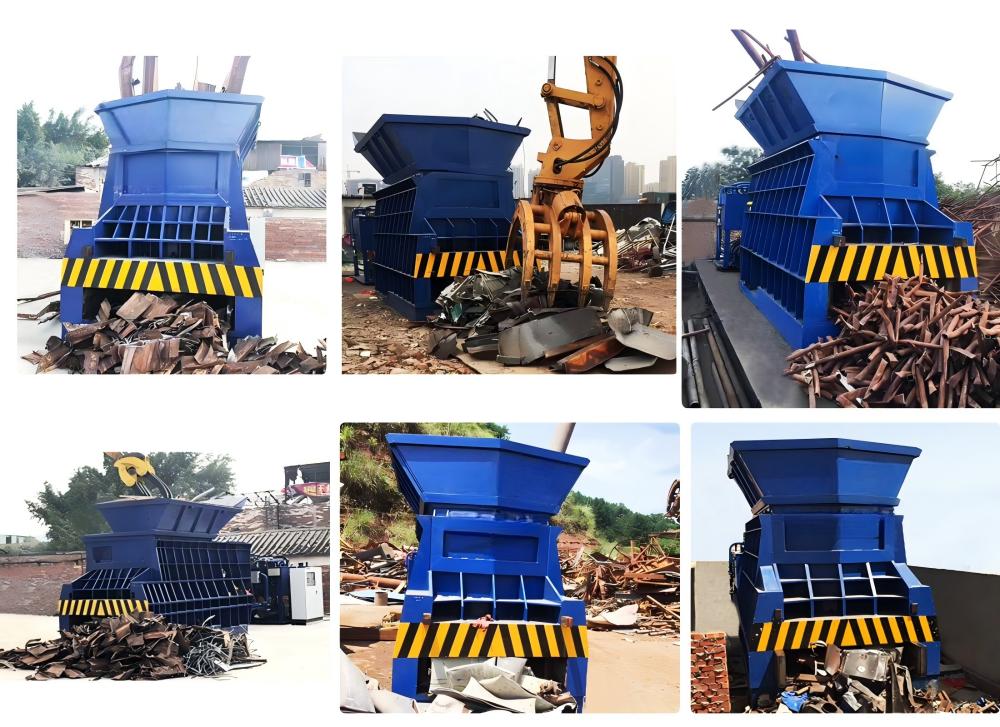
The blade holder is the interface between the massive hydraulic force of the shear and the material being processed. Because it is subjected to constant vibration, shock loading, and extreme pressure, the fasteners and guides that secure the holder are prone to loosening over time. The first consideration is the frequency of your maintenance schedule. High-throughput facilities should implement daily visual checks, while weekly torque verification of all mounting bolts is a standard industry best practice.
Another critical factor is the quality of the lubrication system. Friction is the enemy of precision. If the sliding surfaces of the blade holder are not properly lubricated, the resulting heat and friction can cause the metal to expand and contract unevenly, leading to micro-vibrations that eventually loosen the retaining hardware. Ensure that your automatic lubrication system is functioning correctly and that the grease used is rated for high-pressure, high-temperature industrial applications.
Material consistency also plays a significant role in blade holder stability. Attempting to shear materials that exceed the machine’s rated capacity—or processing hardened alloys that cause excessive “kickback”—will accelerate the degradation of the blade holder’s mounting points. Operators must be trained to recognize the sound and feel of a machine struggling with oversized material, as this is often the precursor to mechanical loosening.
Finally, consider the environmental conditions of your facility. Dust, metallic debris, and moisture can infiltrate the blade holder assembly, acting as an abrasive paste that wears down the guides and shims. Keeping the area around the shear head clean is not just about aesthetics; it is a vital step in preventing the ingress of contaminants that lead to mechanical failure. A clean machine is a reliable machine.
Technical Details: Diagnosing and Fixing Looseness
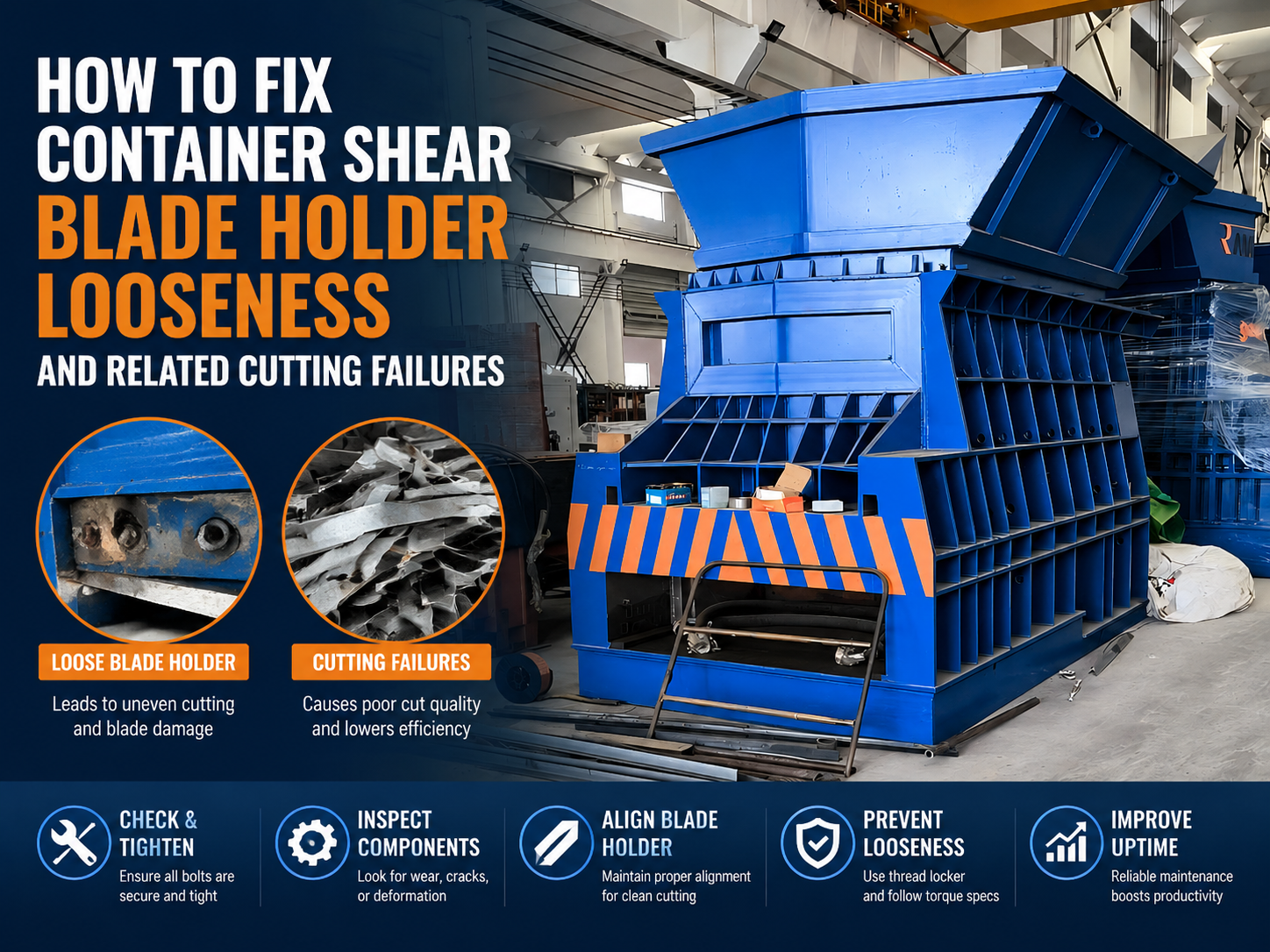
When you suspect that the blade holder is loose, the first step is a systematic diagnostic process. Begin by observing the cutting cycle under no-load conditions. If you notice any lateral movement or “chatter” in the blade holder as it descends, you have confirmed the presence of mechanical play. Use a dial indicator to measure the clearance between the blade holder and the guide rails. If the clearance exceeds the manufacturer’s specified tolerance, immediate adjustment is required.
To fix container shear blade holder looseness and related cutting failures, you must first address the fasteners. Over time, the high-tensile bolts securing the blade holder can stretch or lose their torque. Use a calibrated torque wrench to check every bolt against the HARSLE technical manual specifications. If a bolt shows signs of thread damage or excessive stretching, replace it immediately with an OEM-grade fastener. Never reuse bolts that have been subjected to extreme stress, as their metallurgical integrity is compromised.
If the bolts are tight but the looseness persists, the issue likely lies in the wear plates or shims. The guide system is designed to keep the blade holder in perfect alignment. Over time, these plates wear down, creating a gap. You will need to remove the blade holder, inspect the wear plates for scoring or uneven wear, and either shim them to restore the gap or replace them entirely. This is a precision task that requires careful measurement to ensure the blade remains perfectly parallel to the stationary shear blade.
Once the mechanical adjustments are made, verify the alignment of the blades. The clearance between the upper and lower blades is critical; if it is too wide, the material will fold rather than shear. If it is too tight, the blades will clash, leading to catastrophic edge chipping. Use feeler gauges to ensure the clearance is uniform across the entire length of the cut. This adjustment is the final step in resolving cutting failures related to blade holder instability.
Selection Advice for Replacement Components
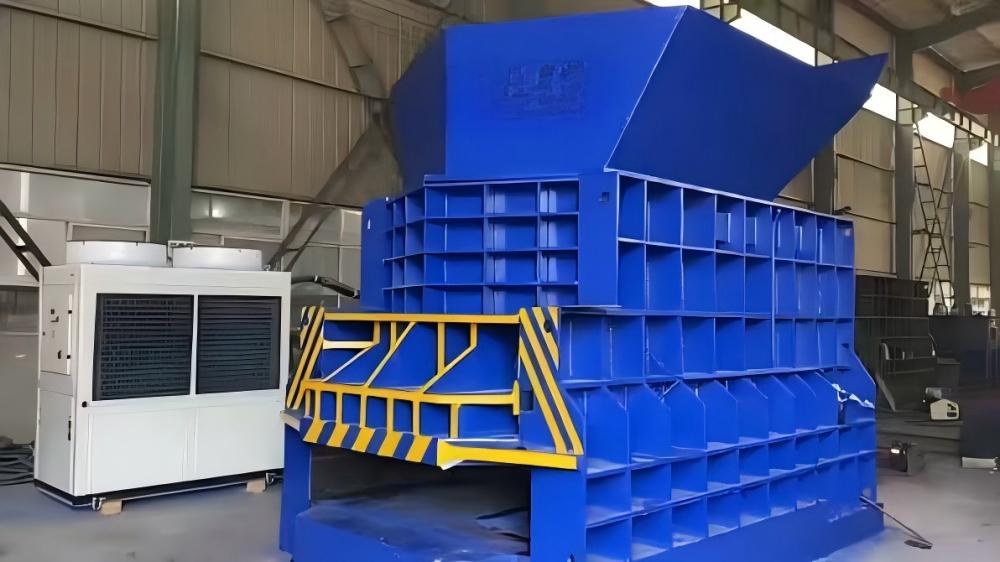
When the time comes to replace components, the temptation to source generic or aftermarket parts can be high, especially when trying to minimize immediate costs. However, for industrial machinery like a container shear, this is a false economy. HARSLE recommends using only OEM-certified parts. These components are manufactured from specific alloys designed to withstand the exact stress profiles of our equipment, ensuring that the metallurgy matches the rest of the assembly.
When selecting wear plates, look for materials that offer a balance between hardness and toughness. A plate that is too hard may be brittle and prone to cracking under shock, while one that is too soft will wear out prematurely. Our technical team can provide guidance on the specific grade of wear-resistant steel required for your model. Always keep a small inventory of critical spares—such as blade bolts, shims, and guide inserts—on-site to minimize downtime during unexpected failures.
Consider the upgrade path as well. If you find that your blade holder is loosening frequently, it may be an indication that your current process has outgrown the machine’s original configuration. In such cases, consulting with a HARSLE representative about reinforced blade holders or upgraded guide systems can provide a long-term solution that prevents recurring issues. Investing in the right hardware today prevents the need for constant, costly repairs tomorrow.
Lastly, document every replacement. Maintain a detailed maintenance log that tracks when parts were replaced, the torque values used, and the condition of the removed parts. This data is invaluable for identifying patterns. If a specific bolt location consistently loosens, it may indicate a deeper structural issue that requires a more comprehensive engineering solution rather than a simple tightening.
Frequently Asked Questions
- Q: How often should I check the blade holder bolts?
A: We recommend a visual inspection daily and a torque verification check at least once every 100 hours of operation, or more frequently if the machine is processing high-density scrap. - Q: Can I use standard hardware store bolts for the blade holder?
A: Absolutely not. Industrial shears require high-tensile, grade-certified bolts designed for extreme shear and vibration loads. Using standard hardware can lead to sudden, dangerous failure. - Q: What are the signs of improper blade clearance?
A: Signs include burrs on the cut material, the material “folding” or “tearing” instead of shearing, and audible “clanking” sounds during the cutting stroke. - Q: Is it necessary to replace the shims every time I adjust the blade holder?
A: Not necessarily, but you must inspect them for deformation. If the shims are crushed or uneven, they will prevent you from achieving a precise, uniform clearance. - Q: How do I know if the wear plates need replacement?
A: If you have adjusted the shims to their maximum limit and still have excessive play in the blade holder, the wear plates have reached the end of their service life and must be replaced.
Conclusion: Ensuring Long-Term Reliability
Fixing container shear blade holder looseness and related cutting failures is a fundamental skill for any operator or maintenance team working with heavy-duty metal fabrication equipment. By understanding the mechanical relationship between the blade holder, the guide system, and the cutting force, you can transform your maintenance approach from reactive to proactive. Remember that the stability of the blade holder is the foundation of a clean, efficient cut.
At HARSLE, we are committed to providing not just the machinery, but the knowledge required to keep your operations running smoothly. Regular inspections, the use of high-quality OEM components, and a disciplined approach to torque and alignment will ensure that your container shear remains a productive asset for years to come. Do not ignore the early warning signs of looseness; addressing them immediately is the most effective way to prevent costly downtime and ensure the safety of your facility.
As you continue to refine your maintenance protocols, keep this guide as a reference. Whether you are performing routine adjustments or troubleshooting a complex cutting failure, the principles of precision, cleanliness, and structural integrity remain the same. Thank you for choosing HARSLE for your metal fabrication needs, and we look forward to supporting your continued success in the industry.