How to Troubleshoot Container Shear Scrap Feeding Bottlenecks: A Comprehensive HARSLE Guide

Introduction to Container Shear Efficiency
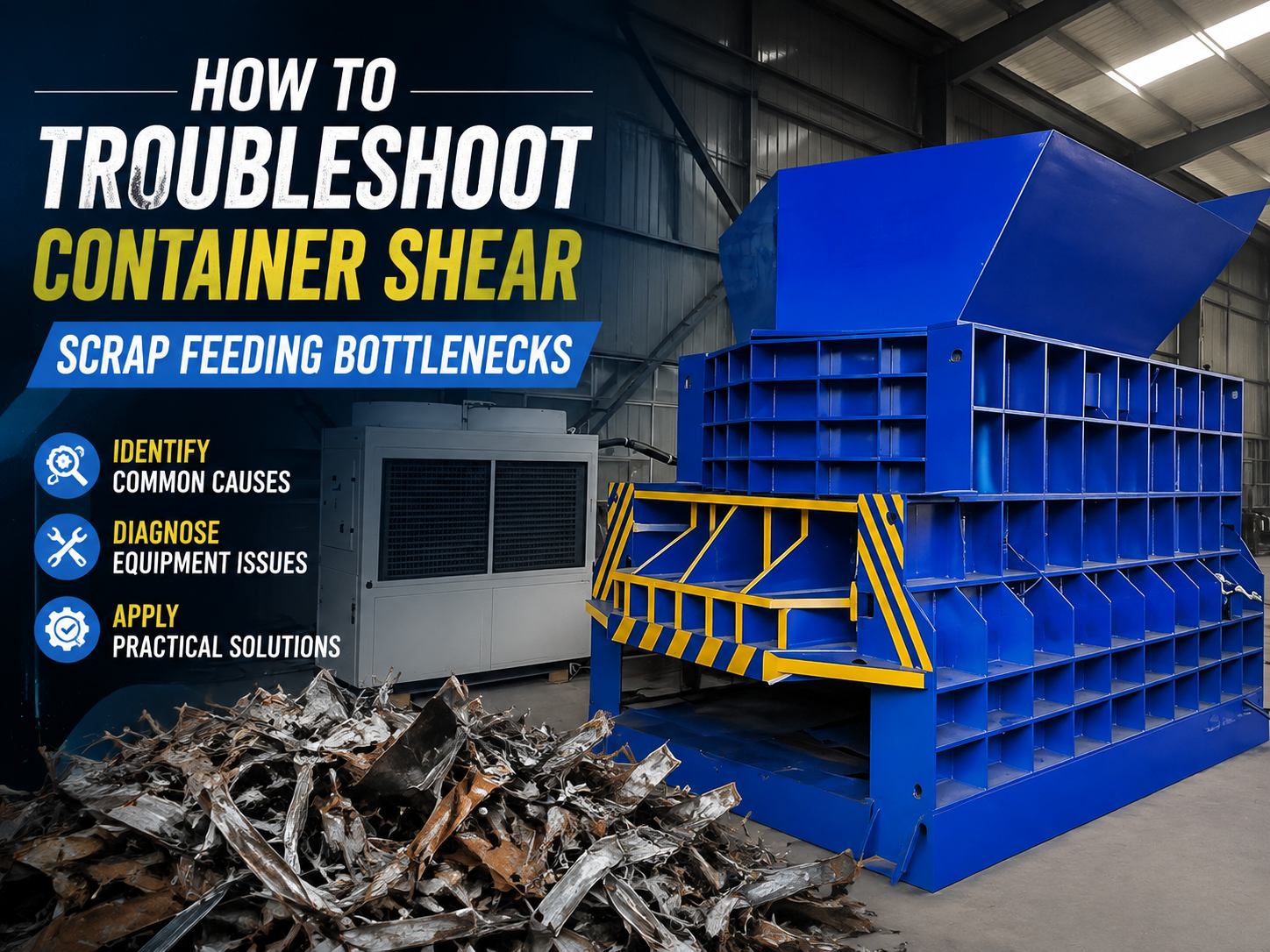
In the high-stakes world of metal recycling and fabrication, the container shear stands as a cornerstone of operational productivity. These heavy-duty machines are designed to process massive volumes of scrap metal, turning bulky waste into manageable, high-density commodities. However, even the most robust HARSLE container shear can encounter performance plateaus. When operators notice a decline in throughput, the culprit is frequently found in the feeding mechanism. Learning how to troubleshoot container shear scrap feeding bottlenecks is essential for maintaining a profitable facility and ensuring the longevity of your industrial machinery.
A bottleneck in the feeding process does more than just slow down production; it creates a ripple effect that impacts downstream operations, increases energy consumption per ton, and places unnecessary mechanical stress on the shear’s hydraulic and structural components. By understanding the root causes of these interruptions, maintenance teams can transition from reactive repairs to proactive optimization. This guide provides a deep dive into the technical aspects of scrap feeding, offering actionable strategies to restore peak performance to your HARSLE equipment.
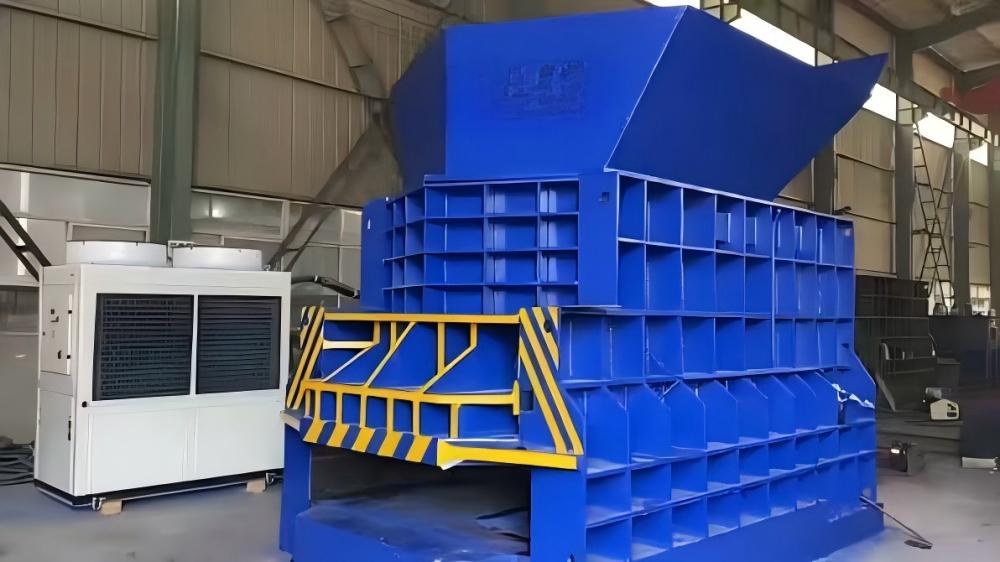
The complexity of scrap metal—ranging from light gauge sheet metal to heavy structural beams—means that the feeding system must be versatile and resilient. When the flow of material into the shear chamber becomes inconsistent, the entire cycle time increases. Identifying whether the issue stems from material geometry, hydraulic pressure, or mechanical wear is the first step in the troubleshooting process. In the following sections, we will explore the critical considerations and technical details required to keep your scrap feeding system running at maximum capacity.
Key Considerations for Scrap Feeding Performance
Before diving into mechanical repairs, it is vital to assess the operational environment. The most common cause of feeding bottlenecks is often related to the physical characteristics of the scrap being processed. If the material is too long, tangled, or excessively dense, it can bridge across the hopper, preventing gravity or mechanical pushers from moving it into the cutting zone. Operators must ensure that the pre-processing stage—such as sorting or initial sizing—is aligned with the shear’s intake capacity.
Another key consideration is the synchronization between the conveyor system and the shear’s internal pusher. If the conveyor feeds material faster than the shear can process it, or conversely, if the pusher cycle is not timed correctly with the conveyor speed, the material will pile up at the mouth of the shear. This accumulation creates a physical barrier that prevents new material from entering, effectively stalling the process. HARSLE systems are designed with sophisticated control interfaces that allow for precise timing adjustments, which should be the first point of inspection when throughput drops.
Environmental factors also play a significant role in feeding efficiency. In colder climates, hydraulic oil viscosity can change, leading to sluggish movement in the feeding rams. Furthermore, the accumulation of debris, dust, and small metal shards around the feeding tracks can cause friction that slows down the pusher mechanism. Regular cleaning schedules and the use of appropriate lubricants are not just maintenance tasks; they are fundamental operational requirements for preventing bottlenecks in high-volume scrap processing environments.
Finally, consider the human element. Operator training is paramount. An experienced operator can often identify the early signs of a bottleneck—such as unusual motor sounds or subtle changes in cycle times—before a complete stoppage occurs. By fostering a culture of proactive monitoring, facilities can mitigate the risks associated with feeding bottlenecks. Ensuring that your team understands the specific load limits and material handling protocols for your HARSLE container shear is a critical step in long-term operational success.
Technical Details: Diagnosing the Feeding Mechanism
When you need to troubleshoot container shear scrap feeding bottlenecks, you must look at the hydraulic pressure and flow rates. The feeding ram is typically powered by a high-pressure hydraulic cylinder. If the system pressure is dropping during the stroke, it indicates either a leak in the hydraulic circuit, a failing pump, or a bypass valve that is not seating correctly. Using a pressure gauge to monitor the system during a full cycle will reveal if the force being applied to the scrap is sufficient to overcome the resistance of the material pile.
The condition of the shear blades and the clearance between them also impacts the feeding process. If the blades are dull, the shear requires more force to cut through the material, which can cause the material to ‘hang’ in the cutting zone. This hanging material acts as a plug, preventing the feeding ram from pushing the next batch of scrap forward. Regularly inspecting the blade gap and ensuring that the blades are sharpened according to HARSLE specifications is a technical necessity. A clean cut allows for a smooth, continuous flow of material, which is the antithesis of a bottleneck.
Electrical sensors and limit switches are the “eyes” of the feeding system. If a sensor is misaligned or covered in metal dust, the PLC (Programmable Logic Controller) may not receive the signal that the previous cycle is complete, causing the machine to pause unnecessarily. Troubleshooting these components involves checking the signal continuity and ensuring that the physical mounting of the sensors remains rigid despite the vibrations inherent in scrap shearing. A faulty sensor can create a “ghost” bottleneck where the machine is mechanically capable of moving but is held back by a logic error.
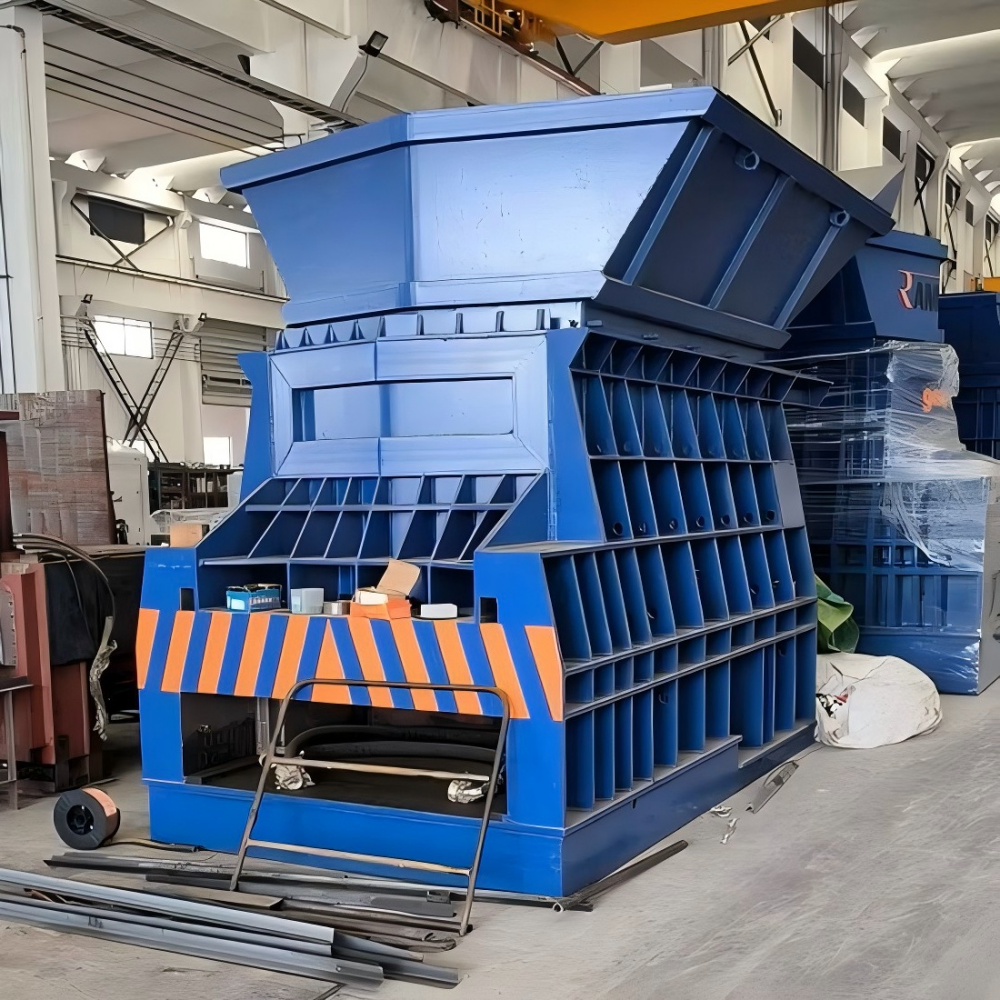
Structural integrity of the feeding chamber is another technical area to investigate. Over time, the internal liners of the shear chamber can wear down, creating grooves or uneven surfaces that catch on the scrap. If the material is snagging on the chamber walls, the feeding ram will struggle to push it forward, leading to a bottleneck. Replacing worn liners and ensuring that the chamber remains smooth is a critical maintenance task. HARSLE provides specific wear-resistant liner kits designed to extend the life of the chamber and maintain optimal feeding conditions.
Selection Advice: Choosing the Right Equipment for Your Scrap
Preventing bottlenecks often starts before the machine is even installed. Selecting the right container shear for your specific scrap profile is the most effective way to avoid future feeding issues. If your facility primarily handles heavy structural steel, you need a shear with a high-force feeding ram and a reinforced chamber. Conversely, if you are processing light-gauge aluminum or thin-walled containers, a high-speed, high-volume feeding system is more appropriate. HARSLE offers a range of configurations tailored to different material densities.
Consider the hopper design during the selection process. A wide, deep hopper is essential for preventing bridging, especially when dealing with bulky or irregular scrap. If the hopper is too narrow, the material will naturally arch and stop flowing. When evaluating potential equipment, look for features like automated agitators or vibratory feeders that can assist in breaking up material bridges before they reach the main feeding ram. These features are invaluable for high-throughput facilities that cannot afford downtime.
Integration with existing material handling equipment is another factor. Your container shear should not exist in a vacuum. It must be part of a cohesive system that includes conveyors, magnets, and sorting stations. If the conveyor feeding the shear is not compatible with the shear’s intake speed, you will inevitably face bottlenecks. Work with HARSLE engineers to design a layout that ensures a steady, controlled feed rate, matching the shear’s cycle time to the conveyor’s output.
Finally, prioritize machines with advanced diagnostic capabilities. Modern HARSLE shears come equipped with remote monitoring and data logging features. These systems track cycle times, pressure spikes, and motor loads in real-time. By analyzing this data, you can identify trends that lead to bottlenecks—such as a gradual increase in cycle time over several weeks—and address them before they result in a total stoppage. Investing in technology is an investment in the long-term reliability of your scrap processing operation.
Frequently Asked Questions (FAQ)
- Q: How often should I check the hydraulic pressure to prevent feeding bottlenecks?
A: You should perform a baseline pressure check during your weekly maintenance routine. If you notice a change in cycle speed, check the pressure immediately to rule out pump or valve issues. - Q: Can dull blades cause a feeding bottleneck?
A: Yes. Dull blades increase the cutting force required, which can cause material to jam in the shear mouth, effectively stopping the feeding process. - Q: What is the most common cause of material bridging in the hopper?
A: The most common cause is the geometry of the scrap. Long, tangled pieces often interlock. Using a pre-shredder or ensuring the scrap is properly sorted can significantly reduce bridging. - Q: How do I know if my sensor is causing a bottleneck?
A: If the machine stops mid-cycle without a mechanical jam, check the PLC diagnostic screen. If a sensor light is not triggering when it should, that is likely your point of failure. - Q: Does HARSLE provide support for troubleshooting?
A: Yes, HARSLE offers comprehensive technical support, including remote diagnostics and on-site maintenance guidance to help you troubleshoot container shear scrap feeding bottlenecks efficiently.
Conclusion
Troubleshooting container shear scrap feeding bottlenecks is a multi-faceted task that requires a blend of mechanical knowledge, operational awareness, and proactive maintenance. By focusing on the synchronization of your feeding system, the condition of your hydraulic components, and the physical state of your shear chamber, you can ensure that your HARSLE equipment operates at its full potential. Remember that the goal is not just to fix problems as they arise, but to create an environment where bottlenecks are prevented through smart design and consistent care.
As you continue to refine your scrap processing operations, keep these strategies in mind. Whether it is upgrading your wear liners, recalibrating your sensors, or simply training your team on the nuances of material handling, every small improvement contributes to a more efficient and profitable facility. HARSLE remains committed to providing the high-quality metal fabrication equipment and the expert guidance you need to succeed in the competitive world of scrap metal recycling. If you encounter persistent issues, do not hesitate to reach out to our technical support team for specialized assistance tailored to your specific machine configuration.