
Container Shear Slow Return Stroke: Troubleshooting Cylinder and Valve Issues

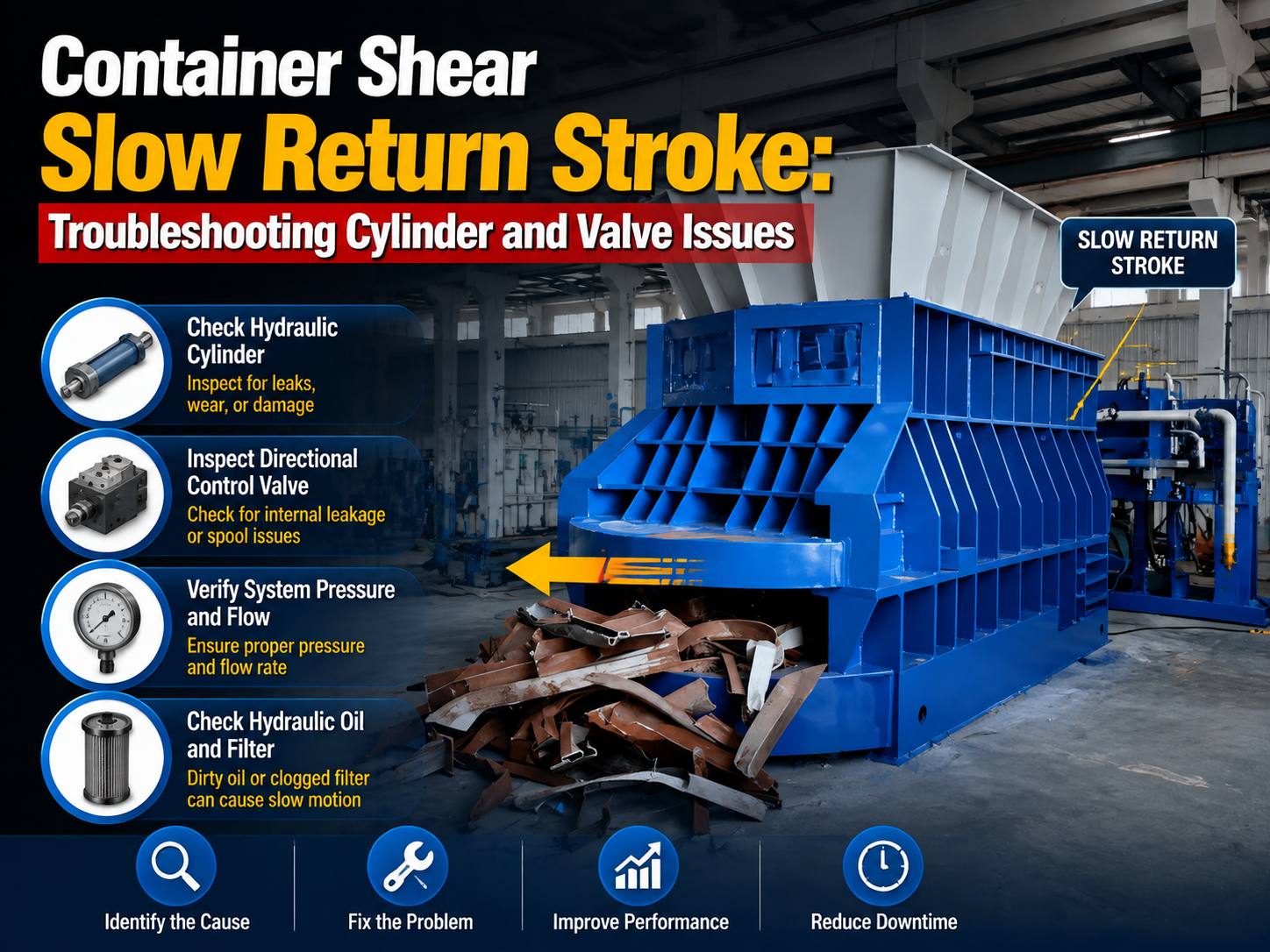
Introduction to Container Shear Performance
In the demanding world of metal recycling and scrap processing, the container shear stands as a cornerstone of operational efficiency. These heavy-duty machines are engineered to process massive volumes of scrap metal, requiring immense hydraulic force to achieve clean, precise cuts. However, operators often encounter a frustrating performance bottleneck: the container shear slow return stroke. When the shear blade fails to retract at its intended speed, it significantly hampers the cycle time, reduces throughput, and can lead to premature wear on internal components.
Understanding the root causes of this sluggishness is essential for any maintenance team or facility manager. The return stroke is a critical phase of the hydraulic cycle, relying on a specific sequence of fluid pressure and valve actuation. When this sequence is interrupted or restricted, the machine’s overall productivity plummets. This article serves as a comprehensive guide to Container Shear Slow Return Stroke: Troubleshooting Cylinder Valve Issues, providing actionable insights to restore your equipment to peak performance.
At HARSLE, we emphasize that proactive maintenance is the most effective way to avoid costly downtime. By identifying the early warning signs of hydraulic degradation—such as audible strain, erratic movement, or delayed cycle completion—operators can intervene before a minor valve issue escalates into a catastrophic cylinder failure. This guide will walk you through the technical intricacies of hydraulic systems, focusing specifically on the components that govern the return stroke.
Whether you are operating a stationary shear or a mobile unit, the principles of hydraulic fluid dynamics remain constant. We will explore how pressure drops, internal leakage, and mechanical obstructions contribute to the slow return stroke. By the end of this article, you will have a clear roadmap for diagnosing and resolving these issues, ensuring your container shear remains a reliable asset in your metal fabrication arsenal.
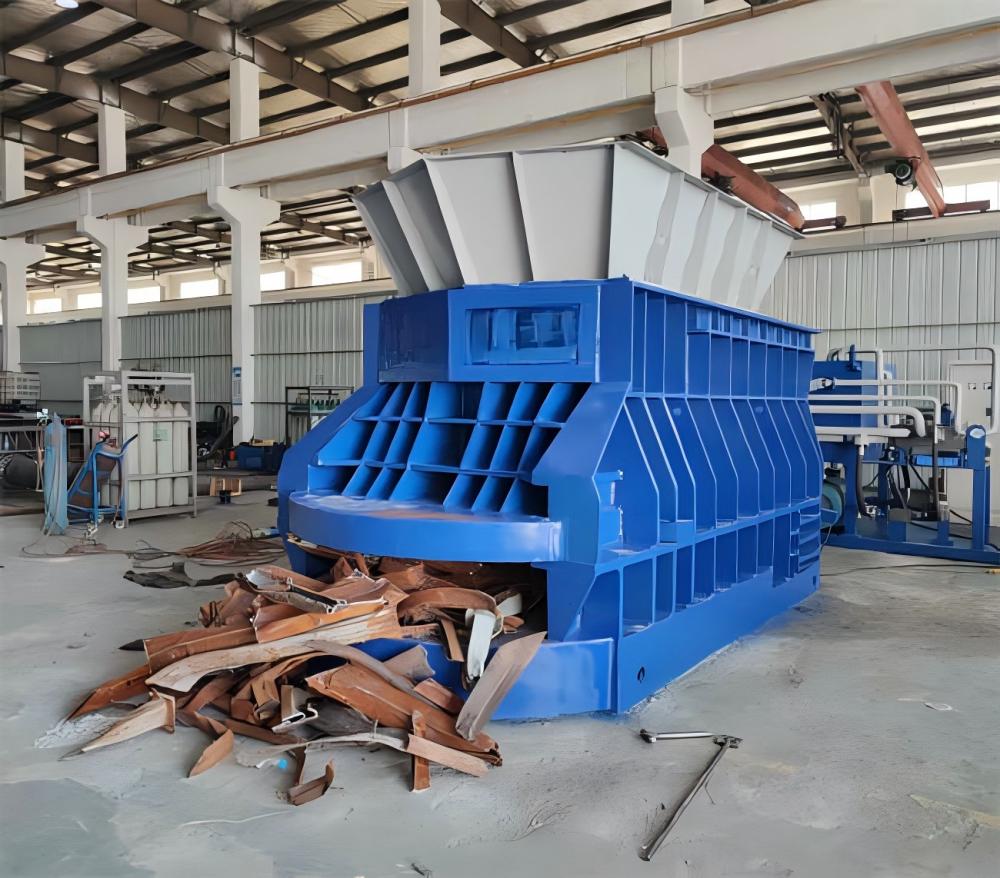
Key Considerations for Hydraulic System Health
The hydraulic system is the heart of your container shear. To troubleshoot a slow return stroke, one must first understand the relationship between fluid viscosity, temperature, and pressure. Hydraulic oil is not merely a lubricant; it is the medium through which force is transmitted. If the oil is contaminated with debris, moisture, or metal shavings, the internal surfaces of valves and cylinders can become scored, leading to internal bypass and sluggish movement.
Another critical consideration is the condition of the hydraulic seals. Over time, the high-pressure environment inside the shear cylinder causes seals to harden or fray. When a seal fails, hydraulic fluid can leak from the high-pressure side to the low-pressure side within the cylinder. This internal leakage is a common culprit for slow return strokes, as the cylinder loses the pressure differential required to retract the ram efficiently. Regular oil analysis and seal replacement schedules are non-negotiable for high-output machinery.
Environmental factors also play a significant role in machine performance. In colder climates, hydraulic oil can thicken, increasing resistance within the hoses and valves. Conversely, in extreme heat, the oil may lose its viscosity, leading to increased leakage across valve spools. Ensuring that your shear is equipped with an appropriate oil cooler or heater, depending on your facility’s climate, is a fundamental step in maintaining consistent cycle times.
Finally, the electrical control system must be considered. Modern container shears rely on PLC (Programmable Logic Controller) systems to actuate solenoid valves. If the electrical signal to the return-stroke valve is weak or delayed, the valve may not open fully, creating a restriction in the fluid path. Troubleshooting must therefore encompass both the hydraulic hardware and the electronic signals that command them. A holistic approach ensures that no stone is left unturned during the diagnostic process.
Technical Details: Troubleshooting Cylinder and Valve Issues
When addressing the Container Shear Slow Return Stroke: Troubleshooting Cylinder Valve Issues, the first step is to isolate the problem. Start by checking the hydraulic pressure at the return port of the main cylinder. If the pressure is significantly lower than the manufacturer’s specifications, the issue likely lies within the directional control valve or the pump’s output capacity. If the pressure is adequate but the ram still moves slowly, the restriction is likely mechanical or internal to the cylinder.
The directional control valve is often the primary point of failure. These valves contain spools that shift to direct fluid flow. If the spool is stuck, partially obstructed by debris, or if the solenoid is failing, the valve will not allow the full volume of oil to pass. Inspect the valve for signs of overheating or external leakage. In many cases, disassembling and cleaning the valve spool can resolve the issue. However, if the spool or the valve body shows signs of scoring, a complete replacement is necessary.
Cylinder bypass is another major technical concern. To test for this, you can perform a drift test. With the shear ram in a neutral position, disconnect the return line and observe if fluid leaks out of the port under pressure. If fluid flows steadily, it indicates that the piston seals are compromised, allowing high-pressure fluid to bypass the piston head. This internal leakage prevents the cylinder from building the necessary force to retract quickly, resulting in the characteristic slow return stroke.
Furthermore, check the pilot-operated check valves. These valves are designed to hold the ram in position and prevent accidental movement. If a pilot valve is failing to open fully, it creates a significant restriction in the return line. This is often caused by a failure in the pilot signal line or a blockage in the pilot orifice. Clearing these small passages is a delicate task that requires precision tools and a clean working environment to prevent further contamination.
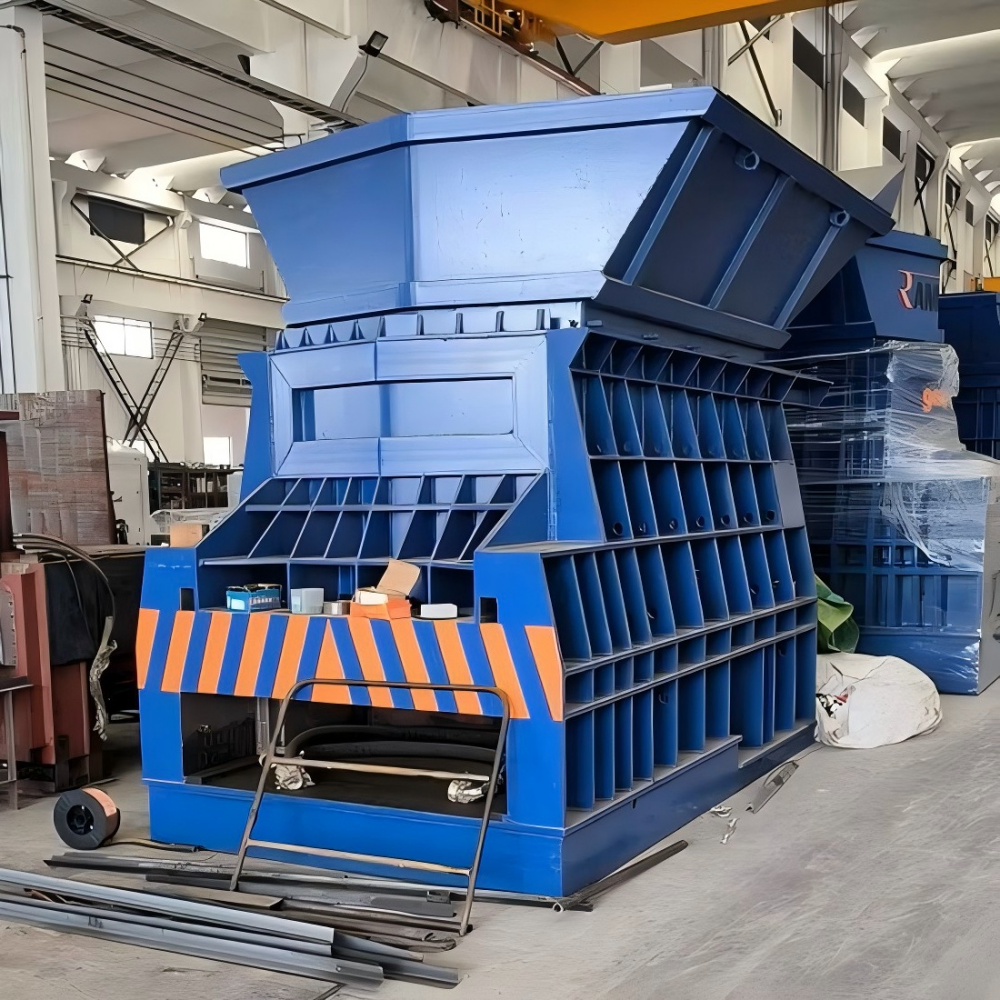
Selection Advice for Replacement Components
When the time comes to replace valves or cylinder components, quality should never be sacrificed for cost. Using OEM (Original Equipment Manufacturer) parts is the safest route to ensure compatibility and performance. HARSLE recommends sourcing components that meet the specific pressure ratings and flow capacities of your machine model. Installing an undersized valve will create a permanent restriction, leading to the very slow return stroke you are trying to eliminate.
Consider the material composition of the replacement seals. Modern polyurethane seals offer superior wear resistance compared to traditional rubber seals, especially in high-cycle applications like container shearing. If your facility processes abrasive materials, upgrading to high-durability seal kits can significantly extend the time between maintenance intervals. Always verify that the seal material is compatible with your specific hydraulic fluid type, as chemical incompatibility can lead to rapid seal degradation.
When selecting a new directional control valve, look for features like proportional control or high-flow capacity designs. These modern valves offer smoother operation and better energy efficiency. Additionally, ensure that the solenoid coils are rated for the voltage and duty cycle of your machine. A mismatch here can lead to premature coil burnout, which will manifest as an intermittent or complete failure of the return stroke.
Finally, consult with your machinery supplier regarding the integration of diagnostic sensors. Adding pressure transducers or flow meters to your hydraulic circuit can provide real-time data on system health. This allows for predictive maintenance, where you can identify a degrading valve or a failing seal before it causes a total machine stoppage. Investing in these diagnostic tools is a proactive strategy that pays dividends in long-term operational uptime.
FAQ: Common Questions About Shear Maintenance
- Q: How often should I change the hydraulic oil in my container shear?
A: Generally, hydraulic oil should be changed every 2,000 to 4,000 operating hours, or annually. However, if your oil analysis shows high levels of contamination or oxidation, you should change it sooner. - Q: Can a slow return stroke be caused by the pump?
A: Yes, if the pump is worn, it may not be able to maintain the required flow rate during the return stroke. Check the pump’s volumetric efficiency if valve and cylinder checks do not reveal the issue. - Q: What is the most common cause of a stuck valve spool?
A: The most common cause is hydraulic fluid contamination. Small particles of metal or debris can lodge between the spool and the valve body, preventing smooth movement. - Q: Is it safe to adjust the pressure relief valve to fix a slow return?
A: No. Increasing the pressure relief setting beyond the manufacturer’s specifications can damage the hydraulic system and create a significant safety hazard. Always troubleshoot the root cause rather than masking it with pressure adjustments. - Q: How do I know if my cylinder seals are leaking internally?
A: A drift test or a bypass test is the most reliable method. If the ram drifts under load or if fluid leaks from the return port during a static test, the seals are likely worn.
Conclusion: Maintaining Peak Performance
The Container Shear Slow Return Stroke: Troubleshooting Cylinder Valve Issues is a process that requires patience, technical knowledge, and a commitment to safety. By systematically evaluating the hydraulic circuit—from the pump and directional control valves to the cylinder seals and pilot lines—you can identify the specific restriction causing your machine’s sluggishness. Remember that the hydraulic system is a closed loop; a problem in one area often manifests as a symptom in another.
At HARSLE, we believe that a well-maintained machine is the foundation of a profitable fabrication business. By adhering to a rigorous maintenance schedule, utilizing high-quality replacement parts, and training your staff to recognize the early signs of hydraulic failure, you can ensure that your container shear operates at peak efficiency for years to come. Do not ignore the warning signs of a slow return stroke; address them promptly to protect your investment and maintain your production targets.
As you continue to refine your maintenance practices, keep detailed logs of all repairs and component replacements. This history will prove invaluable for future troubleshooting and will help you identify patterns in machine wear. Whether you are a seasoned technician or a facility manager, the knowledge shared in this guide provides the framework needed to keep your metal fabrication equipment running smoothly, safely, and profitably.












