How to Identify and Fix Container Shear Frame Alignment Problems: A Comprehensive HARSLE Guide

Introduction to Container Shear Frame Integrity
In the demanding world of scrap metal processing and heavy-duty metal fabrication, the container shear stands as a cornerstone of operational efficiency. These machines are engineered to withstand immense forces, processing thick steel plates, beams, and oversized scrap with ease. However, the structural integrity of the machine frame is paramount. When you need to identify and fix container shear frame alignment problems, you are not just performing maintenance; you are protecting your capital investment and ensuring the safety of your facility.
Frame alignment refers to the geometric precision of the shear’s primary structure, including the guide rails, the blade clearance, and the parallelism of the moving ram relative to the stationary bed. Even a deviation of a few millimeters can lead to catastrophic blade damage, uneven cutting, and excessive stress on the hydraulic cylinders. At HARSLE, we emphasize that proactive monitoring is the most effective way to prevent downtime.
Understanding the root causes of misalignment is the first step in the troubleshooting process. Often, misalignment is the result of long-term fatigue, improper foundation leveling, or overloading the shear beyond its rated capacity. By recognizing the early warning signs, operators can intervene before the structural integrity of the machine is compromised, saving thousands in potential repair costs and lost production time.
This comprehensive guide is designed to walk you through the technical nuances of frame diagnostics. Whether you are an experienced maintenance technician or a facility manager overseeing a fleet of HARSLE equipment, the following sections will provide the actionable insights required to maintain peak performance. We will explore the diagnostic tools, the step-by-step repair methodologies, and the preventative strategies that keep your container shear operating at factory-spec tolerances.
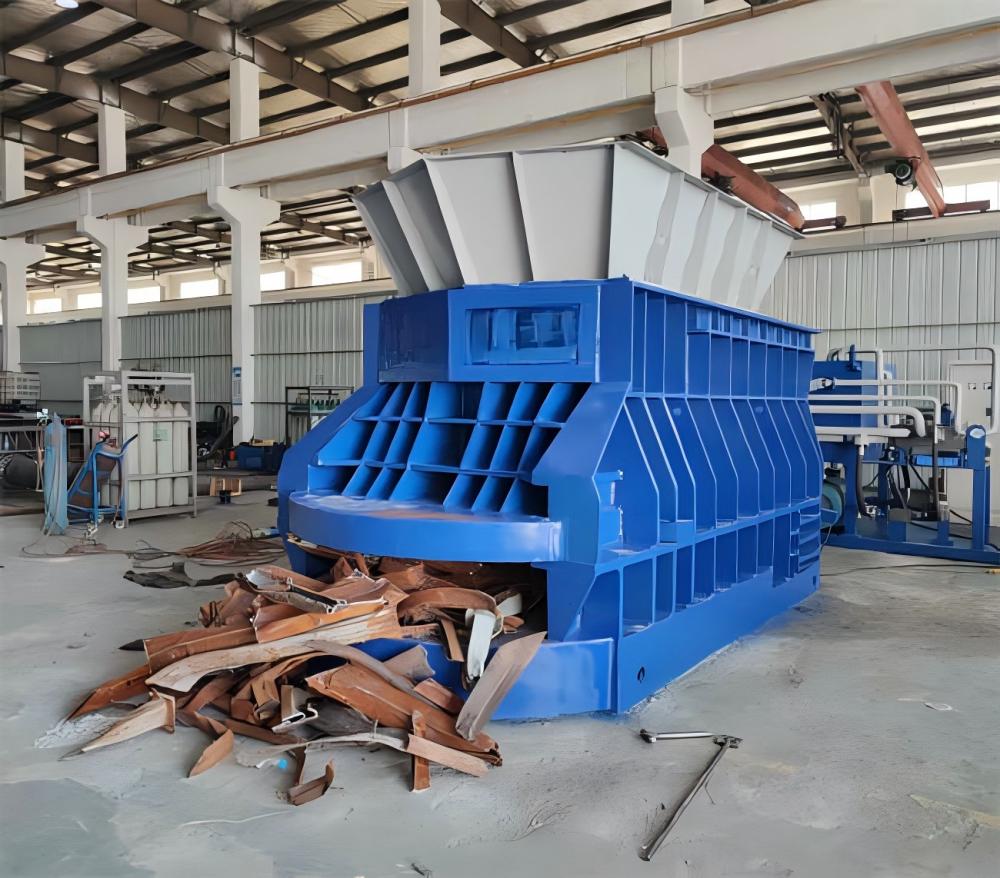
Key Considerations for Structural Stability
Before diving into the technical repair process, it is vital to understand the environmental and operational factors that contribute to frame misalignment. The foundation is the most overlooked aspect of industrial machinery stability. A container shear exerts massive downward and lateral forces; if the concrete pad is not reinforced or if the anchor bolts have loosened over time, the entire frame can shift or twist under load.
Thermal expansion and contraction also play a role in larger shear systems. In facilities with significant temperature fluctuations, the steel frame may expand at different rates than the foundation or the internal guide components. This can lead to “binding” or “sticking” during the cutting cycle, which is often misdiagnosed as a hydraulic issue rather than a structural alignment problem. Keeping the machine in a climate-controlled or stable environment is a key consideration for long-term alignment.
Another critical factor is the wear of the slide plates and guide gibs. These components are designed to keep the ram moving in a perfectly linear path. As they wear down, the ram gains “play” or “slop,” allowing it to tilt or shift during the cut. This lateral movement forces the blades out of parallel, leading to poor cut quality and increased stress on the frame. Regular lubrication and adjustment of these guides are essential to prevent the frame from absorbing the shock of an off-center cut.
Finally, consider the impact of material feed consistency. If scrap is consistently fed into one side of the shear, the frame experiences uneven loading. Over time, this asymmetrical stress can cause the frame to “bow” or develop a permanent set. Operators should be trained to distribute material evenly across the shear bed to ensure that the forces are balanced across the entire structural assembly, thereby extending the life of the frame and maintaining alignment.
Technical Details: How to Identify and Fix Container Shear Frame Alignment Problems
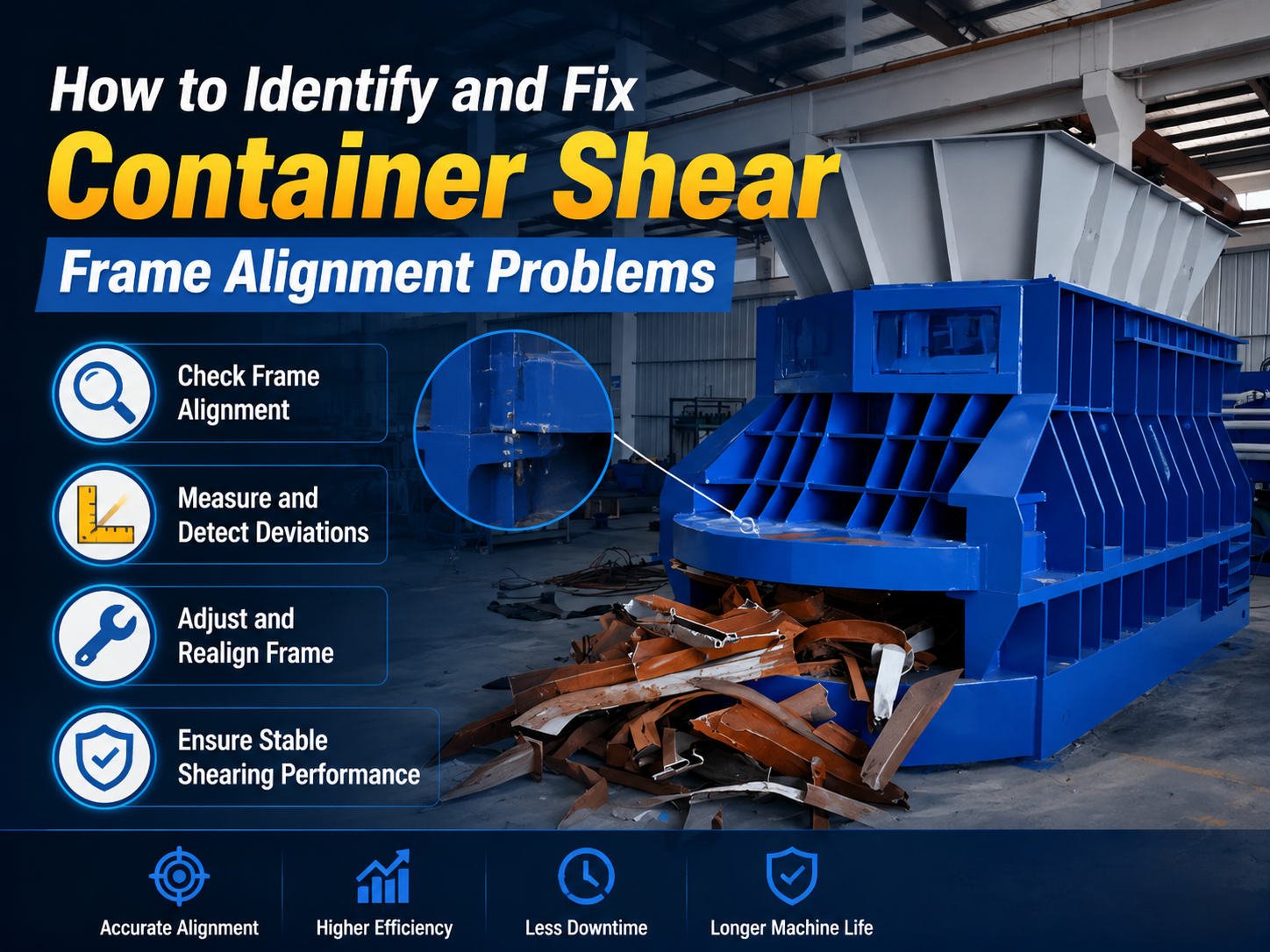
To effectively identify and fix container shear frame alignment problems, you must utilize precision measurement tools. Start by performing a “no-load” cycle test. Observe the ram movement closely. If you hear grinding, see sparks, or notice the ram hesitating at specific points in the stroke, you have a clear indication of a guide or frame alignment issue. Use a high-precision laser alignment tool or a long-range dial indicator to measure the parallelism of the ram face relative to the bed blade.
Once you have identified the deviation, the next step is to inspect the gibs and wear plates. Remove the inspection covers and check for scoring or uneven wear patterns. If the wear is localized, it suggests that the frame has shifted. You may need to adjust the gib bolts to compensate for the wear, but be cautious: over-tightening can cause the ram to seize. Always refer to the HARSLE technical manual for the specific torque settings and clearance tolerances for your model.
If the frame itself is found to be out of square, the repair process becomes more intensive. This often involves re-leveling the entire machine using precision shims under the base frame. Use a master level to ensure the bed is perfectly horizontal in both the X and Y axes. Once the base is level, check the verticality of the side frames. If the frame has suffered a permanent deformation, professional laser-guided realignment or specialized welding and reinforcement may be necessary.
For severe cases, the hydraulic cylinders themselves may need to be checked for alignment. If a cylinder is mounted at a slight angle due to a bent mounting bracket or a shifted frame, it will exert a side-load on the ram. This side-load is a primary cause of frame fatigue. Ensure that the cylinder pins are greased and that the mounting points are free of cracks. Replacing worn bushings in the cylinder mounts can often resolve alignment issues that appear to be frame-related but are actually caused by hydraulic component geometry.

Selection Advice for Heavy-Duty Shears
When selecting a new container shear, the best way to avoid future alignment problems is to invest in a machine with a robust, stress-relieved frame. HARSLE shears are manufactured using high-grade steel that undergoes a rigorous annealing process to remove internal stresses. This ensures that the frame remains stable even after years of heavy-duty operation. When evaluating potential equipment, look for manufacturers that provide detailed specifications on frame thickness and the type of steel used.
Consider the design of the guide system. A multi-point, adjustable guide system is superior to a fixed system. It allows for fine-tuning of the ram movement, which is essential for maintaining blade clearance over the life of the machine. Ask the manufacturer about the accessibility of these adjustment points; if they are difficult to reach, maintenance will likely be neglected, leading to the very alignment problems you are trying to avoid.
Another key selection criterion is the hydraulic system’s integration with the frame. A well-designed shear will have a frame that is specifically reinforced at the mounting points for the hydraulic cylinders. This prevents the frame from flexing under the high pressure required for shearing thick materials. Look for machines that utilize heavy-duty, oversized pins and bushings, as these components are the first line of defense against structural misalignment.
Finally, consider the manufacturer’s support and documentation. A machine is only as good as the support behind it. Ensure that the supplier provides comprehensive maintenance manuals, clear troubleshooting guides, and access to spare parts. At HARSLE, we believe that providing our clients with the knowledge to perform their own basic maintenance is just as important as the quality of the machine itself. Choose a partner that prioritizes long-term reliability over short-term sales.
Maintenance Checklist for Frame Longevity
- Weekly: Inspect all hydraulic hoses for leaks that could indicate pressure spikes or frame vibration.
- Monthly: Check the tightness of all foundation anchor bolts and ensure the machine remains level.
- Quarterly: Measure blade clearance at multiple points along the stroke to detect early signs of ram tilt.
- Bi-Annually: Lubricate all guide gibs and inspect for metal shavings or debris that could cause scoring.
- Annually: Perform a full structural audit, checking for hairline cracks in welds or mounting brackets.
FAQ: Frequently Asked Questions
How often should I check the alignment of my container shear?
We recommend a basic alignment check every quarter. However, if the machine is used in a high-volume, multi-shift environment, monthly checks are advised to catch wear before it becomes a structural problem.
Can I fix a bent frame myself?
Minor adjustments to gibs and leveling can be performed by trained maintenance staff. However, if the main frame structure is bent or cracked, we strongly recommend contacting a professional technician to ensure the repair meets safety and structural standards.
What are the signs of a failing guide system?
Common signs include uneven blade wear, a “clunking” sound during the cutting stroke, and visible metal dust or shavings accumulating near the ram guides.
Does the foundation really affect frame alignment?
Absolutely. A container shear is a massive piece of equipment. If the foundation settles unevenly, the frame will twist, leading to permanent misalignment and potential structural failure.
Conclusion
Maintaining the structural integrity of your container shear is a critical aspect of industrial management. By learning how to identify and fix container shear frame alignment problems, you ensure that your equipment remains a productive asset rather than a maintenance burden. Remember that the key to longevity lies in a combination of proper foundation preparation, regular inspection, and timely adjustments to the guide systems.
At HARSLE, we are committed to providing the highest quality metal fabrication equipment and the knowledge to keep it running at peak performance. If you notice persistent alignment issues that cannot be resolved through standard maintenance, do not hesitate to reach out to our technical support team. Investing time in your machine’s health today will pay dividends in efficiency, safety, and profitability for years to come. Keep your operations precise, your frame stable, and your production moving forward with HARSLE.