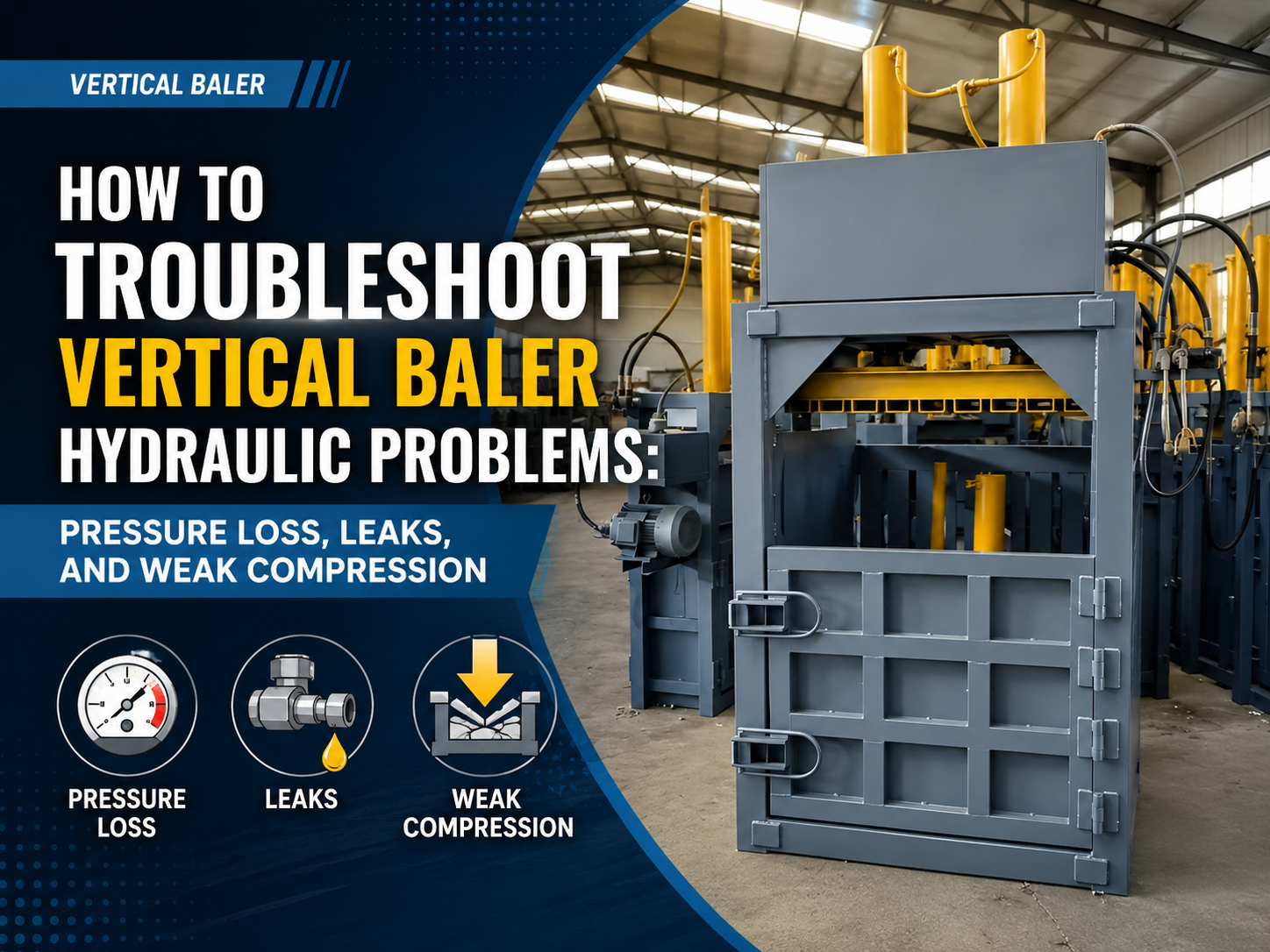
How to Troubleshoot Vertical Baler Hydraulic Problems: Pressure Loss, Leaks, and Weak Compression

Introduction
In the world of industrial waste management and metal fabrication, the vertical baler stands as a cornerstone of operational efficiency. As a HARSLE equipment owner, you rely on the consistent performance of your hydraulic systems to process cardboard, plastics, and light metals into manageable, high-density bales. However, even the most robust machinery can encounter performance degradation over time. Understanding how to Troubleshoot Vertical Baler Hydraulic Problems: Pressure Loss, Leaks, and Weak Compression is essential for any facility manager looking to minimize downtime and extend the lifespan of their investment.
Hydraulic systems are the heart of a vertical baler. They convert fluid power into the mechanical force required to compress bulky materials. When this system falters, it usually manifests as a loss of pressure, visible fluid leaks, or a noticeable decline in compression force. These issues are not merely inconveniences; they represent potential safety hazards and operational bottlenecks that can halt production lines. By mastering the diagnostic process, you can identify whether a problem is a simple seal failure or a more complex pump issue.
This guide is designed to provide HARSLE operators and maintenance technicians with a comprehensive roadmap for identifying and resolving hydraulic inefficiencies. We will delve into the technical nuances of hydraulic circuits, the importance of fluid quality, and the systematic approach required to restore your baler to factory-spec performance. Whether you are dealing with a slow cycle time or a complete loss of compaction, the following sections will provide the clarity needed to get your equipment back in service.
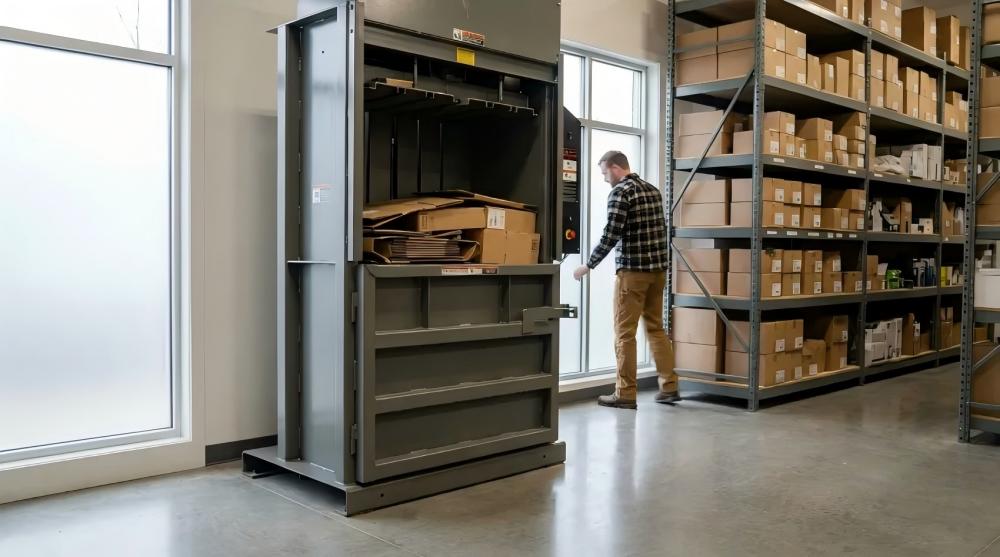
Key Considerations for Hydraulic System Health
Before diving into specific repairs, it is vital to understand the environment in which your hydraulic system operates. Hydraulic fluid is the lifeblood of your HARSLE baler. It acts as both a power transfer medium and a lubricant for internal components. If the fluid is contaminated with debris, moisture, or metal shavings, the entire system will suffer. Regular oil analysis and scheduled filter changes are the first lines of defense against the common problems of pressure loss and weak compression.
Temperature control is another critical factor. Hydraulic systems generate significant heat during operation. If the oil becomes too hot, its viscosity drops, leading to internal leakage within the pump and valves. This often presents as “weak compression” because the system can no longer maintain the necessary force to compress the material. Ensuring that your baler is located in a well-ventilated area and that the oil cooler is free of dust and debris is a simple yet effective maintenance step.
Operator training plays a significant role in preventing hydraulic damage. Overloading the baler or attempting to process materials that exceed the machine’s design specifications puts undue stress on the hydraulic cylinders and relief valves. When operators understand the limits of their HARSLE equipment, they are less likely to force the machine through cycles that lead to seal blowouts or structural fatigue. Always ensure that the baler is operated within its rated capacity.
Finally, consider the importance of a proactive inspection schedule. Rather than waiting for a catastrophic failure, implement a daily checklist. This should include checking fluid levels, inspecting hoses for signs of abrasion, and listening for unusual pump noises. A high-pitched whine or a rhythmic knocking sound is often a precursor to a major hydraulic failure. By catching these early indicators, you can perform minor maintenance tasks that prevent expensive, time-consuming repairs down the road.
Technical Details: Diagnosing Pressure Loss and Weak Compression
When you need to Troubleshoot Vertical Baler Hydraulic Problems: Pressure Loss, Leaks, and Weak Compression, the first step is to isolate the source of the issue. Pressure loss is typically caused by one of three things: a faulty relief valve, a worn-out hydraulic pump, or internal leakage within the cylinder. To test the relief valve, use a calibrated pressure gauge at the test port. If the pressure does not reach the manufacturer’s specifications, the relief valve may be stuck open or improperly adjusted. Adjusting the relief valve should only be done by a qualified technician using the correct HARSLE service manual.
If the relief valve is functioning correctly, the pump may be the culprit. A worn pump will struggle to maintain flow under load, resulting in slow cycle times and weak compression. You can perform a flow test to determine the pump’s efficiency. If the flow rate is significantly lower than the pump’s rated capacity, it is likely time for a rebuild or replacement. Remember that hydraulic pumps are precision instruments; even minor internal wear can lead to significant performance drops.
Internal cylinder leakage is a common cause of weak compression that is often overlooked. If the piston seals inside the hydraulic cylinder are worn, the pressurized oil will bypass the piston instead of pushing it forward. This creates a situation where the pump is working, but the ram is not exerting the necessary force. To test for this, you can perform a “drift test.” Extend the ram, turn off the machine, and observe if the ram retracts on its own. If it does, you likely have internal bypass leakage, indicating that the cylinder seals need replacement.
External leaks are easier to spot but can be just as damaging. Inspect all fittings, hoses, and cylinder glands for signs of oil seepage. Even a small drip can lead to a significant loss of pressure over time. When replacing hoses, always use high-pressure rated hydraulic lines that match the original HARSLE specifications. Using inferior hoses can lead to catastrophic bursts, which are both dangerous and messy. Ensure all connections are tightened to the correct torque specifications to prevent future leaks.
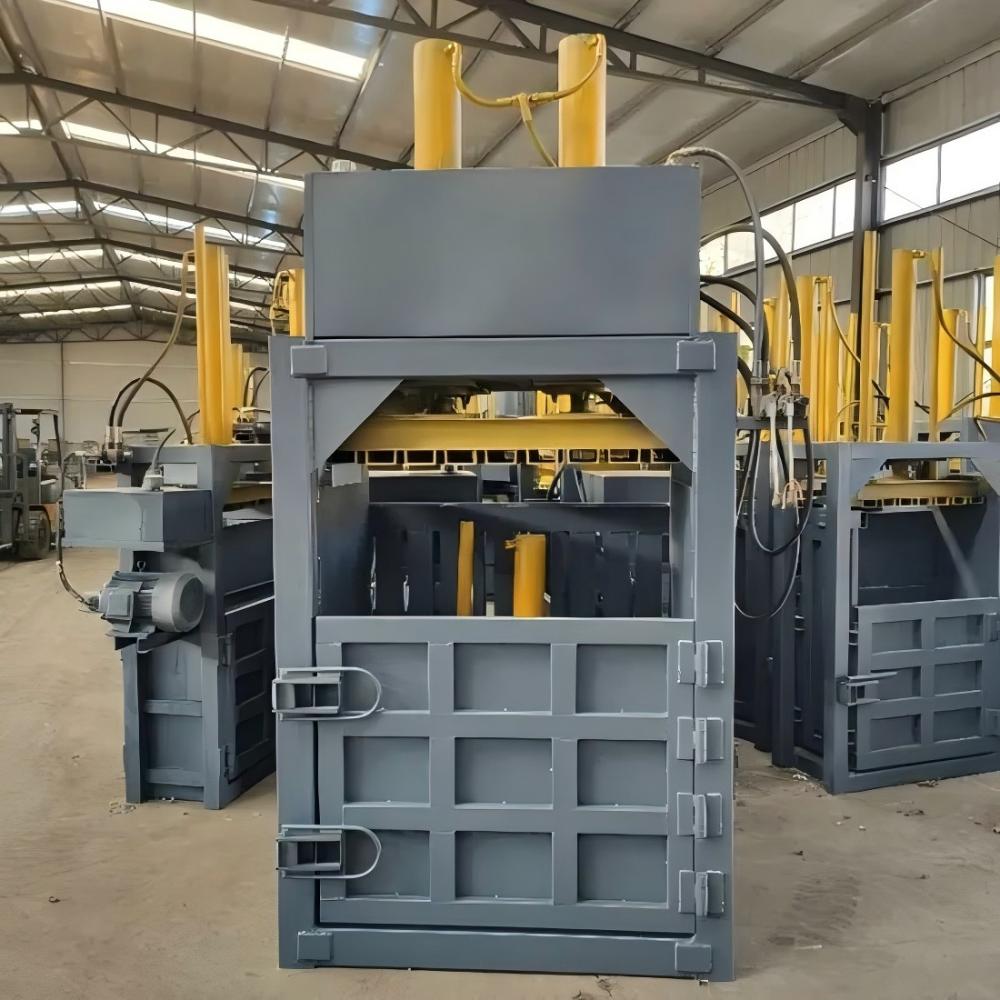
Selection Advice: Choosing the Right Hydraulic Components
When the time comes to replace hydraulic components, the quality of the parts you select will directly impact the future reliability of your baler. Always prioritize OEM (Original Equipment Manufacturer) parts from HARSLE. While aftermarket parts may seem cheaper, they often lack the precise tolerances required for high-pressure hydraulic systems. A slightly off-spec valve or seal can cause premature wear on other components, leading to a cycle of constant repairs.
Consider the environment of your facility when selecting hydraulic fluids. If your baler is located in an unheated warehouse in a cold climate, you may need a hydraulic oil with a higher viscosity index to ensure smooth operation during winter months. Conversely, in high-heat environments, a fluid with better thermal stability is required. Consult your HARSLE manual for the recommended fluid grades and never mix different types of hydraulic oil, as this can cause chemical reactions that degrade the fluid’s performance.
When upgrading or replacing cylinders, look for features like hardened chrome rods and high-quality polyurethane seals. These features provide better resistance to the abrasive dust and debris often found in recycling and metal fabrication environments. If you are frequently processing heavy-duty materials, consider a baler with a larger cylinder bore, which provides more force at lower pressures, thereby reducing the stress on the entire hydraulic system.
Finally, consider the integration of modern monitoring systems. Some HARSLE balers can be retrofitted with pressure transducers and digital displays that provide real-time data on system performance. These tools allow you to monitor pressure trends and catch issues before they result in a total machine shutdown. Investing in diagnostic tools is a smart way to protect your equipment and ensure that your maintenance team has the information they need to act quickly.
FAQ: Common Questions About Baler Hydraulics
Why is my baler ram moving slowly?
A slow ram is usually caused by low hydraulic fluid levels, a clogged suction filter, or a failing hydraulic pump. Start by checking the fluid level and the condition of the filters. If those are fine, the pump may be losing its ability to move the required volume of oil.
How often should I change the hydraulic oil?
As a general rule, hydraulic oil should be changed every 1,000 to 2,000 hours of operation, or at least once a year. However, if your baler operates in a dusty environment, you may need to change the oil and filters more frequently to prevent contamination.
What should I do if I see a hydraulic leak?
Immediately stop the machine and lock out the power. Clean the area to identify the source of the leak. If it is a loose fitting, tighten it. If the hose is damaged or the seal is blown, replace the component immediately. Never attempt to patch a high-pressure hydraulic leak with tape or sealant.
Can I adjust the pressure settings myself?
It is strongly recommended that you do not adjust the pressure settings unless you have the proper training and a calibrated pressure gauge. Incorrect pressure settings can damage the structural integrity of the baler and pose a significant safety risk to operators.
What is the most common cause of weak compression?
The most common cause is a worn-out relief valve or internal bypass leakage in the cylinder. These issues prevent the system from reaching the maximum pressure required to fully compress the material into a dense bale.
Conclusion
Maintaining the hydraulic integrity of your HARSLE vertical baler is a fundamental aspect of industrial facility management. By understanding how to Troubleshoot Vertical Baler Hydraulic Problems: Pressure Loss, Leaks, and Weak Compression, you empower your team to maintain high productivity and safety standards. Remember that the key to a long-lasting machine lies in proactive care: regular fluid analysis, diligent inspection of hoses and seals, and the use of high-quality OEM components.
When you encounter issues, approach them systematically. Isolate the problem, verify the pressure with a gauge, and inspect for physical signs of wear. Do not ignore the early warning signs of pump noise or minor leaks, as these are the precursors to more significant failures. By adhering to the maintenance schedules and operational guidelines provided by HARSLE, you ensure that your baler remains a reliable asset for years to come.
Ultimately, the goal of troubleshooting is not just to fix a broken machine, but to understand the machine’s behavior well enough to prevent future issues. With the knowledge provided in this guide, you are well-equipped to handle the most common hydraulic challenges. Keep your HARSLE baler running at peak performance, and your facility will reap the benefits of efficient, reliable waste processing.