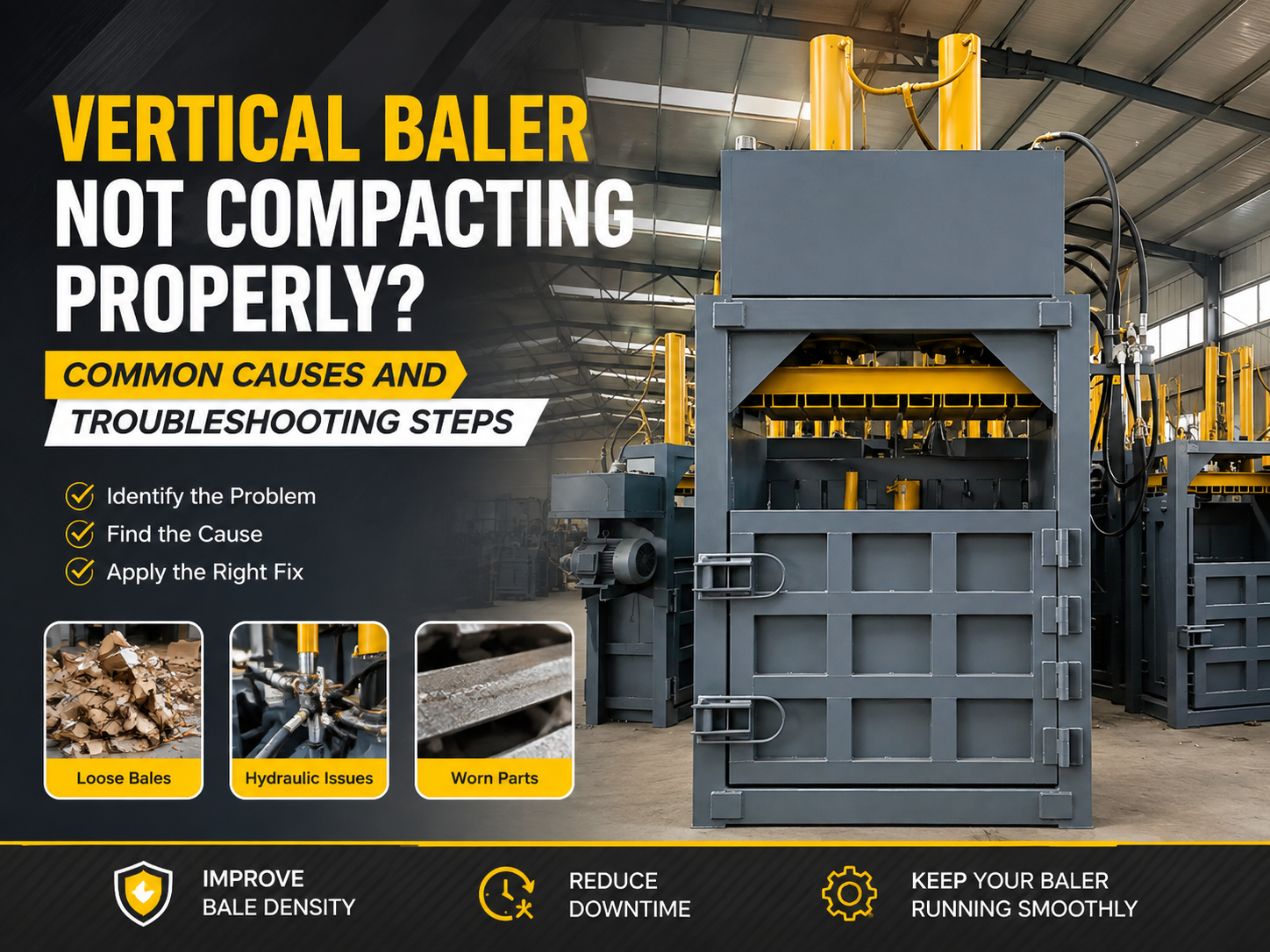
Vertical Baler Not Compacting Properly? Common Causes and Troubleshooting Steps

Introduction: Understanding Vertical Baler Performance
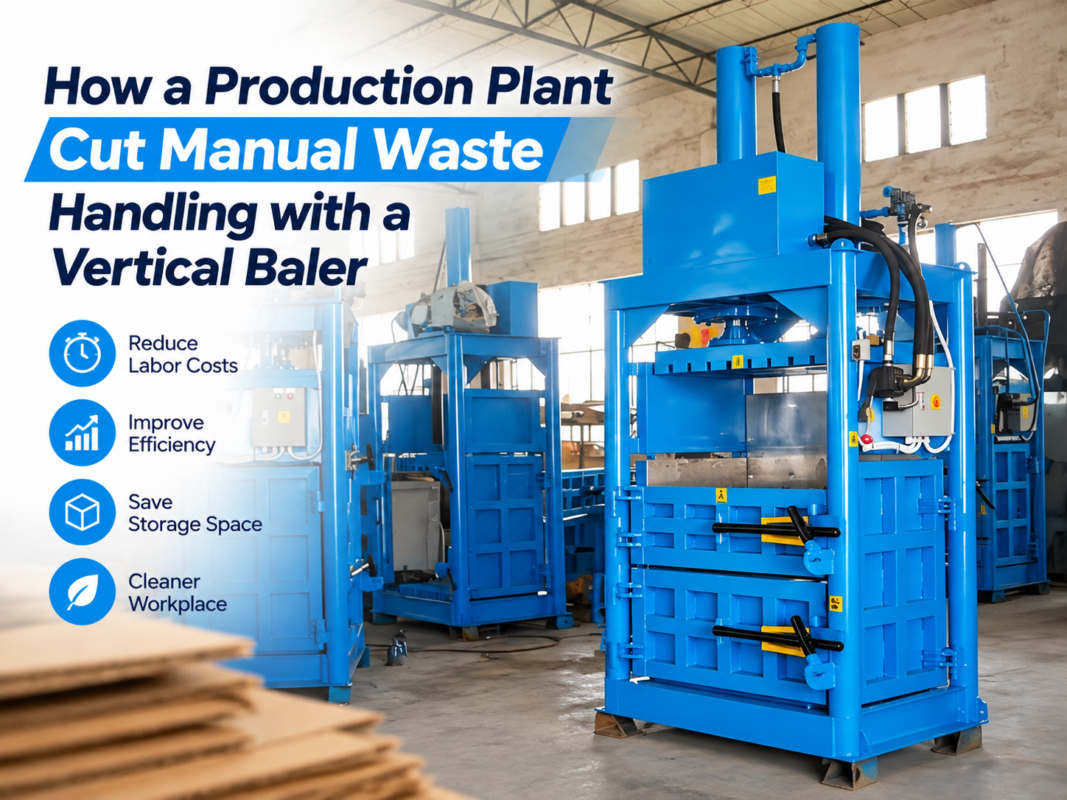
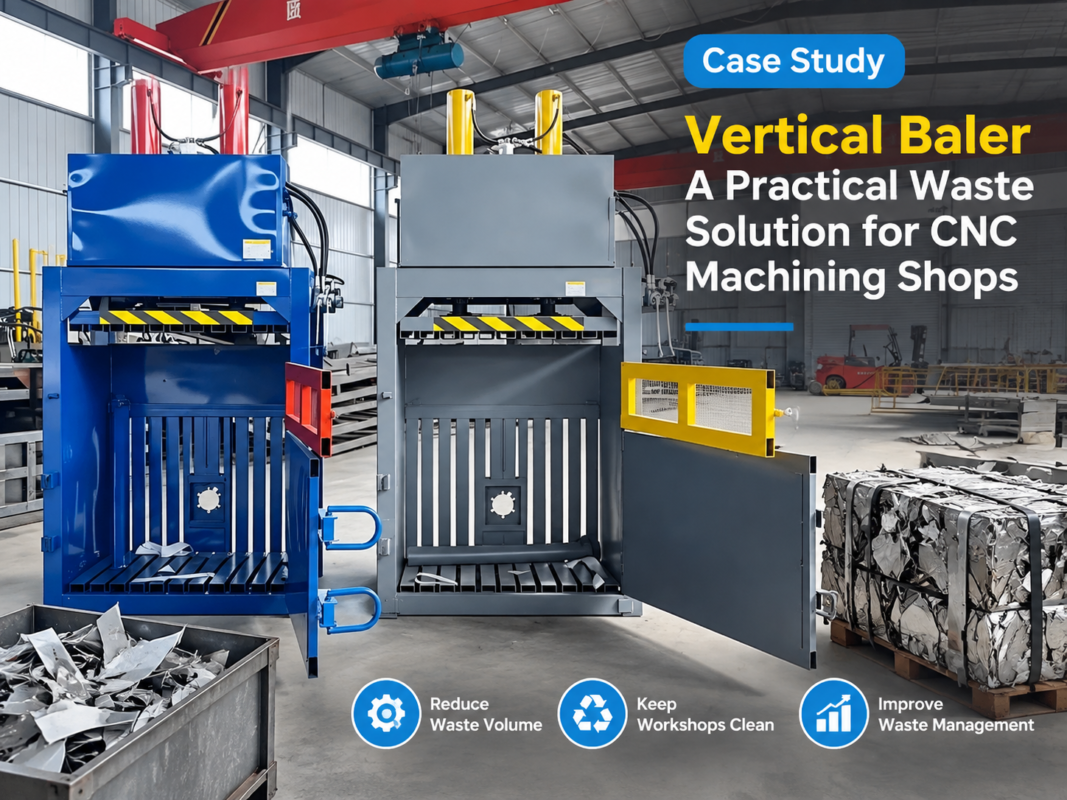
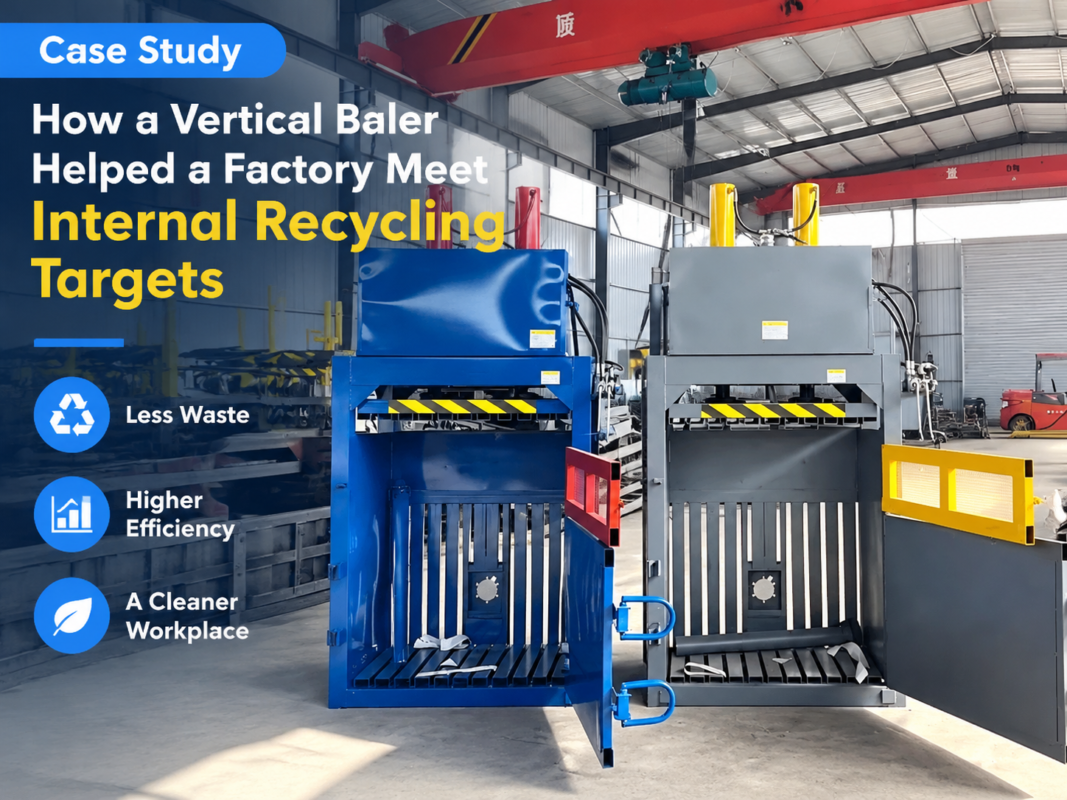
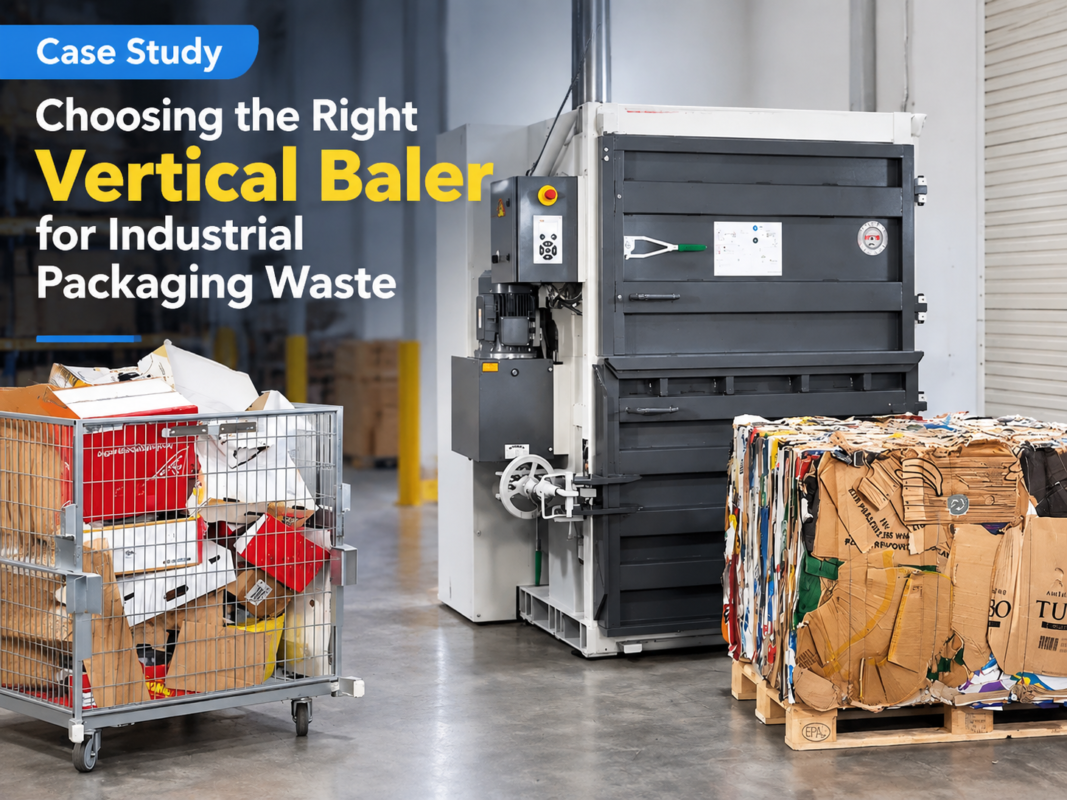
In the fast-paced world of metal fabrication and industrial waste management, a vertical baler is the backbone of your material handling operations. When you notice your vertical baler not compacting properly, it doesn’t just slow down your workflow—it creates a bottleneck that can impact your entire facility’s productivity. Whether you are processing cardboard, plastic, or light-gauge metal scraps, the efficiency of your baler relies on a complex interplay of hydraulic pressure, structural integrity, and electrical precision.
HARSLE understands that downtime is costly. When a machine fails to reach its full compaction force, it often leads to loose bales, increased storage requirements, and higher transportation costs. This guide is designed to help facility managers and maintenance technicians identify the root causes of compaction failure. By following these systematic troubleshooting steps, you can often resolve minor issues without the need for expensive external service calls.
The goal of this article is to provide a comprehensive look at why your equipment might be underperforming. From hydraulic fluid levels to sensor calibration, we will walk you through the technical aspects of your machine. Remember, safety is paramount; always ensure the machine is locked out and tagged out before performing any internal inspections or maintenance tasks.
Key Considerations for Baler Efficiency
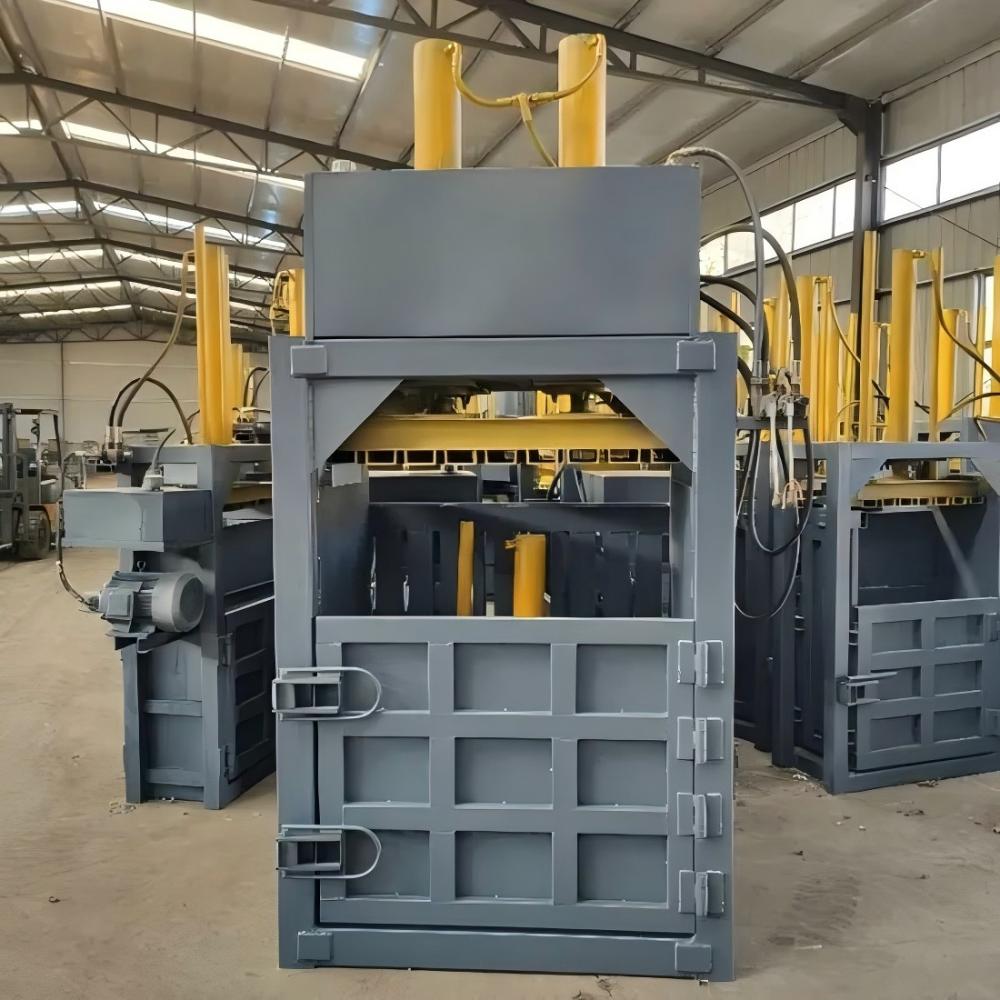
Before diving into complex mechanical repairs, it is essential to consider the operational environment of your vertical baler. Often, the issue is not a mechanical failure but a result of improper usage or environmental factors. For instance, overloading the chamber beyond its rated capacity can cause the platen to jam or the hydraulic system to bypass pressure, leading to ineffective compaction.
Another key consideration is the type of material being processed. If your baler is designed for cardboard but is being used to compact dense plastic or metal, the hydraulic system may struggle to reach the required PSI. Always verify that the material density matches the machine’s specifications. Using a machine outside of its intended application is a leading cause of premature wear and tear on the cylinder seals and pump.
Temperature also plays a significant role in hydraulic performance. In colder climates, hydraulic oil can become viscous, slowing down the cycle time and reducing the effective force applied to the bale. Conversely, in extremely hot environments, the oil may thin out, leading to internal leakage within the cylinder. Monitoring your hydraulic oil temperature and using the correct grade of fluid is a fundamental aspect of maintaining consistent compaction force.
Finally, consider the age and maintenance history of your equipment. A machine that has not been serviced in years will naturally lose efficiency. Regular inspections of the guide rails, door latches, and electrical relays are necessary to ensure that the machine is operating at peak performance. Keeping a detailed maintenance log will help you identify patterns in performance degradation, allowing you to address issues before they become catastrophic failures.
Technical Details: Why Your Vertical Baler Is Not Compacting Properly
When investigating a vertical baler not compacting properly, the hydraulic system is usually the first place to look. The hydraulic pump is the heart of the machine; if it is failing to build pressure, the platen will move but will lack the force to compress the material. Check the pressure gauge during a cycle. If the needle does not reach the manufacturer’s recommended PSI, you may have a faulty pump or a pressure relief valve that is stuck in the open position.
Internal cylinder leakage is another common technical culprit. If the seals inside the hydraulic cylinder are worn, the pressurized oil will bypass the piston, preventing the platen from exerting full force. This is often indicated by a slow drift of the platen or a ‘spongy’ feel during the compaction stroke. Replacing cylinder seals is a specialized task that may require professional assistance, but it is a necessary step if the pump is functioning correctly but the force is still lacking.
Electrical issues can also mimic mechanical failures. The limit switches and pressure sensors tell the PLC (Programmable Logic Controller) when to stop the stroke or when to reverse. If these sensors are misaligned or covered in debris, the machine may reverse the platen prematurely, resulting in a bale that is not fully compacted. Clean all sensors and check the wiring connections for signs of corrosion or loose terminals.
The structural components, specifically the guide rails and the platen itself, must be kept clean and lubricated. If the platen is binding against the side walls due to a buildup of debris or lack of lubrication, the hydraulic system will work harder to overcome the friction, leading to reduced compaction force. Regularly clear out the chamber and ensure that the platen moves smoothly through its entire range of motion without any audible grinding or hesitation.
Troubleshooting Checklist for Compaction Issues
- Check hydraulic oil levels and ensure the fluid is clean and free of contaminants.
- Verify that the pressure relief valve is set to the correct manufacturer specifications.
- Inspect the hydraulic hoses for leaks, bulges, or signs of external damage.
- Test the electrical limit switches to ensure they are triggering at the correct position.
- Examine the platen for any structural warping or debris buildup that causes friction.
- Listen for unusual noises from the pump, which could indicate cavitation or internal wear.
Selection Advice: Choosing the Right Baler for Your Needs
If you find that your current vertical baler is consistently failing to meet your compaction needs, it might be time to evaluate whether the machine is the right fit for your operation. Selecting the correct vertical baler involves more than just looking at the price tag; it requires an analysis of your material volume, the physical footprint of your facility, and the required bale density for your downstream buyers.
When purchasing a new unit, consider the ram force and the cycle time. A high-force baler is necessary for dense materials, while a faster cycle time is better for high-volume, lightweight materials. HARSLE offers a range of vertical balers designed for different industrial applications. Matching the machine’s capacity to your daily throughput is the most effective way to prevent the frustration of a machine that simply cannot keep up with your waste stream.
Look for features that enhance ease of maintenance. Modern balers often include diagnostic displays that alert operators to pressure drops or sensor errors. These features can significantly reduce the time spent troubleshooting. Additionally, consider the availability of spare parts. Choosing a reputable manufacturer like HARSLE ensures that you have access to technical support and genuine replacement parts, which is critical for long-term reliability.
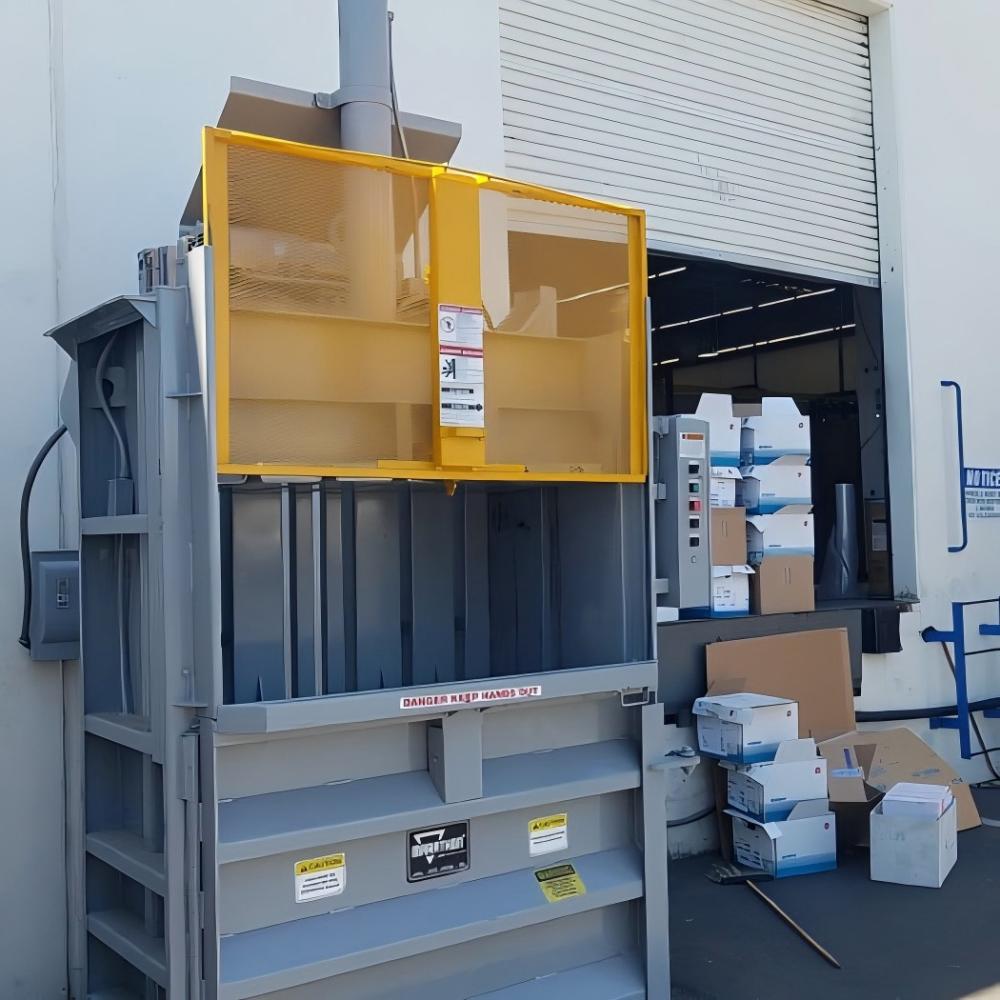
Finally, think about the future growth of your business. If you anticipate an increase in waste volume, it is often more cost-effective to invest in a slightly larger, more robust machine now than to replace an undersized unit in a few years. A vertical baler is a long-term asset; prioritize build quality and structural integrity to ensure that your investment pays off in reduced maintenance costs and consistent performance.
Frequently Asked Questions (FAQ)
Why does my baler stop before reaching the bottom of the chamber?
This is often caused by a buildup of material behind the platen or a faulty limit switch. Ensure the chamber is clear and check that the sensors are not obstructed by debris.
How often should I change the hydraulic oil?
Generally, hydraulic oil should be changed every 1,000 to 2,000 operating hours, or as recommended by your HARSLE manual. Always check the oil color and viscosity during routine inspections.
Can I increase the pressure to get tighter bales?
Never exceed the manufacturer’s maximum pressure rating. Doing so can cause catastrophic failure of the hydraulic system, damage the structural frame, and void your warranty.
What should I do if the baler makes a loud screeching noise?
Screeching usually indicates a lack of lubrication on the guide rails or a failing pump bearing. Stop the machine immediately, inspect the rails for debris, and check the pump for signs of overheating.
Conclusion: Maintaining Your HARSLE Vertical Baler
A vertical baler not compacting properly is a common challenge, but it is one that can be managed with a proactive approach to maintenance and troubleshooting. By understanding the relationship between hydraulic pressure, electrical sensors, and mechanical cleanliness, you can keep your equipment running efficiently for years. Remember that most compaction issues are preventable through regular inspections and adherence to the manufacturer’s operational guidelines.
When in doubt, consult your HARSLE service manual or reach out to our technical support team. We are committed to ensuring that your metal fabrication and waste management processes remain seamless. By prioritizing the health of your machinery, you are not just fixing a problem—you are optimizing your facility’s output and ensuring a safer, more productive workplace for your entire team. Stay consistent with your maintenance schedule, and your vertical baler will continue to be a reliable workhorse for your business.