Vertical Baler Troubleshooting Guide: How to Fix Slow Cycle Times and Restore Productivity

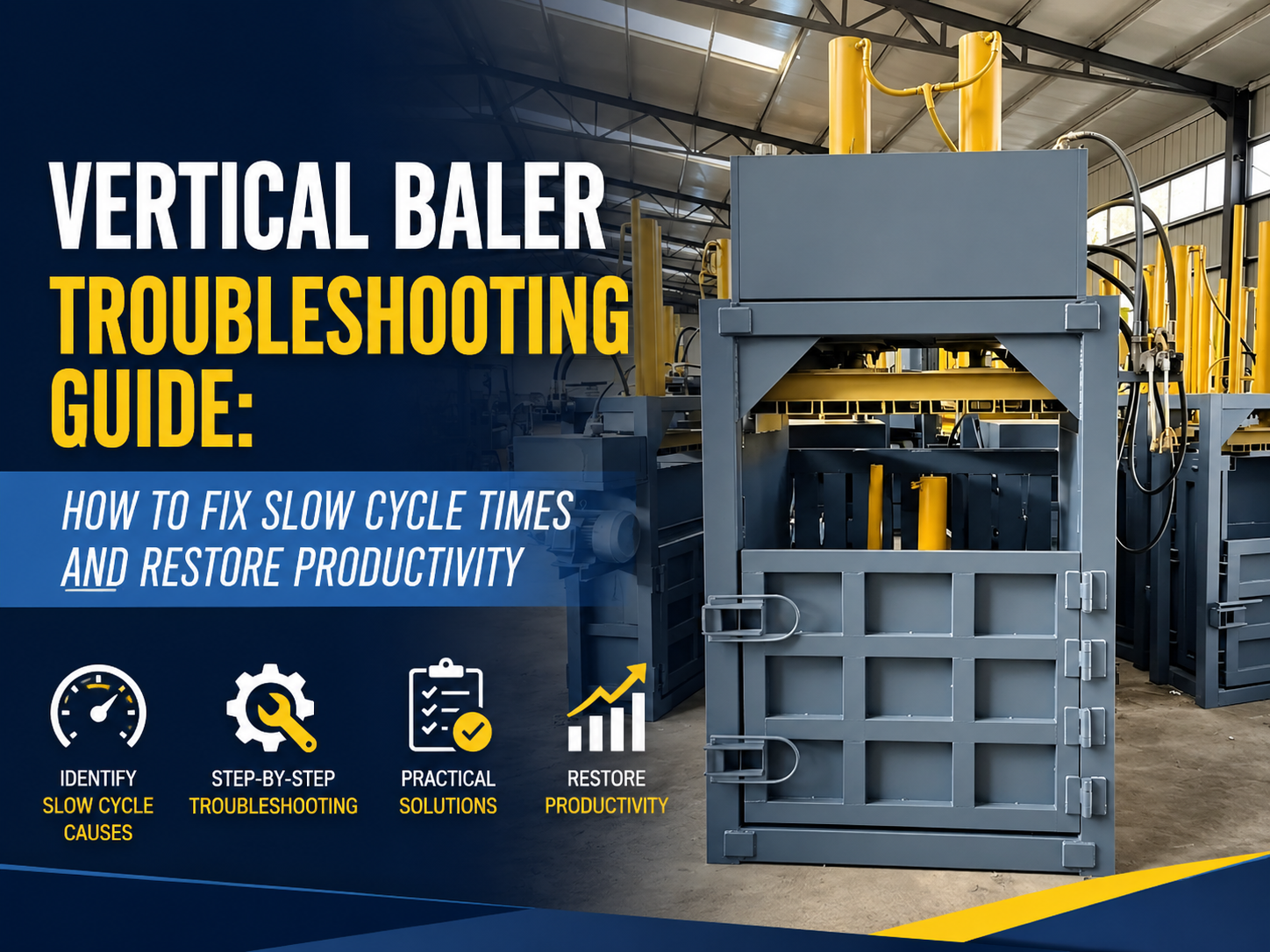
Introduction to Vertical Baler Efficiency
In the high-stakes environment of metal fabrication and industrial waste management, time is quite literally money. A vertical baler is the backbone of your facility’s material handling process, designed to compress scrap metal, cardboard, or plastic into manageable, high-density bales. When your equipment begins to lag, the entire production line suffers. Understanding the nuances of Vertical Baler Troubleshooting: Fix Slow Cycle Times and Restore Productivity is essential for any facility manager looking to maintain a competitive edge.
Slow cycle times are often the first indicator of underlying mechanical or hydraulic distress. While it is tempting to view a sluggish machine as a minor inconvenience, it is frequently a precursor to total system failure. By addressing these inefficiencies early, you can prevent costly downtime and extend the operational lifespan of your HARSLE machinery. This guide serves as a comprehensive resource for identifying, diagnosing, and resolving the most common causes of cycle time degradation.
Effective maintenance is not merely about fixing what is broken; it is about proactive optimization. Throughout this article, we will explore the intricate relationship between hydraulic pressure, electrical signals, and mechanical wear. Whether you are operating a heavy-duty metal baler or a standard cardboard compactor, the principles of troubleshooting remain consistent. Let us dive into the technical aspects of restoring your machine to its original factory performance.
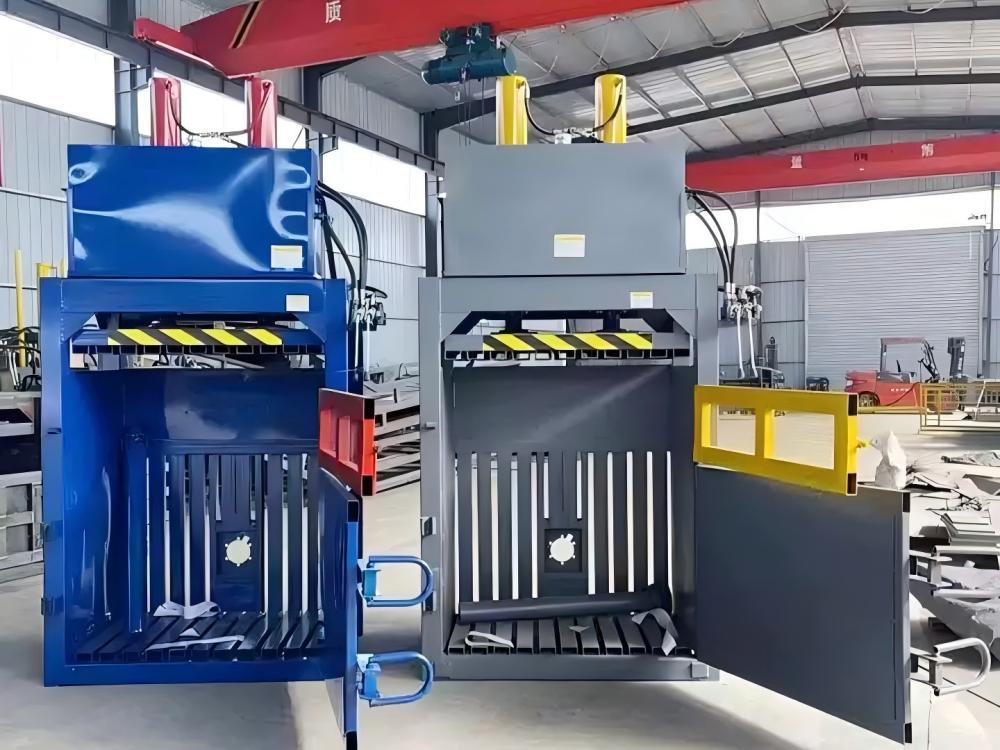
Key Considerations for Vertical Baler Troubleshooting
Before diving into complex repairs, it is vital to establish a systematic approach to troubleshooting. The most common mistake operators make is assuming the problem is always hydraulic. In reality, cycle time issues often stem from a combination of electrical sensor misalignment, debris accumulation, or simple operator error. A structured diagnostic process saves time and prevents unnecessary part replacements.
Start by observing the machine during a full cycle. Does the ram move slowly throughout the entire stroke, or only during the compression phase? Does the motor sound strained, or is it running at a normal pitch? These auditory and visual cues are the first steps in your Vertical Baler Troubleshooting Guide. Documenting these observations allows you to narrow down the potential root causes before you even touch a wrench.
Safety must remain the absolute priority during any diagnostic procedure. Always ensure that the machine is locked out and tagged out (LOTO) before inspecting internal components or hydraulic lines. Never attempt to adjust pressure relief valves while the machine is under load, as this can lead to catastrophic equipment failure or severe injury. By prioritizing safety, you ensure that your team remains productive and protected throughout the maintenance process.
Finally, consider the environmental factors affecting your baler. Extreme temperatures, dust-heavy environments, and improper lubrication schedules can all contribute to sluggish performance. If your baler is located in an area with high ambient temperatures, the hydraulic fluid may be thinning, leading to internal bypass. Conversely, cold weather can thicken the oil, causing the pump to work harder than necessary. Understanding your operating environment is a critical component of long-term machine health.
Technical Details: Diagnosing Hydraulic and Electrical Issues
The hydraulic system is the heart of your vertical baler. When cycle times increase, the most frequent culprit is a drop in hydraulic pressure or flow rate. Start by checking the hydraulic fluid level and condition. Contaminated or degraded oil can cause valves to stick and pumps to cavitate. If the oil appears milky or dark, it is time for a full system flush and filter replacement. A clean hydraulic system is the foundation of a fast, responsive machine.
Next, inspect the hydraulic pump and motor. If the pump is worn, it will struggle to maintain the required pressure to compress dense materials, resulting in a slower stroke. Use a pressure gauge to verify that the system is hitting the manufacturer’s specified PSI. If the pressure is low, the relief valve may need adjustment or replacement. However, always consult your HARSLE technical manual before making any adjustments to the relief valve settings to avoid damaging the cylinder seals.
Electrical issues often manifest as slow cycle times due to faulty limit switches or relay delays. If the PLC (Programmable Logic Controller) is not receiving a clear signal that the ram has reached its home position, the system may hesitate before starting the next cycle. Check all proximity sensors for debris or misalignment. A sensor covered in metal dust or cardboard fibers can cause intermittent signal loss, leading to erratic or slow machine behavior.
Finally, examine the directional control valves. These valves dictate the flow of hydraulic fluid to the cylinder. If a spool is sticking due to varnish buildup or debris, the fluid flow will be restricted, directly impacting the speed of the ram. In many cases, cleaning the valve assembly is sufficient to restore full cycle speed. If the spool is scored or damaged, however, a replacement is necessary to ensure the longevity of the hydraulic system.
Selection Advice: Choosing the Right Baler for Your Needs
When troubleshooting becomes a recurring theme, it may be time to evaluate whether your current equipment is properly sized for your production volume. A machine that is constantly pushed to its maximum capacity will inevitably experience faster wear and tear, leading to the very cycle time issues you are trying to avoid. Investing in a baler with a higher throughput capacity can actually reduce your long-term maintenance costs.
Consider the material density you are processing. If you are attempting to bale heavy-gauge metal with a machine designed for light cardboard, the hydraulic system will be under constant strain. Always select a vertical baler based on the maximum density of the material you intend to process. HARSLE offers a variety of models tailored to different industrial applications, ensuring that you have the right force-to-cycle-time ratio for your specific needs.
Look for features that enhance productivity, such as automatic bale ejection, high-speed hydraulic pumps, and user-friendly control interfaces. Modern balers are designed with efficiency in mind, utilizing variable frequency drives (VFDs) to optimize motor performance and reduce energy consumption. These features not only improve cycle times but also contribute to a more sustainable and cost-effective operation.
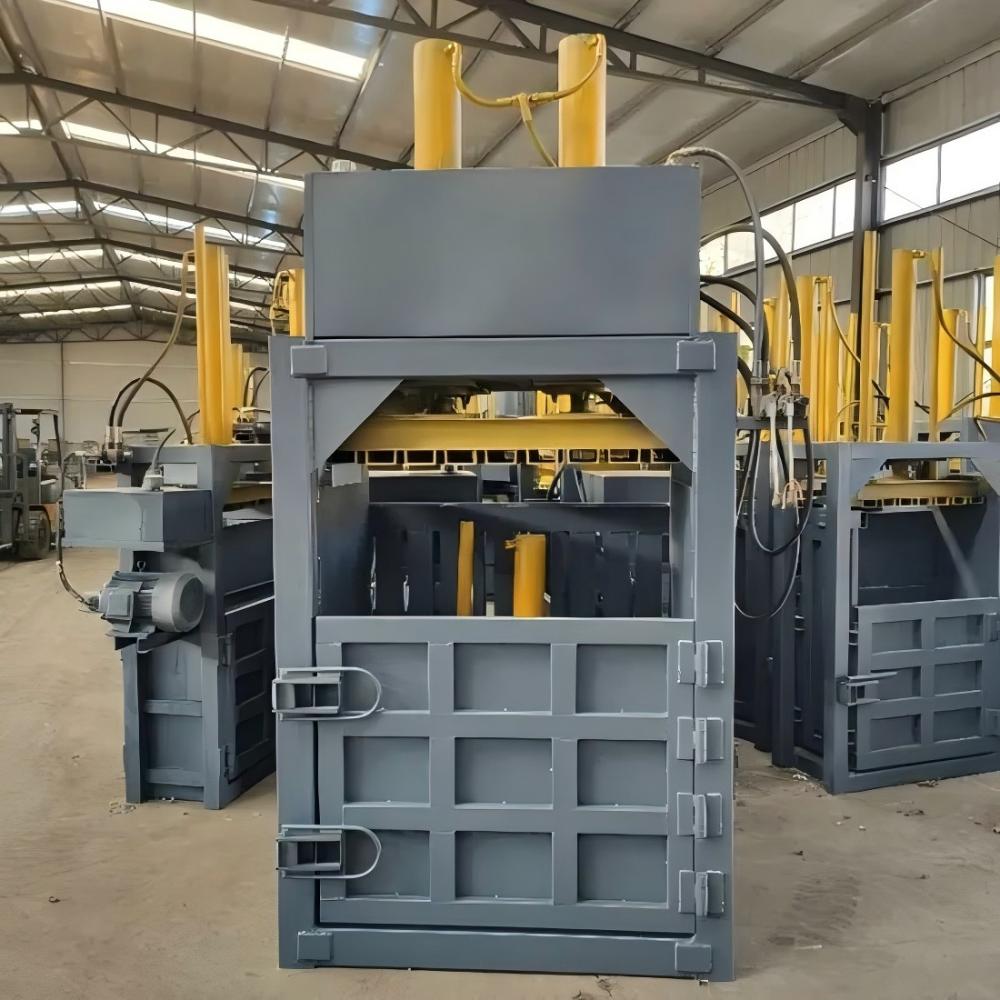
When purchasing, prioritize manufacturers that provide comprehensive support and readily available spare parts. A machine is only as good as the service behind it. Ensure that your supplier offers detailed documentation, remote diagnostic capabilities, and a robust network of technicians. This support structure is invaluable when you encounter complex issues that go beyond basic troubleshooting.
Frequently Asked Questions (FAQ)
Why is my vertical baler running slower than usual?
Slow cycle times are typically caused by low hydraulic fluid levels, contaminated oil, a worn hydraulic pump, or electrical sensor malfunctions. Start by checking your fluid levels and inspecting the proximity sensors for debris.
How often should I change the hydraulic oil in my baler?
Generally, hydraulic oil should be changed every 1,000 to 2,000 hours of operation, depending on the environment and usage intensity. Always refer to your HARSLE maintenance manual for specific intervals.
Can a dirty filter cause slow cycle times?
Yes. A clogged hydraulic filter restricts fluid flow, forcing the pump to work harder and slowing down the ram movement. Replacing the filter is one of the easiest and most effective ways to restore productivity.
What should I do if the ram stops mid-stroke?
First, ensure the emergency stop button has not been accidentally triggered. If the machine is powered, check for electrical faults or hydraulic pressure drops. If the issue persists, contact a certified technician to avoid damaging the cylinder.
Is it safe to adjust the pressure relief valve myself?
It is generally not recommended unless you have specific training. Incorrect pressure settings can lead to structural damage or safety hazards. Always consult the manufacturer’s guidelines first.
Conclusion: Restoring Productivity Through Diligence
Mastering Vertical Baler Troubleshooting: Fix Slow Cycle Times and Restore Productivity is a journey of continuous improvement. By maintaining a clean hydraulic system, ensuring electrical sensors are free of debris, and choosing the right equipment for your specific material needs, you can ensure that your HARSLE baler remains a reliable asset for years to come. Do not wait for a total breakdown to address minor performance issues; proactive maintenance is the hallmark of a successful industrial operation.
Remember that your baler is an investment in your facility’s efficiency. When you treat it with the care and attention it deserves, it will reward you with consistent performance, reduced downtime, and higher output. Use the insights provided in this guide to build a robust maintenance schedule, train your operators on proper usage, and keep your production line moving at peak capacity. If you ever find yourself in doubt, reach out to professional support teams to ensure that your repairs are performed correctly and safely.
Ultimately, the goal of any industrial machinery guide is to empower you to take control of your equipment. By understanding the mechanics behind your vertical baler, you are better equipped to make informed decisions about repairs, upgrades, and daily operations. Stay vigilant, keep your equipment clean, and continue to prioritize the health of your machinery to maintain a competitive advantage in the metal fabrication industry.