Hydraulic Briquetting Machine Vs Mechanical Briquetting Machine: Technical Comparison

Technical Overview
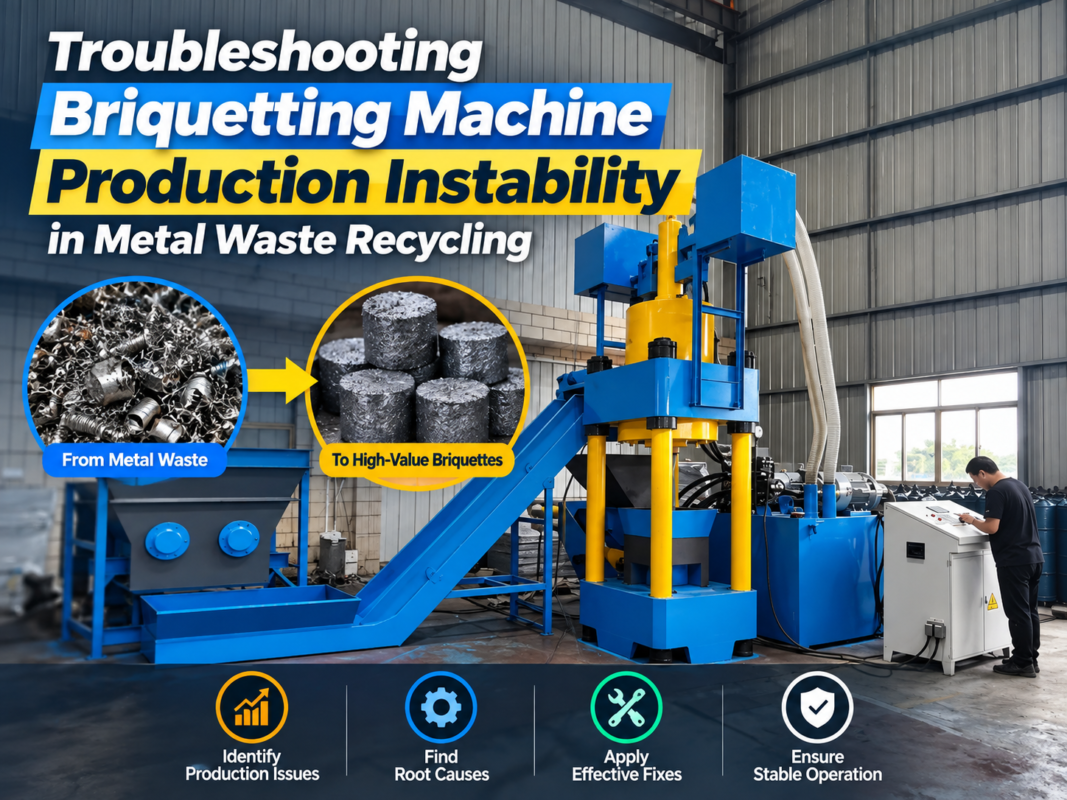
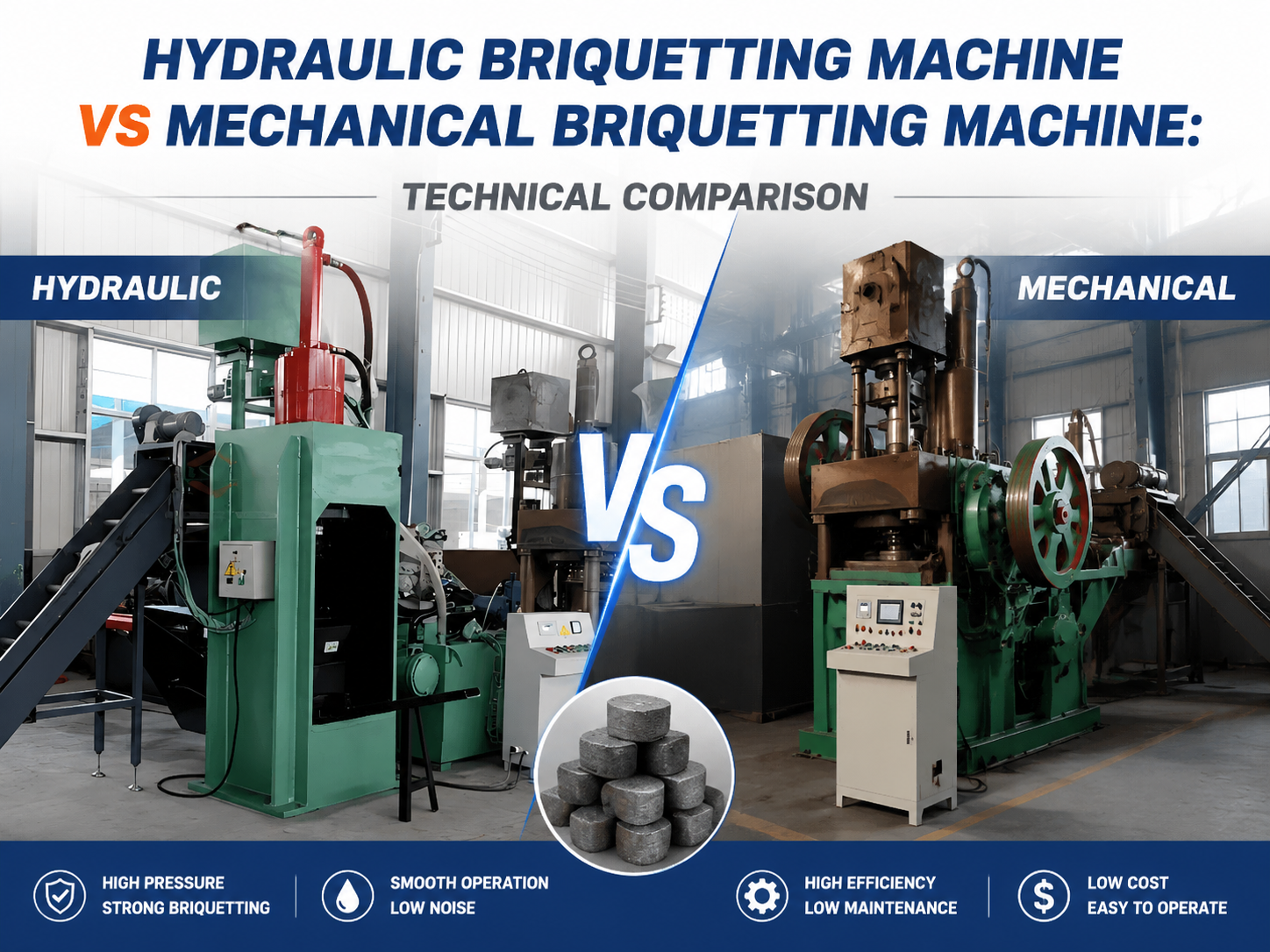
In the modern metal fabrication industry, the management of metal swarf, chips, and turnings is a critical operational challenge. Briquetting machines transform loose, voluminous metal waste into dense, manageable pucks, significantly reducing storage space and increasing the value of scrap metal. When evaluating the market, the primary decision lies in the choice between a Hydraulic Briquetting Machine and a Mechanical Briquetting Machine.
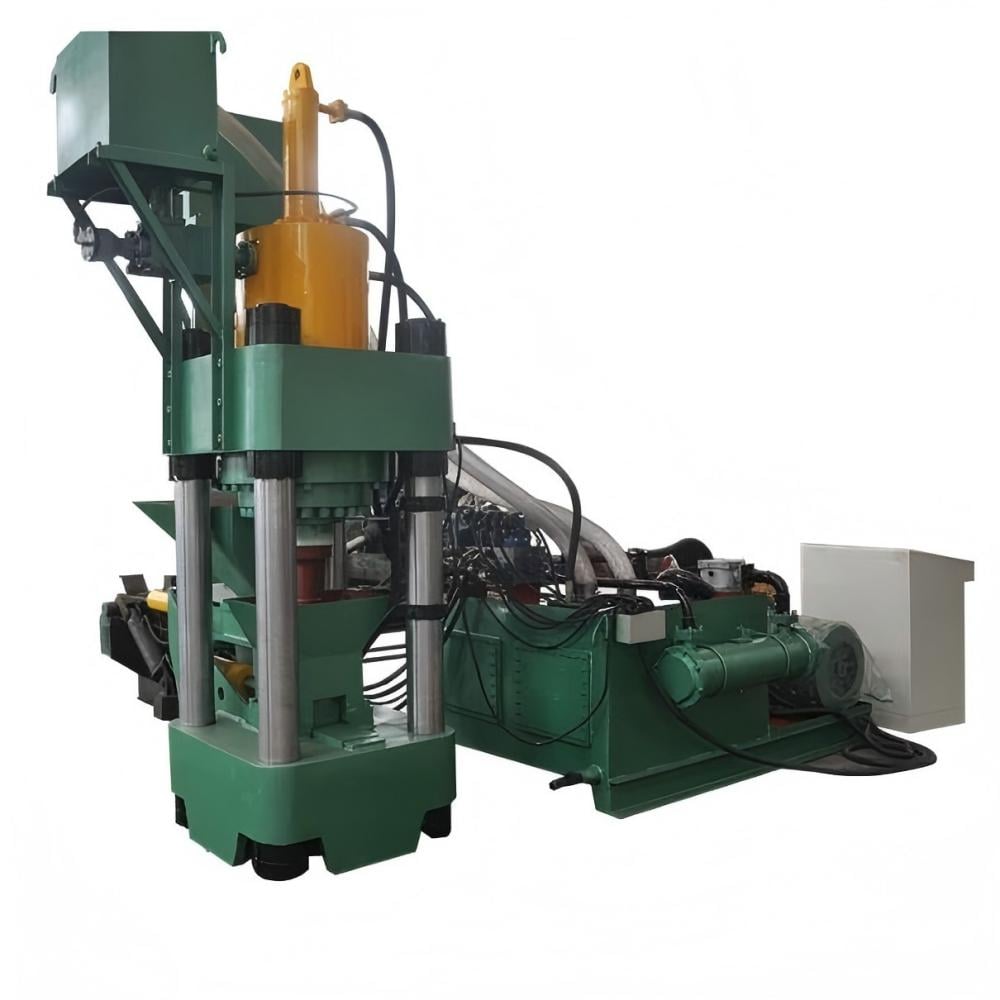
The Hydraulic Briquetting Machine operates on the principle of Pascal’s Law, utilizing pressurized fluid to generate force. These systems are renowned for their high-pressure capabilities and versatility in handling various metal types, including aluminum, steel, copper, and brass. The hydraulic system allows for precise control over the compaction cycle, ensuring consistent density across different material grades.
Conversely, the Mechanical Briquetting Machine utilizes a motor-driven flywheel and a crank-link mechanism to exert force. This design is inherently faster, as the mechanical cycle is fixed and rapid. Mechanical presses are often favored in high-volume, single-material production lines where the consistency of the input material allows for a standardized, high-speed compaction process without the need for complex pressure adjustments.
Understanding the fundamental differences between these two technologies is essential for facility managers and procurement officers. While hydraulic systems offer flexibility and extreme force, mechanical systems provide throughput efficiency. This technical guide explores the nuances of both, providing the data necessary to make an informed investment decision for your metal fabrication facility.
Core Parameters
When comparing these two technologies, several core parameters define their performance. The first is the Specific Compaction Pressure, measured in MPa or N/mm². Hydraulic machines typically offer a wider range of adjustable pressure, allowing operators to fine-tune the density of the briquette based on the material’s yield strength. Mechanical machines, while powerful, often have a fixed maximum pressure determined by the stroke of the crank mechanism.
Cycle time is the second critical parameter. Mechanical briquetting machines excel here, often achieving 10 to 20 cycles per minute, depending on the material density. Hydraulic machines, due to the time required for fluid displacement and valve switching, generally operate at a slower pace. However, the trade-off is the ability of hydraulic systems to dwell at maximum pressure, which is vital for materials that exhibit high spring-back characteristics.
Energy efficiency is another major consideration. Hydraulic systems require continuous power to maintain pressure and operate the pump, which can lead to higher energy consumption during idle or low-load periods. Mechanical systems, utilizing the kinetic energy stored in a flywheel, are often more energy-efficient during continuous, high-speed operation, as the motor does not need to work against constant fluid resistance.
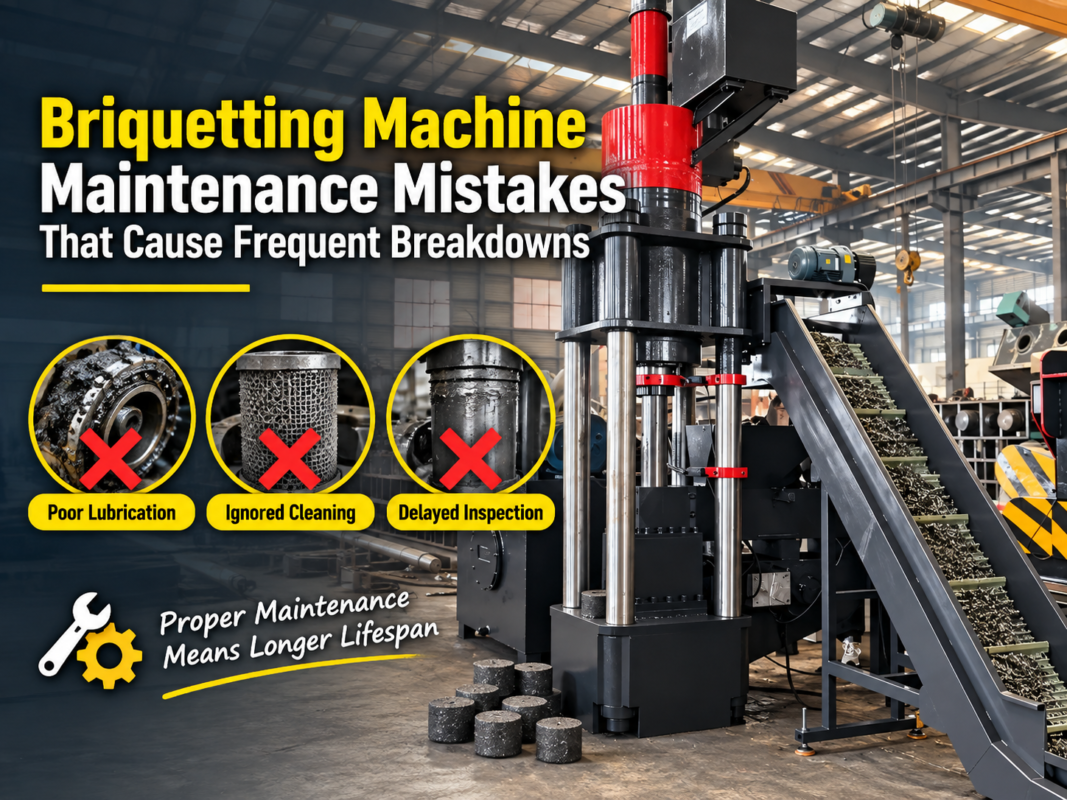
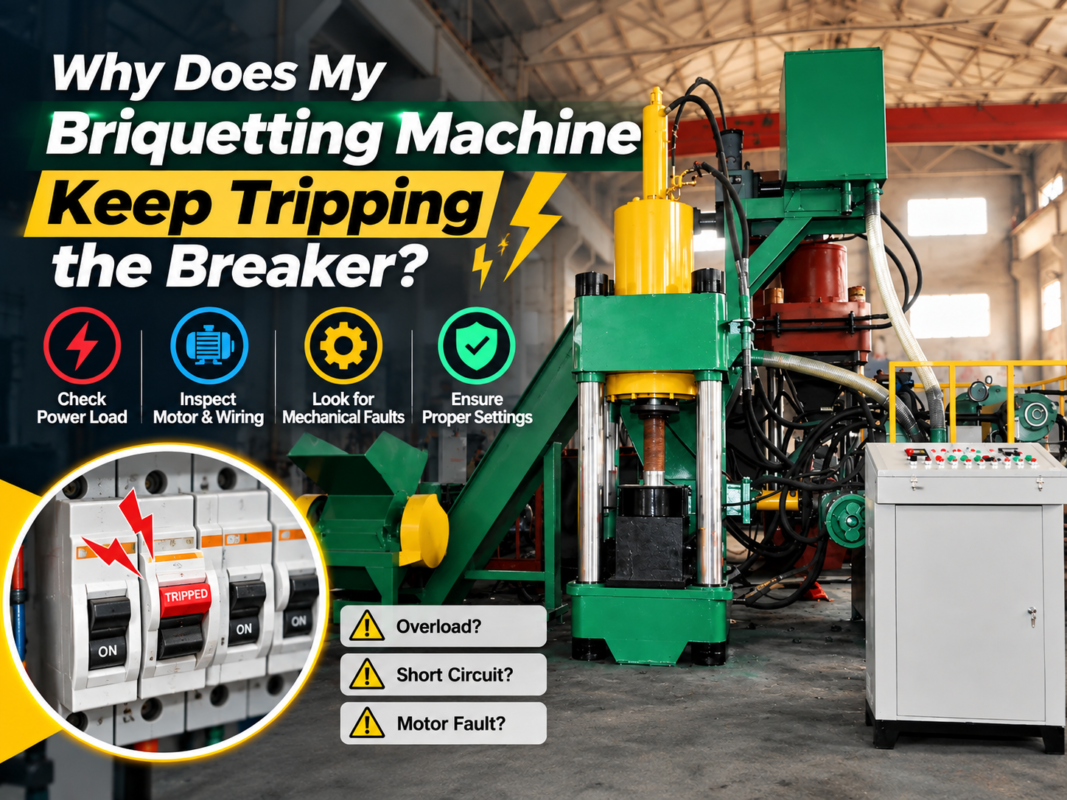
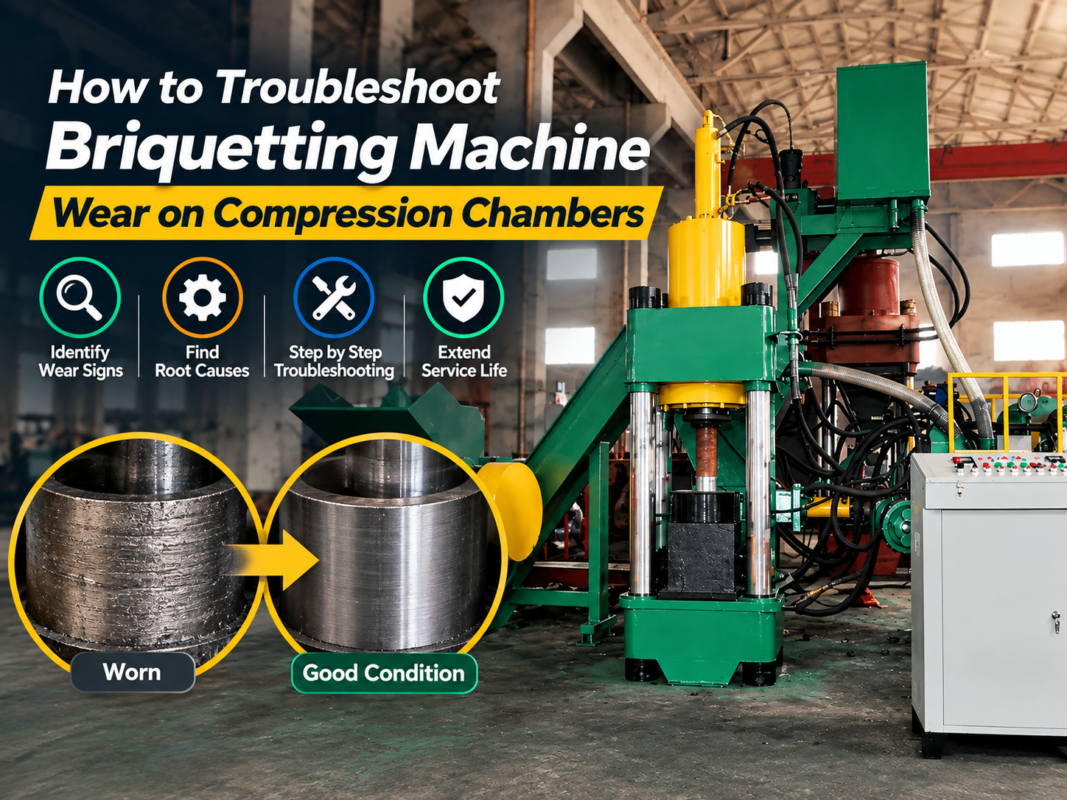
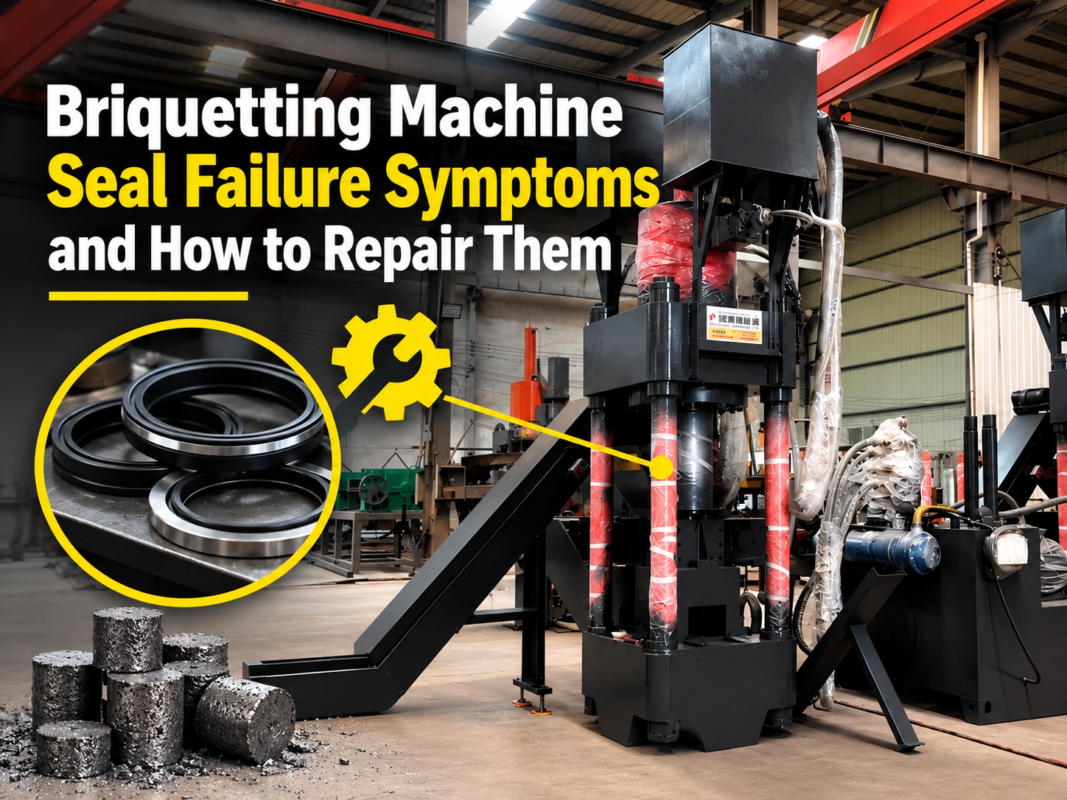
Maintenance requirements differ significantly between the two. Hydraulic systems require regular monitoring of fluid levels, filter changes, and seal inspections to prevent leaks. Mechanical systems, while robust, involve complex gearboxes, linkages, and bearings that require precise lubrication and periodic mechanical alignment to prevent premature wear and vibration-related failures.
Calculation Method
Calculating the required force for a briquetting operation is essential for selecting the right machine. The basic formula for required force (F) is F = P × A, where P is the required specific pressure and A is the cross-sectional area of the briquette. However, in practice, one must account for the material’s friction coefficient and the desired density ratio.
For hydraulic machines, the calculation involves the cylinder bore area and the system pressure. The force is calculated as F = (π × D²/4) × P_sys, where D is the cylinder diameter and P_sys is the hydraulic system pressure. This allows for precise calculation of the compaction force applied to the material, which is critical when processing high-tensile alloys.
For mechanical machines, the force is derived from the torque of the motor and the mechanical advantage of the crank mechanism. The calculation is more complex, involving the crank radius and the connecting rod length. The force is highest at the bottom dead center (BDC) of the stroke. Engineers must ensure that the peak force does not exceed the structural limits of the machine frame, which is a common failure point in under-engineered mechanical presses.
When comparing the two, it is important to calculate the ‘Cost per Ton’ of processed material. This includes energy consumption, maintenance costs, and the labor required to feed the machine. A hydraulic machine might have a higher initial cost and higher energy consumption, but its ability to process a wider variety of materials may result in a lower overall cost per ton for facilities with diverse scrap streams.
Parameter Table
| Feature | Hydraulic Briquetting Machine | Mechanical Briquetting Machine |
|---|---|---|
| Force Generation | Hydraulic Cylinder | Flywheel & Crank Mechanism |
| Cycle Speed | Moderate (Variable) | High (Fixed) |
| Pressure Control | Highly Adjustable | Fixed/Limited |
| Material Versatility | High (Handles diverse alloys) | Low (Best for uniform scrap) |
| Maintenance Focus | Seals, Valves, Fluid | Bearings, Gears, Linkages |
| Energy Efficiency | Lower (Constant pump load) | Higher (Kinetic energy storage) |
| Spring-back Control | Excellent (Dwell capability) | Limited |
Common Engineering Mistakes
One of the most frequent mistakes in selecting a briquetting machine is ignoring the material’s ‘spring-back’ factor. Some metals, such as high-strength steel or certain aluminum alloys, tend to expand after the pressure is released. If the machine does not have a dwell function—a feature standard in hydraulic machines—the resulting briquettes may crumble or fail to meet density requirements.
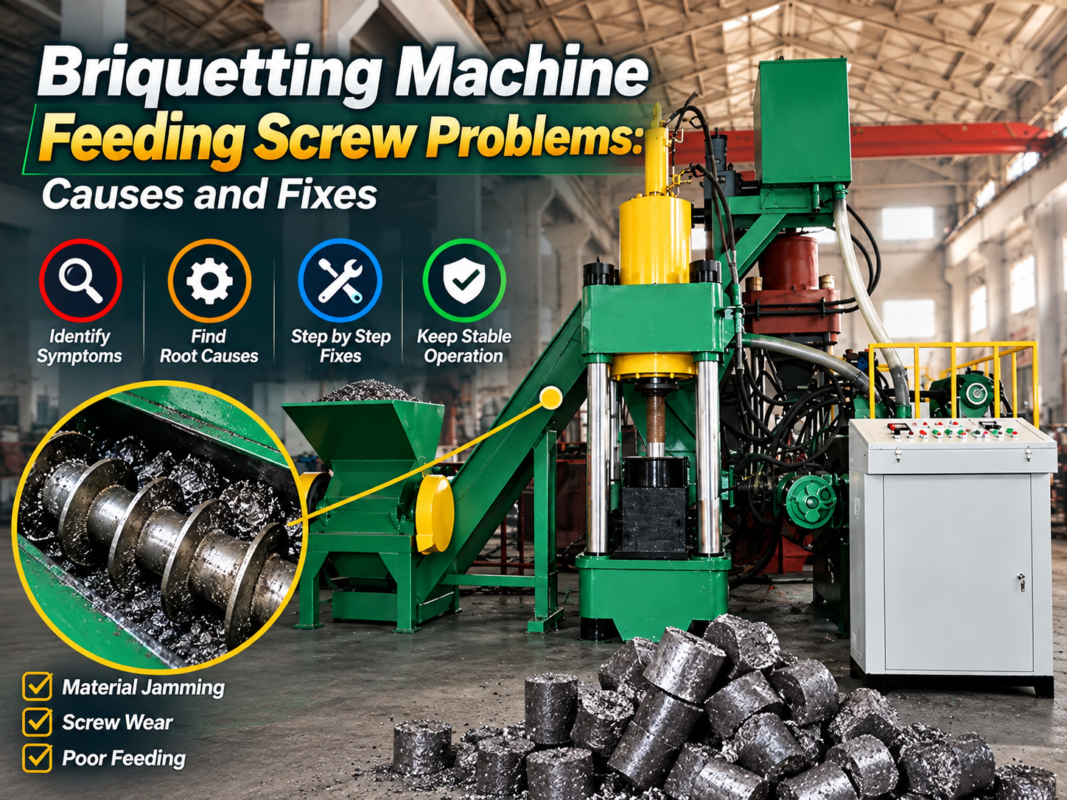
Another common error is failing to account for the bulk density of the input material. If the feed system is not sized correctly for the volume of the scrap, the machine will suffer from ‘bridging,’ where the material fails to enter the compaction chamber. This leads to inconsistent briquette sizes and increased wear on the feed auger or hopper components.
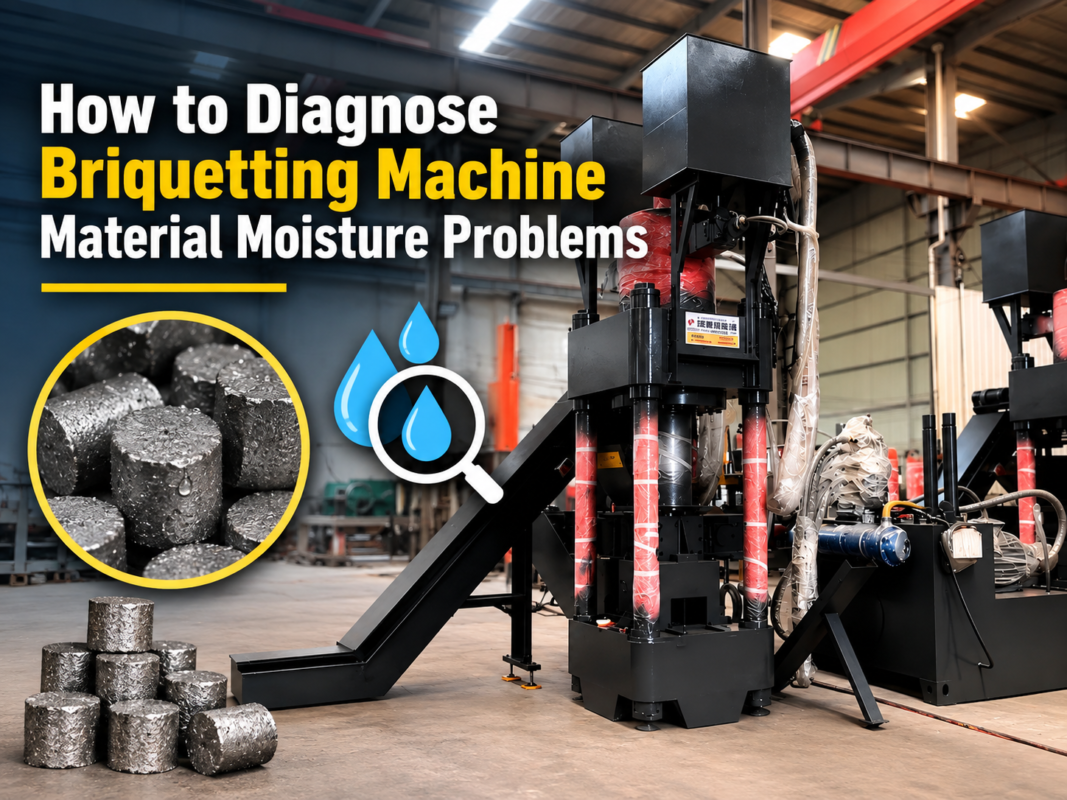
Underestimating the impact of coolant and oil content in the scrap is also a significant oversight. Metal chips are often coated in cutting fluids. Hydraulic machines are generally better equipped to handle high-moisture scrap, as they can incorporate drainage systems into the compaction chamber. Mechanical machines may struggle with fluid management, leading to slippage or contamination of the mechanical components.
Finally, many facilities fail to consider the integration of the briquetting machine into their existing workflow. A machine that is too fast for the downstream conveyor system will cause bottlenecks, while a machine that is too slow will lead to scrap accumulation on the shop floor. Proper layout planning and material handling integration are just as important as the machine’s technical specifications.
Selection Checklist
- Material Analysis: Identify the types of metal scrap (aluminum, steel, brass, etc.) and their typical bulk density.
- Throughput Requirements: Determine the volume of scrap generated per hour to ensure the machine cycle time meets demand.
- Briquette Quality: Define the required density and size of the briquettes for downstream smelting or recycling.
- Space Constraints: Measure the available floor space, considering the footprint of the machine and the necessary feed/discharge conveyors.
- Maintenance Capability: Assess your facility’s ability to maintain hydraulic systems versus mechanical gear-driven systems.
- Energy Availability: Check the power supply requirements and the potential for energy-saving features like variable frequency drives.
- Budget vs. ROI: Calculate the total cost of ownership, including energy, maintenance, and the potential revenue from higher-quality scrap.
FAQ
Which machine is better for high-volume aluminum chips?
For high-volume, uniform aluminum chips, a mechanical briquetting machine is often superior due to its high cycle speed and energy efficiency. However, if the aluminum scrap varies significantly in size or alloy, a hydraulic machine offers the necessary flexibility.
Can a hydraulic briquetting machine handle steel turnings?
Yes, hydraulic machines are excellent for steel turnings. The ability to apply sustained, high pressure allows for the compaction of tough steel alloys that might otherwise be difficult to process in a mechanical press.
How often should I change the hydraulic oil?
Hydraulic oil should be changed according to the manufacturer’s schedule, typically every 2,000 to 4,000 operating hours. Regular oil analysis can help determine if the oil is degrading prematurely due to heat or contamination.
What is the main advantage of a mechanical press?
The main advantage is throughput. Because the mechanical cycle is fixed and rapid, these machines can process large volumes of scrap very quickly, making them ideal for dedicated production lines.
Do I need a special foundation for these machines?
Both types of machines generate significant vibration and force. A reinforced concrete foundation is usually required to ensure stability and prevent damage to the machine frame and surrounding floor area.
How does moisture in the scrap affect the machine?
High moisture content can lead to corrosion and contamination. Hydraulic machines are generally better at managing fluids, but both types require proper drainage and filtration systems if the scrap is heavily saturated with cutting oils or coolants.