How Briquetting Machines Reduce Storage Costs In Metal Fabrication Plants: A Comprehensive Guide

Technical Overview
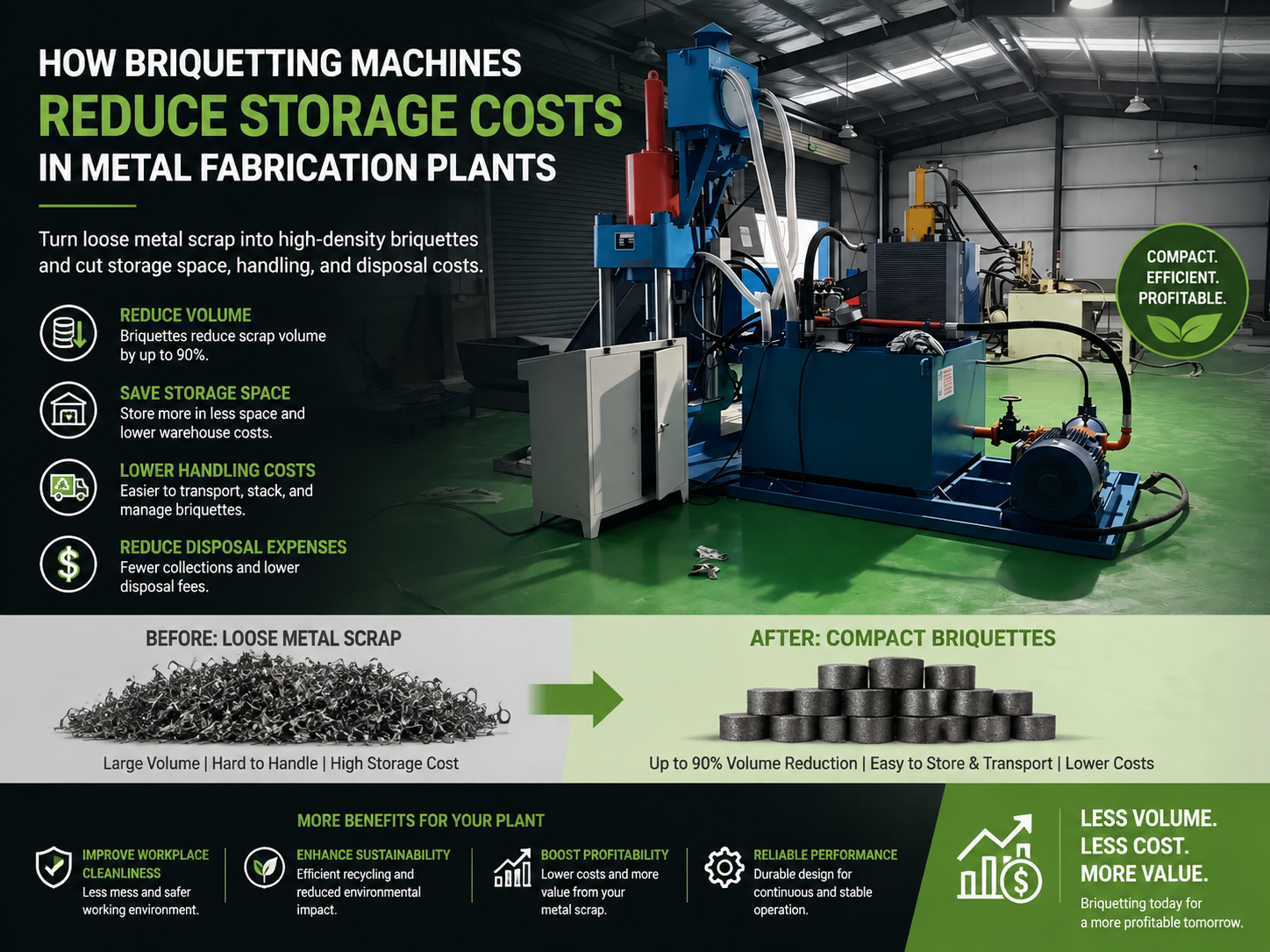
In the modern metal fabrication landscape, the management of byproduct waste is as critical as the primary production process itself. Metal fabrication plants generate vast quantities of loose metal chips, turnings, and shavings—collectively known as swarf. These materials, while valuable, are notoriously difficult to manage due to their high volume-to-weight ratio. This is where the implementation of a high-performance briquetting machine becomes a game-changer for operational efficiency.
A briquetting machine is a specialized hydraulic press designed to compress loose metal waste into dense, solid cylinders or ‘pucks.’ By applying extreme pressure, these machines eliminate the air pockets trapped within the swarf, effectively reducing the volume of the waste by up to 90%. This transformation is not merely a matter of tidiness; it is a fundamental shift in how a facility manages its logistics, storage, and environmental footprint.
The technology relies on a robust hydraulic system that forces the metal chips into a compression chamber. As the ram descends, the material is compacted into a uniform shape. Because the process is mechanical and cold-formed, it preserves the metallurgical integrity of the scrap, making it highly desirable for foundries and smelters. HARSLE’s range of briquetting machines is engineered to handle various materials, including steel, aluminum, copper, and brass, ensuring that every fabrication plant can find a solution tailored to their specific waste stream.
Beyond volume reduction, these machines facilitate the recovery of expensive cutting fluids and coolants. Loose metal chips act like sponges, soaking up significant amounts of oil. When compressed, the briquetting process squeezes this fluid out, allowing it to be filtered and reused. This dual benefit—volume reduction and fluid recovery—directly addresses the core question of how briquetting machines reduce storage costs in metal fabrication plants by minimizing the physical space required for waste bins and reducing the frequency of hazardous waste disposal pickups.
Core Parameters
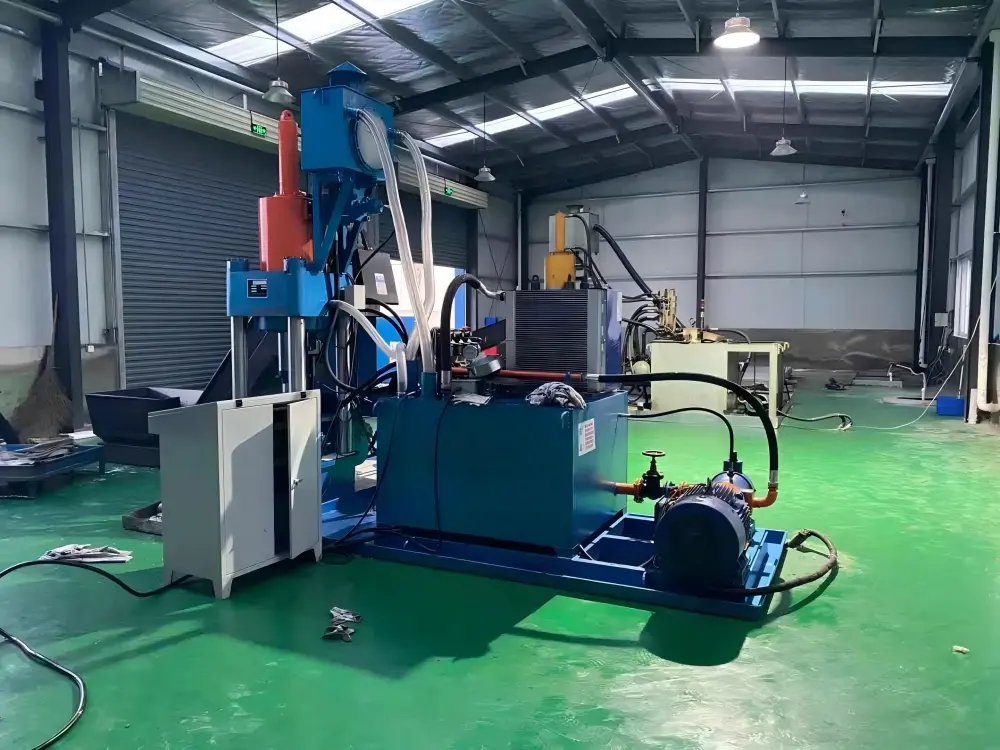
Understanding the technical specifications of a briquetting machine is essential for any plant manager looking to optimize their facility. The primary parameter is the compression force, measured in tons. This force determines the density of the final briquette. A higher compression force is necessary for harder metals like stainless steel, while softer metals like aluminum require less force but higher throughput speeds.
Another critical parameter is the cycle time. In a high-volume fabrication environment, the machine must be able to keep pace with the output of CNC machines and lathes. HARSLE machines are designed with automated feeding systems that ensure a continuous flow of material into the compression chamber, minimizing downtime and maximizing the density of the output. The throughput capacity, usually measured in kilograms per hour, is the metric that dictates how quickly a plant can clear its floor of loose scrap.
The briquette diameter and density are also vital. Standardized puck sizes allow for easier stacking and transportation. High-density briquettes are less likely to crumble during transit, which is a major advantage when selling scrap to third-party recyclers. By producing a consistent, high-quality product, fabrication plants can often negotiate better prices for their scrap, turning a waste management cost into a revenue stream.
Finally, the power consumption and hydraulic system efficiency are key parameters for long-term cost-effectiveness. Modern HARSLE briquetting machines incorporate energy-saving features, such as variable frequency drives and intelligent hydraulic controls that only draw power when the compression cycle is active. This ensures that the operational cost of running the machine does not outweigh the savings generated by reduced storage and logistics requirements.
Calculation Method
To quantify how briquetting machines reduce storage costs in metal fabrication plants, one must look at the ‘Volume Reduction Ratio.’ If a bin of loose aluminum chips occupies 1 cubic meter, the same weight of material, once briquetted, might occupy only 0.1 cubic meters. This 10:1 reduction means that a plant that previously required ten large dumpsters for scrap storage now only needs one.
The calculation for storage cost savings is straightforward: (Cost per square foot of floor space) x (Reduction in storage footprint) + (Reduction in waste disposal frequency). If a plant pays $15 per square foot for warehouse space, and they can reclaim 500 square feet by eliminating loose scrap bins, the annual savings are immediate and significant. Furthermore, the reduction in the number of truck trips required to haul away scrap provides a secondary layer of logistics cost savings.
Another factor in the calculation is the ‘Fluid Recovery Value.’ If a plant processes 1,000 kg of chips per day, and those chips contain 5% oil by weight, the plant is losing 50 liters of coolant daily. By recovering 80% of that fluid through briquetting, the plant saves 40 liters of coolant per day. At an average cost of $5 per liter, this equates to $200 in daily savings, or over $50,000 annually, which often pays for the machine within the first year of operation.
Finally, consider the ‘Scrap Premium.’ Foundries prefer briquetted material because it is easier to feed into furnaces and has a lower surface-area-to-volume ratio, which reduces oxidation during the melting process. Many scrap dealers offer a premium price for briquettes compared to loose turnings. By calculating the difference in price per ton, managers can see a direct impact on their bottom line that goes beyond simple storage savings.
Parameter Table
| Parameter | Specification Range | Impact on Storage |
|---|---|---|
| Compression Force | 100 – 500 Tons | Higher force = Higher density = Less volume |
| Throughput Capacity | 50 – 1000 kg/h | Faster processing = Less floor clutter |
| Briquette Density | 3.5 – 5.5 g/cm³ | Higher density = More weight per pallet |
| Fluid Recovery Rate | Up to 95% | Reduces hazardous waste volume |
| Power Consumption | 7.5 – 45 kW | Operational efficiency vs. storage savings |
Common Engineering Mistakes
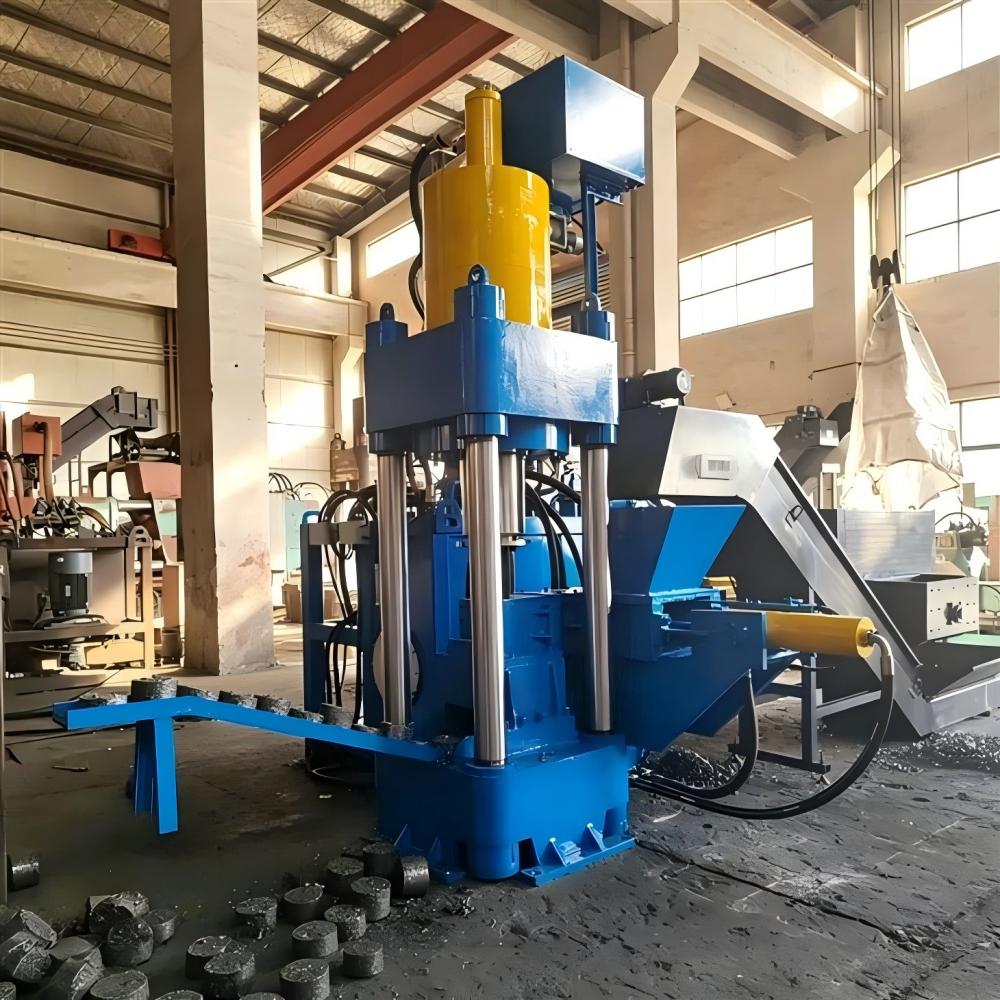
One of the most common mistakes in implementing a briquetting solution is failing to account for the variety of materials in the waste stream. Mixing different metals, such as aluminum and steel, can lead to contamination that lowers the value of the briquettes. A well-designed system should include a sorting mechanism or a dedicated workflow to ensure that like-materials are processed together.
Another frequent error is underestimating the required throughput. If the briquetting machine is too small for the plant’s output, the loose chips will continue to pile up, defeating the purpose of the investment. It is crucial to perform a thorough audit of daily chip production during peak operation hours before selecting a machine model. HARSLE engineers recommend sizing the machine for 120% of the maximum expected output to account for future growth.
Neglecting the maintenance of the hydraulic system is a critical oversight. Briquetting is a high-pressure application that puts significant stress on seals, valves, and pumps. Failing to adhere to a strict maintenance schedule can lead to leaks, reduced compression force, and ultimately, a failure to produce high-density briquettes. Regular oil analysis and filter changes are non-negotiable for long-term reliability.
Finally, many plants fail to integrate the briquetting machine into their existing material handling workflow. If the machine is placed in a remote corner of the facility, the labor cost of transporting the loose chips to the machine can negate the savings. The machine should be positioned as close to the source of the chips as possible, or integrated into a conveyor system that automates the entire process from the CNC machine to the briquette storage area.
Selection Checklist
- Material Compatibility: Ensure the machine is rated for the specific alloys you process (e.g., steel, aluminum, brass).
- Throughput Requirements: Calculate your peak daily scrap volume and select a machine with a 20% buffer.
- Space Constraints: Measure the available footprint for the machine and the associated feeding/discharge conveyors.
- Fluid Recovery Needs: If your chips are heavily saturated with oil, prioritize models with high-efficiency drainage systems.
- Automation Level: Determine if you need a fully automated system with sensors or a manual feed system for lower volumes.
- After-Sales Support: Verify the availability of spare parts and technical support in your region.
- Energy Efficiency: Check for variable speed drives and energy-saving modes to minimize operational costs.
FAQ
Q: How do briquetting machines reduce storage costs in metal fabrication plants?
A: They reduce the volume of loose metal chips by up to 90%, allowing you to store more material in a smaller footprint and reducing the frequency of waste removal services.
Q: Can I process different types of metal in the same machine?
A: While the machine can handle different metals, you should avoid mixing them to maintain the purity and resale value of your scrap. It is best to process one type of metal at a time.
Q: Is the fluid recovery worth the investment?
A: Absolutely. Recovering expensive cutting fluids and coolants significantly lowers your procurement costs and reduces the volume of hazardous waste you need to dispose of, providing a rapid return on investment.
Q: How often does a briquetting machine require maintenance?
A: Routine maintenance, such as checking hydraulic fluid levels and cleaning filters, should be performed weekly. A comprehensive service check should be conducted every 500-1000 operating hours.
Q: Does HARSLE provide installation support?
A: Yes, HARSLE offers comprehensive installation guidance and on-site training to ensure your team can operate and maintain the equipment effectively from day one.