Troubleshooting Common Briquetting Machine Problems In Industrial Production

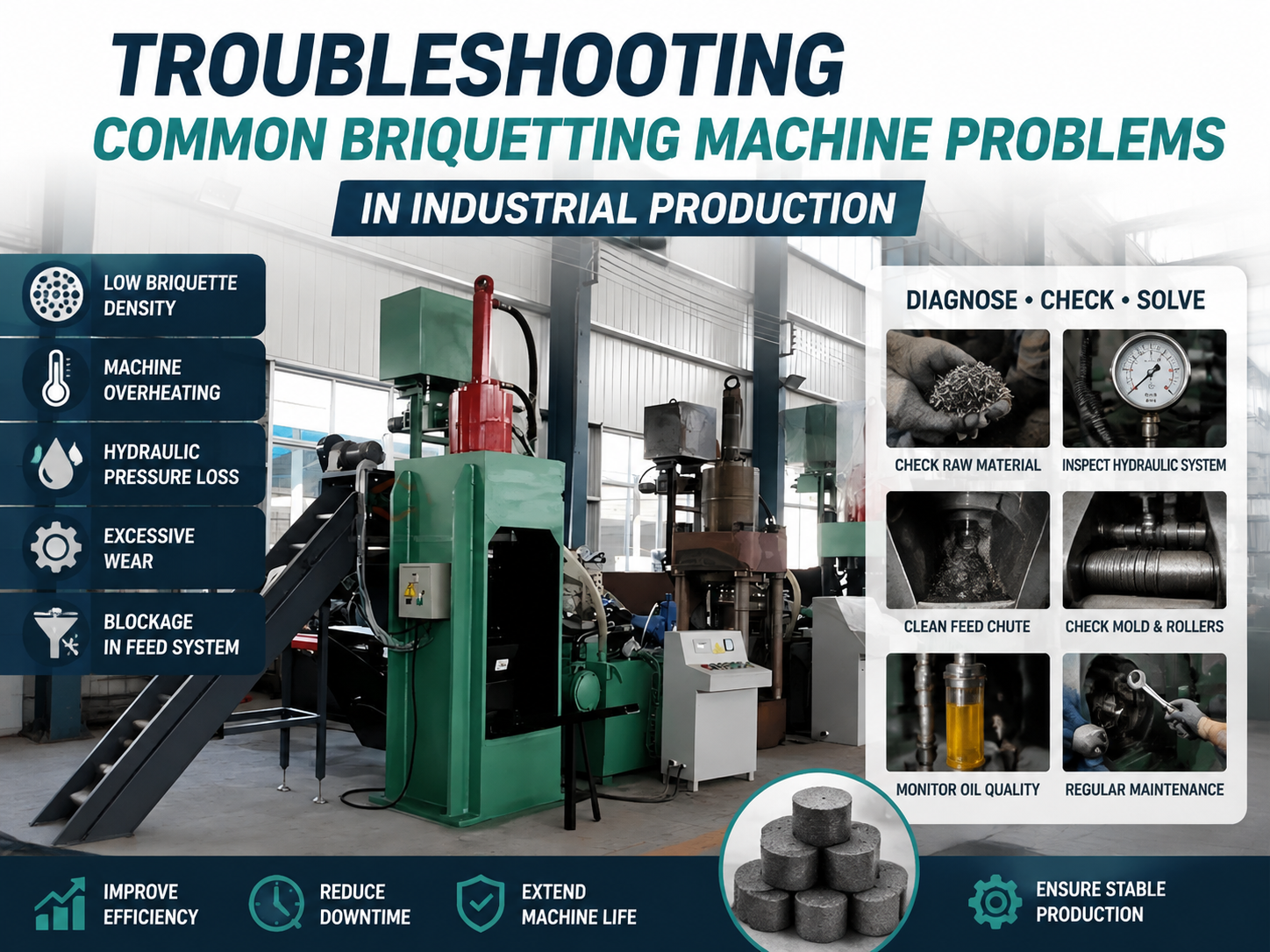
Technical Overview
In the modern metal fabrication landscape, the management of metal swarf, chips, and turnings represents a significant logistical and economic challenge. HARSLE briquetting machines serve as the critical bridge between waste management and resource recovery. By utilizing high-pressure hydraulic systems, these machines compress loose, voluminous metal scrap into dense, uniform briquettes. This process not only reduces the volume of waste by up to 90% but also recovers expensive cutting fluids, significantly lowering environmental impact and disposal costs.
The core technology behind a HARSLE briquetting machine involves a multi-stage hydraulic compression cycle. The material is fed into a hopper, pre-compressed by a vertical cylinder, and then subjected to extreme pressure by a main horizontal cylinder. This mechanical transformation changes the physical state of the material, allowing for easier handling, storage, and transport. Understanding the mechanical integrity of these components is the first step in troubleshooting common briquetting machine problems in industrial production.
When a system fails to perform at its peak, it is often due to a breakdown in the synchronization between the feeding mechanism and the hydraulic pressure cycle. Because these machines operate under immense stress, even minor deviations in sensor calibration or hydraulic fluid viscosity can lead to significant downtime. Operators must be trained to recognize the subtle auditory and visual cues that precede a mechanical failure, such as irregular cycle times or unusual vibrations during the compression phase.
Furthermore, the integration of advanced PLC (Programmable Logic Controller) systems in modern HARSLE units allows for real-time diagnostics. However, the human element remains vital. Troubleshooting is not merely about reading error codes; it is about understanding the material properties being processed. Different metals, such as aluminum, steel, or copper, exhibit varying degrees of elasticity and friction, which directly impact the wear and tear on the die and punch assemblies.
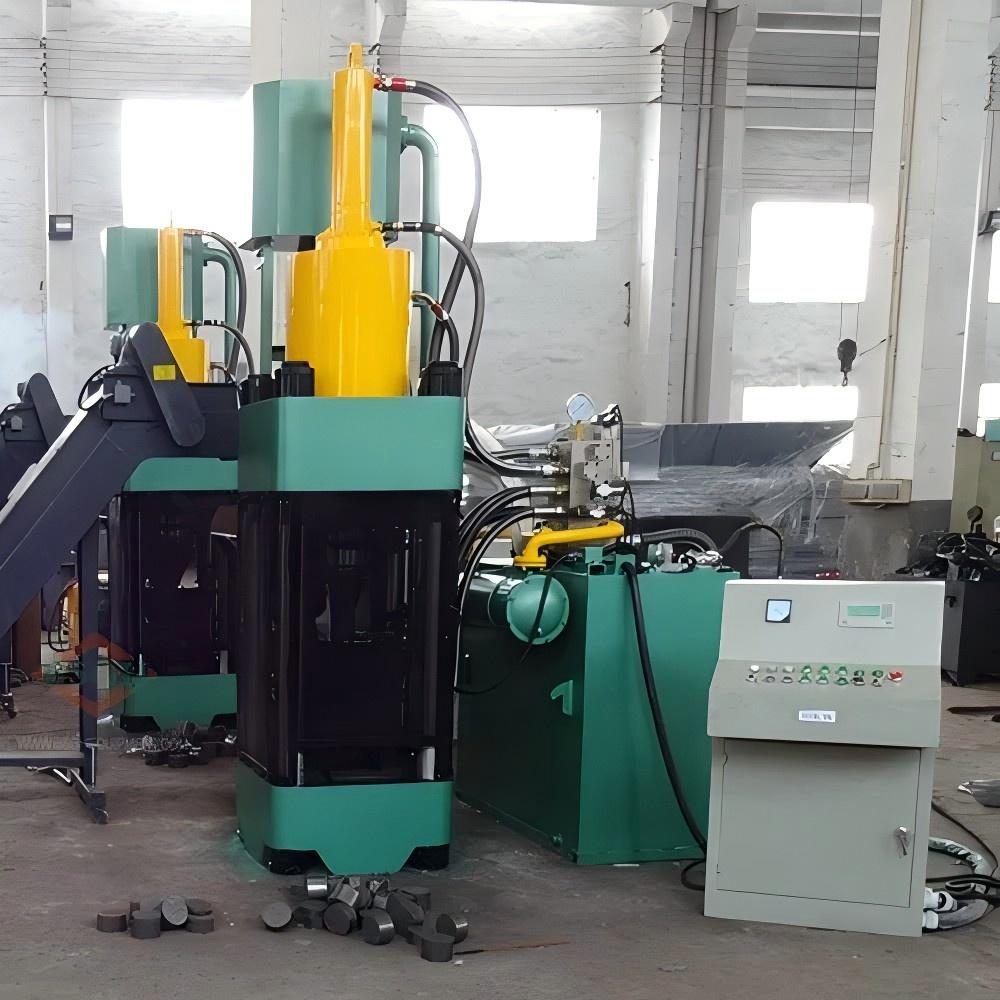
Core Parameters
To effectively manage a briquetting unit, one must understand the core parameters that dictate machine performance. The primary parameter is the specific pressure, measured in N/mm². This determines the density of the final briquette. If the specific pressure is too low, the briquettes will crumble during transport; if it is too high, it may cause unnecessary strain on the machine’s structural frame and hydraulic seals.
Cycle time is another critical metric. It represents the duration from the start of the feeding process to the ejection of the finished briquette. In high-volume industrial environments, optimizing cycle time is essential for throughput. However, pushing the machine beyond its rated cycle speed can lead to overheating of the hydraulic oil, which in turn degrades the performance of the valves and pumps.
The compression ratio is defined by the volume of the loose material versus the volume of the final briquette. This parameter is highly dependent on the bulk density of the incoming scrap. For instance, light aluminum turnings require a much higher compression ratio than heavy steel chips. Operators must adjust the machine settings based on the material density to ensure consistent briquette quality and prevent mechanical jams.
Finally, hydraulic system pressure is the lifeblood of the machine. Maintaining the correct pressure settings within the hydraulic circuit is vital for the longevity of the machine. HARSLE machines are equipped with pressure relief valves that must be calibrated according to the manufacturer’s specifications. Any deviation in these settings is a primary suspect when troubleshooting common briquetting machine problems in industrial production.
Calculation Method
Calculating the required force for a briquetting operation is a fundamental engineering task. The formula used is F = P × A, where F is the total force, P is the required specific pressure, and A is the cross-sectional area of the briquette. To determine the required specific pressure, one must consider the material’s yield strength and the desired density of the final product. For most industrial metal chips, a specific pressure between 150 and 300 MPa is standard.
Another essential calculation involves the throughput capacity, which is calculated as T = (V × N) / C, where V is the volume of the compression chamber, N is the number of cycles per hour, and C is the compression ratio. By monitoring these variables, facility managers can predict the output of their HARSLE equipment and schedule maintenance intervals proactively rather than reactively.
Energy consumption is also a measurable parameter. By calculating the kilowatt-hours per ton of processed material, companies can identify inefficiencies. A sudden spike in energy consumption per ton often indicates that the punch or die is worn, causing increased friction during the compression stroke. This is a classic indicator that maintenance is required before a total system failure occurs.
Finally, the fluid volume calculation is necessary for hydraulic maintenance. The total volume of the hydraulic system must be known to ensure that the oil change intervals are accurate. Using the wrong volume or failing to account for the oil trapped in the cylinders during a flush can lead to contamination of the new hydraulic fluid, which is a common cause of valve failure in high-pressure systems.
Parameter Table
| Parameter | Typical Range | Impact on Performance |
|---|---|---|
| Specific Pressure | 150 – 300 MPa | Briquette density and structural integrity |
| Cycle Time | 15 – 45 seconds | Throughput and production efficiency |
| Hydraulic Oil Temp | 40°C – 60°C | Viscosity and pump longevity |
| Compression Ratio | 4:1 to 8:1 | Material volume reduction efficiency |
| Motor Power | 15kW – 75kW | Force capacity and energy consumption |
Common Engineering Mistakes
One of the most frequent mistakes in industrial production is the failure to properly sort incoming scrap. Mixing different types of metals, such as brass and steel, can lead to inconsistent briquette quality and accelerated wear on the die. Furthermore, contaminants like coolant, oil, or tramp metal (bolts, nuts, or carbide inserts) can cause catastrophic damage to the internal components of the briquetting machine.
Another common error is ignoring the maintenance of the hydraulic filtration system. Hydraulic oil is the medium through which power is transmitted; if it becomes contaminated with metal fines or moisture, the precision valves will begin to stick. This leads to erratic machine behavior, such as incomplete cycles or pressure drops, which are often misdiagnosed as electrical issues.
Operators often neglect the lubrication of the guide rails and the punch assembly. Because these parts are under extreme pressure, the lack of proper lubrication leads to galling—a form of wear caused by adhesion between sliding surfaces. Once galling begins, the friction increases exponentially, leading to motor overload and potential structural damage to the machine frame.
Finally, failing to calibrate the sensors is a major oversight. Modern briquetting machines rely on proximity sensors and pressure transducers to manage the cycle. If these sensors are misaligned or covered in debris, the machine may fail to detect the presence of material or the completion of a stroke. Regular cleaning and calibration of these electronic components are essential for troubleshooting common briquetting machine problems in industrial production.
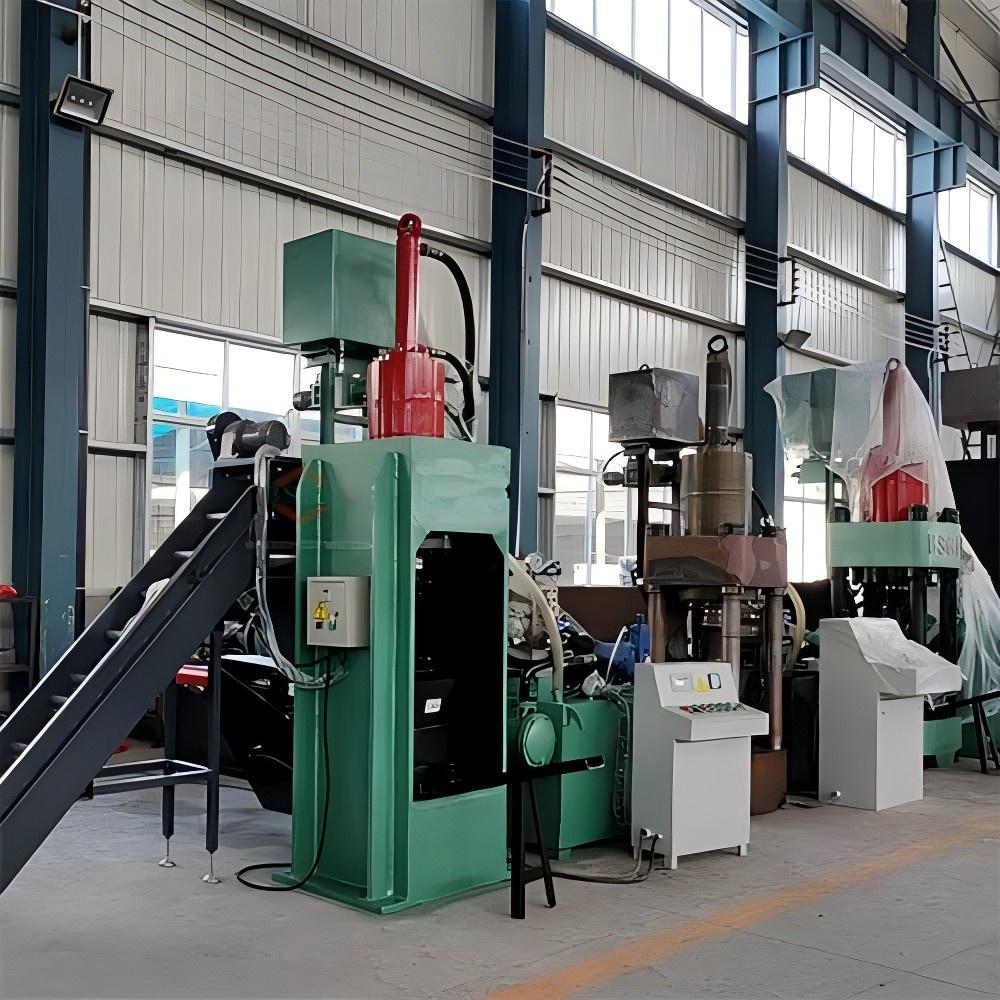
Selection Checklist
When selecting a briquetting machine, consider the volume of scrap generated daily. A machine that is too small will be overworked, leading to frequent breakdowns, while a machine that is too large will be inefficient in terms of energy consumption and floor space. Always choose a model that provides at least 20% more capacity than your current peak production requirements.
Evaluate the material characteristics. Are you processing long, stringy turnings or small, granular chips? Long turnings require a pre-crusher or a shredder integrated into the feed system to prevent bridging in the hopper. Ensure the HARSLE model you choose is compatible with your specific material type to avoid feeding issues.
Consider the hydraulic system design. Look for machines that feature high-quality, globally available hydraulic components. This ensures that in the event of a failure, replacement parts can be sourced quickly, minimizing downtime. A machine with a modular design is also easier to maintain and upgrade over time.
Check the control interface. A user-friendly PLC interface with clear diagnostic messaging is invaluable. It allows operators to identify the source of a problem instantly, rather than spending hours troubleshooting the entire electrical cabinet. Ensure the manufacturer provides comprehensive training and technical support documentation.
FAQ
Why is my briquette density inconsistent?
Inconsistent density is usually caused by variations in the feed material or incorrect pressure settings. Ensure that the material is uniform and that the hydraulic pressure is calibrated to the specific metal being processed.
How often should I change the hydraulic oil?
Typically, hydraulic oil should be changed every 2,000 to 4,000 operating hours, depending on the environment and the intensity of use. Always perform an oil analysis to determine the actual condition of the fluid.
What causes the machine to stop mid-cycle?
This is often due to a sensor error or a pressure relief valve tripping. Check the PLC display for error codes and inspect the hopper for any foreign objects that might be causing a jam.
Can I process mixed metal scrap?
While possible, it is not recommended. Mixing metals results in lower-quality briquettes that are less valuable for recycling. It is best to process one type of metal at a time to maintain purity.
How do I prevent die wear?
Regular lubrication and ensuring that no hard tramp metal enters the compression chamber are the best ways to extend the life of your die and punch assembly.
What is the most common cause of hydraulic leaks?
Leaks are usually caused by worn seals or loose fittings due to vibration. Regular inspection of all hydraulic hoses and connections is vital for preventing fluid loss and maintaining system pressure.
Is professional training required for operators?
Yes, proper training is essential. Understanding the machine’s capabilities and limitations is the best way to prevent the common briquetting machine problems in industrial production that lead to costly repairs.
How does HARSLE support troubleshooting?
HARSLE provides comprehensive technical manuals, remote diagnostic support, and a global network of service engineers to assist with any complex issues that may arise during the machine’s lifecycle.