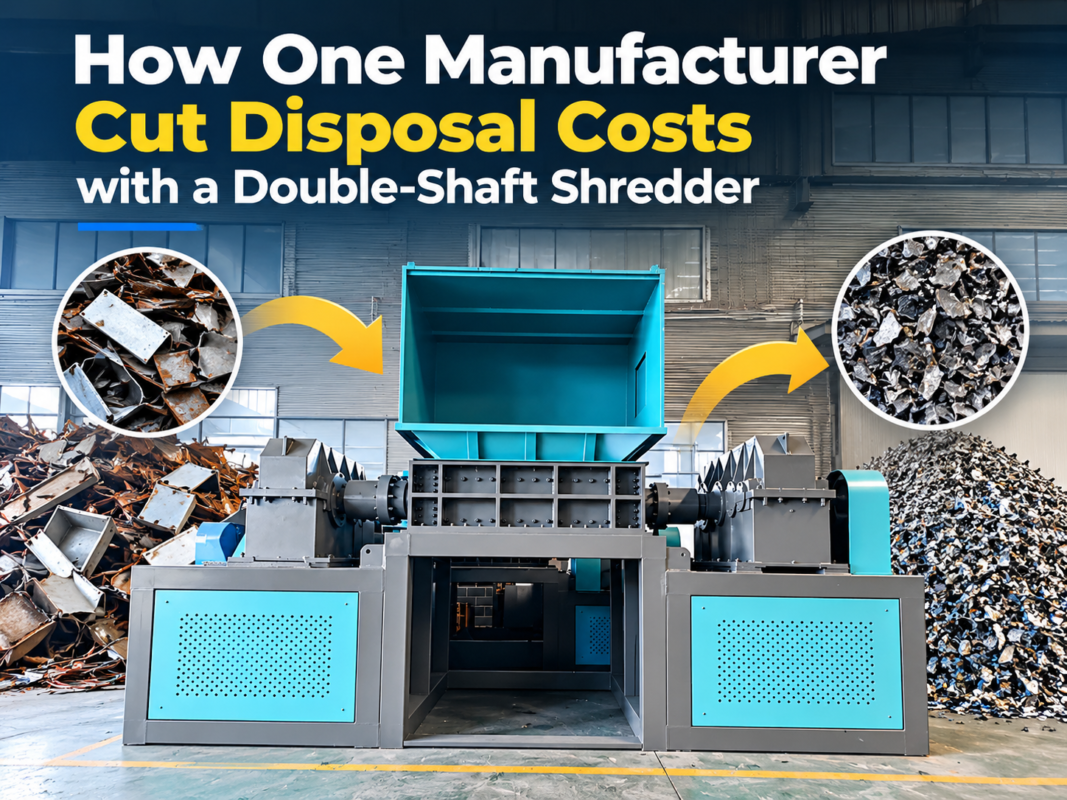
Briquetting Machine Maintenance Guide for Stable Long-Term Operation

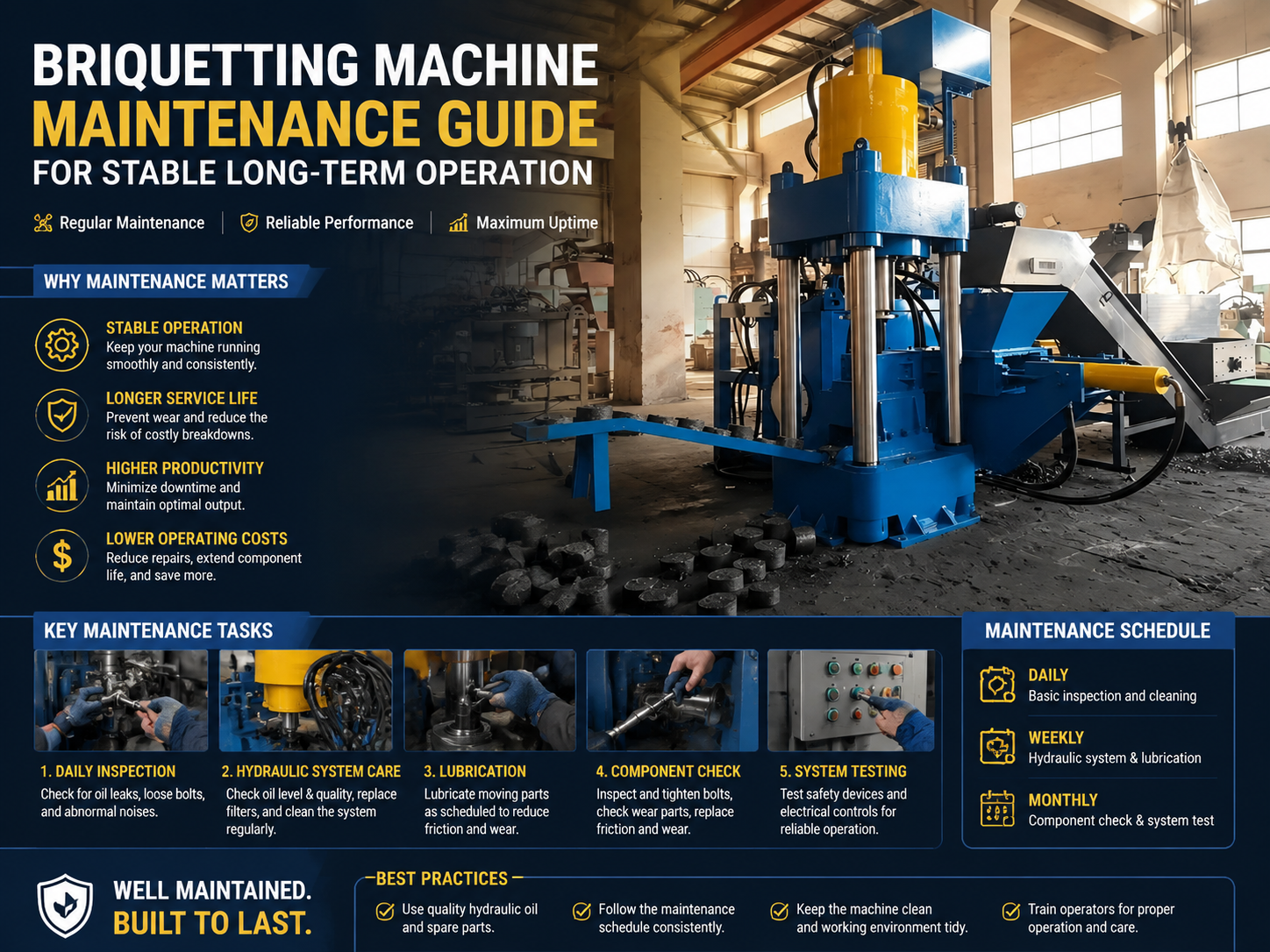
Technical Overview
In the modern metal fabrication landscape, the efficient management of metal waste is not merely a matter of environmental compliance but a critical component of operational profitability. HARSLE briquetting machines are engineered to transform loose metal chips, turnings, and swarf into dense, high-value briquettes. This process significantly reduces the volume of waste, facilitates easier transport, and allows for the recovery of expensive cutting fluids. Achieving stable long-term operation requires a deep understanding of the mechanical and hydraulic systems that drive these robust machines.
The core technology behind a HARSLE briquetting press involves a high-pressure hydraulic system that compresses metal particles into a solid form without the need for binders or additives. The machine consists of a feeding hopper, a pre-compression chamber, and a main compression cylinder. The synchronization of these components is vital. When the system operates at peak efficiency, it minimizes wear on the die and punch, which are the most critical components subjected to extreme mechanical stress during the compaction cycle.
Maintenance for these systems is not a luxury; it is a fundamental requirement for industrial longevity. Because briquetting machines operate under immense pressure—often exceeding 200 MPa—any deviation in hydraulic fluid quality, seal integrity, or structural alignment can lead to catastrophic failure. By adhering to a strict maintenance schedule, operators can prevent unplanned downtime, reduce replacement costs for consumables, and ensure that the output quality remains consistent across thousands of cycles.
Furthermore, the integration of advanced sensors and PLC (Programmable Logic Controller) systems in HARSLE equipment allows for real-time monitoring of pressure and cycle times. Understanding how to interpret this data is a key part of the maintenance process. Operators should view the machine as a precision instrument rather than a simple crusher. Regular inspections of the electrical cabinet, cooling systems, and lubrication points are the pillars upon which stable long-term operation is built.
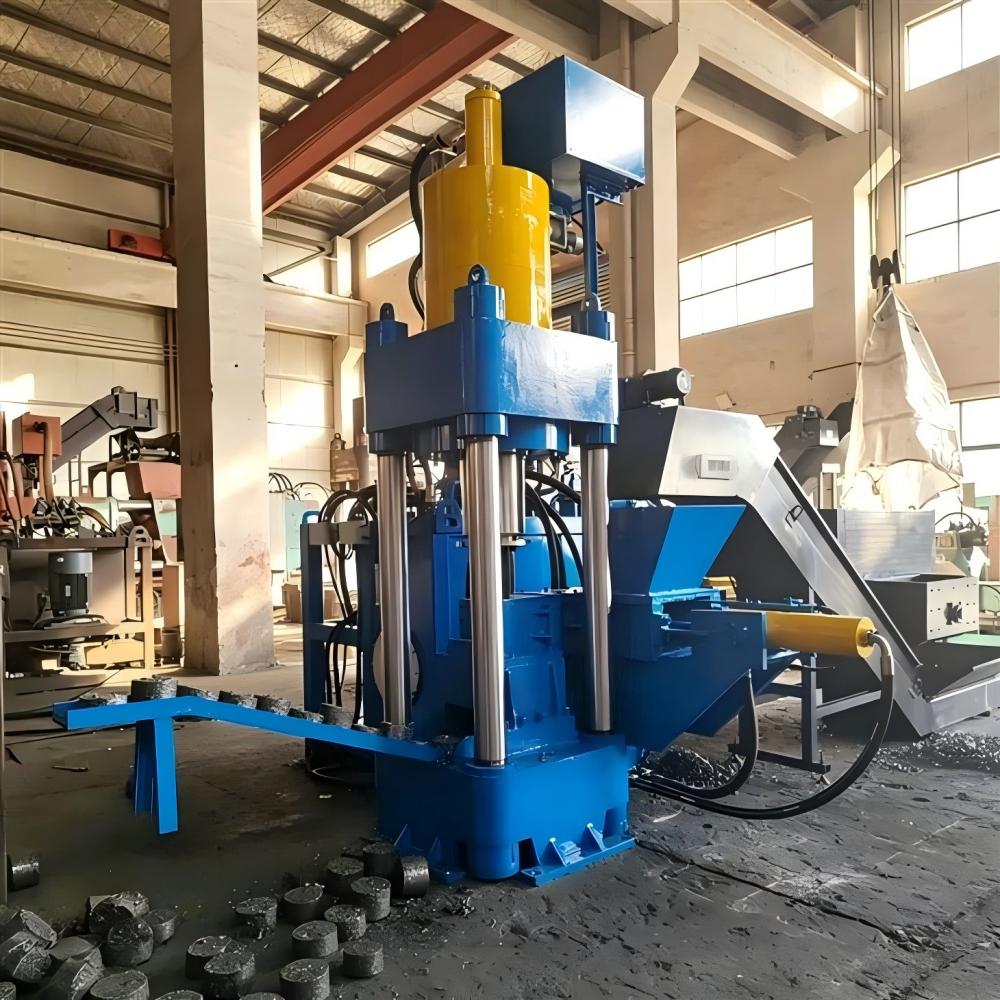
Core Parameters
To ensure stable long-term operation, one must first understand the core parameters that define the machine’s performance. The primary parameter is the specific pressure exerted on the material. This is determined by the hydraulic cylinder force and the cross-sectional area of the die. If the pressure is too low, the briquettes will crumble; if it is too high, the machine will experience unnecessary fatigue. HARSLE machines are calibrated to provide the optimal pressure range for specific metal types, such as aluminum, steel, or copper.
Another critical parameter is the cycle time, which dictates the throughput of the machine. While it is tempting to increase speed to maximize production, doing so can lead to overheating of the hydraulic oil and premature wear of the seals. The cooling system’s capacity is a parameter that must be monitored closely. If the oil temperature exceeds the recommended threshold, the viscosity of the hydraulic fluid drops, leading to internal leakage and a loss of compaction force.
The feed rate is equally important. The pre-compression chamber must be filled consistently to ensure that each briquette has the same density. Inconsistent feeding leads to shock loading on the main cylinder, which can cause vibrations that loosen mechanical fasteners over time. Maintaining a steady flow of material is essential for the structural integrity of the machine frame and the longevity of the hydraulic components.
Finally, the die and punch clearance is a parameter that requires periodic adjustment. As the metal chips are compressed, they exert abrasive forces on the internal surfaces of the die. Over time, this wear increases the clearance, which can lead to ‘flashing’—where metal particles escape between the punch and the die. Monitoring this clearance is a primary task in the maintenance cycle to ensure the machine continues to produce high-quality briquettes without mechanical interference.
Calculation Method
Calculating the required force for your briquetting operation is essential for preventing machine overload. The basic formula for compaction force is F = P × A, where F is the total force in Newtons, P is the pressure in Pascals, and A is the area of the briquette in square meters. However, in a practical industrial setting, one must also account for the friction coefficient of the material being processed. Different metals have different flow characteristics, which impact the required force.
To calculate the throughput capacity, use the formula: T = (V × D × N) / 1000, where T is the throughput in kg/h, V is the volume of the die in cubic meters, D is the density of the briquette in kg/m³, and N is the number of cycles per hour. By understanding these variables, maintenance teams can determine if the machine is being pushed beyond its design limits. If the actual throughput consistently exceeds the calculated capacity, the machine is likely being overstressed, which will inevitably lead to a failure in the hydraulic seals or the main frame.
Energy consumption is another metric that can indicate the health of the machine. By measuring the current draw of the hydraulic pump motor during a standard cycle, operators can establish a baseline. If the current draw increases over time for the same material, it is a strong indicator of increased friction within the compression chamber or a degradation in the hydraulic pump’s efficiency. This calculation serves as a predictive maintenance tool, allowing for intervention before a total breakdown occurs.
Finally, the calculation of hydraulic fluid life is vital. By tracking the number of cycles and the operating temperature, maintenance managers can estimate the degradation rate of the oil. Oxidation and contamination are the enemies of hydraulic systems. Using the formula for oil service life based on temperature and contamination levels helps in scheduling oil changes before the fluid loses its lubricating properties, thereby protecting the expensive valves and cylinders from internal scoring.
Parameter Table
| Parameter | Recommended Range | Maintenance Frequency | Impact of Deviation |
|---|---|---|---|
| Hydraulic Pressure | 200-250 Bar | Daily Check | Loss of briquette density |
| Oil Temperature | 40°C – 60°C | Continuous Monitoring | Seal degradation/Pump failure |
| Die Clearance | 0.05mm – 0.15mm | Weekly Inspection | Material leakage/Punch wear |
| Cycle Time | 15-30 Seconds | Monthly Audit | Reduced throughput/Overheating |
| Oil Contamination | ISO 4406 18/16/13 | Quarterly Analysis | Valve sticking/System failure |
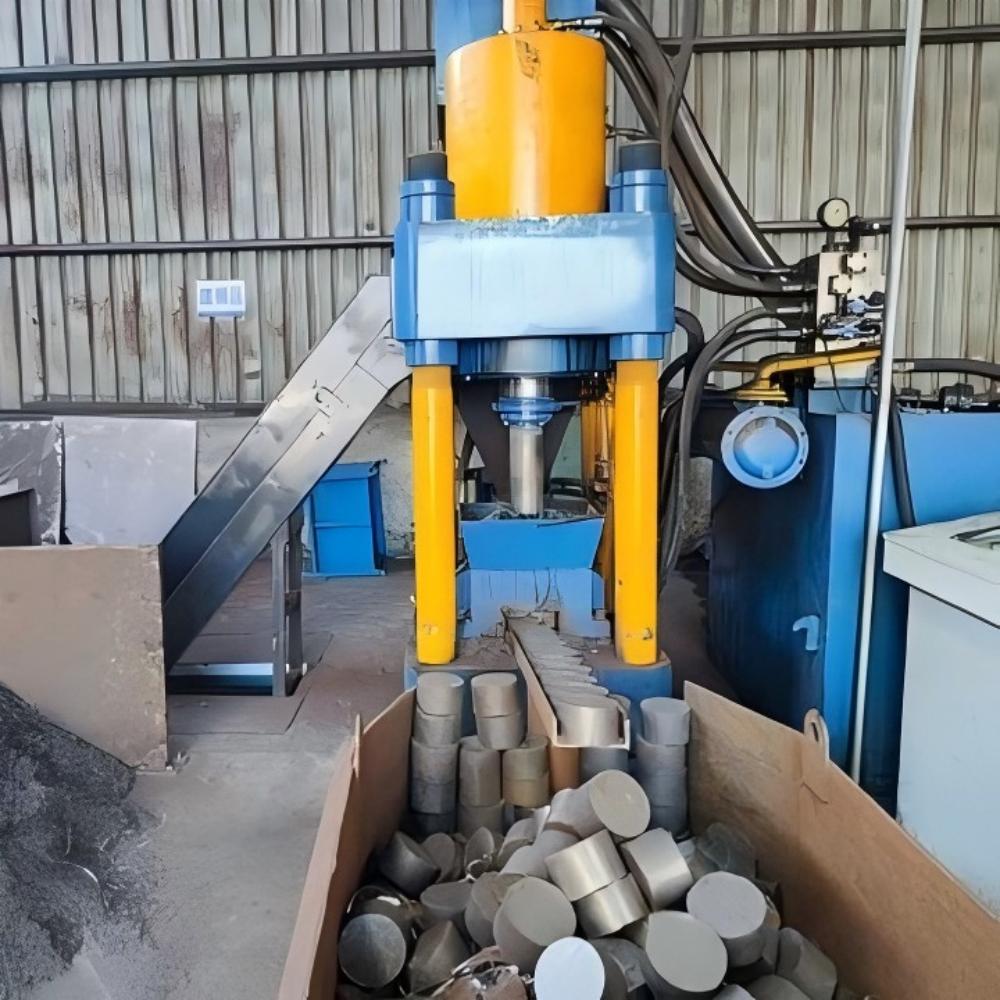
Common Engineering Mistakes
One of the most frequent mistakes in briquetting machine maintenance is the neglect of the hydraulic filtration system. Many operators assume that as long as the machine is running, the oil is fine. However, hydraulic systems are highly sensitive to particulate matter. Even microscopic metal shavings can act as an abrasive, scoring the internal walls of the cylinders and causing the valves to stick. Failing to change filters at the manufacturer-recommended intervals is a primary cause of premature hydraulic failure.
Another common error is the improper adjustment of the machine’s structural alignment. Over time, the vibrations generated by the high-pressure compaction process can cause bolts to loosen. If these are not tightened to the correct torque specifications, the frame can experience uneven stress distribution. This leads to micro-cracks in the steel, which can eventually result in a structural failure of the press frame. Regular torque checks are non-negotiable for stable long-term operation.
Ignoring the quality of the raw material is also a significant oversight. Briquetting machines are designed for specific types of metal chips. Introducing foreign objects, such as bolts, stones, or hardened steel pieces into a machine designed for aluminum or copper turnings, can cause catastrophic damage to the punch and die. Operators must implement a strict material screening process to ensure that only the intended metal enters the hopper, preventing unnecessary mechanical shock.
Finally, many facilities fail to maintain the cooling system properly. Whether it is an air-cooled or water-cooled system, the heat exchanger must be kept clean. Dust and debris accumulation on the cooling fins significantly reduces the heat dissipation efficiency. When the machine runs hot, the hydraulic oil breaks down faster, and the electronic components in the control cabinet are subjected to thermal stress, leading to erratic behavior and potential electrical faults.
Selection Checklist
When selecting a briquetting machine for your facility, consider the following checklist to ensure you are investing in a system capable of stable long-term operation:
- Material Compatibility: Does the machine have the specific pressure rating required for your metal type (e.g., steel vs. aluminum)?
- Hydraulic Component Quality: Are the pumps, valves, and cylinders sourced from reputable, globally recognized manufacturers?
- Ease of Maintenance: Is the machine designed with accessible panels for filter changes and lubrication points?
- Control System: Does the PLC offer diagnostic capabilities to alert operators to potential issues before they become failures?
- After-Sales Support: Does the manufacturer provide readily available spare parts and technical training for your staff?
- Cooling Capacity: Is the cooling system oversized to handle peak production cycles without overheating?
- Structural Rigidity: Is the frame constructed from high-grade, stress-relieved steel to withstand long-term cyclic loading?
By evaluating these factors, you can ensure that the machine you purchase is not just a short-term solution, but a reliable asset that will contribute to your production goals for years to come. HARSLE prides itself on meeting these criteria, providing machines that are built to withstand the rigors of industrial environments.
FAQ
How often should I change the hydraulic oil in my HARSLE briquetting machine?
Generally, hydraulic oil should be changed every 2,000 to 4,000 operating hours, depending on the environment and the intensity of use. However, we recommend performing an oil analysis every 1,000 hours to check for contamination and oxidation levels.
What is the most common cause of briquette breakage?
Briquette breakage is usually caused by insufficient compaction pressure or improper material moisture/oil content. Ensure that your hydraulic pressure is set correctly and that the material being fed is consistent in size and composition.
Can I process mixed metals in the same briquetting machine?
While possible, it is generally discouraged. Mixing metals can lead to inconsistent briquette density and may require different pressure settings. It is best to process one type of metal at a time to maintain the highest quality output and machine longevity.
What should I do if the machine starts vibrating excessively?
Excessive vibration is a sign of loose mechanical components or an uneven feed of material. Stop the machine immediately, check all structural bolts for proper torque, and ensure the material in the hopper is not bridging or clumping.
How do I know if my die is worn out?
Signs of a worn die include increased flashing (metal escaping the sides of the briquette), a decrease in briquette density, and an increase in the cycle time required to reach the target pressure. If you notice these symptoms, inspect the die and punch for physical wear.
Is daily maintenance really necessary for stable long-term operation?
Yes. Daily checks—such as verifying oil levels, inspecting for leaks, and cleaning the hopper area—prevent minor issues from escalating into major repairs. Consistent daily care is the foundation of stable long-term operation.