How to Resolve Air in the Hydraulic System of a Briquetting Machine: A Comprehensive Guide

Introduction to Hydraulic Integrity in Briquetting Machines
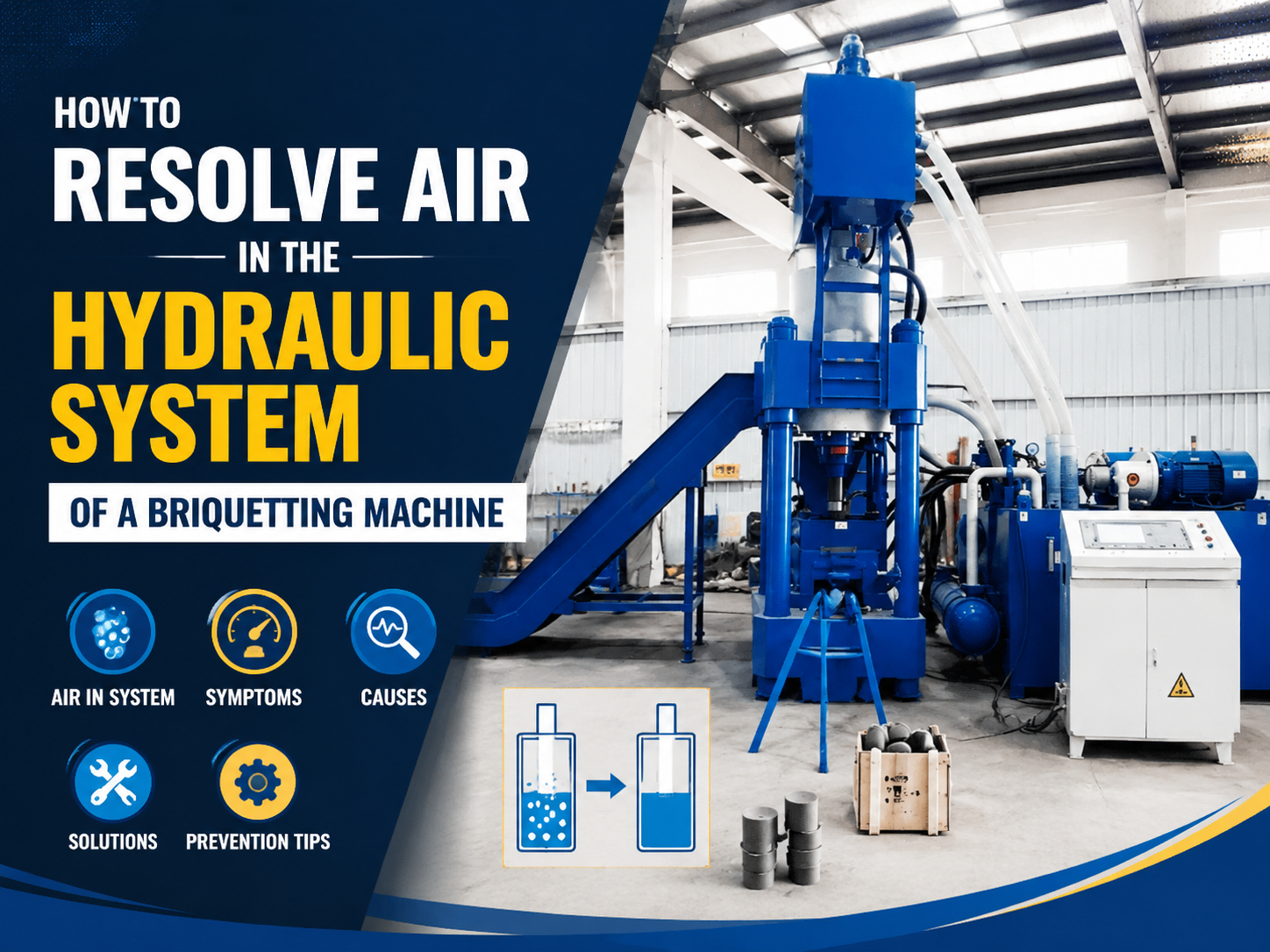
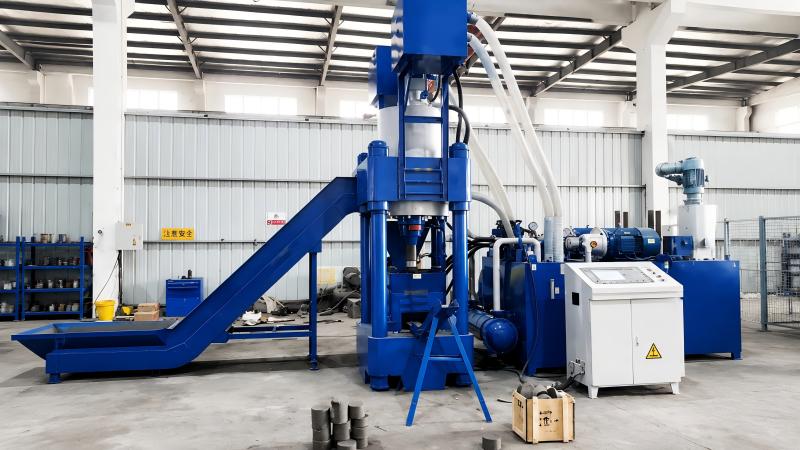
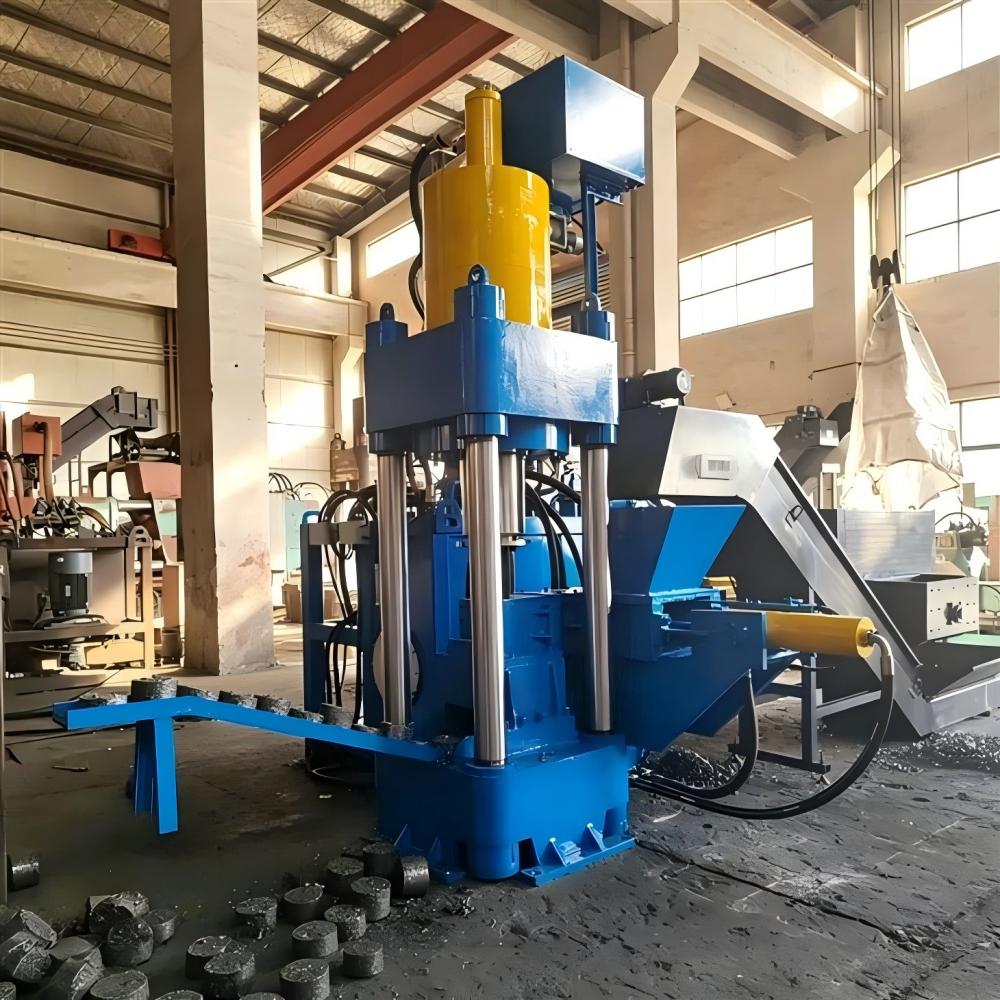
In the world of metal fabrication and scrap recycling, the hydraulic briquetting machine stands as a cornerstone of efficiency. These machines are designed to compress metal chips, shavings, and turnings into dense, manageable blocks, significantly reducing volume and increasing the value of the scrap. However, the heart of these machines—the hydraulic system—is a precision-engineered environment that relies on the incompressibility of hydraulic fluid. When air enters this closed-loop system, it disrupts the fundamental physics of the operation, leading to a cascade of mechanical issues. Understanding how to resolve air in the hydraulic system of a briquetting machine is not just a maintenance task; it is essential for preserving the longevity and ROI of your industrial equipment.
HARSLE, a leader in metal fabrication machinery, recognizes that downtime is the enemy of productivity. Air contamination, often referred to as aeration, can cause erratic machine behavior, excessive noise, and even catastrophic component failure if left unaddressed. This guide provides an in-depth technical exploration of why air enters these systems, how to identify the symptoms, and the precise steps required to purge the air and restore your briquetting machine to peak performance. Whether you are operating a high-capacity industrial press or a specialized scrap compactor, the principles of hydraulic health remain the same.
Key Considerations: Identifying the Presence of Air
Before you can resolve air in the hydraulic system of a briquetting machine, you must first confirm its presence. Air can exist in a hydraulic system in several forms: dissolved air, entrained air (bubbles), or free air (pockets). Each type presents different challenges. The most common symptom is a noticeable increase in noise, often described as a high-pitched whining or a grinding sound coming from the pump. This is frequently caused by cavitation or aeration, where air bubbles collapse under high pressure, sending shockwaves through the system that can pit metal surfaces and destroy seals.
Another critical indicator is “spongy” or erratic movement of the hydraulic cylinders. Because air is compressible and hydraulic oil is not, the presence of air creates a spring-like effect. When the control valve is actuated, the cylinder may hesitate, jerk, or fail to reach its full rated pressure. In a briquetting application, this results in inconsistent briquette density and poor structural integrity of the finished product. If your machine is struggling to meet its compression targets despite the pump running at full speed, air in the lines is a primary suspect.
Temperature spikes are also a major red flag. When air bubbles are rapidly compressed, they generate intense localized heat—a phenomenon known as the “diesel effect.” This heat can exceed the thermal limits of the hydraulic oil, leading to oxidation, varnish formation, and the premature breakdown of additives. Monitoring the oil temperature at the reservoir and comparing it to the temperature at the cylinder ports can help pinpoint where air might be trapped. If the oil appears cloudy or foamy in the sight glass, you are dealing with significant entrained air that requires immediate attention.
Finally, consider the safety implications. A hydraulic system with trapped air is unpredictable. Sudden releases of pressure or unexpected cylinder movements can pose a risk to operators. Regular inspections of the hydraulic hoses, fittings, and seals are necessary to prevent air from being sucked into the system during the suction stroke of the pump. Even a microscopic leak that doesn’t show oil dripping out can be large enough to let air in when the system is under vacuum.
Technical Details: Step-by-Step Resolution Procedures
1. Identifying the Entry Point
To effectively resolve air in the hydraulic system of a briquetting machine, you must stop the ingress at its source. The most common entry points are the suction line between the reservoir and the pump. Check all clamps and fittings for tightness. Inspect the suction hose for any signs of cracking or soft spots that might collapse under vacuum. Even a slightly loose fitting on the intake side can act as a venturi, drawing air into the oil stream. Additionally, ensure the oil level in the reservoir is well above the suction inlet; if the level is too low, a vortex can form, pulling air directly into the pump.
2. Bleeding the Hydraulic Cylinders
Once the source is sealed, you must remove the air already trapped in the system. Most high-quality briquetting machines, like those from HARSLE, feature bleed valves at the highest points of the hydraulic cylinders. To bleed the system, extend the cylinder fully and slightly crack the bleed screw. Allow the air to hiss out until a steady stream of oil appears, then tighten the screw. Repeat this process for the retraction stroke. If your machine does not have dedicated bleed screws, you may need to carefully loosen the hose fitting at the highest point of the cylinder, but this must be done with extreme caution and at low pressure to avoid injury.
3. Cycling the System
For systems with minor aeration, cycling the machine through its full range of motion several times can often force air back to the reservoir, where it can escape. Run the briquetting cycle without material (dry run) at a reduced pressure. Ensure the reservoir is properly vented; a clogged breather cap can prevent air from escaping the tank, leading to a buildup of pressure or vacuum that further complicates the issue. During this process, keep a close eye on the oil level, as it will drop as air is replaced by fluid.
4. Checking the Pump Shaft Seal
A frequently overlooked source of air is the pump’s shaft seal. If the seal is worn or damaged, it can allow air to be drawn into the pump housing. This is particularly common in older machines or those that have been operated in dusty environments without adequate filtration. If you have tightened all external fittings and the oil remains foamy, the pump shaft seal should be inspected and replaced if necessary. HARSLE recommends using high-quality Viton or nitrile seals that are compatible with your specific hydraulic fluid to ensure a long-lasting, airtight seal.
5. Oil Quality and Additives
The type of hydraulic oil used plays a significant role in how easily air can be resolved. High-quality hydraulic fluids contain anti-foaming agents that encourage small air bubbles to coalesce and rise to the surface of the reservoir more quickly. If you are using a low-grade oil, it may hold onto air bubbles (entrainment) for much longer, making the bleeding process nearly impossible. Ensure your oil meets the ISO viscosity grade recommended by the manufacturer and that it is free from water contamination, which can also cause foaming and aeration issues.
Selection Advice: Choosing a Machine Designed for Reliability
When purchasing a new machine, looking for features that help resolve air in the hydraulic system of a briquetting machine automatically can save hundreds of hours in maintenance. HARSLE designs its hydraulic systems with several key features to minimize air-related issues. First, look for machines with oversized reservoirs. A larger volume of oil allows for a longer “dwell time,” giving air bubbles more time to rise to the surface and dissipate before the oil is recirculated into the pump. Baffles inside the tank are also crucial; they direct the flow of oil and prevent turbulence that can trap air.
Second, prioritize machines with high-quality filtration systems. Contaminants in the oil can act as nucleation points for air bubbles, exacerbating aeration. A system with both suction and return-line filters ensures that the oil remains clean and the pump is protected. Furthermore, modern briquetting machines often include integrated diagnostic sensors that can detect pressure fluctuations indicative of air in the system, allowing operators to address the problem before it causes damage.
Third, consider the layout of the hydraulic plumbing. A well-designed machine will have minimal bends and transitions in the suction line, reducing the risk of pressure drops that lead to cavitation. HARSLE engineers optimize the hose routing to ensure that air naturally migrates toward the reservoir or designated bleed points. When evaluating a machine, ask the manufacturer about their hydraulic circuit design and what measures they have taken to prevent aeration.
| Feature | Benefit for Air Management | HARSLE Standard |
|---|---|---|
| Baffled Reservoir | Reduces turbulence and allows air to escape. | Yes |
| High-Point Bleed Valves | Simplifies the process of purging trapped air. | Yes |
| Anti-Foam Oil Compatibility | Prevents micro-bubbles from staying in suspension. | Yes |
| Suction Line Integrity | Heavy-duty reinforced hoses prevent vacuum leaks. | Yes |
Frequently Asked Questions (FAQ)
How often should I bleed the hydraulic system?
Under normal operating conditions, a well-sealed hydraulic system should not require frequent bleeding. However, you should perform a bleed procedure whenever the system is opened for maintenance (e.g., changing a hose or filter) or if you notice symptoms like spongy controls or unusual noise. Regular monitoring of the oil’s appearance in the sight glass is the best way to determine if air is becoming an issue.
Can I use any hydraulic oil in my briquetting machine?
No. It is critical to use the oil viscosity and type recommended by the manufacturer. Using an oil that is too thick can cause high vacuum in the suction line, leading to cavitation. Using an oil that is too thin may not provide adequate lubrication or seal-swelling properties, leading to leaks that allow air in. Always look for oils with high-quality anti-wear and anti-foaming additives.
What is the difference between aeration and cavitation?
Aeration occurs when air from the outside enters the hydraulic fluid (e.g., through a leak or low oil level). Cavitation occurs when the pressure of the hydraulic fluid drops below its vapor pressure, causing the fluid itself to form vapor bubbles. Both are destructive, but they have different causes. Aeration is usually a plumbing or seal issue, while cavitation is often a flow restriction or pump speed issue.
Why is my briquetting machine making a loud banging noise?
A loud banging or “knocking” noise is often a sign of severe aeration or cavitation. This is the sound of air bubbles imploding under high pressure. This can cause immediate damage to the pump’s internal components and should be addressed immediately by checking the suction line and oil level.
Can air in the system affect the quality of the metal briquettes?
Yes, significantly. Air makes the hydraulic system less responsive and prevents it from reaching maximum pressure consistently. This results in briquettes that are less dense, more prone to crumbling, and potentially containing more residual moisture or oil, which reduces their value at the foundry.
Conclusion: Maintaining Peak Performance
To resolve air in the hydraulic system of a briquetting machine is to ensure the reliability and efficiency of your entire scrap processing operation. By understanding the symptoms of aeration, identifying the common entry points for air, and following a systematic bleeding procedure, you can protect your investment from the destructive effects of air contamination. Remember that a proactive maintenance schedule—including regular oil analysis, filter changes, and seal inspections—is far more cost-effective than reactive repairs following a component failure.
HARSLE remains committed to providing the metal fabrication industry with robust, user-friendly machinery that stands up to the rigors of industrial use. Our briquetting machines are engineered with the operator in mind, featuring accessible hydraulic components and advanced designs that minimize the risk of air ingestion. By combining high-quality HARSLE equipment with the technical knowledge provided in this guide, you can ensure that your hydraulic systems remain powerful, quiet, and productive for years to come. For more information on our range of hydraulic presses and briquetting solutions, contact our technical support team today.